 Ming Yang
- Why Shangri-La at Night Deserves a Spot on Your Itinerary
- Top Night Activities in Shangri-La You Shouldn't Miss
- How to Plan a Perfect Evening in Shangri-La: Step-by-Step
- What You Must Know Before Exploring Shangri-La at Night
- Insider Tips and Common Mistakes When Visiting Shangri-La After Dark
- Frequently Asked Questions About Nightlife in Shangri-La
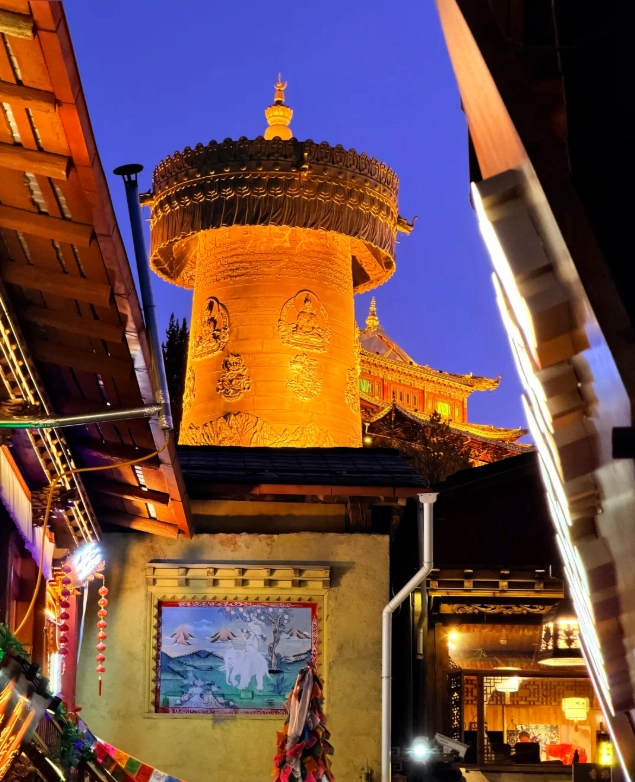
It's 8 PM, and I'm standing in the middle of Dukezong Ancient City with a group of exhausted but excited travelers. The moon is up, prayer flags are fluttering, and the golden prayer wheel is glowing like a giant lantern. This is the Shangri-La I want you to see — not the crowded daytime version, but the calm, mysterious after-dark one.
Most visitors book a 3-day itinerary that ends when the sun sets. That's a mistake. The town transforms at night, and I always tell my clients: if you skip the evening here, you're missing half the magic.
But here's the catch: navigating Shangri-La at night can be tricky. Cash isn't always accepted, Google Maps sends you to wrong directions, and many shows need pre-booking with your passport. Don't worry — I've got you covered.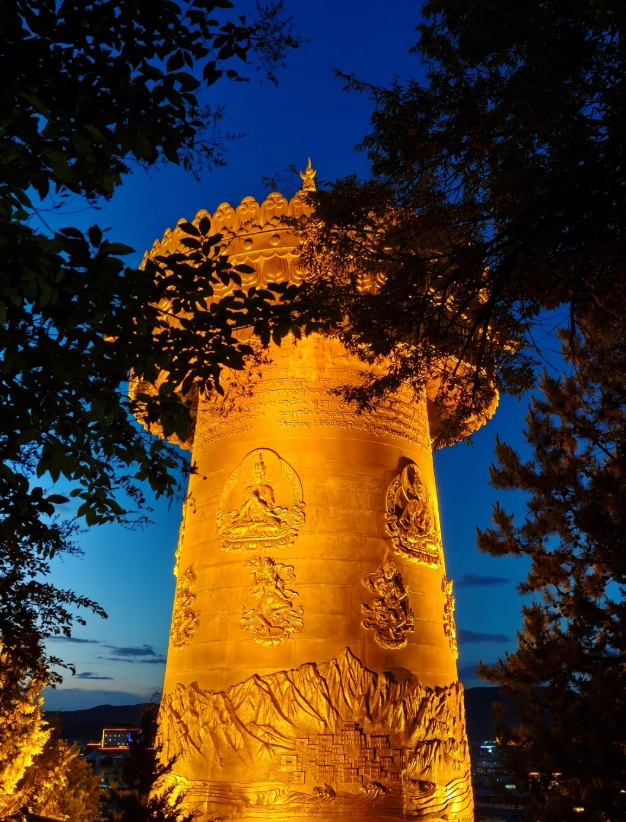
Why Shangri-La at Night Deserves a Spot on Your Itinerary
Unlike Lijiang or Dali, Shangri-La doesn't get so crowded that you can't breathe. Once the tour buses leave, a peaceful hush falls over the old town. The air smells of sandalwood and yak butter, and the stars seem close enough to touch.
Nighttime here is not about wild parties. It's about walking slowly, tasting local food, and soaking in the monastic vibe. You'll hear the deep sound of horns from the distant monasteries and see Tibetan grandmothers spinning prayer wheels with quiet devotion.
Top Night Activities in Shangri-La You Shouldn't Miss
Stroll Through the Lantern-Lit Dukezong Ancient City
Dukezong Ancient City is free to enter and stays lively until around 11 PM. The cobblestone streets glow under red lanterns, and the wooden shop fronts look straight out of a fairy tale. I recommend starting from the South Gate and wandering up to the Sifang Street (Square Street), where locals gather for square dancing around 7 PM.
You can join the dance — just smile and follow the steps. It's a fantastic ice-breaker. The shops mostly sell Tibetan blankets, knives, and souvenirs. Don't buy at the first store you see; prices drop by 20–30% as you go deeper into the alleys.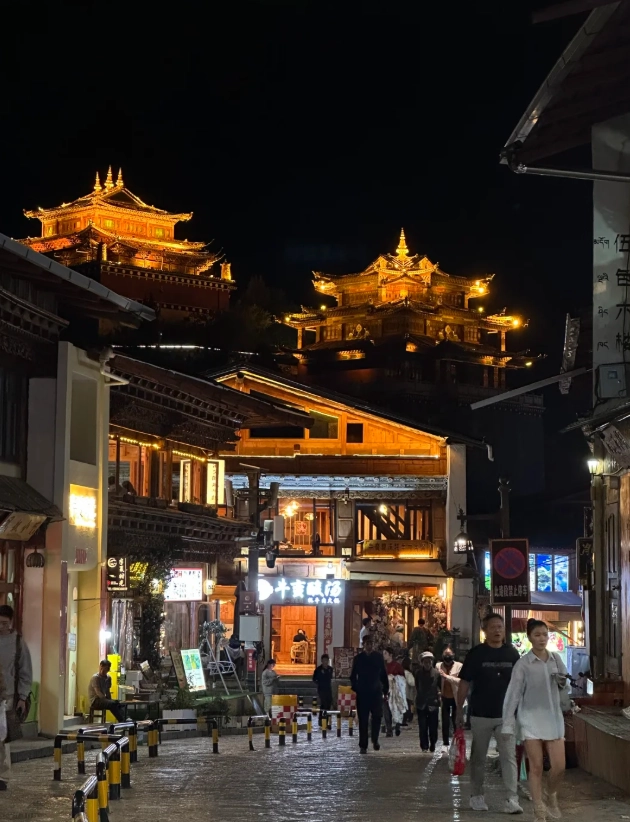
See the Giant Prayer Wheel at Guishan Hill
The Great Prayer Wheel on Guishan Hill is the largest in the world, and it's illuminated at night. The climb up takes about 15 minutes, and the altitude may leave you winded. But once you reach the top, the view of the golden pagoda and the old town lit up below is unforgettable.
Here's my insider tip: go after 8:30 PM. The tour groups are gone, and the locals come to spin the wheel for their evening prayers. It's customary to spin it three times, preferably clockwise. The wheel is heavy, so use your whole body. Wear warm clothes — the wind at night is biting.
Watch a Tibetan Cultural Performance or Thangka Show
Tibetan performances are a highlight for many visitors, and they usually start around 7:30 or 8 PM. You'll see traditional songs, mask dances, and throat singing. The two main venues are the Shangri-La Culture Centre and the Dukezong Performance Hall. Tickets cost between 150–200 RMB and include a cup of butter tea.
You must book in advance with your passport number. I've found that Trip.com makes it easy — just search for 'Shangri-La Tibetan show'. Alternatively, ask your hotel to book for you. Trip.com usually has the best English interface. If you prefer, Klook also offers similar packages.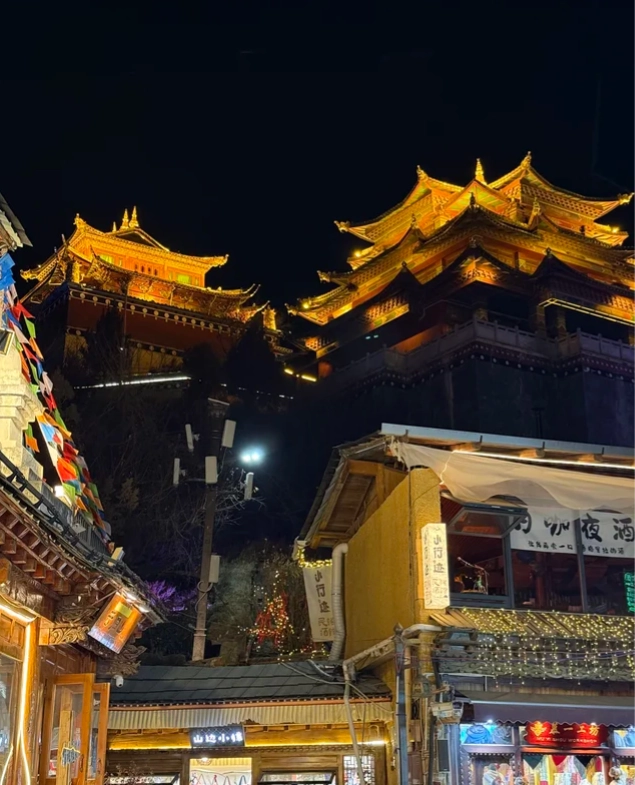
Join the Locals at the Night Market and Sample Tibetan Food
Night markets are where you'll find the heart of local cuisine, and they usually set up around Dukezong Square. Try the yak meat skewers (5–10 RMB each), butter tea, and tsampa (roasted barley flour). The bread with yak cheese is also a must. Most stalls only accept mobile payments like Alipay or WeChat Pay, so prepare your phone.
If you're not a meat lover, ask for the vegetarian momo (steamed dumplings) — they're filled with wild mushrooms and cabbage. They're delicious.
Sip a Drink at a Tibetan-Style Bar or Café
For a nightcap, head to the northern edge of the old town, where a small cluster of bars offer quiet corners with folk music. The Marmot Café is a reliable choice, serving decent coffee, yak cheese cake, and local beer. If you want something stronger, try Tibetan barley wine — but be careful: it's stronger than it tastes, and the altitude amplifies its effects.
How to Plan a Perfect Evening in Shangri-La: Step-by-Step
Here's a flexible evening itinerary I use with my groups. Adjust it based on your energy level and interests.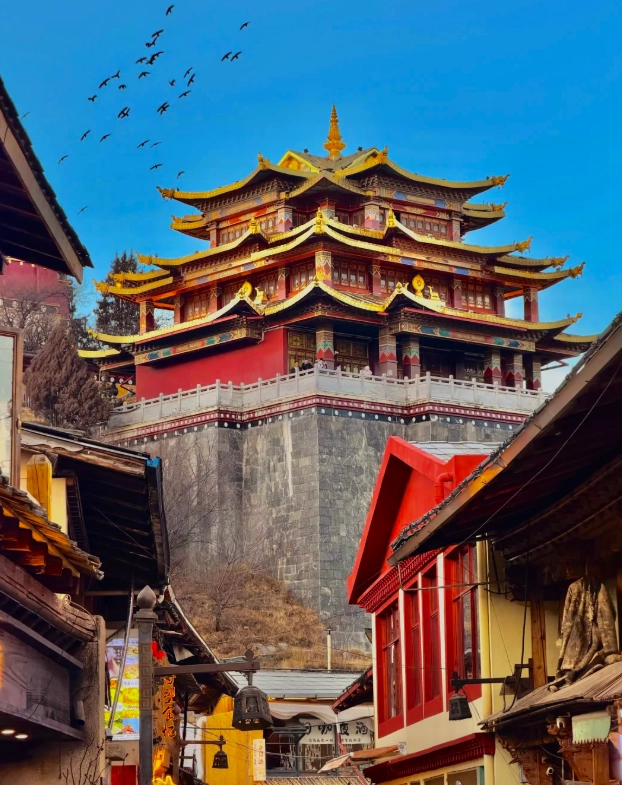
- 18:00 – Dinner at a local family restaurant – Try hot pot or mushroom stew. Ask your hotel for a recommendation, or head to a place called 'Grandma's Kitchen' in Dukezong (it's well-known). Expect to pay 50–80 RMB per person.
- 19:00 – Watch the square dance at Sifang Street – It runs until about 8 PM. Join in and warm up your legs for the climb later.
- 20:00 – Climb Guishan Hill for the prayer wheel – By now, the crowds have thinned. Spend 30–40 minutes watching the sunset and then the night view.
- 20:45 – Catch a Tibetan cultural show – If you booked at 8 PM, you'll need to adjust. I usually recommend the 9 PM show so you don't rush the prayer wheel.
- 22:00 – Night market snacks – Slide through the stalls and eat something sweet, like warm milk cake with honey.
- 23:00 – Late-night café or bar – End with a cup of local herbal tea or a gentle drink back near the South Gate.
If it's raining, skip the hill and do the cultural show earlier, then visit a Buddhist temple in the old town that has a fascinating indoor thangka museum.
What You Must Know Before Exploring Shangri-La at Night: Payment, Transport & Booking
Payment: Mobile Wallets Are King
Most small vendors and even some restaurants in Shangri-La do not accept international credit cards or cash. You should have Alipay or WeChat Pay set up with your foreign card before you arrive. If you haven't done this, visit a convenience store or ask your hotel to help you transfer money to a local contact.
For shows and tickets, if you book through Klook or Trip.com, you can often pay with a card online. But for street food, mobile payment is the only way.
Navigation: Forget Google Maps
Google Maps is unreliable in China — it'll show you wrong directions or missing roads. Use Apple Maps (which works surprisingly well) or sideload the AMap Global app (高德地图). Even better, carry a business card from your hotel with the Chinese address and show it to your taxi or ride-hailing driver.
For rides, Didi is the local Uber, but the English version is called DiDi Rider. It works with foreign cards. Taxis in Shangri-La are scarce after 10 PM, so I always tell clients to save the hotel's number.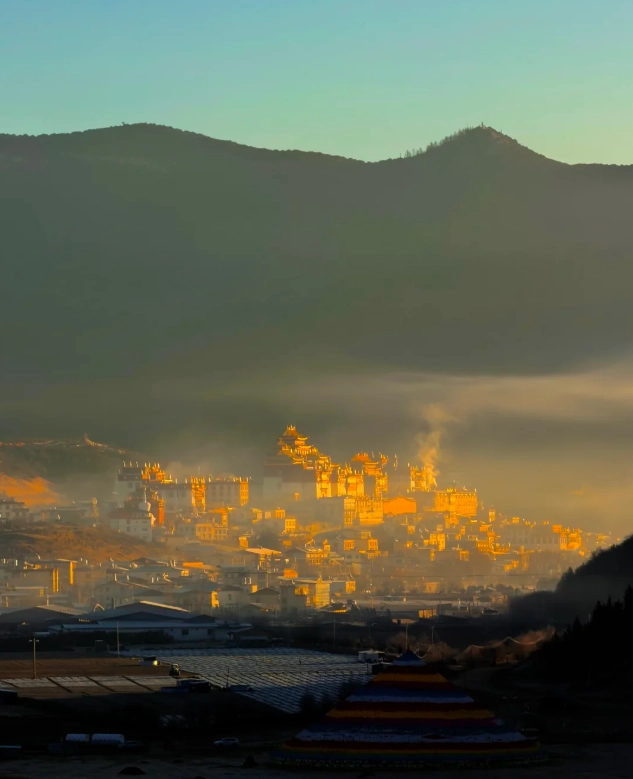
Booking: Passport Required
Most night activities, particularly performances and any monastery visits, require you to have your passport on you. For shows that need advanced booking, you'll need your passport number to buy tickets. If you can't navigate the Chinese booking systems, use Trip.com or Klook, which accept foreign passports and simplify everything.
Language and Connectivity
You will need a VPN to use Google, WhatsApp, and many other Western apps. Download a reliable VPN before you come, and also install a translation app like Apple Translate or the Baidu Translate app. They work offline for Mandarin phrases.
Insider Tips and Common Mistakes When Visiting Shangri-La After Dark
Now, let me save you some money and headaches.
- Don't eat your main meal in the bar area near the South Gate. The food is overpriced and bland. Walk 10 minutes to the residential quarter behind the old town, where you'll find family-run spots with better food at half the price.
- Watch for altitude sickness. Shangri-La sits at over 3,200 meters, and symptoms get worse at night when your body rests. Drink plenty of water, avoid alcohol for the first two days, and take it slow. If you feel dizzy, head back to your hotel and rest.
- The prayer wheel is not a photo booth. Locals take it seriously. If you see people praying, don't block their path. It's fine to take photos, but be respectful.
- Beware of unofficial tour guides. Near the main entrance, someone may approach you offering to show you around for a 'small fee'. Politely decline — you can easily explore on your own.
- Carry a flashlight. Some alleys in Dukezong are poorly lit. The main paths are fine, but if you wander into the side alleys, you'll appreciate a little extra light.
Pro Tip: Bring a refillable water bottle and fill up at your hotel before heading out. The high altitude dries you out, and buying bottled water every hour gets expensive.





No comments yet.