 Ting Chen
- Why Chengdu Nights Are So Unique
- Top 15 Things to Do in Chengdu at Night
- Night Markets and Streets
- Sichuan Opera and Night Performances
- Hotpot and Late-Night Snacks
- Bars, Live Music, and Riversides
- Panoramic Views and Relaxed Evenings
- How to Get Around at Night
- What to Know Before You Go
- Night Travel FAQs
Let me just put this out there: Chengdu after dark is a totally different animal from its daylight version. The city shakes off its laid-back teahouse persona and transforms into a glowing street-food paradise. These are 15 night experiences I personally rate, and I've done them all more times than I can count. You probably searched for 'what to do in Chengdu at night' and found generic travel lists. So here's the catch: keep your Alipay charged, download a VPN before you land, and get ready to walk. Because the real magic starts when the lanterns flicker on — and my route below saves you from the tourist-trap chaos.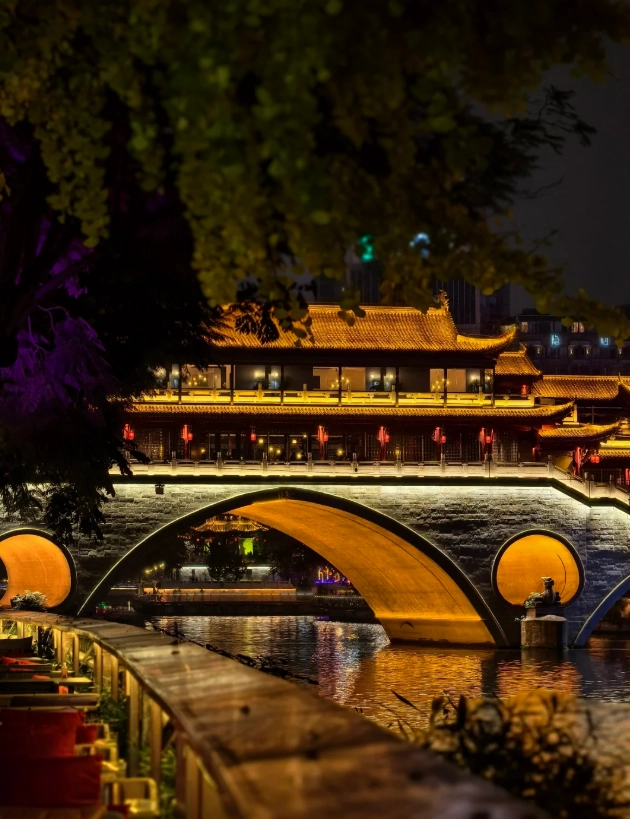
Why Chengdu Nights Are So Unique
Chengdu has a relaxed pace during the day because people save their energy for the evening. The weather is mild for most of the year, so outdoor night markets and river walks are comfortable. Plus, Sichuan pepper, chilli, and garlic flavour everything — you need a night to walk it off. But the biggest difference is the attitude: locals see the night as a social event, not an afterthought. You'll see three generations of families eating skewers in the street at 22:00. That's rare even in China.
Top 15 Things to Do in Chengdu at Night
I've grouped these into four categories so you can mix and match based on your energy level. All of these are doable in one night if you start at 18:00 — but honestly, I'd spread them across two evenings to soak in the vibe.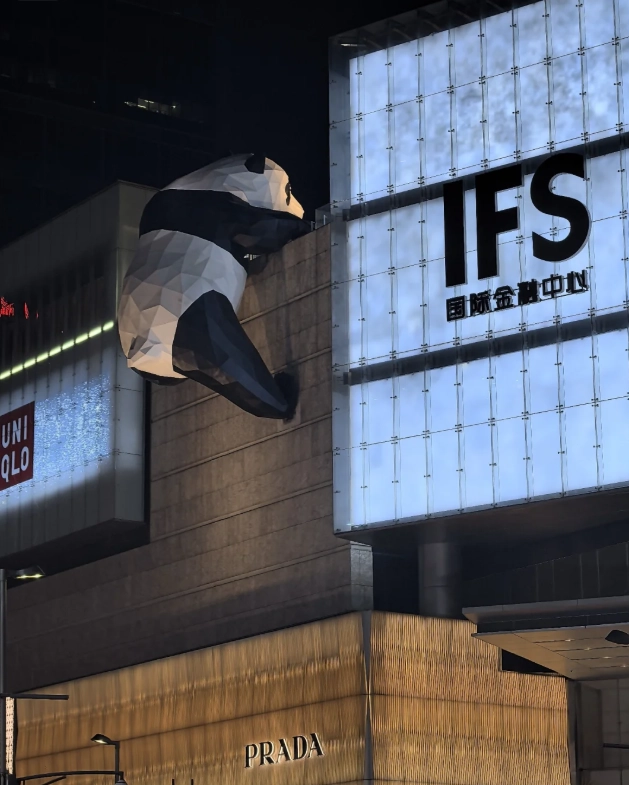
Night Markets and Strolling Streets
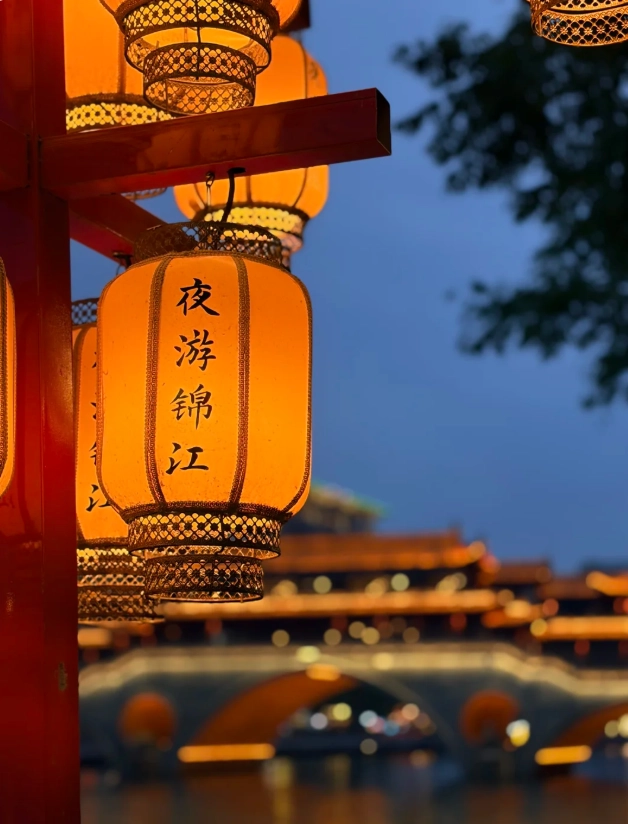
- Jinli Ancient Street — The best first stop. This restored Qing-era shopping street is flooded with red lanterns and the smell of sizzling Sichuan pepper. Wander from the Wuhou Shrine into the main lane. Address: 231 Wuhouci Street, Wuhou District (武侯祠大街231号). Free entrance; shops and stalls generally run until 22:30. My trick: go in from the south side to avoid the entrance crowd — the alley connects to the rear of the temple grounds. You'll find mini panda toys, but don't buy at the first stall; the deeper you go, the cheaper.
- Kuanzhai Alley — Three parallel lanes in the old town: Kuan Lane, Zhai Lane, and Jing Lane. In the evening, courtyard teahouses glow with warm light, and tiny bars serve local craft beer. It's less intense than Jinli but still lively. Free; open until late evening. If you need a rest, stop at Mailbox Coffee — a cute café inside a converted post office. Address: 22 Jiangxi Street, Qingyang District.
- Chunxi Road and Taikoo Li — For a dose of modern Chengdu. Visit the luxury shops at Taikoo Li (Sino-Ocean Taikoo Li), where their black-tile rooftops are beautifully illuminated at night. Wander toward the northern end and you'll hit old residential lanes with hip noodle joints. Metro: Chunxi Road Station, Line 2/3, Exit A or B.
- Tianfu Square — Chengdu's 'zero point' and a massive pedestrian plaza. Fountains shoot up at 20:00 (check on-site for seasonal times). Kids splash around, old guys fly glowing kites, and the giant Mao statue looks down calmly. It's free. If you visit on a clear night, you can see the whole Sichuan Science and Technology Museum lit up. Address: Renmin South Road, Qingyang District.
Sichuan Opera and Night Performances
- Sichuan Opera (Bian Lian) — The face-changing show where performers swap colored masks in a fraction of a second. It's loud, theatrical, and unmissable. The best venue is the Sichuan Opera Institute Theater at 21 Dongchenggen Street. Tickets are 180–300 RMB depending on seat and include tea and snacks. Showtimes usually at 20:00; arrive 30 minutes early to find your row. Book through your hotel, Trip.com, or directly at the box office. Visitors often ask if they can tip — no, it's not expected.
- Traditional teahouse live music — Skip the TV shows and find a local teahouse with an erhu (two-string fiddle) player. In Kuanzhai Alley, you'll sometimes see performers in the courtyard. Elsewhere, try Heming Teahouse inside Culture Park. A cup of jasmine tea costs 30–60 RMB. It's a calm contrasting experience to the loud opera. Ask the staff when the live music starts — it varies, but usually between 19:30 and 21:30.
Hotpot and Late-Night Snacks
- Hotpot dinner — Let's be real: no night in Chengdu ends without hotpot. Go with a friend or two, order a Yuanyang (split) pot with one half spicy, one half clear chicken broth. I always recommend Shu Da Xia (蜀大侠) for its cured beef and crispy pork. A meal for two with beer runs about 200–300 RMB. Wait times can hit 40 minutes at 19:00; use the 微信 WeChat to join the queue through their official account or go early at 17:30. You can find Shu Da Xia at 14 Shuyuan Street, Jinjiang District.
- Chuanchuanxiang — The local skewer fun. You and your friends sit around a low table with a bubbling pot, pick bamboo skewers from a fridge, and cook them yourself. After the meal, the staff counts the sticks — each stick is usually 1 RMB. It's cheap, messy, and amazing. Stalls around Kuanzhai and Jinli open till 1:00. Look for a place with a picture menu or just point at what locals eat. Bring your own napkins. Pay with WeChat or Alipay; cash may not have change.
Bars, Live Music, and Riversides
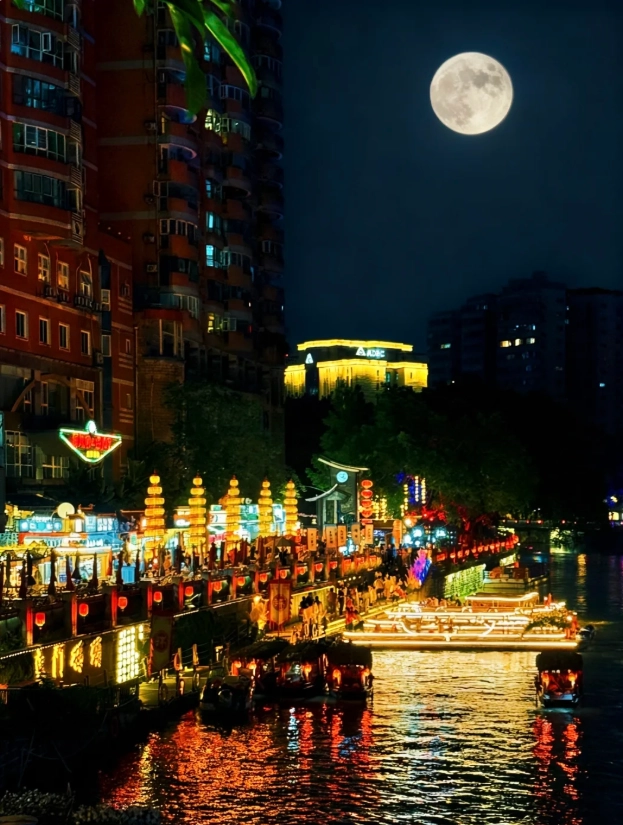
- Jiuyan Bridge (Nine-Eye Bridge) Bar Street — This is Chengdu's legendary bar strip along the Jin River. Join the crowds walking the riverside promenade, hopping between craft beer bars and acoustic stages. Start at one end near the bridge, walk downstream, and stick your head into any place with music you like. Beers go for 25–50 RMB. Avoid the touts who promise 'famous' bars — they're just trying to fill seats. Use Apple Maps and search 'Jiuyan Bridge' in Chinese '九眼桥'.
- Lan Kwai Fong Chengdu — A modern entertainment complex with clubs and upscale lounges. It's where young professionals go for DJ sets and hip-hop nights. If you're over 30 and not into super loud EDM, head to the hotel bars in the same block. Cover charge is typically 50–100 RMB and often includes one drink. Address: Lan Kwai Fong, 288 Renmin South Road, Wuhou District (you'll see the giant sign).
- Live music in Tongzilin — Take Line 1 to Tongzilin Station and walk two blocks north. This expat-friendly neighborhood has boutique bars with acoustic sets and jazz nights. Try 'Mora Bistro' or 'Beer Nest' — both are foreigner favorites. Expect to pay 60–120 RMB for a cocktail. The vibe is more intimate and less touristy than Jiuyanqiao.
- Evening riverside walk — If you need a reset after the noise, walk along the Jin River between Laonancan Bridge and Wanfu Bridge. At 22:00, local families are still out with their kids, and vendors roast sweet potatoes on charcoal. It's safe, free, and gives you a glimpse of everyday Chengdu. Start at the subway exit from line 1, Jinjiang Hotel Station, and head south.
Panoramic Views and Relaxed Evenings
- Rooftop bar with skyline — For a city view, head to upscale hotels in the Chunxi area. Many have high-floor lounges open to non-guests until midnight. Insider advice: go during a clear night, order a local craft gin, and watch the city lights flatten across the basin. Expect to spend 100–180 RMB per cocktail. One location I've used often is the 'Pi Bar' on the 31st floor of the Niccolo Hotel. But any hotel bar will do — just check the elevator can reach the top floor.
- Cycling along the Fuhe River — Rent a shared Mobike from any street corner (you can unlock with Alipay). The Fuhe River bike path is flat, wide, and runs from the northern suburbs into the center. On a good night, you'll ride past local street bowling and supper stalls. Cost: 1.5 RMB per 15 minutes. Don't need special cycling skills; the path is mostly separated from car traffic.
- Anshun Bridge (Amber Bridge) — This covered multi-tiered bridge is one of the most romantic night scenes in Chengdu. It sits over the Jin River near Jiuyanqiao. At night, glowing amber lights reflect in the water. Walk over it, take photos from the south bank, and find a small teahouse right at the base. The bridge itself is free and accessible 24 hours. Perfect end to a long evening. Address: Anshun Bridge, Binjiang Middle Road, Jinjiang District.
How to Get Around Chengdu at Night
Chengdu's night transport is actually decent. You'll mostly use the metro before 23:00, and DiDi (Uber) after that. Here's a quick comparison:
| Mode | Estimated Cost | Availability | Pro Tips |
|---|---|---|---|
| Metro | 3–6 RMB per ride | Until ~23:00 (last train) | Use AMap or Apple Maps to check last train times. Some exits close earlier. |
| DiDi (Chinese Uber) | 15–50 RMB within city | 24 hours | Set up your account with a foreign card; many drivers speak zero English, so have your destination written in Chinese. |
| Taxi | 10 RMB flag plus 2 RMB/km | 24 hours | Give the driver a Chinese address; meters are mandatory. Avoid taxis waiting at tourist spots after 22:00 — they sometimes overcharge for short trips. |
| Shared bike | 1.5 RMB per 15 min | 24 hours (mostly) | Very easy to use with Alipay. Park only in the marked white zones. |
One thing I warn every tourist: Google Maps is a liability here. It often has wrong locations for night markets. Use Apple Maps (which works for the main spots) or the Chinese map AMap (高德地图) with its English interface. When your phone fails, just screenshot the Chinese address and show it to a taxi driver.
What to Know Before You Go
Payments: Alipay is Non-Negotiable
Most night market stalls, teahouses, and even some taxis do not accept cash or international credit cards. They expect QR-code payments via Alipay or WeChat Pay. Set up Alipay before you travel — link your Visa/Mastercard in the app, and a Chinese phone number isn't always required anymore. I always keep a small 100 RMB cash stash for emergencies, but you might not use it.
Navigation: Ditch Google Maps
Google Maps is unreliable in China. Either download the AMap app (there's an English mode) or use Apple Maps, which is surprisingly decent for major attractions and hotels. For exactly 'what to do in Chengdu at night' spots, 9 out of 10 times Apple Maps gets it right. But always carry a handwritten Chinese address as a backup.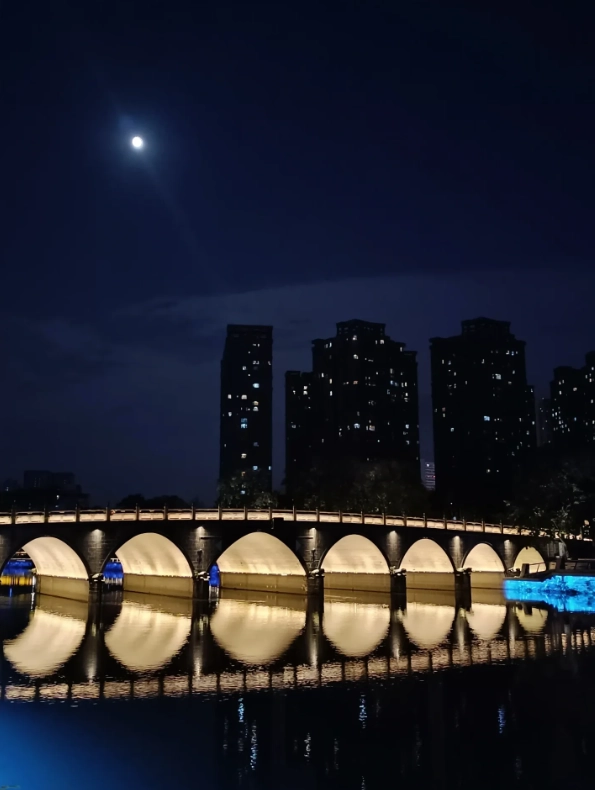
Booking Tickets: Passport Required
Sichuan opera performances, hotpot restaurant queueing, and some night experiences require booking and a passport number for real-name registration. Use Trip.com or Klook for theater tickets if you don't want to deal with Chinese mini-programs. Many venues also have English ticket desks, but they close earlier than the show, so book during the day.
VPN and Translation
If you want to use Google, social media, or some English travel apps, you need a reliable VPN installed before arriving. Free VPNs often fail; use a paid one. For translation, Apple Translate works offline for Chinese after you download the language pack — it's faster than pulling out a phrasebook.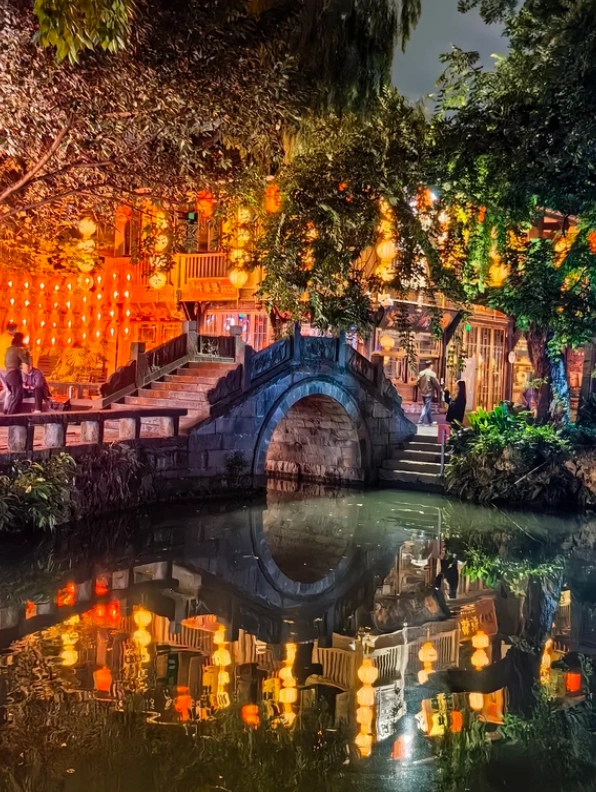
Night Travel FAQs
This content has been fact-checked to ensure informational precision.





No comments yet.