 Ming Yang
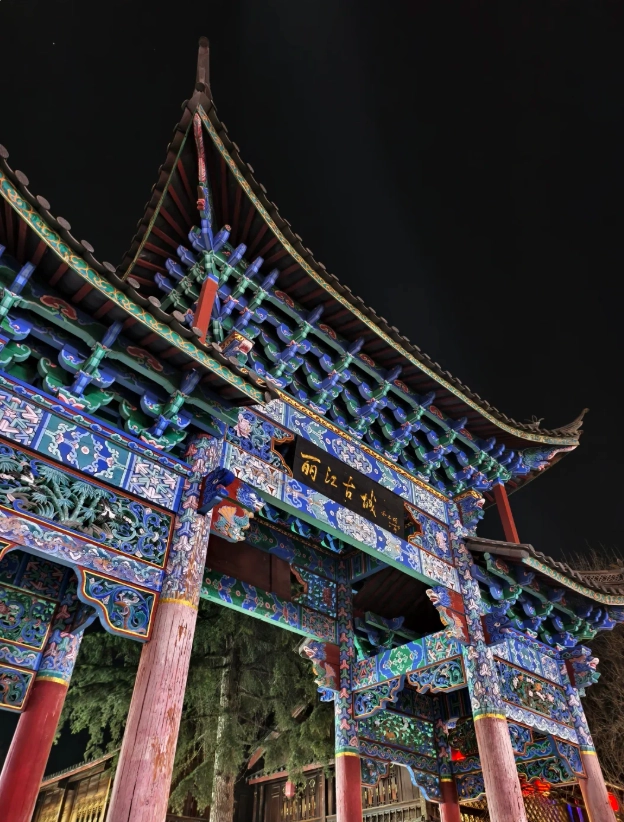
You step out of the ancient stone gate and the lanterns flicker to life. The crowds from the day vanish, replaced by a different rhythm. Lijiang at night feels almost private — if you know where to go. Every year, thousands of foreign tourists ask me the same thing: what to do in Lijiang at night? They've read the same 3-day itineraries and ended up lost in overpriced bars. The real magic happens off the main paths — and that's exactly what I'm going to share with you. Here's the honest truth: the best night experiences in Lijiang aren't found on the main square. They're in the quiet side lanes, around the small bridges, and inside local eateries that don't even have English menus. And you don't need to book a tour for most of them. In the next few minutes, you'll get my tried-and-tested 7-point plan for a magical evening.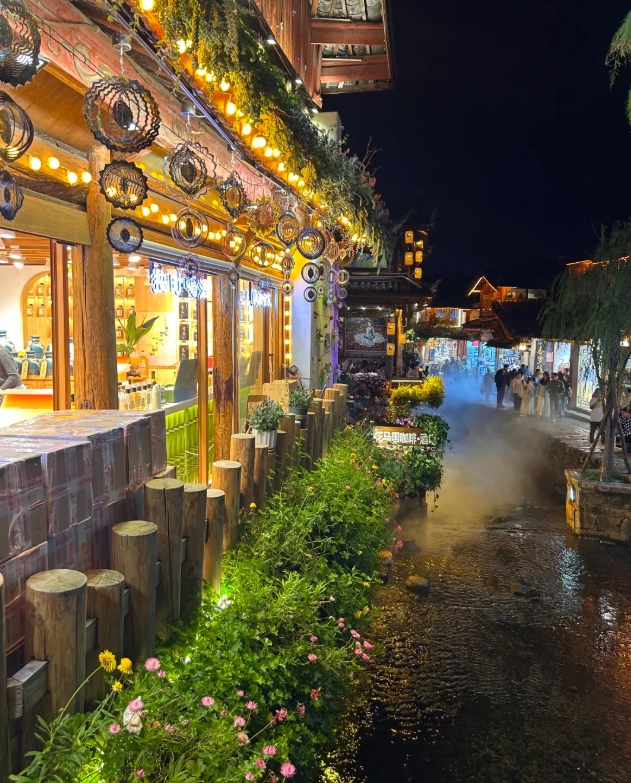
What's Inside This Lijiang Night Guide
What to Do in Lijiang at Night: 7 Unmissable Experiences
After guiding more than 200 groups through Lijiang, I've narrowed down the best evening activities that combine authentic local culture with breathtaking sights. Here are my top 7, in no particular order — each one will make you fall in love with this ancient town after dark.
- Watch the Naxi Circle Dance at Sifang Square
Every evening, starting around 7 PM, local Naxi women and a few brave tourists gather at the central square to perform a simple, joyful circle dance. It's free, it's fun, and you don't need to know the steps — just hold a hand and follow. Pro tip: join in during the later rounds, when the crowd thins and the rhythm slows down. The best view is from the stone steps near the west side of the square. - Get Lost in the Lantern-Lit Alleys of Xinhua Street
Skip the booming clubs on the main bar street. Instead, walk a few steps north into Xinhua Street's hidden branches. These narrow alleys are lined with wooden buildings, red lanterns, and tiny local teahouses. The sound of people laughing and the trickle of water from the nearby streams create an unmatched atmosphere. I recommend wandering without a map — you'll stumble upon quiet courtyards and small bridges that most visitors never see.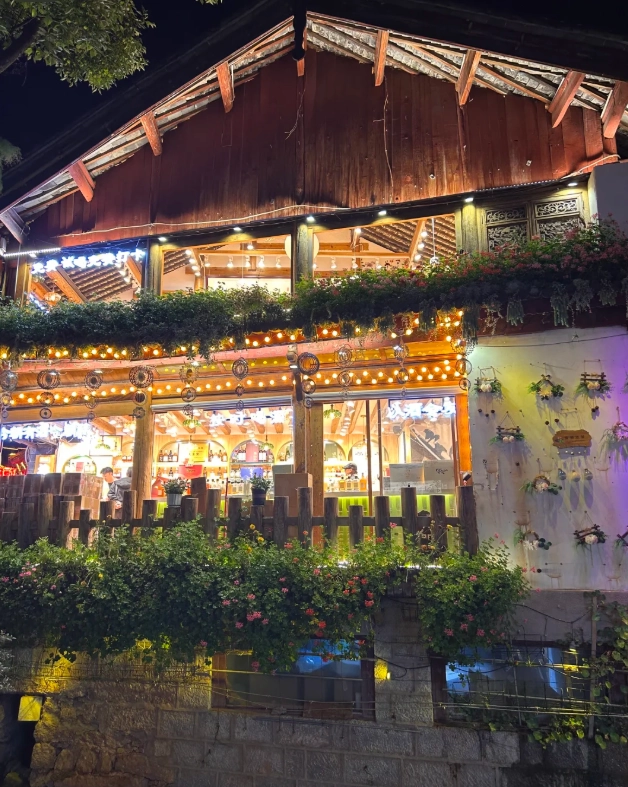
- Climb to a Sunset Viewpoint on Lion Hill
Lion Hill (狮子山) offers the best vantage point over the labyrinth of old-town rooftops. While the ancient Wangu Tower itself closes early (around 5:30 PM), you can still walk up the public stone path leading to its base. From there, you'll get a sweeping view of the whole valley and the Twenty-Four Villages in the distance. Arrive just before sunset, and you'll watch the town light up from dark grey to warm gold. Insider advice: the path is steep and uneven, so wear proper shoes and bring a small flashlight for the walk down. - Snack Your Way Through the Night Market at South Gate
The old town's South Gate (南门) area transforms into a street-food paradise after 5 PM. You'll find stalls selling grilled mushrooms, fried horilka (well, local river fish), and the iconic Lijiang baba — a flaky flatbread stuffed with sugar or meat. I always grab a baba from the stall adjacent to the big pig statue; it's slightly crispy on the outside and fluffy inside. Prices range from just 5 to 15 RMB, so it's cheap even for budget travelers. - Listen to Folk Music at a Small Live-House
Beyond the blaring bass on Bar Street, there are a few intimate live-houses where local bands play traditional Naxi tunes mixed with modern folk. One of my favorites is tucked away near the Dongba Palace. You'll notice it by the warm string lights and the handwritten sign that says "we do not provide English menu, but we do provide great music." Entry usually costs the price of a drink (start at 20 RMB), and the sets begin around 9 PM. If you're into music, you won't want to leave.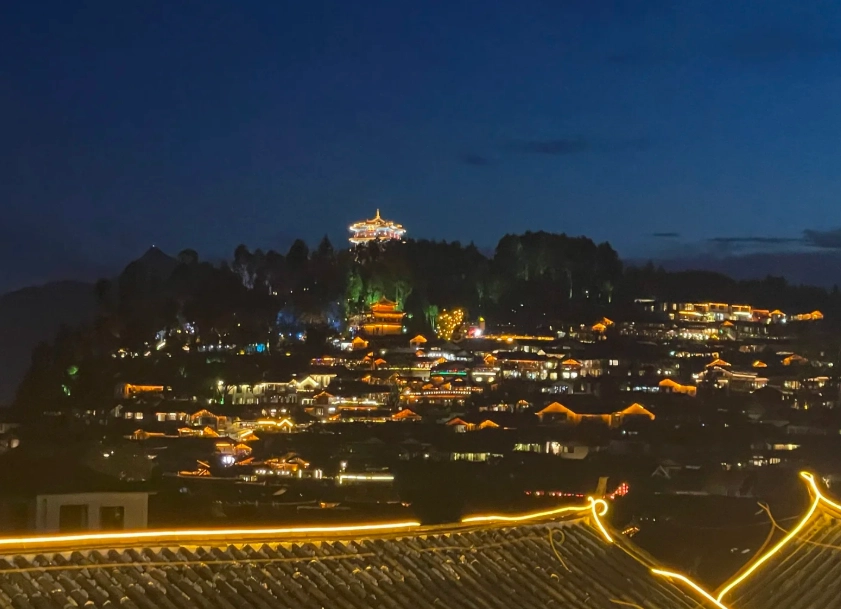
- Photograph the Three Eyes Well by Moonlight
The Three Eyes Well (三眼井) is a set of three connected pools, once used for drinking, washing, and cleaning. During the day it's crowded with photo stops; at night, it becomes a reflective mirror for the lanterns overhead. I've spent an hour here just watching the light dance on the water. Remember to keep your voice down — this is a residential area, and locals are sensitive to noise after 10 PM. - Join a Nighttime Craft Workshop
Several shops in the old town offer short nightly workshops in traditional crafts like making Naxi paper or painting on a wind chime. One studio near the Wenchang Palace charges around 80 RMB for a 30-minute session — that includes materials and the instructor. I tried the paper-making class once, and it was surprisingly meditative. It's also a fantastic way to bring home a souvenir that you actually made yourself. (Note: these workshops often require advance booking via phone or WeChat, so ask your hotel front desk to call for you.)
A Perfect Night Itinerary (If You Have Only 5 Hours)
Let's say you're in Lijiang for just one night. Here's the exact route I'd take — it packs in the best of everything without rushing.
- 7:00 PM — Join the Naxi circle dance at Sifang Square (25 minutes).
- 7:45 PM — Grab dinner at 88 Flavor Snack Shop; order the fried horilka and a plate of mountain vegetables (45 minutes).
- 8:45 PM — Walk north to Lion Hill for the night view; take the path up and stay for the city lights (40 minutes).
- 9:30 PM — Head to a live-house on Xinhua Street; settle in with a local craft beer (1 hour).
- 10:45 PM — Stroll through the quiet alleys near Wenchang Palace; snap some photos of the lantern-lit streams (30 minutes).
- 11:15 PM — Head back to your hotel via the south gate, grabbing a late-night baba on the way.
This itinerary respects the fact that you might be jet-lagged or tired. There's no need to rush — the old town is best enjoyed at a leisurely pace.
Is Lijiang Old Town Safe at Night?
Short answer: yes, it's generally very safe. I've walked through the old town at 11 PM countless times, and the streets remain lively with both tourists and locals. That said, you need to follow a few common-sense rules to avoid the occasional shakedown.
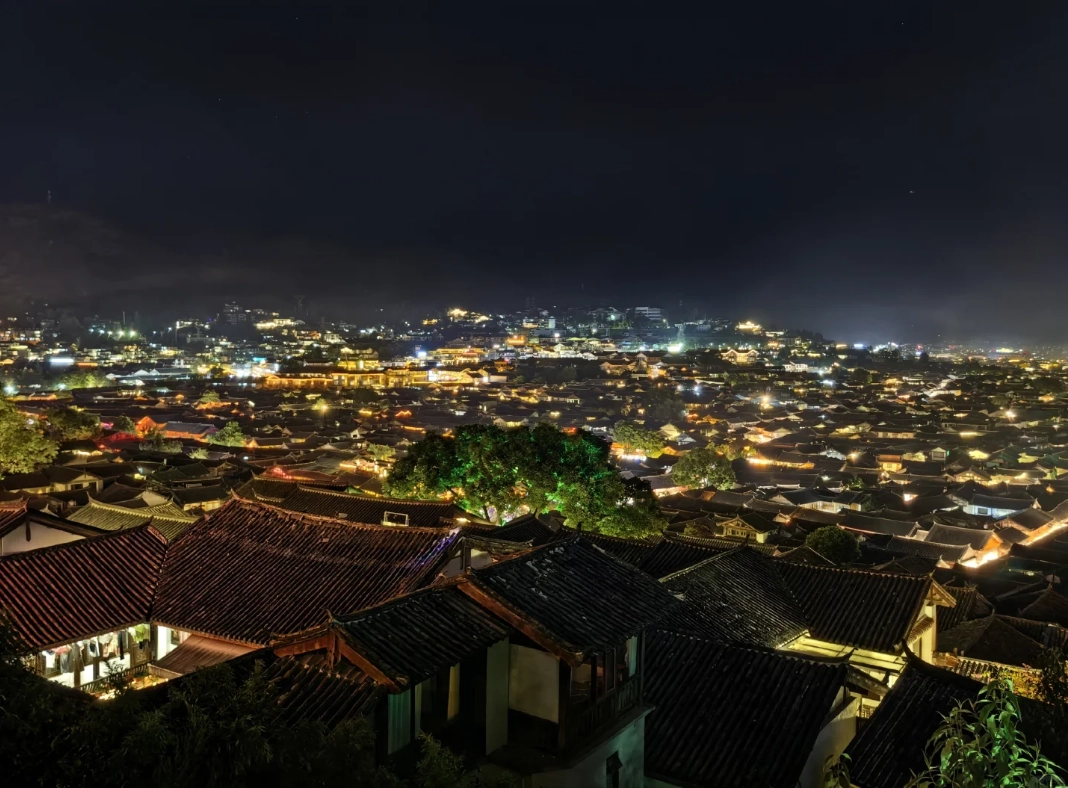
- Lighting: Most main alleys are well-lit, but some side lanes (especially the steep ones heading up to Lion Hill) have patchy lighting after 10 PM. Carry a small torch or use your phone flashlight.
- Pickpockets: Tourist-heavy areas anywhere in China attract pickpockets, and Lijiang is no exception. Keep your phone in a front pocket and zipper your bag closed in the Sifang Square crowd.
- Drink responsibly: Bars in the old town are notorious for overcharging and pouring fake spirits. Stick to locally brewed whiskey or beer; it's cheaper and less likely to be diluted.
- Emergency numbers: Police: 110, Ambulance: 120. Save them in your phone, and if you need help, don't hesitate to ask any shop owner — they usually know basic Mandarin and can dial for you.
Here is the catch: even "safe" can feel unsettling if you're not aware of your surroundings. Stick to main paths at night, and trust your instincts. The old town is genuinely charming, but it's also a living community — be respectful and aware.
Where to Eat in Lijiang at Night: Best Local Spots
Food is a big part of nightlife here. Let's be honest: you didn't come to Lijiang for a Michelin star. You came for skewers grilled over charcoal, steaming bowls of crossing-the-bridge noodles, and cheap beer on a wooden bench. During my years here, I've found a short list of places that never fail to satisfy — and they're all friendly to foreigners.
| Dish / Restaurant | Address (Give to Taxi) | Price Range | Best For | My Take |
|---|---|---|---|---|
| 88 Flavor Snack Shop | Wuyi Street, Gucheng District, Lijiang | 20–50 RMB | Local Naxi dishes | Always crowded, but worth the wait. Try the fried horilka with cumin and the hand-made wheat flatbread. |
| Night Market at South Gate | Nanmen Road, Gucheng District | 5–30 RMB | Street food and grills | Come early (before 7 PM) or late (after 9 PM) to avoid the biggest crowds. |
| A'Sweet Store | Xinhua Street, Near Wenming Lane | 15–40 RMB | Desserts & sweet soup | Fantastic for a quick sugar boost; try the mango pudding with sago. |
| Lijiang Baba Stall (beside the pig statue) | Yidalie Street, South Gate area | 5–15 RMB | On-the-go snack | I usually get two: one sugar, one meat. They're small but filling. |
Now, let me save you some money: avoid the restaurants directly on the main square. Their menus are in six languages, but the food is average and the prices are inflated by 50%. Instead, walk just two blocks away, and you'll find the same dishes at half the price.
One practical tip: if a dish on a menu doesn't have a photo, ask to see the dish next to you. Most restaurants are happy to guide you, and you'll avoid ordering something that looks like a drenched sock. Trust me, I've made that mistake.
How to Get Around Lijiang at Night: Transport Tips
Getting around after dark is simpler than you might think — as long as you follow the golden rule: the old town is entirely pedestrian-friendly, so your feet are your best friend. Cars and bikes are banned inside the ancient town after 8 AM, and entering at night is the same. So here's how you move around:
Walking
The old town is compact. From the main square (Sifang Square) to the South Gate takes about 15 minutes on foot. Steady shoes are crucial — the stone streets are uneven, and some bridges have steps that are easy to miss in dim light. I always recommend using a map that downloads offline (you can find them in apps like Maps.me).
Electric Bikes (Xiaolong)
Outside the ancient town (meaning beyond the stone wall), you can hail a shared electric bike using the Alipay app. They're cheap (around 2 RMB per 30 minutes) and scattered everywhere near the outer ring. But note: they're not allowed inside the historic area, and you'll have to park them at designated spots.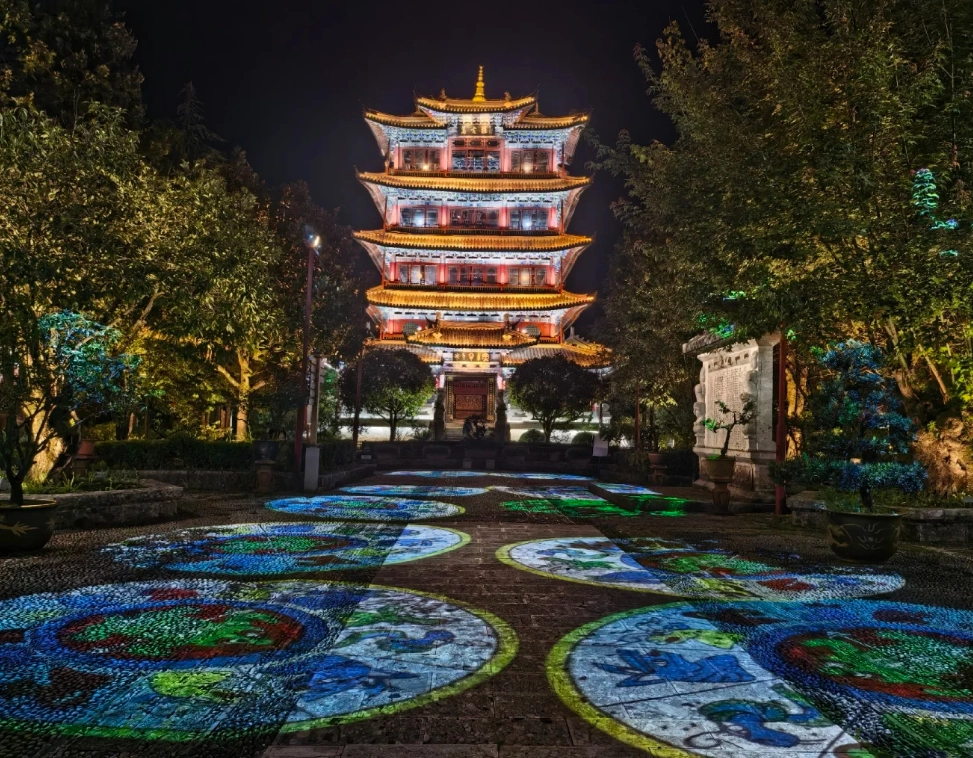
Taxis and DiDi
For distances that require a car, use the DiDi app (the Chinese Uber) or the English-friendly alternative, Klook's airport transfer. A ride from the south gate to the north gate’s Black Dragon Pool area typically costs 15–25 RMB, and takes 10 minutes—much faster than walking in the cold. Your hotel can also call a taxi for you; just show the driver the Chinese address of your destination.
VPN and Navigation Apps
Here's a problem most visitors don't expect: Google Maps doesn't work in China. My simple advice is to download the AMap app (Gaode Maps) and use it in English mode. It's reliable and provides directions for walking and driving. For all apps, remember to install a VPN before you arrive — otherwise, many foreign services (including your email and social media) will be blocked.
Insider advice: if your phone's battery is low at night, duck into any hotel lobby and ask to use their charger. Most will let you borrow a power bank if you show your passport. I've saved many a tourist with this trick!
What to Do in Lijiang at Night: Avoid These Tourist Traps
Now, let's talk about what not to do. After years of showing guests around, I've seen the same mistakes time and time again. Here’s a quick list of traps to sidestep.
- Bar Street's "Two-for-One" Offers — Many clubs on Bar Street (新华街) lure you in with free drinks or two-for-one deals. The catch? Counters are slow, and you'll be pressured into buying expensive snacks. If you want a nightlife buzz, pick a quieter bar with a fixed menu and prices displayed clearly.
- Dice Games on the Street — Hawkers along Sifang Street invite you to roll dice for prize money. It's a scam; the dice are loaded. Politely say no and keep walking.
- Tout Hotel Rooms — You'll meet aggressive women claiming to book you a "authentic Naxi courtyard hotel" at a discount. They might be legit, but often the room is far from the center and conditions are poor. Always book through a verified platform like Trip.com or the hotel's official website.
- Camera Monopods — Some areas charge a fee for using a tripod, especially on bridges. If you set up a tripod, they might demand money. I always tell my guests: keep your camera in your hand, not on a tripod, until you're far from the main crossing.
- Rain Gear Scam — If it starts dripping, you'll be offered a poncho for 50 RMB. The same poncho is 10 RMB at any local convenience store. Always carry a lightweight rain jacket.
Pro tip: if a stranger approaches you with a "we have a boat ticket for you" or "the temple is closed", smile and say "bù, xièxiè" (no, thank you) and keep moving. Confidence is your best defense.
FAQ: Lijiang at Night – Your Questions Answered
I've collected the most common questions from my clients, along with my honest answers.
This content has been fact-checked to ensure informational precision.





I almost didn't click because I assumed it was the same cliché list, but this is the real deal. The 'secret' viewpoint near Wangu Tower was completely empty when we went up, and we got a full moon over the rooftops. The yak skewers at the night market were the best I had in the whole province. If you want the magic of Lijiang without the tour-group chaos, follow this exactly.
We followed this guide on our last evening in Lijiang and it completely changed how we felt about the old town. The tiny Naxi courtyard with the old man playing the erhu was hauntingly beautiful. Later we walked along the Shuhe canal and found a tiny stall selling grilled cheese and peppers—simple but so good. Take a light jacket; the nights are cooler than you expect. Highly recommended.
This list is gold. If you only walk down Sifang Street you're missing the real magic of Lijiang. The rooftop spot overlooking the old city roofs was incredible at night, and the hidden courtyard with traditional Sanxian music felt like a private concert. I also found the late-night noodle stall near Wuyi Street—best broth I had in China. Will do this again next time I'm in Yunnan.
Really enjoyed how this guide took me off the main bar street. The lantern-lit courtyard near the east entrance was quiet and beautiful, exactly the mood I was hoping for. One of the food stalls listed wasn't there anymore, so I substituted with a tiny place selling rose milk tea and grilled brisket. Worth it, but give yourself time to get lost—it's part of the charm. I'd give it a solid four.
I really wanted to love this list, but the "insider" spots were surprisingly hard to find. The noodle place from the article seemed to have moved, and no one around could point me to it. I ended up at a crowded bar on the main strip paying 50 yuan for a beer. The old town is gorgeous at night—no argument there—but this itinerary didn't quite work for me.
We used this guide with zero other planning, and it worked perfectly. The late-night noodle stall listed as #5 served the best bowl of Yunnan chicken noodles I had all trip, and the courtyard music was so good we stayed for three hours. The flashlight tip for the unlit sections was crucial — don’t skip that advice! My only regret is not reading it on our first night in town.
As a night photographer, I’m usually skeptical of “insider places” articles, but this one was spot on. The quiet stone bridge before the main crowd showed up was magical — the moon reflecting on the canal, lanterns glowing along the old eaves. It even mentioned which alleys to avoid, which saved me a lot of hassle. Highly recommend to anyone who wants the real Lijiang after dark.
This list absolutely made my Lijiang trip. The rooftop bar overlooking the old town was stunning — red lanterns, warm wood, a soft breeze, and the smell of grilled snacks drifting up from the alley below. No cover charge, friendly staff, and every place was easy to find even in the dark. I’d give it ten stars if I could.
A solid guide for your first night in Lijiang. We used it to find the little courtyard with the local band and the grilled mushroom stand, and both were exactly as described. I’m only giving four stars because one of the addresses seemed outdated and we wandered for about 20 minutes before finding it; still, it made for a memorable evening overall.
I really wanted to like this list because the photos looked amazing, but after trying the first three places I left feeling a bit meh. The “hidden” bar wasn’t hidden at all — we had to squeeze past two tour groups to get in, and the music was so loud we couldn’t hear the river. Maybe it works on a quiet weekday, but on a Friday night it felt like every other Old Town spot.