 Yan Zhou
- Is Shanghai Worth Visiting? My Verdict Up Front
- The Real Shanghai Behind the Photos: Is It Still Worth Visiting?
- Is Shanghai Worth Visiting for Your Travel Style?
- How to Survive Shanghai's Biggest Tourist Pain Points
- Shanghai Attractions Worth Your Time (and Which to Skip)
- Where to Eat Like a Local in Shanghai
- Shanghai Itinerary: How to Spend 3 Perfect Days
- Is Shanghai Expensive? Real Costs for Travelers
- Best Time to Visit Shanghai: Weather, Crowds and Festivals
- FAQ: Is Shanghai Worth Visiting? Insider Answers
Is Shanghai Worth Visiting? My Verdict Up Front
Yes, with caveats. I've been guiding foreign travelers in Shanghai for over a decade, and I've seen people fall in love with the city in a single sunset along the Bund. The same people can feel overwhelmed by the endless crowds and the digital maze that comes with every hotel booking, museum reservation and metro ride. So here is the truth: Shanghai rewards travelers who prepare before they arrive.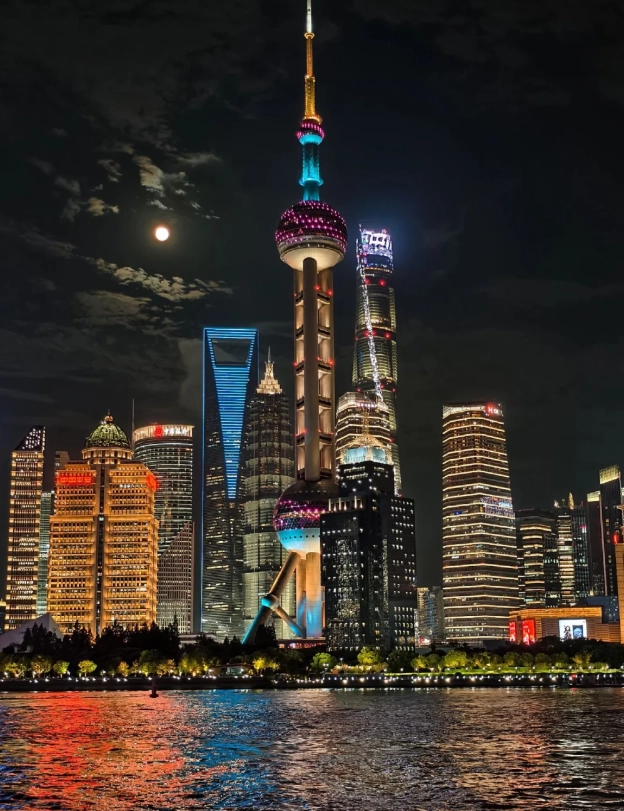
Pro Tip: Book your first evening activity now. I always tell clients to pick a sunset cruise on the Huangpu River rather than going up the Pearl Tower. The cruise gives you both sides of the skyline at once, and the photo from the water beats the shot from a glass box.
But the skyline is just the poster. The real Shanghai is in its tree-lined French Concession, the tiny alleys behind Yu Garden, the neighborhood canteens serving soup dumplings before 8 a.m. It's a city where ancient temples stand next to neon towers, and where a two-yuan ferry across the river gives you the best show in town.
The Real Shanghai Behind the Photos: Is It Still Worth Visiting?
Photos don't show the sensory overload of Nanjing Road. If you walk along the main shopping street at 7 p.m., you'll be swept along by a sea of shoulder-to-shoulder tourists, and the bright neon lights make night look like day. My advice? Skip the Nanjing Road night scene and take the same stroll early in the morning, before stores open. The emptiness feels surreal, and the buildings are more impressive than the billboards.
The Huangpu River looks muddy brown, not blue like your Instagram feed might imply. But that doesn't matter. Once you see the skyline from the river ferry, the color of the water seems irrelevant. And don't miss the old neighborhoods around the West Nanjing Road area — they get knocked down faster than you think.
Here's something most guides don't tell you: you can cross the river for 2 yuan using the public ferry. Head to the East Changzhi Road ferry terminal, tap your transport card, and you'll get a front-row view of the Bund from the water in under 10 minutes. Avoid the private boat trips that charge 100+ yuan for the same route.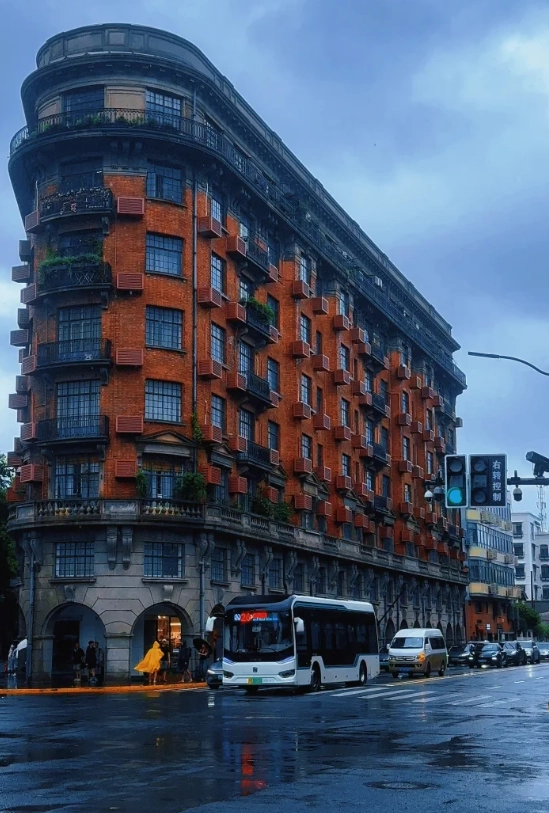
Is Shanghai Worth Visiting for Your Travel Style?
Your ideal trip length depends on your prior experience with Asia. Let's break it down.
For First-Time Visitors to Asia
If this is your first time in Asia, Shanghai is a gentle introduction. The subway system is modern and announces every stop in English. Most major museums have English labels. You can find Western-style coffee almost anywhere, and the crime rate is low. Spend three full days here before moving on to Beijing or Xi'an.
But the city's rapid pace can make you feel like you're missing something. I often suggest pairing Shanghai with a slower destination like Suzhou or Hangzhou, both reachable by high-speed rail in under 45 minutes. That gives you the wow factor plus the calm.
For Asia Travelers Who Already Know the Region
If you're an experienced expat in Asia, Shanghai might feel more familiar than you expect. You already know about WeChat, VPN, and hot pot. You'll dig the cafe culture and art galleries. Your challenge is staying entertained beyond the usual tourist traps. Go find the spontaneous exhibitions at the M50 art district, or hike the garden paths of the Shanghai Botanical Gardens — places most first-timers skip.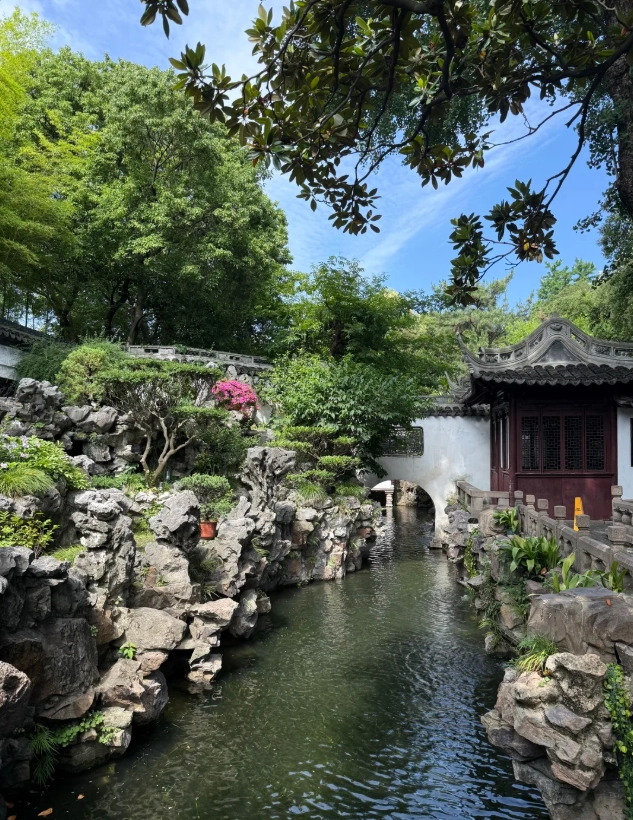
For a 24-Hour Layover
Yes, a single day can still be worthwhile. I have a dedicated itinerary that starts with breakfast at the Bund, then the Maglev train from Pudong Airport at 431 km/h, a visit to Yu Garden, and a quick shopping spree on Nanjing East Road. It's tight, but doable if you skip the museums.
How to Survive Shanghai's Biggest Tourist Pain Points
These are the four things I warn every client about before they arrive. Handle them early, and your trip will feel smooth as silk.
Payments That Actually Work
Most street stalls and smaller restaurants won't accept your physical credit card. Even if they have a card machine, it's common for the terminal to decline foreign-issued cards. Your best bet is Alipay or WeChat Pay with a foreign Visa or Mastercard linked. Set this up before you fly, because the verification process can take a couple of hours. Test it on a small purchase, like a bottle of water.
- Carry 300-500 RMB in cash for emergencies.
- Use Alipay's transport skill to scan the QR code at metro gates.
- Read the sign at every cash register. If it says “本店只收现金”, that means cash only.
- For restaurants, scan the QR code on the table to order with your Alipay — menus appear on the screen.
If your card gets declined, don't panic. You can use your bank's ATM to withdraw cash. Bank of China and ICBC ATMs accept foreign cards; they're common across the city.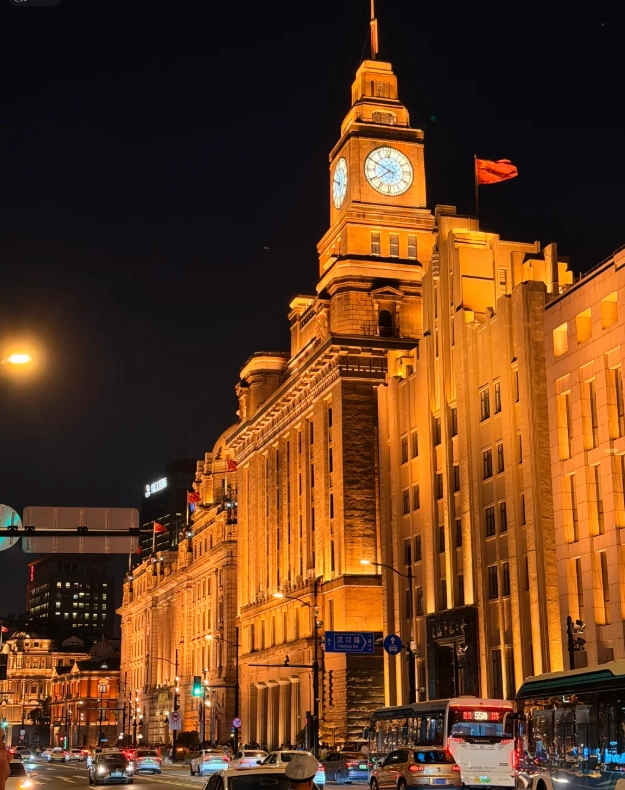
Getting Around Without Google Maps
Google Maps gives wrong directions inside China, so switch your navigation to Apple Maps or AMap Global. Before you arrive, download offline maps of Shanghai on Apple Maps or use AMap's English export. The city's metro system is your friend.
For prices, a single metro ride costs 3-6 RMB. The most useful lines for visitors are Line 2 (Pudong airport, East Nanjing Road, People's Square) and Line 10 (Yu Garden, Shanghai Library, Nanjing Road East). Buy a transport card at any station and recharge it at the vending machine; you can also use Alipay's transport code.
If you prefer taxis, use DiDi rather than hailing on the street. Drivers may not speak English, so always have an address in Chinese on your phone. I usually save the Chinese text in the Notes app and show it to the driver.
Booking Attractions Without a Chinese Number
All major attractions require a timed reservation with your passport number. The WeChat mini-program system is Chinese-only and can be a nightmare even for me. Don't stress: use an English-facing platform like Trip.com or Klook to book tickets, or ask your hotel concierge. They deal with this daily.
For Shanghai Museum, the entry is free but you still need a reservation. Fill in your passport details in the official WeChat mini-program, or have your hotel do it. I've seen travelers turned away for not having an advance slot — don't be one of them.
Staying Connected: VPN and Translation
Without a VPN, you won't access Gmail, Instagram, or Google Search. Install a reliable VPN before you leave home and test it right after you land. For translation, Apple Translate works offline in a few languages, but Baidu Translate is better for scanning Chinese menus with your camera.
Download the Chinese translation pack for Apple Translate so you can use it in airplane mode. You'll thank me when your phone runs out of data in the middle of a backstreet.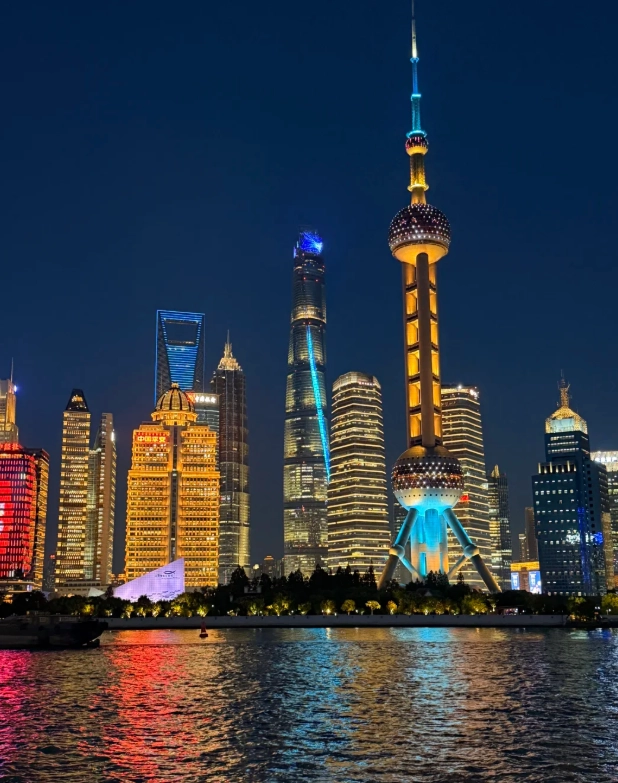
Shanghai Attractions Worth Your Time (and Which to Skip)
Here's my honest list based on years of leading visitors. Use the table for quick decisions, then read the notes below for local nuance.
| Attraction | Ticket | Opening Hours | My Insider Tip |
|---|---|---|---|
| The Bund | Free | All day | Go at sunrise or after 8 p.m. for empty platforms. |
| Yu Garden | 30-40 RMB | 8:30-16:30 (last entry 16:00) | Reserve in advance; visit the bazaar afterwards. |
| Shanghai Museum | Free | Tue-Sun 9:00-17:00 | Must book with passport; go around 14:00. |
| Shanghai Tower | 180 RMB | 8:30-22:00 | Go just before 20:00 to see the lights turn on. |
| French Concession | Free | Always open | Start at Wukang Road and wander; no goal needed. |
| Nanjing Road (night) | Free | Open | Skip unless you love crowds; use it as a cut-through only. |
The Bund is best experienced in the morning. I've taken clients at 6:30 a.m. and watched the city wake up. The neon turns off, the river sparkles, and you can actually walk without bumping into elbows. Afternoons are crowded; the sunset view is stunning but arrive early to claim a spot near the balustrade.
Yu Garden is more about the journey than the garden itself. The garden is small and gets packed. If you've seen a classic Chinese garden in Suzhou, this might feel underwhelming. My twist: skip the 30-minute queue at mid-day and instead tour the surrounding bazaar at 10 a.m., when the stalls first open. You'll taste better snacks and avoid the worst of the crowd.
Shanghai Museum is world-class, and the fact that it's free is a gift. The bronze collection is legendary. But the booking system is the biggest snag. Use Trip.com to avoid the WeChat nightmare. And the museum closes on Mondays, so plan around that.
The Shanghai Tower observation deck is worth the price tag. You'll see the city from 546 meters — the highest publicly accessible observation deck in the world. However, tickets are dynamic, and the price fluctuates. Always book via the official WeChat or a trusted reseller to avoid longer queues.
The French Concession isn't an attraction with a ticket booth. It's a state of mind. Rent a shared bike (Mobike) and cycle from Wukang Road to Anfu Road. Stop at bakeries, buy a coffee, and enjoy the silence in contrast to the city buzz.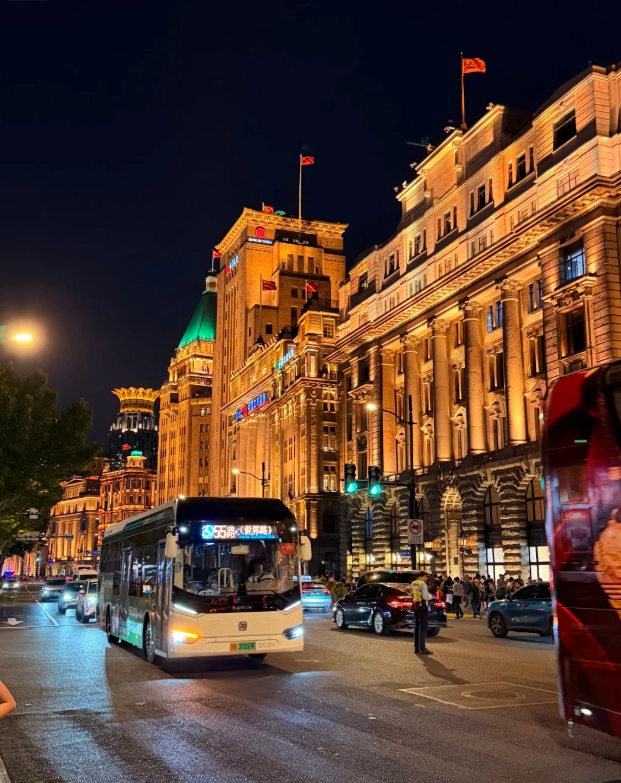
Insider Advice: Skip the Oriental Pearl Tower entirely. The sight is better from the river or from the Shanghai Tower. You'll waste time and money on a dated viewing platform.
Where to Eat Like a Local in Shanghai
Local Chinese food in Shanghai is richer, sweeter, and more creative than what you get abroad. Here are my three go-to restaurants that I bring every friend who visits.
Lan Xin Restaurant (兰心餐馆)
This is my favorite spot for traditional Shanghai home-style cooking. Address: No. 149, South Shaanxi Road, near Huaihai Road. It's a small, unassuming place that packs a huge punch. Try their braised pork (hongshao rou) — it melts in your mouth with a sweet soy glaze. I always order the smoked fish and the okra with garlic. Expect to pay 70-100 RMB per person.
Bring cash — they might not accept international cards, and even Alipay linked to a foreign card can be spotty here. Go early for dinner; by 6:30 p.m., the queue stretches outside.
Xiao Yang Sheng Jian (小杨生煎)
If you want the perfect shengjian (pan-fried pork bun), find a Xiao Yang branch. I usually take clients to the Huanghe Road branch, but there are many across the city. Order a basket of four (about 10 RMB) plus a bowl of beef soup. The bottom is crispy, the filling is juicy — watch out, the broth is hot. You can easily use Alipay here. No photos in the menu needed; just point at the plastic display.
Lost Heaven (花马天堂)
For a bigger meal with atmosphere, book a table at Lost Heaven. It's a Yunnan-style restaurant at No. 17, Yan'an East Road, near the Bund. The setting is moody and dramatic, and the food is packed with fresh herbs and spices. I always get the roast fish wrapped in banana leaf and the wild mushroom hot pot. Expect to spend 150-200 RMB per person, and reserve ahead for a riverside table.
They accept Alipay and most foreign credit cards, and their English menu is accurate.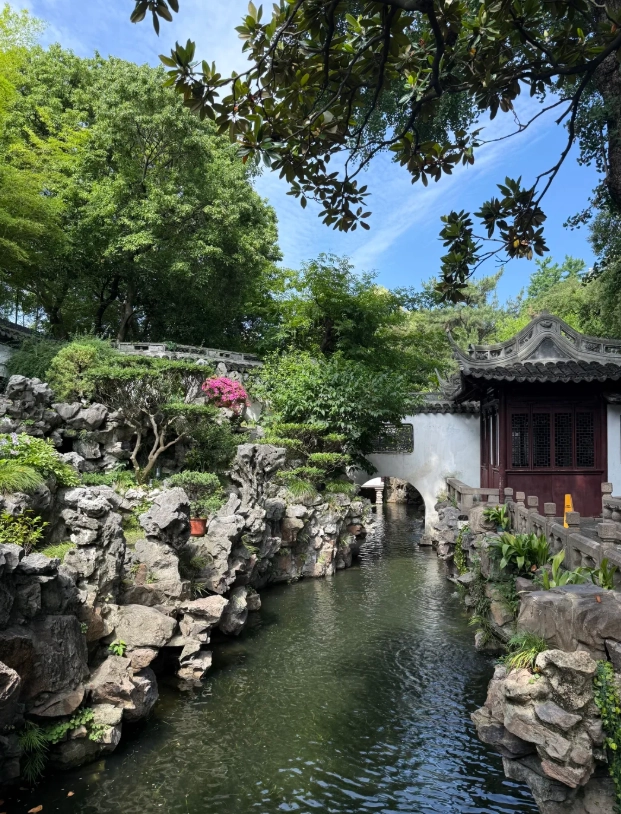
Shanghai Itinerary: How to Spend 3 Perfect Days
This is the exact structure I use for first-time visitors. It balances the icons with the everyday, and it leaves room for spontaneous moments.
Day 1 — East Meets West
- 8:00 Breakfast: Head to a neighborhood canteen. Look for a place serving soy milk and deep-fried dough sticks (youtiao). This is a meal you won't find in fancy hotels.
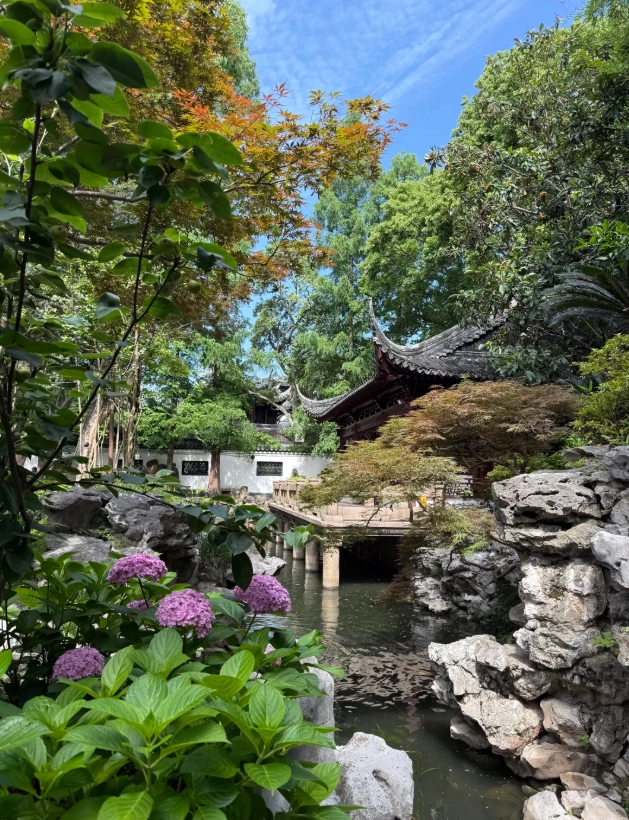
- 9:00 Yu Garden: Take Metro Line 10 to Yuyuan Garden Station, Exit 1. Book your slot in advance. Walk through the garden and the old bazaar. Avoid the crowd by heading to the north side of the bazaar first.
- 11:00 The Bund: It's a 15-minute walk from Yu Garden. Stroll along the river, take photos of the skyline, and cross the street to check out the colonial-era buildings.
- 12:30 Lunch at Lost Heaven: From the Bund, it's 10 minutes by taxi. Or take Metro Line 2 from East Nanjing Road to East Yan'an Road. Have the Yunnan-style chicken.
- 14:30 Shopping / Noodle Break: Walk off the meal along the French Concession tree lines. Stop for a coffee at any of the charming cafés next to the old lane houses.
- 17:30 Huangpu River cruise: Board at Shiliupu Wharf, a picturesque old jetty. Book the 5:30 or 6:30 sailing to catch the transition from day to night. You'll see the skyline glow for a solid hour.
- 20:00 Night on the Bund: After docking, take a walk along the main view platform. The area gets busy, but the atmosphere is electric.
Day 2 — History, Art and Museums
- 9:00 Wukang Road: Metro Line 10/11 to Shanghai Library Station, Exit 3. Walk down this leafy avenue, famous for its 1930s architecture. Stop at the local bakery for a morning bun.
- 11:00 Former French Concession: Continue on foot from Wukang Road to Anfu Road and then cross to Fuxing Road. You'll find small galleries and handicraft shops.
- 12:30 Lunch at Lan Xin: Take a taxi or metro to South Shaanxi Road, then walk a few minutes. Order a full set of Shanghainese dishes. Bring cash.
- 14:30 Shanghai Museum: Take Metro Line 10 to Nanjing East Road, then transfer to Line 2 to People's Square. You've already reserved your free ticket. Spend two hours with the bronze collection.
- 17:00 People's Square Park: Walk through the citizen gardens and watch locals practice tai chi and dance in the evening. It's a peaceful end to a cultural day.
- 19:00 Dinner: Try the handmade noodles at the nearby Wucheng Road food stalls. Order the scallion oil noodles.
Day 3 — Modern Shanghai
- 9:00 Shanghai Tower: Take Metro Line 2 to Lujiazui, Exit 1. Enter the world's highest observation deck. Your ticket is booked in advance, so you'll skip the ticket queue.
- 11:00 Lujiazui Green Area: Stroll around the financial district's green spaces. The contrast between towers and trees is surreal.
- 12:30 Lunch in Super Brand Mall: This mall has a huge food court with Korean, Japanese and local options. Try the Shanghai-style fried rice.
- 14:00 Ferry return: Walk to the Dongchang Road Pier and take the 2-yuan ferry across the river. You'll get the classic postcard shot of the Bund from the water.
- 15:30 Old City Temple area: After landing at Shiliupu, take a short walk to the City God Temple. Grab a snack of stinky tofu from a street stall.
- 17:00 Last-minute souvenir shopping: Choose a local art brand or tea shop near the temple. Avoid stores selling “antiques” at the tourist stalls.
- 18:30 Dinner: For a farewell meal, I like the steamer restaurant at the Temple Bazaar. Order a basket of crab roe soup dumplings and savor them carefully.
Wait — what if the weather turns bad? If it rains or snows, swap Day 2 or 3 for Shanghai Natural History Museum, the Shanghai Art Museum, or the indoor section of the Shanghai Science and Technology Museum. All have English labels. If you get fried from walking, take a break at a tea house and sip local green tea for an hour.
For a more relaxed pace, drop the shopping stops and extend each morning by one hour. If you love architecture, add the Rockbund area instead of the Lujiazui green space.
Is Shanghai Expensive? Real Costs for Travelers
Shanghai is a city where you can spend either ¥100 or ¥10,000 in a single day. Here's a practical breakdown of what you should budget, based on my typical clients.
| Item | Budget Option (CNY) | Mid-Range Option (CNY) |
|---|---|---|
| Hostel dorm bed | 50-80 per night | 120-200 per night (private room) |
| Hotel room | 300-600 | 600-1,200 |
| Street meal | 10-15 | 25-40 |
| Sit-down restaurant per person | 40-60 | 80-150 |
| Metro ticket | 3-6 | 3-6 |
| Main attraction entry | 0-40 | 100-180 |
| Taxi ride (city centre) | 20-40 | 40-80 |
If you're on a true backpacker budget, you can live on 200-300 RMB (about $30-40) per day. That includes a hostel bed, street food meals, and metro rides. For a comfortable 3-star hotel, three nice meals, and taxi rides, plan on 500-800 RMB per day. The biggest hidden cost is alcohol — cocktails in fancy bars can set you back 80-120 RMB, while a local beer at a convenience store costs only 8 RMB.
The trick is to mix expensive experiences with free ones. Go up the Shanghai Tower once, but skip the fake “gift shop” at the top. Eat at street stalls for lunch and a nice restaurant for dinner. Your budget will stretch much further.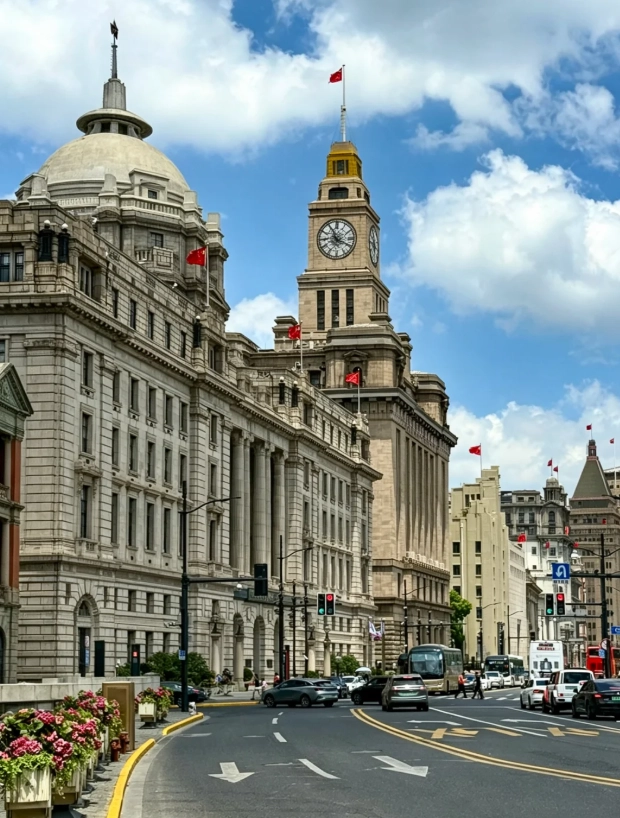
Best Time to Visit Shanghai: Weather, Crowds and Festivals
Spring (March to May) and autumn (September to November) are the sweet spots. Temperatures hover around 15-25°C, the humidity is low, and the skies are often clear. I always recommend late April or late September for the perfect balance of a sunny sky and light crowds.
July and August are brutal: the heat hits 35°C, and it feels like a sauna. It can also be the rainy season, so expect sudden downpours. If you must visit during summer, stay indoors in the early afternoon or visit the Shanghai Natural History Museum.
Winter (December to February) is cold and grey, with temperatures around 2-8°C. It rarely snows, but the damp air makes it feel chillier. The upside? Almost no crowds, and hotel prices drop significantly.
Avoid the first week of October if you can. That's China's National Day Golden Week, and hotspots become shoulder-to-shoulder. The same goes for Labour Day in early May. If you're flexible, skip these weeks.
FAQ: Is Shanghai Worth Visiting? Insider Answers
Verified and fact-checked by the editorial team.





I wasn't sure if Shanghai would just be another huge city, but it turned out to be the highlight of my entire trip to China. The scale is crazy and the energy never stops. The guide I booked through really helped me avoid the tourist traps and showed me an actual neighborhood where local grandpas were playing Chinese chess and vendors were making sesame pancakes on the street. It drizzled all day, but Shanghai somehow looked even more beautiful in the mist. Booking this trip was the best decision I made.
As a first-time visitor to China, Shanghai completely exceeded my expectations. I loved the contrast between old and new - one moment I was walking through the alleys of the old city, the next I was standing in the middle of futuristic Lujiazui. Everything felt safe, easy, and exciting. People worried about the language barrier, but with a translation app and a smile, I had no real problems. The street food alone is worth the trip. I am already planning to come back.
I was blown away by Shanghai. Seeing the skyline at night from the Bund literally made my hands shake while I was taking photos. The metro is brilliant, the streets feel clean, and the food scene is endless - from steaming soup dumplings in a tiny lane to late-night skewers that tasted like heaven. My local guide also took me to a hidden rooftop bar with views of the Pearl Tower, and it was unforgettable. 100% recommend this city.
Shanghai is definitely worth visiting if you enjoy a mix of history and modern architecture. The French Concession was my favorite part, especially getting lost on the quiet streets with plane trees and art deco buildings. The only thing that stopped me from a 5 is how hard it was to find genuinely local food near the main tourist spots - everything seemed built for out-of-town visitors. Once I found a small market further out, though, it was incredible.
Maybe I hyped this trip too much. Shanghai has the skyline and the food is good, but the crowds at the Bund on a Saturday night were absolutely insane, and a few vendors tried to overcharge me just for being a tourist. The subway is efficient, but navigating those mega stations took forever. It's an impressive city, but I left feeling more exhausted than wowed. Worth a quick stop, not a long stay.
I wanted to love Shanghai after reading this, but my experience felt more overwhelming than amazing. The Bund was beautiful for about ten minutes, then the selfie-stick crowds took over. I also found tickets for attractions steeper than the guide suggested, and too many 'old streets' felt like movie sets. Some useful advice about the metro, but the verdict oversells the magic. Three stars.
Mostly a fair verdict. Shanghai is impressive and the Bund at night is one of the best skylines I've seen, no question. I appreciated the guide's honest tips, but it undersold the crowds around People's Square on a weekend – I spent too long just shuffling through the mall to get to the metro. Still worth visiting, just go with patience. 4/5.
Couldn't agree more with this local guide. I've been to Shanghai three times and it keeps surprising me. Standing on the 118th floor of Shanghai Tower, looking down at the city that never stops moving, is something I can't put into words. The contrast between a quiet temple in the old city and the maglev train hitting 300 km/h is pure magic. The article captures that feeling perfectly.
The verdict says yes and I agree 100%. I followed the article's suggestion to skip the overpriced river cruise and took the public ferry across the Huangpu instead – jaw-dropping views of the Pudong skyline for pennies. Yuyuan Garden was beautiful even in the rain, and the old streets around it felt alive. This guide reads like a local actually talking to you, not a generic travel brochure.
Read this guide before my first trip to Shanghai and it was spot on. I still get chills thinking about the Bund at 6am – the fog over the Huangpu made the skyscrapers look unreal. The French Concession was all plane trees and hidden cafés, exactly what I wanted. A random corner dumpling place served the best shengjianbao I've ever had, and the metro tips in this article saved me hours. Shanghai absolutely worth it.