 Yan Zhou
- Free Things to Do in Hangzhou: The Essential West Lake Circuit
- What Are the Best Free Hidden Gems in Hangzhou?
- How to Plan a Zero-Cost Day in Hangzhou?
- How to Handle Transportation and Payment for Free Attractions in Hangzhou?
- Can You Really Enjoy Free Tea Culture in Hangzhou?
- FAQ: Free Things to Do in Hangzhou
Picture this: you're standing by West Lake, a gentle breeze rolling in, but your wallet is already feeling light. Hangzhou is famous for gorgeous scenery, but you don't need to spend a fortune to enjoy it. In fact, many of the city's best experiences cost nothing at all. As a local tour guide for over a decade, I've learned which free spots actually deliver—and which ones you can skip without any FOMO.
Here's the real deal: the free things to do in Hangzhou aren't just cheap tricks—they're the very essence of the city. From lakeside promenades to hidden tea villages, you can stretch your budget to zero and still have an unforgettable time. The biggest headache for foreign tourists isn't the attractions themselves—it's paying and getting around. Google Maps lies to you here, and cash is often rejected. Let's solve that first.
My golden rule: hit West Lake before 7 AM, skip the paid boat rides, and walk the causeways. You'll get the quintessential beauty without spending a single yuan. Below is my curated list of zero-cost Hangzhou experiences, complete with insider tips your guidebook never told you.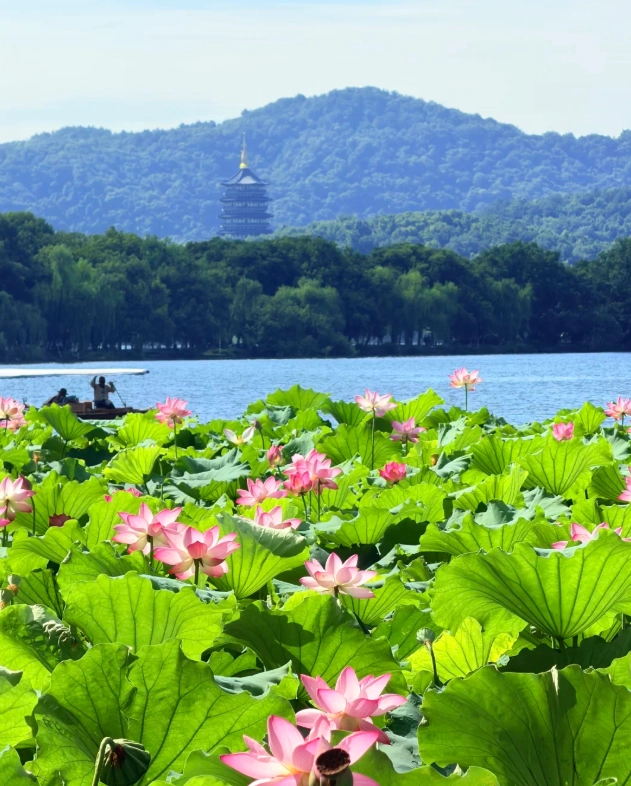
Free Things to Do in Hangzhou: The Essential West Lake Circuit
West Lake is the crown jewel of classic Hangzhou. While the scenic area itself is free, many sub-attractions—like the Leifeng Pagoda or boating tours—charge admission. But you don't need them. The best free loop starts at the iconic broken bridge and winds through the lush causeways.
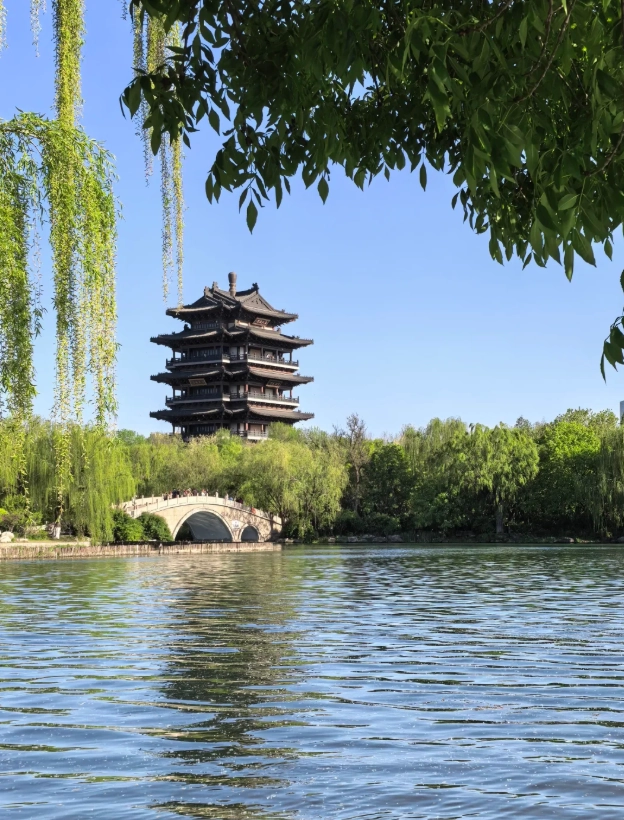
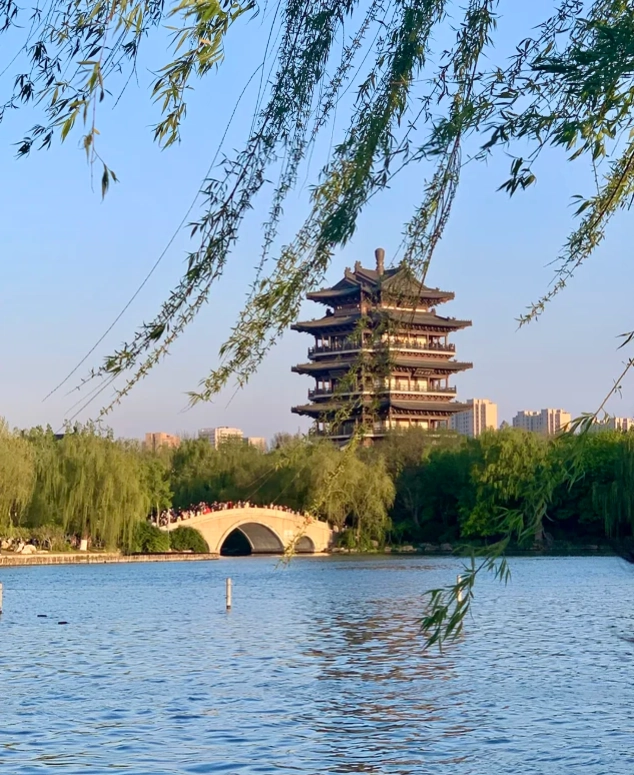
Start at Broken Bridge (Duancan Qiao) at dawn. It's the perfect photo spot, but it gets jam-packed after 9 AM. From there, follow the White Causeway (Bai Di) to Solitary Hill (Gushan). This shaded walk offers lovely lake views and occasional acrobatic fountain shows (free). Then, loop via the Su Causeway (Su Di)—a longer, more relaxed stretch lined with willows and peach trees. For a quick escape, turn north to the tranquil Gushan Park, where you'll find the Zhejiang Art Museum (free, but you may need ID).
Here's my favorite shortcut: skip the huge tourist groups at the southern causeway entrance and walk from the quiet northern gate instead. You'll avoid the crowds and see the real West Lake locals love. Most visitors head to the Leifeng Pagoda for the classic postcard shot, but you can capture a similar view from the free Su Causeway at dusk. The pagoda glows golden as the sun sets—no entrance fee needed. My trick? Stand at the southern end of Su Causeway, near the Yongjin Gate.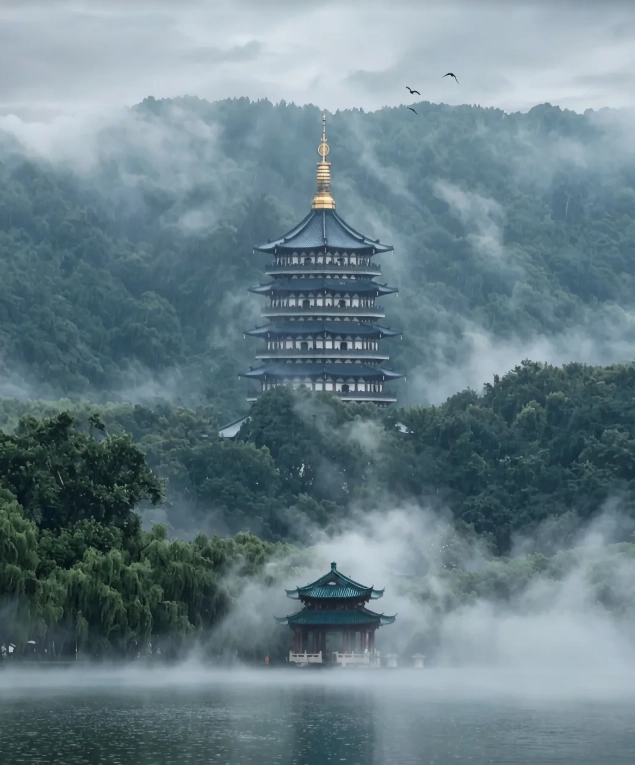
Pro Tip: Avoid the midday heat (11 AM–2 PM). The UV is harsh and the walkway becomes a sauna. Bring a hat and sunscreen if you go anyway. I always tell my clients to start early—sunrise at the lake is magical, and you'll have the bridge practically to yourself.
| Free Spot | Best Time | Suggested Duration | Highlights |
|---|---|---|---|
| Broken Bridge | Before 8 AM | 20-30 min | Iconic bridge, sunrise views |
| White Causeway | Early morning | 45-60 min | Lake views, Su Causeway start |
| Solitary Hill | Anytime | 1-2 hours | Zhejiang Museum, hidden gardens |
| Su Causeway | Late afternoon | 1-1.5 hours | Willow shade, peach blossoms in spring |
Getting there: Take Metro Line 1 to Longxiangqiao (Exit B) and walk east 5 minutes to the lake. Bus 51/52 tourist lines also stop nearby. If you're taking a taxi, show the driver this Chinese address: 西湖景区北山街. For navigation, use Apple Maps or AMap Global–Google Maps won't be accurate.
What Are the Best Free Hidden Gems in Hangzhou?
Beyond West Lake, a few lesser-known free gems give you a glimpse into old Hangzhou without the crowds. I love these spots for their authentic feel—and the silence—especially after the lake's packed causeways.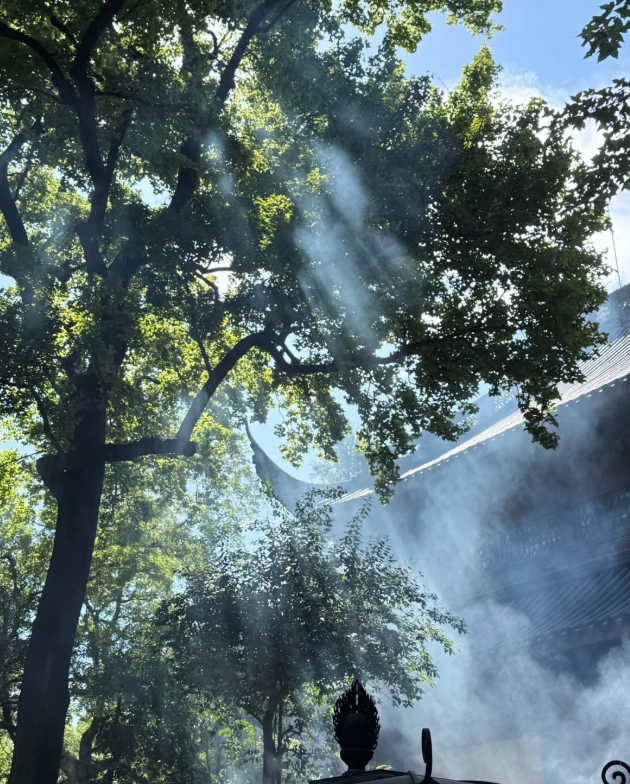
Baoshi Mountain: A Free Overlook of West Lake
Baoshi Mountain (宝石山) is my number one free viewpoint for an entire panorama of West Lake. The climb starts near the Bai Causeway and takes about 30 minutes. You'll pass an ancient rock with a stone pagoda on top—the Baochu Pagoda—which is visible from the lake. The summit offers a bird's-eye view of the lake and city skyline. It's also a beautiful spot for sunrise, if you're an early bird like me. Walk north from the White Causeway's end or take a taxi to the foot of the mountain. To find the trail, look for the sign pointing to Baochu Pagoda. Hint: late afternoon gives you golden light and cooler breezes, perfect for photography.
Gongchen Bridge and the Grand Canal
Gongchen Bridge (拱宸桥) is a historic stone bridge crossing the Grand Canal. The surrounding Hefang Street neighborhood feels like a time warp with old, low-rise houses and tiny snack shops. You can walk along the canal for free, watching locals exercise or fish. The adjacent Grand Canal Museum (京杭大运河博物馆) is free to enter, but don't forget your passport for registration.
Address: 183 Gongchenqiao Road, Gongshu District. Metro Line 5 to Gongchenqiao East station, walk 300 meters. Pro tip: visit in the early afternoon when the older locals are out playing chess under the sycamores.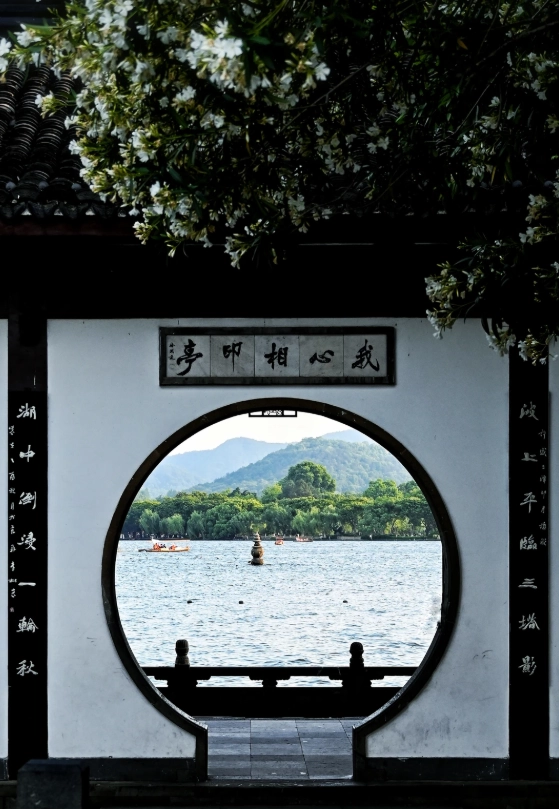
China National Tea Museum
China National Tea Museum (中国茶叶博物馆) is a gem for tea lovers. It sits in the hills near Longjing Village and has interactive exhibits on tea history and tasting rooms (some tastings are complimentary). The museum is free but requires online booking with your passport ahead of time. You can book via the official WeChat mini-program—or use an English-friendly platform like Trip.com.
Check the museum's temporary closures—they often close on Mondays (except national holidays). Allow at least 1.5 hours. Route: Take bus 103 or 180 from West Lake and get off at Nanqing. From the bus stop, walk up the hill for 10 minutes.
Hangzhou Crafts Museum
Hangzhou Crafts Museum (杭州工艺美术博物馆) is another free stop that celebrates local artists. It's quieter than the Tea Museum and perfect if you love traditional embroidery or cloth cutting. The building itself is a renovated cotton mill, giving it a chic industrial vibe. Check the official schedule for live demonstrations. Remember to carry your passport—registration is mandatory.
Address: 92 Sea Lane, Gongshu District. It's near the canal, so you can combine it with Gongchen Bridge. Free entry, but closed on Mondays.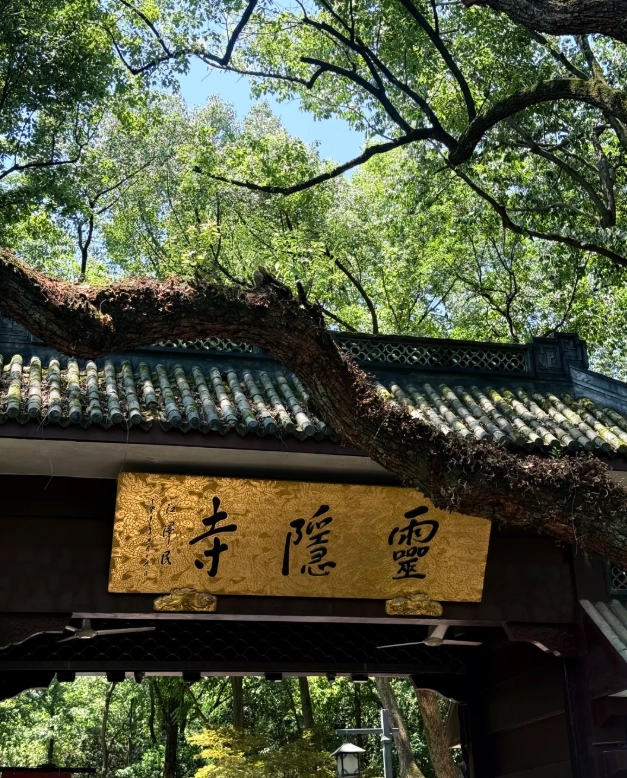
How to Plan a Zero-Cost Day in Hangzhou?
Want to pack a full day without spending? Follow my exact self-tested route. I've taken countless small groups on this loop—it consistently impresses, even if you walk a lot. Here's the step-by-step schedule:
- 7:00 AM – Sunrise at Broken Bridge. Start early to catch the mist over the lake and avoid the selfie-stick army.
- 8:00 AM – Walk the White Causeway to Solitary Hill. Grab a portable breakfast from a nearby shop (cost: 10–15 RMB) or pack your own.
- 10:00 AM – Take Bus 103 to Longjing Village. The ride runs 35–40 minutes and costs just 2 RMB. If you're five people, a taxi might be easier, but the bus is part of the local experience.
- 11:30 AM – Wander the Longjing tea terraces. The fields are free to explore. Follow the paved footpaths leading into the valley; you'll see tea farmers in traditional sun hats. You can also visit a local farmhouse for a brief chat, but decline the steep tea sale pressure.
- 1:00 PM – Hit the China National Tea Museum. It's a 15-minute walk from the village. Brown-bag lunch in their small teahouse area (buy a cheap drink inside if you like; some samples are free).
- 3:00 PM – Climb Baoshi Mountain for the view. Take a taxi (around 15 RMB) from the museum or hop on bus 51 to the north shore. The climb is short but steep—allow 40 minutes round trip.
- 5:00 PM – Walk the Grand Canal at Gongchen Bridge. Use the metro or bus to reach the canal area. The evening atmosphere is calm, and you'll see locals doing tai chi.
- 7:00 PM – Wrap up with a night walk along the canal. If you still have energy, the illuminated bridge is a pretty sight.
Weather backup: If it's raining or sweltering, switch your afternoon to the Crafts Museum or the free Zhejiang Art Museum at Solitary Hill. Both are indoors and air-conditioned.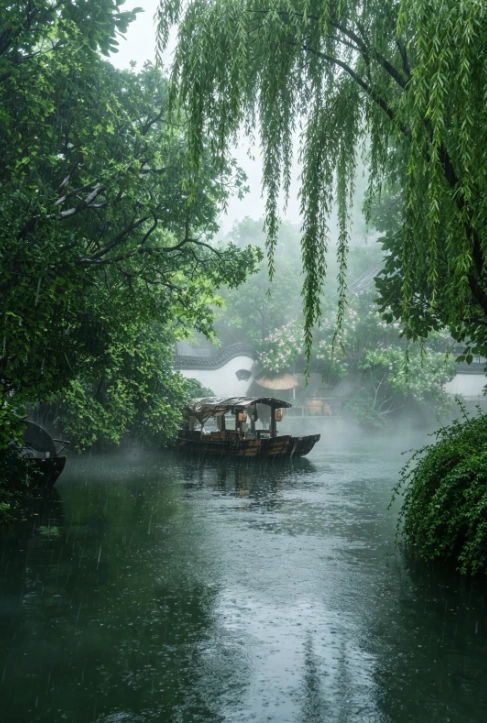
Remember to pack water and snacks: free activities are great, but you'll still need hydration!
How to Handle Transportation and Payment for Free Attractions in Hangzhou?
Now, let's talk about the boring but crucial part: getting around and paying. Don't rely on Google Maps—it's wildly inaccurate in China. Use Apple Maps (it works with most navigation) or download AMap Global (AMap's English version). Both can show you bus routes and times reasonably well.
For payment, virtually all businesses expect Alipay or WeChat Pay. Physical cash and international credit cards are often rejected—even at stores like Starbucks (unless you try a different branch). Set up Alipay on your smartphone before the trip. You can link an international Visa or Mastercard to your Alipay account; this process is the most important thing you'll do before visiting. Look for the 'Tourist Pass' button in Alipay—it makes paying simpler.
But here's the catch: many free attractions don't need payment at all. You'll mostly use your phone for booking tickets to museums or reserve timed entry. For that, always carry your passport. The official government portals and many paid booking sites accept passport numbers. On English-friendly platforms like Klook or Trip.com, you can search for 'Hangzhou' and find free attractions that need advance slots. Many often don't require anything more—but if a museum mentions 'booking' on its website, treat that as mandatory.
Don't forget a VPN. Many Western websites (like Facebook or WhatsApp) are blocked; you'll need it for normal online habits. Actually, you can still use Google Maps if you have a reliable VPN, but I've found AMap to be more accurate for Chinese streets.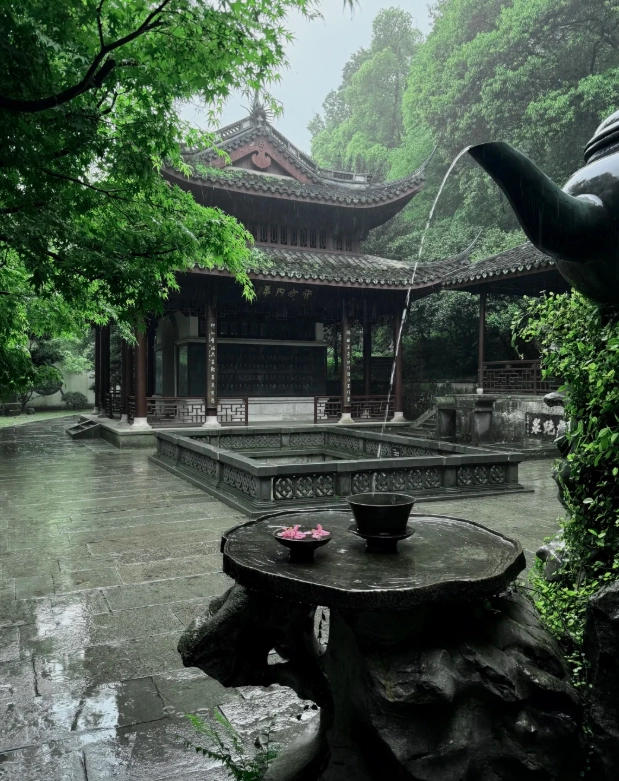
For taxi or ride-hailing, use DiDi (China's Uber) through the Alipay app—it's straightforward. Always have your destination written in Chinese to show the driver. I always keep a note with my hotel's Chinese name and address, just in case.
To set up Alipay: download the app, select 'Scan' or 'Pay' in the top menu, then tap 'Add a payment method'. Follow the instructions to add your international Visa/Mastercard. Once linked, Alipay will automatically convert your purchases to your home currency at a fair exchange rate. Don't worry—it's secure and you can monitor all transactions in the app.
Can You Really Enjoy Free Tea Culture in Hangzhou?
Absolutely, but you need to do it right. The Longjing tea fields are free to visit; the tea-picking experience itself costs money, but simply walking through the hills is a must. You'll see rows of perfectly trimmed bushes that look like rolling green velvet carpets. The air smells faintly of fried tea leaves—truly free aromatherapy.
Pro tip: while strolling, you'll be invited into local 'tea houses' for free tastings. That's a sales pitch, not a gift. You're politely pressured to buy overpriced tea. Instead, head to a state-run tea shop or the official China Tea Museum's tea room, where samples are genuinely free. Learn to say 'xiè xiè, wǒ zhǐ kàn kàn' (thanks, I'm just looking)—it works everywhere.
Another free ritual: watch the locals in the early morning at a public square near West Lake. You'll see people practising Tai Chi or calligraphy on the paved floor with giant water brushes. That's a little slice of culture no app can give you.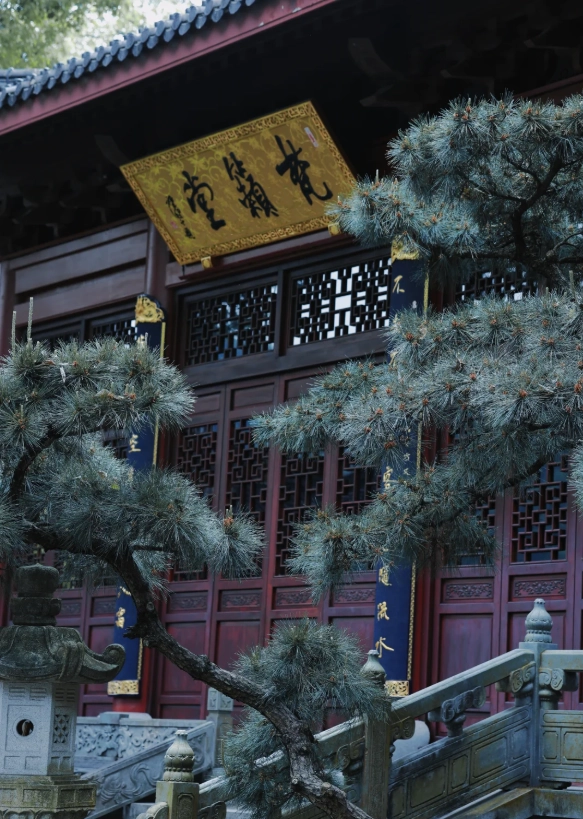
I always tell my clients: if a 'tea farmer' approaches you and asks you to come to their place for a free tasting, just smile and say 'No, thanks.' The so-called free tasting often ends with an awkward hour-long sales pitch for a 400 RMB brick of Longjing tea. Instead, buy your tea from the official state-run 'Longjing Tea Shop' if you need to bring some home.
FAQ: Free Things to Do in Hangzhou
Verified and fact-checked by the editorial team.





If you enjoy green spaces and people watching, the free areas around West Lake are unbeatable. I spent two hours just sitting on a bench near the lake watching families, couples, and older men painting calligraphy on the ground with water. No money, no museum entrance, just the real rhythm of Hangzhou. The guide also mentioned some free parts of Xixi Wetland which I managed to peek into from the outside—not fully accessable but still lovely. This city proves you don't need to spend a fortune to feel inspired.
Traveling on a shoestring for three months and this guide saved me in Hangzhou. The best free thing I did was walking through the Longjing tea fields in the early morning. No entrance fee, just the smell of fresh tea leaves and mist rolling over the terraces. A local farmer even waved me over and let me taste some fresh-brewed tea—never asked for money. Felt like a once-in-a-lifetime memory in one of China's most beautiful cities. Highly recommend!
Thought I'd love this based on all the hype, but honestly it was just okay. The free highlights around West Lake are pretty, but the guide made it sound like there were hidden gems everywhere. I walked to one of the 'secret' spots near the Mao family memorial and it was just a small pavilion with no view. Signs were confusing and I had to rely on my phone for directions. It's free, so I can't complain much, but I'd recommend just picking one good lakeside walk instead of chasing every listed stop.
Solid guide for free stuff. I followed the walking path from Broken Bridge to Bai Causeway and the lake views were stunning, especially with the willow trees drooping into the water. It was more crowded than I expected on a Saturday, but still free and worth doing. Maybe skip the small side trails though—I got a bit lost without a proper map and wasted twenty minutes. Overall I'd say four stars: great experience but not as peaceful as I'd hoped.
I visited Hangzhou on a budget and this guide was spot on! Walking the west side of West Lake near Su Causeway was absolutely free and genuinely magical at sunrise. I watched locals doing tai chi by the water and feeding the fish, no ticket needed. The whole vibe felt so peaceful and I didn't spend a single yuan on the main lake loop. If you love slow mornings and fresh air, this is the best free thing to do in the city, no question!
This article saved our trip. As a couple on a tight travel budget, we packed a picnic, followed the canal path near Gongchen Bridge, and sat by the water—totally free and so peaceful. The instructions on which bus to take were spot-on. We felt like we saw the real Hangzhou without one entrance fee. Already shared it with two other traveler friends.
This list is gold! I spent a full weekend in Hangzhou and didn't enter one paid attraction. Morning at Meijiawu tea terraces, sunset at Wushan Square, and the night music fountain at West Lake—all free and all incredible. The tip about climbing Wushan for the view instead of paying for Leifeng Pagoda alone saved me 40 yuan. 100% the best budget day I've had in China.
I tried the free walking route around the north shore and it was okay, but the map directions in the post were a little confusing—I ended up missing the turn by the art museum. West Lake itself is nice, but if you're expecting secret spots, it's mostly crowded paths and selfie sticks until late afternoon. Decent overview, not the money-saver magic I expected.
Good list, and I managed three off-the-beaten-path stops without spending a yuan. The Longjing Village walk was lovely, though the tea sellers were pushy and I didn't get the free tasting I'd hoped for. Still, the bamboo path and the hill view made it worth the trip.
West Lake at sunrise was absolutely free and honestly unbeatable. I followed the walking loop from the Broken Bridge and ended up at the Su Causeway—fewer crowds, cool breeze, and the willows dipping into the water. This guide saved me a ton and pointed out bits I'd have missed, like the quiet pagoda view. Highly recommend for solo travelers on a budget.