 Chen Liu
Guilin hit me like a bowl of steaming rice noodles at 7 a.m. — warm, unexpected, and utterly unforgettable. I dragged my jet-lagged family straight from the airport to a noodle stall in the city’s old quarter. We fumbled with mobile payments, pointed at mystery ingredients, and ended up with the most perfect breakfast of our trip.
But here’s the catch: most foreign tourists land here and immediately search for “western food” because they don’t know what to eat in Guilin. They’re scared of the language barrier, worried about spicy food, and clueless about how to pay. That’s a shame because Guilin’s food scene is one of the most exciting in China — if you know where to look.
So let me save you some money and embarrassment. Here’s everything I’ve learned from countless visits to Guilin, from the iconic rice noodles to the hidden street stalls that your guidebook won’t tell you about.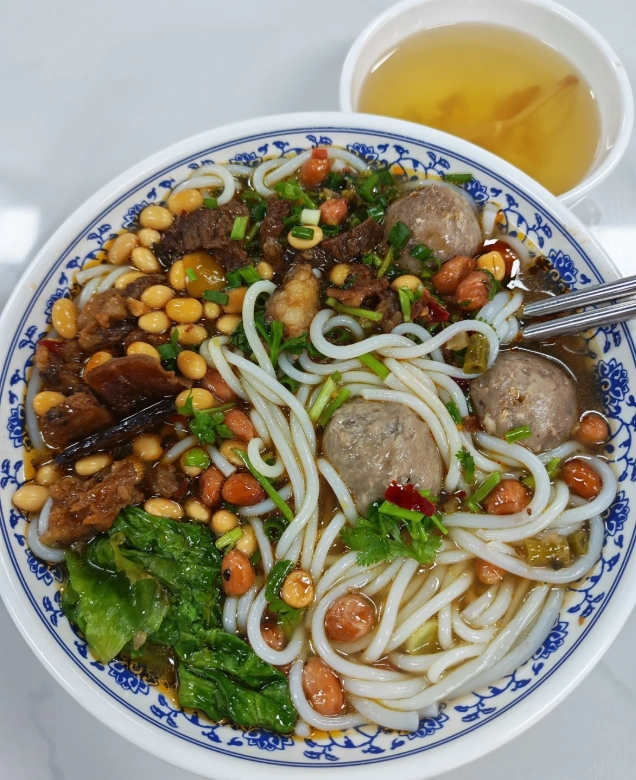
What to Eat in Guilin: 8 Essential Dishes
Guilin cuisine is known for its bold sour-spicy flavors, rich use of rice, and fresh river ingredients. These are the dishes you absolutely cannot miss.
1. Guilin Rice Noodles (桂林米粉)
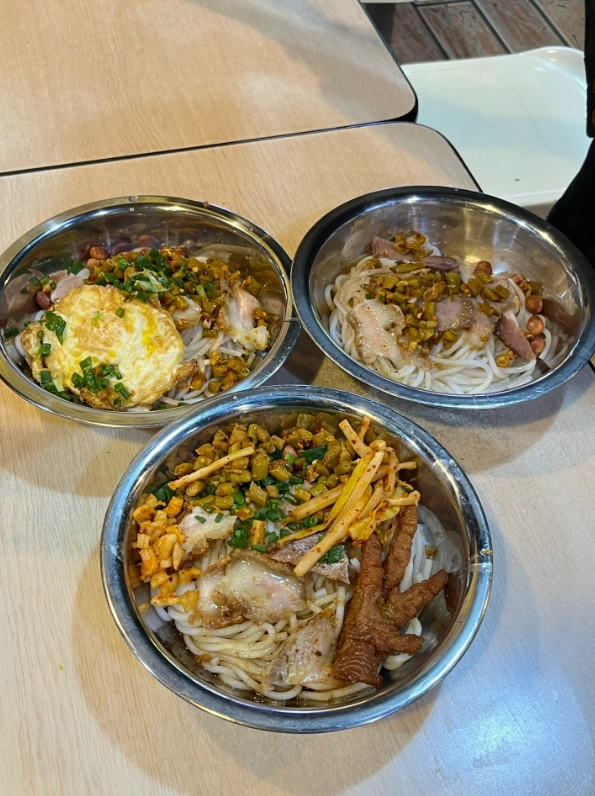
The dish that defines this city. Unlike other Chinese noodle soups, Guilin rice noodles are served dry with pickled beans, peanuts, green onions, and crispy pork bits. You mix everything well and then add soup from a kettle at the table. The flavor is umami-packed with a slight tang from the pickles.
My first bite was revelatory. The noodles are silky, the pickled beans add a sour kick, and the chili oil is optional but recommended. You’ll find noodle shops on every street, but the best ones are often small, dirty-looking joints with plastic stools.
Pro tip: Go before 9 a.m. for the freshest noodles — many shops sell out by noon. Also, say “liang ban” (cold) or “re de” (hot) to get exactly what you want.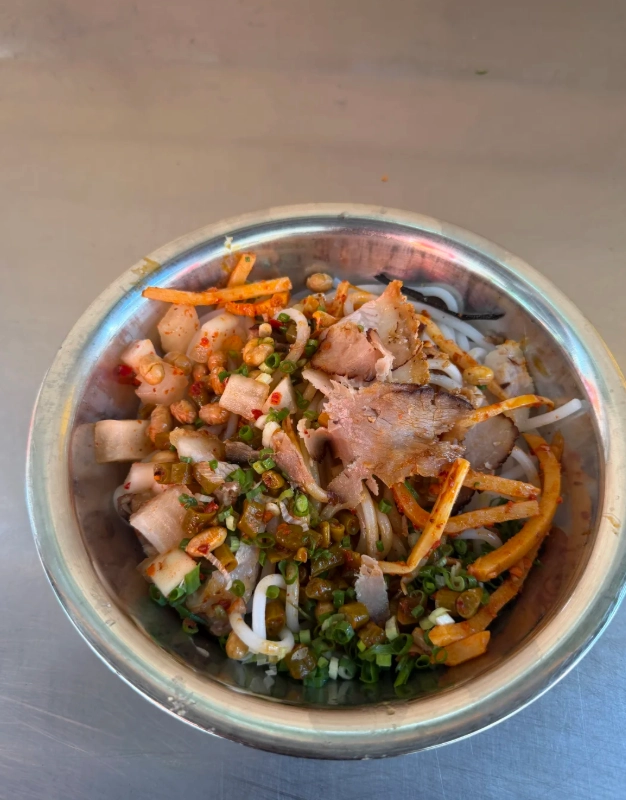
2. Beer Fish (啤酒鱼)
A Guilin signature. The dish is made with fresh river fish, usually carp or grass carp, cooked in a wok with beer, tomatoes, peppers, and ginger. It arrives sizzling in a heavy pan, and the sauce is sweet, sour, and slightly bitter from the beer.
I’ve had beer fish all over Guangxi, and the Yangshuo version (30 minutes from Guilin) is the most famous. Ask for less oil if you prefer lighter; the locals love it greasy.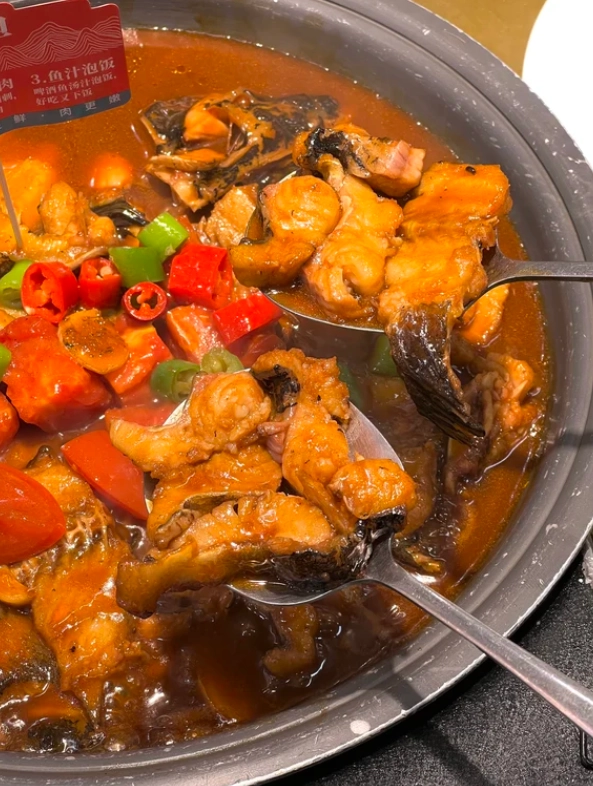
3. Stuffed River Snails (酿螺蛳)
Local street food with a kick. Small river snails are de-shelled, minced, mixed with pork, mint, and spices, then stuffed back into the shells. They’re sold by street vendors and in cheap restaurants. Sucking the snail meat out takes practice — use a toothpick.
Warning: These are spicy! I watched a German tourist cough for five minutes after slurping one. But the numbing tingle is part of the fun.
4. Oil Tea (油茶)
Not a tea, but a hearty soup. A specialty of the Yao and Dong minority groups, oil tea is made by frying tea leaves with ginger, garlic, and peanuts, then boiling it with water. It has a bitter, earthy flavor and is often served with puffed rice and fried beans.
I’ll be honest: oil tea is an acquired taste. But it’s an authentic cultural experience. Order a pot at a Yao-style restaurant and add salt to taste.
5. Guilin Pickled Vegetables (桂林酸)
The perfect palate cleanser. Street carts sell an array of pickled cucumbers, radishes, carrot, green beans, and even fruit, all soaked in a sweet-sour brine. You choose your items, and the vendor chops them up with chili flakes and sesame oil.
These are ideal for cutting through the oiliness of heavy dishes. A small cup costs only a few yuan.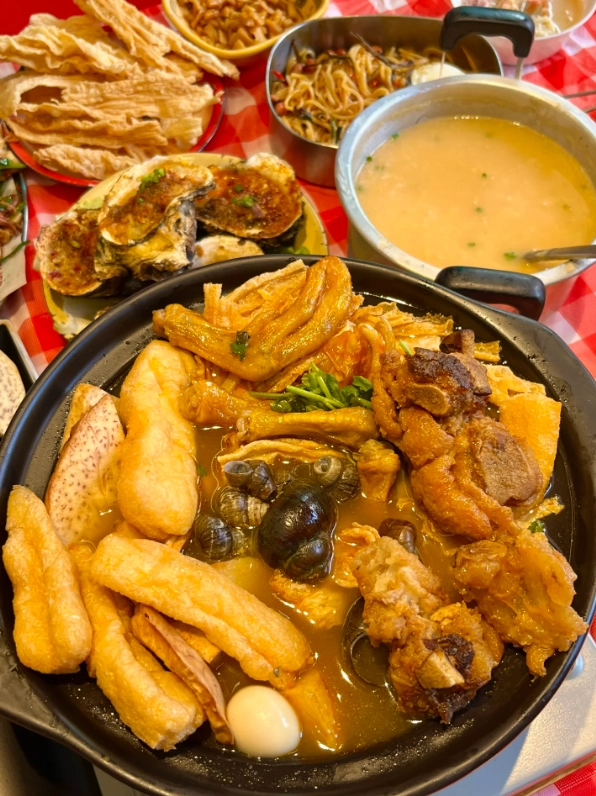
6. Horse Hoof Cake (马蹄糕)
Named for its shape, not the taste. Made from water chestnut flour and sugar, this steamed cake is chewy, translucent, and lightly sweet. It’s a fun street snack that you’ll see on bamboo steamer baskets.
7. Bean Curd with Meat (豆腐脑)
Try it sweet or savory. Guilin people love bean curd that is silky soft. Vendors sometimes serve it cold with sugary syrup, or hot with pickles, chili oil, and minced meat. It’s cheap, filling, and a great breakfast alternative.
8. Stir-Fried River Snails with Chives (炒螺蛳)
Different from the stuffed version. This is the classic way locals eat snails — stir-fried with chives, chili, and basil, served in a massive pile. You eat it like a pub snack with beer.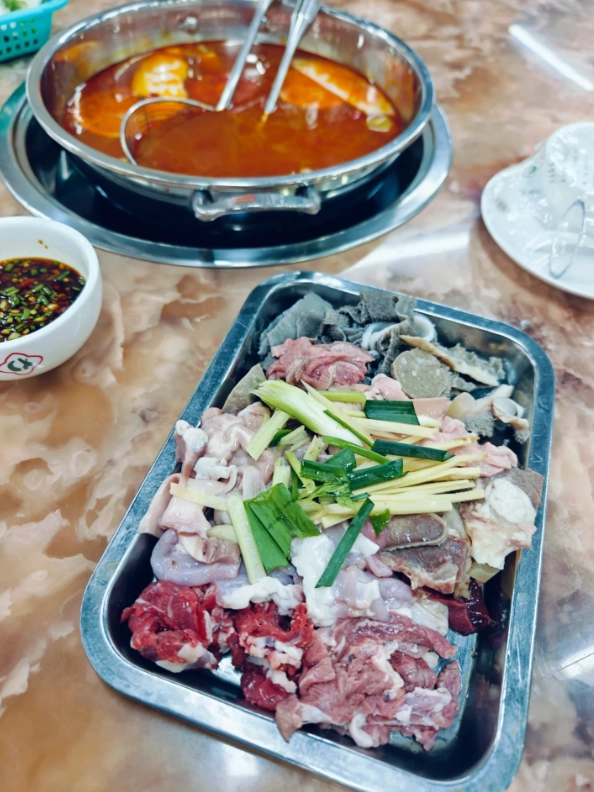
Where to Eat in Guilin: Best Restaurants & Street Food Stalls
Now that you know what to eat in Guilin, here’s where to find it. I’ve divided this into neighborhood areas and specific restaurant picks. Always carry your passport because some popular spots require it for payment.
Top Areas for Food Hunters
- Zhengyang Walking Street (正阳步行街): The tourist hub with a mix of chain shops and local stalls. Best for trying several snacks in one go.
- Fugui Road (福贵路): A residential street south of the center. Here you’ll find locals lining up at tiny noodle shops — my favorite is at No. 23.
- Yaoshan Night Market (尧山夜市): Open after 6 p.m., it’s a riot of smells and sounds. Look for stalls with long queues — that’s a good sign.
- Hedong Road (河东路): Quieter, with local family-run restaurants serving home-style dishes.
| Restaurant / Stall | Specialty | Price Range (per person) | Address/Note |
|---|---|---|---|
| Chongshan Rice Noodle Shop (崇善米粉) | Guilin rice noodles | ¥10–20 | Best for classic beef version; 134 Zhongshan Road, 5-min walk from city center |
| Dragon’s Beer Fish Restaurant (龙记啤酒鱼) | Beer fish | ¥60–80 | Famous with locals; flagship on Yangshuo Bridge Road |
| Oil Tea House (恭城油茶) | Oil tea & snacks | ¥15–30 | Authentic Yao-style; 24 Fenshui Street, next to the botanical garden |
| Snail King Stall (螺蛳王) | Stuffed snails | ¥15–25 | Night market stall #7, Yaoshan Night Market |
| Josephine’s (西餐) | Western comfort food | ¥50–90 | If you crave a break; 15 Xinyi Road, near the lake |
Note: The table above is based on my own experience and local Google Maps reviews. Prices may fluctuate; always check with the vendor.
How to Order Like a Local
You can easily order using your phone’s translation camera. But here’s a step-by-step that gets you through most situations:
- Use your Alipay or WeChat Pay QR code. Most vendors now accept these; but some still take cash only. Carry small bills (¥10, ¥20) just in case.
- Point at the photo or food. Almost every stall has pictures on the wall. If not, point at what the person next to you is eating and say “same” — works 90% of the time.
- Specify your spice level. “Budan” means not spicy, “weila” means a little spicy. Don’t be brave; Chinese street food can be surprisingly hot.
- Ask for “takeaway” by saying “dazou” if you want it to-go. But eating there is usually more fun.
- Prepare your passport number for hotels and larger restaurants. Since 2023, some establishments require it for tax invoice purposes.
Always have your translation app ready. I recommend Apple Translate or Baidu Translate (it works offline with a download). Also, download a VPN before arriving in China — Google Maps is blocked, but all navigation apps like AMap (called “Apple Maps” on iPhone) work fine.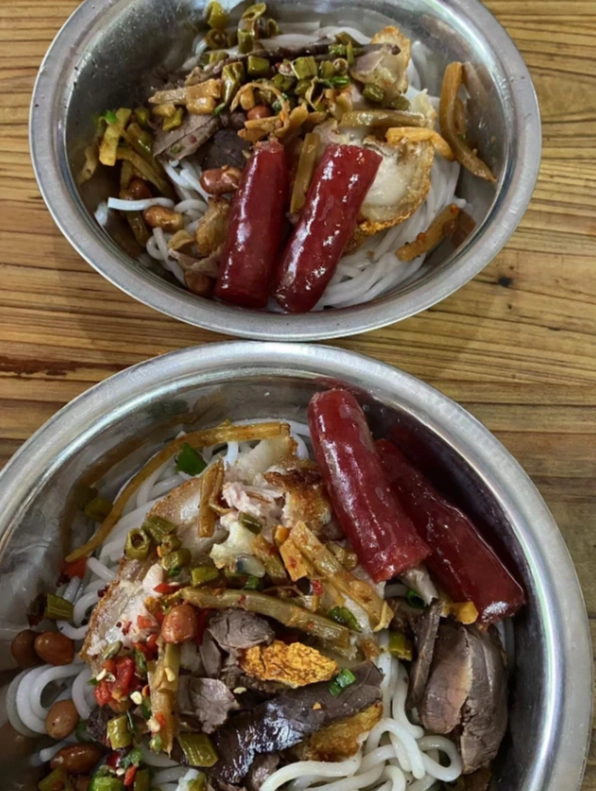
24-Hour Food Itinerary: How to Squeeze the Best Bites Into One Day
If you’re on a tight schedule, here’s how to eat your way through Guilin in 24 hours without missing the highlights.
Morning: Fuel Up Like a Local
7:00 – 8:00 a.m. Head to Chongshan Rice Noodle Shop on Zhongshan Road. Order a bowl of nuomi fen (riced noodle with beef slices). Sit outside on the tiny stools with the locals — it’s part of the charm.
After you finish, jot down the name “Fugui Road” and walk 10 minutes southeast. Along the way, pick up a cup of hot soy milk at a street cart.
Midday: Stroll and Snack
10:30 a.m. Explore Zhengyang Walking Street. Stall after stall, you’ll find pickled vegetables, horse hoof cakes, and local fruit. For a small lunch, share a plate of sanhua tofu (savory tofu pudding) — look for a vendor with a red canopy.
If you want a bigger meal, the Oil Tea House on Fenshui Street is your spot. Their oil tea and steamed snacks make an excellent mid-day break.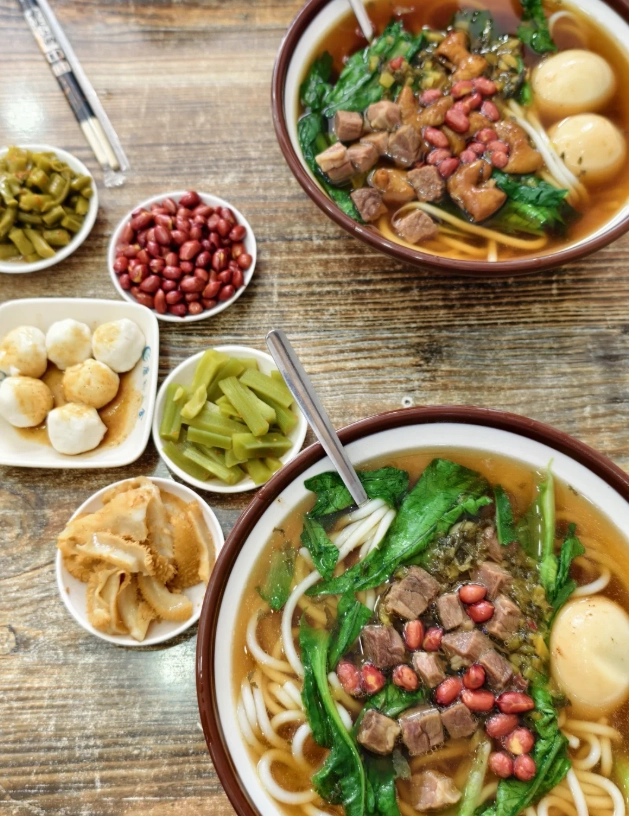
Afternoon: Coffee and Desert
2:00 p.m. You’ll need a break from the heat. Take a taxi (¥10–15) to Lijiang Riverside Park. There’s a lovely café called Cloud Corner with a view of the Li River. Try their ginger milk tea — it’s a local twist.
Before sunset, head back to the center. Near the Sun and Moon Pagodas, there’s a famous Mango Pomelo Sago shop (Wan Xiao Mang). It’s a cool dessert perfect after a spicy day.
Evening: Dinner and Night Market
6:30 p.m. Reserve a table at Dragon’s Beer Fish if you’re craving beer fish. Or, if you’re more adventurous, go to Yaoshan Night Market and settle at a plastic-table spot. I always start with the stuffed snails and follow with a skewer of grilled river prawns.
9:00 p.m. End your night with a pot of oil tea from a late-night stall. Sounds weird, but locals swear it helps digestion after a heavy meal.
Insider advice: Do not skip the pickled cucumbers you’ll see at night markets. They’re the perfect palate cleanser after all that oil — and they taste amazing with beer.
Common Questions About What to Eat in Guilin
Verified and fact-checked by the editorial team.





I’ve been living in southern China for years and still learned a few new dishes from this. The section on oil tea finally made me appreciate it—it’s an acquired taste, but the article explains why the locals love it. I used it as a checklist with my Guilin friends and they were impressed. Authentic, fun, and no clickbait. Great work.
As someone who loves street food but gets overwhelmed in a new city, this article was perfect. It’s concise, practical, and the descriptions got me excited to try things I would’ve walked past. The horse hoof cakes were my favorite surprise, and I never would’ve ordered them without this guide. The fact that it includes the cultural background makes it even better. 10/10.
This is the exact article I read the night before landing in Guilin. The rice noodle section alone is worth it—I found a little breakfast spot, ordered it with extra pickled chillies and hot broth, exactly like described. The beer fish was even better than I imagined. This list made my whole trip. Highly recommend!
Really enjoyed this article! It balanced the famous dishes with a few I'd never heard of. The oil tea explanation was a lifesaver—I'd have been completely lost without it. Only reason I'm not giving 5 stars is that some of the pictures made the dishes look different than what I actually got, but that's more on the restaurants than the writer. Great starting point.
Pretty good list overall, but I was hoping for more than just descriptions. It tells you what to eat but not really where to find the versions that matter. I followed the beer fish part and ended up with an overpriced tourist plate. The guilin rice noodle info was solid though. Worth a skim, not a bible.