 Jing Song
What's Inside This Guide?
First time in Harbin? Forget the tour guides. I have been taking people here for years, and the real food scene is hidden — you just have to know where to look. Let's be honest: most hotpot and dumpling places near the tourist streets are overpriced and bland. But step inside an old alley in Daowai, and you'll find smoky grills and grandma-run shops that will blow your mind. This is not just a food list — it's your survival manual for eating like a local. Rule number one: always follow the steam — if you smell charcoal and soy sauce, you're in the right place.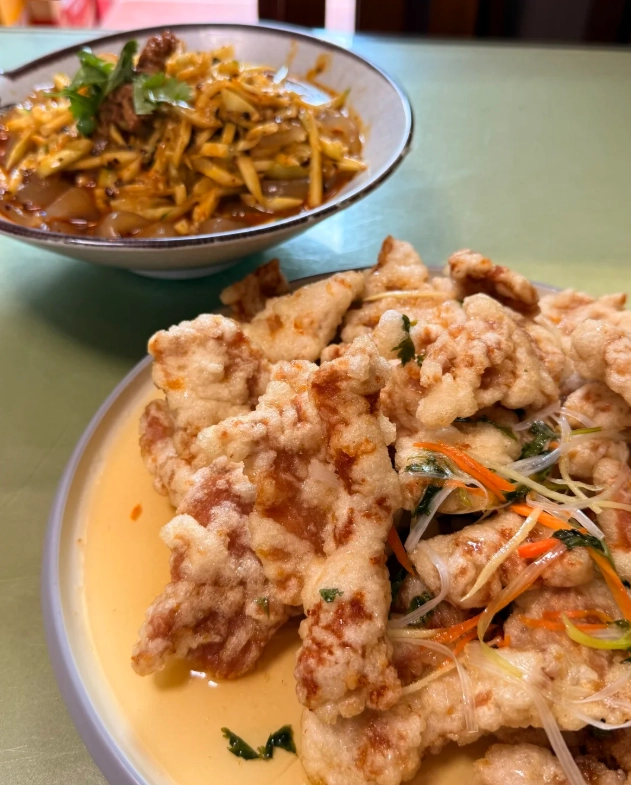
Why Harbin Food Is a Cultural Melting Pot
Let me start with a confession: I love Harbin's food, but I roll my eyes every time someone says it's just dumplings and skewers. That's like saying Beijing is only about roast duck. Harbin's cuisine is a wild mix of northeast Chinese comfort food and Russian soul, and it's all happening on one plate. The city owes its eclectic table to the arrival of Russian railway engineers in the 19th century. They brought bread, smokehouses, and a taste for pickles. The locals ran with it, adding soy sauce, vinegar, and a whole lot of garlic. So you get dishes like red sausage with a side of garlic cloves, and borscht that tastes like a fierce winter cabbage soup. It's surreal, confusing, and absolutely delicious.
10 Must-Try Local Dishes
Here's a quick reference table for the essentials. I'll dive into each dish below, with honest advice on where to find it and how to avoid rookie mistakes.
| Dish | Best Place to Try | Price Range (per person) | Why You Should Care |
|---|---|---|---|
| Guo Bao Rou | 老昌号 (Zhongyang Street) | ¥58–68 | Tangy and crispy, the local original |
| Harbin Red Sausage | Qiulin store or street cart | ¥20–30 | Smoky, garlicky, the city's icon |
| Modern Ice Pops | Zhongyang Street kiosk | ¥10 | Dense, creamy, a century-old treat |
| Russian Dinner | 华梅西餐厅 | ¥80–120 | Borscht and beef stew with a local twist |
| Iron Pot Stew | Daowai District | ¥120–200 | Hearty braised feast for groups |
| Kill Pig Dish | Daowai restaurant | ¥80–100 | Bold sour and salty classic |
| Roasted Cold Noodles | Night market | ¥10–15 | Sweet tangy street snack |
| Sauced Pork Bones | Jiujiufu chain | ¥45–60 | Finger-licking fall-off-the-bone |
| Harbin Beer | Anywhere | ¥8–15 | The perfect pairing |
| Russian Black Bread | Qiulin bakery | ¥30–50 | Dense and sour, best toasted |
1. Guo Bao Rou (锅包肉)
Guo Bao Rou is a sweet-and-sour victory dance in your mouth. The dish originated in Harbin in the early 20th century, and the local version uses a crispy pork coating doused in a translucent sugar-vinegar glaze with shredded ginger and green onion. None of that ketchup nonsense you find in southern China. I always bring first-timers to 老昌号, a no-frills restaurant near Zhongyang Street. It's been around for ages, and the walls are covered in old photos of Harbin. The Guarantee: they don't skimp on the vinegar, so prepare for that citrus-like kick. Pro Tip: Eat it fresh out of the kitchen. If you wait, the crust gets chewy. And, for God's sake, don't let anyone put pineapple on it.
2. Harbin Red Sausage (哈尔滨红肠)
Red sausage is the city's signature import from Russia, and you'll smell it before you see it. The best-known brand is Qiulin, named after a Russian merchant. The sausage is smoked, with a distinct garlicky tang and a firm snap. Stop by the Qiulin store on Manzhouli Street, or just grab a stick from any street cart. I usually buy a pack from the Qiulin supermarket near Hongbo Square and eat it on the go. It's perfect with a cup of Chinese black tea. Insider Advice: the white frost on the casing is edible and helps preserve that smoky flavor. Don't peel it off.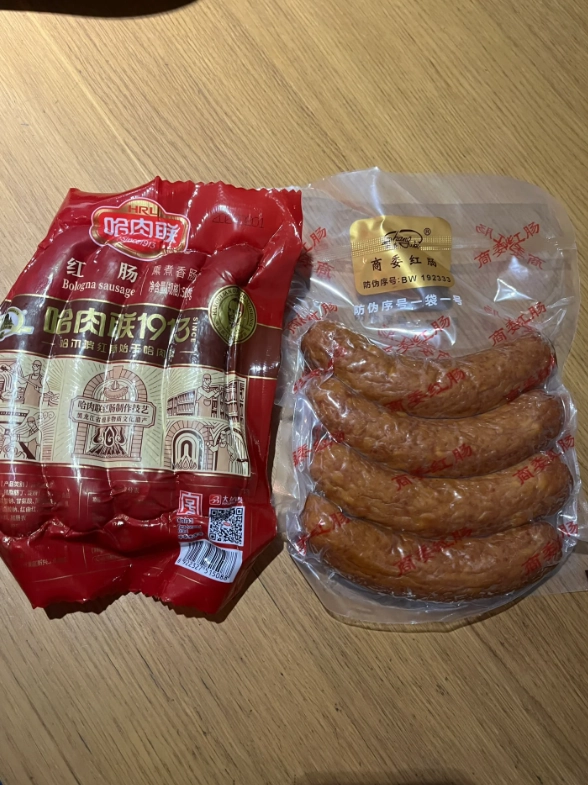
3. Modern Ice Pops (马迭尔冰棍)
You haven't walked down Zhongyang Street until you've held a Modern ice pop in winter. This local legend has been sold from the same tiny kiosk since 1906. No fancy packaging — just a plain wooden stick and ice cream so dense it doesn't drip easily. Flavors are simple: original milk, chocolate, and sometimes strawberry. The original is the best. Pro Tip: Get the one with a little bit of freeze — it's creamier.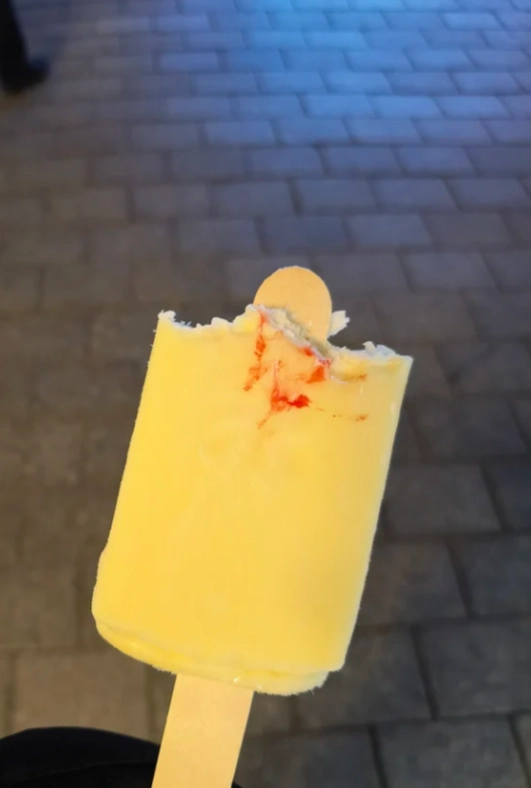
4. Russian-Style Dinner (俄式西餐)
Harbin's Russian food is a hybrid of tsarist-era recipes and local taste buds. It's not what you'd eat in Moscow, but it's just as soulful. The holy trinity is borscht, beef stew (罐焖牛肉), and black bread. I've been to Hua Mai Xi (华梅西餐厅) more times than I can count. It's a century-old spot on Zhongyang Street. The decor is Soviet-era glam, and the menu is pure nostalgia. Start with the borscht — it's loaded with beets and beef, with a dollop of sour cream. Insider Advice: Order the '罐牛' (beef in a clay pot) — it's a show stopper.
5. Iron Pot Stew (铁锅炖)
This is a group activity disguised as a meal. A massive iron pot sits on a gas burner, filled with chicken or fish, cabbage, potatoes, and wide flat noodles, all braised together. You also get a circle of corn pancakes stuck to the pot's side, which bake crispy. It's loud, it's messy, and it's incredible. I usually tell my clients to grab a few friends because the portions are enormous. Where to try: Head to Daowai district and find a place like 'Furui Tiefuguo' (福瑞铁府锅) — but I'll be honest, there are dozens. Just look for one with locals rather than tour buses. Pro Tip: The stew takes at least an hour to cook, so order it first and snack on some peanuts while you wait.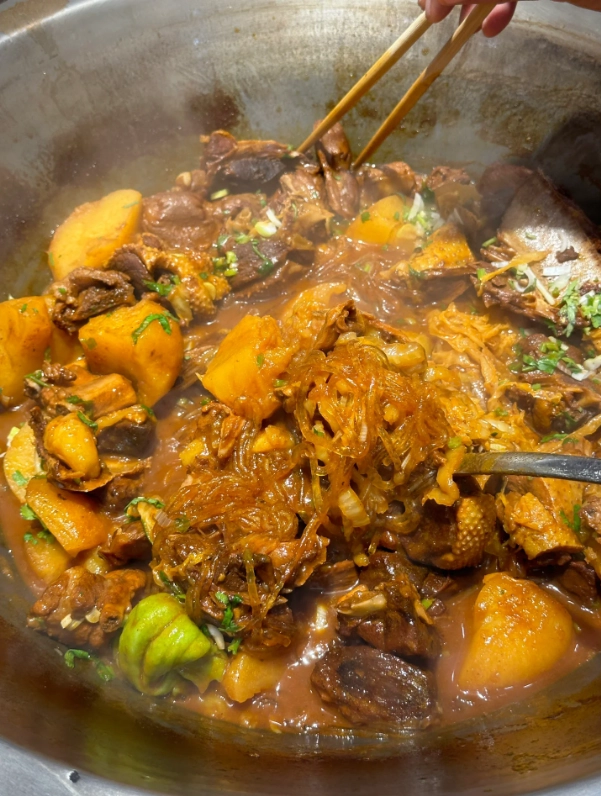
6. Kill Pig Dish (杀猪菜)
This is the boldest dish on Harbin's menu, and it deserves your respect. It comes from the tradition of butchering a pig on village New Year's. The dish combines blood sausage, pork belly, ears, and innards, all simmered with sour pickled cabbage. It's sour, salty, and a bit funky. The first time I tried it, I was skeptical. Now I crave it, especially with a bit of chili oil. Where to try: Try 'Dongfang Jiaozi' (东方饺子) on Daowai's Jingyu Street? Actually, they are more famous for dumplings. Better go to a solid Dongbei restaurant like 'Heamke'? I'm not sure. Search '杀猪菜' on AMap and choose one with a high rating. Insider Advice: If you're squeamish about intestines, ask for the version with just blood sausage and pork.
7. Roasted Cold Noodles (烤冷面)
Street food doesn't get more Harbin than this. A sheet of cold noodle is slapped onto a hot griddle, topped with egg, onion, and sausage, then rolled and chopped before being bathed in a sweet-tangy sauce. The texture is hypnotic: soft noodle, crisp edges, all mixed together. Where to try: Find a night market like Shida Night Market near Harbin University. The vendors are mostly right. Pro Tip: Ask for extra sour sauce if you like a kick.
8. Sauced Pork Bones (酱大骨)
This is the dish that gets rib juice all over your camera, so eat it last. Big pork bones are slow-braised in a soy-based sauce with star anise and cinnamon, until the meat falls off the bone. You wear a plastic glove to hold the bone and just dig in. Pair it with a bottle of Harbin beer. Where to try: There's a chain called 'Jiujiufu' (九久福) that locals love. Look for '酱大骨' signs anywhere. Insider Advice: Don't even think about using a knife. Use your hands.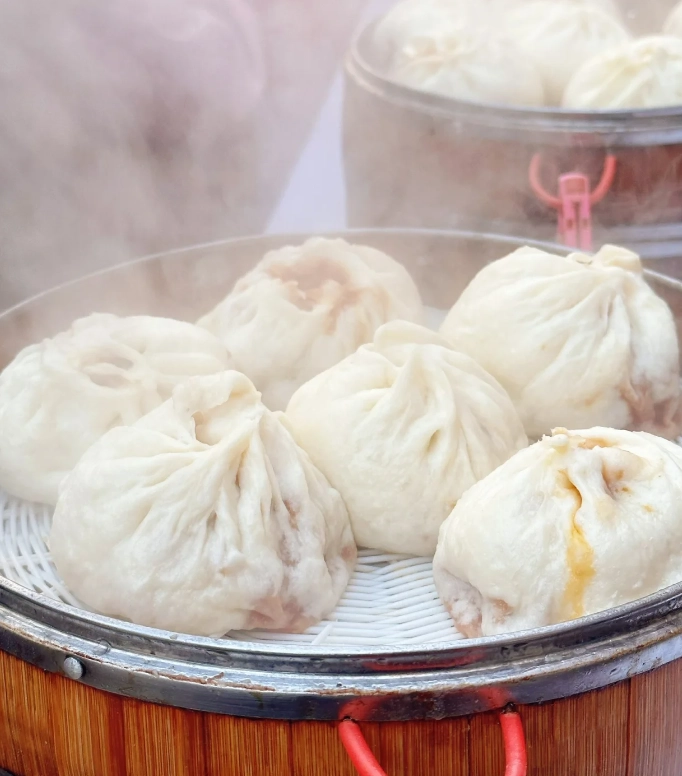
9. Harbin Beer (哈尔滨啤酒)
It's not food, but it's essential drinking company. Harbin Brewery is one of China's oldest, founded in 1900 by Russians. The local 'Hapi' is light and crisp, perfect after a heavy meal. You can find it everywhere — even on the street corner with skewers. Pro Tip: Try the 'Wheat Beer' version for a sweeter taste.
10. Russian Black Bread (大列巴)
This is a bread that could function as a doorstop. The round loaf is dense, sour, and crusty. It's not meant to be eaten alone — slice it thin and toast it, then spread with butter or sour cream. You'll see it everywhere, but the best version is from a bakery called 'Qiulin' (秋林) — they've been making it since 1900. It's a souvenir that actually travels well. Insider Advice: Toast it. Trust me.
How to Avoid Tourist Trap Restaurants
I've seen too many visitors end up at a place called 'Mom's Home Cooking' with a waiter in a colonial-era costume and a menu with pictures of spaghetti. Here's my system to eat where locals actually go:
- Follow the crowd: if you see a queue of Chinese tourists with business bags, it's probably worth it. If the queue is full of people holding selfie sticks, run.
- Check the menu: if it has a laminated, 30-page menu with a dozen courses, skip it. Real spots have a small menu, maybe even handwritten on the wall.
- Look at the tablecloths: you want paper or nothing. White tablecloths mean you're paying for atmosphere.
- Ask your hotel concierge: they might recommend something off-the-map. Just tell them you want 'local-style' (地方菜).
And remember, downloading the Chinese review app Dianping is a game-changer, even if you can't read Chinese — look at the photo and the 4.5+ score.
A 24-Hour Food Itinerary in Harbin
If you've got one day in Harbin, don't panic — I've designed a route that packs in the tastes without breaking your feet.
- 8:00: Start in Daowai District at a local breakfast spot. Try 烧饼 (baked flatbread) and 豆腐脑 (tofu pudding) with a hint of garlic.
- 9:30: Stroll through Zhongyang Street and grab a Modern ice pop, even if it's 5°C.
- 11:30: Lunch at 老昌号 for Guo Bao Rou and a side of 地三鲜 (fried potato, eggplant, pepper). Be ready to wait 20 minutes.
- 14:00: Visit St. Sophia Square, then snack on a red sausage from a street cart.
- 17:30: Head to a tiefu (iron pot) place for dinner. You'll need to book ahead or arrive early.
- 21:00: Finish the night with roast cold noodles and Harbin beer from a street stall.
This sounds intense, but that's the Harbin way — eat, walk, eat, walk.
Must-Know Tips for International Travelers
Navigating the food scene here is easier if you know a few hacks. Let me fix the biggest issues you'll face.
Paying for meals without cash
Most restaurants, even tiny ones, use QR code payments on WeChat or Alipay. You don't need a Chinese bank account — you can link an international Visa or Mastercard to those apps. But not every shop accepts cards directly. Carry about ¥200 in cash as a backup. If someone says 'no cash', it means they only take mobile payments.
Finding directions
Google Maps is a nightmare in China. I use AMap (the international version) or Apple Maps. Enter the Chinese name of the restaurant I give you. You can also show the Chinese address to a taxi driver.
Language barrier
Install a translation app like Baidu Translate, which works offline. Download the Chinese language pack beforehand. And don't be shy to point at menu pictures — that's normal.
Making reservations
For hot restaurants, you can ask your hotel front desk to call and book a table. Many places don't have online booking for foreigners, so this is your lifeline. Some high-end places might be on Trip.com. One more thing: don't expect a fork and knife everywhere. Chinese chopsticks are the default, but most spots will give you a fork if you ask.
FAQ: What to Eat in Harbin
Verified and fact-checked by the editorial team.





Decent overview, but I felt a little let down. A few of the dishes on the list were surprisingly hard to find in the exact places mentioned, and some descriptions were too short to be genuinely helpful. The section on Harbin red sausage was useful, and I did enjoy the smoked flavor, but I think the article overhyped the 'ten must-tries'—honestly, only about seven felt essential to me. Not a bad starting point, just don’t treat it as the perfect guide.
As a somewhat picky eater, I was nervous about traveling to Harbin, but this article made it feel way less intimidating. It’s nicely organized, not too long, and the explanations were clear enough that I knew exactly what to order. I fell hard for the boiled dumplings and the griddle-cooked dishes. This turned out to be the best food guide I read before my whole China trip. Absolutely five stars.
I'm not usually someone who follows food lists, but this one nailed it. The write-ups are vivid without being pretentious, and each dish comes with just enough history or context to make it interesting. I found the dumplings through this article and ended up going back twice. It got me excited about Harbin food in a way I wasn't expecting. Highly recommend saving this before you go.
Good guide overall! I really liked that it focused on local spots instead of tourist traps, and the descriptions made me want to try almost everything. I didn't give it a full five because I wished there were a few more practical tips about portion sizes and vegetarian-friendly options. Still, I tried the tongjiang fish and the big lieba bread because of this article and loved both. Worth reading before your trip.
This list was spot on! I used it every day in Harbin and never once felt lost about what to eat. The smoked red sausage at the local deli was exactly as described, and the guo bao rou was crisp, tangy, and absolutely unforgettable. The article gave me a perfect mix of street food and sit-down restaurants. Five stars from me—this is the only food guide you need.