 Yan Zhou
Inside This Ningbo Guide
- My Verdict: Is Ningbo Worth Visiting?
- What Are the Best Attractions in Ningbo?
- How to Navigate Ningbo: Transport, Payments, and Booking
- How to Spend 2 Days in Ningbo?
- Where to Eat in Ningbo: A Local's Food Map
- Where to Stay in Ningbo: Best Areas for Foreigners
- FAQs: Your Ningbo Travel Questions Answered
Pulling into Ningbo railway station, I watched the crowds blaze past to Hangzhou's West Lake. They skipped this city entirely — honestly, their loss.
So, is Ningbo worth visiting? Short answer: yes — but only if you know what you're doing. The city is a seafood lover's paradise, stacked with ancient libraries, and blissfully free of the tourist chaos. Yet your international credit card won't work at many stalls, Google Maps goes haywire, and booking a temple visit without a passport is a no-go. That's exactly why I'm writing this guide.
Here's my bottom line: Plan for at least two nights, hit the Tianyi Pavilion early morning, and save your hunger for the night market near Drum Tower. And always carry cash as a backup — because sometimes Alipay just doesn't want to cooperate.
My Verdict: Is Ningbo Worth Visiting?
After three separate trips to Ningbo, my verdict is a confident yes for most travelers. The city gives you a slice of authentic Zhejiang life without the selfie-stick armies. But it's not for everyone. If you're chasing Shanghai's skyline or Hangzhou's lake view, you'll be disappointed. If you want real culture, amazing seafood, and a relaxed pace, Ningbo delivers.
Let me break it down for you:
- Best for: Food lovers, history buffs, and slow travelers.
- Not for: Nightlife junkies and travelers who want a one-stop international city.
- Ideal trip length: 2 to 3 days.
When I brought my last group here, many of them planned to stay one night and ended up staying an extra day. That says a lot.
What Are the Best Attractions in Ningbo?
Ningbo isn't packed with world-famous sights, but the ones it has are surprisingly rich. Here are the four you can't skip.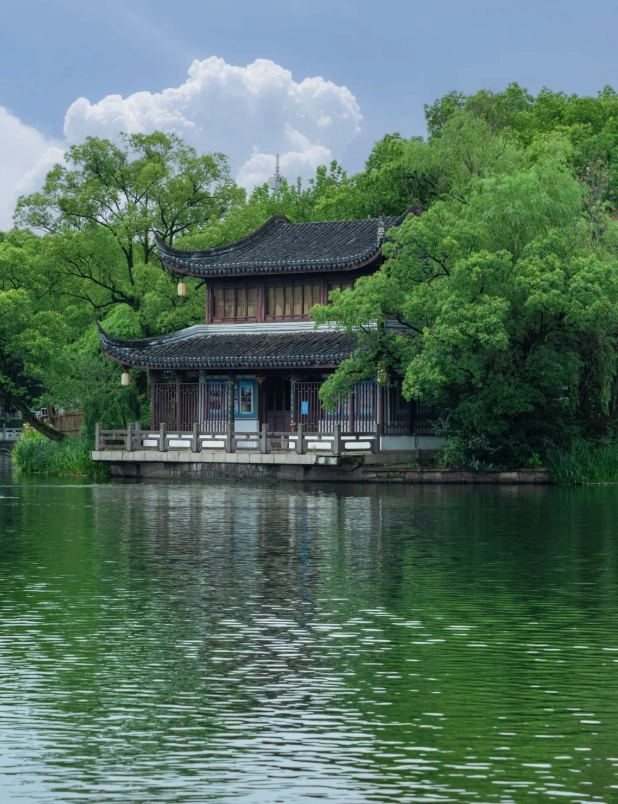
Tianyi Pavilion — The Oldest Library in Asia
This is the soul of Ningbo. Established in the Ming dynasty, Tianyi Pavilion is a sprawling complex of ancient buildings, quiet courtyards, and ponds. I always tell my clients to arrive right at 8:30 AM when the gates open. The early morning light makes the lotus ponds glow, and you'll beat the tour groups that flood in around 10. You'll need your passport to book a ticket (about 30 RMB, I paid the same last visit). Use Trip.com or the official WeChat mini-program to reserve in advance. The address is No. 10 Tianyi Street, Haishu District — show the taxi driver this: 宁波市海曙区天一街10号. Plan for at least two hours; the complex is a maze of reading rooms and gardens. There's no ATM nearby, so bring cash or, better, get Alipay set up.
Old Bund — Ningbo's Waterfront Time Machine
This is older than Shanghai's Bund and way less crowded. The Old Bund, also called Lao Waitan, is a ribbon of early 20th-century European buildings along the Yong River. It's free to stroll around, and for the best photo spot, face the river at sunset with the International Building behind you. Take Metro Line 1 to Dongmenkou Station, walk east for about 10 minutes. The area transforms into a buzzing bar and restaurant strip at night, but my favorite time is right at dusk, when the river boats pass and the lights flicker on.
Ningbo Museum — Architecture Worth the Trip
This is a museum even non-museum people will love. Designed by Wang Shu, the building itself is a masterpiece of recycled tiles and timber. It's located in the Yinzhou district, about 30 minutes from downtown by taxi (fare around 40 RMB). Entry is free, but you must show your passport — a photo on your phone doesn't work. The museum focuses on local history and is surprisingly well laid out. Set aside three hours; the building has plenty of small nooks that deserve a slow walk. I recommend coming right after lunch, because the afternoon light makes the tiled walls glow.
Dongqian Lake — A City Escape by Bicycle
If you have extra time, this lake is Ningbo's green lung. It's a 30-minute taxi ride from the Old Bund (about 70 RMB). Rent a bike near the east bank trail — you'll find DIY stations at the main gate. The full loop is 12 kilometers, so take your time with tea breaks. I've seen herons here, and the lotus fields in summer are pure magic. Wear comfortable shoes; you'll want to get off and explore the little temples hugging the shore.
How to Navigate Ningbo: Transport, Payments, and Booking
Navigating Ningbo can be surprisingly smooth if you prep for three China-specific quirks. Here's how I handle them with my groups.
Payments: Alipay, WeChat Pay, and the Backup Cash
Alipay and WeChat Pay are accepted almost everywhere. Before you arrive, link your international credit card to Alipay or WeChat Pay. I've used Visa and Mastercard successfully in China, but I always advise clients to carry about 300 RMB in small bills just in case. Many street food vendors around the Drum Tower only accept WeChat Pay, and if your wallet is stuck in the charger, cash is your savior. Cash is still accepted in most shops, though you'll get awkward stares at modern cafés.
Maps: Forget Google, Use Apple Maps or Amap
Google Maps is famously unreliable in China. Download Apple Maps or the Chinese app Amap, and switch it to English. For taxi drivers, carry the Chinese address written down. I always tell my clients, 'Never trust Google Maps to find a restaurant accurately; it'll take you to the wrong block.' Before your trip, download the Chinese addresses for your hotels and main attractions — this single tip saves hours.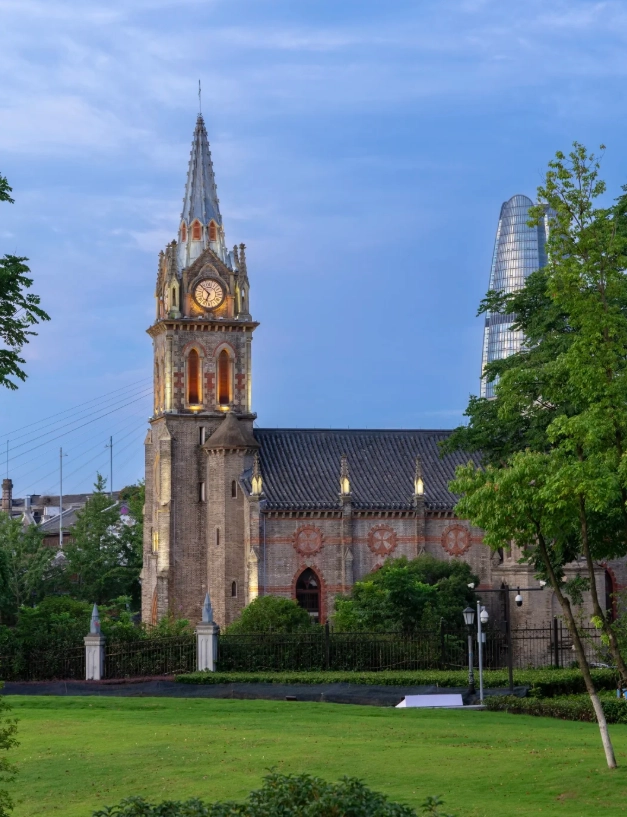
Getting Around: Metro, Taxis, and the High-Speed Rail
Ningbo's Metro lines 1 and 2 connect the core areas. Tickets are cheap, usually 2–5 RMB, and signs and announcements are in Chinese and English. Taxis start at 11 RMB — I always use the Didi app, similar to Uber, but it requires a Chinese phone number. If you don't have one, just wave for a taxi. Avoid the 5–7 PM rush hour if you're heading to the airport. For day trips, the high-speed rail station is a marvel, with frequent trains to Hangzhou and Shanghai.
Booking: Reserve Everything With Your Passport
Many attractions have a capacity limit. The Tianyi Pavilion and Shanghai's museums often require reservation. I use Trip.com for the major tickets — it's English-friendly and accepts international cards. But check the official WeChat mini-programs as well, because some venues only release discounted tickets there. No matter what, carry your physical passport; you'll need to show it to enter.
How to Spend 2 Days in Ningbo?
Here's a realistic two-day itinerary that I've refined with my groups. It's paced to let you actually enjoy the city.
- Day 1: History and Waterfront
- Morning – Tianyi Pavilion (9:00–11:30): Take Metro Line 1 to Gulou Station, Exit H, then walk 5 minutes. Spend the morning in the pavilion complex. Go straight to the north garden first to dodge the tour groups.
- Lunch – Drum Tower Quarter (12:00–13:00): Grab a quick seafood noodle bowl at a local shop. Try the crab noodles — xie huang mian in Chinese. Expect to pay around 30–50 RMB.
- Afternoon – Old Bund (13:30–16:30): Walk to the Old Bund (15 minutes). For the best light, walk from the river side to the 'International Building' historical complex. Stop for a coffee at the waterfront; the area is full of quirky cafés.
- Evening – Night Market at City God Temple (18:00–20:00): Take a taxi or bus to Chenghuang Miao (城隍庙) for a street-food extravaganza. Don't miss the stinky tofu and tangyuan. This market gets crowded after 7 PM, so start early.
- Day 2: Architecture and a Lake Retreat
- Morning – Ningbo Museum (10:00–12:30): Take Metro Line 1 to Lingqiao Station, then a 10-minute taxi. The museum opens at 10 AM; beat the crowds by heading straight to the architectural highlights on the top floor.
- Lunch – Museum Café (12:30–13:30): The on-site café is surprisingly good and doesn't require a reservation.
- Afternoon – Dongqian Lake (14:00–17:00): Taxi ride (40 minutes) to the east bank. Rent a bicycle (around 30 RMB per hour) and loop the southern side, stopping at the Lotus View Pavilion.
- Evening – Seafood Dinner on Jiangdong Road (18:30–20:30): Splurge on the day's catch. Look for a crowded spot — that's the sign of a good restaurant. My group's favorite is right next to the riverside; I don't have the name, but just search for 'seafood near Jiangdong Road' and ask the taxi driver to drop you at Jiangdong Nan Lu.
If you have a third day, take a day trip to Xikou (a mountain town) or hike the Siming Shan foothills.
Where to Eat in Ningbo: A Local's Food Map
Ningbo's food scene is a heavy mix of coastal goodness and sticky rice. You won't need high-end restaurants; the magic is in the tiny shops.
Gang Ya Gou (缸鸭狗) – Tangyuan Temple
For the famous duck-shop tangyuan. This century-old chain is a Ningbo icon. The version near Drum Tower has a bright yellow sign and is always busy. I always order the heiyang tangyuan (sesame rice balls) and the salty pork version. Prices start at 15 RMB for a bowl. Avoid the rush between 12 and 1 PM. Payment is cash or Alipay.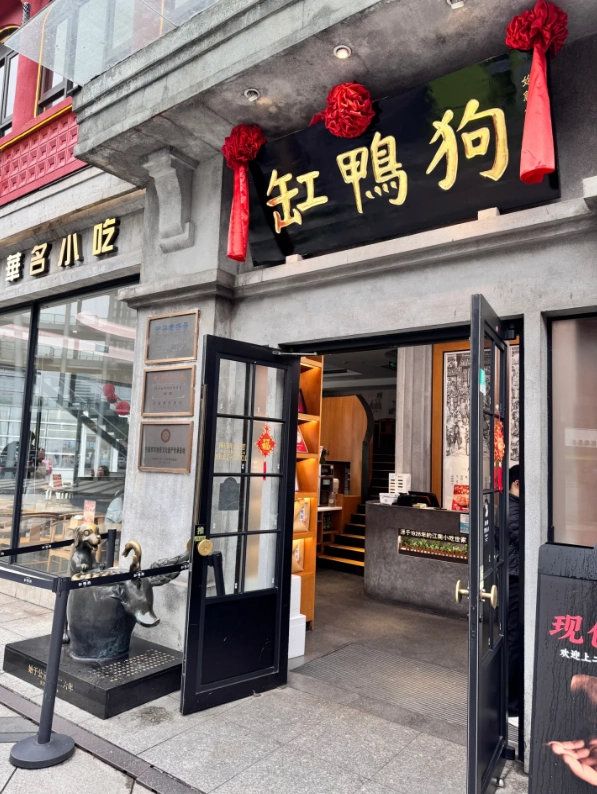
Drum Tower Night Market
This is where you eat like a local. Buy a fried oyster omelet (海蛎煎) and let the vendors fight over your attention. Pro tip: Skip the first row of stalls, walk to the quieter alley in the back — that's where grandmothers cook the real stuff. The market is open until 10 PM.
A Seafood Feast on Jiangdong Road
When you hear 'fresh sea crab,' this is the place. Numerous restaurants line the riverfront, each with fish tanks in the window. Pick a spot with mostly Chinese locals. My favorite dish is hong gao qiang xie (red-paste raw crab) — it's marinated in soy sauce and may be a shock for newbies. If raw seafood isn't your thing, order the steamed prawns. Expect to pay around 50-100 RMB for a generous meal. Payment is usually via Alipay; cash is rarely accepted.
Where to Stay in Ningbo: Best Areas for Foreigners
Ningbo has neighborhoods for every style. Use this table to pick your base.
| Neighborhood | Price per Night | Distance to Old Bund | Best For | Accommodation Tip |
|---|---|---|---|---|
| Haishu Downtown | 900–1,500 RMB | 2 km (10-min taxi) | Luxury & convenience | Book Shangri-La or Marriott; both have English-speaking staff. |
| Jiangdong (Old Bund area) | 500–900 RMB | Walkable (under 15 min) | River views & nightlife | Look for boutique riverside B&Bs in old shikumen buildings. |
| Near Railway Station | 200–500 RMB | 4 km (15-min metro) | Budget travelers & early departures | Business hotels under 400 RMB line the metro station. |
No matter where you stay, ensure your hotel provides a VPN-compatible Wi-Fi or a reliable international connection. I've stayed at both ends and the Old Bund area wins for charm.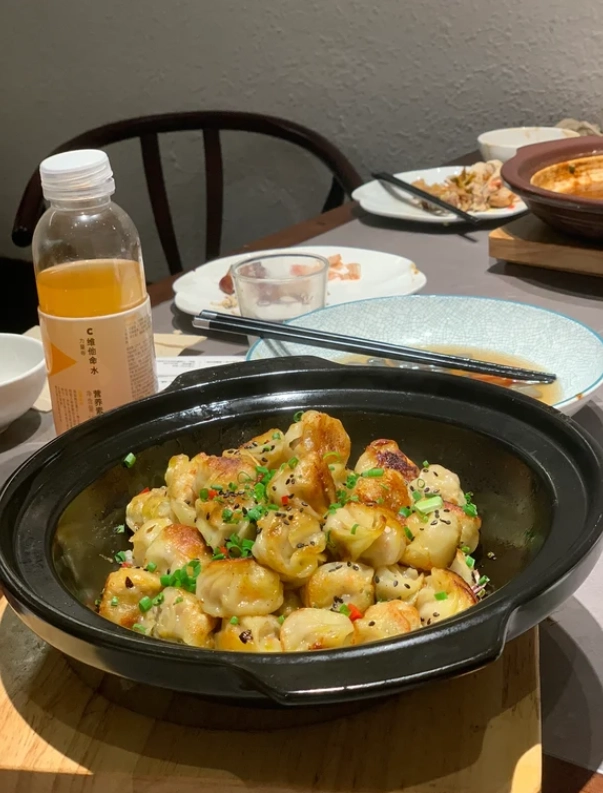
FAQs: Your Ningbo Travel Questions Answered
Final Thoughts: Is Ningbo Worth Your Time?
Ningbo isn't a loud, shouty city. It's a quiet gem that hides in plain sight. If you're willing to look past the modern malls and dive into the old streets, the city rewards you with authentic experiences, from Ming-dynasty libraries to boat-loads of seafood. I've watched travelers fall in love here — not because of a big bucket-list moment, but because of a whole day of small, human moments.
So, is Ningbo worth visiting? Yes. Just take your time, bring your passport, and let the city reveal itself.






Ningbo is one of those places that quietly charms you before you realize it. I went for the Ningbo Museum architecture, which is amazing, but ended up falling for the calm atmosphere of Tiantong Temple and the green hills around it. Everything felt authentic, from the old stone bridges to the mamas selling freshly made mochi on street corners. It was so nice to escape the crowd for a weekend. If you love slow travel, delicious local food, and history without the commercial gloss, Ningbo is definitely worth the trip.
I almost skipped Ningbo to spend more time in Shanghai, and that would have been a huge mistake. As a solo traveler, I found Ningbo incredibly easy and rewarding. The Old Bund is gorgeous at night with the glittering skyline across the river, and the locals were so friendly—a man actually walked me to my bus stop when he saw me looking confused. The noodle shops along Drum Tower were packed with office workers eating breakfast, and I just squeezed in and pointed at what they were having. That meal alone made the trip worth it. Highly recommended.
Ningbo was the surprise hit of my entire China trip. I came mainly because I wanted to taste authentic drunken crab and river eels, and I was not disappointed. A tiny local spot near the Old Bund served the freshest seafood I’ve had in years. Beyond the food, the city itself is beautiful—I loved walking around Moon Lake at dusk and exploring the weathered lanes around Tianyi Pavilion. It feels old and real, with hardly any tourists. If you ask me, it’s absolutely worth visiting. Already planning to go back next spring.
Ningbo is genuinely underrated in my opinion. We came for a weekend and were pleasantly surprised by how relaxed it felt compared to Hangzhou or Shanghai. Dongqian Lake was the highlight for us—we rented bikes and spent a whole afternoon by the water, stopping for tea and local snacks. The Ningbo Museum is also stunning, the brick facade is unlike anything I've seen. Only downside was getting a taxi from the train station was a little chaotic and we struggled with the language barrier. Still, it’s worth visiting, especially if you want a slower pace.
I was excited after all the rave reviews, but honestly, Ningbo left me a little underwhelmed. Tianyi Pavilion is interesting, but the lack of English signs meant I had no idea what I was looking at half the time. Nantang Old Street felt like every other tourist street in China, just with more fish smells. The food was good, especially the tangyuan, but I wouldn't go out of my way for Ningbo. If you’re already in the area, it’s a fine day trip, but don’t expect to be blown away.