 Peng Gao
Skip the Fluff, Here's the Plan
- Why Xi'an Food Deserves a Spot on Your Itinerary
- The Absolute Must-Eat Dishes in Xi'an (and Where to Find Them)
- How to Navigate the Muslim Quarter Like a Local
- Practical Tips for Foreigners: Payment, Language, and Navigation
- My 24-Hour Xi'an Food Crawl Itinerary
- FAQ: Your Top Questions About Eating in Xi'an Answered
Let me set the scene. You're in Xi'an, stomach rumbling, standing at the mouth of the Muslim Quarter. Frying oil sizzles, lamb skewers char, and ten different vendors wave menus at you. I've guided visitors here for over a decade, and I know exactly what to eat in Xi'an — and what to skip. Here's the truth: this city's food scene isn't just about one iconic dish. It's about learning to read the smoke, the crowd, and the price tags. In the next few minutes, I'll give you my personal map to the best bites, plus the mistakes I still see tourists make every single week.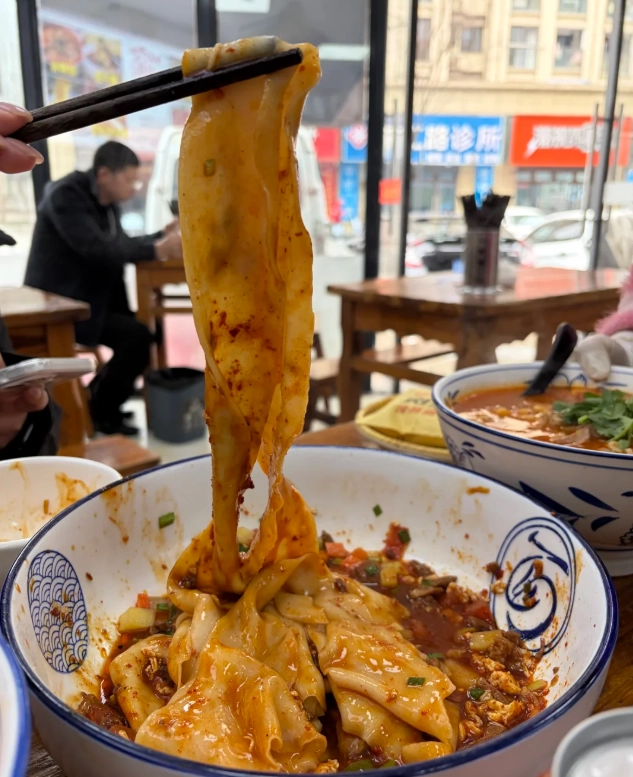
Why Xi'an Food Deserves a Spot on Your Itinerary
Xi'an was the eastern endpoint of the Silk Road, and its cuisine is a delicious mash-up of Central Asian and Chinese flavors. You'll find hand-pulled noodles that stretch forever, tender lamb dishes, and warm baked flatbreads that trace their roots to Persian and Uighur traditions. This is a city where breakfast can be beef soup with bread, and midnight snacks become a full feast.
Another layer: Xi'an has a large Muslim population, so halal food is the norm in many famous food streets. That means fantastic lamb, beef, and mutton dishes, but also a dearth of pork in certain neighborhoods — which actually makes it easier for many international travelers who avoid pork for religious or dietary reasons.
The Absolute Must-Eat Dishes in Xi'an (and Where to Find Them)
Biang Biang Noodles (裤带面)
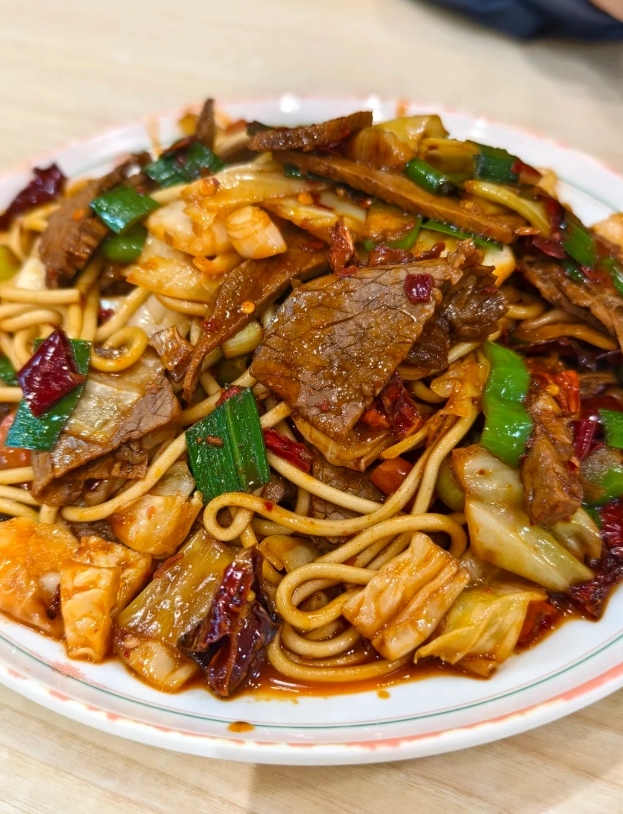
Biang Biang noodles are the undisputed king of Xi'an street food. These aren't your delicate ramen noodles — each strip is as wide as a leather belt, chewy and thick, typically tossed in a fiery chili oil, garlic, and sometimes minced pork or tomato. The name comes from the sound the dough makes when slapped on the table. I always tell my guests to find a stall where you can watch the cook stretch and slap the dough — that's your guarantee of freshness.
Where to find: In the Muslim Quarter, look for the stalls with the longest queues during lunch (around 12:00–13:30). One popular spot is under the small archway near Beiyuanmen (北院门), but the best ones are tucked into side alleys like Xiyangshi (西羊市). Expect to pay ¥15–25 per bowl.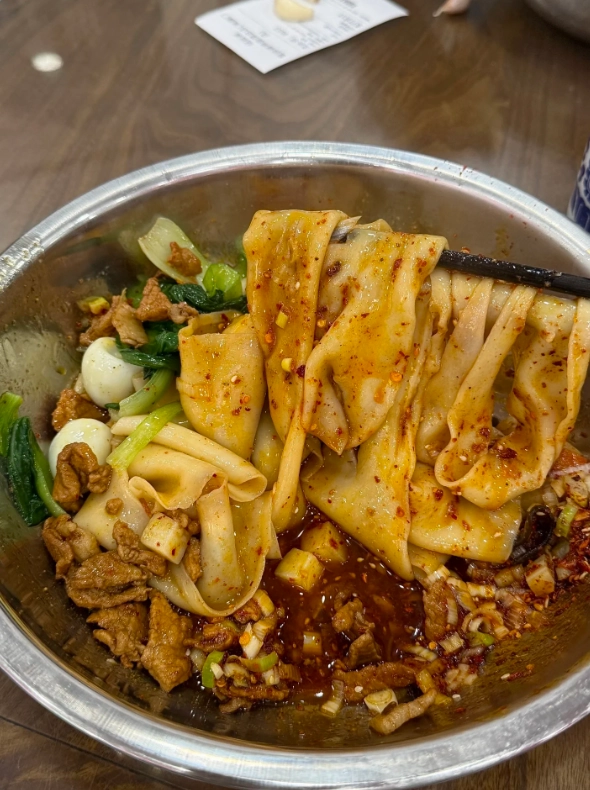
Rou Jia Mo (肉夹馍)
Rou Jia Mo is China's answer to the hamburger, and Xi'an is its birthplace. Crispy baked flatbread is stuffed with braised pork (or lamb) that's been stewed for hours in a secret spice blend. The meat is juicy, slightly sweet, and absolutely addictive. You'll often see locals eat it for breakfast, lunch, and dinner.
Where to find: The most famous chains are Fanji (樊记) and Lao Sun Jia (老孙家), but you can find excellent versions at almost any breakfast place. My personal rule: if the flatbread is made fresh in front of you and the queue is moving quickly, grab one. Price: ¥8–15 each.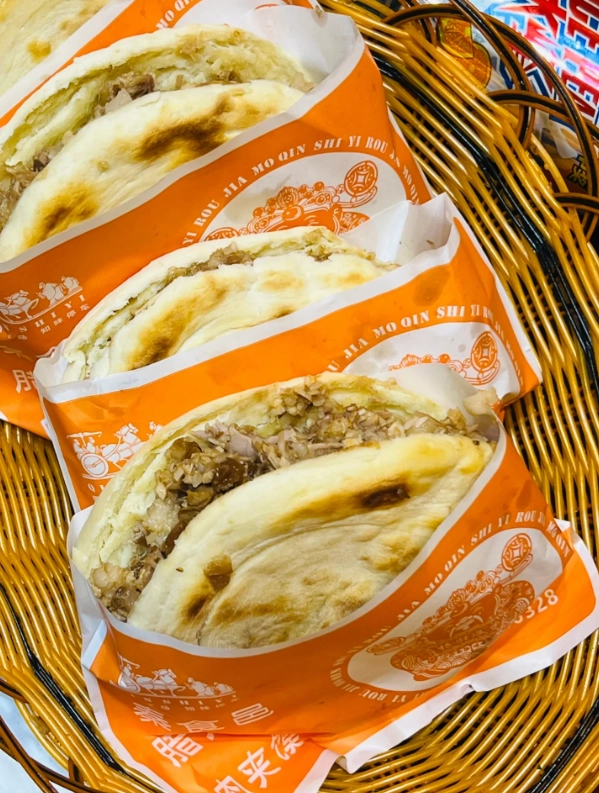
Liang Pi (凉皮)
Liang Pi is a cold noodle dish that will save your life on a hot summer day. Made from wheat or rice flour, these slippery noodles are served cold with cucumber, bean sprouts, and a tangy splash of vinegar and chili oil. It's refreshing, slightly sour, and perfect after a heavy lamb meal.
Where to find: You'll find liang pi at nearly every food stall in the city. For a classic Muslim Quarter version, head to Dai Tong Xiang (大皮院) and look for a stall with a big glass case of peanuts and sesame paste. Price: ¥8–12.
Yang Rou Pao Mo (羊肉泡馍)
Yang Rou Pao Mo is more than a soup — it's a ritual that requires patience. You're handed a whole round bread and a bowl of rich lamb broth. The trick: you must tear the bread into tiny pieces (about the size of a peanut) by hand, then hand it back to the kitchen to saturate it in the boiling broth. It's labor-intensive, but the reward is a hearty, comforting bowl that sticks to your ribs.
Where to find: The most famous restaurants are Tongshengxiang (同盛祥) and Lao Sun Jia, but they can be touristy. For a more local experience, walk to Damaijiaochang (大麦市街) and follow the steam. Price: ¥30–50 per bowl.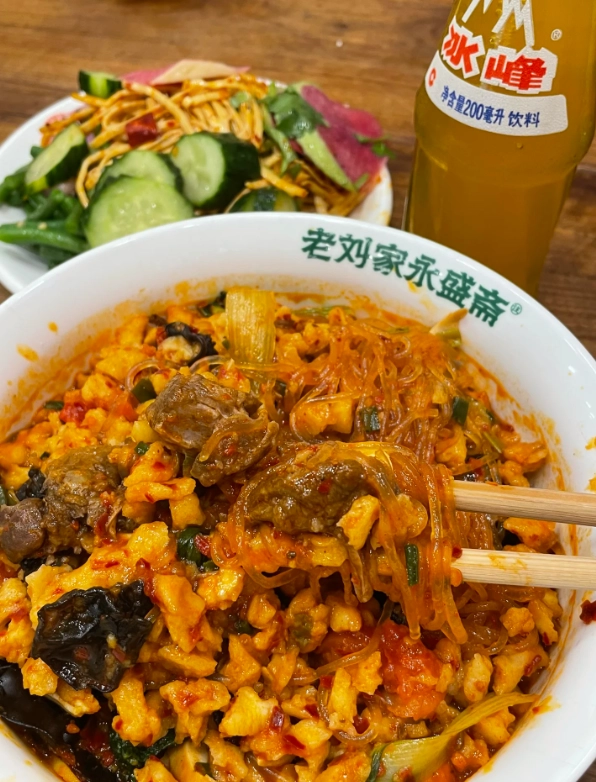
Hu La Tang (胡辣汤)
Hu La Tang is the breakfast that locals swear by, but tourists often miss. This is a thick, peppery soup loaded with potatoes, carrots, gluten chunks, and sometimes beef or lamb. It's warming, slightly spicy from black pepper, and surprisingly filling. Locals dip pieces of crispy fried bread into it.
Where to find: Look for early-morning street carts in residential areas or near the South Gate. Ask for a small bowl (¥5–8) if you're not used to the heat. It might not be as photogenic as other dishes, but it's a true taste of daily life.
Jing Gao (甑糕)
Jing Gao is a tiny steamed rice cake that's a favorite among snack lovers. Made from rice flour, it's filled with red bean paste and steamed in a wooden mold, then topped with rose jam and a sprinkle of peanuts. Sweet, chewy, and cute — perfect for a quick sugar boost while exploring.
Where to find: Throughout the Muslim Quarter, especially near the Drum Tower. They're cheap (¥5 each) and often sold by elderly vendors who've been doing it for decades.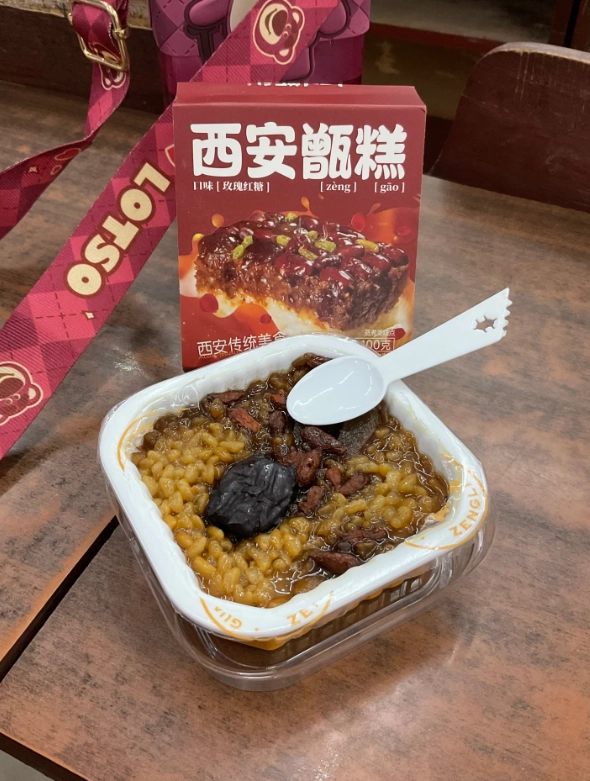
Here is a quick comparison to help you decide:
| Dish | Key Ingredients | Spice Level | Price Range | Where to Find |
|---|---|---|---|---|
| Biang Biang Noodles | Wide noodles, chili oil, garlic | Hot | ¥15–25 | Muslim Quarter alleys |
| Rou Jia Mo | Flatbread, braised meat | Mild | ¥8–15 | Breakfast stalls |
| Liang Pi | Cold noodles, vinegar, chili | Sour & spicy | ¥8–12 | Everywhere |
| Yang Rou Pao Mo | Lamb broth, bread, chili paste | Rich & spicy | ¥30–50 | Damaijiaochang street |
| Hu La Tang | Pepper soup, veggies | Peppery | ¥5–8 | Morning carts |
| Jing Gao | Rice cake, red bean, rose jam | Sweet | ¥5 | Near Drum Tower |
How to Navigate the Muslim Quarter Like a Local
Most tourists enter the Muslim Quarter from the Bell Tower side and walk straight down the main drag, Beiyuanmen. It's a zoo. Instead, I often tell my guests to start at the Great Mosque at the west end and walk backward. Not only do you tackle the crowds head-on in reverse, but you'll hit the lesser-known cross streets like Xiyangshi and Da Piyuan where the food is more authentic and cheaper.
Pro Tip: Walk an extra 200 meters past the main strip to Beiguangji Street. This is where almost all the locals actually eat. The stalls are grubbier, but the noodles are hand-slammed and the oil is scorching fresh.
Timing matters too. Between 10:00 and 11:30, the quarter is relatively calm, and vendors are just prepping. I've watched the same stall go from three people in line to a snake of tourists by noon. If you want a relaxing meal, go early for breakfast, or later after 20:00 for a mellow evening snack.
Practical Tips for Foreigners: Payment, Language, and Navigation
I cannot stress this enough: do not rely on your foreign credit card in Xi'an. Even in touristy areas, many small stalls only accept mobile payments via Alipay or WeChat Pay. International cards may not work with these apps unless you've set them up before your trip — and many vendors don't have card readers at all.
My advice: carry a reasonable amount of cash. When a vendor says “WeChat only,” you can usually negotiate cash, but they'll act like it's a hassle. So break your big bills at a hotel or a shopping mall.
For navigation, Google Maps is unreliable in China — it's often outdated or route-less. Instead, use Apple Maps or download AMap Global (the English version of Gaode). Both have English menus and work fine for walking directions. When in doubt, show your destination in Chinese to a taxi driver or write it down.
Language is the other hurdle. While some restaurant signage includes English, most does not. I always keep Apple Translate downloaded for offline translation. Simple phrases like “bu la” (no spice) and “shao la” (less spice) will save your mouth.
Finally, you will need a VPN to access many international apps like WhatsApp, Instagram, or even some Google services. Set it up before you arrive, because Chinese WiFi provides easy access to Baidu but not to your usual favorites.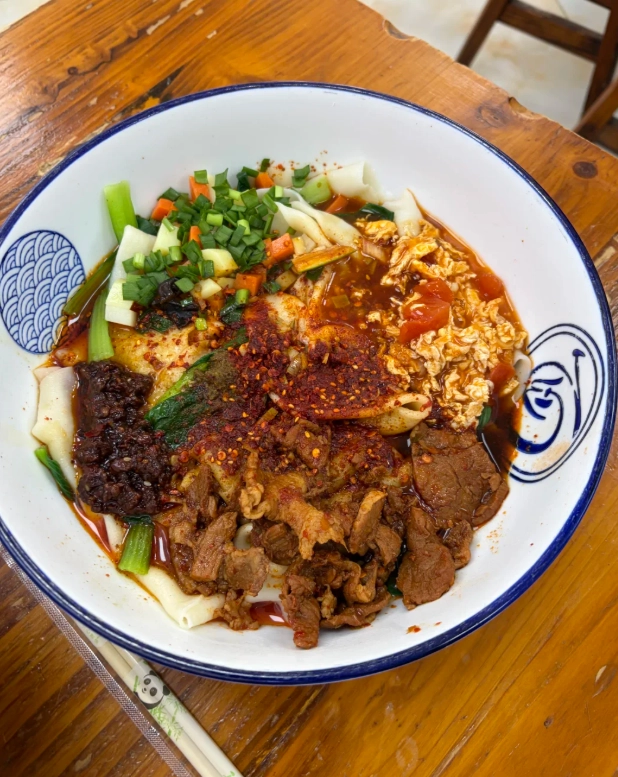
My 24-Hour Xi'an Food Crawl Itinerary
If you only have one day in Xi'an, here's exactly how I would schedule it — with enough time to actually enjoy yourself, not just sprint between bites.
- 07:00 – Breakfast at the West Gate — Start with a bowl of Hu La Tang from the street carts near the West Gate. Add a Rou Jia Mo from the nearest steamer. It's a classic combo, and the prices are half what you'd pay in the tourist zone.
- 09:00 – Historic wander & a snack — Visit the Bell Tower and Drum Tower (photo op only, no climbing needed). Grab a Jing Gao from a vendor near the Drum Tower to kill the mid-morning hunger.
- 12:00 – Lunch in the Muslim Quarter — Enter from the Drun Tower side, but head straight to Da Piyuan. Order Biang Biang Noodles and a Liang Pi to share. Wash it down with a bottle of Bing Feng (the local orange soda).
- 15:00 – Coffee and a break — Need a break? Walk to De Fu Xiang (德福巷), a lane of street-side cafes. I like to pause here before the afternoon sun wanes.
- 18:00 – Dinner: Yang Rou Pao Mo — Head to Damaijiaochang for a proper lamb soup. Take your time tearing that bread; the slower you tear, the more soup your bread absorbs. If you're in a rush, it won't taste the same.
- 20:30 – Night market stroll — Finish at the Muslim Quarter main street but go for the skewers: lamb, beef, and even whole roasted fish. I always tell everyone to try the grilled lamb with cumin — it's the city's late-night handshake.
If the weather is bad (icy winter or scorching summer), swap the early morning visit for an indoor museum like the Shaanxi History Museum and grab a hotpot or noodle soup in a nearby mall.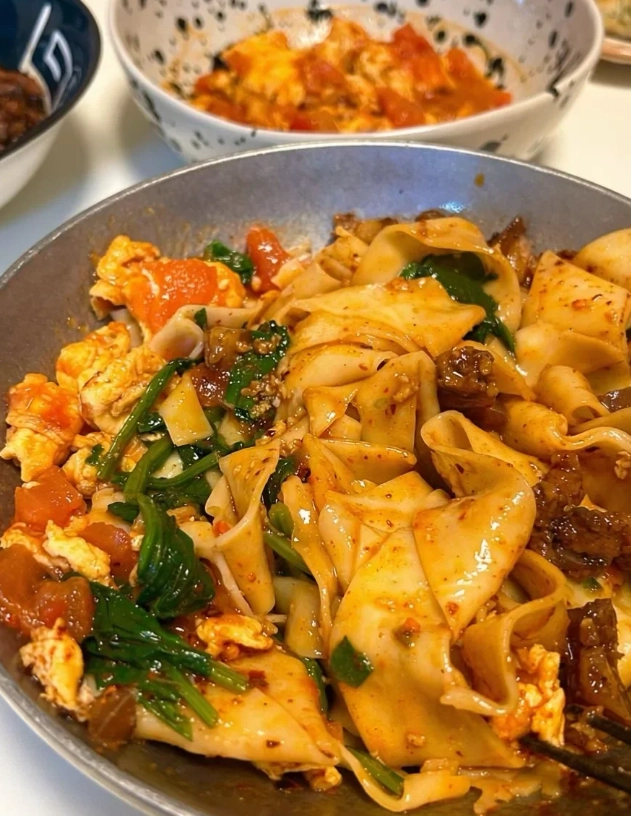
FAQ: Your Top Questions About Eating in Xi'an Answered
Verified and fact-checked by the editorial team.





This is THE article for eating in Xi'an. I've read several other lists, and this one hit all the right notes: practical, colorful, and honest. The part about the spicy oil condiment being a 'secret weapon' was hilarious and true. It also warned me about a touristy roujiamo place that charges triple—saved my wallet, seriously. After trying 10 of the 12 specialties, I can confirm the picks are legit. Great job, whoever wrote this!
As a first-time visitor to Xi'an, this guide felt like having a local friend walk me through the food scene. The descriptions of the tangbao soup dumplings made my mouth water, and the tip about remembering your table number at busy stalls was spot-on—I got my food without losing my seat! Also loved how it explained the history vibe behind dishes like biangbiang noodles. Made eating feel like part of the city's story. Already forwarded it to two friends.
This article is a lifesaver! I'm a planner, so the insider tips about which food streets get busy at lunchtime were gold. The author even explained how to order at a dumpling banquet without overdosing on the 'sit down' tourist traps. I used the recommended spots for crispy pork ribs and was not disappointed—extra crispy, exactly as described. Saved me from wandering around Hangout City aimlessly. Massive thanks!
Pretty solid roundup of Xi'an's must-eats! I appreciated that it included the less obvious items like guokui and jelly, not just the usual roujiamo and biangbiang noodles. My only complaint is that it didn't mention how spicy some dishes can be—I got caught off guard with the cold noodles. A little note on heat level would have bumped this up to a 5. Still, it helped me plan my food crawl efficiently.
Honestly, I was a bit let down by this guide. It covers the classics, but the tips felt super generic—like 'go early to avoid crowds,' which you can find anywhere. I followed the recommendation for the paomo place and waited 45 minutes only for an okay bowl. Also, it totally ignored the Muslim Quarter's nighttime street snacks, which is the best part. If you're a first-timer, it's fine, but don't rely on it too much.