 Yan Zhou
In This Guide
No one hikes Huangshan for the food. That's a mistake I've made my clients correct time after time. When I first started guiding, I assumed everyone knew about Huangshan's incredible local dishes. I was wrong.
Most foreign visitors end up eating instant noodles or hotel buffet because they don't know where to look. And the few who do find restaurants often pay triple for mediocre food.
So here's the truth: if you want to know what to eat in Huangshan, don't bother with the tourist-centric spots. Head to Tunxi Old Street — a 700-year-old marketplace where locals still eat every day. That's where you'll find the 7 dishes I'm about to list. Trust me, your taste buds will thank you.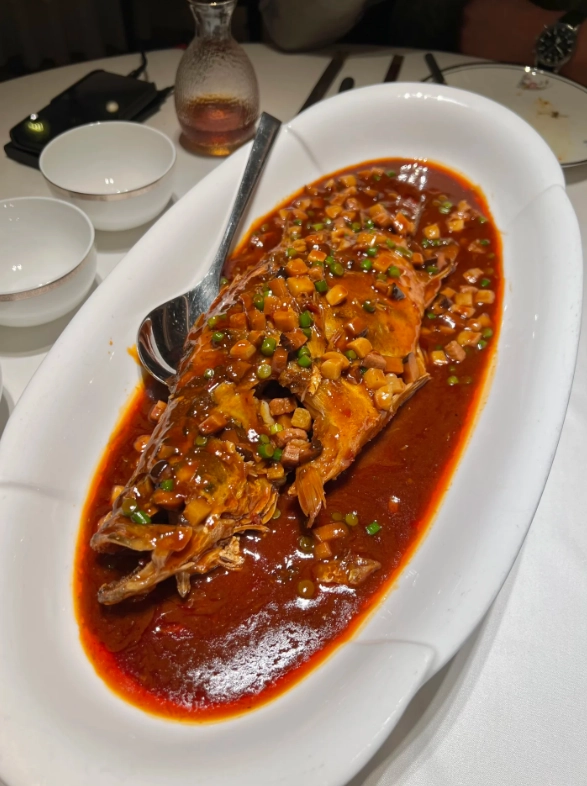
Why You Should Care About Huangshan Food
Huangshan's cuisine is part of the larger Hui cuisine (徽菜), one of China's eight great culinary traditions. It's characterized by a love for wild ingredients, slow cooking, and a savory flavor that's often enhanced by fermentation.
Because the mountain is so resource-rich, locals have developed methods to preserve food — especially fish and tofu — that create bold, unforgettable tastes. This isn't the greasy, spicy food you might find in Chengdu. It's rooted in the earth, subtle yet complex.
Yet most foreign visitors never taste it. They rely on hotel meals that are watered-down versions, or worse, fast-food chains. That's a shame because eating here is half the adventure.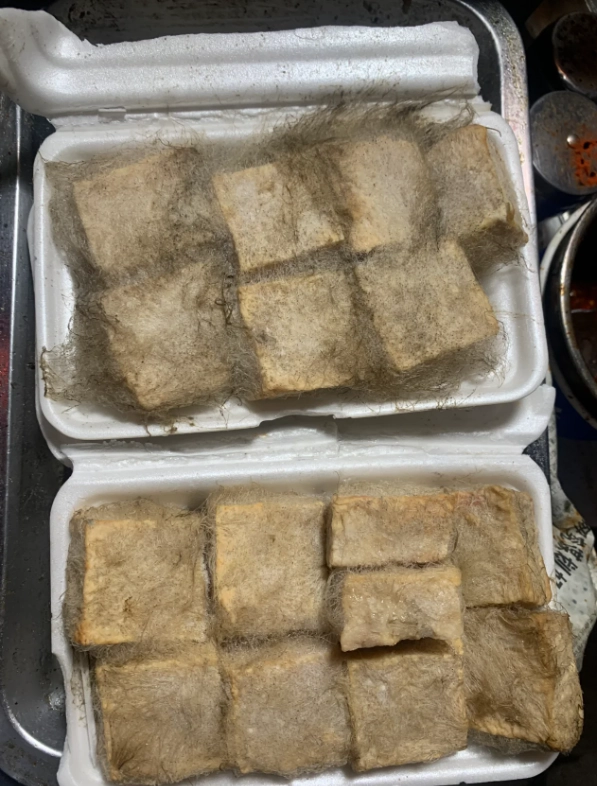
7 Must-Try Dishes in Huangshan
These are the dishes I insist every client at least samples. I've listed them in order of how often I order them myself.
1. Stinky Mandarin Fish
This is Huangshan's most notorious dish. The freshwater fish is fermented in salt water for about a week, giving it a pungent aroma that will knock you over. But the flesh — firm, flaky, and surprisingly mild — is a revelation. It's typically braised in a soy-based sauce with chili and ginger. The smell is strong, but the taste is delicate.
Where I take clients: At Tunxi Old Street, look for the restaurant with a fish tank full of swimming mandarin fish. The smell will guide you. One bowl costs around 80–120 RMB. I always ask for extra sauce to pour over rice.
Pro Tip: Don't judge it by the smell. Close your eyes for the first bite, and let the texture speak.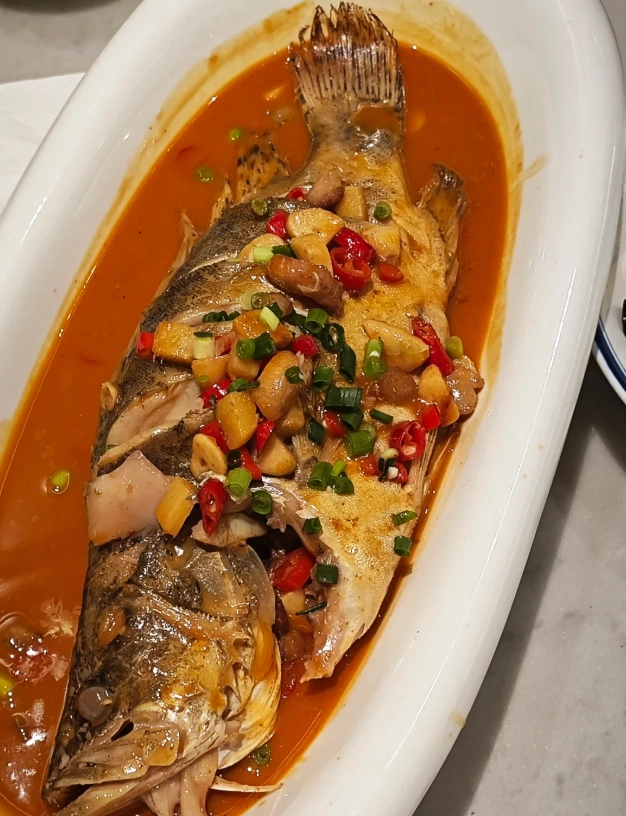
2. Hairy Tofu
This is fermented tofu with a fluffy white 'fur' on the surface. It sounds weird, and honestly, the appearance can be off-putting for some. But when pan-fried until golden, it turns creamy inside with a nutty, slightly sour flavor. Locals eat it with chili paste and soy sauce.
Where to try: Find a street stall in Tunxi Old Street — they'll usually have a flat iron grill. A small plate costs about 10–20 RMB. It's a snack, not a full meal.
Insider Advice: Some vendors will try to sell you 'fresh' hairy tofu that hasn't been cooked properly. Always ask for it jiān de (pan-fried). You're welcome.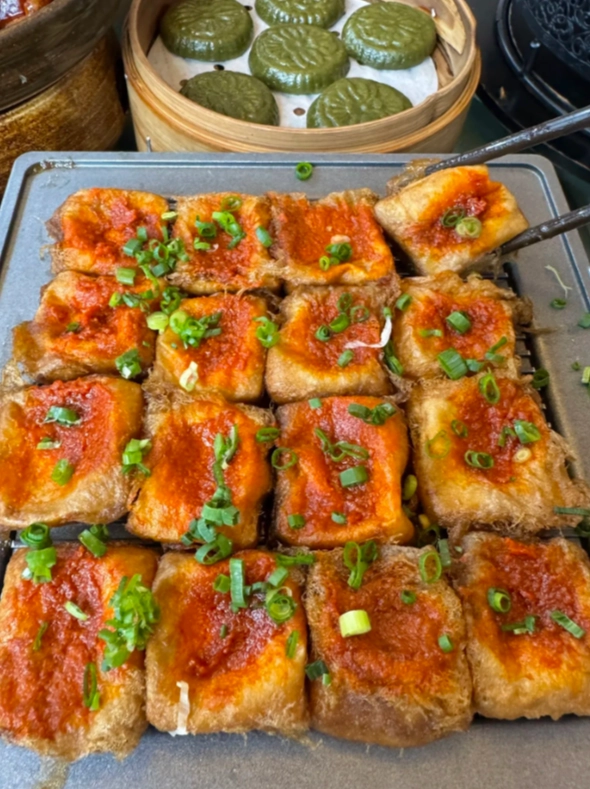
3. Braised Pork with Dried Bamboo Shoots
This is the comfort food of Huangshan. In spring, locals pick the tenderest bamboo shoots and dry them in the sun. The dried shoots are then slowly braised with fatty pork belly. The shoots absorb the pork's richness, while the pork gets a subtle earthy sweetness. It's a match made in heaven.
My favorite order: At any local restaurant, ask for 'sun gan shao rou.' The serving is generous, so it's great for sharing. Prices range from 40–60 RMB.
Note: Depending on the season, you might find fresh bamboo shoots instead of dried. Both are excellent.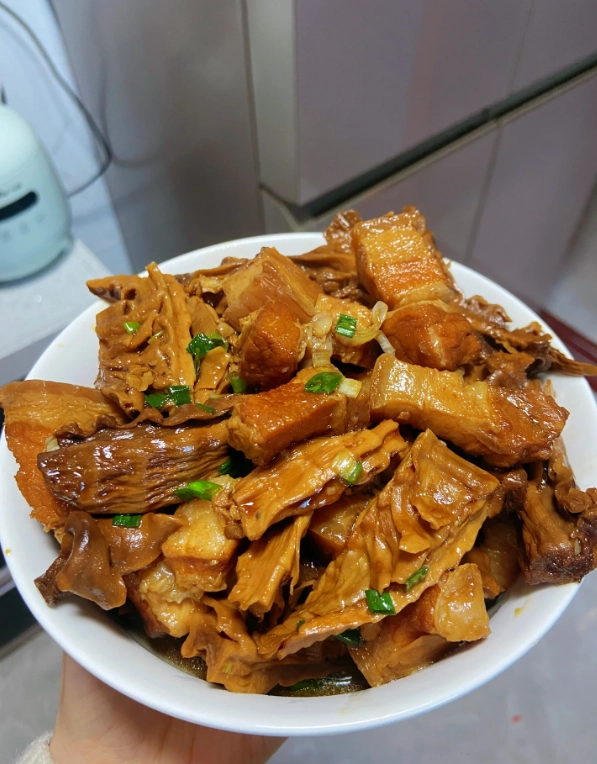
4. Stone Ear Chicken Soup
Stone ear is a rare fungus that grows on cliffs in Huangshan. It's similar to wood ear but more tender and expensive. When simmered with chicken, it produces an incredibly clear, savory broth that's both nourishing and comforting. This is the dish locals order for special occasions.
Where to eat: Most upscale restaurants in the city will serve it. I recommend the Huangshan Hotel restaurant for a refined version. Expect to pay 80–150 RMB for a large pot.
Insider Advice: This dish is often not on the English menu. Use a translator or the Chinese name: shí ěr dùn jī. It's worth the effort.
5. Huangshan Sesame Cake
This is the street food you'll likely smell before you see. Freshly baked sesame cakes are filled with dried turnip and pork, and they come in two versions: sweet and savory. The savory one is my favorite — it's flaky, oily, and intensely satisfying.
Where to buy: Every bakery in Tunxi Old Street sells them. The freshest ones come out around 4 PM. Look for long queues. A single cake costs about 2–5 RMB.
Pro Tip: Buy a few to snack while hiking — they keep well.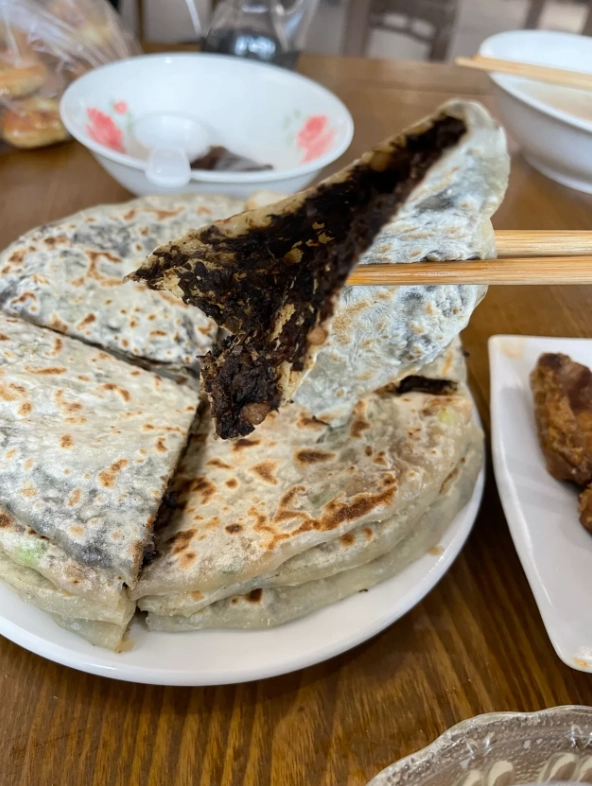
6. Huizhou One-Pot
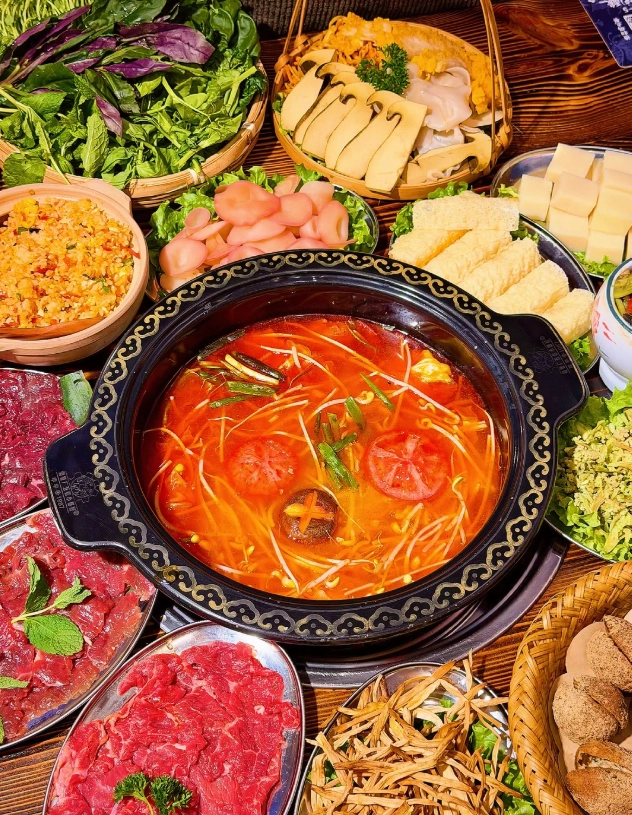
This is the ultimate sharing dish. A large clay pot is layered with chicken, pork, meatballs, eggs, and ginger slices, all slowly simmered in a rich broth. It's over-the-top in the best way. Sort of like a Chinese shabu-shabu but the ingredients are already cooked and arranged.
What I love: The broth reduces to a gelatinous concentrate that's the star of the show. Ask for it at traditional restaurants. It can feed 3–4 people and costs around 60–100 RMB per pot.
Note: There's a famous version called 'Hu Shi One-Pot,' named after a famous scholar from Anhui. Try both if you have time.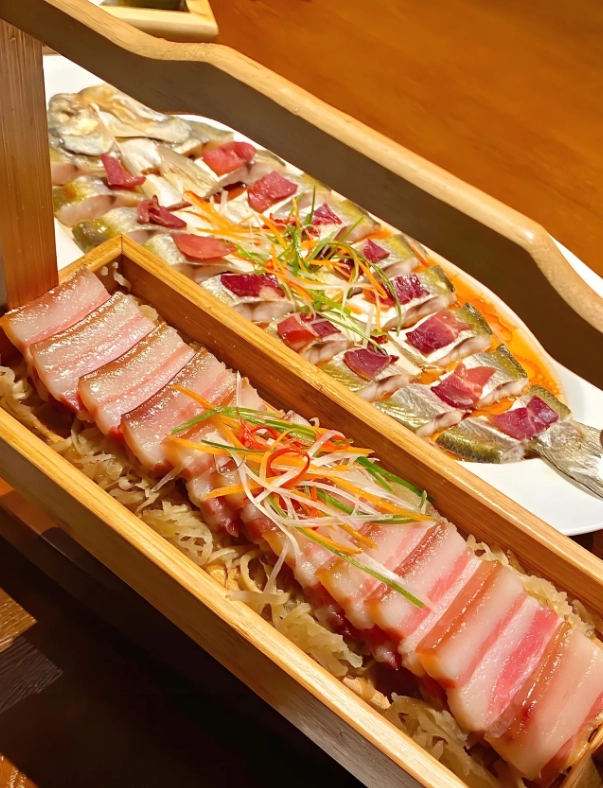
7. Kudzu Root Dumplings
Kudzu root is highly prized in Chinese medicine, and here it's turned into chewy, translucent dumplings. They're usually sweet, filled with brown sugar and osmanthus. But there's also a savory version with pork and mushrooms. They're a bit like mochi but with an earthier taste.
Where to find: Look for dessert stalls during the evening in Tunxi Old Street. A plate of 5 costs around 15–25 RMB.
Insider Advice: The sweet ones are perfect after a heavy meal.
These 7 dishes are the ones I rate highest. But the list could go on — there are roasted pigeon, smoked duck, and more. The key is to keep exploring.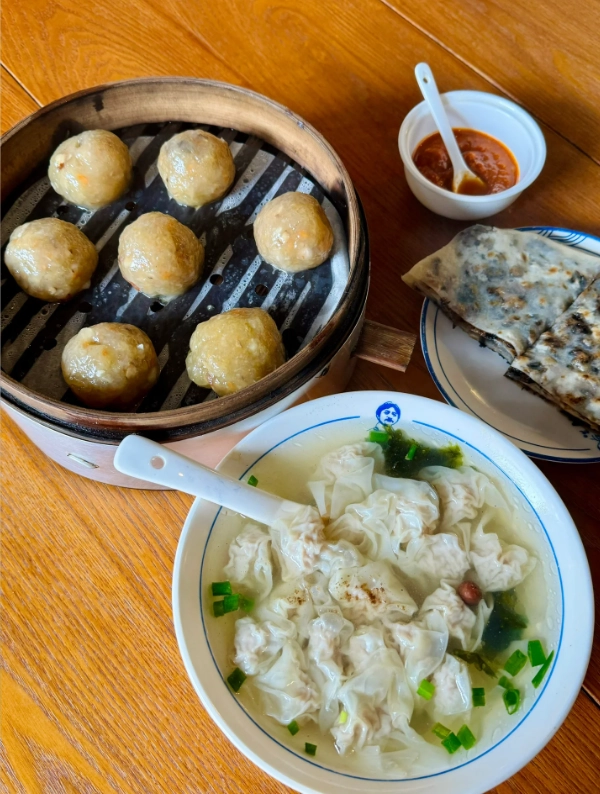
| Dish | Flavor | Spice | Vegetarian | Price (RMB) |
|---|---|---|---|---|
| Stinky Mandarin Fish | Savory, funky | Mild | No | 80-120 |
| Hairy Tofu | Nutty, sour | Low | Optional | 10-20 |
| Braised Pork & Bamboo | Rich, sweet | Low | No | 40-60 |
| Stone Ear Chicken Soup | Umami, clear | None | No | 80-150 |
| Sesame Cake | Flaky, oily | Mild | Possible (sweet) | 2-5 |
| Huizhou One-Pot | Hearty, rich | Low | No | 60-100 |
| Kudzu Dumplings | Chewy, sweet | None | Yes (sweet) | 15-25 |
Where to Eat in Huangshan
Now that you know what to eat in Huangshan, the next question is where. Tunxi Old Street is my go-to zone, but I've found a few other spots that are worth the short trip.
On the old street itself: There's a large restaurant called Lao Jie Di Yi Lou (老街第一楼) at the east entrance. It's multi-story with red lanterns — you can't miss it. I've eaten there dozens of times. They have English menus, but I always order in Chinese. Expect to spend around 60–100 RMB per person. Another reliable choice is Huangshan Renjia (黄山人家) near the north exit. It's smaller but super authentic.
For street snacks: The stalls near the archway at the west end are great. Try the sesame cakes and hairy tofu there. In the evening, a food alley opens up near Dai Zhen Road (戴震路), about 10 minutes from the old street. It's a local favorite — you'll see rows of grills and sizzling woks.
If you're staying in Tangkou (the base town for the scenic area), there are restaurants along the main street. Just avoid the ones with menus in four languages. As a rule of thumb: if the waiters are shouting, walk away.
What to Eat Near Huangshan Scenic Area?
If you're staying at a hotel near the Tangkou gate or on the mountain, your dining options are limited. Most places serve bland, expensive food for hungry crowds. My advice is to pack a good lunch.
However, if you're caught without snacks, look for fried biscuits (煎饼) and boiled eggs at small shops near the cable car stations. They're cheap and easy.
At the famous Bright Peak (Guangmingding), there's a self-service restaurant with a basic buffet. It costs about 60–80 RMB, but the food is meh. Instead, I tell clients to bring salted duck eggs and sesame cakes from town — they're light and portable.
How Do I Eat Like a Local in Huangshan?
Ordering food in China can feel intimidating, but with a few tricks you'll navigate it easily.
- Use your phone: Download a translation app like Baidu Translate or Apple Translate. The camera feature works great on menus.
- Pay with WeChat Pay or Alipay: Almost all restaurants here, even small ones, accept mobile payments. They rarely accept international credit cards. Set up Alipay before you arrive — the hotel staff can help. Carry some cash for street stalls.
- Navigation: Google Maps is often inaccurate in China. Use Apple Maps or the free 'AMap' app for directions. Also, arrange a VPN before you arrive to access WhatsApp, Google, and other sites.
- Book ahead: For the mountain entry and popular restaurants, use Trip.com or Klook to avoid lines. Many attractions require passport registration in advance.
- Learn these phrases: 'bú là' (not spicy), 'yǒu sùcài ma?' (any vegetarian dishes?), and 'zhè ge, zhè ge' (this one, this one) as you point at the menu.
Pro Tip: If you're vegetarian, you'll need to be explicit. Many dishes are cooked with pork fat. Say 'wǒ chī sù' (I eat vegetarian) and ask for 'qīngzhēng' (steamed) options.
FAQ: Common Questions About Eating in Huangshan
Fact-checked by the editorial team. This content has been verified for informational accuracy. Always confirm opening hours and prices on-site as they may change without notice.





My favorite thing about this article is how authentic it feels—no overhyped tourist traps, just real food that locals grew up eating. I was traveling alone and felt a little nervous about ordering, but the dish descriptions gave me the confidence to just point at my phone screen and nod. The tofu with salted vegetables was simple yet so soulful. I'm still dreaming about that meal. This guide is a gem. Five stars without hesitation.
Climbing Huangshan works up a serious appetite, and this list was my fuel-planning bible. The bamboo shoots in soy sauce were incredible—tender, earthy, and not too salty. I grabbed a bowl at a tiny family-run place right near the Tangkou bus station and it hit the spot like nothing else. The guide made me feel like I knew what to look for even with no Chinese menu skills. Highly recommend, especially for first-timers.
This is exactly the kind of food guide I search for before traveling. Every dish on this list was a winner, but the stinky mandarin fish was life-changing. I know that sounds dramatic, but the fermentation gives it such a deep, funky flavor that pairs perfectly with steamed rice. I also loved that the article explained the cultural context behind each dish. I tried four of the seven and hunted down the rest the next day. Absolute must-read if you're going to Huangshan!
I used this guide during my two-day trip to Huangshan and it worked out pretty well. The bamboo shoot and sausage dish was my favorite—savory, slightly smoky, and so comforting after a morning of hiking. I appreciated that the article focused on dishes locals actually eat rather than touristy stuff. Only wish there were a couple more vegetarian options mentioned. Still, a solid list and I’d recommend it to anyone heading there.
I really wanted to love this list because I'm obsessed with finding local food spots. The dishes themselves are legit, especially the stinky mandarin fish—it was fun to try even if the smell caught me off guard. But honestly, the article felt a bit too short on details. I wish it told me which restaurants to go to and what to order for each dish. I ended up just Googling half of them myself. It's a decent starting point, but I expected a bit more practical guidance.