 Ting Chen
Your Quick Foodie Roadmap
Picture this: your plane touches down in Kunming, and your stomach is growling. You spot a lively noodle shop, but your international credit card won’t work. Your map app leads you in circles. I’ve been guiding travelers here for over a decade, and I see this struggle every single week.
The thing is, Kunming’s food scene is incredible — but it’s intimidating if you don’t know the ropes. From fiery crossing-the-bridge noodles to mysterious mountain mushrooms, the city can overwhelm any first-timer.
Here’s the truth: with the right plan, you can eat like a local. This guide walks you through 15 unmissable dishes, the neighbourhoods that cook them best, and the digital tricks to pay, order, and navigate without losing your mind. So, what to eat in Kunming? Let’s dive in.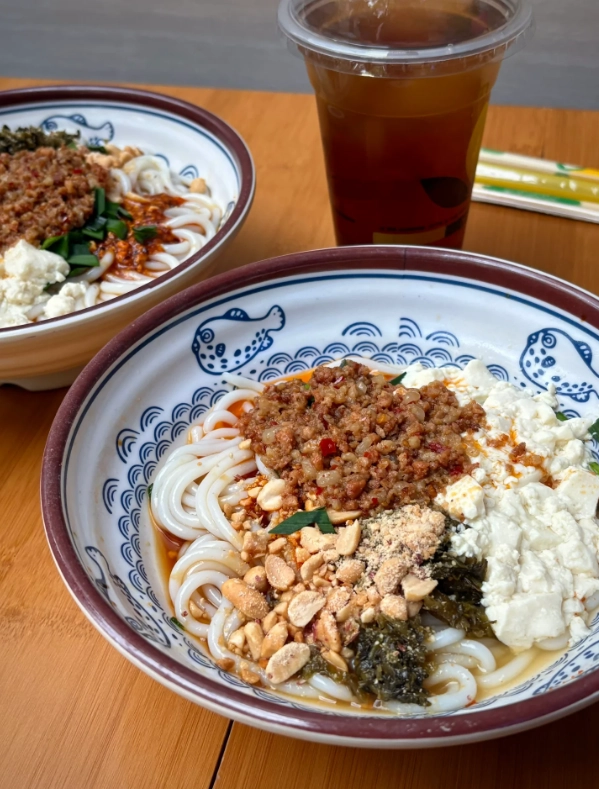
Why Kunming Food Deserves a Trip on Its Own
Kunming, the capital of Yunnan province, sits at 1,900 meters above sea level. The mild climate means fresh produce year-round. But more importantly, it’s the meeting point of Han Chinese cuisine and the traditions of 25 ethnic minorities. You’ll taste influences from Southeast Asia, Tibet, and beyond — mellow, spicy, sour, and deeply aromatic.
Unlike other Chinese cities, Kunming’s food isn’t about heavy oil or sugar. Instead, it’s about fresh ingredients, wild herbs, and a gentle heat that creeps up on you. Mushrooms from the mountains, mint from the fields, and cheese-like dairy from ethnic villages — this is where Chinese food goes wild.
For a foreign traveler, this is both a blessing and a challenge. The blessings are obvious. The challenge? Many shops don’t have English menus, and some ingredients are completely unfamiliar. But don’t worry — I’ve got you covered.
15 Must-Try Dishes in Kunming
Here’s my personal hit list, gathered from years of eating across the city. Each dish is a classic, and I’ve included my go-to spots for each one.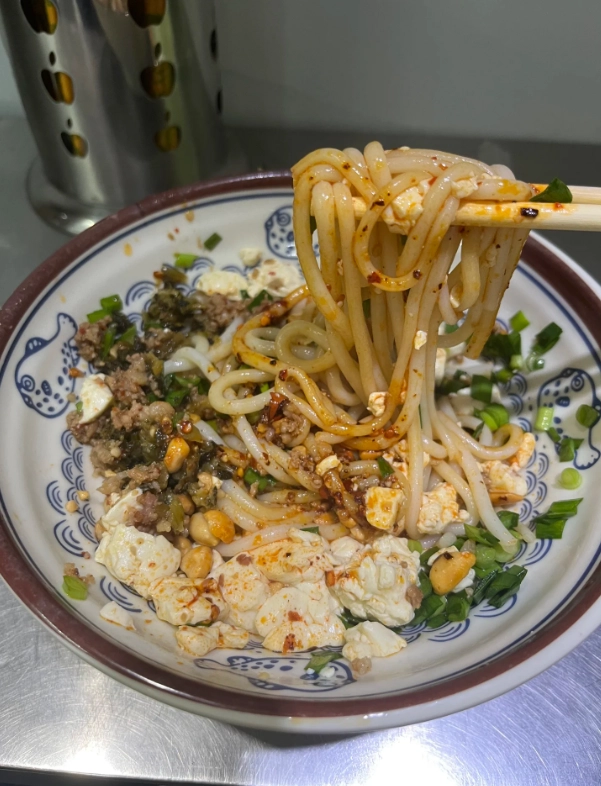
1. Crossing-the-Bridge Noodles (Guoqiao Mixian)
This is Kunming’s most famous export — a massive bowl of chicken-and-pork broth, served with raw ingredients that you cook yourself. The broth arrives boiling hot, with a layer of chicken oil sealing in the steam. You slide in raw chicken slices, vegetables, and of course, the rice noodles. It’s a sensory ritual.
I always take guests to the century-old Jianxinyuan (建新园) on Jinma Biji Square. Grab a bowl of the classic set (¥30–¥40). Go before 7 p.m. to beat the crowds.
2. Steam Pot Chicken (Qiguo Ji)
This is a dish that rewards patience. Chicken is simmered in a special ceramic steamer for hours — no added water, just condensation. The result is a crystal-clear, intensely savory broth.
For the best version, head to Fuzhao Lou (福照楼) near Cuihu Park, a restaurant famous for reviving this traditional dish. The price is around ¥80 for a whole pot.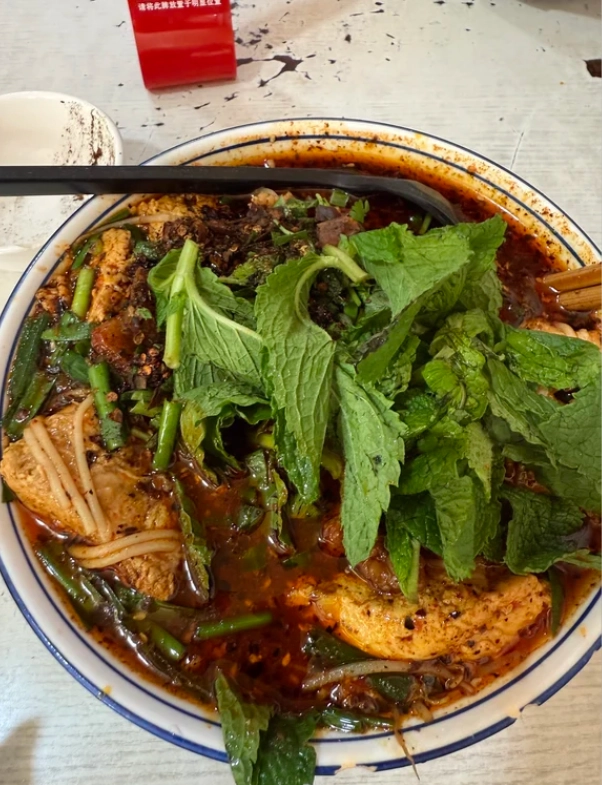
3. Wild Mushroom Hot Pot (Junzi Huoguo)
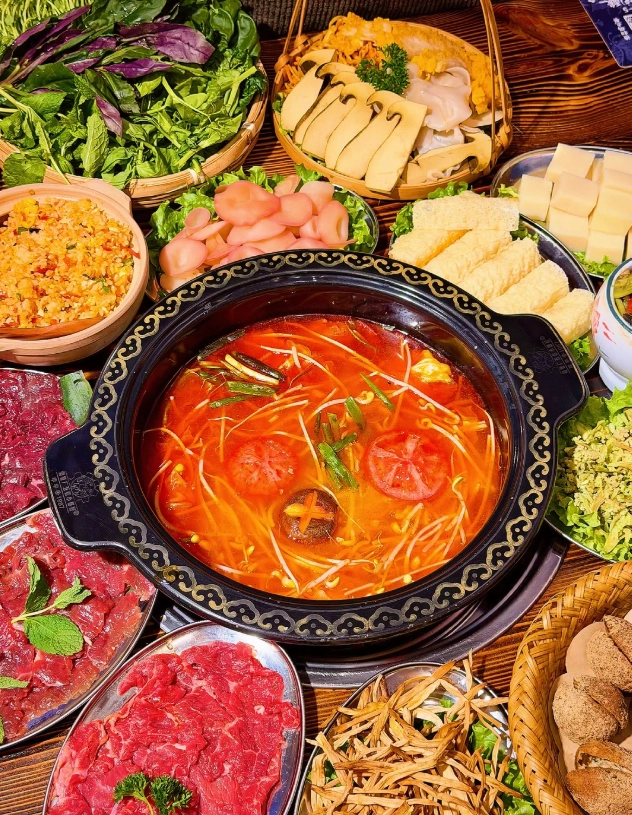
Only in Yunnan can you find such a wide variety of edible wild mushrooms. During the rainy season (roughly June to September), locals celebrate with a bubbling hot pot of boletus, matsutake, and other forest treasures. Be careful — some mushrooms need long cooking times, so stick to places that know their stuff.
Try “Mushroom King” (菌王山珍) near Dongfeng West Road. Expect to pay ¥120–¥180 per person.
4. Erkuai (Rice Cake)
Erkuai is a humble street snack made from rice flour. It can be steamed, fried, or grilled. One popular style is roasted erkuai spread with mushroom sauce and pickled vegetables.
Find it at almost any breakfast street, but I love the stalls around the Kunming University area. A portion costs about ¥3–¥5.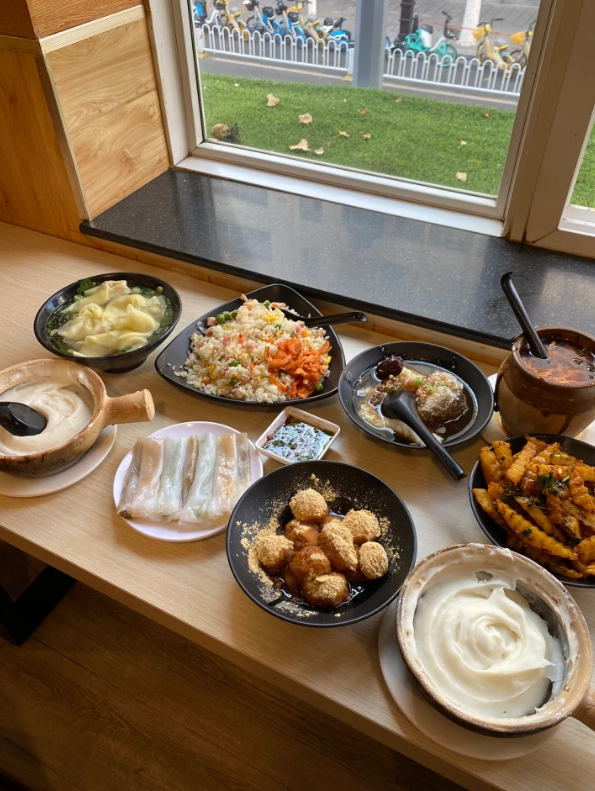
5. Rushan (Fried Milk Cheese)
This is a specialty from the Bai minority that will surprise you. Rushan is a thin sheet of goat’s milk cheese that gets deep-fried until crispy, then drizzled with condensed milk. It’s sweet, salty, and crunchy all at once.
Many Yunnan restaurants serve it, but try “Lao Dianxi” (老滇山寨) for a good version. Price: ¥20–¥30.
6. Douhua Mixian (Bean Pudding Rice Noodles)
A bowl of soft tofu pudding poured over cold rice noodles? Yes, it works. The silky douhua meets smooth noodles, topped with a spicy sauce and crushed peanuts. It’s a refreshing snack, especially in spring.
You’ll find it at the morning market near Green Lake (Cuihu). Costs around ¥8–¥10.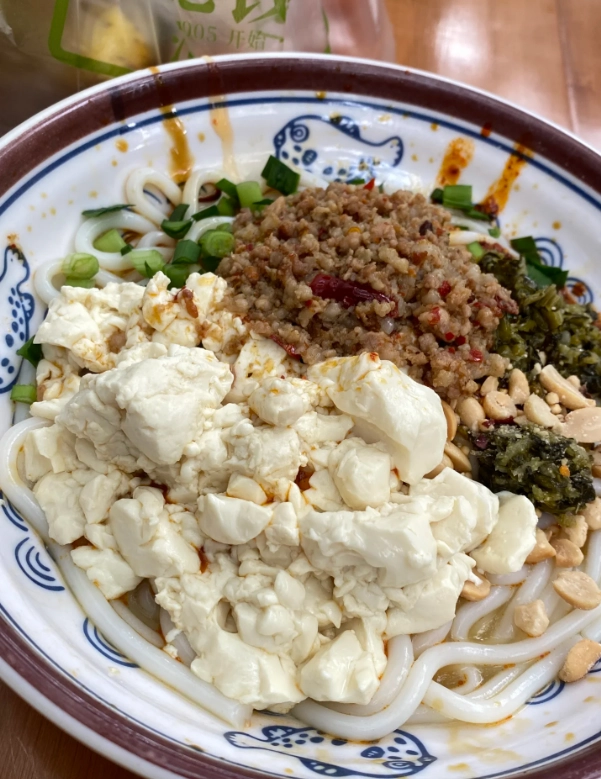
7. Posu Bao (Flaky Bun)
These savoury buns have a secret — layers of flaky pastry that peel away. Traditionally filled with minced pork and chives, they're perfect with a bowl of soup.
Try them at “Yipin Qing” (一品清) on Zhengyi Road. A bun is about ¥6.
8. Flower Cakes (Xianhua Bing)
Yunnan is famous for eating flowers, and this is its sweetest expression. A shortbread pastry filled with rose or osmanthus jam. It's a popular gift and a daily snack.
You can pick up a box at “Jia Ji” (嘉华) cake shops, which are everywhere in Kunming. Cost: ¥30–¥60 per box.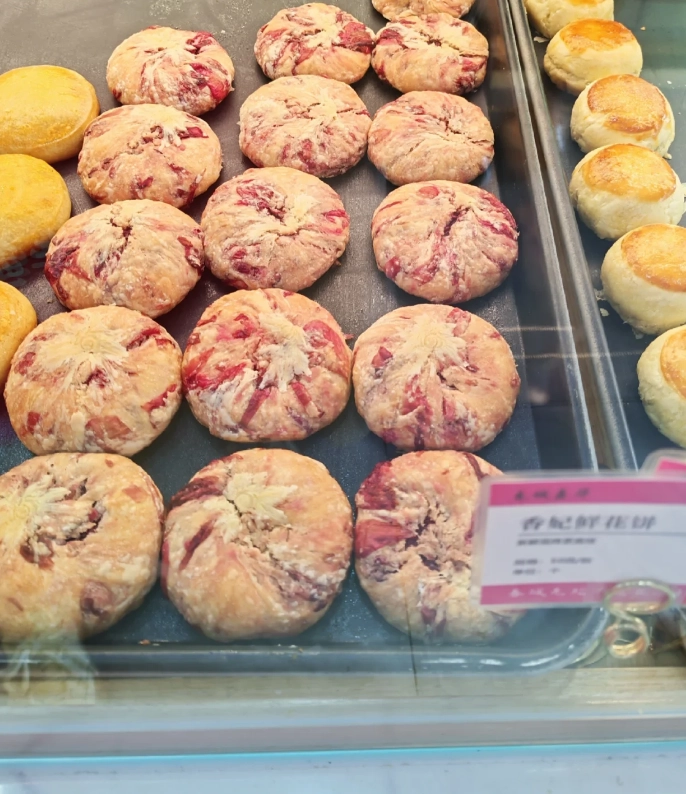
9. Xuanwei Ham
This dry-cured ham from nearby Xuanwei is like China’s answer to prosciutto. Rich, salty, and lightly sweet, it’s often served thinly sliced as a cold dish or used to flavor soups.
At many restaurants, ask for “Xuanwei Huotui.” A dish costs about ¥45.
10. Sour Soup Pig’s Feet (Suantang Zhujiao)
If you like tangy and spicy, this one’s for you. Pig’s trotters are braised in a sour broth made with pickled vegetables and tomatoes. The meat is falling-off-the-bone tender.
The night stalls near Kunming Railway Station are great. Expect ¥35 per bowl.
11. Pineapple Rice (Boluo Fan)
A festive dish from the Dai people that fills a hollowed-out pineapple with sticky rice. Sweet, slightly sticky, and aromatic with coconut milk. It's a fun instagrammable dish.
Try it at “Dai Family Cuisine” (傣家菜) in the Nanyuan district. Around ¥28.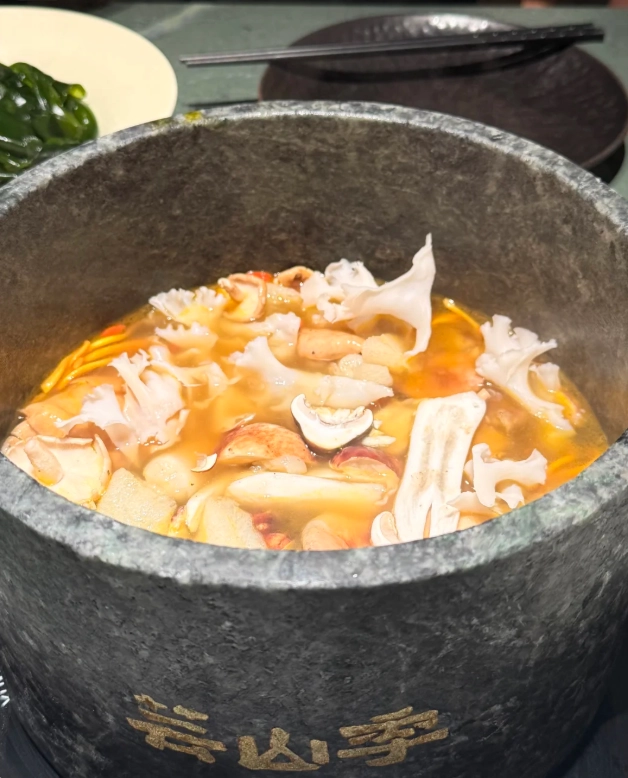
12. Grilled Fat Beef with Mint (Bohe Niurou)
Mint isn’t just for drinks in Yunnan — it comes with grilled meat. Thinly sliced beef is grilled with fresh mint and chili. The herb cuts through the richness beautifully.
Look for bbq stalls on Wenlin Street. A skewer is about ¥4.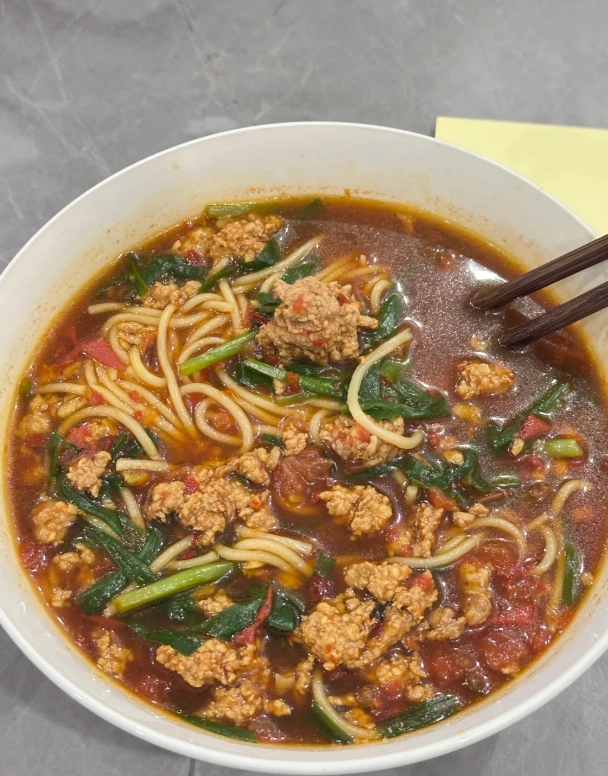
13. Tripe Rice Noodles (Niujiao Mixian)
For adventurous eaters, this aromatic bowl packs a punch. Thinly sliced beef tripe and rice noodles bathed in a spicy, cumin-laced broth.
I swear by the stall at the corner of Xingyue Road and Jiefang Road. ¥15 per bowl.
14. Liangji Mixian (Cold Chicken Rice Noodles)
Cold, chewy noodles with crispy pork and sweet soy sauce — a summer favorite. Perfect if you want a break from hot soup.
Head to the small food court in Wuhua District. ¥12.
15. Old Lady Potatoes (Laonai Yangyu)
This silly name hides a seriously comforting dish. Mashed potatoes are stir-fried with cheese, chili, and scallions. It’s creamy, savory, and has a gentle kick.
You’ll find it on most local restaurant menus. Try it at “Family Wang” (王家小院) near Cuihu. About ¥25.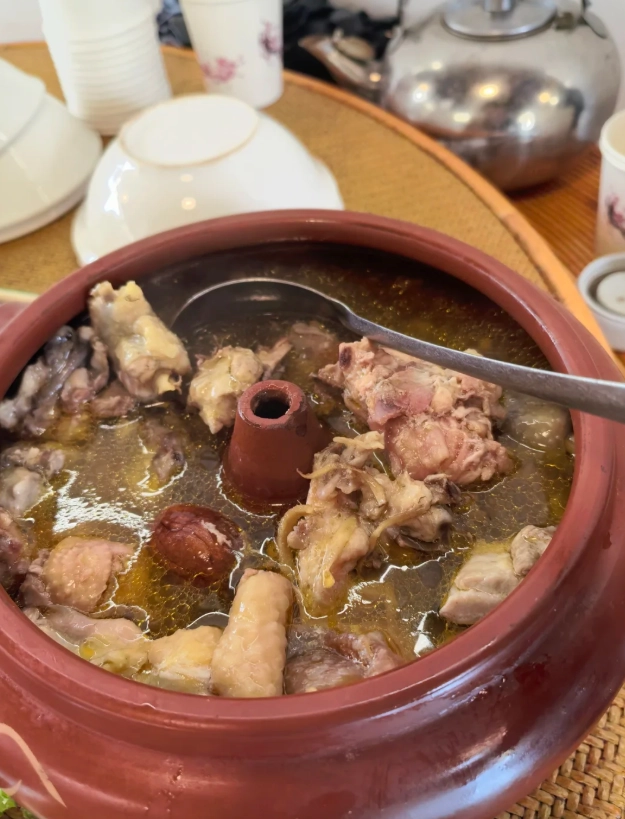
Where to Find the Best Kunming Food: Neighborhood Guides
Instead of wandering aimlessly, focus on these four areas. They offer the widest variety and are easy to navigate with a translation app.
Cuihu (Green Lake) Area
This is my favorite base for food lovers. The streets around Cuihu Park are packed with small eateries, teahouses, and cafes. In the morning, you’ll find vendors selling fresh douhua and erkuai. In the evening, the area transforms into a hub for BBQ and dry hot pot.
Walk down Wenlin Street (文林街) — it’s pedestrian-friendly and crammed with local chains. From the east gate of Cuihu, turn left and follow the smell of garlic.
Wenlin Street
Wenlin Street is a microcosm of Yunnan street food. It’s short but dense, with stalls for grilled skewers, noodles, and even insect snacks if you’re bold. I always tell guests to come with an empty stomach.
Don’t miss the roasted bee pupae — they sound scary, but taste like crispy shrimp. Find the stall at the western end of the street. To get here, take Metro Line 3 to Wuyi Road Station and walk 600 meters.
Nanping Street & Jinma Biji Square
This is the modern heart of Kunming, where history meets commercial buzz. You’ll find Jinma Biji Square with its iconic archways, and Nanping Street is a pedestrian mall full of restaurants and snack chains. It’s touristy, but useful for a quick hit.
For a reliable meal, head to Jianxinyuan for crossing-the-bridge noodles. There’s also a massive night market nearby on Xiangyun Street. From the square, walk south for 10 minutes.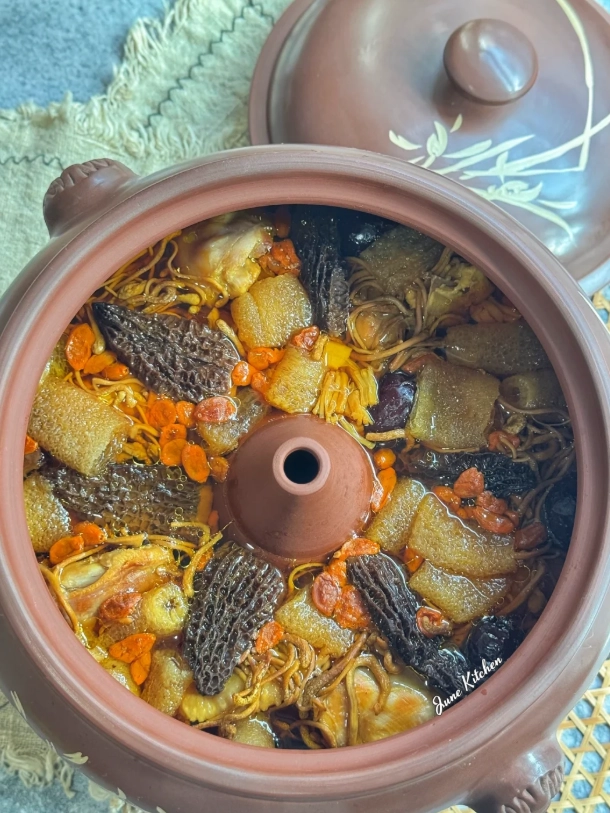
Guandu Old Town
A quick trip east from the city center rewards you with ancient streets and grandma-run stalls. Guandu Old Town is a maze of traditional Yunnan architecture. Here, you can try the famous “Guan Du Baba” (官渡粑粑), a flatbread stuffed with bean paste.
Take Metro Line 1 to Guandu South Station, then follow the crowd. The baba stalls are near the entrance of the old town. Eat them fresh off the press.
How to Eat Like a Local: Payment, Navigation & Reservations
China runs on mobile payments. Cash and physical credit cards are rare outside major hotels. Here’s what you need to know:
| Payment Method | Accepted At | Ease for Foreigners |
|---|---|---|
| Alipay (international) | Most restaurants, street stalls | Easy once set up |
| WeChat Pay (international) | Most restaurants, street stalls | Easy once set up |
| Cash | Some street stalls, small shops | Hard to get change |
| International Credit Card | Large hotels, a few high-end restaurants | Often rejected |
Pro Tip: Always have Alipay or WeChat Pay installed and linked to your international card. For street vendors, scan and pay with the phone — it’s instant and avoids language confusion.
Navigation: Forget Google Maps. It’s inaccurate in China. Instead, use Apple Maps (which uses autoNavi) or download AMap (高德地图) and switch to the English version. Like Google Maps, it supports English for points of interest.
When in doubt, show the Chinese address to your taxi driver — I’ve included Chinese names for each restaurant below. Or use the ride-hailing app in Alipay to summon a car.
Reservations: Many hot restaurants require booking. The easiest way is to ask your hotel concierge to call, especially for popular places like Fuzhao Lou. You can also use Trip.com to book some restaurants in Kunming. Be prepared to show your passport at the door.
VPN & Translation: Essential tools. Without a VPN, many Western apps will not work. Download Baidu Translate or Apple Translate for offline use — you’ll need it to read menus and order special dishes. Point your camera at the menu and let the app translate in real-time.
Frequently Asked Questions about Kunming Food
Final Thoughts: Your Kunming Food Adventure Awaits
Kunming isn’t just a gateway to Yunnan — it’s a destination for your taste buds. The key is to approach it with flexibility. Some of the best meals I’ve had were in no-name stalls where I couldn’t speak a word of Chinese. Use the apps I mentioned, but also let your eyes guide you.
Yes, there are frustrations: the digital payments, the language gap, the odd ingredient. But that’s part of the adventure. Be patient. Smile. Point at what looks good. And if you get stuck, just ask a local — they’ll often lead you to something even better than you planned.
Verified and fact-checked by the editorial team.





No comments yet.