 Ming Yang
Quick Guide to My Shangri-La Insider Secrets
Breathing feels like a workout at 3,300 meters. I remember my first afternoon in Shangri-La — I had two clients throwing up at Songzanlin Monastery because they'd rushed there straight from the airport. Here's the thing: altitude doesn't care how fit you are. I always tell my travelers to plan downhill routes first and save the uphill climbs for later. So, what to do in Shangri-La? The answer isn't a checklist. It's a rhythm — a slow, sun-soaked rhythm that gets you into the heart of Tibetan culture without your head throbbing. In this guide, I'll walk you through the 4 stops you absolutely can't miss, how to build an itinerary that respects your body, and all the local hacks for booking, paying, and getting around like a seasoned guest.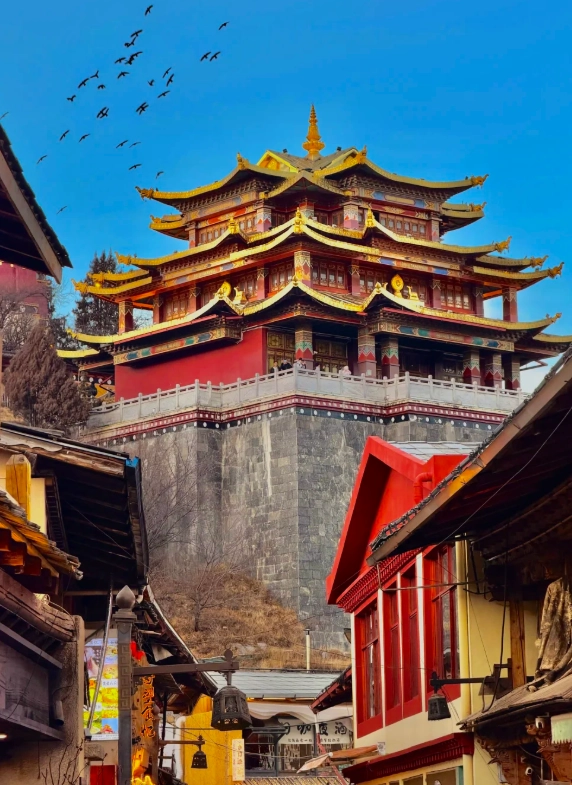
What to Do in Shangri-La: Four Stops You Can't Miss
Songzanlin Monastery (Ganden Sumtseling Gompa)
Songzanlin is the largest Tibetan Buddhist monastery in Yunnan, and the sheer scale of it can make you forget you're in China at all. About 5 kilometers from the old town, this working monastery sits at 3,300 meters and is home to over 700 monks. Tickets run around 90 RMB — it was 75 RMB a few years back, but prices shift, so confirm at the gate or ask your hotel. They accept cash, but change is scarce; your best bet is to pay with Alipay or WeChat. You'll also need your passport for the ticket, as they've been scanning them for foreigner registration since 2023. The main hall closes at 18:00, and last entry is usually 17:30, but the complex is huge — give yourself at least 2.5 hours. Most tour buses pile in between 10:00 and 12:00, so I always tell my clients to go at 3 PM. The light turns golden, the crowds dissolve, and you'll see monks doing their evening debates in the courtyard. Pro Tip: The view from the northern perimeter path over the Lijiang Plain is Instagram-bait, but the real gem is the old prayer hall on the east side — no signs point to it, so it's often empty. That's where you'll find the oldest frescoes, hidden in the turquoise shadows.
Dukezong Ancient Town
Dukezong is the old town that burned down in 2014 and was rebuilt with a slightly Disney-fied gloss — but it still holds magic, especially after sunset. It's free to enter, open 24/7, and the perfect place to get lost. The main artery is full of souvenir shops and generic tea houses, but don't judge it by the first block. I love ducking into the small side alleys — a ten-minute wander will get you past the kitsch and into actual residences with drying yak dung, old women spinning prayer wheels, and the smell of pine smoke from family hearths. The centerpiece is the largest Tibetan prayer wheel in the world, sitting atop the town's hill. Climbing that ramp is a cardio workout, and if you're altitude-sensitive, it can leave you huffing. So do it early in the morning, not after a big lunch, and take breaks every few steps. The view from the top overlooking the red-roofed town is worth the burn.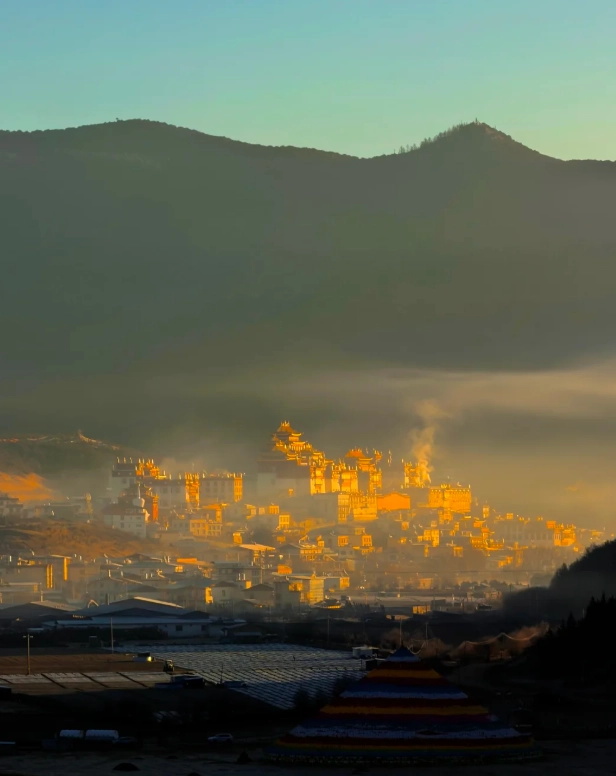
Pudacuo National Park
Pudacuo is China's first national park, and it's a pristine expanse of mirror-flat lakes, dense forests, and grazing yaks — a proper escape from the town. Entry plus the mandatory shuttle bus costs around 110 RMB, and you must book your ticket in advance, at least one day ahead. The park's official WeChat mini-program is pure Chinese, which is a nightmare. Use Trip.com or Klook — they sell the same official tickets, but they'll handle the booking with your passport. The shuttle bus runs every 15-20 minutes from the visitor center, and the two main lakes are connected by a 2.5-kilometer boardwalk. I highly recommend walking it — it's flat and takes about an hour. Don't jog, because at 4,000 meters, your lungs will remind you. As for food, the park has a cafeteria at the visitor center, but the snacks are overpriced; I stuff some local barley pastries in my jacket. Also note that the last shuttle back leaves at 17:30 sharp, so don't get stranded on the east lake.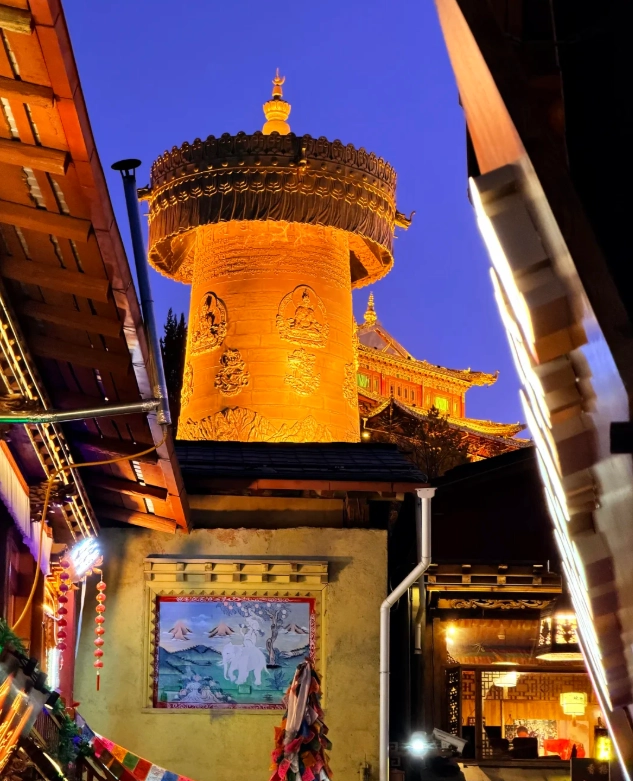
Napa Lake and the Wide-Open Grasslands
Napa Lake isn't a lake most of the year — it's a vast seasonal wetland that transforms from a marshy pond in summer to a golden, alpine meadow in autumn and winter. It's free to roam, and there's a simple dirt path that loops around a huge stretch of flat land. In summer you'll see wildflowers and maybe a few pelicans; in winter the dried grass crackles under your boots and yaks saunter right past you. The locals form the car owners and charge 50-100 RMB for a scenic detour, but honestly, just walking from the main road gives you the same views. There's no shade, so bring a hat and sunscreen even in winter. A local herdsman told me to come at 5 PM when the wind usually dies down and the puddles reflect the surrounding mountains like glass. That's the money shot.
How to Plan a Shangri-La Itinerary in 24 Hours
Assuming you've already acclimatized and have one full day, here's a schedule that hits all four icons without breaking you:
- 7:30 AM — Start at Pudacuo National Park. Catch the 8:00 AM shuttle from the visitor center. The park is quietest in the morning, and the light is perfect for photography. Stay for 3 hours.
- 11:00 AM — Grab a quick yak meat pie at the food stalls near the park exit. The one with the blue awning is my favorite, but they all slam you with chili — ask for mild.
- 12:30 PM — Head back to town and hit Songzanlin Monastery. This is when most tours are on their lunch break, so you'll have a looser crowd. Give it 2.5 hours.
- 3:00 PM — Climb the prayer wheel in Dukezong. The sun is warm, and the ramp is mostly empty at this hour.
- 5:30 PM — Dinner at a local family-run restaurant. Try the Tibetan hotpot — it's a shareable broth with tender yak meat and local veggies, and it'll warm you up from the inside.
- 7:00 PM — Wander the old town as the lights come on. This is when the red lanterns transform the streets into something out of a cinematic dream.
Now, if you're arriving directly from a low-elevation city like Kunming, you need to budget more time for acclimatization. That schedule becomes a 6-8 hour day with extra breaks. And if it rains? The mountains will be hidden, so swap Pudacuo for the indoor Tibetan medicine museum in town — it's surprisingly good and free. For a more flexible day, you could also swap Napa Lake for a half-day trip to the Tibetan village of Xiaozhongdian, but honestly, the grasslands are the same vibe with no entrance fee.
What to Eat and Drink in Shangri-La: A Local Fuel Guide
You can't leave Shangri-La without tasting yak butter tea, tsampa (roasted barley flour), and a proper bowl of tang (noodle soup) — but you need to find the spots that aren't packed with tour groups. I always take guests to a hole-in-the-wall called 阿萨姆藏餐厅 (Asam Tibetan Restaurant), just two blocks north of the big prayer wheel. They serve a gorgeous butter tea with a salty, creamy edge — perfect after a day of hiking. Their buckwheat pancakes are a must, too, and the owner speaks a little English, which is rarer than you'd think. Another favorite is 银同菌火锅 (Yintong Mushroom Hotpot) on the southeastern edge of the old town. The wild mushroom soup is the real deal — earthy, smoky, and it'll reset your body after a long day. Prices at both places run 30-70 RMB per person, and they accept WeChat/Alipay, but I've also paid with cash here. Avoid the tourist buffet near the main gate — it's twice the price and half the taste. That's a hard-earned lesson. Also, be careful with the local liquor, qingke wine — it's strong and sneaks up on you at altitude. Have it in small sips.
Where to Stay in Shangri-La: Picking Your Base
Where you sleep can make or break your experience, especially at altitude. For most first-timers, I'd recommend staying inside Dukezong Ancient Town for the atmosphere, but if you're on a budget, the New Town is only a 10-15 minute cab ride away, and it's much quieter. I've rounded up the areas and what they're best for in the table below:
| Area | Distance to Dukezong | Est. Price (RMB) | Best For |
|---|---|---|---|
| Dukezong Ancient Town | Within walking distance | 150-400 | First-timers, atmosphere |
| New Town | 2-3 km south | 80-200 | Budget travelers, quiet |
| Around Songzanlin Monastery | 1 km east of monastery | 300-800 | Photographers, calm |
Whichever you choose, double-check that the room has a heater — the nights drop below freezing even in summer. I made that mistake once and spent the night shivering under three blankets. If you're staying in the old town, ask if they have airport pickup; most guesthouses offer it for a small fee. Also, note that some of the older buildings have steep, narrow stairs, which is tough if you're carrying large suitcases. For that, you're better off with a Western-style hotel in the new town.
Getting Around & Paying for Everything
Shangri-La is small enough that you can walk the old town, but you'll need a car or taxi to reach the outlying sights. The airport is just 5 km outside town, and a taxi costs about 20-30 RMB into the center. There's a regular public bus that runs every 30 minutes from 7 AM to 6 PM, but it's in Chinese and stops near the main square — I'd skip it unless you're comfortable with language apps. For you getting to Songzanlin Monastery, it's a 15-minute cab ride (about 15 RMB). For Pudacuo, it's roughly 25 minutes, and you'll want to negotiate a flat rate (around 100-150 RMB round trip). You can also rent a private car with a driver for the day — ask your hotel and expect to pay 400-600 RMB, which is fair if you split it with other travelers. Google Maps is a no-go; it'll lead you astray. Use Apple Maps or download AMap Global before you arrive. Trust me, your taxi driver will thank you when you show them the Chinese address.
Now, let's talk money. Credit cards do exist in China, but outside of international hotels and high-end restaurants, they're practically useless. Your Alipay or WeChat Pay linked to a foreign Visa is your lifeline. I can't stress this enough: set it up before you come, because the top-up process requires Chinese ID or a bank card — you need to have it all done while you still have your home network and SMS codes. For pocket cash, 500 RMB in small notes is a good backup, but don't expect change for a 100 RMB note at street stalls — they might not have it.
My Honest List of Tourist Traps
Every place has its scams, and Shangri-La is no exception. Here are the ones I see foreigners fall for all the time:
- Oxygen bottle hawkers: They'll try to sell you a 40 RMB canister of maybe-oxygen at the entrance to almost every scenic spot. If you need it, a proper pharmacy will sell you a 10 RMB disposable bottle. The street hustlers are just that — hustlers.
- "Free" prayer flags: Someone might hand you a colored string and say "gift" — then demand money once it's in your hands. Politely refuse or hand it back.
- Unlicensed tour guides: Near Dukezong, locals may approach you offering a "private tour" for 200 RMB. Some are fine, but many just take you to souvenir shops. Always book through your hotel, a reputable agency, or an app with reviews.
- Claiming there's no public transportation: Real Tuk-tuk drivers mix in with pickpockets. Use reliable ride-hailing like Didi (which has an English interface) where possible.
- Hiring a "skipper" for the monastery: Nope — you can easily walk to the ticket gate yourself. The gate is only a short walk from the parking lot.
Also, a mandatory warning about altitude: don't take sinus congestion lightly. I've seen people break down crying because they thought the trekking was too hard, but it was the lack of oxygen. If your lips turn blue, go back down the hill immediately.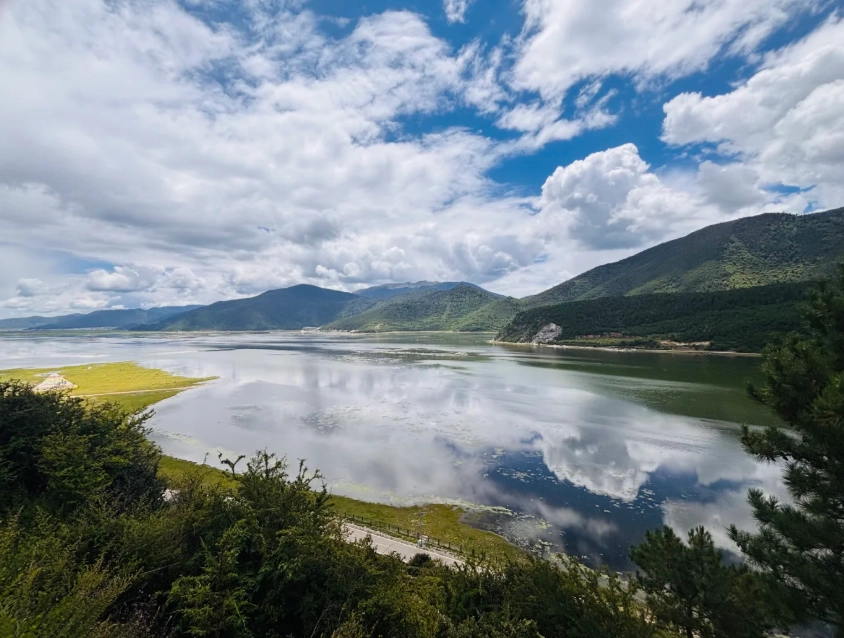






No comments yet.