 Ting Chen
Quick navigation:
Your phone is your lifeline here — but if you haven't set up Alipay yet, you'll be stuck on the street like a lost pigeon. I've seen it happen more times than I can count. Chengdu isn't just about pandas and hotpot; it's a city you have to navigate with an insider's cheat sheet. That's why I put together this no-fluff guide to what to do in Chengdu — from hidden teahouses to the exact time to face the panda base. Let's cut through the noise.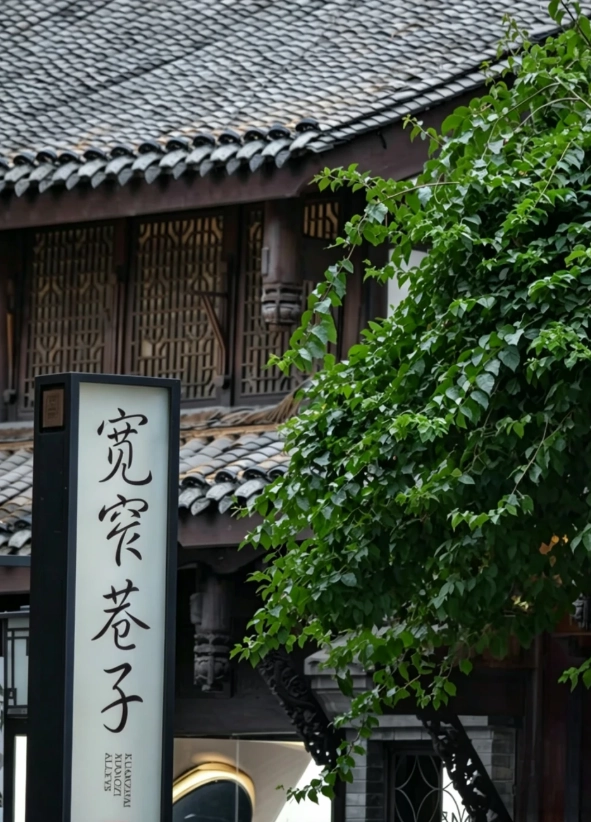
Top 10 Things to Do in Chengdu
Here are the experiences I make sure every first-timer gets — vetted through years of guiding friends and clients around this sprawling city.
1. Chengdu Research Base of Giant Panda Breeding
Get there by 7:30 AM. The pandas are most active during the morning feeding, and by noon they're all snoozing in the bamboo. Tickets are around 55 RMB, payable online only — you'll need your passport to enter. Take Metro Line 3 to Panda Avenue Station, then hop in a taxi for about 10 RMB. Pro tip: skip the tourist bus; the metro is faster and cheaper. Also, the nursery viewing area is the highlight — if you're lucky, you'll see baby pandas. I always tell my clients to book on Trip.com or the official WeChat mini-program (use the English version) to avoid language hurdles.
2. Kuanzhai Alley
Free, no reservation, open all day. It's a restored Qing-dynasty street block — great for photos, but it gets packed after 10 AM. Go early or late. Take Metro Line 4 to Kuanzhai Alley Station, Exit B. Inside, you'll find teahouses and souvenir shops. Here is the catch: many 'traditional' snacks are overpriced — head a few blocks west to the local food street for the real deal.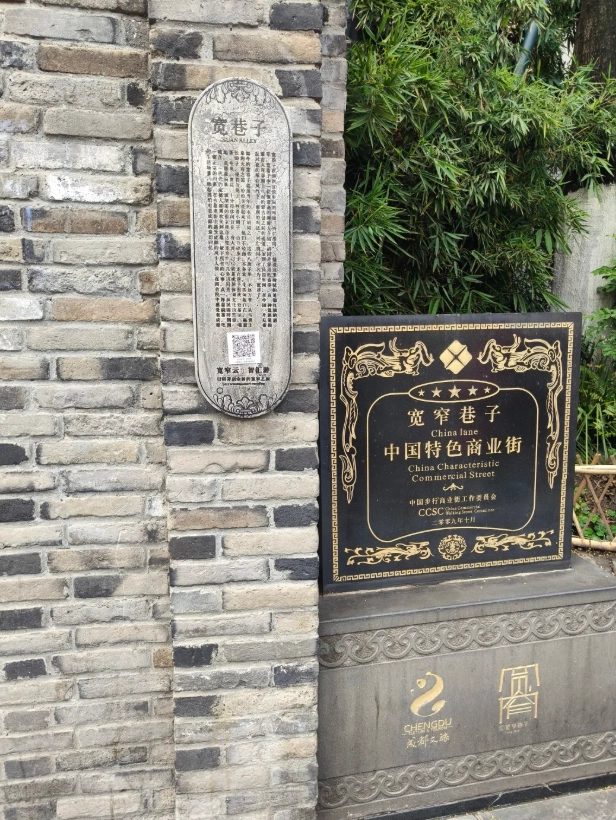
3. Jinli Street
Another free ancient street, right next to Wuhou Shrine. It's a favorite for its red lanterns and opera performances. But honestly, it's a tourist trap for food — I'd skip the street vendors and go to a proper restaurant nearby. Best visited before 11 AM or after 8 PM to avoid the shoulder-to-shoulder crowd. You'll find lots of Sichuan snacks, but they're mostly average. Let me save you some money — the fun part is people-watching from a balcony teahouse.
4. Wuhou Shrine
About 50 RMB entry, open 9:00-18:00. It's the most important temple honoring the Three Kingdoms era. The red walls and bamboo groves are a photographer's dream — especially in the late afternoon light. Reservations required; use Trip.com or the official site. There's limited English info, so download Baidu Translate or hire a guide at the entrance (around 100 RMB for an hour).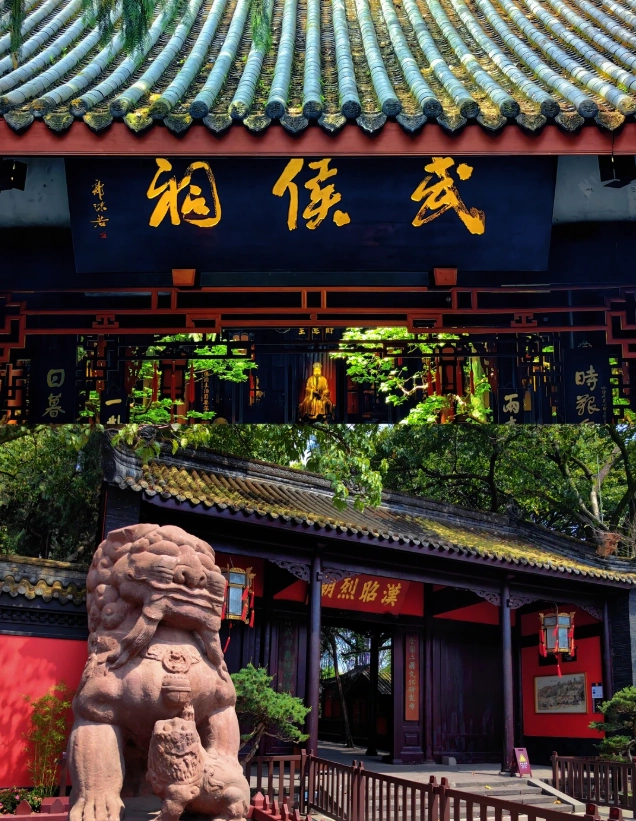
5. People's Park
Free, always open. This is where locals go to slow down. Head to Heming Teahouse for a bowl of 'gaiwan' green tea and a 30-minute ear-cleaning experience (yes, it's a thing). It's pure relaxation — and a window into Chengdu's teahouse culture. Take Metro Line 2 to People's Park Station, Exit A. The park is flat and wheelchair accessible, but the teahouse cushions might be hard to get up from if you have knee issues.
6. Du Fu Thatched Cottage
Admission about 50 RMB, open 9:00-18:00. A tranquil memorial to the Tang dynasty poet Du Fu. The garden is gorgeous, with winding paths and bamboo. It's a peaceful escape from the city noise. I recommend visiting on a weekday morning. Use the official appointment on Trip.com. Fun fact: the current site was rebuilt in the 1980s, but the vibe is authentic.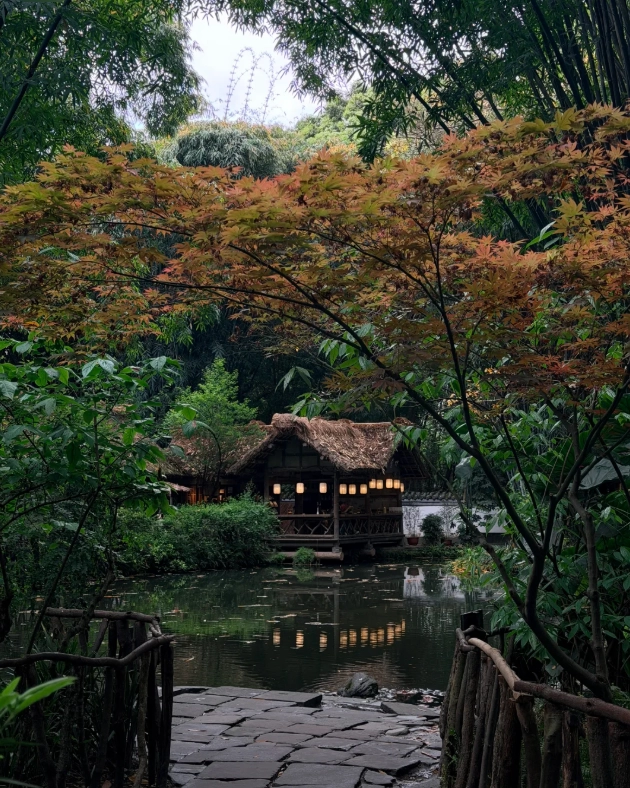
7. Anshun Bridge
Free, open 24/7, but it's truly magical after sunset when it lights up. It spans the Jinjiang River and gives you a classic Chengdu postcard view. You can walk across, or enjoy the view from a riverside bar. Just be careful with selfie sticks — I've seen phones fly. Also, the area can get crowded until late evening.
8. Tibetan Quarter
Just south of Wuhou Shrine lies this vibrant enclave. You'll find Tibetan prayer flags, incense, and shops selling thangka paintings and jewelry. It feels like a different world. Visit in the morning to see locals spinning prayer wheels. For unique souvenirs, this is the spot — but haggle politely. Prices are often inflated by 30-50% for tourists.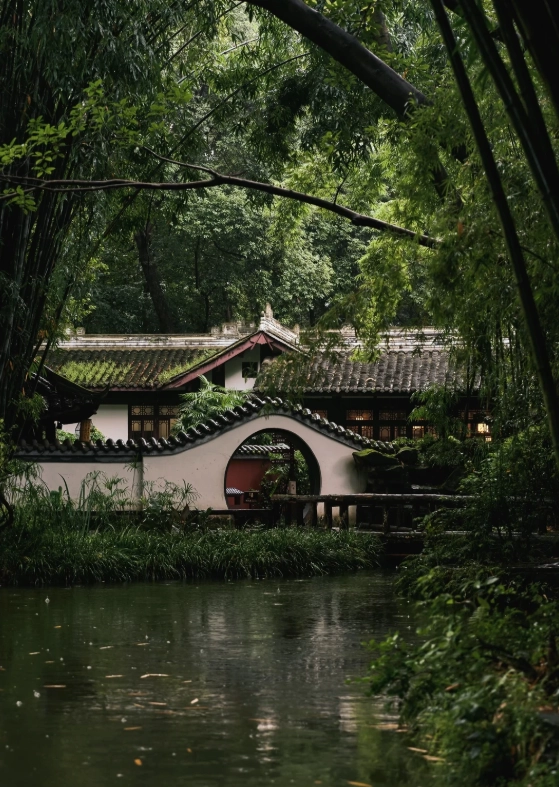
9. Jinsha Site Museum
One of the most underrated attractions. Ticket is around 70 RMB, open 9:00-18:00 (closed Mondays except holidays). This archaeological site reveals the ancient Shu civilization — more than 3,000 years old. The sun-bird gold ornament is the city's symbol. Go early to beat the school groups. Take Metro Line 7 to Jinsha Site Museum Station. The museum is huge — give it at least 2.5 hours.
10. Mount Qingcheng & Dujiangyan
These two UNESCO sights make a perfect day trip. Take the high-speed train from Chengdu Xipu Station to Qingchengshan Station (around 30 minutes, 10-15 RMB). Dujiangyan's 2,200-year-old irrigation system is mind-blowing — I always hire a local guide for a few hours to explain the engineering. Entry to Qingcheng Mountain is about 90 RMB; Dujiangyan about 80 RMB. Wear sturdy shoes — there are lots of stairs. If you only have one day, choose Dujiangyan.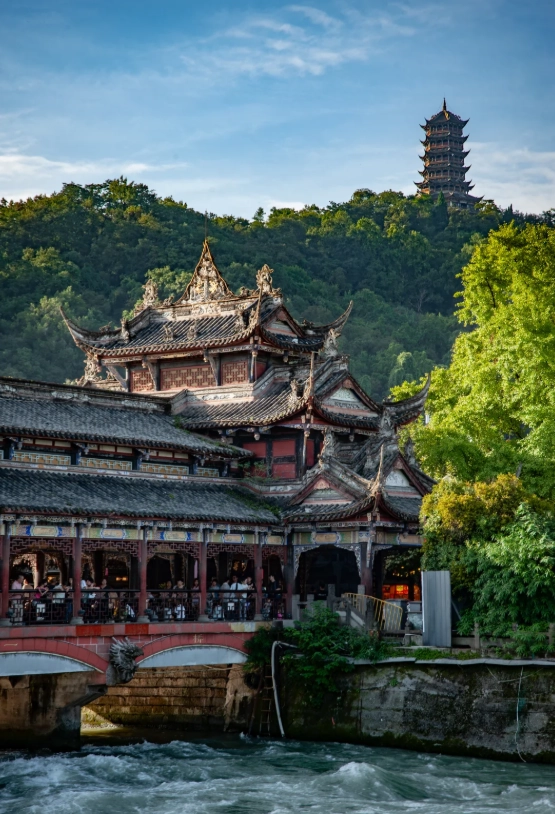
How to Plan a 3-Day Chengdu Itinerary
You can see a lot in three days if you move smart. Here's how I structure my clients' trips — with exact timing, transport, and backup plans for bad weather.
Day 1: Pandas, Old Streets & People Watching
8:00 AM – 11:00 AM: Giant Panda Base. Arrive early, book tickets for 7:30-10:00 entry. Spend 2.5 hours there. 11:30 AM: Take Metro Line 3 back to the city center, then transfer to Line 4 for Kuanzhai Alley. Grab lunch at a local noodle shop near the west entrance. 1:30 PM: Walk to People's Park (about 15 minutes) and have tea at the famous Heming Teahouse. 4:00 PM: Head to Chunxi Road / Taikoo Li for shopping and the sweeping LED screen. 7:00 PM: Dinnner at a local hotpot spot. I recommend trying a 'yuan yang' (half-spicy, half-mild) pot if you're not used to Sichuan pepper.
Pro Tip: On Day 1, avoid taking a taxi between Kuanzhai Alley and People's Park — it's a 15-minute walk through nice tree-lined streets. Driving will take twice as long in afternoon traffic.
Day 2: Ancient Sichuan & Museums
9:00 AM – 10:30 AM: Wuhou Shrine. Reserve tickets online in advance. 10:45 AM – 12:00 PM: Walk to Jinli Street (it's right next door) before the crowds peak. For lunch, step away from the tourist stalls and find a small restaurant on Wuhouci East Street. 1:30 PM: Choose either Du Fu Thatched Cottage or Jinsha Site Museum depending on your interest. I'd pick Jinsha if you've never seen ancient gold artifacts. 5:00 PM: Walk along the river to Anshun Bridge for the sunset and night lights.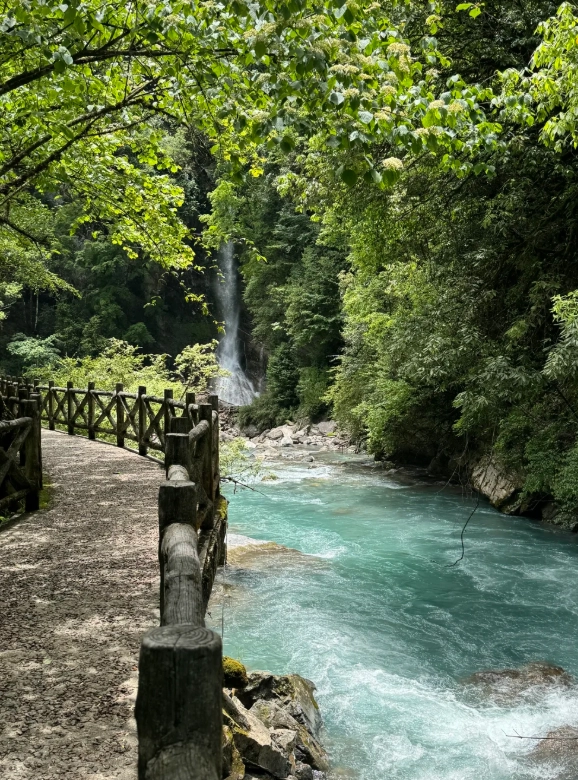
Insider Advice: If the weather forecast says rain, swap Day 2's outdoor spots for Jinsha Site Museum and the Sichuan Museum. They're both world-class indoor options.
Day 3: Dujiangyan or Qingcheng Mountain Day Trip
8:00 AM: Take the high-speed railway from Xipu Station to Qingchengshan Station (30 minutes). The train station is a 40-minute taxi ride from downtown, so budget that. 9:00 AM – 1:00 PM: Explore Dujiangyan's irrigation system, then take a short bus (or taxi) to Qingcheng Mountain if you want a hike. 2:00 PM: Have an early lunch at Dujiangyan's old town before heading back. 4:00 PM: Return to Chengdu and rest. In the evening, catch a Sichuan Opera face-changing show at Shu Feng Ya Yun or a teahouse near the Fuyi Road.
Alternative: 1-Day Chengdu Survival Plan
If you're really short on time, do: Panda Base in the morning, Wuhou Shrine + Jinli in the early afternoon, People's Park for tea, and finish at Anshun Bridge at sunset. That's ambitious but doable — you'll skip Kuanzhai Alley and the museums.
What Should You Know Before Visiting Chengdu?
Let me save you the panic I see on first-timers' faces. Here are the non-negotiable tips.
Payments: Alipay and WeChat Pay are King
**Most places in Chengdu — restaurants, taxis, even street stalls — no longer accept cash or foreign credit cards directly.** Set up Alipay or WeChat Pay before you fly, and link an international Visa/Mastercard. It's surprisingly easy for tourists now. For the rare cash-only shop, carry 200-300 RMB in small notes.
Navigation: Google Maps Is Useless Here
Google Maps is blocked and often gives wrong directions. **Download Apple Maps or High (AMap)** before you arrive. Both have stable English modes and work with public transport. Always keep a business card of your hotel with its Chinese address — many drivers don't read English.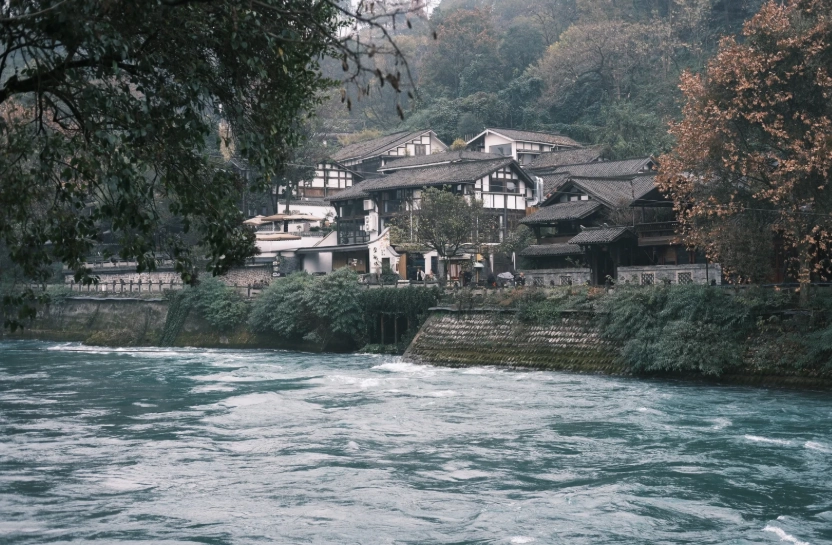
Tickets & Reservations: Your Passport Is Mandatory
Major attractions like the Panda Base, Jinsha, and Wuhou Shrine require real-name booking with a passport number. The official WeChat mini-programs are impossible to navigate in Chinese, so I always advise booking through Trip.com or Klook. They handle the process seamlessly.
VPN and Translation
You'll want a VPN for Google services and WhatsApp. For translation, Apple Translate works offline, or use the app 'Baidu Translate' which handles Chinese characters well. Don't rely on awkward gestures — those are perfect for the ear-cleaning price haggling.
Where to Stay in Chengdu for Your First Visit?
Your choice of neighborhood can change everything. Here's a simple comparison based on my favorite options for different budgets and styles.
| Area | Best For | Price Range (per night) | Distance to Top Attractions |
|---|---|---|---|
| Chunxi Road / Taikoo Li | First-timers, shoppers | 400-800 RMB | Central; 15 min to Kuanzhai Alley, 30 min to Panda Base via Metro |
| Kuanzhai Alley area | Culture lovers, photographers | 300-600 RMB | 5 min walk to Kuanzhai; 20 min to People's Park |
| Wuhouci District | Budget travelers, historians | 250-500 RMB | 10 min walk to Wuhou Shrine & Jinli |
**Chunxi Road is the most convenient hub** — you'll be steps from the metro, dining, and shopping. But expect more street noise at night. The Wuhouci area is cheaper and quieter, yet still well-connected.
What to Eat in Chengdu Without Getting Scammed
Sichuan food is a reason alone to visit, but tourist areas often serve mediocre versions at double the price. Here's how to eat well.
Must-Try Dishes
- Hotpot — but ask for 'yuanyang' if you're not brave. Local chain: Liuyishou or Xiaolongkan.
- Dan Dan Noodles — from a snotty little shop; trust the queue.
- Zhong Dumplings — small, sweet-spicy, perfect as a snack.
- Rabbit Head — a Sichuan icon. Double-lambed spicy.
How to Avoid Tourist Traps
Rule #1: If vendors are shouting in English out the door, you're already paying triple. Rule #2: Look for places packed with locals — the line is your menu. Rule #3: Always check the price board before ordering. Most small restaurants display prices; if not, ask.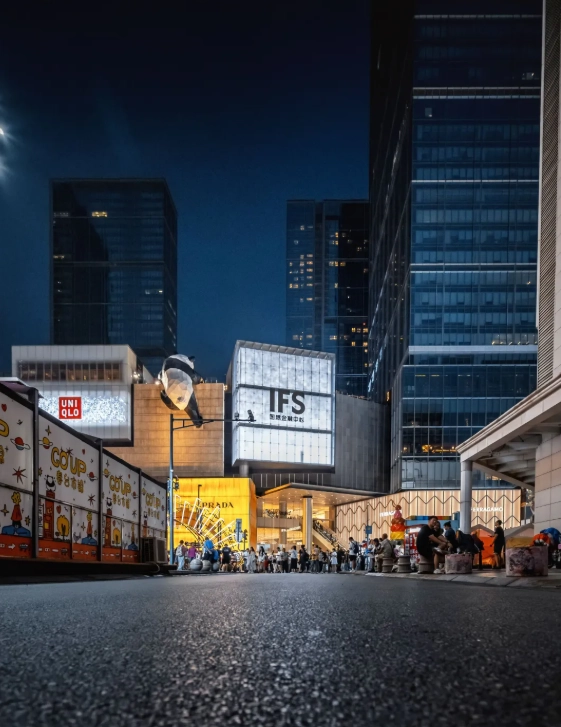
Insider Advice: For a real hotpot experience, go to a 'couple-tong' place like Maoxia Bian (马路边边) — it's entirely in Chinese, but you can point at the fridge of skewers. Half the fun is the chaos.
FAQ: What to Do in Chengdu — Your Go-To Answers
Verified and fact-checked by the editorial team.






No comments yet.