 Ming Yang
- Why Lhasa Overwhelms First-Time Visitors
- The 7 Lhasa Tourist Attractions You Should Actually Visit
- How to Plan Your Lhasa Visit Without Overhyped Itineraries
- Essential Tips for Booking Tickets and Avoiding Tourist Traps
- Where to Eat Near Lhasa Attractions Like a Local
- What to Pack for Lhasa's High-Altitude Attractions
- Frequently Asked Questions About Lhasa Tourist Attractions
- Fact-Check and Final Notes
I've lost count of how many times I've seen tourists stagger off the plane at Lhasa Gonggar Airport, gasping for air, then immediately try to sprint to the Potala Palace. That's a mistake. Lhasa sits at 3,650 meters, and your body needs time to adjust. Here's the real deal about Lhasa tourist attractions that most online guides won't tell you: the crowd levels, the ticket booking rabbit hole, and the exact spots where you'll waste time if you follow generic itineraries.
After leading trips here for over a decade, I can tell you the single most important rule: acclimatize for at least a day before you step foot inside any major attraction. Book your Potala Palace ticket only after you've confirmed you're not violently ill. And for everything else—payments, navigation, reservations—your international cards will be useless at most ticket counters, so set up Alipay with your foreign card before you arrive.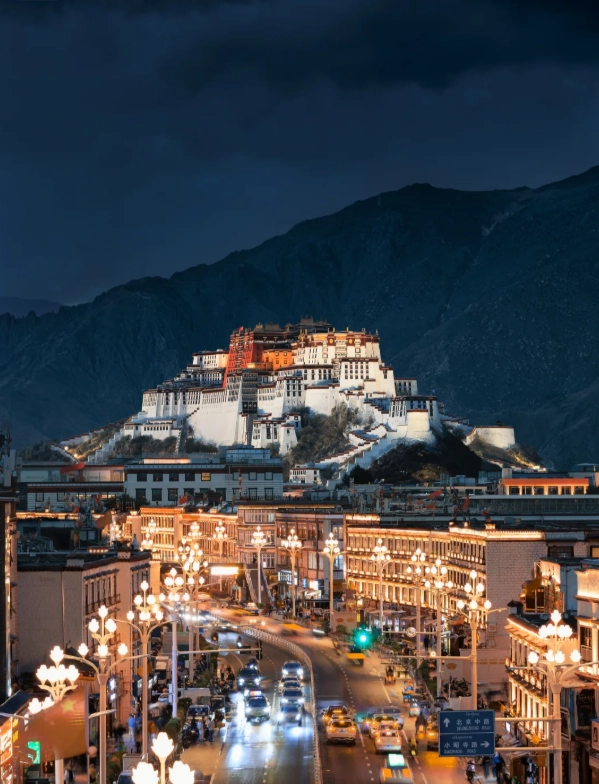
Why Lhasa Overwhelms First-Time Visitors (and How to Prepare)
The altitude is the elephant in the room. Even if you're fit, you'll feel breathless walking up a flight of stairs. The best strategy is to treat your first 24 hours as a rest day. Drink water, avoid alcohol, and skip the hot shower for the first night—it may feel counterintuitive, but many guides (myself included) insist that's one of the easiest ways to avoid triggering acute mountain sickness, or AMS.
Payment is another curveball. Most ticket offices and local shops do not accept international credit cards. You'll need to use Alipay or WeChat Pay, both of which now allow you to link an international Visa or Mastercard. Do that before you arrive. I also recommend carrying 500-800 yuan in cash as a backup—some small tea stalls and street vendors only take cash.
Navigation? Google Maps is unreliable here because the map data isn't accurate. Apple Maps works slightly better, but I've had the most success with AMap (the international version). Download it and input your destinations in Chinese. Here's a practical tip: when you hail a taxi, just show the driver the Chinese address on your phone—it saves a lot of miming.
You'll also need a VPN before you land, because most international websites and apps like Google, WhatsApp, and Instagram are blocked. Download a reliable VPN and enable it right after you connect to your hotel Wi-Fi. And yes, bring a translation app—Apple Translate or Baidu Translate both work offline if you download the language pack.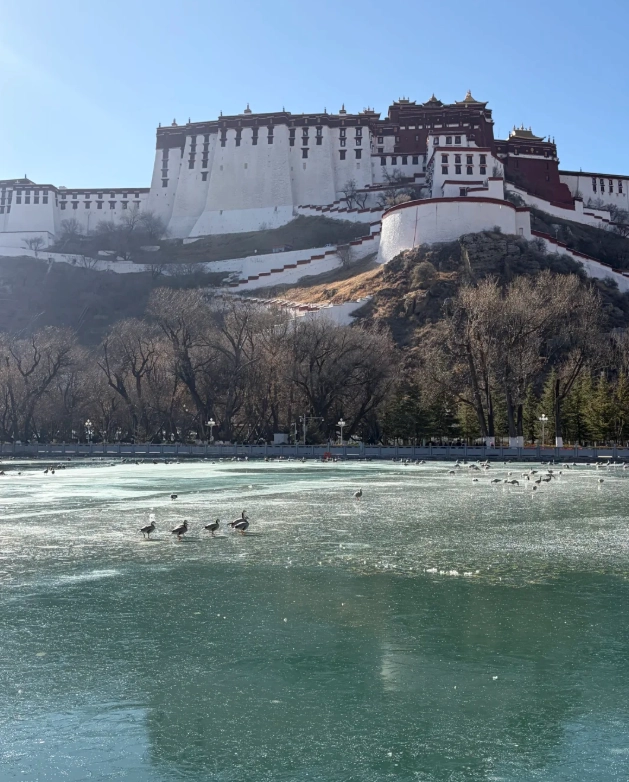
The 7 Lhasa Tourist Attractions You Should Actually Visit
Not every attraction is worth the hype. Here are the seven that I always take my groups to, with the exact practical details you need to know.
| Attraction | Ticket Price (approx.) | Opening Hours | Booking Required? | Time Needed |
|---|---|---|---|---|
| Potala Palace | ¥200 (peak) / ¥100 (off-peak) | 9:00-16:30 | Yes, 24h ahead | 2-3 hours |
| Jokhang Temple | ¥85 | 8:30-18:30 | Possible on-site | 1.5 hours |
| Barkhor Street | Free | All day | No | 1-2 hours |
| Sera Monastery | ¥50 | 9:00-16:00 | No (but passport needed) | 1.5-2 hours |
| Drepung Monastery | ¥50 | 9:00-16:30 | No (passport needed) | 2 hours |
| Norbulingka | ¥60 | 9:30-18:00 | No | 1.5 hours |
| Tibet Museum | Free | 10:00-17:00 (closed Mon) | Maybe (scan at door) | 1-2 hours |
1. Potala Palace
Potala Palace is the iconic landmark that draws millions, but it's also the most complicated ticket to secure. The palace sits on Marpo Ri hill, dominating the skyline, and rooms are packed with chapels, tombs, and murals that tell the story of Tibetan Buddhism.
Here's the thing: you cannot simply walk up and buy a ticket. You need to reserve at least one day in advance, and the official channel (WeChat mini-program) is entirely in Chinese. As a foreigner, you'll need your passport number. If you're staying at a decent hotel, ask the receptionist to book it for you—this is what I do for my clients when they arrive without a reservation. Alternatively, you can use a platform like Trip.com, but expect to pay a markup.
Getting there is easy—it's on Beijing Middle Road in the Chengguan District. A taxi from anywhere in central Lhasa costs about 10-15 yuan. Once you're on the grounds, be prepared for a lot of steps. The main entrance is on the south side, and you'll climb steep stone ramps. I always tell my groups to go slow and carry small oxygen canisters, especially if they're still adjusting.
Lighting is everything. Visit in the morning when the white palace is illuminated from the east, or after 4 PM when the crowd thins. Avoid noon—the sun is harsh and the queues are longest.
One quirky rule: you can't bring liquid bottles inside, including water. They'll confiscate or hold them at a counter. Hydrate well before you enter, and plan on spending about 2.5 hours if you want to see all the important rooms.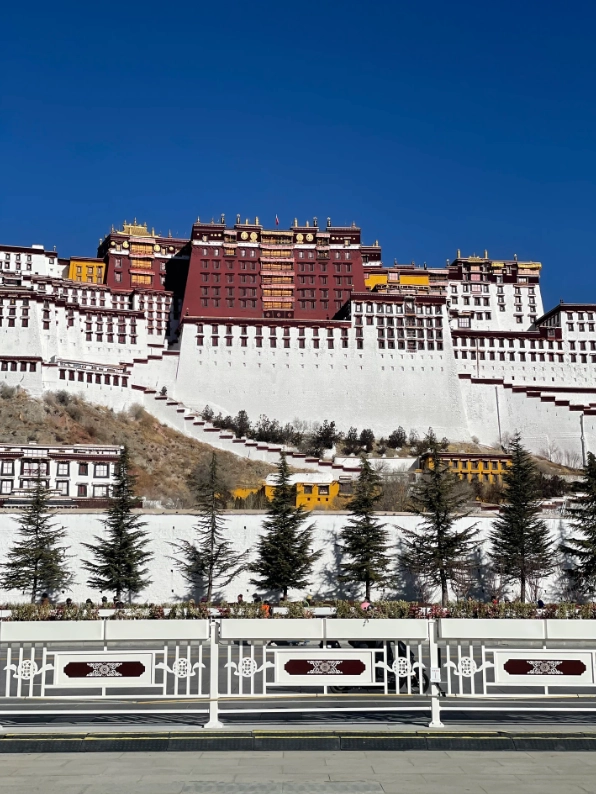
2. Jokhang Temple
Jokhang Temple is the spiritual heart of Lhasa, built in the 7th century and home to the famous Jowo Shakyamuni statue. This is where pilgrims from all over Tibet come to prostrate and make offerings, so expect a powerful, humbling atmosphere.
Tickets cost 85 yuan and you can usually buy them at the gate, but the line may be long. I've seen queues stretch past the entrance on busy holiday weekends. Insider advice: arrive right at 8:30 when it opens, or around 3 PM when tour groups thin out.
The temple is located right in the center of the old town, adjacent to Barkhor Street. You can walk there from most central hotels, or take a taxi to the intersection of Barkhor Kora road. You'll pass through security check, and the rooftop terrace offers a great view of the Potala—bring your camera.
Be respectful: remove your hat, avoid short shorts, and skip leather shoes if possible (some spots ask you to remove them). Also, don't be alarmed if you see locals doing prostration inside—just step around them quietly.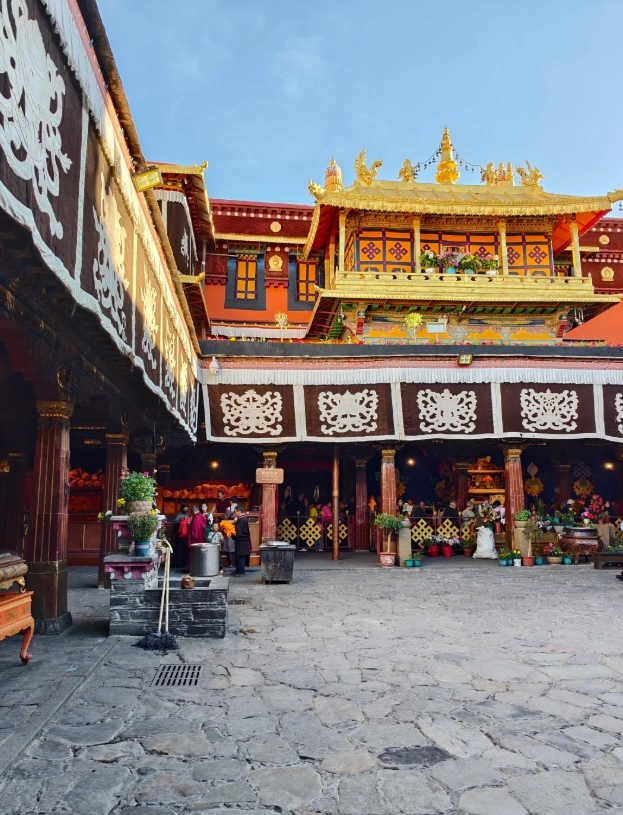
3. Barkhor Street
Barkhor Street is the pilgrimage circuit that encircles Jokhang Temple, and it's the laziest way to soak up Lhasa's street life. It's free to explore, and you can walk the entire loop in about 20 minutes if you don't stop.
But you will stop. There are hundreds of stalls selling prayer flags, turquoise jewelry, thangka paintings, and all sorts of Tibetan souvenirs. The trick is to bargain aggressively—start at one-third to half of the quoted price. If a vendor says "50 yuan," you can often land it at 15-20 yuan. Watch out for fake 'antiques' made in Yiwu; if it looks too polished, it's probably new.
Keep your camera ready for the stunning street scenes, but never photograph someone without asking. The locals are generally friendly but also wary of lenses. I always ask with a smile and a simple gesture, and it opens up the best interactions.
Evening is magical—the kora lights up with butter lamps, and the prayer murmurs intensify. It's safe to walk around after dark, but stick to the main circuit and keep an eye on your pockets. Also, the street is full of steep stone steps, so watch your ankles.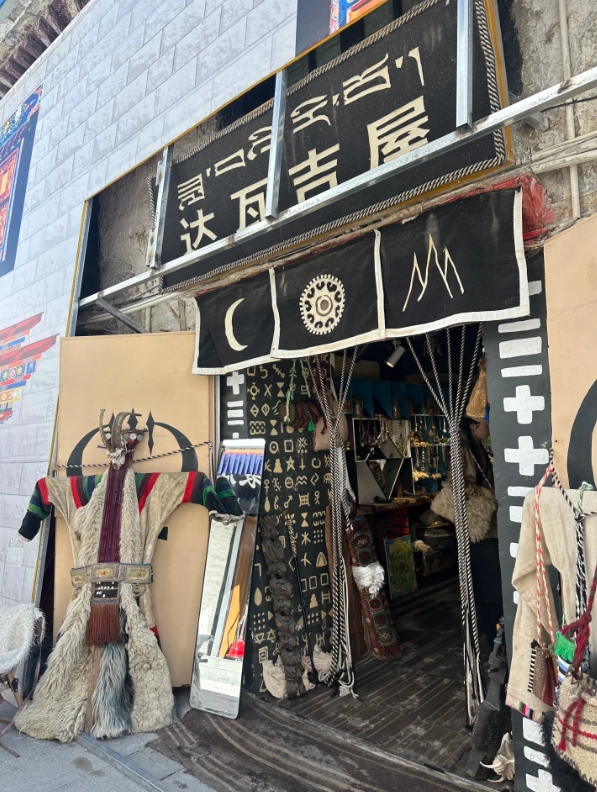
4. Sera Monastery
Sera Monastery is where you go to see "monk debates"—a lively, animated debate session that feels more like an avant-garde performance than theological discussion. It happens almost every afternoon starting around 3 PM, usually in the courtyard near the entrance.
Ticket price is 50 yuan, and you don't need to book ahead. The monastery is about 5 km north of the city center, and a taxi will cost about 20-30 yuan. Take a taxi—it's about 20 minutes from the center and costs 20-30 yuan.
Once you pay, you can wander through the narrow alleys of the monks' quarters and visit the chapels. The debating monks hit the ground and slap their hands—it's loud, but completely mesmerizing. I've had clients who thought it was staged until they realized it's a genuine form of memorization practice.
Allow 1.5 to 2 hours, and don't miss the rooftop terrace of the main temple for a postcard-perfect view of the valley. There are small guesthouses in the village if you want to extend your stay.
5. Drepung Monastery
Drepung Monastery is the largest monastery in Tibet, once housing over 10,000 monks. It's a labyrinth of white buildings stacked on a hillside. The crowd is thinner here than at Sera, making it a favorite for photographers.
Ticket is 50 yuan, same as Sera. It's about 8 km west of town, so grab a taxi (30-40 yuan) or take a local bus (ask your hotel for the exact number) to the foot of the hill. From the gate to the main assembly hall, it's a 15-minute uphill walk. There are local minivans shuttling visitors up for 5 yuan, but I like to walk and accept the dizziness as part of the experience.
The key thing: pace yourself. The entire monastery is spread out, and the uneven stone paths take a toll on your thighs. I always tell clients to stop at the first teahouse they see and sip a warm yak butter tea before entering the chapels. The butter tea is salty, not sweet—don't be shocked.
Plan for about 2 hours. If you're there during the lunch hour, you'll see monks lining up for food. It's a normal day in a monastic community, not a tourist spectacle.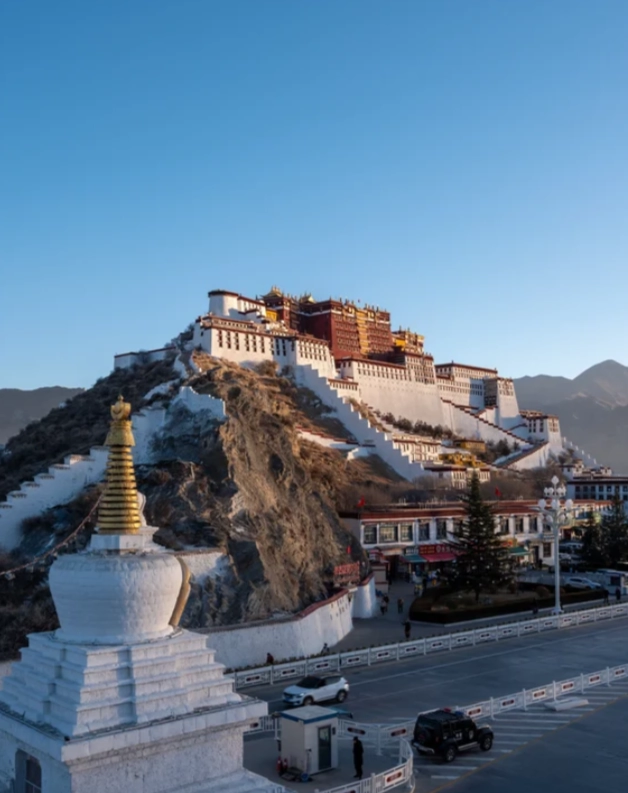
6. Norbulingka
Norbulingka is the "summer palace" of the Dalai Lamas, a sprawling estate with manicured gardens and delicate pavilions. If you've already heavy-hit the Potala, Norbulingka feels refreshingly calm.
Entry is 60 yuan. It's just 2 km southwest of Potala, so a short taxi ride (10-15 yuan) or an easy walk if you're ok with 25 minutes. The complex is huge—plan for 1.5 hours to see the main buildings. The grounds fill up with families on weekends, which is actually lovely; you'll see picnics on the grass and kids playing.
The interiors are ornate, but some parts are under renovation, so don't be surprised if a hall is roped off. I usually tell passers-by not to put Norbulingka on their must-do list if they're short on time. But if you want a lazy afternoon that isn't as crowded, this is your spot.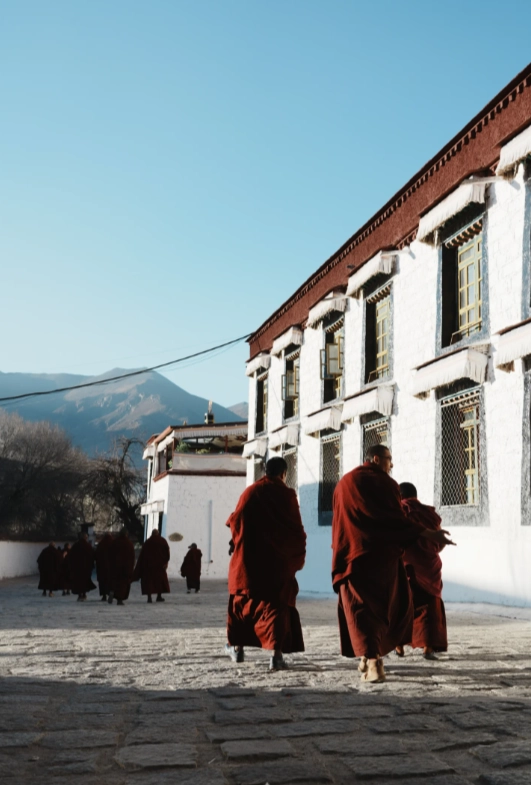
7. Tibet Museum
Tibet Museum is the perfect refuge on a rainy day or when altitude fatigue hits. It's modern, clean, and the exhibitions cover the region's history, religion, and art in a digestible way. The best part: it's free, but you'll need to scan your passport at the entrance.
It's located just south of Norbulingka, off Norbulingka Road. From the Potala, a taxi costs about 15 yuan. Hours are 10:00 to 17:00, closed on Mondays.
The museum has English labels on most exhibits, which is a lifesaver when you're trying to connect the dots between Tibetan kings and Chinese dynasties. Spend 1 to 2 hours here, especially before your first monastery visit—it helps you appreciate what you're about to see. Bring an extra layer, as the air conditioning is strong.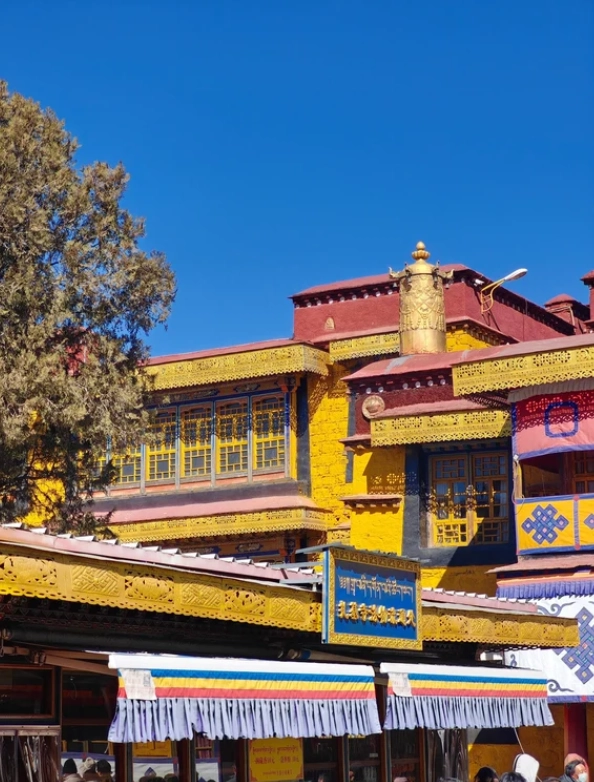
How to Plan Your Lhasa Visit Without Overhyped Itineraries
Now you have the seven spots. Let me help you string them together into a realistic plan. You know those 5-day itineraries that claim you can see everything? They're torture. Here's what I tell my private clients who have 3 full days.
- Day 1: Arrival and Acclimatization – Fly into Lhasa Gonggar Airport (usually in the morning). Take the airport bus to the city center—it's about an hour and a half. Drop your bags at your hotel and do a gentle walk around Barkhor Street. Stay awake until at least 8 PM to reset your body clock. Don't climb the Potala today. Don't hike. Just settle in. Eat a light dinner and drink plenty of water.
- Day 2: Potala Palace + Jokhang Temple – Start early. If you have a reserved ticket for Potala, aim for the 9:00 entrance. You'll spend the morning there. Then walk or take a taxi (10 minutes) to the Jokhang area. Grab a quick lunch near Barkhor at one of the countless momo places. Then visit Jokhang Temple in the afternoon, when the morning tour crowds have dispersed. After Jokhang, stroll the rest of Barkhor Street and shop. This day is already packed—don't even think about Sera.
- Day 3: Choose Your Monastery Adventure – Pick one: Sera or Drepung. Honestly, visiting both in a single day is a blast but exhausting. If you love photography, go to Drepung in the morning for the softer light. If you want to witness debates, go to Sera around 2 PM. Afterward, fit in Norbulingka if you still have energy—it's on the way back to town from both monasteries. Or just take a nap and join a sweet tea house near your hotel.
Backup Plan for Bad Weather or AMS – If you wake up with a pounding headache or the sky opens up, substitute your monastery day with the Tibet Museum. It's indoors, free, and easier on the lungs. And if you're feeling better, pair it with a slow walk through the newly renovated Barkhor plaza.
Essential Tips for Booking Tickets and Avoiding Tourist Traps
Booking tickets in China is not like booking in Europe. Here's the run down.
- Potala Palace – You must book one day in advance. Use the official WeChat mini-program or ask your hotel. For foreigners, the most reliable method is having the hotel call the ticket office or using a trusted local agent. Trip.com occasionally has tickets but at a premium.
- Jokhang Temple – You can buy at the entrance, but you may need to queue. If you're in a hurry, ask a local to buy it for you; otherwise, just wait.
- Monasteries – Sera and Drepung sell tickets on-site. No reservation needed. They accept cash or mobile payment (which is why you must have Alipay set up).
- Always carry your passport – Every ticket office will ask for it—it's a legal requirement for foreigners.
Now, let's talk traps. You'll see street vendors selling "tickets" for the Potala at triple the price. They're usually scams—they'll take your money and disappear. Stick to official outlets. Also, watch out for taxis without a meter; always agree on a price or ask the driver to use the meter. The distance from the airport is fixed, so anywhere in central Lhasa should be under 50 yuan.
Pro Tip: If a driver or "guide" offers to take you to a 'secret monastery' that's off-limits to tourists, it's almost always a commission-based trap. The only way to visit certain sites is with a licensed guide from a registered agency, and the only thing you'll get from a random street tout is a donation to his cousin's shop.
Where to Eat Near Lhasa Attractions Like a Local
You won't starve in Lhasa. But you might if you only eat hotel food. Let me point you to places I actually eat with my groups.
For an unmistakable local experience, walk into any sweet tea house—they're everywhere around Barkhor. The milky, slightly sweet tea is served in plastic thermoses and costs a few yuan for a tall glass. Pair it with a plate of steamed momos (dumplings) filled with yak meat or vegetables. Don't expect an English menu—point at what others are eating. It's safe, cheap, and delicious.
If you want a more polished setting with a view, head to the rooftop of Makye Ame at the southeast corner of Barkhor Street. It's touristy, but the balcony overlooks the sacred circuit and the dishes are consistent. Expect to pay around 60-100 yuan per person for a set of Tibetan staples like tsampa with butter tea, or spicy beef curry. They accept both cash and mobile payment.
Near the Potala, there's a cluster of Sichuan-style restaurants on Beijing Middle Road. It's not Tibetan food, but if you're craving spicy noodles or bitter melon, it's a great break from yak. Just look for red lanterns—classic signal for decent Chinese eateries.
I always tell my clients to stay away from the big tour-group buffets near the monasteries. The food is bland and overpriced. Instead, buy a bag of roasted barley flour (tsampa) and mix it with tea if you're adventurous. Or just grab a quick banmian (noodle) from a hole-in-the-wall joint—you'll see locals lining up, and that's the best sign.
What to Pack for Lhasa's High-Altitude Attractions
Packing for Lhasa is not like packing for Shanghai. The sun is fierce, the air is dry, and the temperature swings are extreme. Here's your checklist:
- SPF 50+ sunscreen – The high altitude means UV rays are brutal. Reapply every two hours, especially on winter days.
- Sunglasses (UV400) – The glare from white monastery walls can trigger a headache.
- Lip balm and moisturizer – You'll be flaky by day two if you skip this.
- A warm jacket or fleece – Even in July, it drops below 10°C at night. And always bring a light rain jacket.
- Comfortable, grippy shoes – Stone steps in monasteries are slippery when damp.
- Portable oxygen canister – You can buy them at pharmacies in Lhasa for about 20-30 yuan. They're a lifesaver during steep climbs.
- A simple medication kit – Include ibuprofen for headaches and anti-nausea remedies. If you have prescribed Diamox, take it as directed, but only with your doctor's blessing.
- A refillable water bottle – Staying hydrated is your best defense against altitude sickness. Hotels usually have purified water; buy large bottles at the supermarket and refill your small one.
And here's the biggest packing secret: soft luggage, not a hard suitcase. Because you'll be heaving bags in and out of taxis, and stone streets are brutal on wheels.
Frequently Asked Questions About Lhasa Tourist Attractions
Fact-Check and Final Notes
All the information in this article reflects years of on-the-ground experience. Please note that ticket prices, opening hours, and booking rules can change without notice. Always confirm the latest details on official channels or via your hotel before you go.
Verified and fact-checked by the editorial team.





No comments yet.