 Ting Chen
What's Inside?
- Must-See Chengdu Tourist Attractions: From Pandas to Ancient Streets
- How to Visit the Giant Panda Base Without Losing Your Mind
- Free Chengdu Tourist Attractions That Locals Love: Kuanzhai Alley and Wenshu Monastery
- Historical Chengdu Tourist Attractions: Wuhou Shrine and Jinli Ancient Street
- How to Plan Your Chengdu Tourist Attractions Itinerary: 1, 2, or 3 Days
- Insider Tips for Getting Around and Paying at Chengdu Tourist Attractions
- FAQ: Your Burning Questions About Chengdu Tourist Attractions
Let's get one thing straight: Chengdu will wreck your Google Maps. Every time I bring a group here, someone ends up staring at their phone, lost in a maze of alleys that Baidu's GPS swears doesn't exist. But that's exactly why you need me — a local guide who's been taking travelers through these streets for nearly a decade.
You'll be visiting the world-famous Chengdu tourist attractions, but not the way tourists do. I'm going to show you how to dodge the tour buses at the Panda Base, find the noodle stall that never makes it into guidebooks, and navigate the city like a local — all without getting fooled by the meter-less taxi drivers lurking near the exits.
Here's the truth: most people spend 3 days in Chengdu and see almost everything but experience almost nothing. They queue for two hours at the Panda Base, then rush through Wuhou Shrine, then collapse at a hotpot restaurant where the staff speak zero English. My job is to make sure that's not you.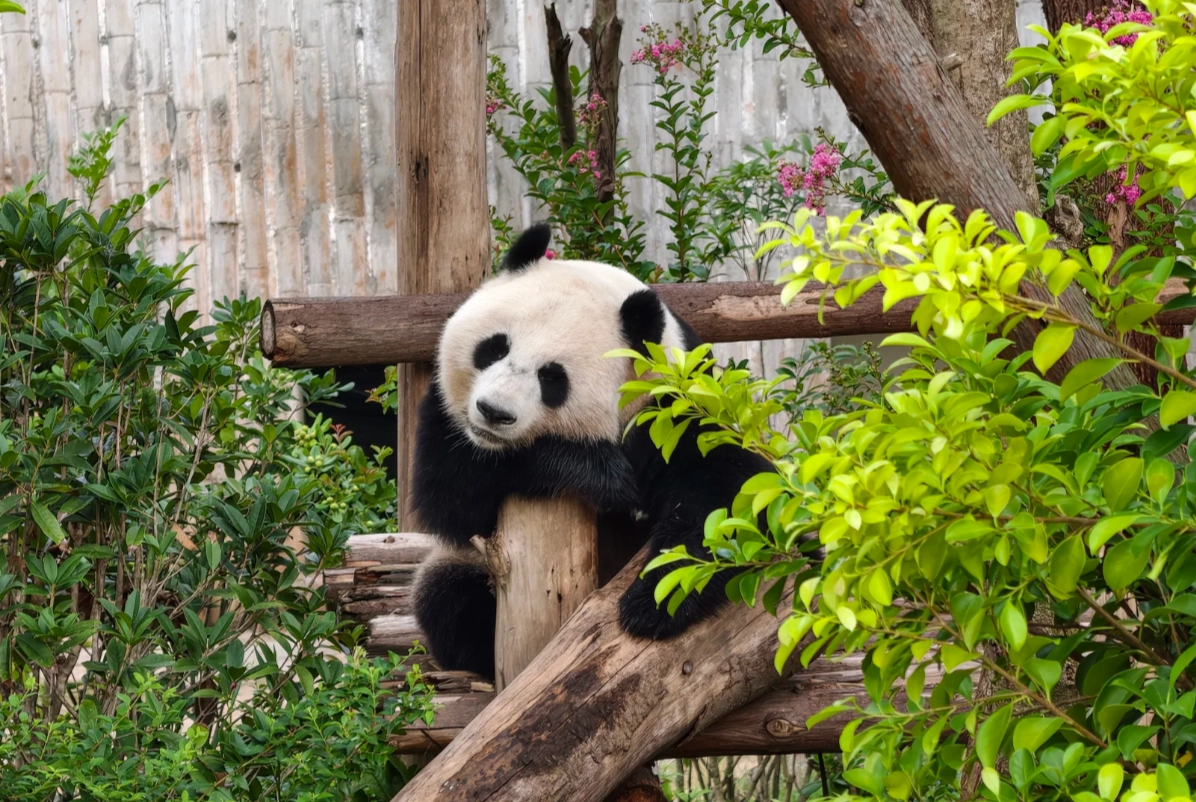
Must-See Chengdu Tourist Attractions: From Pandas to Ancient Streets
Chengdu is a city that balances ancient traditions with modern zest. You could spend a week here and still miss the local tea houses tucked behind skyscrapers. But if you're short on time, these are the Chengdu tourist attractions that actually live up to the hype — and how to experience them without feeling like you're inside a mixing blender.
Here's a quick snapshot of the main sites I'll be covering:
| Attraction | Ticket Price | Opening Hours | Best Metro Stop |
|---|---|---|---|
| Giant Panda Base | ¥55 | 7:30–18:00 | Line 3, Panda Avenue |
| Kuanzhai Alley | Free | 24/7 (shops 10–22) | Line 4, Kuanzhai Alley |
| Wuhou Shrine | ¥50 | 8:00–18:00 | Line 3, Gaoshengqiao |
| Jinli Ancient Street | Free | 24/7 | Line 3, Gaoshengqiao |
| Wenshu Monastery | Free | 8:00–17:00 | Line 1, Wenshu Monastery |
| People's Park | Free | 6:00–22:00 | Line 2, People's Park |
My honest picks? If you only have one day, do Panda Base in the morning and Kuanzhai Alley in the evening. If you have two days, bolt on Wuhou Shrine and Wen Shu. Skip Dragon Boat races unless they're happening — they're not worth planning around. And skip the touristy 'hot pot' restaurants near Kuanzhai; the real ones are hidden across the river.
Now let me walk you through each one with the kind of detail you won't find on a map.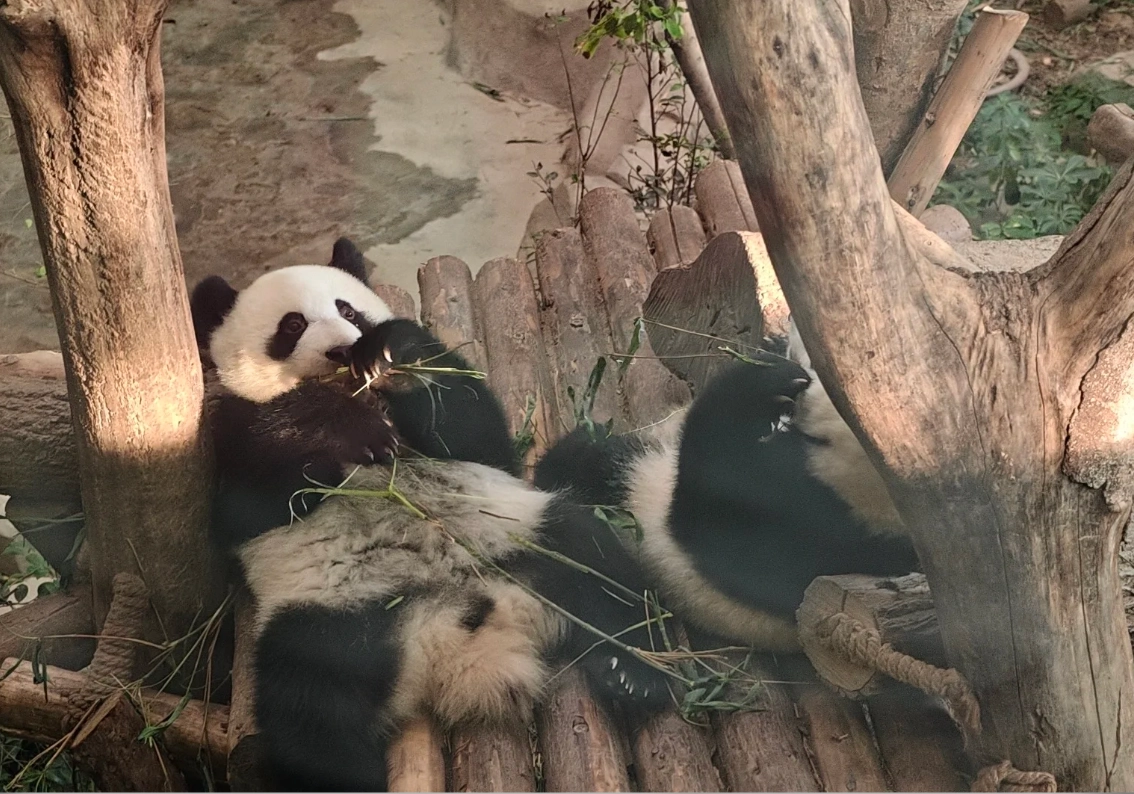
How to Visit the Giant Panda Base Without Losing Your Mind
The Chengdu Research Base of Giant Panda Breeding is the top of most people's Chengdu tourist attractions list — and for good reason. It's home to over 100 pandas in a lush, bamboo-filled environment. But if you arrive at 9 a.m. like every tour bus, you'll be staring at the back of people's heads while sweat drips into your eye.
My golden rule: arrive by 7:20 a.m., and go straight to the Moonlight Nursery. That's where the mamas nurse their cubs — and it's also the first stop for the park's electric cart (¥10, worth it). Once the tour groups start flooding in around 10 a.m., the magic fades.
Getting There and Tickets
Take the metro Line 3 to Panda Avenue (熊猫大道) station. Exit from A, then hop on the shuttle bus (¥2) just outside the station — it's a 5-minute ride to Gate 2. Or take a taxi directly: about 30 minutes from downtown, roughly ¥40.
Tickets cost ¥55 for adults (students get half price with a valid international student ID, but that only works at the counter). You must book ahead in peak season — the official WeChat mini-program is in Chinese, so I usually send my clients to Trip.com to get English tickets with passport info. No pre-booked ticket means standing in a line that could sell out by 9:30 a.m.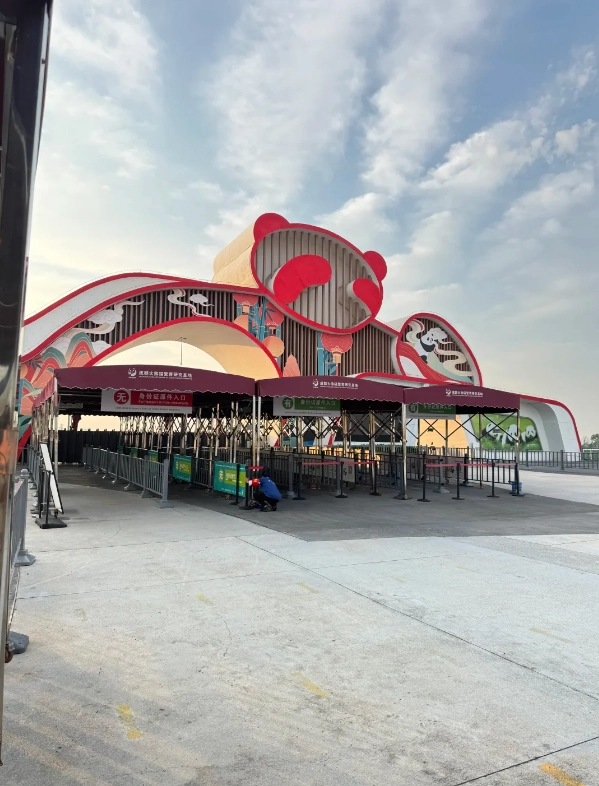
What to Actually Do Inside
- Start with the electric cart to Moonlight Nursery. It's the farthest point, so going against the crowd saves you an hour.
- Spend 30 minutes at the nursery. Then walk downhill to the Sun Nursery, where toddlers fight over bamboo.
- Skip the 'Panda Kitchen' show. It's overhyped and crowded. You're there for the animals, not the feeding demo.
Watch out: The path is not wheelchair accessible in many parts, despite what official maps claim. Strollers struggle on gravel. If you have mobility issues, hire a golf cart for the whole visit — ask at the information desk.
Payment and Practicalities
Inside the base, only mobile payment (Alipay/WeChat) is accepted — no cash, no cards even at the coffee stand. Bring your passport, as they may check it at the entrance. And don't buy the panda plushies at the gate; the ones at the exit shop are 30% cheaper and same quality.
Insider Advice: The panda base opens at 7:30, but the tree-shaded paths are perfect at 7:50. If you're not a morning person, consider visiting on a non-holiday Tuesday or Wednesday — the difference in crowd is massive.
Free Chengdu Tourist Attractions That Locals Love: Kuanzhai Alley and Wenshu Monastery
Two of my favorite free spots are Kuanzhai Alley and Wenshu Monastery. They're close to each other, so it's easy to combine them in one afternoon.
Kuanzhai Alley (宽窄巷子)
This is a network of old Qing dynasty courtyards renovated into shops, teahouses, and snack stalls. It's free, but the crowds are relentless from noon to 6 p.m. I take every group there at 5:30 p.m. — just as the day-trippers start leaving and the lanterns glow.
Address: 48 Changshun Street, Qingyang District. Metro: Line 4, Kuanzhai Alley Station, Exit B.
Pay attention: the main alley is lined with street performers who'll charge you ¥20 for a photo. That's fine if you want it, but know that two lanes west, at Kui Xing Lou Street (奎星楼街), you'll find the same snacks at half the price. I always tell my clients to walk through Kuanzhai for the visuals, then head to Kui Xing Lou for actual meals.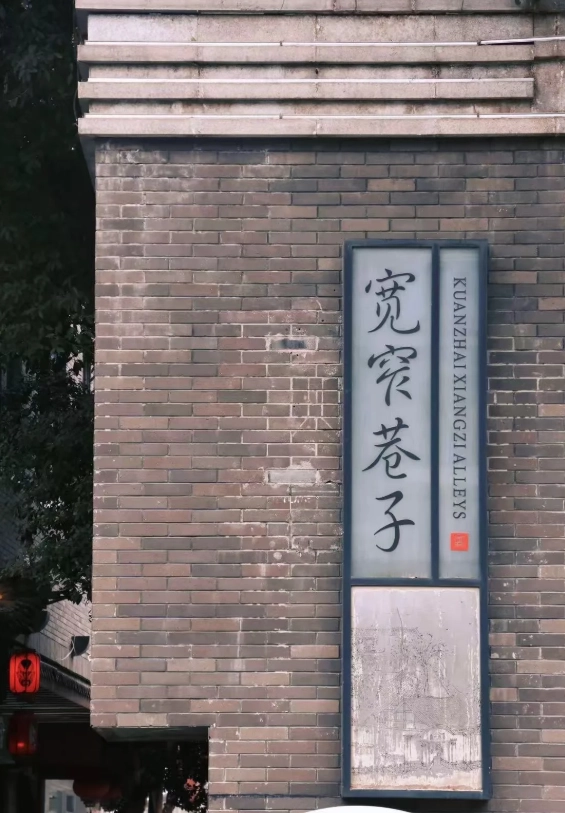
Wenshu Monastery (文殊院)
Ten minutes north by taxi, Wenshu is a serene Buddhist temple complex that most tourists skip. It's free and open until 5 p.m. The incense-heavy atmosphere is the antidote to Kuanzhai's carnival vibe.
Metro: Line 1, Wenshu Monastery Station, Exit K. The southern gate opens to a street of vegetarian restaurants and teahouses.
My ritual: grab a bowl of sweet noodles at the legendary Dongzikou Zhang Lao Er Rice Noodle Shop (洞子口张老二凉粉) right outside the south gate. It's ¥7 a bowl, and they only take cash or Alipay. I always order two — one with chili oil, one plain.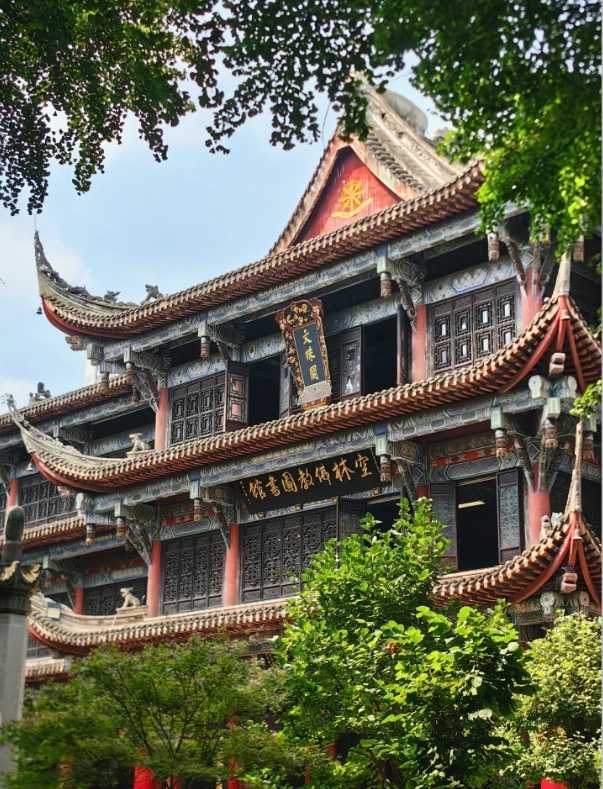
Insider Advice: The teahouse inside Wenshu serves excellent jasmine tea (¥20 per cup). Sit under the giant banyan tree for the full Chengdu experience. Locals come here to play mahjong and gossip — you'll feel the city's heartbeat.
Historical Chengdu Tourist Attractions: Wuhou Shrine and Jinli Ancient Street
If you're into Three Kingdoms history, Wuhou Shrine is the real deal. It's the most important memorial to Zhuge Liang in China. Jinli is a reconstructed ancient street attached to it, and they're basically one attraction.
Wuhou Shrine (武侯祠)
Ticket: ¥50. Hours: 8:00–18:00. Metro: Line 3, Gaoshengqiao Station, Exit D. Then 10-minute walk through a leafy street.
Arrive at 8:15 a.m. to get the place almost to yourself. The famous red wall with bamboo shadows is at the far east side — most people miss it because they turn right after the main hall. The best photo spot is the 'south garden' wall, not the one next to the entrance.
Don't bother with the audio guide (¥20). The exhibits are quietly passionate, but the English is dry. Instead, read up on the basics before you go, or hire a local guide at the gate — they cost about ¥100 and give you the best stories.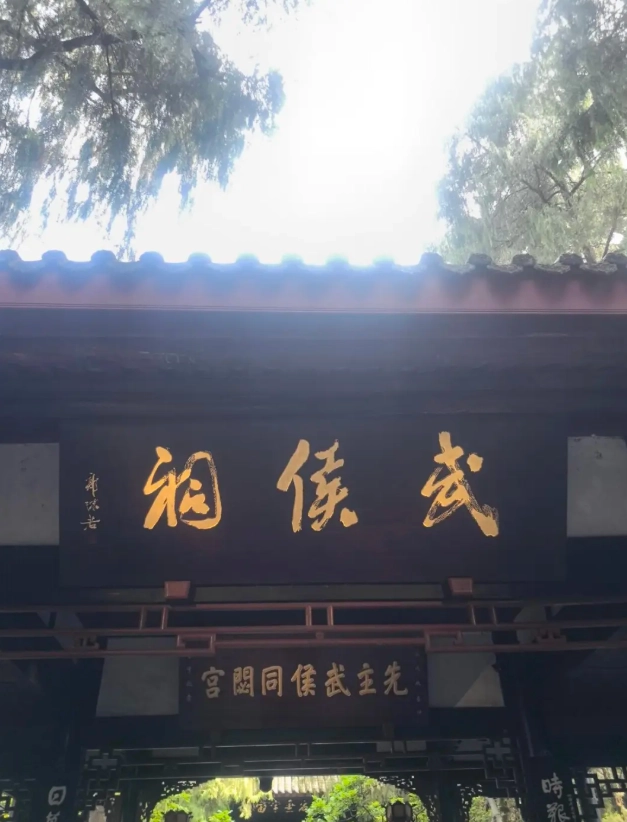
Jinli Ancient Street (锦里)
Jinli starts right behind Wuhou Shrine. It's free, and it's perfect for an evening stroll after the shrine closes. The night lights turn the street into a lantern fantasy, but the food is overpriced and the alleys can get dangerously packed.
Here's what to skip: the 'one-bowl' snacks at the entrances. Here's what to try: the douhua (soft bean curd) with hot sauce at the central stall — it's a local favorite and under ¥10.
Keep an eye on your belongings in Jinli. I've seen too many pickpockets targeting distracted tourists with phones out for photos.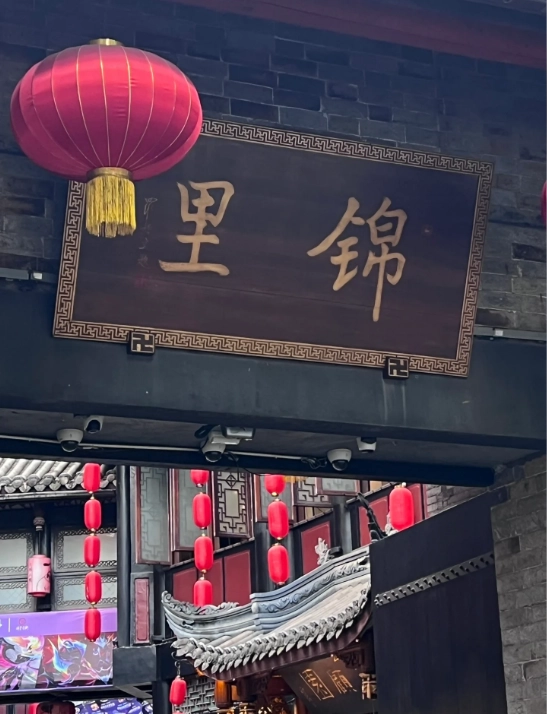
How to Plan Your Chengdu Tourist Attractions Itinerary: 1, 2, or 3 Days
Now let's tie all the sites together into an actual game plan. I'll give you three schedules based on the time you have. Each one assumes you're staying somewhere central, like Chunxi Road or Taikoo Li.
1-Day Chengdu Crash Course
- 6:30 a.m. — Grab a coffee, then take a taxi or metro to the Panda Base. (Metro Line 3 to Panda Avenue, then shuttle — total 1 hour from downtown)
- 7:30 a.m. – 10:30 a.m. — Panda Base. Follow my earlier advice and head straight to Moonlight Nursery.
- 11:00 a.m. — Metro back to Tongzilin Station, then walk to Kuanzhai Alley. Have an early lunch at Kui Xing Lou Street. (The restaurants there open at 11:30, so you're ahead of the crowd.)
- 1:00 p.m. — Metro to Gaoshengqiao. Visit Wuhou Shrine (2 hours).
- 3:30 p.m. — Exit through Jinli, grab a snack, then relax in People's Park for an hour (free tea houses).
- 6:00 p.m. — Hotpot dinner at a local place, not a tourist trap. My favorite is Shu Jiuxiang (蜀九香) — ask for the triple-flavor pot. It's about ¥100 per person.
This day is intense but doable. If you want less rushing, drop Jinli and spend an extra hour in People's Park.
2-Day Itinerary: Add Dujiangyan
Day 1 follows the same plan above. For Day 2, take a high-speed train from Chengdu North Station (Xinbei Station) to Dujiangyan. It's a 30-minute ride, ¥10–20 depending on the train. Dujiangyan is an amazing feat of ancient irrigation engineering — and it's a peaceful escape from the city.
- 8:00 a.m. — Train to Dujiangyan.
- 9:00 a.m. — Enter the Dujiangyan Scenic Area (¥80). Walk along the Inner River and climb to the hilltop temple.
- 12:00 p.m. — Lunch at the nearby Anlan Suspension Bridge area.
- 2:00 p.m. — Take a taxi to Qingcheng Mountain (about 40 minutes) or go back to Chengdu. If you choose Qingcheng, expect a steep hike.
Buy train tickets ahead on 12306.cn (Chinese) or use Trip.com for English booking.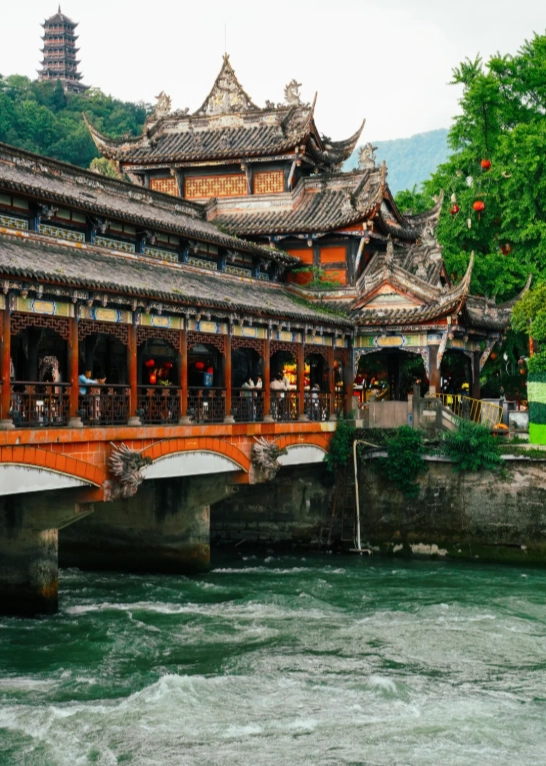
3-Day Itinerary: Full Cultural Dive
Day two as above. On day three, either explore Chengdu's East Suburb Memory (a creative district with old factories), or go to the Sanxingdui Museum in Guanghan (about an hour away). Sanxingdui houses the legendary bronze masks from 3,000 years ago — it's like stepping into a sci-fi movie. Book tickets via Trip.com.
Indoor Plan B: If it's pouring rain, the Chengdu Museum (free) and Sichuan Museum (free) are excellent. Both have world-class exhibits on Shu culture. And if you need a break from spice, La Petit Café near Wenshu serves excellent egg tarts.
Insider Tips for Getting Around and Paying at Chengdu Tourist Attractions
This section might save your trip. Listen up.
Paying Like a Local
Almost every ticket counter, coffee stand, and baozi shop in Chengdu expects Alipay or WeChat Pay. Cash is accepted in some big places, but you'll get annoyed by change and odd looks. Set up Alipay and WeChat Pay with your international Visa/Mastercard before you leave home. It's a ten-minute setup that will save you from carrying wads of cash.
Need a quick guide? Alipay now supports international cards directly through 'Tour Pass' — you can top up with your card without a Chinese bank account.
Navigation and Connectivity
Google Maps is unreliable in China. Download AMap (高德地图) or Apple Maps, which use local data. Even better, set your phone to airplane mode and use offline maps from AMap with Chinese place names. Show the Chinese address to taxi drivers — they'll nod and drive away faster.
Bring a VPN on your phone and laptop. With a VPN, you can still access Google, WhatsApp, and Instagram. Without one, you'll see a wall. Also, download a translation app like Apple Translate or Baidu Translate; you'll need it for menus and ticket signs.
Booking Attractions and Trains
Many major Chengdu tourist attractions — especially Panda Base and the newly digitized temples — require passport-based online booking. Don't try to register on a Chinese-only WeChat app at 8 a.m. Use Trip.com or my other favorite, Klook. They handle passport details and give you QR codes. For trains, use Trip.com or 12306.cn.
Getting Around
The metro is your best friend — it's fast, cheap, and all signs are bilingual. You can scan your Alipay QR code directly at the fare gate (just link your card). Taxis are fine, but always use Didi (the Chinese Uber) or Gao De Dache. Never get into a taxi that just pulls up next to you at a tourist site; they may not switch on the meter. Say 'qing dǎ biǎo' (please use the meter) if you do.
FAQ: Your Burning Questions About Chengdu Tourist Attractions
Verified and fact-checked by the editorial team.





No comments yet.