 Ting Chen
Jump To
Prayer flags crackling in the wind. The smell of yak butter mixed with pine. A monastery that seems to float above the clouds. That's Shangri-La. But is it worth your precious travel days? I've guided over 50 trips through these mountains, and I'll help you cut through the hype.
After years of guiding travelers here, I know the real struggles: the altitude headache, the confusing payment systems, and the tourist traps that eat your time. That's why I'm writing this guide — not to sell you on Shangri-La, but to give you an honest verdict.
Here's my short answer: Shangri-La is absolutely worth visiting — but only if you come with the right expectations and a flexible plan. If you're short on time or hate altitude sickness, you might want to give it a miss. I'll show you exactly who falls into which camp.
What Makes Shangri-La Stand Out?
The Tibetan Culture You Can't Find Anywhere Else
Shangri-La is one of the few places in mainland China where you can experience authentic Tibetan culture without flying to Tibet. The old town, Dukezong, is still home to monks, pilgrims, and a million prayer wheels. Every morning, I take my guests to the old town's central square to watch locals perform khora — the devotional circumambulation — around the ancient white pagoda. It's a hauntingly beautiful sight, and the light at 8 AM is perfect for photos.
Unlike Lhasa, there's no heavy permit process here. You can walk into the Songzanlin Monastery (also called the "Little Potala Palace") with just a ticket and a will to explore. I always tell my travelers to arrive right when the monastery opens at 8:30, before the tour buses arrive — that's when you can hear the monks chanting in the assembly hall, a sound that will stick with you forever.
Epic Natural Scenery That Rewards the Brave
The landscapes around Shangri-La are a mix of snow-capped mountains, turquoise lakes, and grasslands that feel like they're from a fantasy novel. The most famous is Pudacuo National Park, a full-day trip from the city. The park has two main lakes — Shudu Lake and Bita Lake — connected by a shuttle bus. I've hiked the Bita Lake loop with guests, and the silence there is unnerving — in a good way. The trail is mostly wooden boardwalks, so it's accessible for all fitness levels.
But here's the catch: the park's beauty is weather-dependent. If it's overcast, the lakes look murky gray, not the postcard turquoise you see online. I always check the weather forecast a few days ahead and adjust the itinerary. If the forecast is bad, I recommend going to the Songzanlin Monastery and the old town instead, and saving Pudacuo for a clear day.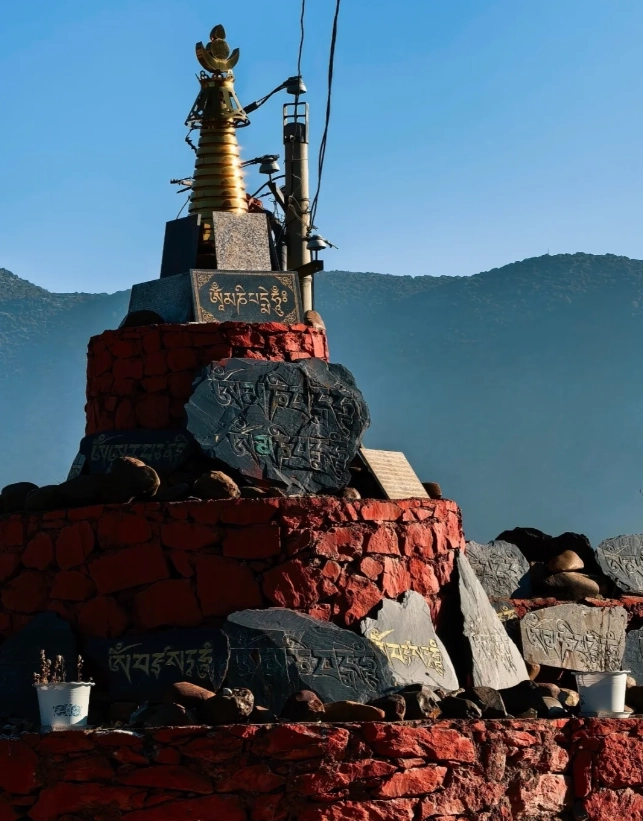
The Real Downside: What Nobody Tells You
Altitude Sickness Is No Joke
Shangri-La sits at 3,160 meters (10,400 feet) above sea level, and the lack of oxygen can hit you within hours of arrival. I've seen grown adults in tears, unable to sleep, with nausea that wrecks their entire trip. The airport is actually 3,288 meters, so you'll land right in the thick of it.
My golden rule: don't fly into Shangri-La directly if you can avoid it. Instead, take the train from Lijiang (it's a 4-hour scenic ride) and spend a night in Lijiang (2,400m) to acclimatize. Once in Shangri-La, avoid alcohol and heavy meals for the first day, and drink lots of water. Also, buy a small oxygen canister at any pharmacy — they cost around 20-30 RMB and can be a lifesaver in the middle of the night.
Tourist Traps and Crowds
The old town of Dukezong has become increasingly commercialized, with tacky souvenir shops and "authentic" Tibetan restaurants that are anything but. I usually steer my guests away from the main square towards the quieter back alleys, where you can still find workshops that handmake thangka paintings and Tibetan silver.
Also, beware of taxi drivers who try to charge you inflated rates to "scenic lookouts." The official bus to Songzanlin costs just 2 RMB, but some drivers will quote 50 RMB for the same distance. Always use the local bus or a metered taxi, and insist on using the meter or agree on a price before getting in.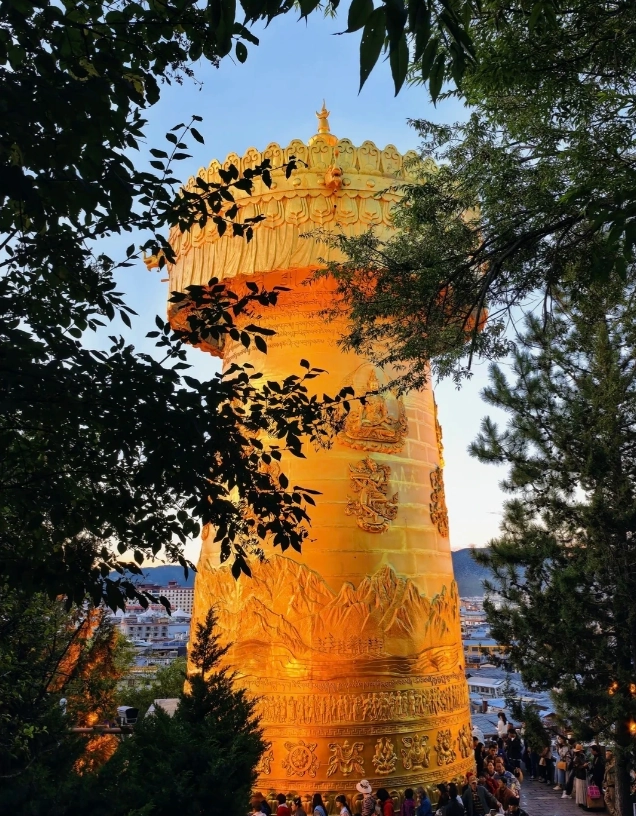
Payment and Booking Hassles
Cash and credit cards are almost useless in Shangri-La — you'll need Alipay or WeChat Pay on your phone. If you haven't set them up with your international card, you'll be stuck. I always tell my clients to link their cards before arriving in China.
For tickets, most major attractions require pre-booking with your passport. The easiest way is through platforms like Trip.com or Klook, which have English interfaces. The alternative is to ask your hotel receptionist to help you book via WeChat, but be prepared for some serious translation hurdles.
How to Decide: Is Shangri-La Worth Visiting for You?
Who Will Absolutely Love Shangri-La
If you're a photographer, a nature lover, or someone seeking an escape from China's megacities, Shangri-La will blow your mind. The light here is crisp, the air is clean, and the contrast between the maroon monastery and the blue sky is a dream.
- You have at least 3 full days to spend in the area and can acclimatize properly.
- You're okay with sleeping in a slightly older town that lacks Western chain hotels.
- You enjoy slower travel — like drinking yak butter tea with a monk and watching clouds roll by.

Who Should Skip It
If you're on a tight schedule, have health problems, or are expecting a perfect, polished tourist experience, you'll be disappointed. I once had a couple who booked two days here thinking it'd be like Lijiang's old town but bigger. They couldn't handle the altitude, spent one day in the hotel, and left feeling cheated.
- You only have one day to spare and don't want to risk altitude sickness.
- You prefer beach destinations or tropical islands.
- You're traveling with young children or elderly relatives with heart problems.
My Personal Verdict After Guiding 50+ Trips
Yes, Shangri-La is worth visiting — but once you understand its quirks. It isn't a smooth, Instagram-perfect destination, but it's one of the most authentic places in Yunnan. I've had clients cry at Pudacuo Lake, not from sadness, but from the sheer beauty of the place. I've also had clients who'd rather be back in Lijiang eating street food.
If I had to sum it up: Shangri-La rewards the patient and punishes the impatient. The best time to visit is from May to October when the meadows are green and the weather is mild. But even in winter, the snowy monastery is a sight I never tire of.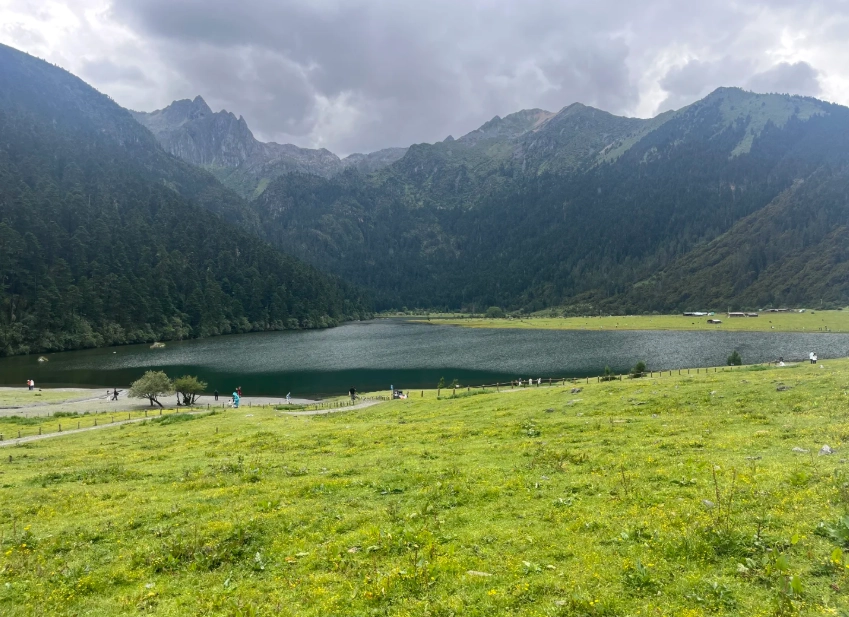
Insider Advice: If you can only visit one place in Shangri-La, make it Songzanlin Monastery. The view from its main courtyard, with the entire golden roof against the sky, is worth the whole trip.
Practical Essentials for Your Shangri-La Trip
Getting There and Getting Around
The easiest way is to fly into Shangri-La Airport, but the train from Lijiang is more scenic (and better for altitude acclimatization). The train station in Shangri-La is about 5 kilometers from the old town; a taxi costs around 20 RMB. Once in town, you can walk almost everywhere, and the local buses are surprisingly easy to navigate.
| Transportation | Cost | Time | Best For |
|---|---|---|---|
| Plane from Kunming | 600-1000 RMB | 1 hour | Speed (if you don't mind altitude risk) |
| Train from Lijiang | 60-80 RMB | 4 hours | Acclimatization & views |
| Private car | 300-400 RMB | 4 hours | Flexibility |
For navigation, do not rely on Google Maps — it's unreliable in China. I always use Apple Maps or AMap (take the English version called "AMap Global"). For taxi drivers, you can also ask your hotel to write down the address in Chinese.
Where to Stay and Eat
Stay in the old town if you want to feel the atmosphere, but be aware that many buildings are traditional wood-and-mud structures — meaning thin walls and creaky floors. I recommend the Dukezong Ancient Town area for its walkability. For a splurge, there's a handful of boutique hotels with heated floors and quality mattresses. For budget travelers, pack earplugs.
For food, don't miss the famous Tibetan hotpot at "Hotpot Grandma," a local institution. The yak meat is tender, and the broth is a rich, savory broth with a hint of horse milk. It's on 建塘东路 (Jiantang East Road), near the fourth middle school. Open from 11 AM to 10 PM, average cost is 80-120 RMB per person. Note: they might not have an English menu, but the owner is used to tourists and will help you order with photos.
If you're vegetarian, look for "Zen Garden" café which has a great view of the old town and serves delicious vegan Buddha bowls.
Money-Saving Insider Secret
Most visitors buy an all-inclusive tour that covers Pudacuo and Songzanlin, but you can do it cheaper by combining public buses. The direct bus from Shangri-La bus station to Pudacuo costs 10 RMB each way, and the park's shuttle bus is included in your admission ticket. For Songzanlin, take the local bus #3 from the main square for 2 RMB — the driver will tell you when to get off.
Frequently Asked Questions: Is Shangri-La Worth Visiting?
Verified and fact-checked by the editorial team.








No comments yet.