 Ting Chen
Quick Guide: What You'll Learn
- Why Lijiang Belongs on Your Yunnan Itinerary
- The Optimal 3-Day Lijiang Travel Itinerary
- How to Get to Lijiang and Navigate the City
- How to Book Attraction Tickets Without a Chinese Phone Number
- Where to Eat in Lijiang: From Local Snacks to Sit-Down Meals
- Where to Stay: Choosing the Perfect Lijiang Base
- FAQs: Answers to Your Lijiang Travel Itinerary Questions
I've lost count how many times I've led first-time visitors through Lijiang's cobblestone alleys. The old town is gorgeous — but it's also a maze of identical souvenir shops and hollering food vendors. Without a solid Lijiang travel itinerary, you'll waste time and money. That's why I put together this brutally practical guide: to help you see the real Lijiang without falling for tourist traps. Here's the truth: most 3-day itineraries online are either too packed or skip the real gems. This guide fixes that.
By the end, you'll know exactly where to go, how to skip lines, and what to avoid — all with tips I've picked up during my decade leading tours in Yunnan.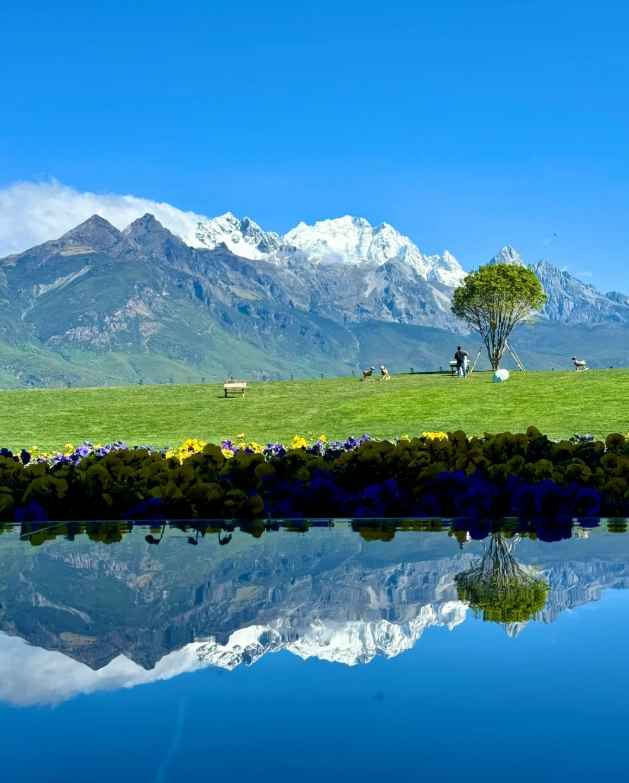
Why Lijiang Belongs on Your Yunnan Itinerary
Lijiang isn't just another ancient town; it's a UNESCO World Heritage Site where Naxi, Tibetan, and Han cultures weave together into a living museum. The snow-capped Jade Dragon Mountain looms over the horizon, and the ancient water network still flows through the streets as it did 800 years ago. Foreign visitors often underestimate how much this compact city packs in. With a smart itinerary, you can experience Yunnan's diversity without rushing.
The Optimal 3-Day Lijiang Travel Itinerary
After guiding dozens of groups through this region, I've refined a plan that balances must-sees with breathing room. You can adjust the pace based on your fitness and interest, but here's the core structure:
| Day | Morning | Afternoon | Evening |
|---|---|---|---|
| Day 1 | Old Town (Sifang Street) | Black Dragon Pool | Music bars or night stroll |
| Day 2 | Jade Dragon Snow Mountain | Blue Moon Valley | Rest at your guesthouse |
| Day 3 | Baisha Village | Shuhe Old Town | Departure or optional extra |
Day 1: Lijiang Old Town and Black Dragon Pool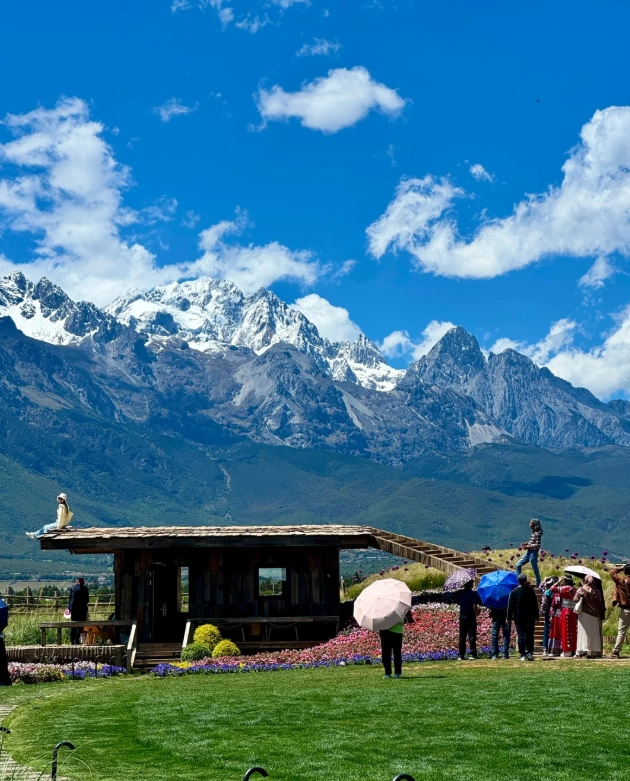
Start your day at Sifang Street before 9 AM to beat the surge of tour groups. This cobblestone square is the old town's heartbeat. You'll see Naxi elders sunning themselves and women in traditional dress selling handmade flower cakes. From there, wander the warren of canals — it's nearly impossible to stay lost, as every path eventually leads back to Sifang Street. But don't spend your entire morning wandering aimlessly; you have a more important task.
By 10:30, walk to Black Dragon Pool, a 20-minute stroll from Sifang Street. This park offers the postcard-perfect reflection of Jade Dragon Snow Mountain, especially crisp on clear mornings. Entry costs around 60 CNY for foreigners (locals often get in free after 6 PM, but the ticket booth may ask for your passport and still charge you). The pool is best before noon, because clouds tend to shroud the mountain by afternoon.
Pro Tip: The toilets near the Black Dragon Pool entrance are notoriously crowded. Use the ones at the park's ticket office before going in — they're cleaner and almost always empty.
For lunch, duck into a small noodle shop on Jishan Lane. I always tell my clients to order the chopped chicken with mushrooms (土鸡米线) and a side of pickled vegetables. It's simple, cheap (about 35 CNY), and utterly satisfying. Then spend the afternoon exploring Mu Palace, the former residence of the Naxi clan that ruled Lijiang. Not Hopping.
From 15:00 onward, the old town's alleys get quieter as tour groups leave. This is the golden hour for photos — I constantly tell my clients that the light hits the white marble of Sifang Street and makes the whole square glow. Grab a coffee at a canal-side café and just soak in the vibe.
Day 2: Jade Dragon Snow Mountain and Blue Moon Valley
Your second day is all about the mountain. Jade Dragon Snow Mountain is Lijiang's most iconic attraction, and it requires a bit of planning. You must book tickets in advance, especially during peak season (July to October and Chinese national holidays). The most convenient way for foreign travelers is via Trip.com or Klook — these platforms accept international payments and will save your passport details automatically. Alternatively, your hotel host can book using their WeChat, but that's a hassle for both of you.
Set off at 7:30 AM to catch the first cableway up to Glacier Park (索道). The ride takes about 15 minutes, and the views are worth every minute. At the summit (4,506 meters), take your time acclimatizing. I always tell clients: don't walk fast, and use the oxygen bottle you bought beforehand at a pharmacy in Lijiang — it's a quarter of the price compared with the ones at the mountain.
In the early afternoon, descend to Blue Moon Valley, a series of turquoise lakes fed by glacial meltwater. It's a 10-minute shuttle ride from the cableway station. The color of the water will absolutely disrupt your sense of reality — it's that vivid. You can walk the boardwalk around the lakes for about 1.5 hours.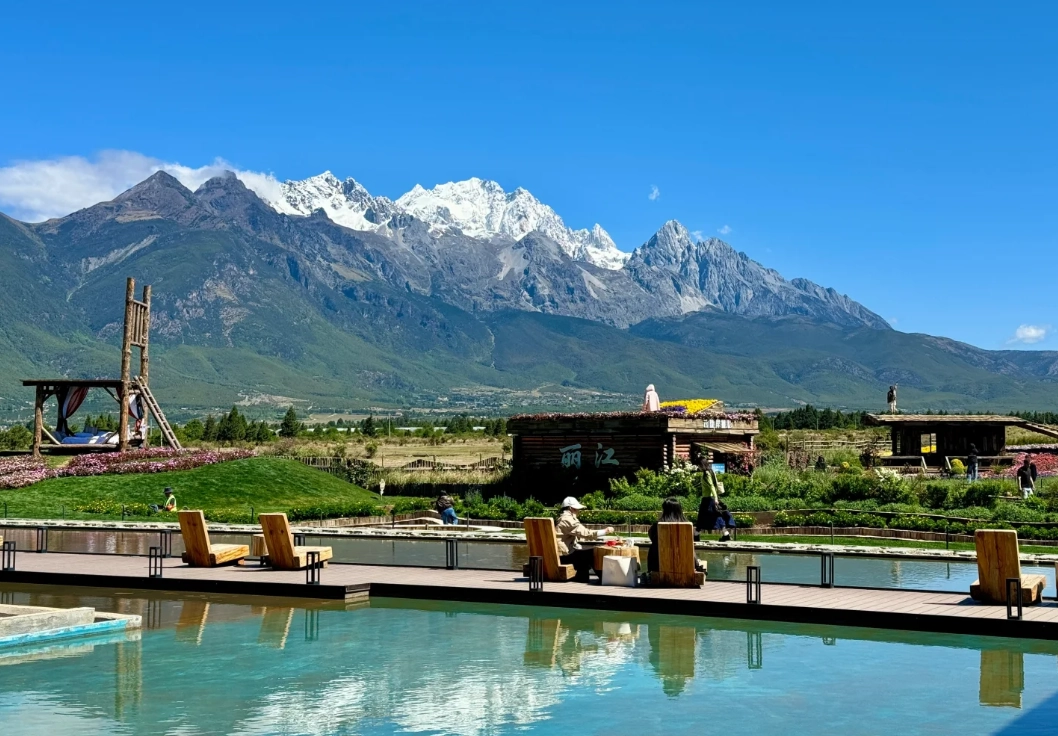
Insider Advice: Wear layers. The mountain base is mild, but the summit can be freezing even in summer. A light jacket will save you from an overpriced rental at the station.
Back in the old town by 16:00, treat yourself to a hot pot at one of the many restaurants on Longquan Lane. My favorite spot is a family-run place that serves a sour fish hotpot — tangy broth with local herbs, plus a mesmerizing sizzle of hot oil. Expect to pay 80–120 CNY per person.
Day 3: Baisha Village and Shuhe Old Town
Day three is for those who want to escape the crowds and see the "other" Lijiang. Baisha Village, 12 kilometers north of the old town, is a quieter Naxi settlement famous for its ancient murals and copperware workshops. You can ride a shared bicycle from Lijiang (about 45 minutes flat) or take DiDi (approximately 25 CNY, 20 minutes).
Arrive at Baisha before 10 AM. Wander through the alleyways, and visit the Baisha Murals, a series of Buddhist murals that blend Han, Tibetan, and Naxi styles. Entrance is about 30 CNY. Unlike Lijiang's old town, Baisha feels authentically lived-in — you'll see farmers drying corn ears on the road and old ladies hand-rolling local cigarettes.
After lunch (try the local tofu brain, a jelly-like dish with chili oil), take a 20-minute taxi to Shuhe Old Town. Shuhe is often called "Lijiang's quieter cousin" — it has the same stone-and-wood architecture but far fewer visitors. I always tell my clients to walk along the Qinglong Bridge and find the ancient tea-horse road carvings. This is also a great place to shop for handmade silver jewelry without the old town markup.
By late afternoon, you'll be ready to return to Lijiang and pack for your next destination. If you have energy left, watch the sunset from Wanshou Bridge in the old town — it's a spot most tourists miss.
Alternate Plan: If the Weather Turns Bad
Snow or heavy rain can ruin Day 2. Don't panic. Swap Jade Dragon Snow Mountain with the Naxi Dongba Museum, which houses fascinating artifacts about the region's religious pantheon (around 40 CNY, indoor). You can also visit the Black Dragon Park again — rain makes its lake even more ethereal. For a unique indoor lunch, step into a traditional tea house on Yixin Lane and learn how to make Tibetan butter tea.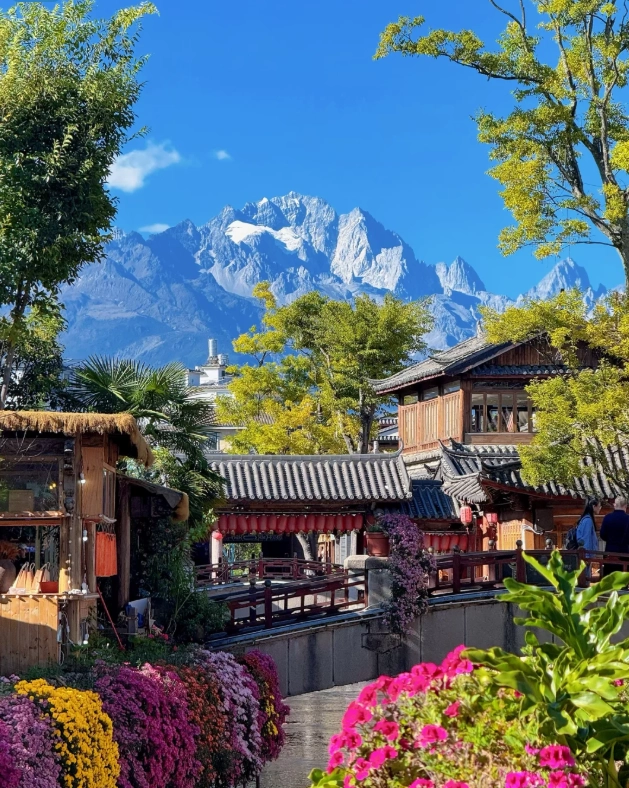
How to Get to Lijiang and Navigate the City
Lijiang has its own airport, so flying from major Chinese cities is a breeze. From Lijiang Sanyi Airport (LJG), a taxi to the old town costs around 60–80 CNY and takes 40 minutes. If you're coming by train, the new Lijiang Station is located about 5 kilometers from the old town — a short 15–20 CNY taxi ride. Many travelers also combine Lijiang with Dali (a 2-hour high-speed train) and Shangri-La (a 3-hour drive), which makes for an epic Yunnan loop.
Inside Lijiang, the best way to get around is on foot. The old town is pedestrian-only, and your legs will get you everywhere except the farther attractions. For destinations like Baisha or Shuhe, use the DiDi app (the Uber of China) or hail a taxi. Always have a card with the Chinese name of your destination, or use AMap Global (an English-friendly map that's far more accurate than Google Maps in this part of China). Don't forget to install a VPN before your trip — Google, WhatsApp, and Instagram won't work without it in China. Also, set up Alipay with your international credit card before you go; it'll make payments painless.
How to Book Attraction Tickets Without a Chinese Phone Number
This is a major headache for foreign tourists. Many Chinese ticketing systems require a mainland phone number and WeChat Pay. For Lijiang's main attractions — Jade Dragon Snow Mountain, Black Dragon Pool, Mu Palace — you can avoid the pain by using international platforms.
- Trip.com: English interface, accepts PayPal and foreign credit cards. Search "Jade Dragon Snow Mountain" and you'll get options for cableway + park tickets.
- Klook: Another reliable option with a simple checkout.
- Your hotel: Ask the front desk to book for you. Most guesthouses in Lijiang are accustomed to international guests and will happily do it.
- Official WeChat mini-programs: Yes, they exist, but they're a nightmare if you don't read Chinese. Skip them.
When you arrive at the ticket gate, bring your passport — not a photocopy, the actual document. Staff will scan it, so make sure it's in good condition.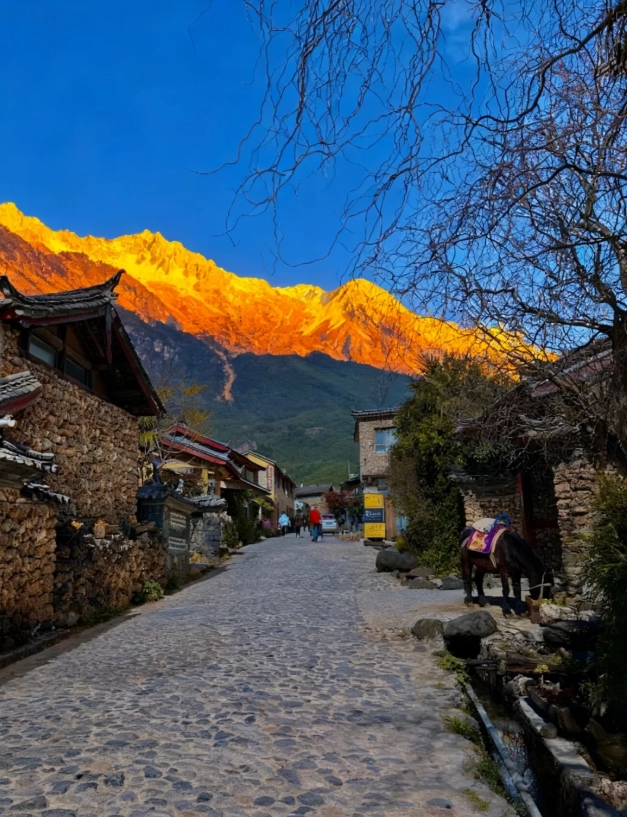
Where to Eat in Lijiang: From Local Snacks to Sit-Down Meals
Lijiang's food scene is a blend of Naxi, Tibetan, and Sichuan flavors. Don't skip the street food, but also sit down for proper meals. Here are the must-try items:
| Dish | What It Is | Where to Find | Price |
|---|---|---|---|
| Flower Cake (鲜花饼) | Pastry stuffed with rose petals | Everywhere on Sifang Street | 3–8 CNY |
| Chicken Soup with Mushroom | Slow-cooked chicken broth with wild mushrooms | Any small restaurant near the waterwheel | 40–60 CNY per pot |
| Naxi Sausage | Smoky pork sausage grilled on sticks | Night market on Xinhua Street | 10–15 CNY per stick |
| Sour Fish Hotpot | Spicy and sour broth with whole fish | Longquan Lane (look for the crowded ones) | 80–150 CNY per person |
One insider tip: The prices I list are for tourists. If you wander two streets beyond the main square, the same food often costs 30% less. Follow the locals — they know where to eat well.
Where to Stay: Choosing the Perfect Lijiang Base
Staying inside the old town is the classic experience, but it's not for everyone. Here's a breakdown of your main options:
| Area | Pros | Cons | Best For |
|---|---|---|---|
| Old Town core (Sifang St.) | Immediate immersion, close to nightlife | Noisy, high-priced, luggage-transport nightmare | Young travelers who want action |
| Old Town peripheral (near South Gate) | Quieter, still charming, easier taxi access | 10-min walk to center | Couples and families |
| New Town (near Baishui Square) | Modern, cheap, calm | Far from the ancient vibe | Budget backpackers |
My personal pick for first-timers is a boutique guesthouse near South Gate. You're a 5-minute walk from Sifang Street, but you won't hear the bar guitars until 3 AM. Ask for a room with a view of the old rooftops — the morning mist is unforgettable. Before booking, confirm the hotel has an elevator (many traditional structures don't), 24-hour hot water, and staff who speak at least basic English.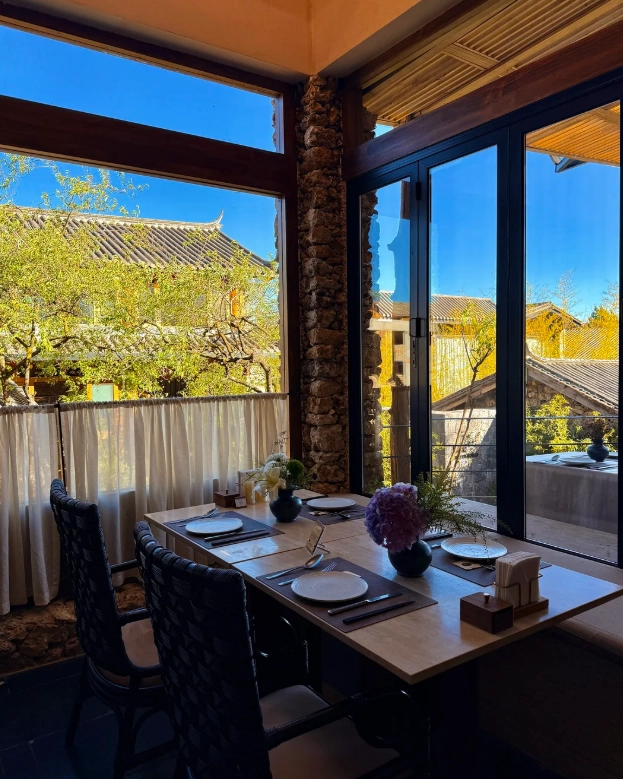
FAQs: Answers to Your Lijiang Travel Itinerary Questions
Lijiang will stay with you long after you leave — the smell of roasting chestnuts, the sound of a waterfall running beneath your feet, and the silhouette of that snow mountain looming over everything. With this itinerary, you'll see the best of it without the selfie-stick mob. Have a blast out there, and feel free to send me a message if you get stuck (my email's in the comments).






This route has some good ideas, but I felt it was a bit inconsistent. We followed the plan on day one and the old town was lovely in the early morning, but by lunchtime the 'hidden' cafes it recommended were either closed or packed. The instructions for getting to Lashi Lake were confusing and we ended up going round in circles. Also, the itinerary seemed to assume you'd be ok with an early start every day, which was optimistic after a late arrival. I wouldn't call it terrible—the concept of beating the crowds works—but the execution needs tighter maps and more realistic timings.
A solid plan overall and we saw most of the highlights without too much waiting. The order of sights makes sense, especially ending at the less touristy spots. I’m giving it 4 stars instead of 5 because it undersold the altitude at Jade Dragon Snow Mountain—we needed an extra rest stop than the schedule allowed. Also, the printed maps in the old town are poor, so bring a phone charger and download the offline section. Still, it’s the best route I found for avoiding the main crowd bottlenecks.
As a solo traveler, I was tired of the typical Lijiang checklist that just sends you to Square Street. This itinerary actually gets you out to Baisha and the Naxi villages, which made the trip feel authentic. I loved that it included a local morning market and a route that avoided the midday tour groups. Some of the small alleyways mentioned were a bit hard to find, but that's part of the fun. Really made my three days feel richer and more personal than any other guide I skimmed.
Used this itinerary with my parents and it was the perfect balance. The directions were easy to follow, and I loved that it mentioned booking the big cable car early—we walked right past the long ticket line. Black Dragon Pond in the morning was gorgeous, not crowded at all. The only reason it gets a 5 for us is because everything ran smoothly: the car hire, the short hike, even the tea break in Shuhe. If you're visiting Lijiang for the first time, this plan saves you a lot of guesswork.
This 3-day route was a lifesaver. We hit the old town at 7am and had the cobblestone lanes almost to ourselves, just the sound of water channels and a few shopkeepers setting up. The timing for Jade Dragon Snow Mountain was spot on too—we got up and down before the tour buses arrived. I’m honestly not a group-tour person, but this itinerary made the crowds manageable and we even had time for a quiet lunch in Baisha. Highly recommend if you want Lijiang without the shoulder-to-shoulder feeling.