 Fang Wang
Here’s what we’ll cover — short and clickable:
- Why Hangzhou Safety Is Easier Than You Think
- The 7 Hangzhou Safety Tips That Actually Work
- How to Avoid Hangzhou Scams (and What to Do If You Fall for One)
- How to Pay Safely in Hangzhou with Alipay or WeChat Pay
- Is Hangzhou Safe at Night? My Honest Take
- What to Do in a Hangzhou Emergency: Passport, Health, and Police
- FAQ: Your Hangzhou Safety Questions, Answered
Hangzhou is safe. Really. But I’ve still seen tourists cry in West Lake’s crowds — over a lost phone or a fake “teahouse” receipt. Let me help you avoid that. The Hangzhou safety tips below come from a decade of guiding visitors through this city. Whether you’re worried about pickpockets, taxi overcharges, or your passport going missing, I’ll tell you exactly how to stay secure — without losing your cool. Here’s the bottom line: if you split your money, disable card readers on your phone, and book everything through Trip.com, you’ll be safer than 95% of tourists I meet. Now let me break down the seven rules that matter most.
Why Hangzhou Safety Is Easier Than You Think (But Not a Free Pass)
Let me be direct: Hangzhou is one of the safest major cities in China. Violent crime against tourists is nearly unheard of. The city has a massive police presence, especially around West Lake and major attractions. You can walk alone at midnight in the city center without feeling threatened — that’s something I wouldn’t say about many capitals.
However, “safe” doesn’t mean “scam-free.” The biggest risks are petty theft and tourist-targeting frauds. Most incidents happen in crowded spots where you’re distracted: the West Lake causeways, Hefang Street, metro stations, and the area around Lingyin Temple. Thieves usually work in pairs — one distracts you, the other grabs your phone or wallet.
Another overlooked risk: becoming a target because of how you look. Foreigners stand out. If you’re wearing a fanny pack, carrying a selfie stick, and reading a paper map, you’re announcing “tourist.” I always tell my clients: blend in. Dress like a local, keep your camera in your bag until you need it, and don’t count money in public.
So, is Hangzhou safe for tourists? Yes — if you apply the 7 tips below. They’re not complicated, but they’ll save you from the most common headaches.
The 7 Hangzhou Safety Tips That Actually Work
These are the rules I give to every guest. Follow them, and you’ll likely leave with nothing but good memories.
1. Keep Your Passport and Cash Split
This is rule number one. Never carry your passport, credit cards, and your phone in the same bag. If your bag is stolen, you lose everything — and replacing a passport in a foreign country is a nightmare. I always tell visitors: keep your passport in the hotel safe and carry a color photocopy. If you absolutely need your passport for a ticket or hotel check, carry it in an inner pocket, separate from your wallet.
2. Use Alipay or WeChat Pay — But Lock Down Security First
Cash is becoming rare in Hangzhou. Many small vendors don’t accept cash at all, and some restaurants won’t take international credit cards. That’s why you need Alipay or WeChat Pay. But here’s the catch: before you fill your account, you must change the security settings. Turn on “face-to-face payment” requires your phone to be unlocked, set a daily transfer limit, and disable “small amount passwordless payments” if possible. I’ve seen tourists lose money by scanning a malicious QR code planted by a fake vendor — the code charges you instantly with no confirmation. So never scan a random QR code unless you’re about to pay for something you’ve ordered.
3. Ignore “Tea Ceremony” Invitations
This is the classic Hangzhou scam. An approachable (often female) student will stop you near West Lake and claim she needs to practice her English. She’ll invite you to a traditional Chinese tea ceremony at her uncle’s teahouse. The “uncle” will then charge you an astronomical amount for low-grade tea — sometimes hundreds of dollars. Even if you only sip once, you’ll be handed a bill. I’ve rescued many guests from this trap. The best defense is simple: politely say no and keep walking. Don’t feel rude — it’s a known scam.
4. Take Official Taxis Only (or Use Didi)
Unofficial taxis run rampant near tourist spots. They might tell you the meter is broken or quote a fixed price that’s 3x the normal fare. Always use the taxi queue at designated spots, or better yet, book via Didi (the Chinese Uber) through the Alipay app. Didi shows the price upfront and you can easily complain if the driver takes a longer route. If you must take a taxi, make sure the driver turns on the meter. And don’t accept rides from drivers who approach you at the airport or train station — they’re almost always overpriced.
5. Watch Your Phone in Crowded Spots
Pickpockets in Hangzhou target phones. They often work with a distraction: someone might “accidentally” bump into you, or a group of children surround you asking for money. I’ve seen it happen in the metro line 1 near Hangzhou East Station, and in the narrow alleys of Hefang Street. Keep your phone solidly in your front pocket or a bag with a zipper, and never hold it loosely in your hand while browsing. If you’re using a map, stop walking and stand against a wall.
6. Use a VPN and a Translation App
This may sound like an IT tip, but it’s a safety tip too. Hangzhou uses Google services poorly — Google Maps is often inaccurate or won’t load. Apple Maps works fairly well with Chinese roads, but for real-time transit, use AMap (高德地图) — it has an English interface called AMap Global. To keep your map, email, and messaging apps working, you’ll need a reliable VPN installed before you arrive. And download Apple Translate or the Baidu Translate app — you’ll need it to communicate in off-the-beaten-path restaurants and shops. Trust me, being able to ask for help in Mandarin (even with translation) makes you feel incredibly safe.
7. Know the Emergency Numbers by Heart
Memorize these three numbers: police 110, ambulance 120, fire 119. They are free from any phone. Save your country’s embassy or consulate number too. For instance, the U.S. Consulate in Shanghai’s emergency line is easy to look up online. Also, know your hotel’s front desk number — the staff can often handle translation if you need help. If your phone is stolen, find a passerby and ask them to call 110 for you.
How to Avoid Hangzhou Scams (and What to Do If You Fall for One)
You’ve already heard the tea scam. Here are other common tricks:
- Fake police check: Someone in plain clothes flashes a “badge” and demands to see your passport and wallet to inspect for counterfeit money. This is NOT the Chinese police. Real police wear uniforms and will never ask to handle your cash. Say “call 110” and they’ll back off.
- Currency exchange offers: Strangers on the street offering to exchange money at a “good rate” will give you counterfeit bills. Use only banks or official exchange counters.
- “Charity” sign-ups: You’ll be handed a clipboard and asked to donate to a children’s charity. It’s a setup — they’ll distract you while an accomplice grabs your bag.
- High-price art auction near the West Lake Museum: Someone asks you to draw a simple stroke of calligraphy, then claims you “won” a piece that requires a framed price. Avoid.
If you realize you’ve been scammed, don’t chase the person. Dial 110 and report it to the police. English-speaking officers are rare, so ask your hotel to help translate. For amounts less than ¥500, you’re unlikely to get your money back, but reports still matter.
Pro tip: I keep a cheap prepaid phone for travel. It doubles as a distraction device — if a thief grabs it, they walk away with a $30 phone, not your main device.
How to Pay Safely in Hangzhou with Alipay or WeChat Pay
Setting up Alipay with an international credit card is mandatory for a stress-free trip. Download Alipay before you arrive, and add your Visa or Mastercard under the “international card” option. Don’t attempt to use cash in most small shops — shopkeepers will wave you away. Here’s what I tell my clients:
| Action | Why It’s Important | How to Do It |
|---|---|---|
| Set a daily limit | Limits damage if your phone is compromised | Alipay → Settings → Payment Settings → Set Daily Limit |
| Disable “Mystery Box” and “Express Scan” | Prevents accidental payments from scanning a wrong QR | Alipay → Security → Permissions |
| Use a dedicated travel card | If it’s drained, it’s not your main account | Get a travel debit card with low balance |
| Check notifications | Instant alerts for every transaction | Customize notifications in the app |
Also, never hand your phone to a street vendor to enter the amount. Some sellers try to type a higher number. You type the number yourself, then let them scan your code. That’s the safest way.
Is Hangzhou Safe at Night? My Honest Take
Short answer: yes, but with common sense. Hangzhou’s nightlife is lively and heavily patrolled. The areas around Wulin Square, Hubin Road (the lakeside walk), and the Grand Canal are safe well past midnight. I’ve walked along West Lake at 1 a.m. — you’ll see joggers and young couples taking photos, not shady characters.
The only places I’d avoid after 11 p.m. are the backstreets of the City God Temple area and the southeastern corner of West Lake around Leifeng Pagoda’s less-lit paths. These are not “dangerous” by Chinese standards, but they’re dark and quiet, so your chances of being targeted by a drunk brawler or a petty thief increase.
Additionally, be careful when renting a bike at night. Use the official shared bikes from Meituan or Didi. Check the brake before you ride down a hill — the hills around West Lake are steeper than they look. I once had a tourist crash because the front brake was broken.
What to Do in a Hangzhou Emergency: Passport, Health, and Police
Losing your passport is the most stressful thing that can happen. Here’s the step-by-step:
- Report the loss to the police: Dial 110 or visit the nearest police station. They’ll issue a “Loss of Passport” police report — you need this to apply for a replacement.
- Contact your country’s embassy or consulate: Some have an emergency mobile number for cases in Hangzhou. Check your embassy’s website for the latest instructions.
- Apply for a replacement passport: The consulate usually issues an emergency passport (2 pages) within 1-2 business days. You’ll need a police report, a passport photo, and proof of identity.
- Bring that police report to your hotel and to the railway checkpoints if you have onward trains. You can usually board trains with a police report if you also have a copy of your passport. Book train tickets on 12306.cn or Trip.com.
If you need medical help, dial 120 or ask your hotel to call a doctor. Hangzhou has several large hospitals; the best approach is to ask your hotel to help you find one with an international department. Sir Run Run Shaw Hospital and Hangzhou First People’s Hospital are common choices but usually require a translator.
If you’re arrested or have a police issue, remember: foreigners are treated fairly but you have the right to contact your embassy immediately. Write down the names of officers and note the time. Most likely it’s just a minor dispute, but stay calm.
For minor cuts or allergies, visit the pharmacy (药房) and use your translation app to explain symptoms. Pharmacists are generally helpful.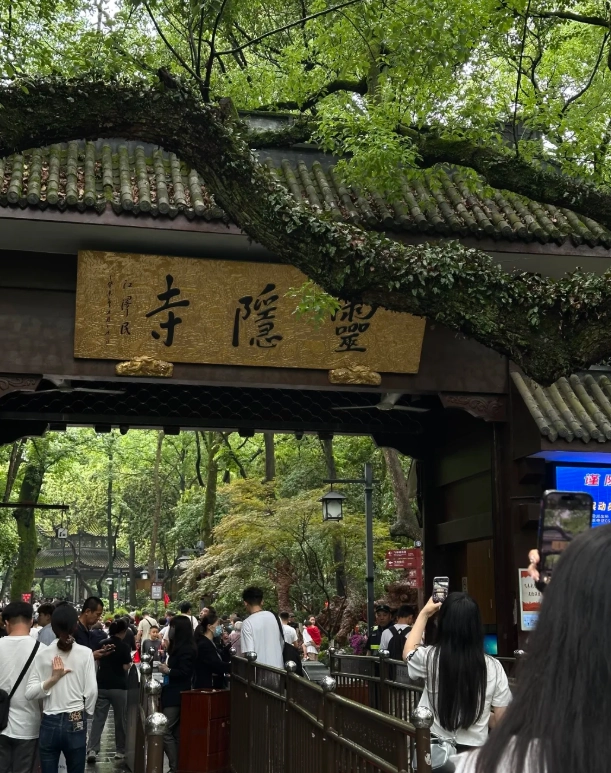
FAQ: Your Hangzhou Safety Questions, Answered
Yes, safer than most European cities. You’ll see solo women jogging along West Lake after dark. Safer strategies: stick to the main walkways between Wulin Square and Hubin Road, avoid dimly lit side streets, and always use Didi (from the app) rather than hailing a random cab. Keep your hotel’s phone number in your pocket. Within the core tourist zones, you have nothing to fear.
Buy only from state-run shops or the official Longjing Tea Garden Cooperative. Don’t buy from street vendors, and be intensely suspicious of anyone who claims to be a “tea expert” taking you to a private tasting room. If the price seems too good — like ¥50 for 250g of top-quality Longjing — it’s fake. Genuine Longjing sells at ¥500+ per 250g. Always ask for a receipt.
First, borrow someone’s phone to dial 110. The police can track the device if you had location services on with local SIM. Then, lock your banking apps and change your Apple/Google password. Report to your hotel front desk — they can help you block the phone’s IMEI. In the future, keep your phone in a bag with a clasp and install a tracking app like “Find My iPhone” before you arrive.
No district is “unsafe” in the violent-crime sense. But as a tourist guide, I’d suggest you skip the area around Hangzhou East Railway Station at night — it’s poorly lit and many scammers hang around. You also don’t need to visit the rural hill villages unless you have a local contact; they’re safe but remote and rescue access is slower.
Chinese law states foreigners should carry their passport or a copy. In practice, you won’t get checked often, but police may ask if you’re near the border or during special events. Carry a color photocopy of your passport’s info page and your visa page. Keep the original locked in your hotel safe. If asked by a plainclothes officer, remember: real Chinese police don’t touch your cash. Say “let’s go to the police station” and they’ll likely walk away.
Verified and fact-checked by the editorial team.






I've lived in Hangzhou for two years and I still found the rule about checking your cycling route before renting a bike hilarious and true. The advice about carrying a physical copy of your passport in case your phone dies is gold — I learned that the hard way at hotel check-in. The guide doesn't fearmonger; it gives realistic street smarts for a city that is genuinely safe if you know the basics. I send it to every visitor I know.
I'm not usually one to read safety tips, but this was refreshingly straightforward. The water rule was oddly comforting — I'd been stressing about my stomach the whole trip, and the tip about ordering hot tea by default solved it. I also tested the 'look like you know where you're going' rule while night jogging along the canal. Zero sketchy moments. This is the only article I actually finished on the flight over.
Some useful points, but I expected more depth from a guide titled 7 Rules. The tourist-trap teahouse warning is accurate — we got roped into one near West Lake. But the writing repeats itself in places and the layout is hard to skim on mobile. It's fine if you're naturally paranoid like me, but not a must-read.
Solid practical advice, and I liked that it explained the why behind each rule rather than just saying 'be careful.' The bit about snatch thefts near the footbridge made me grip my phone a little tighter. Only reason it isn't 5 stars: it feels aimed at backpackers more than older travellers. Still, I'd hand this to any friend visiting Hangzhou.
This guide popped up right before my first solo trip to Hangzhou and honestly, the what3words tip felt like overthinking at first. Then I couldn't find my host in the alley behind Lingyin Temple and it saved me. The warning about unmarked taxis is also spot on — I'm pretty sure one tried to take the meter off before I pulled it up. Read it in one sitting, highlighted half of it.