 Qiang Huang
What's Inside This Guide
- Hangzhou Metro: Your Underground Superhighway
- Buses: The Budget Option with a Learning Curve
- Taxis and Ride-Hailing: When You Need Door-to-Door
- Biking and Walking: The West Lake Way
- Boats and Ferries: Sit Back and Float
- How to Pay for Everything (Without Cash)
- From Hangzhou Airport to the City Center
- FAQ: Your Burning Questions Answered
Stuck on a bridge as the meter ticked upward, I had 20 minutes to make a train that wouldn't wait. The traffic sensor had me trapped. That's when I swore I'd master every transport mode this city has.
Here's the kicker: Hangzhou's transportation options are plentiful, but the system runs on a digital payment ecosystem that leaves many foreign tourists stranded. Wait — don't panic. I've spent years navigating this city with clients. I'm here to give you the exact routes, costs, and payment hacks you need to move confidently.
Let's cut through the noise. The single best way to get around is the metro. It's fast, cheap, and covers nearly all tourist hotspots. Below I'll break down every option — with personal stories and insider tricks — so you can spend less time stressing about transit and more time enjoying West Lake.
Hangzhou Metro: Your Underground Superhighway
The metro is my absolute favorite way to get around Hangzhou. It's clean, punctual, and the only mode that'll get you across town during rush hour without losing your sanity. Trains run from 6:00 in the morning to around 23:00, and intervals are every 3–8 minutes depending on the time of day.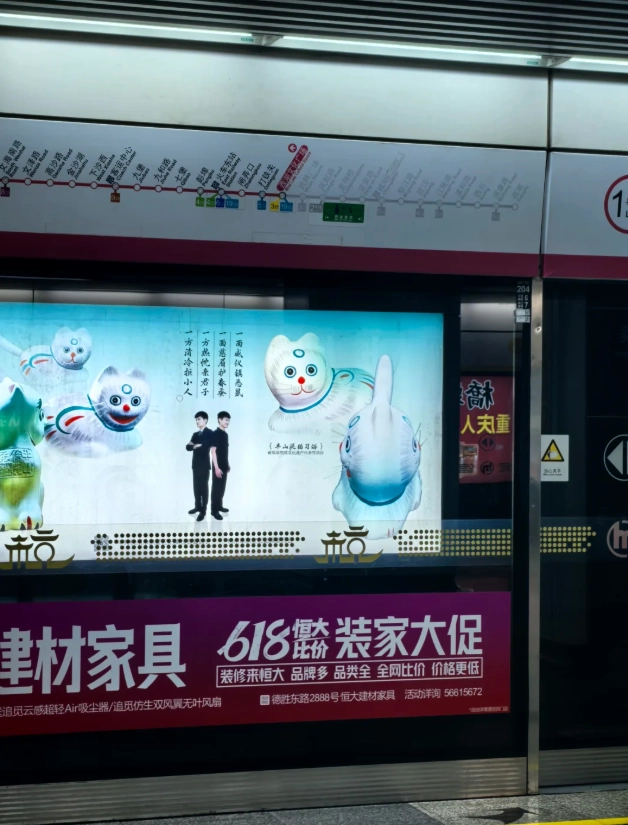
Which Lines Matter for Tourists?
For most sightseeing, you'll rely on Line 1. It hugs the city's east side and stops at landmark spots like Longxiangqiao (for West Lake) and Hangzhou East Station. Line 2 crosses the old city and connects to Line 1 at many stations. Line 5 is great for getting to the Grand Canal and some newer attractions.
How to Ride the Metro with Your Phone
Download Alipay and activate your international card before you arrive. Then, open Alipay's "Transport" feature and select "Metro" for Hangzhou. A QR code appears. Scan it at the gates — you're in. The same code works at the exit, and the fare is automatically deducted. No need to buy a ticket.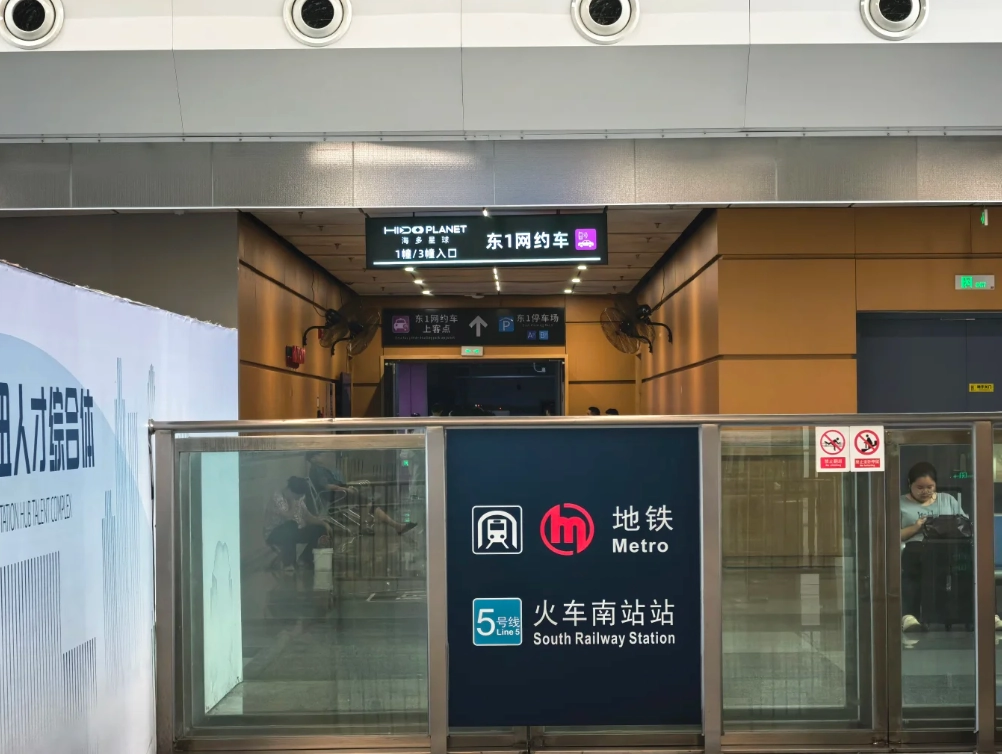
Pro Tip: Avoid the ticket-vending machines. They only take cash or local payment apps, and they often have long lines during peak hours. The QR code is faster.
Once I spent 10 fuming minutes at a machine because it wouldn't accept my card. Since then, I've never looked back.
Buses: The Budget Option with a Learning Curve
Hangzhou has an extensive bus network. Fares are a flat 1–2 yuan (about 15–30 cents) for most routes, making it the cheapest option. However, the system is dizzyingly complex. Stops are announced in Chinese (and sometimes English), and maps are mostly in Chinese. Unless you're a route-reading pro, I'd skip buses for everything except a few tourist-specific lines.
There's a tourist line called "Y2" that loops around scenic sites. It costs 5 yuan and runs during the day. But honestly, the metro is faster and easier to understand.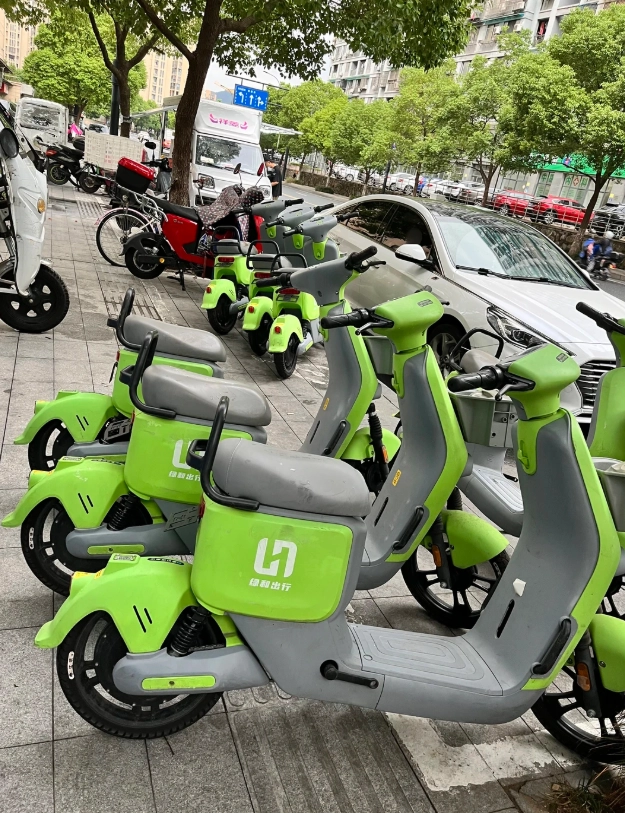
Insider Advice: Even if you get on a bus, scan your Alipay bus code. Nobody carries coins, and the driver won't accept crumpled bills.
Taxis and Ride-Hailing: When You Need Door-to-Door
Sometimes the metro just doesn't cut it. That's when you turn to taxis or Didi.
Taxis: The Old-School Way
Taxis are bright blue and easy to spot. The starting fare is about 11 yuan, and it goes up by 2.5 yuan per km. They run on meters, so no haggling. But here's the catch: most taxi drivers don't accept credit cards. You'll need cash or a QR code payment. Also, during rush hour, finding a taxi can be a nightmare.
Didi: The App That Saves You
Didi is China's Uber. The app now has an English version and allows you to link a foreign credit card. That's a lifesaver. Here's how to use it:
- Download Didi (or use its mini-program inside Alipay).
- Register with your phone number (you can use a foreign number, but a Chinese one is best).
- Set your pickup, type your destination in Chinese (or use the map).
- Pay via Alipay or directly with your linked card.
I always tell my clients to have your destination written in Chinese — it makes pickups seamless.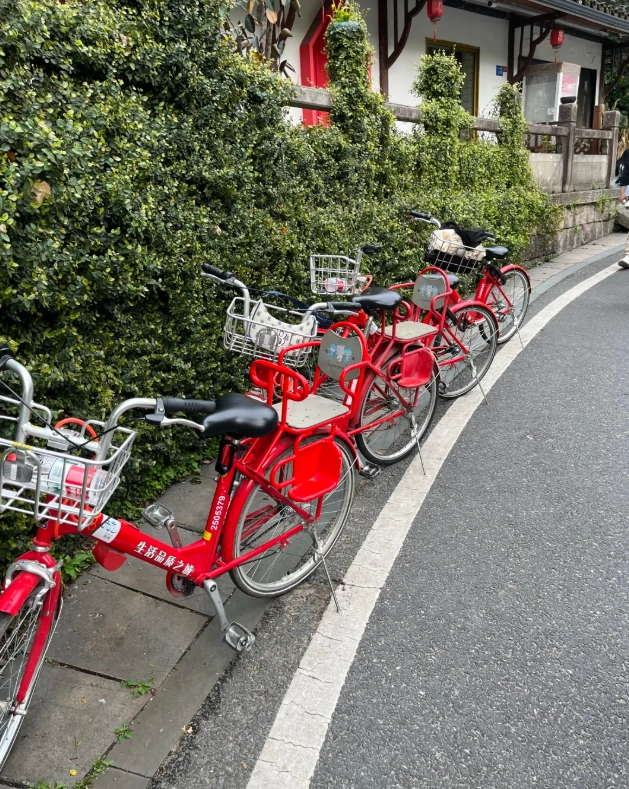
Pro Tip: If you're taking a taxi from West Lake to the airport, agree on the price before getting in. Official taxis will use the meter, but some drivers might try to negotiate.
Biking and Walking: The West Lake Way
West Lake is huge, and walking its entirety is a workout. That's where shared bikes come in. Companies like Meituan and Hellobike have millions of bikes across the city. You unlock them by scanning the QR code with Alipay, and they cost about 1.5 yuan per 30 minutes.
Where to Ride and Where to Walk
The lakeside promenade is pedestrian-only, so you'll need to walk there. For the wide boulevards, biking is fantastic. My favorite route is the north shore: start at Broken Bridge, ride to Su Causeway, and end at Nanping Hill. It's about 6 km and takes 30 minutes if you're not stopping for photos.
Don't Get Trapped by the Bike Lock
A little warning: always park at a designated bike spot. The GPS lock won't release if you park in a random spot, and you'll keep paying. Trust me, I've been fined for that.
Boats and Ferries: Sit Back and Float
You're in the land of water — boats are a must. At West Lake, you'll find several boat piers. Regular boats cost about 50 yuan per hour for a board ride, and gondolas are around 120 yuan. These are more for sightseeing than transport, but they do cut across the lake, saving you 20 minutes of walking.
There are also ferries along the Grand Canal that connect to the urban area. These are cheap (about 3 yuan) and serve as a scenic way to travel between the city center and the canal's historic towns.
How to Buy Boat Tickets
Just go to the pier and buy a ticket. They accept cash, Alipay, and WeChat. No pre-booking needed for the small boats.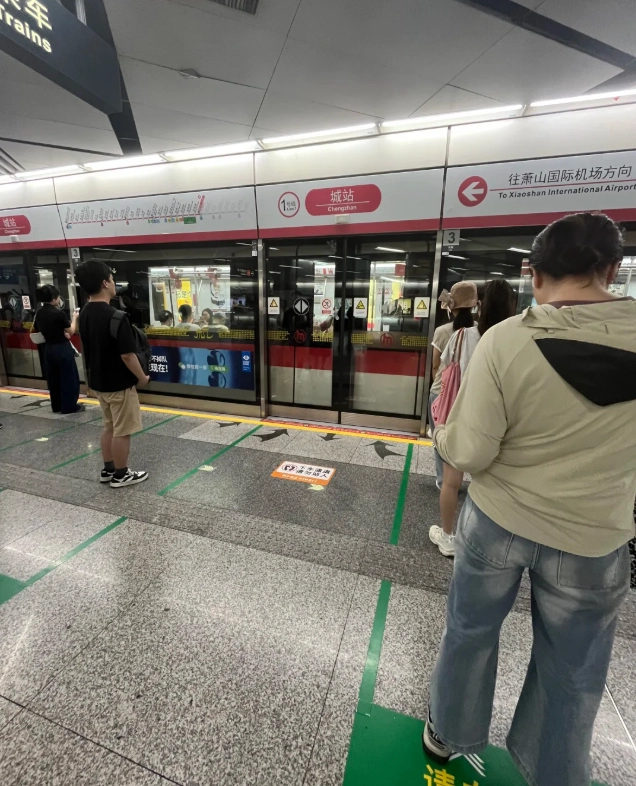
How to Pay for Everything (Without Cash)
This is the most important section. Hangzhou is a cashless city. If you try to pay with a foreign card, you'll get blank stares. The solution? Alipay and WeChat Pay. Here's the plan:
- Before you leave, download Alipay and link your international Visa or Mastercard.
- Set up the transit QR code for Hangzhou.
- For taxis and local stores, scan their QR code with Alipay.
Alipay now works seamlessly with foreign cards for metro, buses, and nearly every shop. WeChat Pay is similar but a bit more cluttered.
Pro Tip: Add a backup payment method. Sometimes Alipay's link to your card fails. I always carry 200 yuan in cash for emergencies — it's saved me more than once.
From Hangzhou Airport to the City Center
Xiaoshan International Airport (HGH) sits about 27 km east of downtown. You have three solid options.
| Mode | Cost | Time | Best For |
|---|---|---|---|
| Metro Line 19 | ~8 yuan | 25 min | Faster, no traffic |
| Airport Shuttle Bus | 20 yuan | 45-60 min | Budget-friendly |
| Taxi | ~120 yuan | 40 min | Door-to-door, night arrivals |
The fastest is the Metro Line 19 (Airport Express). It's a modern line that zooms from the airport to the city center in about 20 minutes, with stops at key transfer points. From there you can catch Lines 1, 2, or 5.
Alternatively, the airport shuttle bus runs to various hotel districts and the main train station. It's the cheapest, but traffic can make it slow.
Taxis from the airport cost around 120 yuan and take 40 minutes, depending on traffic. At night (after 23:00), the metro stops, so a taxi or ride-sharing is your only option.
Pro Tip: If you land after the metro closes, use Didi's "Airport Taxi" option. You'll pay a bit more, but it's safer and cheaper than the drivers who pounce at the exit.
FAQ: Your Burning Questions Answered
This content has been fact-checked to ensure informational precision.






Coming from Copenhagen, I'm used to cycling everywhere, so I rented a public bike to get from the train station to the Lingyin Temple area. The dedicated bike lanes around the West Lake are a godsend. I hit a short rain shower, but the trees covered most of the route. The bike was a little rattly, but nothing serious. I overtook a line of cars that was completely stopped, no joke, for five minutes. That alone sold me. If you like cycling, this city is a dream.
Okay, the real local move is the water bus on the Grand Canal. I hopped on at Wulinmen at sunset, got a window seat, and just watched the old warehouses and bridges slide by. It's slow, a bit creaky, and absolutely perfect if you're not in a rush. I paid something like 3 yuan for a 40-minute ride. The air smelled like river water and fried things from a nearby food stall. I almost missed my stop because I didn't want it to end.
Honestly? I planned to love the city bus tours, but it was a letdown. We waited 25 minutes at the stop near Leifeng Pagoda and when the bus came, it was packed. The driver was polite, but the air conditioning was barely doing anything in that heat. The fare was cheap, sure, but I left feeling more tired than when I started. Next time I'll just pay for the taxi even if it means sitting in traffic.
First time in Hangzhou and I was worried about the traffic horror stories. Ended up using the shared bikes a lot. The river path near the Qiantang is smooth and shaded, and the app worked fine once I switched to the local version. One thing though—a few bikes were in bad shape, with one that had a wobbly pedal. Still, for a spontaneous ride to the Botanical Gardens, it felt great. Just check the bike before you unlock.
We landed at 9am and needed to get to the West Lake area. The taxi line was insane, so I gave the metro a shot. Honestly, it was way easier than I expected. The signs are in English, the trains are spotless, and we got to Longxiangqiao in about 30 minutes. Even managed to grab a breakfast bun from a little shop inside the station. For less than 3 yuan, I was at my hotel without touching a single traffic jam. Beats sitting in a cab for an hour, hands down.