 Qiang Huang
What's Inside
Spring in Hangzhou? Gorgeous. Also, pure chaos.
I've watched too many first-timers get swallowed by tour groups at West Lake's Broken Bridge. They leave feeling like it was overrated.
But here's the thing — if you know exactly where to stand and when, you can have the blossoms and lake views almost to yourself. These Hangzhou spring travel tips come straight from my years leading trips around Zhejiang's capital.
If you're searching for Hangzhou spring travel tips, you've probably heard the basics: rent a bike, cruise the lake, snap photos at Leifeng Tower. What the guides don't tell you is that your Alipay might not work, Google Maps will mislead you, and the famous West Lake loop is 10 kilometers of walking that's miserable under a midday sun.
Here's what actually works: skip the east shore entirely, enter West Lake from the north via the Quyuan Wind-hearing Lotus area, and book your Lingyin Temple tickets the night before. I'll unpack each tip below — plus give you a day-by-day spring plan that avoids the worst crowds.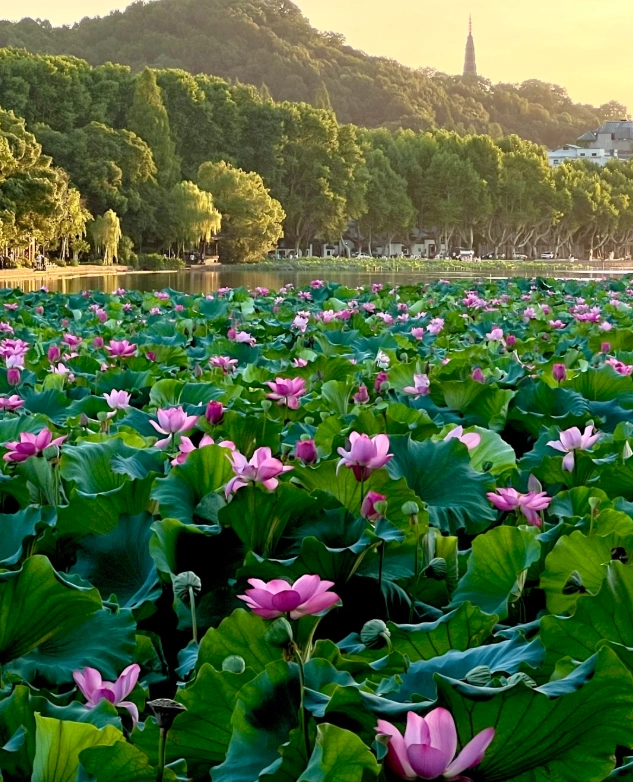
Key Hangzhou Spring Travel Tips for First-Timers
Spring in Hangzhou is beautiful, but it's also the busiest season. These five tips come out of my own tours and should save you from the most common headaches.
1. Start Your West Lake Day from the North Shore
Skip the iconic Broken Bridge in the morning — you'll hit a wall of tour groups. Instead, take a taxi or bus to Yuemiao (岳庙) and walk east into the Quyuan Wind-hearing Lotus area. This part of the lakeshore has fewer groups, so you can actually enjoy the willows and blossoms in peace. You can always circle back to the bridge later around sunset, when the crowds thin out.
2. Pre-Book Tickets on Trip.com or Klook
Most major sights like Lingyin Temple and the botanical garden now require a timed entry ticket with your passport number. The official WeChat mini-programs are in Chinese and can be a pain for foreigners. I always tell my clients to book on Trip.com or Klook instead — they have English interfaces and accept international cards. Do it the evening before, or you'll be turned away at the gate like I've seen happen a hundred times.
3. Ditch Google Maps — Use Apple Maps or AMap
Google Maps is unreliable for walking and public transit in mainland China. It often sends you to closed gates or missing bus stops. For a smoother experience, download Apple Maps (it uses MapKit and works okay in China) or the AMap app and switch it to English. If you're hailing a ride through Alipay or WeChat, the built-in maps are more accurate. I always have AMap on my phone when leading tours.
4. Keep 200 Yuan in Cash as Backup
While Alipay and WeChat Pay are everywhere, there will be moments—like a tiny breakfast stall or a taxi that's 'card machine broken'—where cash saves you. International credit cards are rarely accepted outside high-end hotels. Withdraw from an ATM or exchange at the airport, and don't expect to use Visa or Mastercard at most spots. I've seen tourists struggle to buy a bottle of water because they didn't have cash.
5. Download Apple Translate or Baidu Translate with Offline Packs
Only a few people in tourist zones speak English, and menus are often picture-only. The camera translation in Apple Translate is a lifesaver for reading ingredient labels and notices. Remember to download the Chinese offline pack before you arrive, since VPNs can be slow. Baidu Translate also has a good OCR mode, but Apple Translate works seamlessly on iPhones.
How to Plan a 3-Day Spring Itinerary in Hangzhou?
Based on my experience, three days is the sweet spot for a first visit. This plan balances highlights with local atmosphere, and leaves room for unexpected encounters.
Day 1: Classic West Lake Without the Swarms
Start early (around 7:30 AM) and hit the north shore first.
- 7:30 - 9:30: Walk from Yuemiao along the Quyuan Wind-hearing Lotus and Su Causeway. Grab a quick breakfast of scallion pancakes from a street stall. Allow about 40 minutes of relaxed walking.
- 9:30 - 11:30: Take a taxi to Lingyin Temple — it's about 20 minutes from the lake. Arrive by 10 to avoid the midday rush. Spend two hours exploring the grottos and the temple itself. Entry fee around 45 yuan, but always check latest pricing on Trip.com.
- 11:30 - 13:00: Lunch at a local vegetarian restaurant near the temple — try the 'Fu' noodles and fresh bamboo shoots. Ask for a no-meat menu; they usually have picture menus.
- 13:30 - 16:00: Head to the China Tea Museum in Longjing Village. You'll learn how Longjing tea is produced, and the hillside terraces are perfect for spring photos. Take bus 27 from the temple or a 15-minute taxi.
- 16:00 - 18:00: End at Longjing village for tea tasting and a relaxed walk through the village houses. Many tea houses offer free samples — just don't buy the first one they push.
- Evening: Go to Hefang Street for street food and souvenirs. It's touristy, but the history and snack options make it worth one night. Try the stinky tofu — it smells awful but tastes like heaven.
If it rains: Swap the tea museum for the China National Tea Museum's indoor exhibits, or head to the Hangzhou Cuisine Museum near West Lake for a hands-on dumpling class.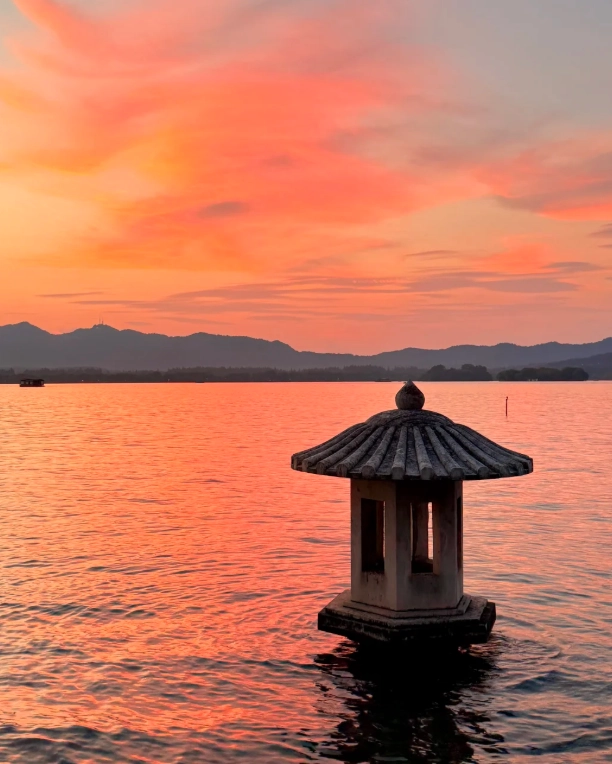
Day 2: Tea Plantations and Temples
Rise early and head west to the hills, away from the lake crowds.
- 8:00 - 11:00: Visit Meijiawu Tea Village for a morning tea-picking experience. You'll see the famous Longjing terraces, and many farms let you join the harvest for a fee. Wear comfortable shoes — it's muddy!
- 11:00 - 12:30: Lunch at a farmhouse restaurant in Meijiawu. Order the local specialties: slow-cooked pork with dried bamboo shoots and a vegetable stir-fry.
- 13:00 - 16:00: Head to the Xixi Wetland Park, a peaceful maze of waterways and fishing villages. Take a boat tour (about 90 minutes) to spot egrets and hear the reeds rustle.
- 16:30 - 18:00: Return to the city and take a stroll along the Grand Canal at Gongchen Bridge. The old warehouses now house cafes and museums.
- Evening: Try a locally loved chain, 'Grandma's Home' (外婆家), for authentic dishes like dongpo pork and mapo tofu. Expect a 30-minute wait at dinner.
If it rains: Replace Xixi with the Zhejiang Museum and the adjacent Lei Peak Pagoda. The museum is free and covers Hangzhou's history.
Day 3: Local Life and Hidden Gems
Use your last day to slow down and catch the city's everyday rhythm.
- 8:30 - 10:30: Visit the Botanic Garden's east gate — this is where the cherry blossoms are, and locals know to come early. The entry fee is about 10 yuan.
- 10:30 - 12:00: Walk through the Qushan Garden (part of the Botanic Garden) and then grab coffee at a small roastery on the edge of the grounds.
- 12:00 - 14:00: Lunch at a snack street near Wushan Square. Try soup dumplings and glutinous rice lotus root.
- 14:00 - 17:00: Take a slow walk around the southern end of West Lake, ending at Yongjin Park. This less-visited area has a beautiful pathway lined with cherry trees and a spot where locals practice tai chi.
- Evening: Watch the sunset at Leifeng Tower viewpoint (you can stay outside the tower for free) and then enjoy a final dinner of river shrimp in a lakeside restaurant.
If it rains: Go to the Hangzhou City Planning Museum to see a cool scale model of the entire city. It's free and gives you a whole new perspective.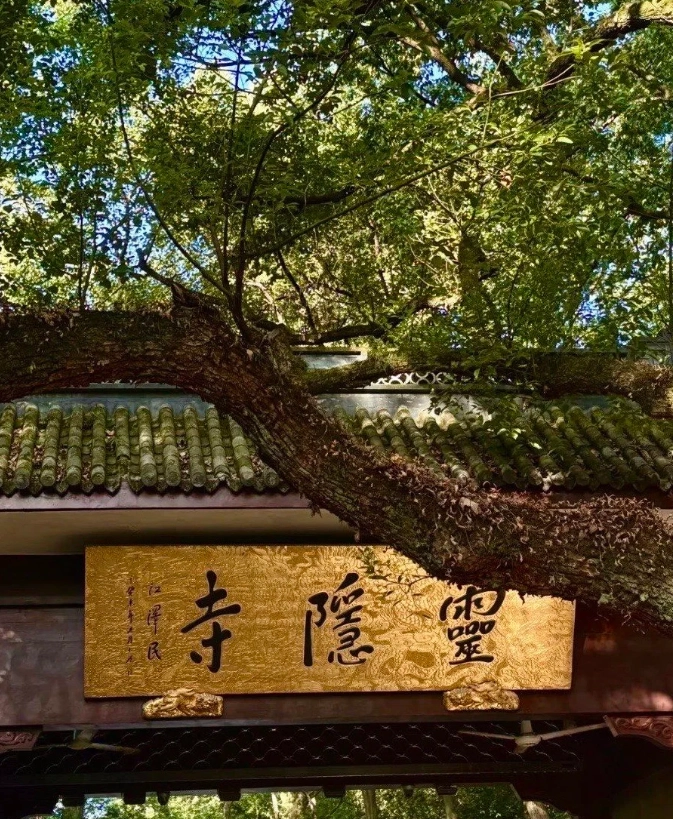
Where to See Cherry Blossoms in Hangzhou Without the Crowds
Cherry blossom season is short and intense. Instead of fighting for a photo at Taiziwan Park, here are my insider spots that still give you those pink clouds minus the chaos.
| Spot | Blossom Type | Best Time | Crowd Level | Insider Tip |
|---|---|---|---|---|
| Taiziwan Park | Cherry & tulips | Late March to early April | Very High | Go at 7 AM or skip entirely — it's a zoo after 9 |
| Botanical Garden | Cherry, plum | Mid-March | Medium | Enter from the east gate, near the flagstones; nobody knows this entrance |
| Quyuan Wind-hearing Lotus | Cherry trees near the water | Late March | Low | Perfect for photos at golden hour, without tour groups |
| Yongjin Park | Cherry along the path | Early April | Low | Local tai chi area; great for solo reflection |
Here's the catch: the blossoms bloom for only about two weeks, so always check the local forecast. I usually tell my clients to book their trip from mid-March to early April and stay flexible with their plans.
Insider Advice: The temperature spikes and rains can end the season overnight. Have a backup plan like a museum visit or a tea house experience that works even if the flowers are gone.
How to Handle Transportation, Payments, and Booking in Hangzhou
This is where most foreign tourists lose precious time. Here's your quick guide to moving around and paying like a pro.
Transport Smarts
| Option | Cost | Speed | Best For | Watch Out |
|---|---|---|---|---|
| Metro | 2-8 yuan | Very fast | Airport to city, Xihu Line | Only 2 lines, doesn't cover all sights |
| Bus | 1-3 yuan | Slow | Budget travel, local life | Routes confusing, no English signs |
| Taxi | 20-50 yuan per ride | Medium | Short distances, luggage | Not all take cards, queue at hotspots |
| Ride-hailing (Didi) | 15-40 yuan per ride | Fast | When you have a destination in Chinese | Need Alipay linked to international card |
My go-to: Use the metro for the airport transfer, and Didi for everything else. To call a Didi, open Alipay, tap 'Didi', and you'll be picked up in minutes. Just make sure to type your destination in Chinese — you can ask your hotel receptionist to write it.
Payment Setup
Before you leave, link your international Visa/Mastercard to Alipay. The process takes about 5 minutes in the app. Once linked, scan QR codes anywhere to pay. WeChat Pay also supports international cards, but Alipay is more foreigner-friendly because it has an in-app translation feature.
Remember to carry a bit of cash — some street food vendors and small temples only accept cash.
Booking English-Friendly Platforms
Skip the Chinese mini-programmes; they’ll ask for SMS verification in Chinese. Use Trip.com or Klook to book everything from attraction tickets to high-speed rail. They accept passport numbers and send e-tickets to your email. I book all my tour tickets through these, and my clients have zero issues.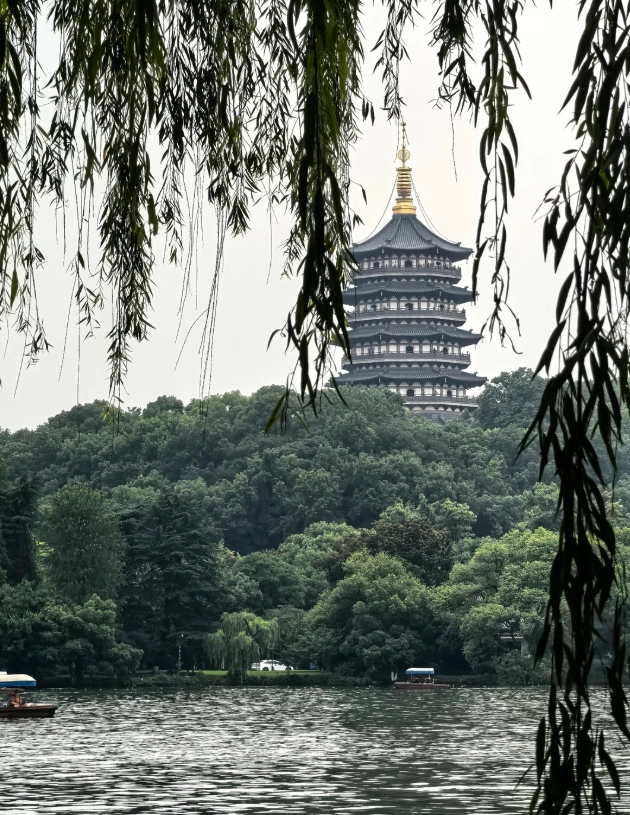
What to Eat in Hangzhou in Spring
Spring menus are all about fresh shoots, river shrimp, and delicate flavors. Here are the dishes I point every visitor to.
- Longjing Shrimp — Live river prawns stir-fried with tender Longjing tea leaves. Sweet, juicy, and incredibly fragrant.
- Spring Bamboo Shoot Soup — A slow-cooked broth with salted pork and bamboo shoots. It tastes like spring itself.
- Dongpo Pork — A braised pork belly named after the famous poet. Melts in your mouth with a sweet-soy glaze.
- Stinky Tofu — Fried fermented tofu; crispy outside, soft inside. A local street snack that divides opinion.
Where to try them: For classic dishes, look for restaurants like 'Grandma's Home' or 'Green Tea Restaurant' — they're popular with locals and have picture menus. For the best stinky tofu, head to Hefang Street and follow the smell. If you're vegetarian, be clear about it — many dishes are cooked in pork-based broth.
Note: Some restaurants only accept Alipay/WeChat, so keep your app ready. Many places close between 2 PM and 5 PM, so plan lunch before 1:30.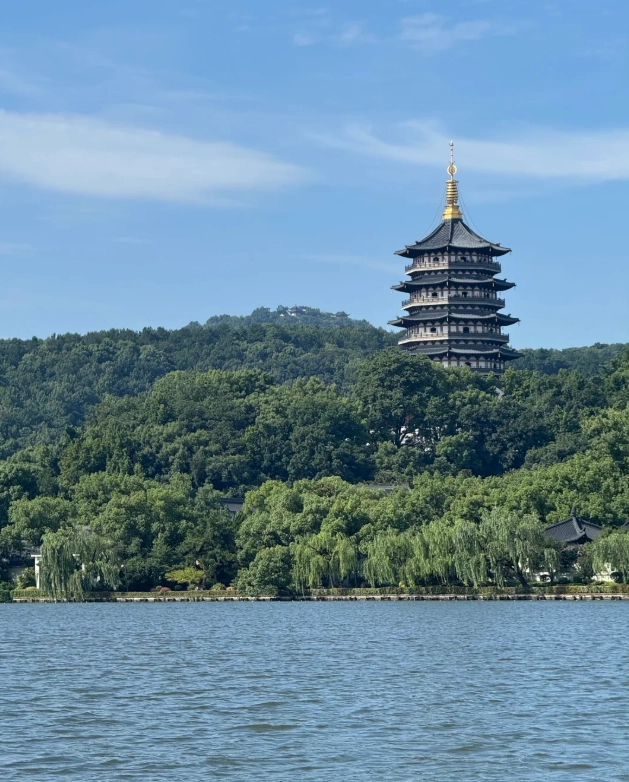
Hangzhou Spring Travel FAQ
This content has been fact-checked to ensure informational precision. However, ticket prices and opening hours may change — please verify through official channels before your trip.






I wanted to like this more than I did. The idea of skipping crowds is great, but we followed the alternate route on a Saturday and still hit packed walkways and loud tour guide megaphones. The blossom info was pretty, but there was no mention of weekend restrictions or boardwalk closures, so we lost an hour backtracking. Maybe fine if you go on a weekday, but I felt the article overpromised. Not terrible, just not the crowd-free miracle I hoped for.
Useful guide, though not perfect. The crowd-skipping maps were clear and the early start at West Lake absolutely kept us ahead of the tour groups. I gave it 4 stars instead of 5 because two of the restaurants in the article were overpriced and clearly touristy; also, the bus suggestions felt outdated. But the blossom route and timing tips are solid. Just go in with a bit of flexibility.
This is the article for spring photographers. The advice to visit the north shore of West Lake at golden hour genuinely worked — I got the Baochu Pagoda reflection shot with no one photobombing, just a few ripples and willow branches. They even explain when the tour buses arrive, which helped me plan. The blossom section described the exact trees and spots, not just “go to West Lake.” A must-read before hanging out in Hangzhou in spring.
Honestly, this guide rescued my March trip. I arrived in Hangzhou with no real plan and felt overwhelmed by the crowd forecasts. The article’s east-to-west route made so much sense; starting at Longjing Village before 9:00 worked exactly as described. I remember standing by the terraces in fresh morning air, nobody around, with that faint tea-leaf smell and a tiny dog following me. It felt like a local secret. Highly recommend if you want to see blossoms without feeling like you’re in a queue.
I’m a slow traveler and this article completely nailed the “skip crowds” promise. The tip about heading into the Hangzhou Botanical Garden’s bamboo grove at 7:30am instead of walking Su Causeway saved my whole morning. I had the peach blossom path almost to myself — just bees, bird calls and a light breeze moving through the leaves. The hidden teahouse suggestions were spot-on too. Read it twice, screenshotted every detail, and I’ll use it again next spring.