 Ming Yang
- Why Dali Solo Travel Feels Different
- How to Get to Dali Without Scams
- What to Pack for Dali Solo Travel
- My 3-Day Dali Solo Travel Itinerary
- Where to Stay in Dali: Budget vs Comfort vs Character
- How to Handle Payments, Tickets and Navigation in Dali
- Is Dali Safe for Solo Travelers?
- FAQ: Dali Solo Travel Questions
- Final Trip-Checker Before You Book
I still remember the day a solo traveler from Berlin cried at the North Gate of Dali Ancient City. Not because of the beauty — but because her Alipay wouldn't work, her hotel couldn't find her booking, and Google Maps kept pointing to a rice paddy. Dali solo travel feels like a dream when you know a few local tricks; it turns into a puzzle when you don't. After watching hundreds of visitors trip over the same invisible barriers, I've put together this guide to help you skip the nonsense and get straight to the good parts.
Here's the short version: buy your Cangshan cable car ticket for the earliest time slot, stay in the northern half of the ancient city, and eat where the taxi drivers eat. If you only remember one thing from this article, remember that. Now let's break it down.
Why Dali Solo Travel Feels Different
I'm not going to romanticize Dali. It's one of China's most polished tourist towns, and that means two things: stunning beauty and a million ways to waste your money if you arrive without a plan. The ancient city itself is a maze of stone roads, souvenir shops, and cafés that all look like they were decorated on the same Pinterest board. But behind that surface lies a real Bai culture and the kind of mountain-and-lake scenery that makes you forget your flight times.
Most solo travelers I meet make the same mistake: they try to see everything by following the giant loop around the city walls. You won't find the best meals that way. You'll find crowds and fried dough that's been sitting too long. Instead, I always tell my clients to walk north from the city center, past the mosque, and into the lanes near Yucai Road. That's where the tea smoke smells like wood and the locals gather for morning noodles.
Here's the catch: many of the food stalls in Dali's ancient city accept only WeChat Pay or Alipay. Cash is still legal, but shopkeepers will stare at you like you've offered them a dinosaur bone. So before you land in China, bind your international Visa card to your Alipay app. Use the Tour Pass feature if you don't have a Chinese bank card. I cover this in more detail further down.
How to Get to Dali Without Falling for Tourist Scams
Many travelers enter Yunnan through Kunming, then hop on a high-speed train to Dali. The ride takes about two hours from Kunming Railway Station, and tickets start from around 145 CNY. You can book directly on Trip.com or the official 12306 site, which now supports foreign passports. Just match your passport number exactly.
If you fly into Dali Airport, don't be surprised that there's no direct metro. A taxi to the ancient city will cost about 100-120 CNY, while a ride-hailing app should be closer to 60-80 CNY. Always use the official taxi line or your phone's ride-hailing service rather than the men who wave you over outside arrivals — they'll quote you double.
Pro Tip: When you arrive at Dali Railway Station, walk straight ahead to the public bus stop outside the main square. Bus 4 or 8 goes directly to the ancient city (roughly 30 minutes, 3 CNY). If you're carrying a full suitcase, take a ride-hailing car instead; the bus can get crowded during daytime.
Here is a quick transport comparison table to make your decision easier:
| Transport | Duration | Estimated Cost (CNY) | Best For | Booking Tip |
|---|---|---|---|---|
| High-speed train (Kunming–Dali) | 2–2.5 hours | From 145 | Most travelers | Use Trip.com or 12306 |
| Flight (Kunming–Dali) | 1 hour + transfers | 400–800 | If you're connecting from a farther city | Add at least 3 hours for airport logistics |
| Bus (Kunming–Dali) | 4.5–5.5 hours | 100–130 | Budget backpackers | No advance booking needed; buy at Kunming West Bus Station |
Note: All prices are approximate and change with the season. Always re-check on the day you book.
What to Pack for Dali Solo Travel That Nobody Tells You
Most packing lists tell you to bring a camera and sunscreen. Fine. But here are a few things that will actually save you:
- A hoodie or light down jacket: Even in summer, the temperature drops after sunset because of the mountain winds. I've seen people shivering in the famous night market in late June.
- A portable battery charger: Your phone is your lifeline here — for maps, payment, translation, and ride-hailing. Nothing kills a solo trip faster than losing battery in the old town.
- A small padlock: Hostels in Dali are safe, but dorm rooms often have thin lockers. Bring your own lock; rental locks are usually flimsy.
- An offline translation pack: Download Apple Translate or Baidu Translate in advance. Many menus in Xizhou and Zhoucheng have zero English.
- Cash as a backup: It's true that most places prefer digital payment, but you will need cash for the public bus and the occasional old tea seller. Keep 200 CNY in small bills.
- A physical printed copy of your hotel address in Chinese: Trust me, you don't want to be the person trying to explain Dali Old Town South Gate to a taxi driver who only speaks Yunnanese. Ask your hotel to text you their address in Chinese characters.
Insider Advice: Don't bring a drone unless you've registered it with Chinese authorities. Dali has strict no-fly zones around the ancient city and Erhai Lake, and you'll see police confiscating drones from surprised tourists.
Also, make sure you have a VPN set up before you enter China. Google Maps, Gmail, Instagram, and WhatsApp are blocked unless you use a reliable VPN. Apple Maps works in China and gives you English directions, but it doesn't always show the correct entrance to a scenic spot. I use two apps: AMap Global for rides and walking, and Apple Maps as a backup.
My 3-Day Dali Solo Travel Itinerary
This is the route I give to friends who want to see Dali without joining a tour group. It keeps you moving just enough to feel satisfied, but not exhausted. On each day, I'll include a Plan B in case it rains or you get tired.
Day 1: Ancient City, Eating, and the South Gate at Sunset
The best way to taste Dali solo travel is to arrive with an empty stomach and no fixed schedule. This is not the day to pack in every temple; it's the day to let the city pull you along. Here's what works:
- 16:00 — Check into a guesthouse in the northern part of the old city, ideally near the North Gate. This area has fewer hostels but more local life.
- 17:00 — Walk south to Wuhua Tower. Climb up for a free panoramic view of the roofs and the Cangshan mountains.
- 18:30 — Hunt for dinner on Fuxing Road and Renmin Road. Look for stalls with a long local queue. My personal favorite is a Xizhou baba stall near the Zhonghe Gate; the milk-oil version is sweet and filling.
- 20:00 — Walk the South Gate wall. The lights come on around this time and most tour groups have left, so you get the city to yourself.
If you're worn out, skip the wall and grab fresh rose-flavored yogurt at any of the small dessert shops near the central square. It sounds touristy, but it's genuinely refreshing after a long travel day.
Day 2: Three Pagodas, Xizhou, and Erhai Lake West
Riding the western shore of Erhai Lake is the closest thing to freedom I know. The wind will push your hair around, and the mountains feel close enough to touch. Start early and take it slow:
- 08:00 — Head to the Three Pagodas of Chongsheng Temple. The entrance is on the north side of the old city, a 10-minute walk. Try to arrive before ticket-office queues start. The reflection pond on the left is the best spot for a photo; at midday the light is harsh on the white walls.
- 10:30 — Rent an e-bike near the North Gate. You'll find rental shops all along the street; expect to pay around 50-80 CNY for a full day. Ride west to the Erhai Lake ecological corridor.
- 11:30 — Stop in Xizhou town. Walk around the old courtyard houses, then eat lunch at one of the village restaurants. The sour fish soup is a local specialty, but it's spicy and oily — not for the faint of heart.
- 14:00 — Continue to Zhoucheng village to see Bai tie-dye workshops. If the blue-and-white patterns interest you, a hands-on class costs roughly 60-100 CNY and takes about an hour.
- 17:30 — Return to Dali Ancient City along the west-side road. Stop at the Erhai wetland park right before sunset; the light over the lake is miraculous.
If you don't want to ride an e-bike, you can join a small-group Erhai lake tour from the old city. Prices hover around 150-250 CNY per person, but you'll lose the freedom to linger.
Day 3: Cangshan Mountain and the Underrated North Gate Market
Cangshan's cable car gives you the most cinematic view in Dali, but only if you get an early slot. The morning cloud layer often clears by 10am, so an early start is not just about crowds — it's about air quality and visibility. Here's my routine:
- 08:00 — Get in line for the Cangshan cable car (the Gantong cable car). The boarding point is just outside the ancient city, a 15-minute taxi ride. Your passport is mandatory to check in.
- 09:00 — Walk part of the Jade Cloud Road, a gentle 2-3 hour trail along the mountain. Take the cable car down before 14:00; the mountain wind picks up and the cloud cover can roll in, blocking the view.
- 13:00 — Return to the old city and have lunch at a noodle shop near the North Gate. The beef noodles at the red-banner shop on Yucai Road have been in business for over a decade; just point at anything and ask for not spicy if you don't handle heat well.
- 15:00 — Explore the North Gate market. This is a real local farmers market, not a tourist bazaar. Buy dried mushrooms, rose jam, or honey as gifts. Most vendors don't speak English, but they'll smile and accept a reasonable haggling attempt.
If Cangshan is closed due to high wind — which happens more than you'd think — switch to visiting the Dali Museum or take a cooking class in the old city. These are both indoor and worth your time.
Where to Stay in Dali: Budget vs Comfort vs Character
Dali's accommodation scene is incredibly competitive, so you can often find beautiful courtyard guesthouses for less than you'd expect. My main advice is to avoid the area directly inside the South Gate; it's noisy and constantly under construction. The best balance is just north of the North Gate or near the east side of the old city, close to the Erhai gate.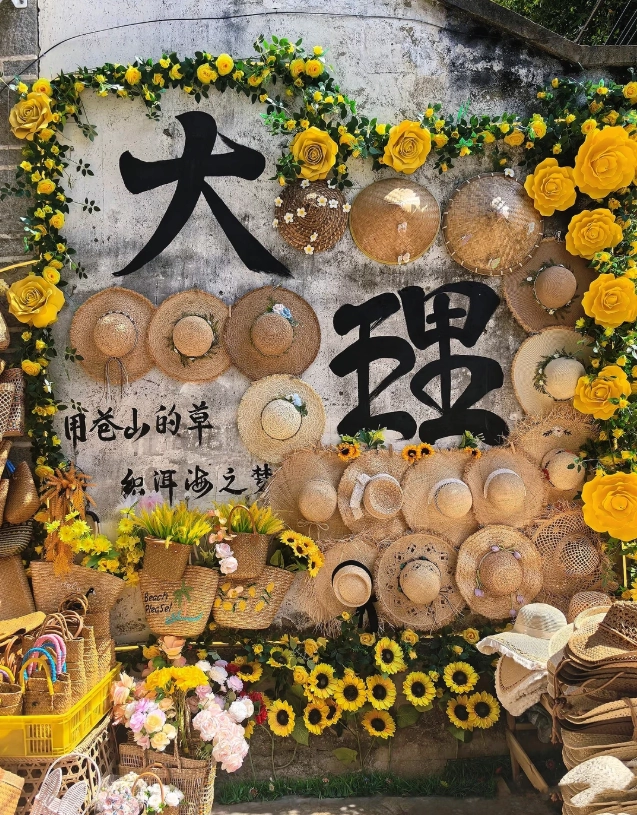
Here's a table to help you decide:
| Area | Vibe | Price Range (CNY/night) | Best For | Downside |
|---|---|---|---|---|
| Inside Ancient City (north) | Old-world lanes, walkable | 120–350 | First-timers, solo backpackers | Might be a 10-min walk to some sights |
| Outside North Gate | Local street life, quiet | 150–450 | Travelers who hate noise | Still short walk to the old town |
| Erhai lakeside (Cai Village) | Lake breezes, sunsets | 250–700 | Honeymooners, slow travelers | Need taxi or bike for restaurants |
I always tell solo travelers to book a guesthouse that has a front desk with contactable staff until late. In the old city, many small guesthouses are effectively a few scattered rooms with no one on site, which is fine for some, but not if you're arriving at 10pm with a jetlagged brain.
For booking, use Trip.com or Klook — both handle foreign passports well. Avoid third-party sites that don't let you list Other as a nationality.
How to Handle Payments, Tickets and Navigation in Dali
This is the least glamorous and most crucial part of your Dali solo travel planning.
Payments: Download Alipay and WeChat Pay before your trip. Link your international Visa, Mastercard, or JCB card. In Dali's old town, small restaurants, tea shops, and even some taxis only accept QR code payments. Cash is not accepted for most transactions. If your card is rejected, the Tour Pass function in Alipay lets you top up a virtual balance with your card — it's a lifesaver.
Tickets: For Cangshan, Chongsheng Temple, and any museum in Dali, you'll need your physical passport. Online booking through Trip.com is the smoothest route because the site is in English. If you want to book somewhere not listed there, ask your hostel owner to help you reserve via the official WeChat mini-program. It's a pain, but it works.
Navigation: Google Maps is simply unreliable in Dali. It might show you a route that ends in a construction site. Apple Maps works with Chinese street data, but the displays are not always intuitive for walking directions. I recommend downloading AMap Global (English mode) and using it alongside your hotel's address card in Chinese. When you order a ride-hailing car, select your exact pickup point on the map — drivers will usually call you in Chinese, so keep your translation app ready.
Pro Tip: Never buy tour packages from street touts who approach you in the old town. Their one-day Erhai tour often includes four forced shopping stops. If you want a tour, book it online or through your hotel.
Is Dali Safe for Solo Travelers?
Dali is safe in the traditional sense — violent crime against tourists is extremely rare. But safe doesn't mean no scams. The most common problems I see are taxi drivers who don't use meters, fake tourist guides who insist you need their special entry ticket, and pickpocketing in the crowded evening market around Fuxing Road.
I've also noticed that solo female travelers get more unwanted attention from street vendors who assume they're wealthy. Keep your money and passport hidden, don't flash your phone near a crowd, and use the same judgment you would in any popular tourist area in Europe.
If you plan to explore the villages around Erhai, don't ride a rental e-bike at night unless you're comfortable driving on empty roads without streetlights. Call a taxi or use ride-hailing instead. And when you return to your guesthouse after dark, ask the driver to drop you at the nearest main gate, then walk to your door. It's not dangerous, but it's smarter to give yourself a well-lit final 100 meters.
FAQ: Dali Solo Travel Questions That Most Guides Get Wrong
Final Trip-Checker Before You Book
Before you close this tab, do these five things:
- Set up your VPN and test it at home.
- Bind your international card to Alipay and verify it works.
- Download AMap Global and Apple Translate.
- Write down your hotel address in Chinese and keep it in your pocket.
- Book your first night's stay and your Cangshan cable car ticket before you arrive.
Dali solo travel can change the way you think about travel. The lake light in the morning, the smell of wild mint after rain, the old Bai women whistling as they sort leaves — none of that appears on Instagram the way it feels in person. Go with a little planning, and you'll have the flex of a lifetime.
Verified and fact-checked by the editorial team.






Finally, an article that gets solo female travel in Dali right! The caution about late-night Erhai lakeside rides and the tip to pick hostels with communal breakfast made me feel so much more prepared. I literally screenshot the night market snack list and used it every evening. Already sent this to two friends who are planning their own trips. A must-read if you’re going alone.
As someone who usually rolls their eyes at travel listicles, I loved how this one focused on pacing and quiet moments. Staying near Renmin Road instead of the noisy streets around Wuhua Tower made my trip calm and enjoyable. The red flag section for scams felt clear and realistic, not paranoia-driven. The best part? No useless advice like 'just walk confidently.' It read like a friend giving you exactly what you need.
This article absolutely saved me in Xizhou! I was about to book a so-called locals-only tour, but then I read the part about the morning market and the free Bai dances. The descriptions were so vivid I could smell the grilled broad noodles while reading it. I ended up using this as my entire day’s plan. Highly recommend for solo travelers who hate organized tours.
Good overview for anyone doing Dali alone for the first time. I really appreciated the food safety warnings and the reminder to keep cash handy in the old town market. Only wish they’d included bus times to Shuanglang, because that trip ended up being confusing. Still, worth a read before you go.
Some useful tips, but I found it a bit generic overall. I visited Dali solo last spring and the advice about beating the crowds at Three Pagodas didn’t work for me — still packed even at 8am. The scam section also only covered the tea house trick, but I ran into the fake monk blessing near Erhai which wasn’t mentioned. Decent read for a first-timer, but I expected more local details.