 Ting Chen
Quick Guide to Staying Safe in Lijiang
It's 2 AM and your international credit card just got declined at a tiny noodle shop in Lijiang. Your phone is useless without a VPN, and you're not sure if the tuk-tuk driver is ripping you off. Sounds familiar? Relax—I've been guiding here for a decade, and I'll show you exactly how to stay safe.
Lijiang safety tips aren't just about avoiding pickpockets—they're about navigating a system that often ignores foreign tourists. Most 3-day itineraries online overlook the essential basics: payment, navigation, and high-altitude awareness.
Here's the truth: staying safe in Lijiang comes down to three things—carry cash as backup, use Alipay or WeChat with an international card, and pre-book everything with a passport. Now let's dive into the nitty-gritty.
Lijiang Safety: The Basics Every Tourist Must Know
Lijiang is generally a safe city, but it's not without its quirks. The ancient town is packed with tourists, which makes it a playground for pickpockets and scammers. The number one rule is to blend in—don't shout your nationality in a crowded square. Also, the cobblestone streets can be slippery after rain, so wear sturdy shoes.
When you arrive at Lijiang Sanyi International Airport, you'll likely get swarmed by taxi drivers. Always insist on the meter, or better yet, pre-arrange a ride through your hotel or a ride-hailing app. I've seen visitors pay double the going rate simply because they didn't know the distance.
Essential Safety Checklist
- Keep your passport in the hotel safe, not your pocket.
- Use a money belt for cash and cards.
- Learn basic Chinese phrases for help.
- Download a VPN and offline maps before arrival.

How to Avoid Common Scams in Lijiang?
The most common scam is the "tea house" or "art gallery" invitation. Someone approaches you on the street, claims to be a student or a friendly local, and invites you to a traditional tea ceremony or art exhibition. Once inside, you're pressured to buy expensive tea or art. I always tell my clients: If a stranger initiates contact, walk away politely. This applies to "silver jewelry" shops as well—many sell low-quality silver at inflated prices.
Another sneaky trick is the "monk" who offers to bless you and then demands a donation. Politely decline and keep moving. Even more subtle: taxi drivers who suggest a "discount" to a local restaurant. They get a commission, and you get overpriced food. Use your own research and map apps to choose places.
Insider Advice: Never follow anyone to a "закрытая" or "private" tea ceremony. There's no such thing as a genuinely free ceremony in the old town—it's always a sales pitch.
Payment and Cash: What Works for Foreigners?
While China is nearly cashless, you'll find many small vendors in Lijiang still prefer cash. My advice: bring around 500 RMB in small bills as a safety net. International credit cards are rarely accepted outside large hotels and chains. For mobile payments, you can link your foreign Visa/Mastercard to Alipay or WeChat Pay — it works smoothly for most merchants. Just ensure you have a VPN to set it up before arrival.
If you're stuck without cash, look for a Bank of China ATM, which often accepts foreign cards. But avoid withdrawing late at night in remote alleys. There are plenty of ATMs near Sifang Street, but they tend to run out of cash during peak season.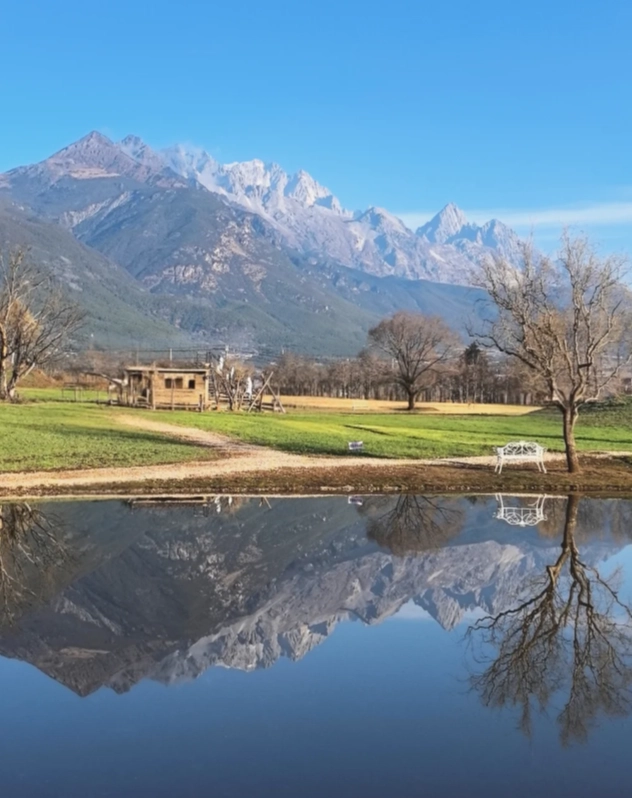
Getting Around Lijiang Safely
The best way to explore the ancient town is on foot, but for longer trips use ride-hailing apps. Didi is the Chinese Uber and has an easy English interface. Taxis are metered, but make sure the meter is running. The airport to old town is a fixed price of about 80-100 RMB if you pre-book, but a metered taxi should be less.
For buses, they're cheap but infrequent for tourists. I recommend taking a local bus just once to experience it, but don't rely on them for time-sensitive connections. Always have your hotel's name and address in Chinese to show drivers.
Transport Comparison in Lijiang
| Mode | Cost (RMB) | Time | Safety Rating |
|---|---|---|---|
| Taxi | 20-40 | 15-30 min | Good (use meter) |
| Didi (ride-hailing) | 15-50 | 15-30 min | Excellent |
| Bus | 1-2 | 30-60 min | Good |
| Walking | Free | Varies | Safe in tourist areas |
High Altitude and Health: Staying Well in Lijiang
At 2,400 meters, Lijiang can cause mild altitude sickness for some visitors. The symptoms are headaches, dizziness, and shortness of breath. Take it easy on your first day—don't hike Tiger Leaping Gorge immediately. Drink plenty of water and avoid alcohol. If symptoms worsen, go to a pharmacy for medication or descend to lower altitude.
I always advise my guests to carry a small oxygen canister from the pharmacy if they plan to visit higher areas like Jade Dragon Snow Mountain. You can buy them for about 20 RMB near the mountain. Don't fall for expensive "oxygen" products at hotel counters—they're the same as pharmacy ones.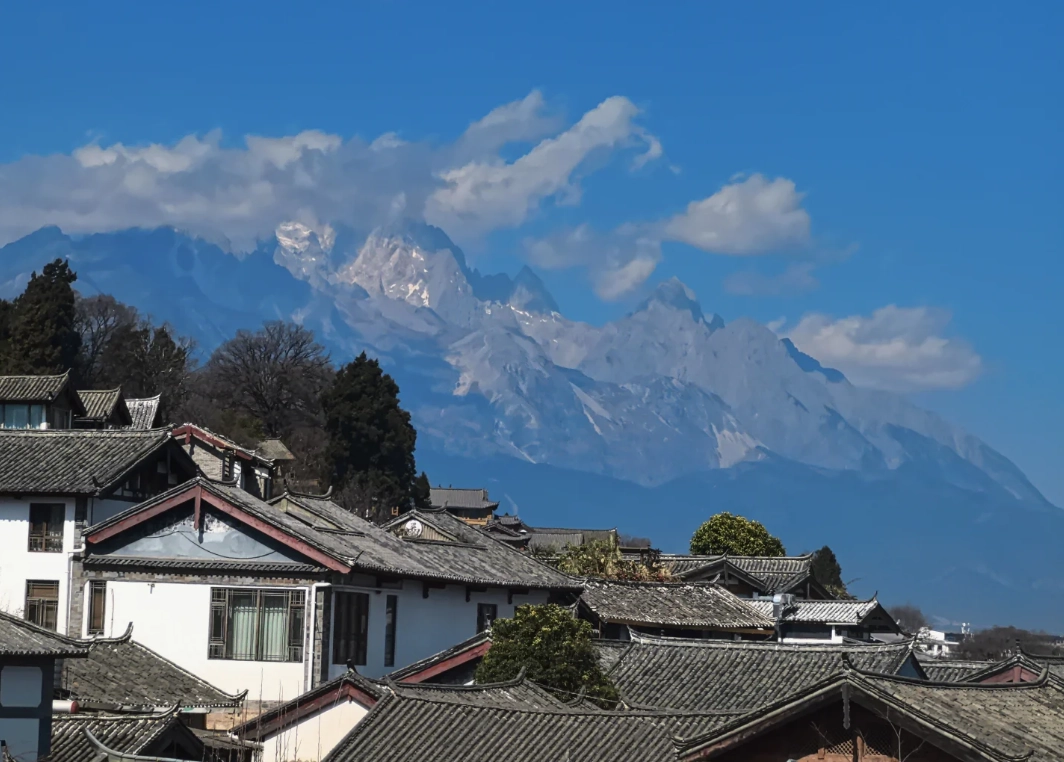
Emergency Numbers and Contacts
Memorize these numbers: Police 110, Ambulance 120, Fire 119. In case of a lost passport, contact your embassy immediately. The Lijiang Public Security Bureau has a foreigner's section that can help with visa issues. Save your hotel's front desk number and download a translation app—it's your lifeline if something goes wrong.
For travel insurance, make sure it covers high-altitude activities. Many policies exclude trekking above a certain height. Double-check your coverage before booking.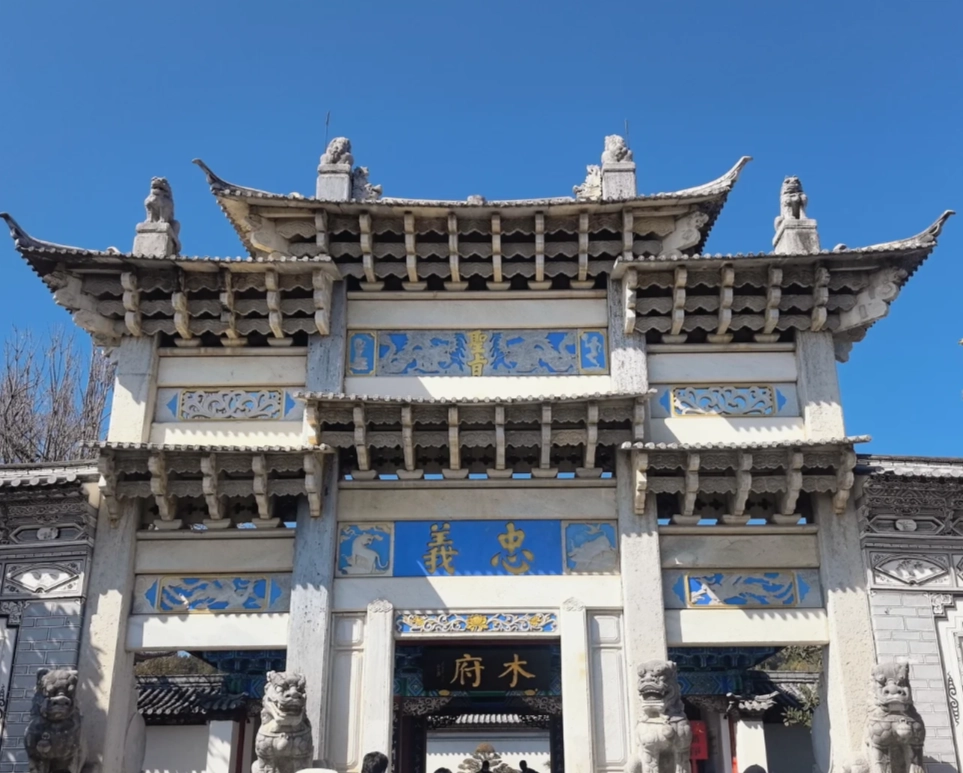
FAQ: Lijiang Safety Questions Answered
Verified and fact-checked by the editorial team. This content has been fact-checked to ensure informational precision.







No comments yet.