 Yan Zhou
Quick Track — Skip the Fluff
- Why Most Travelers Overpay for Flights to Hangzhou
- What to Check Before You Book Flights to Hangzhou
- Arriving at Xiaoshan International Airport
- Airport to City Center: Which Option Is Actually Worth It
- The 24-Hour Layover Route (Without Dying On Your Feet)
- Digital Tools That Save Your Trip More Than the Flight Deal
- Flights to Hangzhou — Real Questions From Stuck Travelers
Just landed at Xiaoshan Airport at 11 PM with no VPN, no mobile data, and a credit card that had silently stopped working. The taxi driver looked at me like I owed him money. That first night taught me more about flights to Hangzhou than any guidebook ever did.
If you're booking flights to Hangzhou, the real adventure doesn't begin at West Lake — it begins the moment you hit "confirm." Most visitors overpay by 30% without realizing it. Here is the catch: the cheapest fares are often hidden behind a QR-code payment wall you'll never see unless you've done this before. I'll show you exactly how to break through.
Now, let me walk you through the entire game plan — from the booking page to that first sip of Longjing tea by the lake.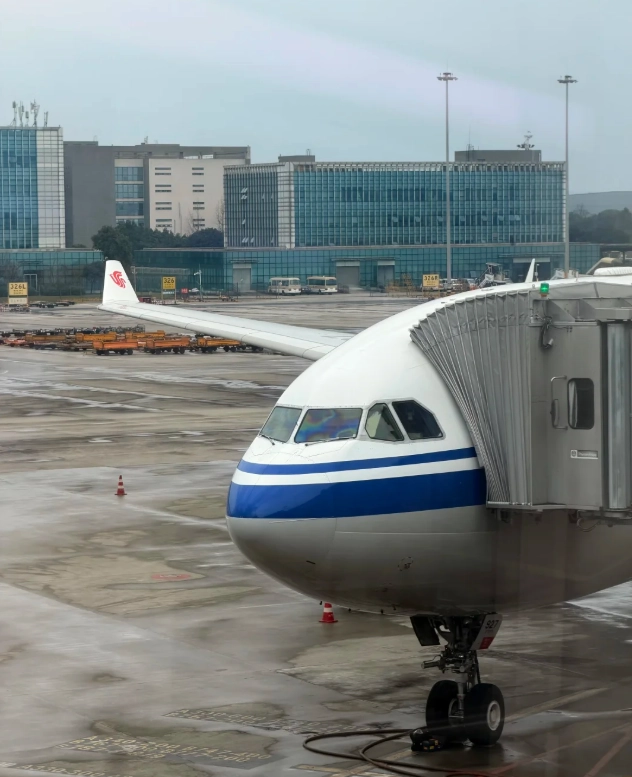
Why Most Travelers Overpay for Flights to Hangzhou
Here's the thing you won't find in a textbook: the airline sales channels you see on Google in English often carry a 15–20% markup compared to what locals pay on Chinese booking apps. Chinese carriers like China Eastern, Air China, and Juneyao frequently offer cheaper base fares on their WeChat or Alipay mini-programs. But those programs are in Chinese, require a mainland mobile number, and ask for real-name authentication.
The workaround I always tell my clients: use Trip.com or Klook as your safety net. They are the two English-friendly platforms that actually reflect the domestic pricing algorithms better than Google Flights. I've routinely found round-trip tickets to Hangzhou from Southeast Asia or Europe that were 10% cheaper on Trip.com than on mainstream metasearch engines.
Use Alipay to book like a local
Once you've arrived in China, your Alipay also unlocks flight booking. If you already have Alipay linked to your foreign card, you can book domestic flights directly within the app. The catch? You need to pass ID verification first. For foreigners, the Alipay "Tour Pass" (a spending card in CNY) used to be the standard workaround. Always check the latest policy in the app — it changes faster than the weather.
The "stopover hack" saves real money
Direct flights to Hangzhou from the US or Europe are rare. Most of you will connect through Shanghai or Beijing. Don't just book the same airline all the way. I often book a cheap international ticket to Shanghai Pudong (PVG), then take the high-speed train to Hangzhou East. It's a 45-minute bullet train ride, and the total price is frequently half the cost of a direct connection. Plus, you get to see the Yangtze Delta landscape from the train.
What to Check Before You Book Flights to Hangzhou
Do you have visa-free transit?
Before paying for anything, confirm your visa status. In recent years, China has expanded visa-free transit policies for many nationalities — you can stay 24 to 144 hours depending on your passport and the port of entry. If Hangzhou is your first stop, you might qualify for a 24-hour visa-free transit if you're going onward to a third country. The rules change often, so don't trust old blog posts. Check the official Chinese National Immigration Administration website or your nearest embassy.
Which airport are you really flying into?
Hangzhou's main international airport is Xiaoshan (HGH). Ninety-five percent of international passengers land there. There's no second airport to confuse you. But watch out: some budget airlines list "Hangzhou" for flights that actually land in nearby cities like Shaoxing or Yiwu. That's a silent trap. Always verify the IATA code before buying.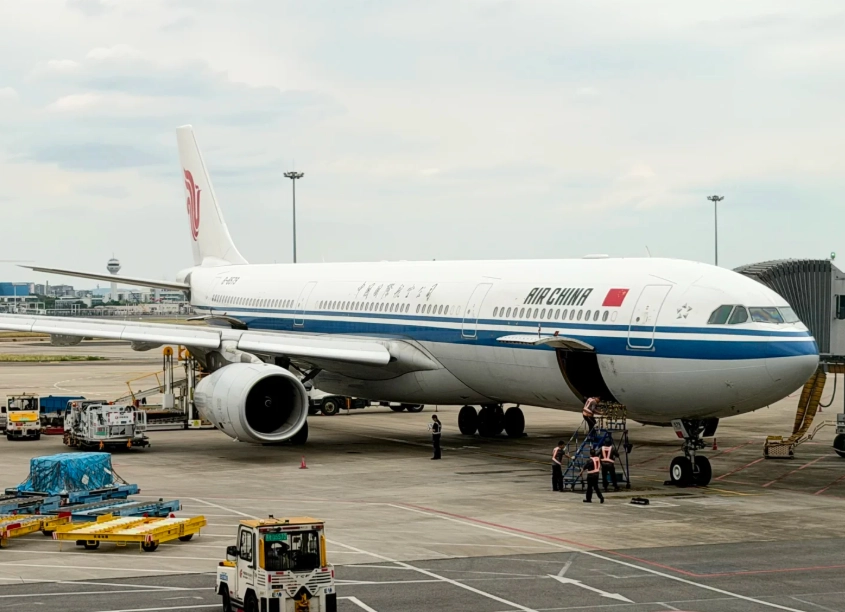
Pack for the weather, not just the flight
Hangzhou summers feel like a steam bath — hot, humid, and raining sideways. If you're landing between June and September, bring a compact umbrella and moisture-wicking clothes. Winter is raw cold with no central heating in most budget hotels. I've watched too many travelers shiver when they thought "southern China" meant warm. Bring a puffer jacket and thermal layers if you want to sleep.
Arriving at Xiaoshan International Airport
First thing you'll notice: everything runs through a phone. No, really. The airport has cash ATMs, but they're often ignored. After immigration, you'll walk right into a sea of QR codes. Don't panic. Here's the order I recommend.
Immigration and buying a SIM card
Head to the arrivals hall and grab a local SIM from the China Mobile or China Unicom kiosk. They're right before the exit on the ground floor. You'll need your passport. They'll want your phone's IMEI number — just tell them. Sign up for a 7-day or 30-day data-only package. It costs about 100–150 CNY, and you'll be grateful when your banking app and Google Translate still work. Skip this and you'll be stranded — no VPN means no access to most services you rely on.
Getting online before you even leave the airport
If you don't get a SIM card, you can still connect to the airport's free Wi-Fi. But here's the catch: you need to receive a text message to log in. Without a local SIM, that's a dead end. So either buy the SIM first, or use an eSIM app like Airalo before you land. I've made the mistake of relying on airport Wi-Fi. Don't. It's a maze of one-time passwords and Chinese SMS.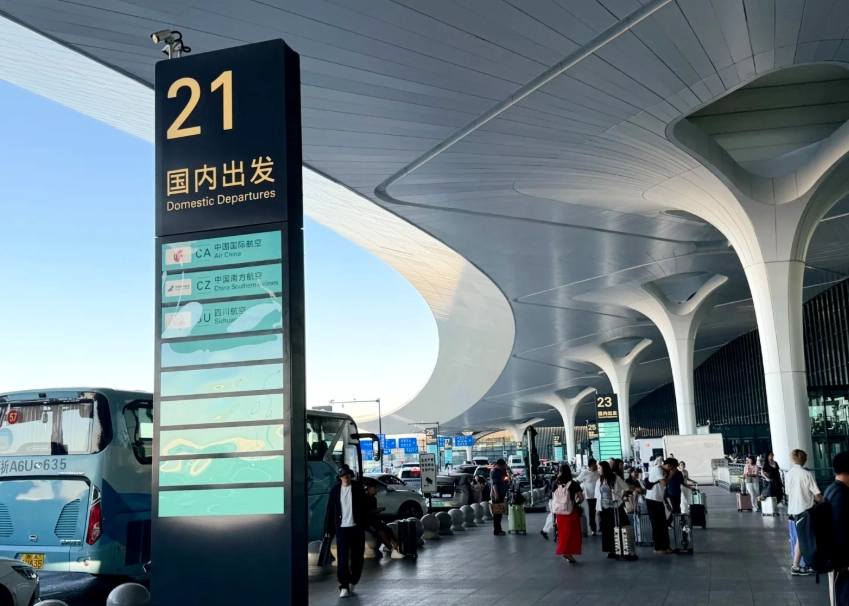
Money: cash is actually accepted but you'll need change
Yes, cash is still legal tender, but most high-speed rail stations, small noodle shops, and even temple ticket counters prefer mobile payment. I always keep about 200 CNY in cash for emergencies — like when the taxi meter's credit card machine is "broken" (which happens more often than you'd expect). But don't worry too much; you'll use Alipay or WeChat Pay for almost everything.
Airport to City Center: Which Option Is Actually Worth It
You have four main ways to reach West Lake from Xiaoshan Airport: taxi, metro, airport bus, and high-speed rail (not direct). Let me break down the real-world numbers, times, and pain points.
| Option | Approx. Time | Approx. Cost (CNY) | Best For | Watch Out |
|---|---|---|---|---|
| Taxi / Didi | 45–60 min | 100–150 to West Lake | Two or more people, early/late arrivals | Surge pricing in rain; queue at night |
| Metro (Line 1 or 7) | 60–80 min | 5–8 CNY, tap with Alipay | Solo budget travelers | Direct line to West Lake from Line 1; last train around 10:30 PM |
| Airport bus | 70–90 min | 20–30 CNY | People near big hotels | Stops at multiple hotels; slow if traffic |
I always recommend the metro if you land before 9 PM. It's cheap, you can use Alipay's "Transport" feature (no ticket machine needed), and it runs straight into the city. The catch is the last train — if your flight lands after 10:30 PM, you're taking a taxi or a Didi.
For the taxi, don't fall for the "airport special" fixed price. Use the Didi app with the English interface, or follow the passenger pickup signs. A normal metered taxi should cost around 100–150 CNY to the West Lake area. If a driver tries to quote 300, walk away.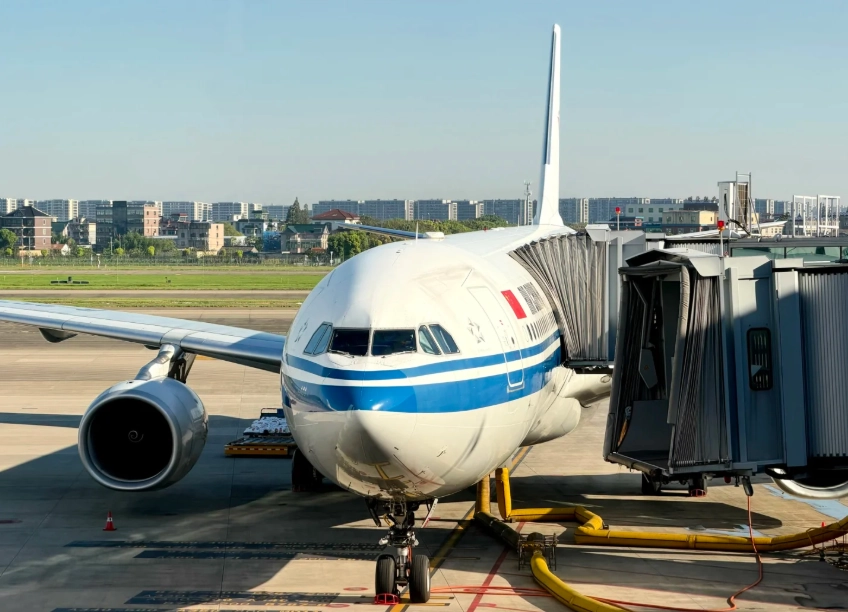
Pro Tip: When booking a Didi, reduce the chance of your foreign card being rejected by pre-loading the payment method in the app while you still have airport Wi-Fi.
Metro to West Lake: the exact plan
From Terminal 1, follow the signs to the metro station. You'll see a long moving walkway. Take Xiaoshan Airport station on Line 1, get off at Fengqi Road (凤起路) or Longxiangqiao (龙翔桥) — both drop you within a slow-walk of the lake. The ride is about 60–75 minutes. Use Apple Maps to show the driver the station name, and tap your Alipay QR code at the gate.
The 24-Hour Layover Route (Without Dying On Your Feet)
Let me be honest: trying to "do Hangzhou" in 24 hours is insane. But I did it with a reader last winter, and we built a route that hits the essentials without frying you. Here's the schedule I use.
7:00 AM – Two hours alone at West Lake
Grab a Didi from your hotel to the east bank of West Lake. Arrive before 7:30 AM. The air is still cool and you'll mostly hear birds. Walk from the Twin Pines near the city wall, along the Su Causeway, to Broken Bridge. This is the postcard shot. I always tell people to skip the tourist boats here — they're pricey and the lake water is murky. Save your money for a better lunch.
9:30 AM – Lingyin Temple like a local
Take a Didi or bus 7 from Wuling Park to Lingyin Temple. Yes, it's the most famous temple, but most visitors rush it in 30 minutes. Plan 90 minutes. The entrance fee is about 45 CNY for the temple plus another 45 for the Flying Peak pagoda. Show your passport at the ticket window — no reservation needed, but everyone says they don't take cards. I always hold cash for this. The crowds get thick after 11 AM, so go early.
Food stop: Try the noodle stall right outside the temple's east gate. Get the scallion-oil noodles (葱油面). It's about 15 CNY, and the owner has never seen a foreigner complain.
1:00 PM – Tea at Meijiawu, not the tourist trail
Take a Didi to Meijiawu (梅家坞), about 10 kilometers southwest of the temple. This is where Hangzhou locals drink tea. Every house has a bamboo table and a tea set. Order a cup of Longjing (50–80 CNY), watch the farmer roast leaves, and just breathe. I've skipped the "dragon well tea plantation" walk myself more than once — it's a busload of influencers.
4:00 PM – Hefang Street with an exit plan
If you have energy, end at Hefang Street, the old pedestrian market. But honestly, I tell my friends to wander into the small side alleys — the actual lane near Zhongshan Middle Road has more character than the main drag. Grab some pickled vegetables or a pastry, then find a rooftop café for sunset.
Real talk: This route is doable because you travel by Didi and eat local. But if it rains, skip Hefang and go inside the Hangzhou Museum near Martyrs' Park — it's free and dry.
Digital Tools That Save Your Trip More Than the Flight Deal
Your flight booking is, honestly, only 30% of the struggle. The other 70% is staying connected, getting around, and paying for things. Let me lay out the three non-negotiable apps I load on every phone before I travel.
Apple Maps (not Google Maps)
Google Maps is a paperweight in China. I know it's painful to switch, but Apple Maps uses AMap (AutoNavi) data, and it works surprisingly well in English. You can search for "West Lake" and get a pin, then use the share sheet to open the location in the Didi app. That trick alone has saved me from standing in the wrong spot more times than I can count.
Didi with foreign card support
Didi has an English interface now and supports adding international Visa and Mastercard. It's the safest way to get around — no arguing over fares, no credit card skimmer issues. If your card gets rejected, ask a hotel staff member to set up a local Alipay wallet for you. It takes 5 minutes and once it's done, you're unstoppable.
A VPN before you leave
You probably know China blocks Google, Facebook, and Instagram. What you might not know is that it also blocks WhatsApp voice calls sometimes, and even a basic VPN can be flaky. I use two VPN apps on separate phones when I'm in remote areas. This is not an exaggeration — a broken VPN has killed more travel plans than any cancellation policy.
Translation app that works offline
Download the Chinese language pack in Apple Translate. You'll use it in taxi negotiations, at the pharmacy, and when your SIM card stops working. Point the camera at Chinese text and it translates instantly. This is a life-saver in metro stations, where signs are mostly Chinese.
Flights to Hangzhou — Real Questions From Stuck Travelers
This content has been fact-checked to ensure informational precision. Flight prices and visa rules shift fast, so always confirm with official sources before you book.






No comments yet.