 Ting Chen
Quick Navigation
- What the Dali 240-Hour Visa-Free Policy Actually Covers
- How to Plan Your 10 Days in Dali Without Overplanning
- Navigating Dali’s Payment, Transport, and Booking Hurdles
- Hidden Gems in Dali: My Personal Favorites Away From the Crowds
- Where to Eat in Dali: From Night Market Chaos to Sit-Down Feasts
- Where to Stay in Dali: Honest Reviews for Every Budget
- FAQ: Dali 240-Hour Visa-Free — Your Burning Questions Answered
You landed. You've got 240 hours. Now what? The Dali 240-hour visa-free policy sounds simple, but the biggest mistake I see is thinking you can pay for everything with a card. You can't. I've watched travelers freeze at a “WeChat Pay only” sign and panic. Here's the hard truth: unless you set up Alipay before you fly, you'll hit a wall in the first hour. Do it now. That one action saves you 70% of the headaches. In this guide, I'll show you how to spend 10 days in Dali without hitting a single wall.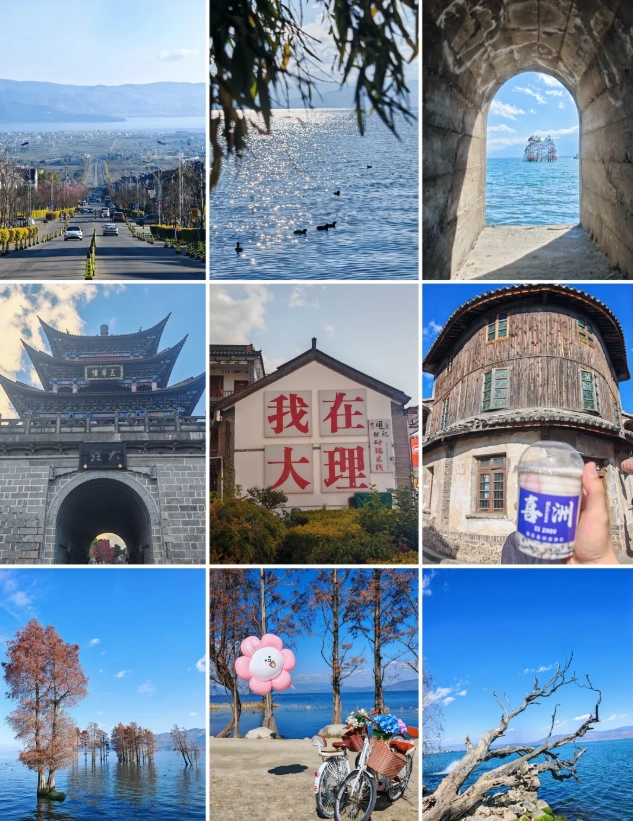
What the Dali 240-Hour Visa-Free Policy Actually Covers
Here's the part most travel blogs skip. The 240-hour visa-free policy is not a blanket invitation to wander around all of China. It applies to citizens of 54 countries when they're in transit to a third country. You can enter through certain ports — in Yunnan, that's usually Kunming Changshui International Airport (KMG) — and from there you're free to travel within Yunnan province only. Dali is absolutely included, and so is Lijiang, Shangri-La, and most of the famous spots.
But there are two hard rules you cannot break:
- You must leave China within the 240 hours (10 days) — the clock starts the day after you enter.
- You must have a confirmed outbound ticket to a third country (not back to your home country, not a domestic flight).
Pro Tip: I've seen a guest try to fly to Beijing from Dali because she thought it was “domestic.” She missed her flight while we rushed to cancel the ticket. Don't be that person. The border officer checks your onward trip to another country, so keep your exit plan clear.
Another catch: you need to have a valid visa or permanent residence? No, actually you just need to be transiting. But policies can change, so always double-check the latest official rules before you fly.
How to Plan Your 10 Days in Dali Without Overplanning
The worst mistake I see in Dali is overpacking the itinerary. You come for 10 days, and suddenly you're trying to jump from Dali to Lijiang to Shangri-La in one week. Let me save you from that chaos. Dali itself deserves at least 5–6 days if you slow down. The rest of the time can spill into the surrounding villages or even a quiet day at Erhai Lake.
Here's a flexible template that works for most first-timers:
| Day | Suggested Area | Why I Recommend It |
|---|---|---|
| 1–2 | Dali Old Town | Get your bearings, visit the Three Pagodas, and chill in the old streets. |
| 3–4 | Erhai Lake Wetlands (Caicun, Xizhou) | Rent a bike and ride along the lake — it's flat, easy, and gorgeous. |
| 5–6 | Xizhou & Zhoucheng | Typical Bai culture, early morning market, and tie-dye workshops. |
| 7–8 | Cangshan Mountain | Take the cable car up, hike a bit, then descend to the hidden temples. |
| 9–10 | Shuanglang or Jinsuo Island | Sunset spots and boutique cafés — the perfect wind-down. |
This isn't a rigid schedule — you can mix days 3 and 4, or skip the mountain if you're not a hiker. But the point is: don't fill every hour. Dali rewards slow travelers.
Before you even start packing, run through this pre-departure checklist. These five steps will make your 240 hours effortless:
- Set up Alipay and link your international card.
- Download Apple Maps or AMap Global and grab offline maps of Dali.
- Book your first two nights in Dali Old Town on Trip.com with free cancellation.
- Buy a VPN service before you go — free ones won't work in China.
- Print or screenshot your hotel and flight confirmations.

Navigating Dali’s Payment, Transport, and Booking Hurdles
Paying for things without a Chinese bank card
Your smartphone is your wallet now. Nearly every shop, restaurant, and street vendor accepts Alipay or WeChat Pay. Before you arrive, download these apps and link your international Visa or Mastercard. I've tested it with cards from the US, Europe, and Australia — it works, but you need to set it up before you leave home. Cash is accepted in a few places, but change is often a problem. Carry ¥200–300 in cash for emergencies.
One thing that caught my last group off guard: some Western banks still charge foreign transaction fees. Check with your bank before you go.
Pro Tip: When you pay with Alipay, you don't need to show your passport every time — the app does the work. But keep a photo of it in your phone for train ticket checks.
Getting around Dali
Google Maps is useless in China. I cannot stress this enough. It gives coordinates that are often 300 meters off. Instead, use Apple Maps (which uses Chinese map data) or the high-liang AMap Global (高德地图). One tip: download the offline map of Dali on Apple Maps before you arrive.
In the old town, your legs are the best transport. For farther places like Xizhou, take bus 2 or 4 from the north gate (¥2–3 with your phone). Taxis are cheap for a group — a ride from old town to the Three Pagodas should be about ¥15. Always use Didi (Chinese Uber) if you can — it's cheaper and no haggling. Show the driver a paper or screen with the Chinese address to avoid miscommunication.
Booking tickets without a Chinese phone number
You don’t need a Chinese phone number to book most sights. Yes, some mini-programs demand it, but for the big ones (Three Pagodas, Cangshan cable car) you can use Trip.com or Klook with your international SIM. They'll send you a QR code to scan at the entrance. I always tell my clients: book at least a day ahead for anything that requires a timed entrance, especially on weekends.
For the cable car, you have three routes — the longest one, Gantong cable car, is the one with the glass-bottom car? Actually, don’t mind my rambling. Just get the “Cangshan Cable Car + Ximatan” ticket online; it's the easiest way in.
Hidden Gems in Dali: My Personal Favorites Away From the Crowds
If you only follow the crowds, you'll see the same selfie sticks everywhere. Here's where I actually go when I need to escape.
Jizhao An (寂照庵) – the only nunnery that serves vegetarian lunch
The lunch is legendary, but the highlight is the peaceful garden. It's a 30-minute hike up Cangshan from the cable car station, or you can take a taxi to the parking lot and walk 15 minutes. The nunnery is famous for its flower-filled courtyards and the daily buffet at 11:30am. It's ¥20 for a plate, and it's worth every yuan. Go before 11am to get a seat — they run out.
Caicun (才村) at sunrise
The first light hits Erhai Lake and the whole village is orange. Most tourists stay in Dali Old Town, but a 15-minute ride brings you to Caicun, a tiny farming village right on the lake. I love walking the lakeside path at 6am — you'll see fishermen and the occasional heron. No entry fee, no crowds, just pure morning.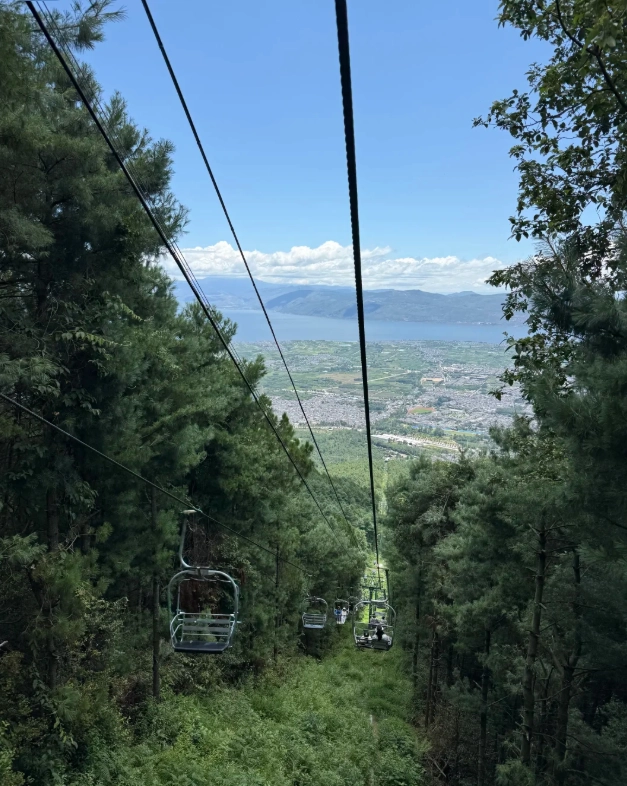
Zhoucheng’s Tie-Dye Workshop
Forget buying factory-made tie-dye in the tourist shops. Zhoucheng, a ~40-minute drive from Dali, is the home of Bai tie-dye. There's a small cooperative where grannies teach you to make your own indigo scarf for ¥50. You'll laugh, you'll get your hands blue, and you'll take home a story, not just a souvenir.
Where to Eat in Dali: From Night Market Chaos to Sit-Down Feasts
Dali's food scene is a glorious mix of Bai influences and Yunnan mountain produce. Here's my shortlist to get you started.
Old Town: RenMin Lu (人民路)
Start at RenMin Road and just eat your way down. Look for the stalls selling “Naxi baba” (a savory pancake) and “Yak yogurt” in little glass jars. The night market here is chaos in the best way, but it gets packed by 8pm. Go at 5:30pm to catch the locals.
Xizhou: Xizhou Baba (喜洲粑粑)
The classic Xizhou baba is flaky, buttery, and either sweet with brown sugar or savory with egg and ham. The most famous shop is “Fang Tang” (方糖) on the main street. You'll see a long line, but it's worth. One baba costs ¥8–10, and it's enough for lunch if you get the big one.
Shuanglang: Seafood by the Lake
When you're near Erhai, you have to try the fried whitebait or the “steam pot chicken” (汽锅鸡). My go-to spot is “Erhai Fisherman’s Family” (洱海渔家), whose terrace overlooks the water. Order the pickled fish — it's sour and spicy, a Yunnan signature. Prices are moderate (¥50–80 per person). And yes, they have an English menu, but you'll still get a better deal if you go with a local — so learn to say “wǒ yào zhège” (I want this) and point.
One warning: some restaurants automatically add a 10% service charge on big tables. Check your bill if you're in a group.
Where to Stay in Dali: Honest Reviews for Every Budget
Where you sleep changes your whole experience. Let me break it down.
| Area | Vibe | Price Range (per night) | Best For |
|---|---|---|---|
| Dali Old Town | Busy, convenient, historic | ¥150–600 | First-timers |
| Caicun | Quiet, lake views, rice fields | ¥250–800 | Couples & slow travelers |
| Xizhou | Village life, cultural immersion | ¥200–500 | Culture fans |
| Shuanglang | Instagram-worthy sunsets | ¥400–1500 | Honeymooners |
For a budget traveler, I always recommend a clean guesthouse in the old town. Look for names with “hostel” in them or check for dorm beds on Trip.com. Price ranges above are for standard double rooms — dorms are much cheaper, usually ¥60–100.
One honest warning: many old-town guesthouses have thin walls. If you're a light sleeper, ask for a room off the main courtyard. Also, don't assume your hotel has efficient heating — Dali gets cold at night, especially in winter. I once stayed in a beautiful 300-year-old courtyard house with no heating and nearly froze. Check for “heated blanket” (电热毯) in the reviews.
FAQ: Dali 240-Hour Visa-Free — Your Burning Questions Answered
This content has been fact-checked to ensure informational precision. But know that policies can change — always confirm with official sources before your trip. Enjoy your 240 hours in Dali — and don't forget to slow down.








No comments yet.