 Ming Yang
What's Inside
I've lost count of how times travelers pulled at my sleeve, literally, while I was leading a group through the Dali Ancient City, asking the same question: "How many days in Dali do I really need?"
My honest answer? Three days. Not two — that leaves you stranded in rush-hour traffic between the city and Erhai Lake. Not five — unless you're planning to write a novel or live like a digital nomad. Three days gives you a perfect rhythm: one day for the old town, one for the lake, one for the mountains, plus a buffer for a lazy coffee or an unexpected downpour.
But here's the catch: almost every guide you'll find online is written by someone who spent 48 hours here and turned it into a 10-part series. I've been based in Yunnan for over a decade, and I've seen travelers cry happy tears on the Cangshan cable car and ugly-cry when they realized they missed the best photo spot on the Erhai bike path — all because they followed a 2-day must-see list. Let me save you the regret with a planner's killer instinct.
Now, grab your real-world toolkit — this guide is packed with payment tips, navigation hacks, and booking links that actually work for foreigners. Let's dive into the days.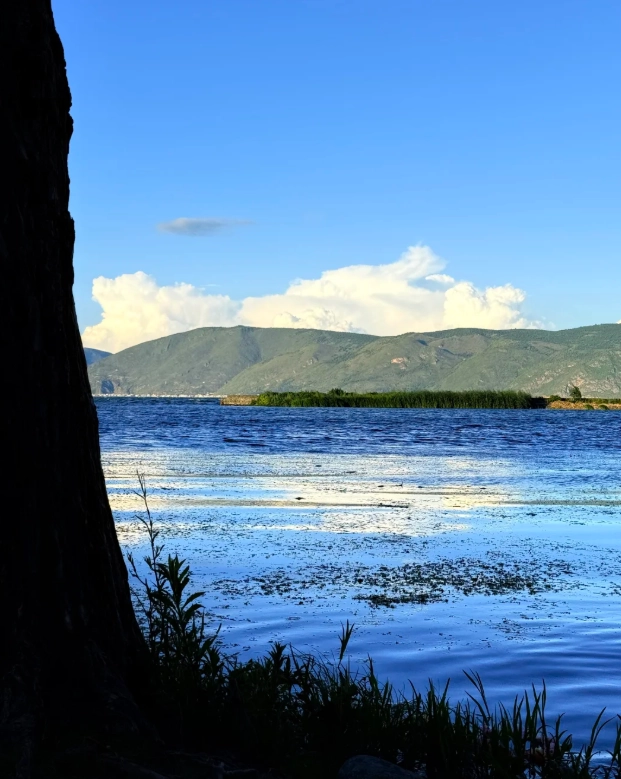
How Many Days in Dali Do You Really Need?
The shortest possible visit is two days, but I always tell my clients that two days is like ordering a cappuccino with no foam — you get the idea but miss the silkiness. Here's a quick comparison:
| Duration | Best For | What You'll Miss |
|---|---|---|
| 2 days | Photo-stampers with trains already booked | The slow Erhai lakeside villages, Chongsheng Temple's back courtyard, sunset from Cangshan |
| 3 days | First-timers with a healthy appetite for culture and nature | Almost nothing — it's the sweet spot |
| 5+ days | Deep divers, remote workers, and wedding photographers | Nothing — you'll start feeling local |
My rule of thumb: if you have to ask, go with 3 days. It's the duration that lets you see the three icons — Dali Ancient City, Erhai Lake, and Cangshan Mountain — without sprinting. Let me break down why 3 beats 2 for 90% of visitors.
Why 3 Days Is the Sweet Spot for Most Travelers
The old town is a maze of cobblestone streets, craft shops, and Bai ethnic heritage. You can rush through it in half a day, but then you'd miss the quiet morning incense at Wuhua Tower and the night market where stall owners slowly warm up to you.
Erhai Lake is 116 kilometers around. You don't want to ride the whole loop in a day unless your thighs are made of Ironman. A full day dedicated to a scenic stretch — from Xizhou to Shuanglang — gives you time to stop for papaya water and take that Instagram shot of the hydro-float boats.
Cangshan Mountain has 19 peaks. You'll take a cable car up, but the summit's hiking paths deserve at least 4 hours. If you do this on day 2, you'll rush. If you do it on day 3, you've had rest.
Also, Dali's altitude is around 1,900 meters. The first day you'll feel fine, but your body might subtly tire. A three-day plan respects your acclimatization.
Is 2 Days Ever Enough?
If you're connecting from Kunming to Lijiang and only have one full day, then technically you can see the old town and a sliver of Erhai. But I have to warn you: the logistics of hopping between sites in a single day in Dali can be painfully slow, especially when you factor in Chinese public transport queues. If you decide on 2 days, at least pick one side of the lake — don't try to see both the west and east shores unless you're in a private car.
The Perfect 3-Day Dali Itinerary
I've guided hundreds of travelers through this schedule. It works in all seasons, though you may swap mornings for afternoons in summer to avoid heatstroke. Don't worry — I've included indoor alternatives for rainy days at the end.
Day 1: Dali Ancient City + Chongsheng Temple
Start at 9:00am at Chongsheng Temple. This is the famous temple with the three pagodas. Book your ticket in advance via Trip.com (it takes 2 minutes) or ask your hotel to help with WeChat booking. Bring your passport — entry is strictly passport-based. The admission is roughly 75 RMB adult, but prices can shift slightly, so check the official site or Klook.
Take a shared taxi from the old city — about 20 RMB and 15 minutes. Or if you're up for a walk, it's a pleasant 30-minute stroll along green paths. Once inside, don't just snap the pagoda reflection at the pond — walk behind the second courtyard; there's a hill trail that gives you a stunning angle without the crowd.
After 2 hours, wander back to the old city for lunch. I always tell people to skip any restaurant with staff yelling in Mandarin from the street. Instead, head to Mei'ui Cuisine (梅子井) on Renmin Road. Their casserole fish is sweet-sour-spicy, and the courtyard is a Bai quadrangle. Expect 50-80 RMB per person, and note that they accept Alipay/WeChat and occasionally cash.
Spend the afternoon lost in the old city. Climb Wuhua Tower for a city view — entry is about 10 RMB. Then walk down Reed Square and look for the old wells. Go back to the main street just before sundown; the light on the white walls is golden.
For dinner, try the famous "cross-the-bridge noodles" at a local spot near the South Gate. I always recommend Da Li Cang Hai (about 30 RMB).
Day 2: Erhai Lake Loop + Xizhou Old Town
Rent an e-bike for the day — around 80 RMB at shops near the west gate of the old town. Or book a private car (our guide's favorite) if rain threatens. Start at 8:30am, head north along the western shore. The route is flat and allows you to stop at Xizhou, the Bai residential town.
In Xizhou, walk through the traditional market, try the local milk fan (rushan) grilled on the street, and visit the Houhe Palace shrine if it's open. There's a small bakery called Graham's guesthouse's café that makes a killer apple pie — but check if they're open; sometimes they close on slow days.
Continue to the eastern side via Labai Lake and the walkway between Shuanglang and Haidong. The road hugs the lake so you get views of coffee plantations, golden rapeseed flowers in spring, and the famous seaside trees. Plan for lunch at the town of Donglianhua (around 1:30pm) — the fish with sour bamboo shoots is a local specialty. About 40 RMB.
Return to Dali city by 5pm. If you're on an e-bike, battery life should be fine — it's about 60 km round trip, which is a comfortable 6-7 hour day.
Pro tip: Between 12:00 and 2:00pm, the sun beats directly on the eastern side. I always have my clients cover up or use sunscreen. The lake breeze feels cool, but the UV is deceptive.
Day 3: Cangshan Mountain + Sunset Yoga
Take the big cable car up to 2,600 meters — the Gantong Cable Car, not the short one. Arrive at the base station by 8:30am to avoid midday queues. Ticket + return cable car is about 140 RMB if you book online. The ride takes 20 minutes and the views of Erhai are jaw-dropping.
At the top, you can walk the jade path along the ridge. Most visitors do the 1-hour boardwalk from Longyou Nunnery to Seven Dragon Girl Pond. It's flat and surprisingly mellow.
If you have an early train, skip the trail and just sit at the tea house overlooking the lake. It's still magical.
Get down by 1pm, have a light lunch, then spend the afternoon doing a traditional Bai tie-dye workshop near the old town (around 100 RMB for 2 hours). Or you take a nap. The locals do. Then, at sunset, join the t'ai chi or yoga class at the park behind the North Gate — it's free and you'll meet retirees who speak zero English but welcome you with open arms.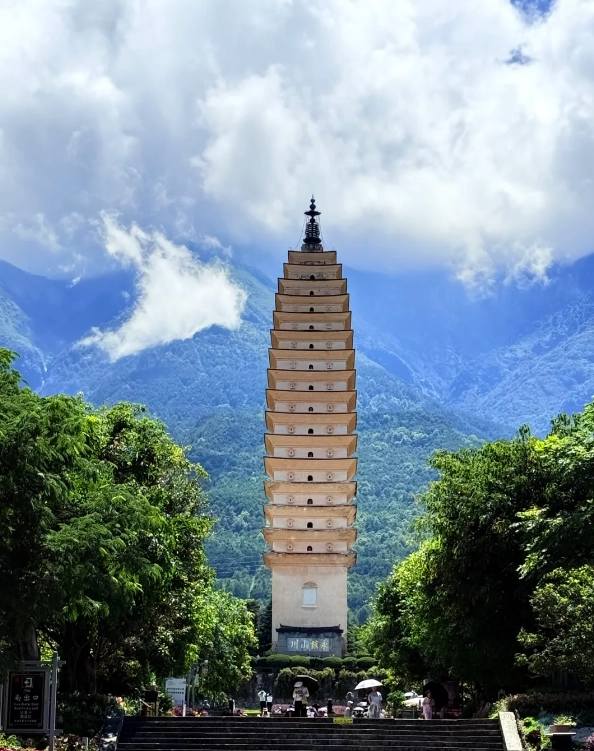
Rainy-Day Plan B
Dali's weather can flip in an hour. If skies open, skip Cangshan and instead go to the Dali Museum (free with passport) or the Bai Museum inside the Confucius temple. After that, spend an evening at one of the courtyard teahouses on Renmin Road — try Yunnan black tea with boiled milk, a local comfort.
Getting Around Dali: A Local's Guide
You'll land at Dali Airport (DLU), about 35 minutes from the old city, or Dali Railway Station, 30 minutes from the old city by bus. Taxis are easy but always insist on the meter — don't let the "fixed price" trap win. Expect 70-90 RMB to the old city.
Once you're based in the old city, your feet do the work. To visit Erhai's farther points, rent an e-bike near the east gate for ~80 RMB/day. If you're not comfortable driving, hire a private car for the day around 400 RMB — ask your hotel to arrange a driver who speaks basic English.
For navigation, forget Google Maps — it's unreliable in China. Download AMap Global (there's an English version) or use Apple Maps, which works better now. I always save the Chinese characters of my destination to show taxi drivers.
| Route | Distance | Taxi Cost | Best Option |
|---|---|---|---|
| Dali Airport to Old City | 35 km | 80-100 RMB | Taxi (meter on) |
| Dali Rail Station to Old City | 20 km | 50-70 RMB | Bus |
| Old City to Chongsheng Temple | 2 km | 20 RMB | Walk |
| Old City to Xizhou | 18 km | 100 RMB | E-bike |
Where to Stay in Dali: Best Areas for First-Timers
You have three main hubs, each with a different vibe. I've stayed in all of them, and here's how I tell my clients to pick:
- Dali Old Town (古城) — Best for party-goers and first-timers. Endless restaurants, bars, and hostels. Noise can be a problem after 11pm. Budget hostels from 60 RMB, boutique hotels from 300 RMB.
- Cai Village (才村) — A quiet lake-side hamlet 10 minutes from the old town's east gate. Perfect for families and couples. You'll see farmers and field, not many tourists. Guesthouse prices start at 250 RMB.
- Shuanglang (双廊) — The Instagram darling. White villas on the water, but super commercial and congested. If you want to wake up to the lake, this is it. Hotels rise steep premium here — from 500 RMB for something decent.
| Area | Tourist Density | Nightlife | Lake View | Price Range (Budget / Mid) |
|---|---|---|---|---|
| Dali Old Town | High | Loud | None | 60-150 / 300-800 |
| Cai Village | Low | Quiet | Good | 200-300 / 400-600 |
| Shuanglang | Medium | Pubs | Excellent | 400-600 / 800-1500 |
My hack for everyone: stay near the east gate of the old town. You get easy access to both the ancient city and the road to the lake. Look for a courtyard guesthouse with the words "白族" on the sign — those usually offer the most authentic experience.
Must-Try Dali Foods and Where to Find Them
Dali's food is the love child of Bai and Yunnan cuisine. You'll find bold sourness, subtle sweetness, and loads of fresh herbs. Here's what I always make my clients taste:
- Casserole Fish (砂锅鱼) — A bubbling clay pot of fish, tofu, ham, and wild mushrooms. Try it at Mei'ui Cuisine on Renmin Road.
- Rushan (乳扇) — Grilled or fried milk cheese that's chewy and slightly tangy. Best eaten on the street in Xizhou, from a cart that looks a bit worn down.
- Cross-the-Bridge Noodles (过桥米线) — Though famous in Kunming, Dali's version adds more sour pickled vegetables. Go to a local shop for under 30 RMB.
- Bai-style Bitter Buckwheat Puffs (苦荞粑粑) — A dense, earthy snack. Find it in the old town's night market.
For breakfast, search for a shop selling "ba ba pi" — a flat rice noodle with chili oil and crushed peanuts. It's not on most maps, but any street with 10 people in line is your cue.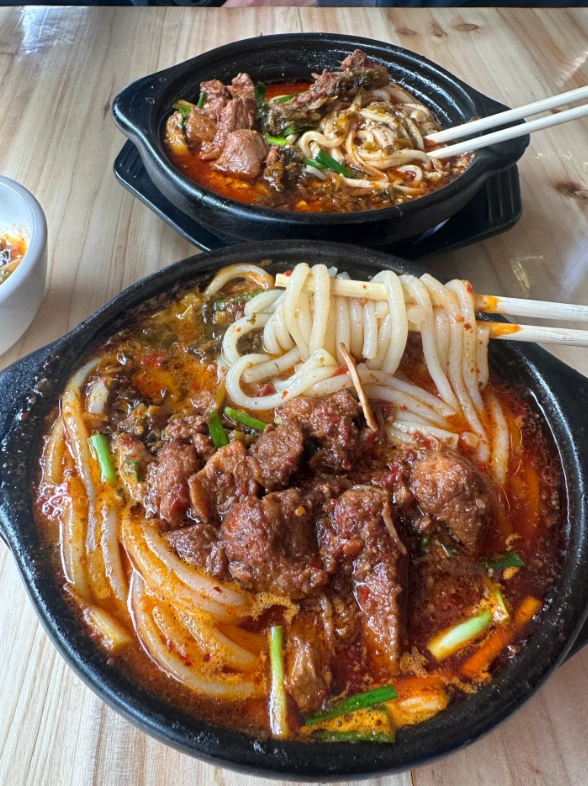
How to Handle Payments, Maps, and Language in Dali
You'll need three things in your digital wallet: Alipay (with Visa/Mastercard linked), WeChat Pay (same), and a translation app like Apple Translate or Baidu Translate. Cash is rarely except at rural markets, and even then most stallholders have QR codes. In the old town, at least 95% of payments are via QR.
Set up your Alipay before you fly. It now supports international cards seamlessly, but do it while you have strong Wi-Fi. WeChat Pay is also great but the set-up and menu are Chinese-heavy.
For navigation, Google Maps is a mess. Download AMap Global and select English. Still, you'll need to type Chinese characters for many small streets. I always carry a business card from my hotel with addresses in Chinese for the taxi driver.
Language-wise, English is rare outside tourist centers. Download an offline translation pack or write down key phrases like "Cangshan" and "Erhai Lake" in Chinese. You'll be surprised how far politeness gets you.
Booking attractions: Most temples and cable cars require you to book a time slot with a passport number. Trip.com and Klook both handle this in English, and you can often skip the queues with a QR ticket. For WeChat mini-programs that don't offer English, ask your hotel staff — they handle this daily.
Frequently Asked Questions About Dali
So there you have it — my honest, tested answer to the "how many days in Dali" puzzle. Start with 3 days, adjust based on your travel style, and you'll leave with memories of a place that slowly gets under your skin. If you have a specific constraint or a wild plan, drop me a note — I love a challenge.
Verified and fact-checked by the editorial team.







No comments yet.