 Chen Liu
Your phone’s blue dot is literally lying to you. Drop Google Maps before you even land in Shenzhen. That’s the first thing I tell every traveler I guide. This city has 17 million people, an insane metro system, and a bunch of apps you’ve probably never installed. But once you crack the local commute code, Shenzhen becomes embarrassingly easy to explore.
So, how to travel around shenzhen? The shortcut is simple: master the metro and get Alipay/WeChat Pay working before your trip. Do these two things and you’ll save hours of headache. In this guide, I’m sharing the exact steps, with a few frank warnings, from my years leading tours around this city.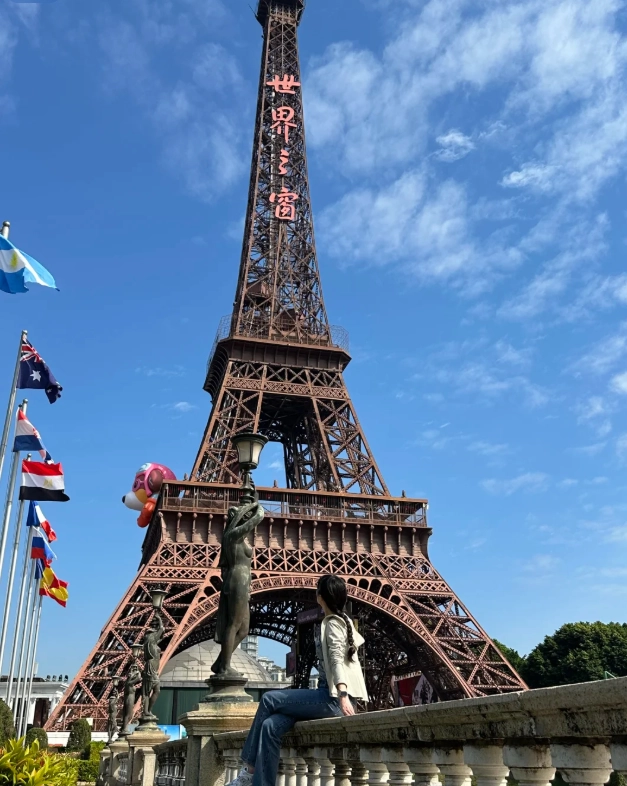
Jump to the juicy parts — no fluff:
Getting Around Shenzhen: The Basics
Before we dive into routes and tickets, let’s get the “environment” sorted. These three pillars will make everything else smooth.
Payment: Alipay and WeChat Pay are not optional
Yes, you heard right. Many small shops, food stalls, and even some ticket machines will not accept cash or your physical credit card. This surprises a lot of first-timers. On my first tour, a tourist tried to pay a cab driver with $50 USD and got a shoo-in reply “no money, only phone.”
Here’s the fix: download Alipay and set it up with your foreign visa/Mastercard. The app has an English interface. Enter your details and verify with an SMS from your international number. Takes about 10 minutes. You can also use WeChat Pay, but Alipay tends to be more foreigner-friendly. Once linked, you can scan QR codes everywhere. And for larger purchases, your card is still needed – but nearly everything else is on Alipay.
Now, don’t be stupid about cash. Keep 200–300 RMB in your wallet for markets, emergencies, or the off-chance that a tiny kiosk doesn’t have mobile payments. But don’t be surprised if you get change in coins, which are rare these days.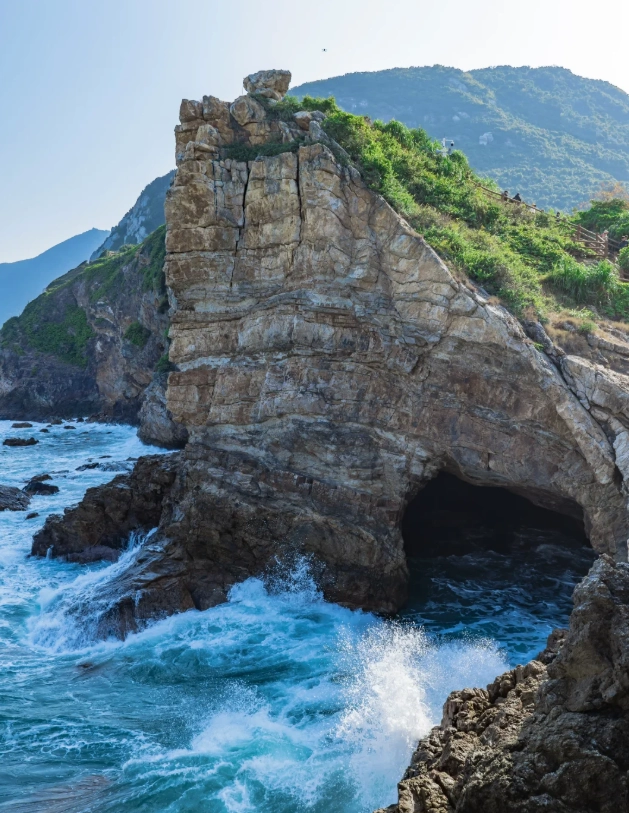
Navigation: Forget Google Maps, use these instead
Google Maps is famously inaccurate and often non-functional in China (your VPN will help, but the map data lags). I’ve watched tourists walk in circles for 20 minutes following Google while the right metro exit was 50 meters behind them.
The best substitutes:
- Apple Maps (iOS) – built on high-quality Baidu data; works surprisingly well for driving and walking, with English names.
- AMap Global (the international version of Gaode) – supports lots of English and is the go-to for local taxi drivers. It gives you precise directions, bus info, and even lets you book ride-hailing.
Download both. AMap is my personal default for day trips. When you find an attraction, long-press the pin and “share” to get the Chinese name to show to a taxi driver. That tip saves you every single time.
Language and VPN: Your security net
Many in Shenzhen speak basic English, but the older generation – especially taxi drivers – usually don’t. Get a translation app like Apple Translate (works offline) or Baidu Translate. I always tell people to download the Chinese language pack before landing.
VPN isn’t optional. Popular choices like Astrill, Express or NordVPN can bypass the firewall. Do not wait until you’re in China; the Great Firewall will block you immediately and you’ll lose access to Instagram, WhatsApp, and Google. Get it set up on your phone and laptop before you arrive.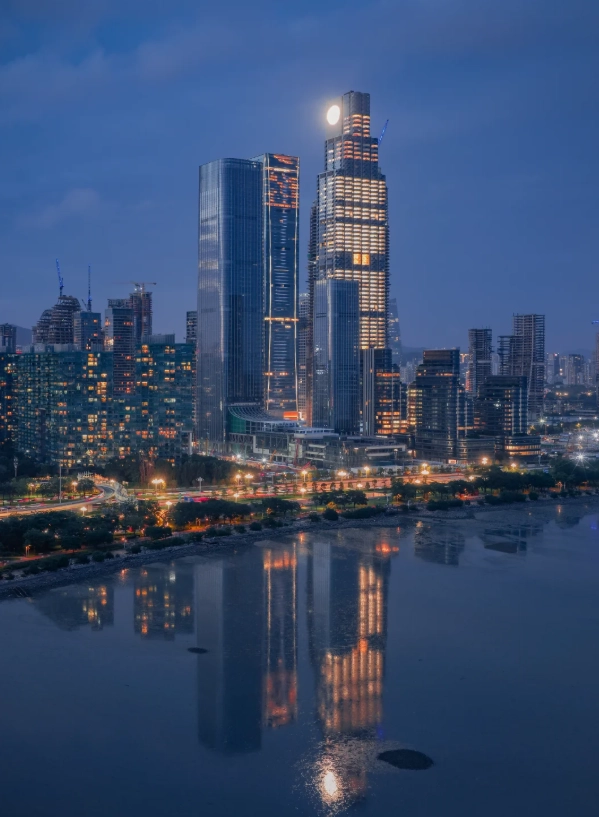
5 Ways to Get Around Shenzhen (with a brutal comparison)
Here’s the honest truth: tourists who rely on one method end up frustrated. Mixing metro and ride-hailing is the sweet spot. Let’s compare the options, then I’ll tell you which ones are worth your money.
| Method | Speed | Cost for a 6km trip | Ease for Tourists | Best For |
|---|---|---|---|---|
| Metro | Fastest in rush hour | 3–5 RMB | High – but you have to find exits. | Anywhere within the city |
| Ride-hailing (Didi) | Medium, traffic dependent | 25–40 RMB | High if you can set it up | Late night, large groups, busy areas |
| Taxi | Same as Didi | 30–50 RMB | Low – might not have English | If your hotel can call one |
| Bus | Slow, prone to delays | 2 RMB | Very low – Chinese only | Only for hardcore budget travelers |
| Biking (Mobike) | Variable, good for 2–3km | 1.5 RMB/30min | Medium – need Alipay | Exploring near water or parks |
The Metro: Your Best Friend (Seriously)
Shenzhen has over 300 metro stations and counting. It’s efficient, clean, and has English announcements. This is your number-one transport mode. Period.
To pay, just use your linked Alipay’s ’’Metro’ feature (look for the “’Transport” icon) or scan the QR code at the gate. There’s also the shenzhoutong card in Apple Wallet – you can load it and tap like a speed demon. If you prefer plastic, buy a payment card at any station vending machine with cash.
Watch out for these:
- End of the line & delays: metro usually runs until 23:00 – 23:30. If you’re out late, there’s no all-night service. Please double-check the last train time on the station board.
- Peak hour madness: 7:30–9:00 AM and 5:30–7:30 PM. You’ll feel like a sardine. If you can, schedule any long transfers outside those windows.
- Exits in Shenzhen are numbered (A1, B2, etc.). I once had a tourist leave from the wrong exit and we were already on the other side of an 8-lane road. Always confirm your exit number in your map app.
My personal metro route hack: always check which exit leads to the elevator if you have luggage. Some exits are stair-only. Use the station map at the entrance; it marks lifts with an “elevator” symbol.
Ride-Hailing: Didi to the Rescue
Didi is China’s Uber. It supports English in its standalone app (both iOS/Android) and has an English interface for foreigners. You can set pickup with your location and type in a Chinese address from your map app (or use the “’send to cab” feature in AMap). Payment can be linked to Alipay, so your international card works seamlessly.
Pricing: usually cheaper than metered taxis. A typical 6km ride costs ¥25–¥40. How to avoid scams? No need – Didi gives you an estimated price upfront, unless you choose “taxi” on the app, which uses the meter.
A few things I always tell visitors:
- Didi cars can’t stop in many no-parking zones; the driver will message you to walk to a nearby spot. Look for the car’s license plate number in the app – they often just flash their hazard lights.
- If the driver can’t pronounce your address, simply show them the Chinese text on your phone. English to Chinese doesn’t work well in voice, so type ahead.
Buses: Not for Beginners (unsolicited advice)
Here’s the thing: I’m a local guide, and even I avoid buses unless I know the specific route. The signs are mostly in Chinese, stops are announced in Mandarin only (sometimes Cantonese), and if you get lost, it’s a pain. Sure, it’s only 2 RMB, but the time you waste figuring out the wrong bus is not worth it. Unless you love adventure or someone with you speaks Chinese, skip buses.
If you still want to try, download the AMap and enter your start and destination. It will suggest the number and stop. Always follow the orange dot on your phone.
Biking: The Millennial Way
Shenzhen has a great cycling culture, especially along Shenzhen Bay. You’ll see shared d’d’orange and yellow bikes everywhere. Use Alipay or the bike’s own app to scan the QR code. A quick e-wallet top-up is all you need. Typically it’s 1.5 RMB per 30 minutes.
Where to cycle: Silicon Valley coastline from Huawei and Tencent campuses down to Shenzhen Bay Park is a pro move. On a weekday morning, you’ll be the only foreigner on a bike, and locals appreciate it. Just remember to park in a marked white zone – otherwise, your bike may get locked by the system.
Sample Itineraries: 24 to 72 Hours
Now, let’s get practical. These are my tested routes. They assume you’re staying in Futian or Luohu and have a metro pass. Always check the weather; Shenzhen can be hot and humid, so plan an indoor option for summer afternoons.
24 Hours: The Highlight Reel
Morning: Window of the World – take Metro Line 1 to World Window Station (exit D). Start at 7:30 AM to beat the tour groups. Spend 3 hours staring at the Eiffel Tower and Taj Mahal replicas. It’s kitschy but iconic.
Lunch: Head back to OCT Loft (Metro Line 2 to Qiaocheng North, then walk 10 minutes). Grab a quick Vietnamese sandwich at the local cafe hub. Around noon, stroll the old warehouses turned art studios – perfect for photos.
Afternoon: Visit OCT Harbor (OCT Bay) – use the same line, get off at Shenwan. This is a waterfront mall complex. The design is gorgeous, and there are lots of outdoor seating. At 4 PM, find a coffee shop with an outside view; the sunlight is gentle and you can watch the yachts. My tip: go to the creative art district behind the mall for impromptu graffiti art.
Evening: Take the metro to Coco Park in Futian (Line 1, Gangxia Station exit B). This is the city’s outdoor bar street. Grab a beer at an open-air pub and soak in the neon. At night, the streets buzz with food stalls – try the stinky tofu (no, really, it’s good).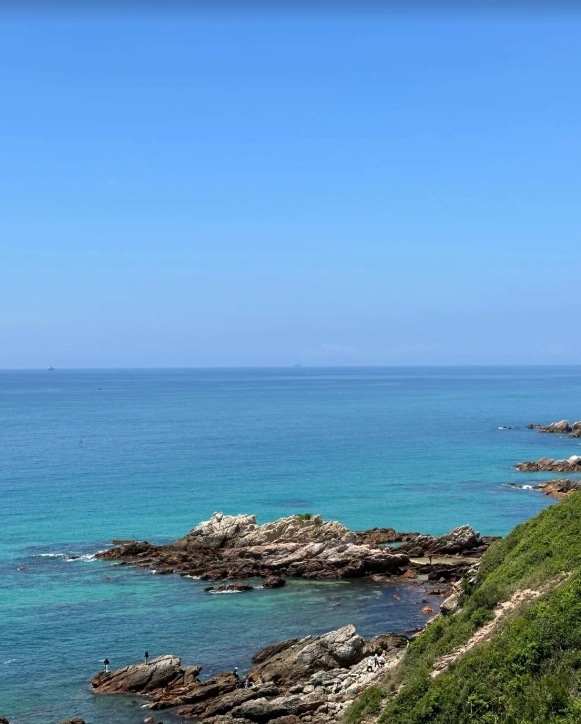
48 Hours: Add Culture
Day 1: Follow the 24-hour plan, but skip OCT Harbor if you want to swap it for Fairy Lake Botanical Garden (take Line 5 to Taoyuan Village, then didi 10 min). The botanical garden is a lush escape from downtown. Arrive before 9 AM; the hilltop view at noon is killer. If you like hiking, pack trekking shoes.
Day 2: Dedicate to Dafen Oil Painting Village (Line 5 to Dafen, exit A). This odd little village “paints” the world’s cheap art. Take a self-guided tour of the creative studios, and find this – there’s plenty of hidden courtyard coffee. In the afternoon, hop over to Shenzhen Museum (Civic Center, Line 4, Exit B). It’s free, but you need to show your passport to get a ticket. The history wing gives good context to what you’ve seen.
72 Hours: Go Deeper
Now you can leave the central districts. Use a full day to visit Dapeng Fortress, one of the best-preserved ancient cities in the region. Take bus E11 from the metro station Liantang? Actually, the most practical route is to take Metro Line 2 to Yantian Road, then take the dedicated tourist shuttle or DIDI (about 60–80 RMB, 40 minutes). The fortress has narrow streets, old trees, and a couple of great coffee spots. Combine it with the nearby Xichong Beach (15 minutes away by bus). If you’re into hiking, the Dapeng Peninsula has the famous Ma Yong hiking trail with jaw-dropping coastal views. Do this on a clear day only; rain makes the trail slippery.
Shenzhen’s Must-Visit Attractions (+ How to Reach Each)
I’m not going to list every single theme park. These are the ones I keep recommending and those that often surprise first-time visitors. Use this table for quick planning, then read my personal notes below.
| Attraction | Address | Adult Ticket | Booking | Metro / Transport |
|---|---|---|---|---|
| Window of the World | Overseas Chinese Town, Nanshan District | ¥220 | Required (passport) | Line 1, Window of the World Station Exit D |
| OCT Loft | North side of Qiaocheng East Rd, Nanshan | Free | None | Line 2, Qiaocheng North, then walk 10 min |
| OCT Harbor | 8 Yanshan Rd, Nanshan | Free (mall area) | None | Line 2, Shenzhen Bay Station |
| Fairy Lake Botanical Garden | 1104 Luohu Road, Luohu | ¥20 | Often required during holidays | Line 5, Taoyuan Station, then taxi |
| Shenzhen Museum | 6 Jingsan Road, Futian | Free | Required (passport) | Line 3, Longgang Line, Children’s Palace Station |
| Dapeng Fortress | Pengfei Avenue, Dapeng New District | Free | None | Bus E11 from Liantang Checkpoint; or Didi |
OCT Loft is my every-visit recommendation. It’s an actual art district converted from industrial shelters. I always walk my group through the alleys behind the main square – most tourists zoom to the front cafés and miss the hidden murals and tiny design workshops. Go on a weekday evening; the lighting is dreamy.
Warning about Window of the World: the replicas look better in photos than in real life, but it’s still a lot of fun. Bring water – the queues at the drinks stalls can be 15 minutes long. If you’re not into crowds, skip it and go straight to OCT Loft.
Fairy Lake Botanical Garden: Bring mosquito spray. I honestly got eaten alive there last summer. The garden is huge; you can easily spend 3 hours. I suggest going up to the top via the shuttle bus (6 RMB) and walking back down through the medicinal garden.
Where to Eat in Shenzhen
Eating is a big part of getting around. You can’t plan a day without thinking about food breaks. Instead of giving you five addresses that might change, here’s the trick I use: look for a “bhaji” or “food street” (like Dongmen Old Street at Luohu, Line 1 Lao Jie Station). The narrow alleys are packed with cheap local dishes.
You must try: Shenzhen-style seafood, especially fresh oysters and shrimp, skewers, and dim sum. Locals swear by their teahouse. On a hot afternoon, escape into a Cantonese tea house and order some cheung fun (rice noodles) and a cold herbal tea. I always point tourists to Fuhua Road in Futian – it’s a street dedicated to food, with everything from Hunan spicy noodles to hotpot restaurants.
If you don’t know where to go, use WeChat or Alipay’s “Dianping” (see below). But for a quick, no-nonsense meal: noodle shops with open kitchens are your friends. They’ll have an English name or at least picture menus. I’ve never left hungry.
Insider Advice: Don’t skip the wet markets. If you see a bustling fruit stall, buy a ripe orange. It will taste like nothing you’ve had back home. Many of these vendors also cook simple stir-fry to eat on the spot. Bring cash for some older vendors.
Where to Stay in Shenzhen
For first-timers, Futian is the best neighborhood to base yourself. It’s central, well-connected, and full of international hotels. You can get a 3-star for around ¥400–700 per night, and 5-star from ¥1000. Families love the OCT Bay area because it’s close to the malls and parks. Budget travelers should check Dongmen district – it’s gritty but super cheap and lively. For a mix of art and peace, OCT Loft has boutique guesthouses, though they book out fast.
What to check before booking:
- Wi-Fi – ask if the hotel has fiber-optic internet; yes, some still don’t.
- Foreigner-friendly reception – call or send a message to confirm they speak English and can register you with your passport. Most chain hotels can.
- Elevator access – a 6-floor walkup with luggage is brutal.
If you’re a solo traveler, hostels are around ¥150–200 per bed; the Meego hostel in Luohu is famous for its community vibe.






No comments yet.