 Chen Liu
Quick Guide: Jump to the section that matters for you.
Let me guess – you're staring at a map of Shenzhen and your brain hurts. Too many districts, too many hotels, and every guide says something different. Relax. I've spent years dragging my clients through this city, and I'm here to tell you exactly where to drop your suitcase.
Here's the truth: Shenzhen isn't a one-day stopover. It's a sprawling mega-city of 17 million people, with skyscrapers, beaches, theme parks, and some of the best food in China. If you pick the wrong base, you'll waste hours on the metro – trust me, I've seen it happen.
So, what's the answer? I always tell first-timers to focus on five core areas. Each one has its own personality, and I'll break them down with hotel picks, transport links, and the tiny details that make or break a trip.
Let's dive in.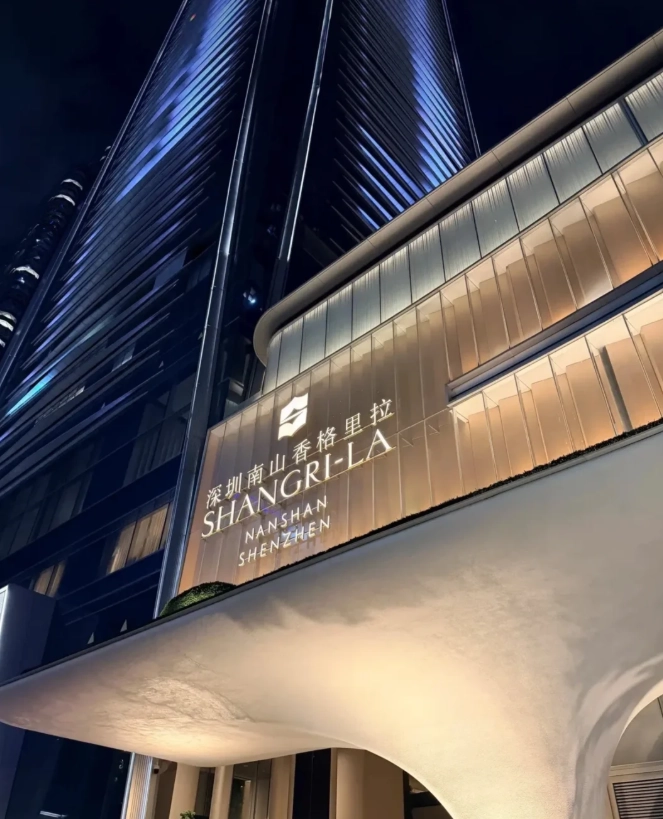
Why Shenzhen Is Different for First-Timers
First, forget everything you know about "Chinese cities." Shenzhen was built from scratch in the 1980s. It's clean, modern, and planned. You won't find ancient temples here – instead, you get sprawling shopping malls, wide boulevards, and a metro system that puts many Western cities to shame.
But here's the catch: attractions are spread out. The city is basically a string of distinct "towns" connected by 15 metro lines. So your accommodation choice isn't just about a comfy bed – it's about your entire trip strategy.
Most first-timers make these mistakes:
- Booking near the airport or train station because it seems "convenient." Bad idea – you'll spend every day commuting.
- Choosing a single area without understanding the metro – then ending up an hour from the spots they wanted.
- Ignoring the city's multiple "downtowns" – yes, there are several, and they're all different.
My job is to save you from those headaches. Keep reading.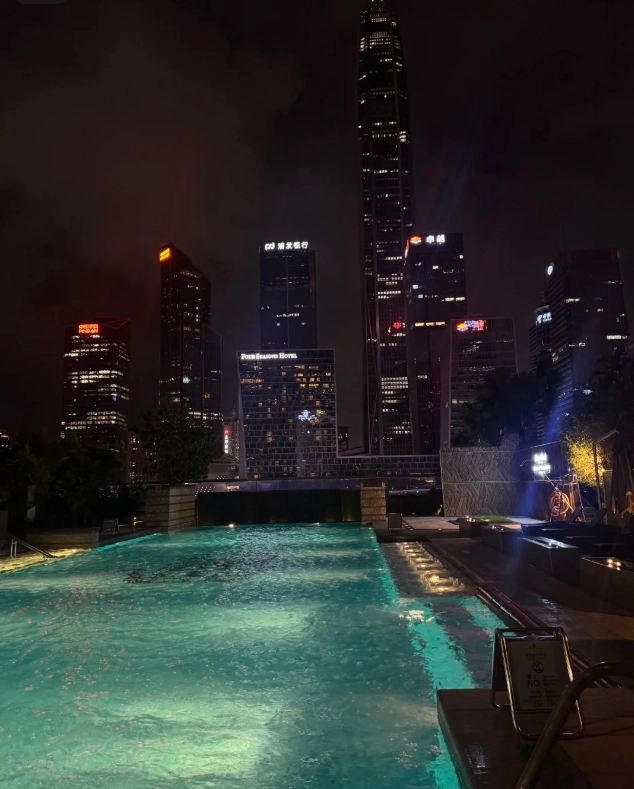
How to Choose the Right Area for Your First Stay?
Before I list the top areas, let's create a simple framework. Ask yourself three questions:
- What's your budget? – Shenzhen hotels range from ¥200 per night (hostels) to ¥2000+ (luxury). Most mid-range hotels sit between ¥400-800.
- What do you want to see? – Theme parks (OCT), beaches (Damai Sand), shopping (Futian/Luohou), or tech vibes (Nanshan)?
- How much time do you have? – If you only have 2 days, you'll want a central hub with quick access to the metro.
Also, don't underestimate the metro. Shenzhen's metro is fast, cheap (starts at ¥2), and English-friendly. Every area I recommend has a station within 10 minutes' walk.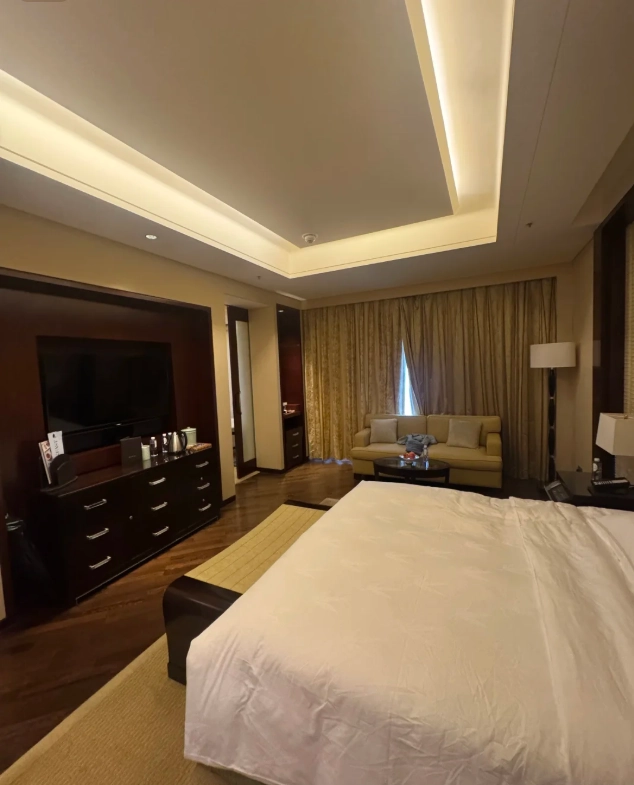
Now, let's look at your options.
| Area | Vibe | Best For | Price / Night (Approx.) | Key Metro Lines | Attractions Nearby |
|---|---|---|---|---|---|
| Futian (福田) | CBD, modern, upscale | Business, shopping, families | ¥500-1500 | 1, 2, 3, 4, 7 | Ping An Finance Centre, Coco Park, Lianhua Hill Park |
| Luohu (罗湖) | Old-school, vibrant, near HK | First-timers, budget travelers | ¥300-800 | 1, 9 | Dongmen Street, Luohu Commercial City |
| Nanshan High-tech (南山) | Tech, young, seaside | Young adults, tech enthusiasts | ¥400-900 | 1, 2, 9 | Sea World, Shenzhen Bay Park, Coast City |
| OCT (华侨城) | Artsy, family-friendly, beautiful | Families, culture lovers | ¥500-1200 | 1, 2 | Window of the World, Splendid China, OCT LOFT |
| Shekou (蛇口) | International, relaxed, waterfront | Expats, slow travelers | ¥400-1000 | 2, 12 | Sea World, Shekou Waterfront, Art Museums |
Now let's dig into each area – with real details you won't find in generic roundups.
The 5 Best Areas to Stay in Shenzhen (Detailed)
1. Futian District (福田区) – The Central Powerhouse
If you want a central base with everything at your doorstep, Futian is your best bet. This is Shenzhen's political and financial heart, with the iconic Ping An Finance Centre piercing the skyline.
I often put my first-timer clients here because the metro network is ridiculous – lines 1, 2, 3, 4, and 7 cross the district. You can reach almost any attraction within 20 minutes.
Hotels? You'll find everything from luxury names like The Ritz-Carlton to solid mid-range options like Citadines. Prices hover around ¥600-1000 for a decent room, but you score amazing deals if you book early.
Watch out: The area is quite spread out. Ping An Tower is on the west side, while the famous Huaqiangbei electronics market is on the east. Make sure your hotel is close to a metro station – the district covers a huge area.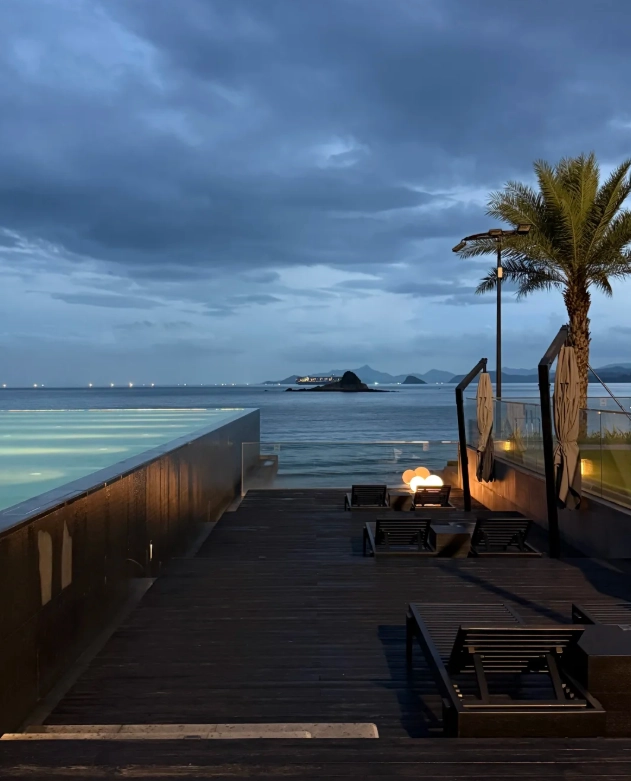
Pro Tip: If you're arriving at Shenzhen North, take Line 4 to Futian – it's a straight shot. And avoid rush hour if you can; the platforms get packed around 8:30 AM and 6 PM.
2. Luohu District (罗湖区) – The Old-School Gateway
Luohu is where Shenzhen's story began, and it's my pick for budget-conscious travelers and those coming from Hong Kong. It's connected to Hong Kong via the East Rail Line, so you can literally walk across the border.
The vibe here is grittier, more chaotic – but that's the charm. You'll find bustling street markets (Dongmen Street), endless electronics shops, and some of the best cheap eats in the city.
Staying in Luohu means easy access to the Luohu commercial area and the train station. Most hotels are older but affordable – you can find clean doubles for ¥300-500. I recommend the Shangri-La Luohu if you want a comfortable splurge (around ¥800-1200).
Heads-up: Luohu can feel chaotic at night. Keep your wallet safe and stick to well-lit streets. Also, some older hotels lack proper soundproofing – check reviews for noise complaints.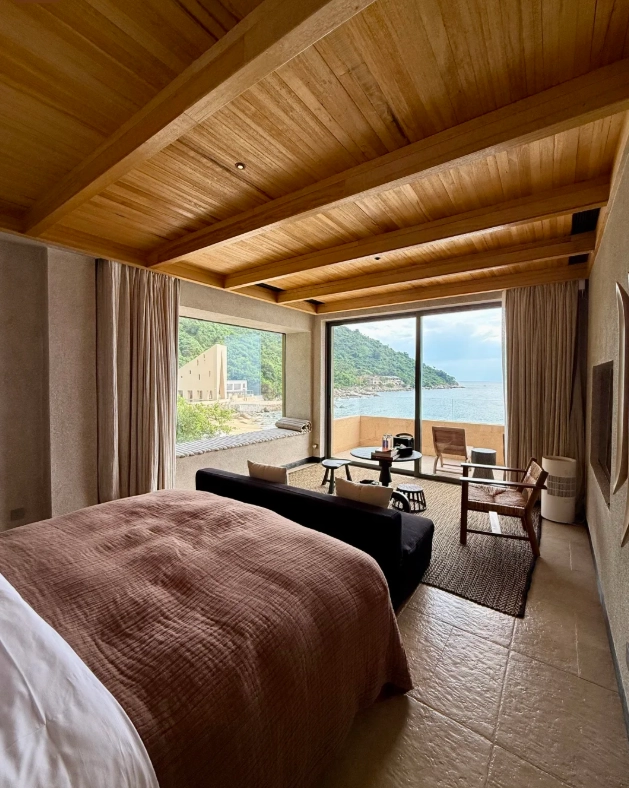
Insider Advice: Do your souvenir shopping at Dongmen Pedestrian Street, but bargain hard – sellers start at 2-3x the actual price.
3. Nanshan High-Tech District (南山区) – Futuristic Vibes
Think glass towers, parkside jogging, and instant ramen-fueled techies – Nanshan is the face of modern Shenzhen. The High-Tech Park area is home to companies like Tencent and DJI, and the whole district feels like a glimpse into the future.
But it's not all work. The Shenzhen Bay Park is a gorgeous coastal lunge path, and the Sea World (which is actually in Shekou, a separate sub-area) is nearby. You'll also enjoy the massive Coast City mall, which has a massive food court.
Prices here are slightly cheaper than Futian for luxury; you can get a great business hotel for ¥500-800. The metro lines 1 and 2 connect you to the rest of the city.
The catch: Nanshan is big. If you're staying in the tech park, you're a 15-minute taxi ride from the coast. Choose your exact hotel carefully – look for one near Line 2, which hugs the coastline.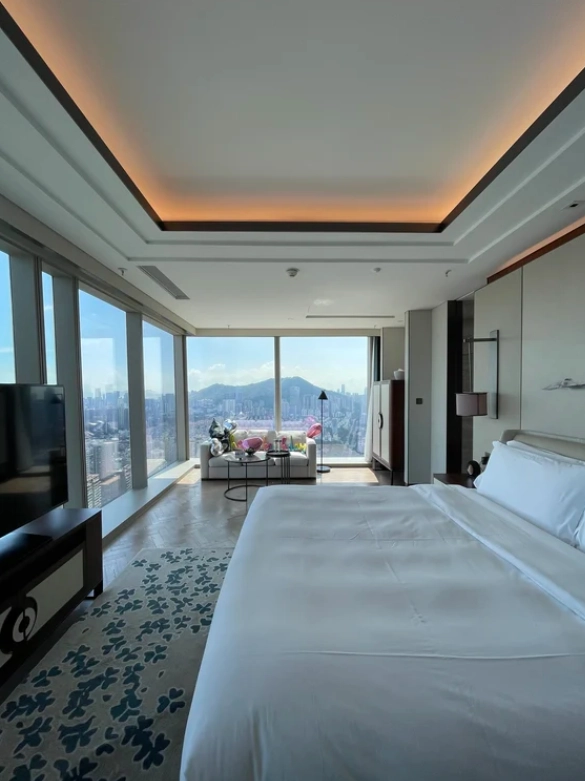
4. Overseas Chinese Town (华侨城) – Family Fun & Culture
This is where I send families – and anyone who wants a quieter, greener base. OCT (as everyone calls it) is a beautifully landscaped area in the western part of Nanshan, built around three major theme parks: Window of the World, Splendid China, and Happy Valley.
If your dream is to see miniature Eiffel Towers and Great Walls, this is your spot. But OCT is more than that – it's also home to the OCT-LOFT creative park, filled with galleries, cafes, and boutique shops.
Hotels in OCT tend to be more expensive, around ¥700-1500. The OCT Grand Hotel is a classic, but there are also some modern options tucked inside the LOFT.
Note: The area is safe and clean, perfect for evening strolling. But the theme parks close fairly early (around 6 PM in winter), so hotels are quiet at night.
5. Shekou (蛇口) – The International Waterfront
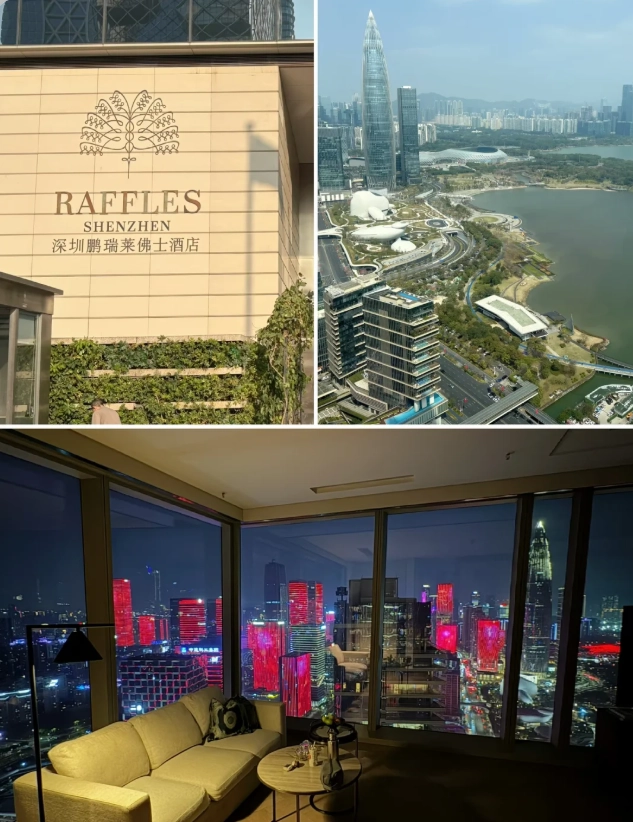
If you're craving a laid-back seaside escape with a healthy dose of international flavor, Shekou is your sanctuary. This old fishing village turned expat hub is on the southwest tip of Nanshan, featuring the iconic Sea World (a huge shopping and dining complex built around a retired cruise ship).
You'll hear English spoken everywhere, find authentic tacos, Italian gelato, and craft beer bars. It's the perfect base for slow travelers or those who want to experience a more relaxed side of Shenzhen.
Shekou now runs on Line 12 – make sure your hotel is near the Sea World station. Taxis from Shekou to the city center cost around ¥50-70.
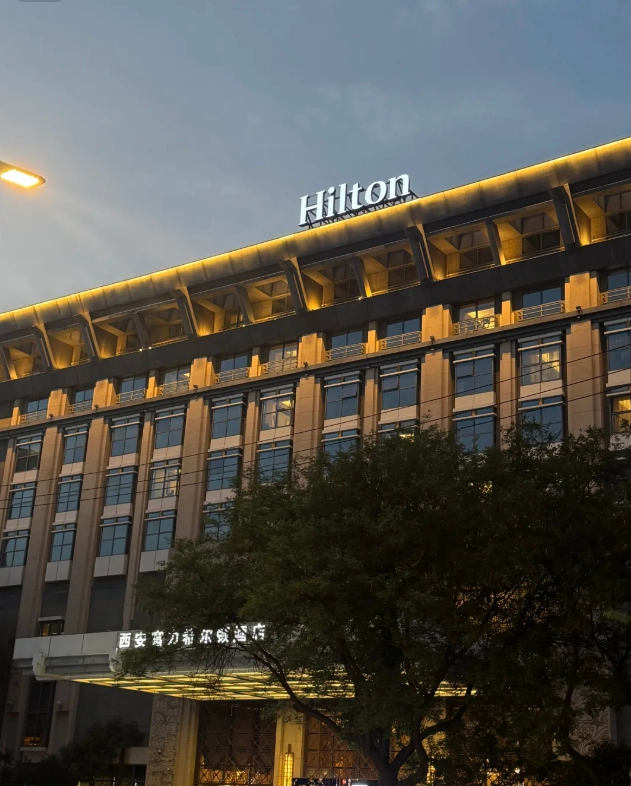
Prices: You'll find boutique hotels and serviced apartments for ¥500-1200. For a splurge, check out the Hilton Shenzhen Shekou, which has killer marina views.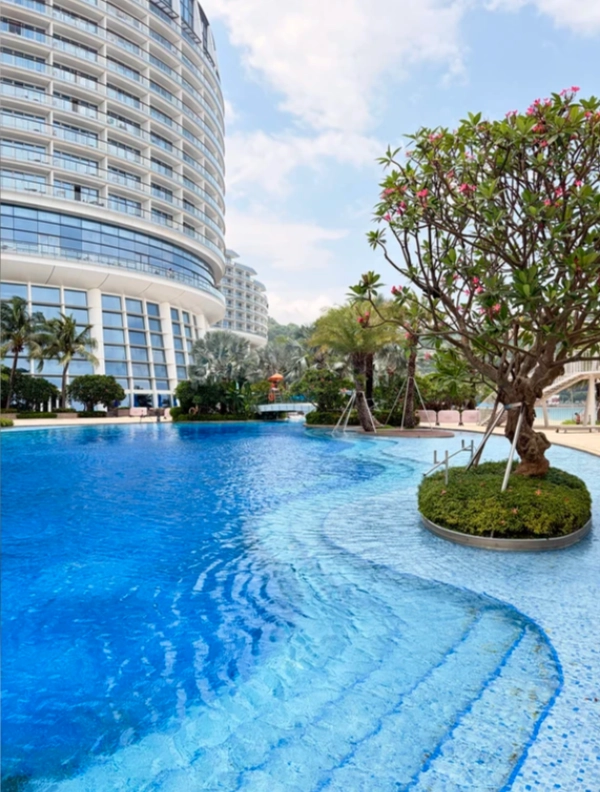
Pro Tip: Don't miss the Maritime Museum near Sea World – it's free and surprisingly interesting for rainy days.
Where Should You Not Stay in Shenzhen?
Now, let me save you from some common mistakes. Unless you have a very specific reason, avoid these three areas:
- Bao'an Airport Area – Yes, it's near the airport, but it's 40 minutes from the city center. Only stay here for a late-night layover or an early flight.
- Longgang & Pingshan – These eastern districts are far from everything first-timers want. You'll spend an hour on the metro just to reach a park.
- Yantian – The famous Dameisha Beach is here, but it's distant and crowded on weekends. Unless you're a beach fanatic, skip it.
These areas are fine for locals, but as a first-timer, they'll make your trip unnecessarily complicated.
Practical Booking Advice for Foreigners
This is where I earn my keep. Booking a hotel in China isn't as simple as in the West. Here's what you need to know:
1. Payment: Most hotels accept international credit cards (Visa/Mastercard) at the front desk for the room rate. But for deposits and incidental charges, they'll likely want a Chinese mobile payment system (Alipay or WeChat Pay). Come prepared with both apps set up – bind your international credit card to them before you arrive.
2. Reservations: International booking sites like Trip.com, Booking.com, and Agoda work well. But some hotels, especially budget ones, may not be listed there. If you're booking directly, use a VPN to access hotel websites or use WeChat mini-programs.
3. Passport Requirements: Chinese law requires all foreign guests to have their passports registered at checkout – even if you paid with a Chinese friend's account. Always carry your passport with you.
4. Check-in for Non-Chinese: When you arrive, the hotel will ask for your passport and visa. Some smaller hotels may not be staffed with English speakers. Don't panic – use a translation app (like Google Translate or Apple's Translate) and show them your booking confirmation.
5. VPN: If you rely on Google Maps, Gmail, or any blocked service, you'll need a reliable VPN before leaving home. Install it on your phone and laptop. And download an offline map of Shenzhen as a backup.
6. Luggage Storage: Many hotels offer free luggage storage even after checkout. If you have a late flight, use this service – it's a game-changer.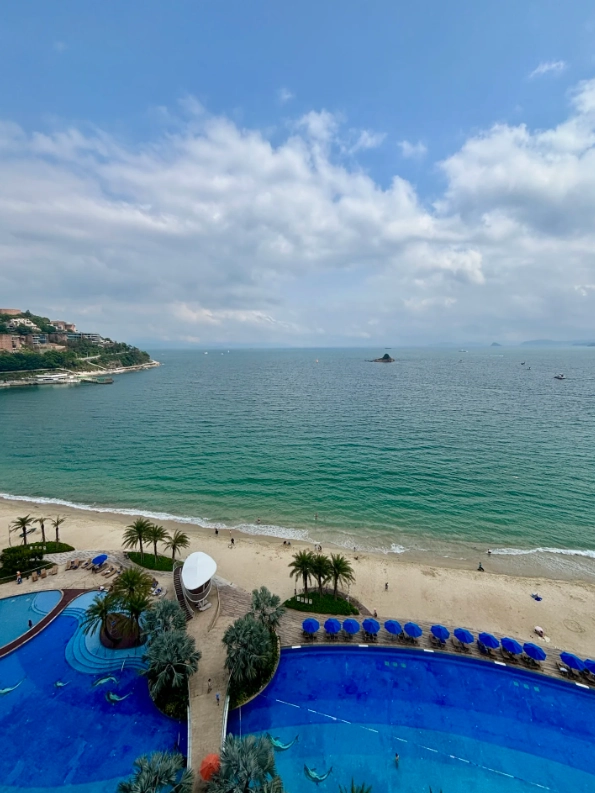
Getting Around: Metro, Taxis & Apps
Shenzhen's public transport is fantastic. Here's how to navigate like a pro:
Metro: The Shenzhen Metro has 17 lines (a number that keeps growing) and is entirely English-friendly. Fares start at ¥2, and you can buy single-trip tickets from vending machines (they accept coins and some banknotes). Better yet, use the Alipay or WeChat Pay travel code by scanning your phone at the gate – it's seamless.
Mobile Maps: Forget Google Maps – it's inaccurate in China. Download Apple Maps (it's actually decent) or use the overseas-friendly AMap Global. I always tell my clients to use AMap Global, as it integrates with taxi apps.
Taxis & Ride-Hailing: Use Didi (the Chinese Uber). The app has an English interface, but you'll need to set up Alipay/WeChat Pay. Hailing a taxi on the street is also possible – they use Chinese, but you can show the address in Chinese on your phone.
Buses: You rarely need them. The metro covers most tourist spots. But if you do, buses only accept cash or a transit card (Shenzhen Tong). Skip for simplicity.
FAQ: Every First-Timer Asks
Final Word from a Local Guide
Choosing where to stay in Shenzhen isn't about finding the "best hotel" – it's about matching the neighborhood to your travel style. I've seen perfectionists crumble in Luohu's chaos, and tech lovers bored in OCT's quiet streets. There's no universal answer.
But for 90% of first-timers, the sweet spot is Futian – you get the balance of convenience, safety, and wow factor. If you're willing to trade a little status for character, Shekou will charm you. For families, OCT is a no-brainer.
Whichever you choose, remember to pre-book attractions, set up Alipay/WeChat, and download an offline map. Shenzhen rewards the prepared traveler.
Have a brilliant trip – and maybe I'll see you in the queue for some jianbing.
Verified and fact-checked by the editorial team.





No comments yet.