 Wei Zhang
Quick Route Overview
Let's cut the fluff. You've booked a trip to Yunnan, and now you're staring at a map of Kunming, Dali, and Lijiang wondering how to connect the dots. I've guided travelers along this route for years, and I can tell you: the internet is full of outdated advice that will have you going in circles. Here's the raw truth — you don't need a 14-day epic. With 7 days, done right, you can see the highlights without feeling like a package tourist. Your secret weapons? The high-speed rail and a few early mornings. Now, before I break down the full day-by-day plan, let me give you the most important piece of advice: book your Dali and Lijiang trains the moment your dates are locked. They sell out fast, and missing one will wreck your entire Kunming Dali Lijiang itinerary. Stick with me, and I'll show you exactly what to book, what to skip, and how to dodge the crowds.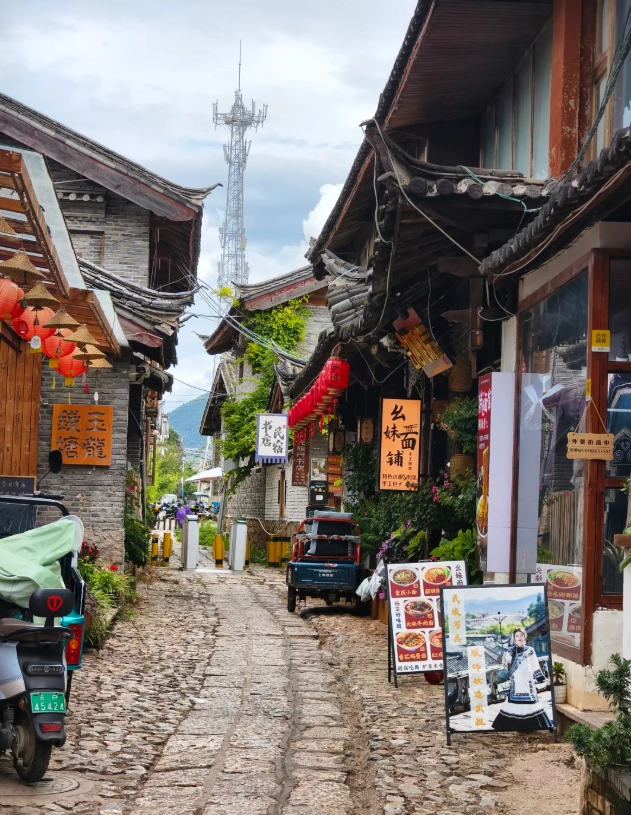
Why This Kunming Dali Lijiang Itinerary Is Different
Most guides you'll find online are either too vague or written by someone who never actually traveled the route. This one is different because I've personally shepherded dozens of foreign visitors through these cities, and I know exactly where they get frustrated — and where they light up.
What Most Online Guides Get Wrong
The biggest mistake? They treat these three cities like they're interchangeable. Kunming is a transport hub, Dali is about slow living, and Lijiang is a UNESCO-listed old town that feels like a movie set. Trying to do all three justice in less than 7 days is a fool's errand. Also, many guides forget to mention that everything in China now requires a smartphone — from train tickets to monument entry. I'll show you how to work around that.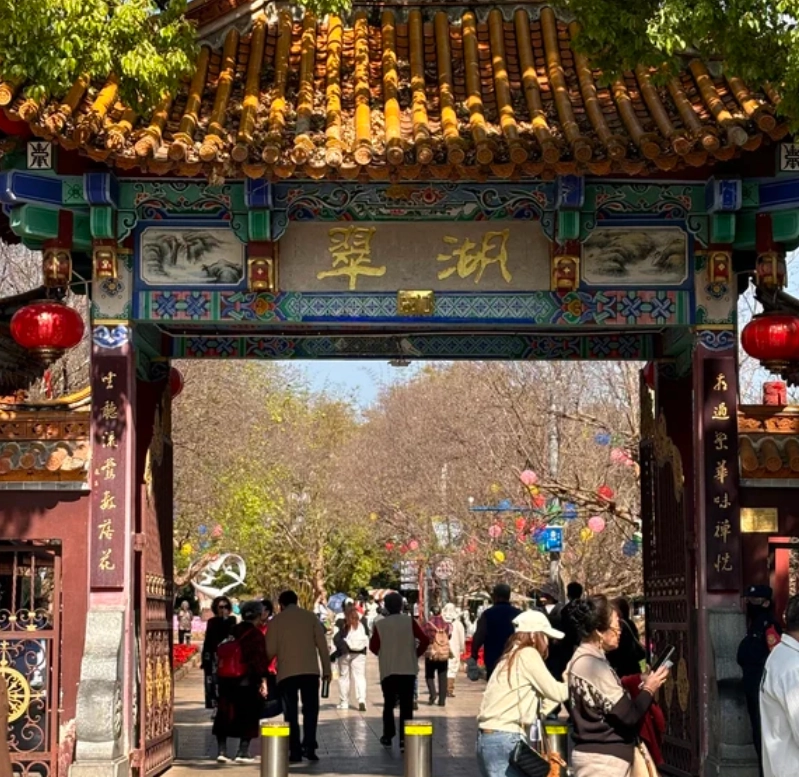
Who This Itinerary Is For
This plan is built for first-timers to Yunnan who want a balanced mix of history, nature, and local culture. It's not for hardcore hikers (you'd need to add Tiger Leaping Gorge) or for luxury travelers (though I'll point out upgrade options). If you're traveling with kids, skip the 7 AM starts on Days 4 and 6 — but you'll miss the best light. That's a trade-off you need to make.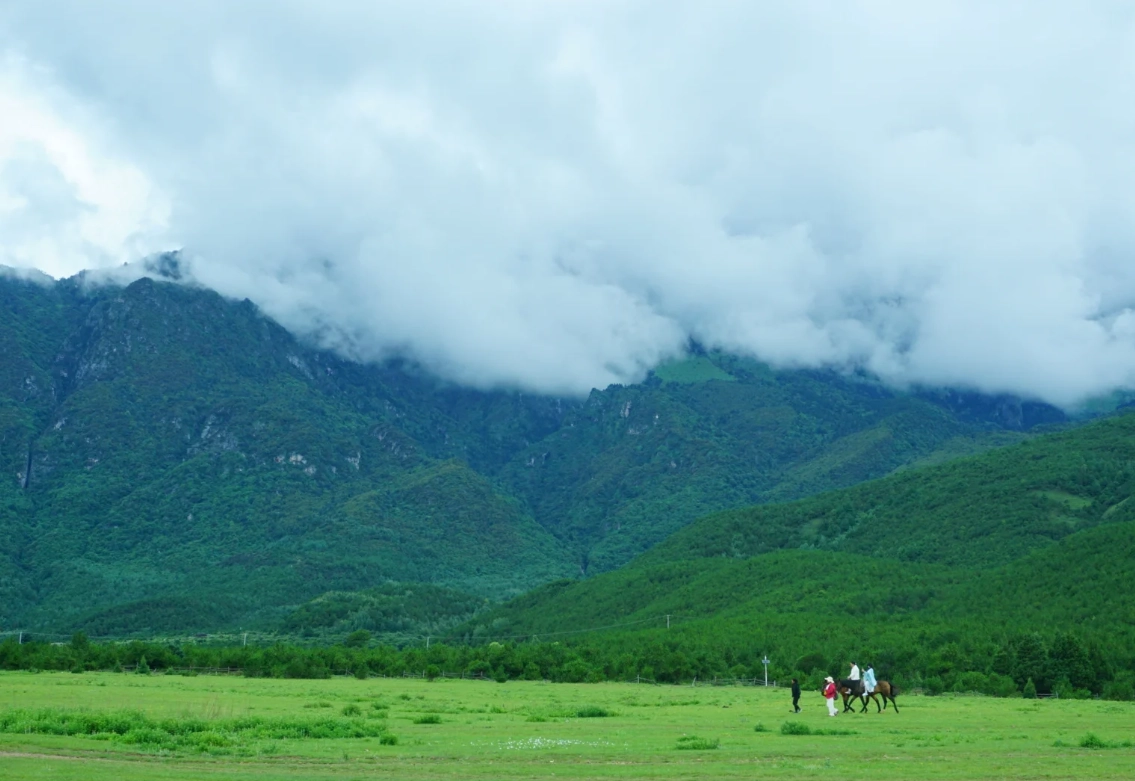
How to Get from Kunming to Dali and Lijiang
Transport between these three cities has transformed in recent years. The high-speed rail is your best friend, but there are choices. Let me break them down.
Kunming to Dali: High-Speed Train or Flight?
Take the high-speed train — no contest. Flights save only about an hour but cost twice as much, and you spend that hour getting to/from airports anyway. The train from Kunming South Station to Dali takes about 2 hours and drops you right in the city. I always book the earliest train (around 7:30 AM) so I have a full afternoon in Dali. The train runs frequently, but foreign travelers can't buy tickets on the official 12306 app without a Chinese ID — here's the catch: use Trip.com or Klook, which accept passports. Download the ticket to your phone, and keep your passport handy for spot checks at the station.
| Route | Transport | Travel Time | Approx. Cost | Best For |
|---|---|---|---|---|
| Kunming to Dali | High-speed train | ~2 hours | ¥145 (second class) | Budget & speed |
| Kunming to Dali | Flight | ~1 hour | ¥300+ | Those with time constraints |
| Dali to Lijiang | High-speed train | ~1.5 hours | ¥65 (second class) | Ease and scenic views |
Dali to Lijiang: Best Route and Time
Again, take the train — but book a window seat on the left side. The railway hugs the mountains, and you'll catch glimpses of snow peaks. I've ridden this line at least 30 times, and the 3 PM train leaves Dali right when the light turns golden over Erhai Lake. Buy tickets in advance — this route has fewer departures than Kunming-Dali, and they vanish in peak season. If trains are sold out, a private transfer costs around ¥400 and takes 2.5 hours. Not worth it in my opinion, unless you're traveling with heavy luggage or someone elderly.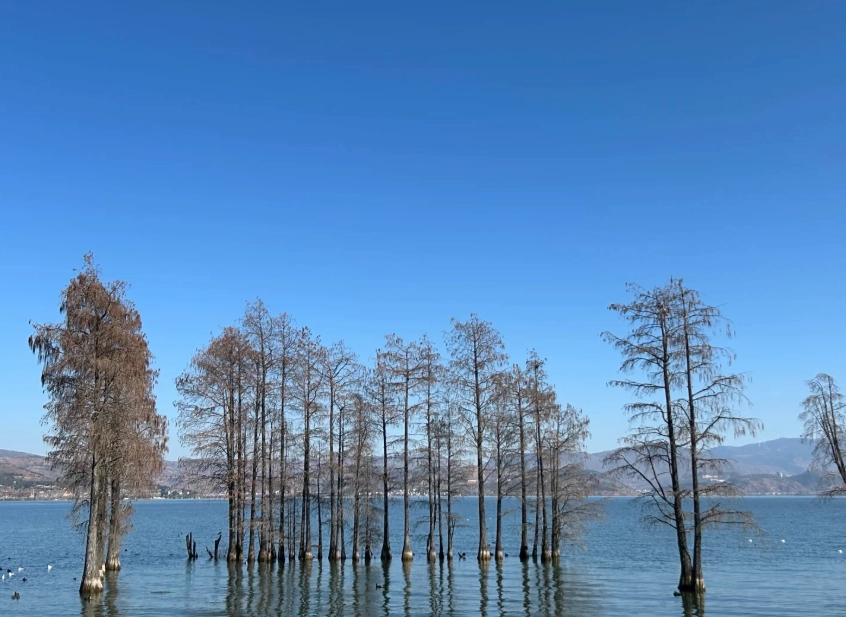
Kunming Dali Lijiang Itinerary: Day-by-Day Breakdown
This schedule is designed to minimize backtracking and maximize your daylight hours. I've tested it with clients from every timezone, and it works. Adjust it if your energy levels demand a slower pace.
Day 1: Arrive in Kunming, Explore the City
Your first day is a gentle introduction to Yunnan's capital. Land at Kunming Changshui Airport, grab a taxi or Didi to your hotel in the Green Lake area (around ¥100, 30 minutes). Drop your bags, and walk to Green Lake Park (Cuihu) — it's free and full of locals dancing, singing, and doing tai chi. This is your first taste of Yunnan's relaxed vibe. For lunch, walk ten minutes to Jianxin Garden Restaurant (address: 102 Tuanjie Road, Wuhua District). I always order their guoqiao mixian (crossing-the-bridge noodles) — the broth arrives boiling, and you add your own ingredients. It's a ritual. After lunch, stroll through Yuantong Temple, one of the oldest Buddhist temples in the city. It's not huge, but the gardens are serene. Around 5 PM, catch a Didi to Jinma Biji Archway — the 15-minute ride costs ¥20. This is Kunming's historical landmark, and the area buzzes with food stalls. For dinner, follow the crowds to Nanping Street, where you'll find Xiao Ren Wu (Small Potato) — they serve Yunnan-style roasted skewers and, yes, the famous local beer. Save energy for the days ahead.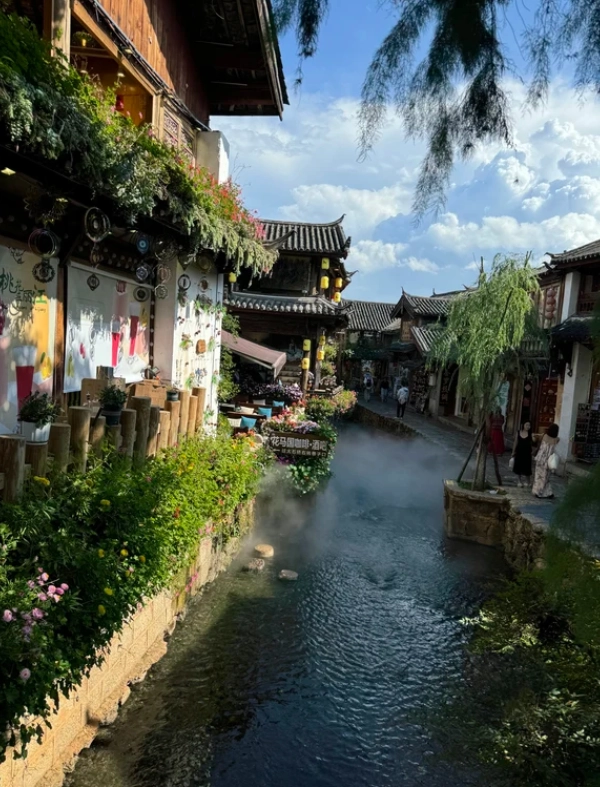
Day 2: Kunming's Stone Forest or Local Life?
If you've seen photos of weird karst pillars, here's your chance — but I'll tell you honestly, it's a tourist circus. Stone Forest (Shilin) is 90 minutes from Kunming on a highway, and entry costs ¥175 (expensive for what it is). The crowds are relentless by 10 AM. My advice: skip it. Instead, take a morning walk through Daguan Park, a beautiful lakefront park with a grand pavilion and views of the Western Hills. Entrance is ¥20. Then ride the cable car at Western Hills (Xishan) for ¥70 round-trip — you'll see Dianchi Lake and the city skyline. This is what locals actually do. If you have a rainy day, head to the Yunnan Provincial Museum — it's free (passport required), and the exhibits on Naxi and Dai cultures will give you context for the rest of your trip. In the afternoon, wander the Flower and Bird Market on Decheng Street. It's a chaotic but charming jumble of orchids, goldfish, and antiques. Grab a street snack like erkuai (rice cake) or ba ba (flatbread). For dinner, treat yourself to a proper Yunnan hotpot at Yunnancai Guandian (address: 36 Dongfeng Road). The mushroom platter is a must — but remember: never eat wild mushrooms unless a local has confirmed they're safe.
Day 3: Kunming to Dali, Afternoon in Dali Old Town
Take the 9 AM high-speed train to Dali. You'll arrive at Dali North Station around 11 AM. Grab a taxi (¥40, 20 minutes) to your guesthouse in Dali Old Town. It's a walled maze of cobblestone streets and white Bai-style buildings. Check in, drop your bags, and head straight to Wuhua Tower — climb the free observation deck for panoramic views of the tiled roofs and Cangshan Mountain behind. This is your iconic Dali photo spot. For lunch, duck into Duan's Restaurant (address: 112 Renmin Road) — their stuffed tofu and sour fish with bamboo shoots are tangy and addictive. After lunch, walk south along Renmin Road to the Foreigner's Street (known locally as Huguo Road). It's touristy, but you'll find cool craft cafes and street performers. At sunset, walk to the south gate of the old town to watch the light hit Cangshan Mountain — it changes color from gold to purple in minutes. Dinner? I always recommend Mengxi Restaurant (address: 77 Honglongjing Lane) for their rushi (baked cheese) — it's an acquired taste, but worth trying. Don't be shocked by the lack of English menus; point at pictures and smile.
Day 4: Dali's Erhai Lake and Xizhou Village
Rent a bicycle or scooter — this is the best day of the whole Kunming Dali Lijiang itinerary. The classic loop is around Erhai Lake, but don't try the full circle (it's 120 km). Instead, ride north along the west shore from Dali Old Town to Xizhou Village. This is the Bai people's cultural heart, where you'll see ancient courtyard homes and the sanzhaowei (three-fold screen) architecture. Stop for lunch at Xizhou Baba — this tiny shop serves the original version of the famous flatbread. I always buy extra for a snack on the way back. In the afternoon, continue to Shuanglang — a lakeside village that's become Instagram-famous. Yes, it's crowded, but the views of the lake and the small islands are unreal. If you're not comfortable on a scooter, take a sightseeing bus from Dali's main square — it runs every hour and costs ¥50. For a true local touch, find a boatman at Caicun wharf to row you through the cormorant fishing area. It's a bit of a performance, but it's been that way for centuries. Return to Dali by 6 PM, hot and tired. Shower, then find a noodle shop and order guoshui noodles — cold noodles with a fiery sauce. Perfect end to a sweaty day.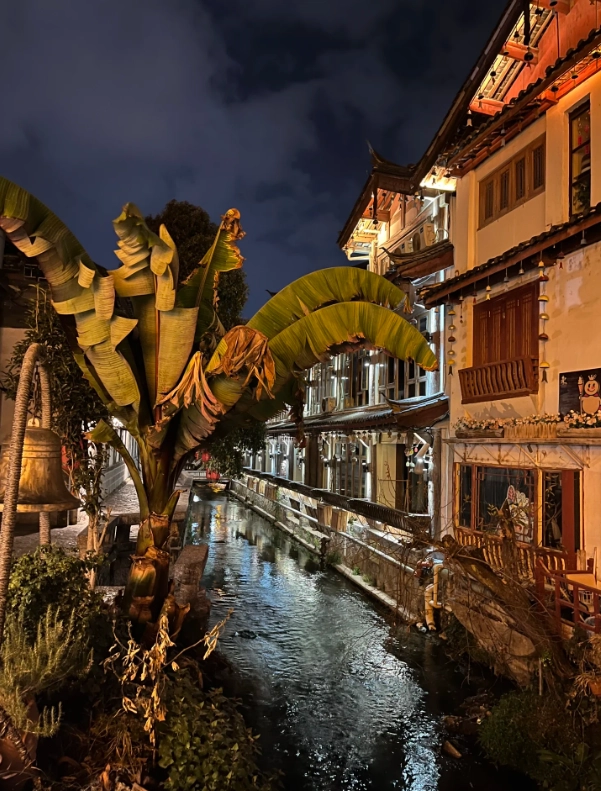
Day 5: Dali to Lijiang, Explore Lijiang Old Town
Morning train to Lijiang — book the 11 AM train. Arrive at Lijiang Station, and your hotel should be within walking distance of the old town (or take a ¥20 taxi). Drop your bags because you'll arrive around 12:30 PM. Spend the afternoon wandering Lijiang Old Town — a UNESCO World Heritage Site. When you enter, you'll notice the labyrinth of waterways and ancient wooden buildings. Head straight to Sifang Street (Square Street), the main square. Every corner sells yak meat, flower cakes, and handwoven scarves. It's touristy, but the architecture is genuinely beautiful. My tip: get lost. Leave the main square and wander down any narrow alley. You'll find quieter courtyards where locals hang laundry and old Naxi women smoke long pipes. For a break, climb to Wangu Tower (¥50 entrance) on the hill at the south end. The view over the black-tiled roofs against the Jade Dragon Snow Mountain backdrop is worth every step. Dinner? Find Naxi Papa (address: 58 Wuyi Street) — they serve Naxi cured pork and jinshan chicken. The boss speaks limited English, but the food is authentic. Note that Lijiang Old Town charges a ¥50 maintenance fee at the main gate — but I've seen it enforced erratically. Ask your accommodation if they can waive it or include it. It's a hassle, but don't let it ruin your mood.
Day 6: Jade Dragon Snow Mountain and Blue Moon Valley
Start at 7 AM — no excuses. This is the biggest tourist attraction in the region, and your buffer against crowds is being early. Book your trip in advance through Trip.com or Klook — entry tickets are ¥100, but you also need a bus pass (¥20) and a cableway ticket (¥120 for the big cable). The combination is about ¥240 per person, but you can skip the bus if you take a private vehicle. The experience: you'll ride a cable car up to an altitude of 4,506 meters. The snow views are stunning, but you might feel short of breath — buy canned oxygen (¥20-30) from any shop in Lijiang Old Town before you leave. After the cable car, descend to Blue Moon Valley (Baishui Terrace) — the water is a surreal turquoise color due to glacial minerals. It's a photographer's dream, and crowds are lighter in the early afternoon if you arrive by 11 AM. Lunch? There's a food court at the entrance, but it's overpriced. Bring your own packed lunch, or better yet, head back to town for a proper meal. Back in Lijiang by 4 PM, take an hour to nap. In the evening, catch the impression Lijiang outdoor show (tickets from ¥280) — it's a massive performance on a mountain stage with hundreds of local performers. It's touristy, sure, but the scale is jaw-dropping. Alternatively, visit the Naxi Music Hall for a more intimate cultural experience.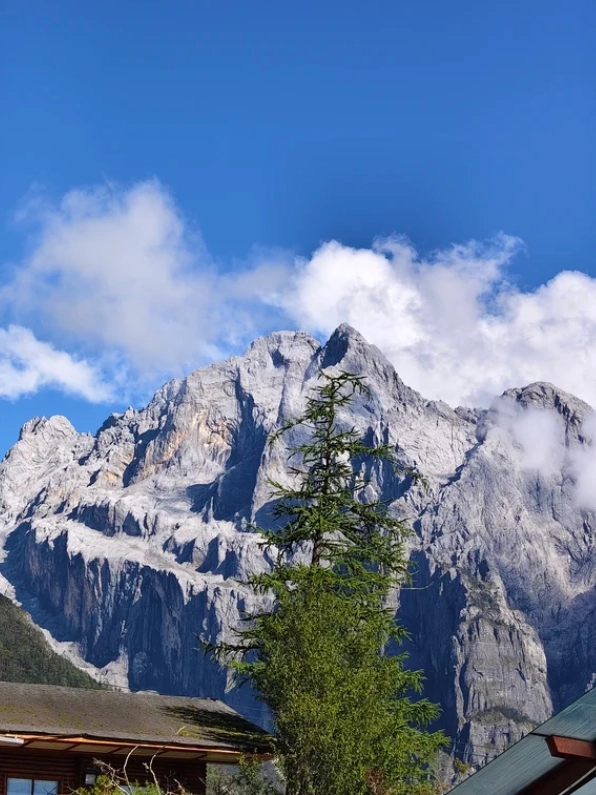
Day 7: Depart from Lijiang or Extend to Shangri-La
If you have a late flight, use the morning to explore Shuhe Ancient Town — a smaller, quieter sister town to Lijiang. It's a 20-minute taxi from Lijiang (¥30), and it's free. You'll see old market streets and a traditional canal system. Grab a coffee at Shuhe Coffee & Cafe and watch the locals go about their morning. If you're headed home, arrange a taxi to the airport. If you have extra days, I highly recommend extending to Shangri-La — the Tibetan border town with the towering Songzanlin Monastery. It's a 2-hour bus ride from Lijiang, but the altitude jump is real. I always tell my clients: if you're already this far, take the plunge and spend 2 more nights there. Your body will thank you for the acclimatization.
Where to Stay Along the Route
Accommodation choices can make or break your trip. I've stayed in all of these at different price points, and here's what I recommend.
| City | Hotel Name | Price Range (CNY/night) | Best For | Key Feature |
|---|---|---|---|---|
| Kunming | Green Lake Boutique Hotel | ¥350-600 | First-timers | 5-min walk to Green Lake, free breakfast |
| Kunming | Hilton Kunming | ¥800-1500 | Comfort seekers | Excellent gym, stable Wi-Fi |
| Dali | Seasons Hotel at Dali Old Town | ¥250-450 | Budget & culture | Traditional Bai courtyard, owners speak English |
| Dali | Puzhao Hotel (Erhai Lake view) | ¥800-2000 | Romantic getaways | Private balconies over the lake |
| Lijiang | Lotus Moon Hotel | ¥300-600 | Boutique travelers | Old wooden building, quiet alley |
| Lijiang | Banyan Tree Ringha | ¥1500-3000 | Luxury & views | Overlooks mountains, spa on site |
Whatever you choose, book through Agoda or Trip.com for reliable English support. Hotels in Yunnan often require a deposit, and international cards may not work at smaller properties — carry cash as a backup. And please, confirm the hotel allows foreigners. Most do, but some guesthouses only take domestic IDs. It's a pain, but it saves you a midnight scramble.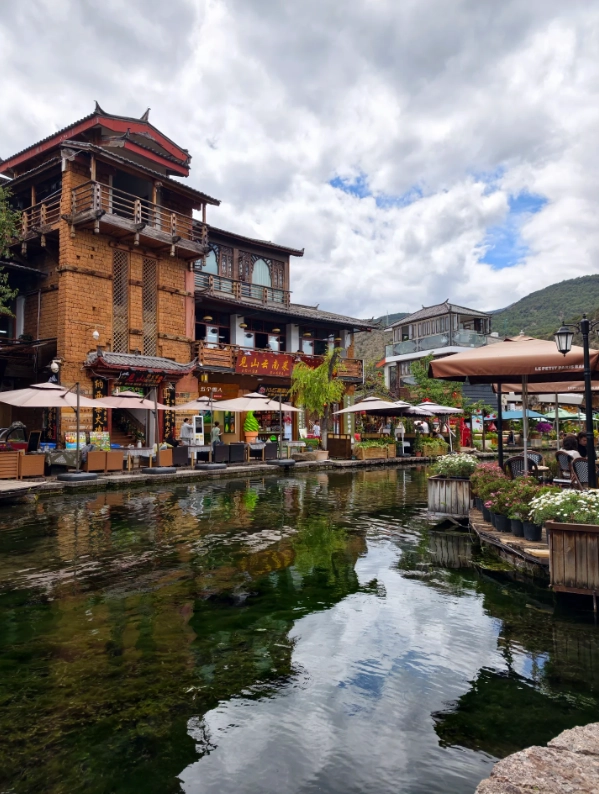
What to Eat on This Itinerary
Yunnan is a food paradise, but you need to know where to go. Here's my personal permission list.
- Crossing-the-bridge noodles (guoqiao mixian) — you'll find this in Kunming. The best version I've had is at Jianxin Garden (address above). It's a soup that arrives boiling, and you add raw ingredients — the waitstaff will show you how.
- Bai-style cheese (rushi) — in Dali, try it grilled and rolled with sugar. It's sweet and slightly sour, like a soft mozzarella. The best place is Mengxi Restaurant, but every street corner vendor sells a version.
- Xizhou baba — this is the flatbread that put Xizhou on the map. Try the savory version with scallions and ham. You'll find original shops near the morning market.
- Naxi hotpot — in Lijiang, pork ribs and spicy broth are the go-to. At Naxi Papa, order the mushroom platter if they have it — it's a game-changer.
- Erkuai — a chewy rice cake you'll see everywhere. It's cheap, filling, and perfect for bus rides. Yes, it's a bit bland on its own, but dip it in the chili-garlic sauce locals use.
Food is generally safe, but stick to places that look busy. If the locals are eating there, you're good. And always have data on your phone — you'll want to screenshot menus and show the dish pictures to staff, who may not speak English.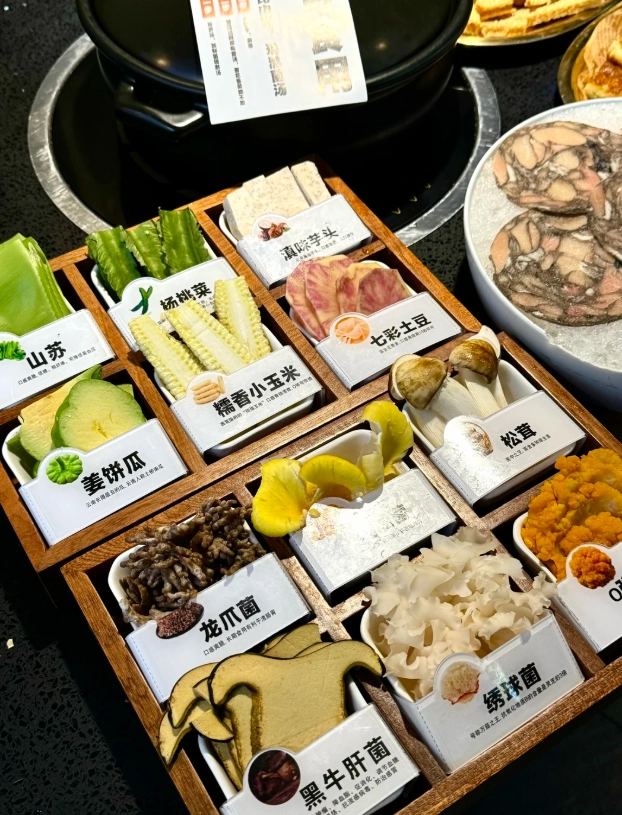
Essential Tips for Foreign Travelers
These are the small things that save you from a meltdown. I've seen too many travelers break down because they didn't know the unspoken rules.
Payment, Navigation, and Booking
Payments are all digital — bring a backup. Alipay and WeChat Pay are accepted everywhere, but they need to be linked to your international card. Set this up at home; doing it on the spot requires a phone number you can receive texts on. Cash is accepted at major hotels and some restaurants, but street vendors won't take it. Google Maps doesn't work well in China. I always tell my clients to download Apple Maps before landing — it actually works. For navigation on the ground, use AMap (the English name is often “Amap Global” — it's built on Apple Maps data). It'll help you walk the winding alleys of Lijiang. Booking attractions: most require your passport number for ticket reservations. For train tickets, use Trip.com. For attraction tickets, the same platform or Klook. Avoid third-party “fast track” sellers — they often overcharge and don't deliver the goods. And beware of “black taxis” at train stations. Only use the official Didi app or the yellow local taxi with a meter. I've seen tourists handed a ¥200 bill for a ¥30 ride — don't let it be you.
Pro Tip: When you arrive at each train station, take a photo of the station sign before you leave. If you get lost, showing that photo to a taxi driver or asking for help in a shop is a lifesaver.
Avoiding Crowds and Scams
The best time to visit any popular spot is before 9 AM or after 4 PM. Plan your days around this rule. At Dali Old Town, the crowds peak between 2-6 PM. At Lijiang, it's even worse — the night scene draws massive tour groups. I always suggest walking the morning of Day 6 (Jade Dragon) at 7 AM to beat the tour buses that start arriving at 9. For scams: be wary of people who approach you offering “special tickets” or “tea ceremonies.” If it sounds too good, it's a scam. And never, ever follow a tout who promises to take you to a “hidden waterfall” — they'll take you to a souvenir shop. For safety, Yunnan is one of the safest regions I've traveled. Violent crime is rare. The biggest risks are altitude sickness at Jade Dragon and traffic when crossing streets — which is chaotic. Use your travel insurance, stay hydrated, and look both ways twice.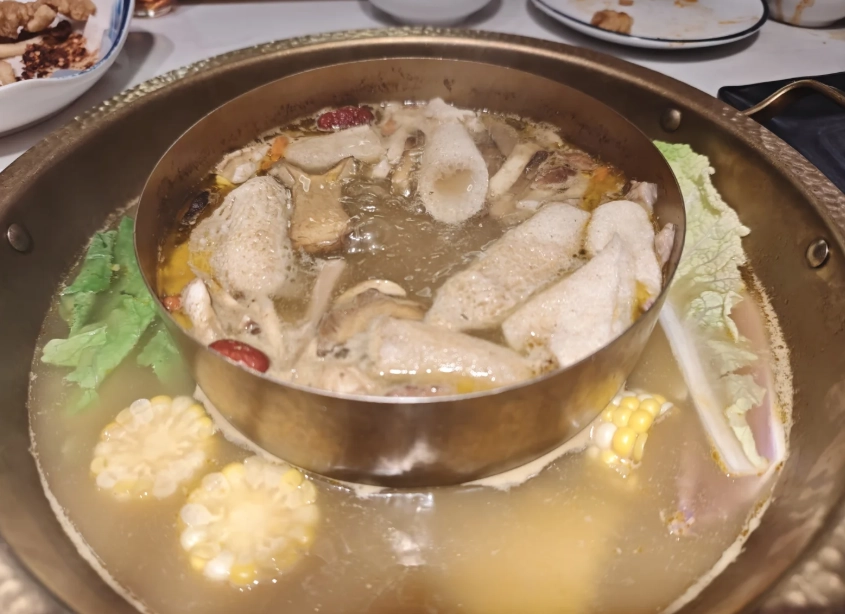
FAQ: Kunming Dali Lijiang Itinerary Questions
Final Thoughts
Honestly, the Kunming Dali Lijiang itinerary is the classic Yunnan route for a reason — it's got diversity, history, and jaw-dropping natural beauty. But it's also a logistical puzzle. The train bookings, the entrance fees, the altitude — they all add up. Yet I've watched travelers shed their stress once they hit the road. The secret is simply arriving prepared. Everything I've shared here comes from real experiences — from the time I had to help a family scramble for a last-minute train to the day I watched a solo traveler cry at the view from Blue Moon Valley. Yunnan opens your heart, but it demands a little planning. So pack light, book early, and let the mountains do the rest.
Verified and fact-checked by the editorial team.






No comments yet.