 Ling Wu
- Why Fall Is the Best Time for a Shenzhen Autumn Itinerary?
- How to Prepare for a Shenzhen Autumn Itinerary
- 3-Day Shenzhen Autumn Itinerary: My Open-Air Route
- Where to Eat on Your Shenzhen Autumn Itinerary?
- What to Pack for a Shenzhen Autumn Itinerary?
- Shenzhen Autumn Itinerary FAQ: Answering Your Booking Nightmares
- Final Advice: Insider Tricks for a Smoother Trip
Autumn in Shenzhen is a quiet miracle. The humidity finally clears, and the sky turns that deep blue you see in posters. Most visitors still show up in summer clothes, a packed schedule, and zero backup plans — then melt down.
I've lost count of how many tired tourists I've untangled at theme park gates in October. The fix? A Shenzhen autumn itinerary that respects the weather, not the guidebook. My golden rule: get outdoors before 10 a.m. and after 4 p.m., and leave the middle of the day for museums or a long lunch. That simple shift changes everything.
The plan below is the one I use with friends who visit me — three days, no wasted transfers, and enough buffer for a typhoon or a hungry phone. Let's get started.
Why Fall Is the Best Time for a Shenzhen Autumn Itinerary?
Shenzhen's summer lasts longer than the calendar suggests. In October and November, the average high still hovers around 26-28°C (78-82°F), but the real relief is the humidity — it drops enough that you can walk outside without feeling sticky after five minutes. That, plus the autumn haze clearing over the bay, makes it the perfect season for outdoor exploring.
Here's the part most guides won't tell you.
The Chinese National Day week at the start of October is a nightmare for crowds. Any theme park will be shoulder-to-shoulder. If you can, schedule your trip from mid-October onward. Not only do the dense tour groups thin out, but the evening light on the Shenzhen Bay waterfront becomes stunning around 5:30 p.m.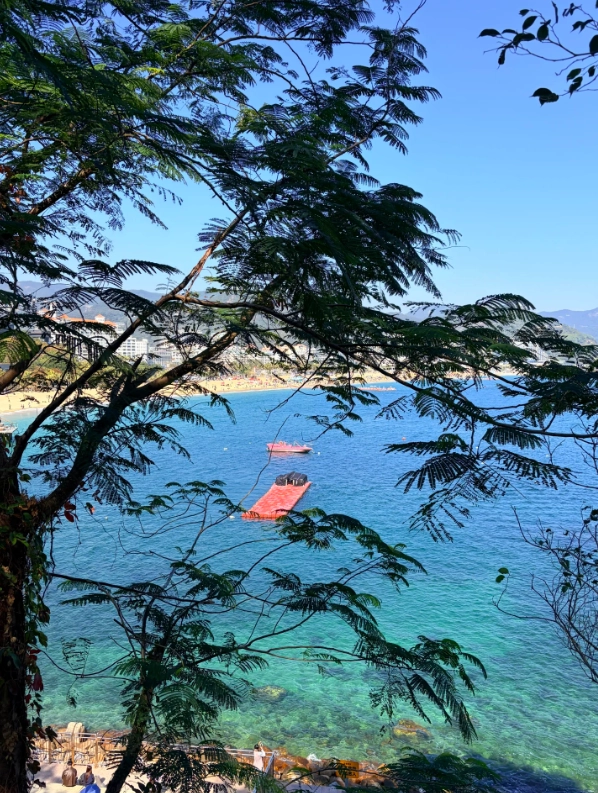
Pro Tip: Skip the packed section near the Shenzhen Bay Park entrance. Walk east for 15 minutes toward the mangroves — the viewing platforms are almost empty and you'll get the same skyline shot without tourists in your frame.
How to Prepare for a Shenzhen Autumn Itinerary
Before you jump into the days, get these four logistics sorted. Otherwise you'll burn an entire morning messing with payments, maps, and mini-programs.
1. Payment: Always Have a Mobile Payment Backup
Your cash or foreign credit card will fail you at many small vendors, but Alipay and WeChat Pay work almost everywhere. Link your international debit or credit card to both apps before you fly. In Shenzhen, even the weekly farmer's market stall takes mobile payments. Still, carry 200-300 RMB in cash for rare cases like a broken POS or a street-side fruit stand that only takes cash.
2. Navigation: Throw Google Maps Away
Google Maps is not reliable inside mainland China. The local data is incomplete and often routes you in circles. Instead, use Apple Maps or download AMap Global (高德地图, toggled to English) before you arrive. Both offer accurate metro and bus directions. Always have the Chinese address of your destination written down — either from your map app or a hotel card — to show to taxi drivers.
3. Booking Tickets: Your Passport Is Your Key
Almost every paid attraction in Shenzhen now requires real-name booking with your passport. The official WeChat mini-programs are often Chinese-only and glitchy for foreign cards. I always book through Trip.com or Klook — they accept Visa and Mastercard and email you a QR code that works at the entrance. For free parks like Lotus Hill or Shenzhen Bay, you usually don't need to book, but some greenway sections may require a QR scan to enter.
4. VPN and Translation: Do Not Skip These
Install a VPN before your trip and test it at home, because it will not work after you land. Free VPNs often get blocked; a paid one is worth it. For language gaps, Apple's built-in Translate app can work offline if you download Simplified Chinese. Baidu Translate is also reliable for photo-based menu scanning.
3-Day Shenzhen Autumn Itinerary: My Open-Air Route
This is the route I actually take with guests. It balances iconic city views with the quieter coastline that makes Shenzhen special. Each stop is timed to beat both the crowds and the harsh midday sun.
Day 1: Urban Parks, Bay Views, and Neon Lights
| Time | Stop | Transport | Notes |
|---|---|---|---|
| 9:00–11:00 | Lianhua Hill Park | Metro Line 3/4 to Children's Palace Station | Free; entrance by the kite-flying square |
| 11:30–13:00 | Lunch at Coco Park | Metro Line 1/3 to Shopping Park Station | Huge dining complex; try local cha chaan teng |
| 14:00–16:00 | Shenzhen Bay Park | Metro Line 9 to Shenzhen Bay Park Station | Rent a bike and ride toward the mangroves |
| 16:30–18:30 | OCT Harbour | 10-min taxi from the bay | Free; watch the light show at the lake (check days) |
| 19:30 onwards | Dinner in the Coastal City area | Metro Line 9 to Shenzhen Bay Park Station | Many seafood restaurants near Shoreland City |
Start with Lianhua Hill because the morning sun is gentle and gives you a panoramic view of the Futian CBD. The 15-minute walk up is shaded, and by 10 a.m. fitness groups are still doing their rounds — it's a window into local life you don't get inside a theme park.
After lunch, head to Shenzhen Bay. The boardwalk is 15 kilometers long, so you don't need to walk it all. I always tell my guests to rent a bike for an hour and ride toward the mangroves, which is the quieter direction. Keep your phone ready for a skyline shot of the Hong Kong hills across the water.
OCT Harbour is more of an open-air shopping complex than a classic attraction, but the 3,000-square-meter artificial lake and the nightly water show (usually 7:00 and 8:00, but confirm on-site) make it a great place to rest your legs. The shops inside are expensive, so go for the ambience, not the food.
If a rainstorm hits in the middle of the afternoon, skip the bay and head to the Shenzhen Museum in the Civic Center — it's free, cool, and tells the city's fishing-village-to-tech-hub story in one hour.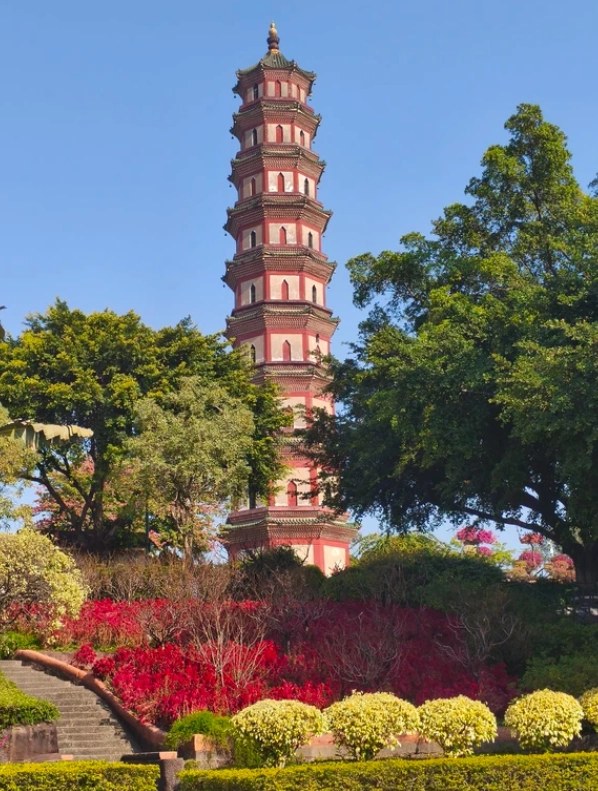
Day 2: Theme Parks, Creative Space, and Old Town Flavor
| Time | Stop | Transport | Notes |
|---|---|---|---|
| 9:00–12:00 | Window of the World | Metro Line 1/2 to Window of the World Station | Advance booking required; bring passport |
| 12:30–14:00 | Lunch at OCT Bay | 5-min taxi | Food court with international options |
| 14:30–16:30 | OCT Creative Park | 10-min walk from OCT Bay | Free; graffiti and art galleries |
| 17:00–18:30 | Sea World at Shekou | Metro Line 2 to Sea World Station | Old ship, cafes, stalls |
| 19:00 onwards | Dinner around Sea World | Walk | Try local grilled seafood |
Window of the World is the one tourist-heavy spot I wouldn't cut from a first visit — it's dated, but the mini Eiffel Tower and the evening show are worth the entrance fee. The catch: the park is huge, and you'll wear out your shoes if you try to see everything. My habit is to walk only the west side of the park (the European and American sections) and then take the small electric shuttle back to the entrance.
Save energy for OCT Creative Park, which sits inside an old industrial complex turned into street-art heaven. The palm-lined roads, repurposed containers, and occasional gallery exhibitions feel genuinely modern — a side of Shenzhen you won't find in most travel blogs.
End the day at Shekou, the old sailing town. Sea World is a giant concrete vessel turned entertainment hub. Skip the overpriced restaurants attached to it and walk 15 minutes further to the Seafood Street (Shuiwan Road) where locals sit on low stools and order fresh razor clams and oyster omelets. It's a full-on sensory experience.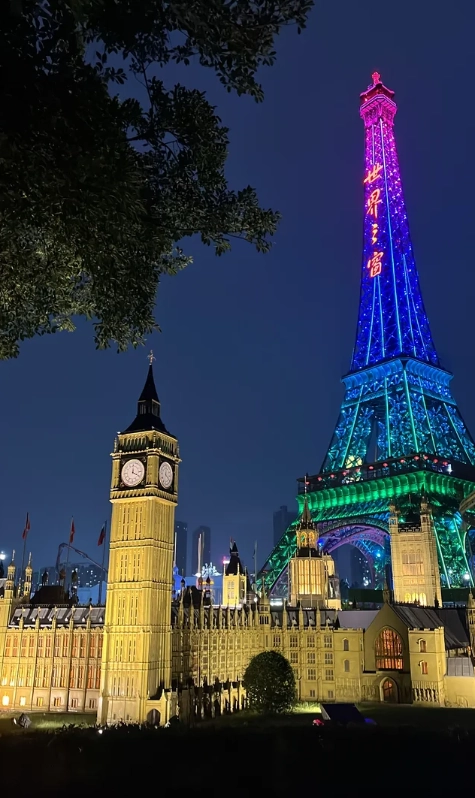
If rain ruins your theme-park morning, swap it for the Shenzhen Art Museum or the Huaqiangbei electronics market — neither is affected by weather.
Day 3: Dapeng Peninsula Escape
| Time | Stop | Transport | Notes |
|---|---|---|---|
| 8:30–11:00 | Dapeng Fortress | Taxi/Didi from downtown (1.5 hours) | Free; use the east gate to avoid crowds |
| 11:30–12:30 | Lunch in Dapeng town | Walk | Order the local "penghu" seafood noodles |
| 13:00–15:00 | Xichong Beach | Taxi from Dapeng (30 mins) | Swimming may be cold; bring a jacket |
| 15:30 onwards | Return to city | Taxi/Didi (2 hours) | Traffic can be heavy on weekends |
Shenzhen's eastern coast is quieter than the downtown area. Dapeng Fortress is a 600-year-old military town that has been resurrected with cute cafes and boutiques. The old town sits at the top of a hill; the paved path is a little uneven, so wear sturdy shoes. I like to arrive right after 8:30 a.m. because the tour buses from nearby hotels start pulling up around 10.
Xichong Beach, about a 30-minute drive away, is one of the few coastal spots in Shenzhen where you can watch waves crash against high rocks. The water is too cold for swimming in autumn, but the views are superb. There are a few small snack shacks, but they only accept mobile payments, so don't rely on cash there.
If you'd rather not travel the full two hours, replace Day 3 with Splendid China Folk Villages and end your trip in downtown Nanshan.
Where to Eat on Your Shenzhen Autumn Itinerary?
Instead of pointing you to a single restaurant that may have closed or changed by the time you arrive, I'll teach you the way I navigate Shenzhen's food scene. The trick is the app Dianping (大众点评) — it's the Chinese Yelp, and its local reviews are brutally honest. Switch it to English if you can, or use the photo-search function.
Shenzhen is a city of migrants, so you're not limited to Cantonese food. You'll find spicy Hunan food, smoky Xinjiang lamb skewers, and fresh seafood. My personal habit: always order one vegetable dish from the daily specials board — the seasonal greens in autumn are particularly good.
For your first night, I'd take you to the Shekou Seafood Street (near Shuiwan Road). It's a row of open-air stalls, each with flat-bottomed tanks of live shellfish. Pick your fish or crab, tell the owner how you want it cooked (usually by pointing at another person's plate), and settle at a plastic table. Expect to pay around 150–250 RMB per person for a full seafood meal — the price is honest if the owner ticks their head when you point to the tank.
In the Futian area, the underground shopping mall at Coco Park has nearly a hundred restaurant choices. If you're nervous about ordering in Chinese, use the photo menu method: point at the dish, say "one", and you're done.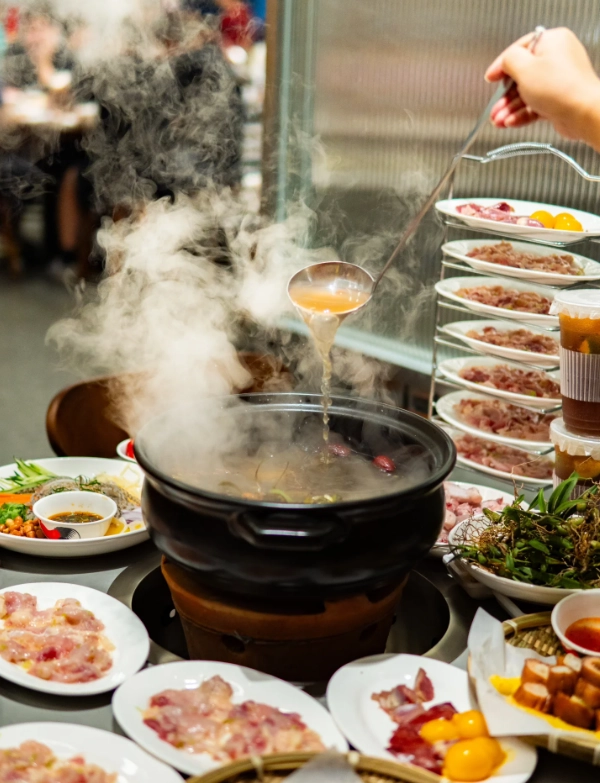
Pro Tip: Download the "Dianping" app and set your location to your hotel. Search for "海鲜" (seafood) or the name of a dish like "砂锅粥" (claypot congee) and sort by rating. Check the photos to see if the place looks clean and busy.
What to Pack for a Shenzhen Autumn Itinerary?
The autumn climate sounds mild, but remember that Shenzhen's air conditioning is still running at full blast. Shops, metro cars, and hotel lobbies are freezing while the outside is warm.
- Light jacket or cardigan — for the sharp AC contrasts.
- Long-sleeve shirts — some sun protection without heavy layers.
- Comfortable walking shoes — you'll log at least 10,000 steps on every day of this Shenzhen autumn itinerary.
- Rain jacket or compact umbrella — autumn showers can appear without notice.
- Sunscreen — the UV index can still be high, especially at the beach.
- Insect repellent — evening strolls in the parks draw mosquitoes.
- Portable battery pack — your phone is your navigation, payment, and translation all in one.
Don't overpack. Laundry services are inexpensive and quick in most hotels, so three days' worth of outfits is enough.
Shenzhen Autumn Itinerary FAQ: Answering Your Booking Nightmares
Final Advice: Insider Tricks for a Smoother Trip
You now have a route, but a few extra habits can make the difference between a good trip and a great one.
Always carry your passport. Even the free waterfront parks sometimes require a quick passport scan at the entrance. The scan is security theater, but you'll be turned away without it.
Keep a small stash of laundry detergent in your bag. Some hotels have the machine, but you'll save money doing a small batch yourself at the laundromat down the street.
And the biggest non-negotiable: talk to the locals. The people selling fruit or repairing phones in Shenzhen are often more willing to help than the hotel concierge, though their English is limited. Use sign language, a translation app, and patience. That's how you'll discover an empty temple courtyard or the best durian dessert place.
Verified and fact-checked by the editorial team.






No comments yet.