 Ting Chen
Quick Guide: What’s Inside
I still remember the look on my client’s face when we reached Bita Lake – he was green. Altitude sickness doesn’t warn you. It hits hard, especially if you flew straight from sea level. Pudacuo National Park sits at 3,500 to 4,200 meters (11,500–13,800 ft). That’s serious altitude. Most foreign travelers don’t realize how brutal the oxygen drop can be. You’ll feel it the moment you step out of the car: lightheaded, breathless, maybe nauseous. But with proper planning, you can enjoy this breathtaking plateau without ending up in the clinic.
Here is the catch: most online advice is generic. They tell you to “drink water” and “take it easy.” But I’ve guided hundreds of international visitors, and the real difference comes from specific steps – like where to spend your first two nights, which medication actually works, and how to navigate the park’s emergency system. In this guide, I’ll share exactly what works for my groups.
Understanding Altitude Sickness at Pudacuo National Park
Altitude sickness (Acute Mountain Sickness, AMS) happens when your body struggles to adapt to lower oxygen. At Pudacuo’s elevation, the air contains about 40% less oxygen than at sea level. Symptoms typically appear 6–12 hours after arrival.
What Causes It?
The rapid ascent from Kunming (1,900 m) or even Lijiang (2,400 m) to Shangri-La (3,300 m) and then into the park triggers AMS. Most visitors fly into Shangri-La’s airport (3,280 m) and drive to Pudacuo within an hour. That’s a recipe for disaster. Your body needs time to produce more red blood cells and adjust.
Who Is at Risk?
Anyone can get it – even young, fit people. In fact, athletes often suffer more because they push themselves. Risk factors include: arriving by air, previous history of AMS, dehydration, alcohol consumption before ascent, and existing respiratory issues. Age doesn’t protect you; I’ve seen 20-year-olds collapse and 70-year-olds hike without issues.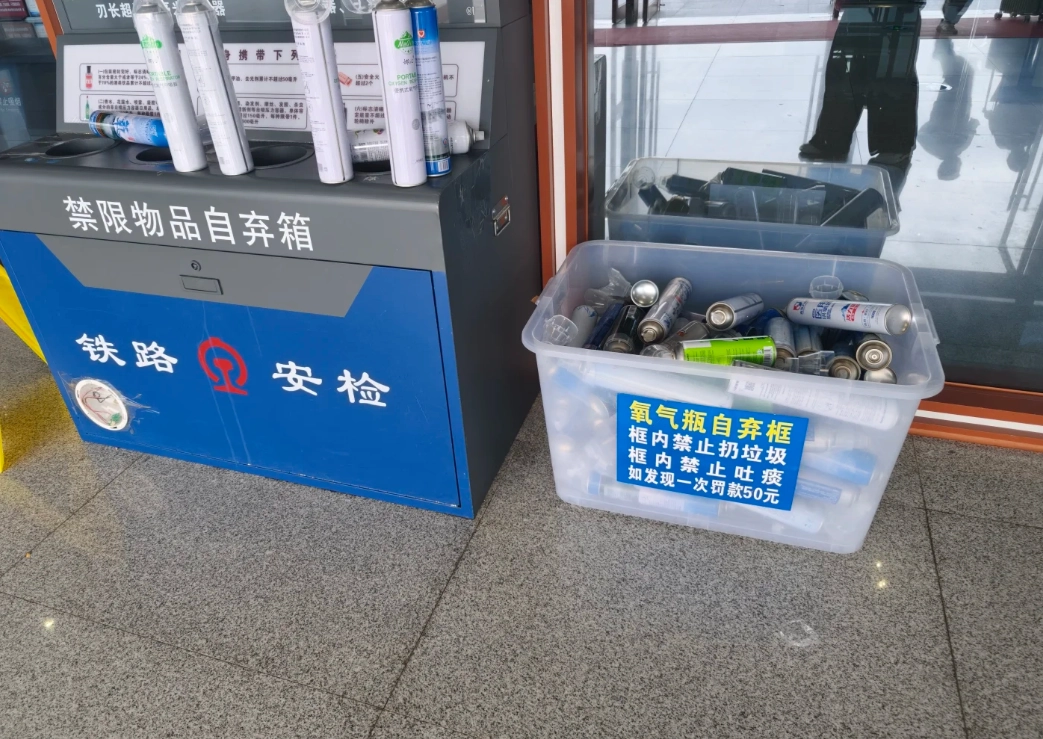
How to Prevent Altitude Sickness Before and During Your Visit
Pre-Trip Acclimatization in Shangri-La
Spend at least two nights in Shangri-La (3,300 m) before entering the park. Do not drive straight to Pudacuo on arrival day. I always tell my clients: book a hotel in the old town (like Songtsam or Gyalthang) and take it incredibly slow. Walk at a snail’s pace. Avoid climbing stairs. Day 2: short walks around Dukezong Ancient Town (no more than an hour). If you feel fine, consider a gentle hike at Songzanlin Monastery – still at ~3,400 m. Your body needs 48 hours to start acclimatizing.
Medications and Supplements
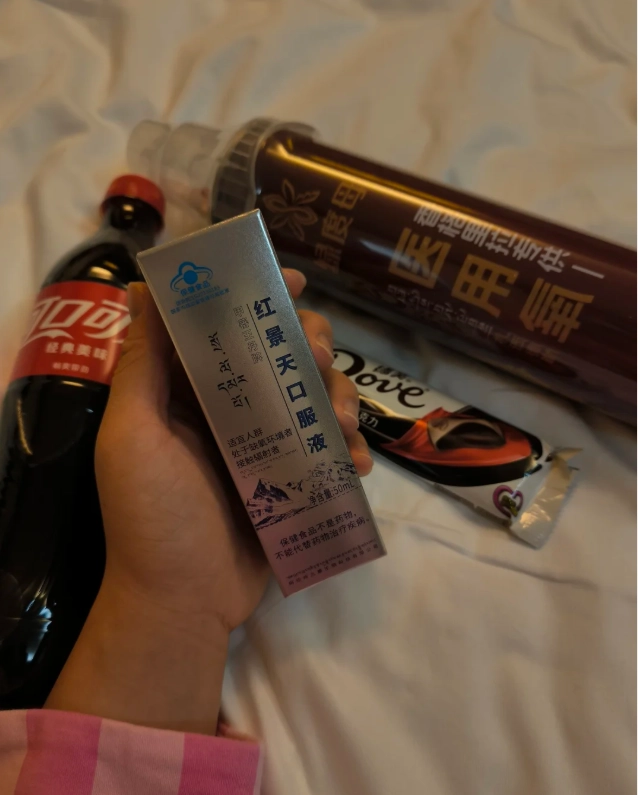
Acetazolamide (Diamox) is the gold standard for prevention. Take 125 mg twice a day starting 24 hours before ascent and continue for two days at altitude. It speeds up acclimatization. Side effects include tingling fingers and weird taste (I call it the “Diamox fizz”). Get a prescription from your doctor before traveling. Over-the-counter options like Ginkgo biloba have mixed evidence, but some travelers swear by it. Ibuprofen can help with headache but doesn’t prevent AMS. Avoid sleeping pills and alcohol – they suppress breathing.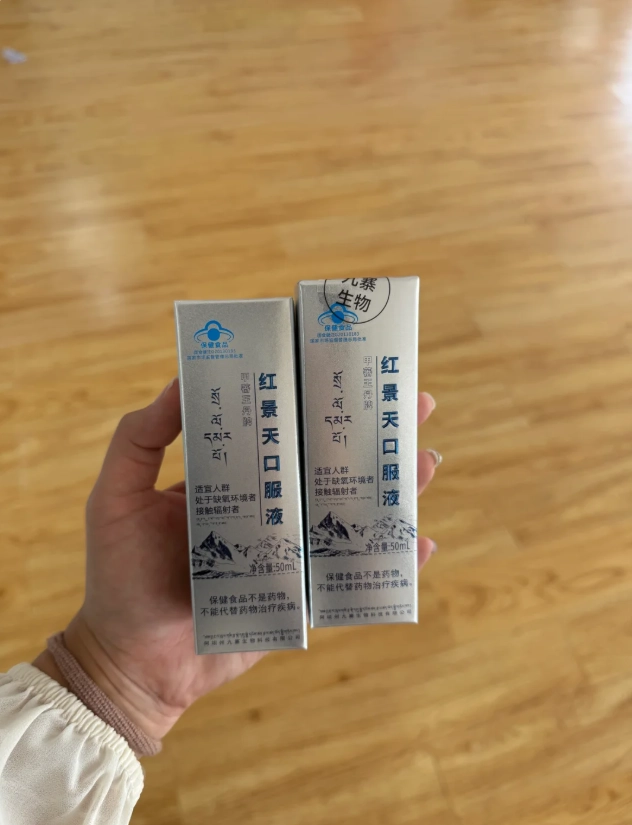
What to Eat and Drink
Hydrate aggressively: drink 3–4 liters of water per day. Add electrolytes (packets are easy to bring). Eat high-carb meals – rice, noodles, bread – they require less oxygen to metabolize. Local butter tea (po cha) is surprisingly helpful; the fat and salt aid hydration and energy. Fresh ginger tea is also available at park restaurants and can settle nausea.
Recognizing Symptoms: When to Turn Back
Mild AMS: headache, dizziness, fatigue, loss of appetite, mild nausea. Stop ascending, rest, hydrate. If symptoms don’t improve within an hour, descend. Moderate: vomiting, worsening headache, staggering gait, shortness of breath at rest. Descend immediately – at least 500 meters. Severe: confusion, inability to walk, fluid in lungs (crackling breath). This is HAPE/HACE – life-threatening. Evacuate by helicopter or vehicle. Pudacuo has a medical post at the entrance; call 120 or have your guide radio the rangers.
| Symptom Level | Signs | Action |
|---|---|---|
| Mild | Headache, dizziness, fatigue | Rest, hydrate, no further ascent |
| Moderate | Vomiting, unsteady walk, persistent headache | Descend 500 m; seek medical help |
| Severe | Confusion, blue lips, breathing at rest | Immediate evacuation (call park rangers) |
First Aid and Treatment Options in the Park
Oxygen Canisters and Portable Chambers
Small oxygen cans (like OxyBoost) are sold at the entrance for about 30 RMB ($4). They provide temporary relief but treat symptoms, not the cause. A better investment: Gamow bag (portable hyperbaric chamber) – some tour groups carry one. It simulates descent without moving. At the park’s visitor center, you can find a first-aid room with oxygen concentrators.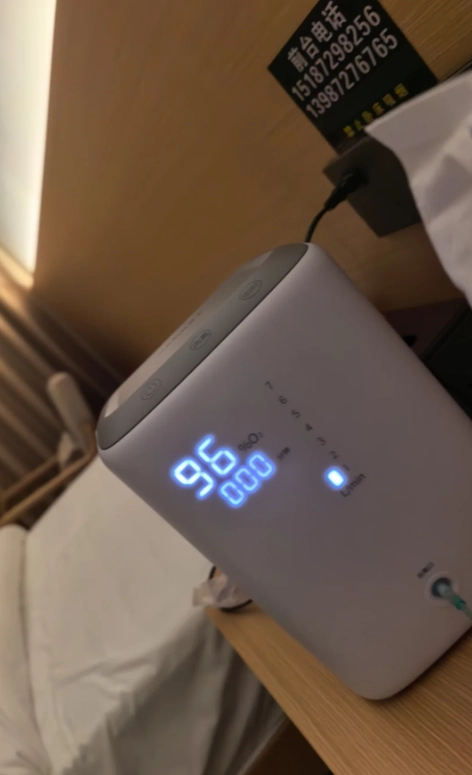
Emergency Evacuation Procedures
If you feel severe symptoms, tell your tour guide immediately. The park has designated evacuation points: Shudu Lake, Bita Lake, and the main entrance. Rangers are equipped with radios. For a fee (around 500–1,000 RMB), a vehicle will take you down to Shangri-La hospital. For helicopter, it’s expensive (5,000–10,000 RMB) and only in extreme cases. Your travel insurance should cover this – check your policy before arrival. Pro tip: Save the park’s emergency number in your phone: +86 887 828 9999 (Shangri-La tourism police can assist).
Insider Tips from a Local Guide
I’ve led over 50 groups into Pudacuo. Here are things no one tells you:
- Don’t walk fast – even on flat paths. The boardwalks around Bita Lake seem easy, but I’ve seen people collapse after 20 minutes. Take a step, breathe, step again.
- Cash is king at high altitude. ATMs in the park often run out of money. Mobile signal is spotty; Alipay/WeChat may not load. Carry 500–1,000 RMB in small bills for snacks, oxygen, or emergency rides.
- Best time of day to visit: 8:00–10:00 AM. Morning air is cooler and less crowded. Afternoon winds pick up, making it feel colder and harder to breathe.
- Bring a pulse oximeter. A clip-on finger device costs about $20. Normal SpO2 at this altitude is 85–90%. Below 80%? Descend.
- Skip the fried food at the park restaurant. It’s heavy and will make you nauseous. Stick to noodle soup or steamed buns.
Insider Advice: Most tourists fly into Shangri-La and rush to Pudacuo the next day. Don't. Instead, take a bus from Lijiang (4 hours, scenic route) or even better, spend 3 days in Lijiang (2,400 m) to start acclimatizing at a slower pace. Your body will thank you.





Okay the altitude is no joke — I popped one of my husband's Diamox before going and still needed a slow pace. But that's part of the charm. The boardwalk around Shudu Lake is so peaceful with conifers reflected in the glassy water. I loved spotting a Himalayan marmot near the trail. We took the optional walk to the observation platform and the view over the valley made me well up. The whole place is very well set up with bathrooms at the stops, and the buses run frequently. It's worth every penny. Bring layers — the wind can cut through you.
Pudacuo is not just a park; it's an experience that stays with you. The shuttle drops you at two lakes, but the journey between them through pine forests and meadows is just as beautiful. We had clear blue skies and the reflections on Bita Lake were absolutely perfect. Even at 3,500m, I only felt a little short of breath. The ticket office has good facilities, and the staff helped us with a lost ID. Clean, well-organized, and stunning. Best memory of my Yunnan trip. Wish we had more time to hike the longer trails.
I was genuinely worried about altitude sickness, but it ended up being one of the most magical places I've ever visited. We went early, rented a warm coat and an oxygen canister just in case, and walked the wooden paths slowly. The stillness of the wetlands, the yaks grazing in the distance, and the crisp mountain air — it's like stepping into a Tibetan painting. Our driver from Shangri-La said to walk like a tortoise and that saved us. Every turn felt untouched. If you're debating whether to go, go. Just take it easy and carry water.
Tough hike but totally worth it. The views across Bita Lake are insane — water so clear it looks fake, with autumn colors all around. I'm a regular hiker and still felt the thin air on the stairs near the observation deck. Make sure to bring your own snacks and water because the cafeterias are limited and pricey. The shuttle system is okay, but the wait at the main gate was a bit chaotic. Still, if you pace yourself and take breaks, it's a great half-day trip from Shangri-La. I'd do it again with better prep.
Honestly, the park is beautiful but the altitude really got to me. We paid the entrance plus the mandatory shuttle, and the whole thing felt rushed. The boardwalk around Shudu Lake was packed, and I had a pounding headache by the time we reached Bita Lake. Maybe it's my own fault for not acclimatizing, but there's hardly any help or information about altitude sickness once you're inside. You just buy oxygen and push through. For the price, I expected better organized stops and at least a few benches where you could sit and catch your breath. Not a bad day, but I left feeling frustrated and dizzy.
My guide told me to 'climb like a sherpa'—one step per breath. That trick saved me at Pudacuo. We entered at 8:30 and had the boardwalk almost to ourselves for the first hour. The lake is so still that the mountains look painted on the surface. Saw a masked civet—or maybe just a big squirrel. Anyway, the park management is stellar: bilingual signs, oxygen stations, and even a little cafe at the visitor center with decent tea. I left my heart (and some O2) up there. Five stars—just don't underestimate the altitude and you'll be rewarded.
This park is the definition of 'take it slow.' I'm in my 50s and was nervous about the altitude—over 3800m in places—but the beauty made every labored breath worthwhile. The mist hanging over Bita Hai, the eerie quiet of the pine forest, the occasional call of birds—it felt like a different planet. I brought ginger candy and used a walking stick provided at the entrance; that made a huge difference. The only challenge was the crowds at the shuttle station in the afternoon. Go early, go slow, and keep your camera ready. Absolutely recommended for anyone who loves raw, high-country landscapes.
Survived the high plateau and honestly it was one of the most magical days in my life. We spent two days in Shangri-La first, which helped a lot. At Pudacuo, the air is thin and your legs feel heavy, but every step between Shudu Lake and Bita Hai is worth it. The colors of the alpine lakes are unreal—turquoise and deep blue shifting with the light. We saw a pair of yaks grazing near the wetland and some rare highland flowers. The shuttle bus drivers were friendly and gave us tips on where to stop. If you're worried about altitude, just walk like a tortoise, drink plenty of water, and maybe bring a small oxygen can. I'd go back in a heartbeat.
Bita Hai was the highlight for me—crystal-clear water reflecting the clouds, and the wooden path makes it easy to walk slowly without getting too winded. I got a mild headache around 3700m, but I'd taken Diamox the day before and drank a lot of water, so it stayed manageable. The park is well set up with clean toilets and labeled native plants. Only reason not a 5 is the entrance fee plus shuttle bus feels steep, and one trail was closed so we couldn't do the full loop. Still, the mix of lakes, marsh, and pine forest is something I'll remember. Just take your time and don't rush the altitude.
I really wanted to love Pudacuo, and the landscape is undeniably beautiful—misty fir forests, glassy lakes. But the altitude kicked my butt. I live at sea level and even with the canisters they sell at the visitor center, I got a pounding headache and nausea partway up the Shudu Lake boardwalk. We had to skip Bita Hai entirely. The shuttle system is efficient, but you're herded in groups and it takes forever to get from one viewpoint to another. For the money we paid, I expected a bit more flexibility. If you're not already acclimatized in Shangri-La for a few days, plan for that, otherwise this park will be a painful blur. Gorgeous, but I left more disappointed than I'd like to admit.