 Hua Sun
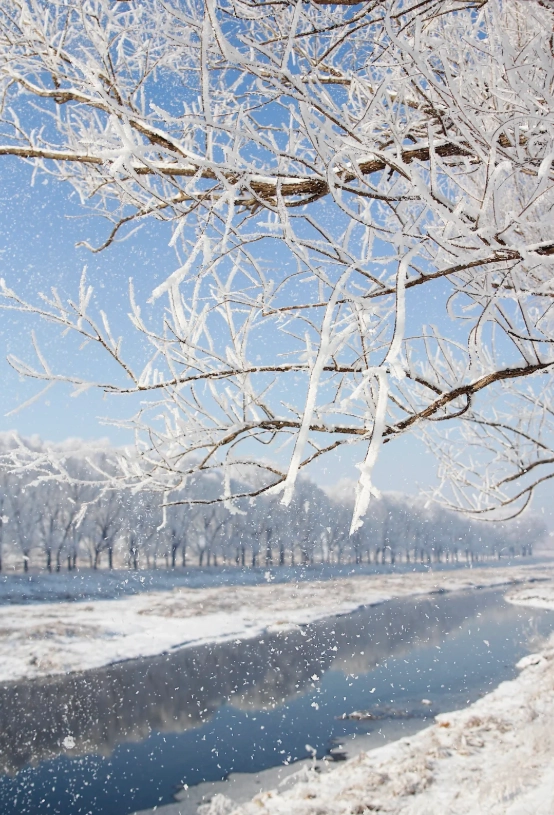
Minus 27°C. My phone died at the riverbank. I stood on the west bank of the Songhua River at 6:50 a.m. watching white frost crystallize on bare poplar branches — and I still had to talk three shivering tourists out of a taxi to the wrong Jilin.
That mix-up is the whole problem. Jilin is a province bigger than England. Jilin City is a river town about 40 minutes by train from Changchun. English-language guides blur the two constantly, so people book hotels in the wrong place or build a Jilin 2-day itinerary that hides six hours of highway driving between Yanji and Changbai Mountain.
Here is the real version. Forty-eight hours built around rime ice, a 1,770 kg meteorite, and copper-pot Manchu hotpot — all inside a 30-yuan taxi radius. Rime only forms on specific mornings, so the most valuable habit you can build is checking the local rime forecast the night before and flipping your two days to match it. That single move saves most travelers from a wasted sunrise.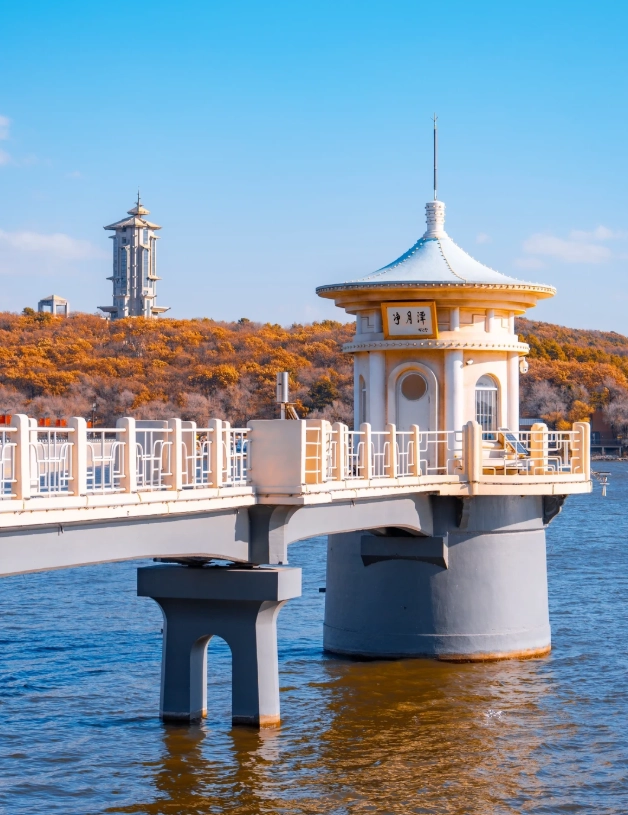
Let me walk you through it.
What's Inside This Plan
- Jilin City or Jilin Province? Get This Wrong and You Lose a Day
- How to Get There and Where to Sleep
- Day 1: Temples, a Meteorite, and the Free Rime Corridor
- Day 2: Rime Island at Sunrise, Then Pick Your Afternoon
- No Snow? The Green-Season Swap
- What to Eat in Jilin City
- Payment, Maps, and Bookings: The Boring Stuff That Saves You
- Questions I Get Asked Every Single Winter
Jilin City or Jilin Province? Get This Wrong and You Lose a Day
I once had a client arrive in Yanji, four hours east of Jilin City, because a blog told him it was "the Jilin you actually want." He wasn't wrong about the food. He was very wrong about the geography.
Jilin Province covers roughly 187,000 square kilometers and holds three completely different travel products: the Korean-Chinese food culture of Yanji, the Koguryo-era tombs near Ji'an that carry a UNESCO World Heritage listing, and the winter river scenery around Jilin City itself. Trying to see all three in 48 hours is not an itinerary. It is a bus tour with a nap schedule.
This plan covers Jilin City and its immediate surroundings. That's the version that actually delivers a full two days of content, and it's what 90% of people searching for a Jilin 2-day itinerary really mean.
For the wider province, the ancient Koguryo capital cities and tombs are documented in detail on the UNESCO World Heritage Centre site — worth a read if you plan to extend the trip.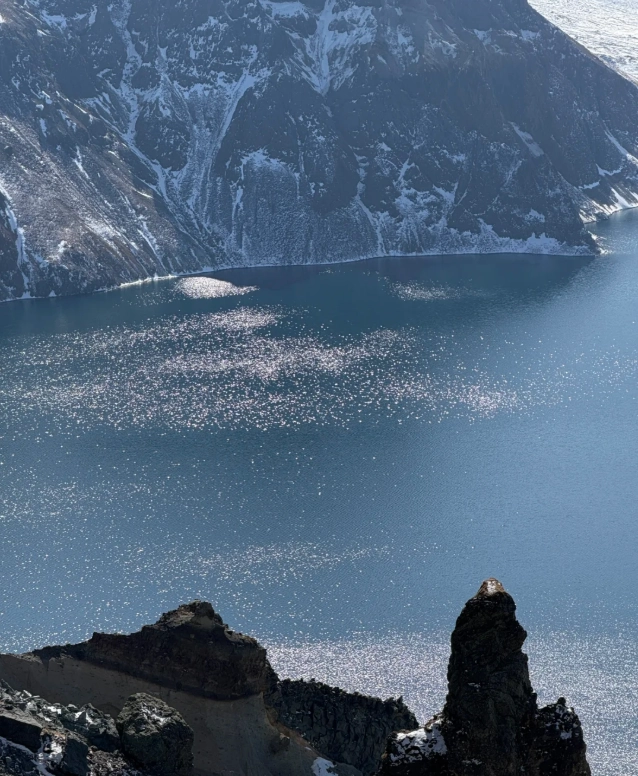
How to Get There and Where to Sleep
Trains, Flights, and the Airport Station Trick
Changchun Longjia International Airport sits roughly halfway between Changchun and Jilin City, and it has its own high-speed rail station connected to the terminal complex — most travelers never realize this and pay for an hour of highway driving instead.
The station is called Longjia, and trains run to Jilin City in about half an hour. Frequency is limited, so check schedules before you land. Book through the official China Railway site at 12306.cn or through Trip.com, which handles foreign passports more smoothly than the local app.
| Route | Mode | Typical Duration | Est. Cost, 2nd Class | How to Book |
|---|---|---|---|---|
| Longjia Airport to Jilin City | High-speed rail from Longjia Station | 30–40 min | ¥25–40 | 12306.cn or Trip.com |
| Longjia Airport to Jilin City | Intercity coach from the terminal | 1 h 20 min – 1 h 50 min | ¥40–60 | Counter in arrivals, cash or Alipay |
| Changchun city center to Jilin City | High-speed rail from Changchun West | 40–50 min | ¥30–45 | 12306.cn or Trip.com |
| Harbin to Jilin City | High-speed rail from Harbin West | 2 – 2.5 h | ¥150–220 | 12306.cn or Trip.com |
| Beijing to Jilin City | High-speed rail from Beijing Chaoyang | 5.5 – 6.5 h | ¥500–680 | 12306.cn or Trip.com |
Fares shift with season and train class, so treat those numbers as a budget guide rather than a quote.
Insider Advice: The self-service ticket machines at Longjia Station are built around Chinese ID cards and will reject a passport. Skip the queue at the machines entirely and go straight to the staffed window. Budget 15 minutes even when the hall looks empty.
Where to Stay: Three Zones That Actually Work
Pick your hotel based on your sunrise plan, not on the star rating — a riverside room and a station-area room are a 25-minute taxi apart at 5 a.m., and that gap decides whether you see rime.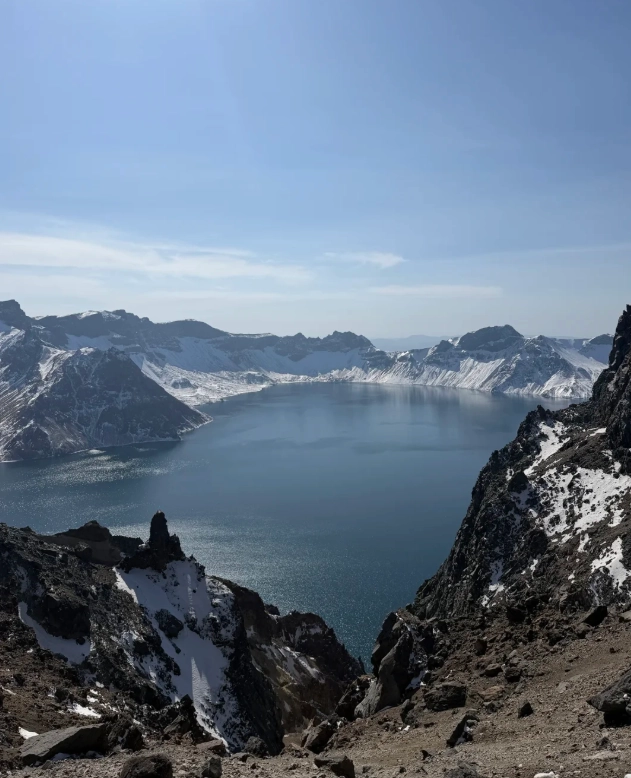
| Zone | Chinese Name for Drivers | Best For | Walk to River | Typical Nightly Rate |
|---|---|---|---|---|
| Riverside and Century Square | 世纪广场 / 松江中路 | Photographers, first-timers, couples | Under 5 minutes | ¥300–700 |
| Jilin Railway Station area | 吉林站 | Budget travelers, early departures | 25–35 minutes | ¥150–350 |
| Hantun Village, Wulajie | 乌拉街韩屯村 | One-night sunrise access | Riverbank is 10 minutes | ¥150–400 |
Riverside wins for most people. You roll out of bed, walk three minutes, and you're standing in frost. Station-area hotels are cheaper and perfectly fine if you're leaving on a 7 a.m. train, but you'll be paying ¥20–30 each way for taxis into the center.
Hantun Village guesthouses are the classic photographer play — rustic, sometimes shared bathrooms, occasionally no English at the front desk. Ask about luggage storage before you book, since you'll want to drop bags and walk to the riverbank immediately.
Day 1: Temples, a Meteorite, and the Free Rime Corridor
Morning: Beishan Park and a Bowl of Jianfen
Beishan Park is free to enter, sits in the middle of the city, and gives you a proper sense of how locals actually spend a winter morning — old men doing calligraphy on the pavement with water, kids on sleds, and temple smoke drifting through bare trees.
The park is in Chuanying District. Show your driver 北山公园正门, the main gate, rather than the park name alone, because there are several entrances and the side ones drop you on a steep staircase. Some of the temple halls inside charge a small separate fee, usually under ¥20, and hours shift with the season — go mid-morning and you'll be fine.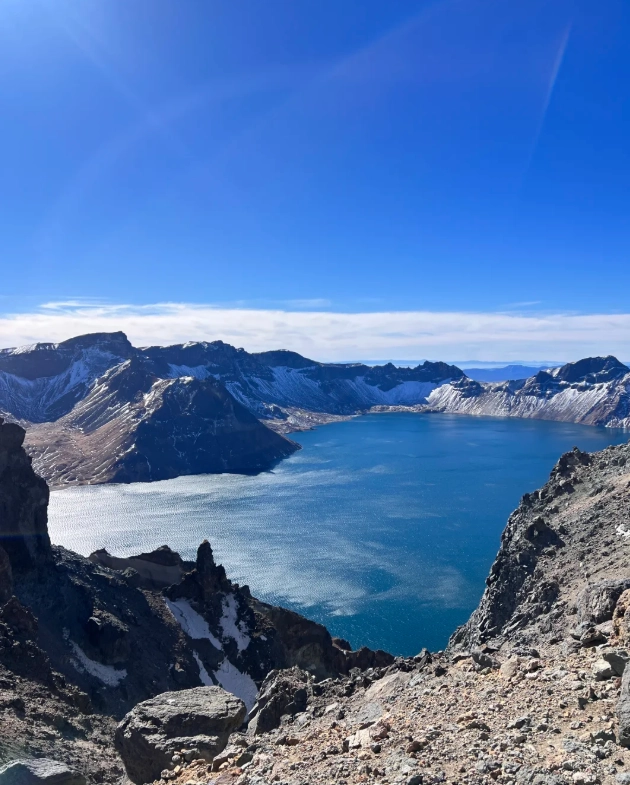
Give it 60 to 90 minutes. Then eat.
Jianfen is Jilin City's signature breakfast and almost nobody outside the province knows about it. It's sweet potato starch cut into cubes, pan-fried until the edges crisp, then dressed with garlic water, sesame paste, cilantro, and chili oil. Somewhere between ¥8 and ¥15 a bowl. Look for the small stalls and shopfronts around the Henan Street pedestrian area — 河南街 — and just point at what the person ahead of you is eating.
Midday: Jilin Confucian Temple and the Meteorite
The Jilin City Museum holds the largest stone meteorite ever recovered on Earth — 1,770 kilograms of it — and entry is free with a passport, which makes it the single best value stop in the city.
Show the driver 吉林市博物馆. Most Chinese museums close on Mondays, so confirm before you build your day around it. Free does not mean walk-in: you'll need to reserve a slot, usually through the museum's WeChat account. Yes, navigating a Chinese mini-program is genuinely annoying, and I'll admit I've handed my own phone to hotel receptionists more than once to get it done. Do the same. It takes them two minutes.
The Jilin Confucian Temple, 吉林文庙, is a short ride away and worth 45 minutes if you like old architecture — it's one of the larger Confucian temples in northeast China, with a quiet courtyard that almost nobody photographs. Entry is inexpensive and occasionally waived in low season. Bring your passport either way.
Grab lunch between the two. Nothing fancy needed. A bowl of noodles and a plate of guo bao rou — sweet-and-sour fried pork, which this region claims as its own — will run you ¥30–50.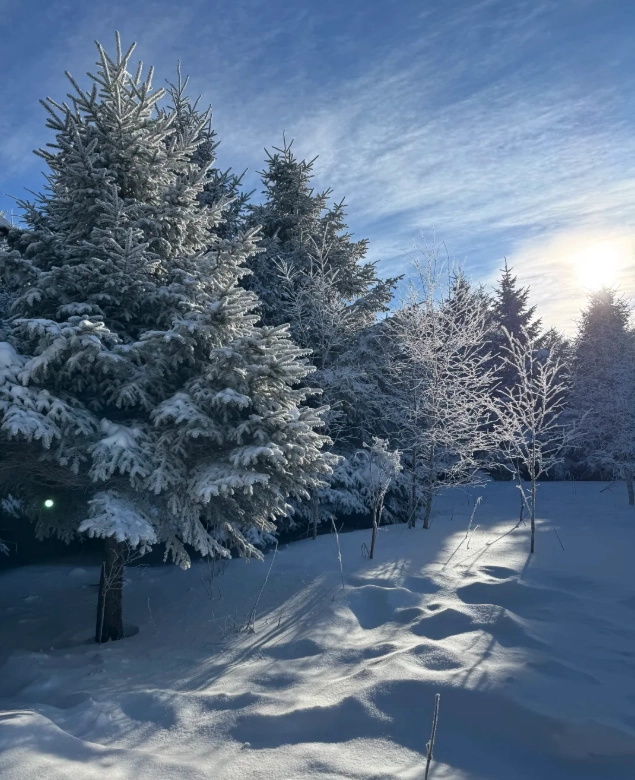
Golden Hour: The Free Rime Corridor on the Songhua River
You do not need Rime Island to see rime ice. The riverside promenade inside the city produces it on most sufficiently cold mornings, costs nothing, and requires no 5 a.m. taxi.
Here's the physics that matters. The Songhua River doesn't freeze through the city because the Fengman Dam upstream releases warmer water. When that water hits air below roughly minus 20°C with high humidity, it throws up vapor that freezes directly onto every branch and railing along the bank. That's rime — soft, white, and completely different from snow.
The classic stretch runs along the east bank between Jilin Bridge and Longtan Bridge, locally called the rime corridor. It's most reliable between about 6:30 and 9:30 in the morning and starts dropping off the branches by 10:30. Miss that window and you're photographing bare twigs.
Stand on the west bank looking east at sunrise for backlit frost that glitters. The east bank gives you a cleaner view of the water vapor rising off the surface. I shoot the west side almost every time.
Pro Tip: Jilin City publishes a rime forecast with a star rating, updated the evening before. Ask your hotel front desk to check the 吉林市雾凇预报 account on WeChat. Zero stars means don't bother setting an alarm — sleep in and do the museum instead. This is the one piece of local information that most foreign visitors never find.
Dinner: Manchu Hotpot and What to Order
Manchu hotpot is the meal to plan your evening around — a copper pot over charcoal, sauerkraut and broth at the base, and thin-sliced pork belly laid in on top.
Look for 乌拉满族火锅 on the sign. There are branches around the city center and in Wulajie itself. Budget ¥80–150 per person. The pot comes with white pork belly, blood sausage, frozen tofu, dried shrimp, and pickled cabbage, and it is far more sour and savory than the spicy Sichuan style most foreigners expect.
Two things I always order alongside: a plate of frozen pear — 冻梨 — which you soak in cold water until it forms an ice shell and then bite into, and a cold noodle dish if the restaurant does one.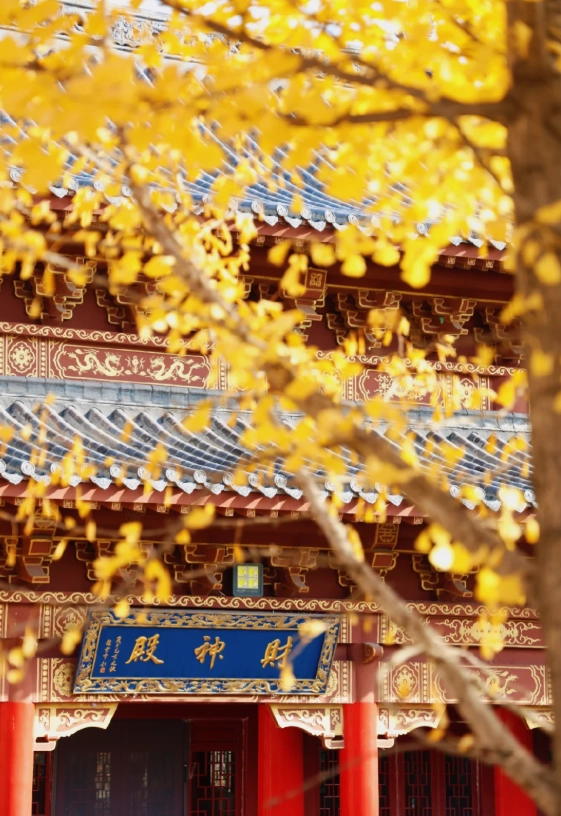
Insider Advice: Do not order the giant combination platter on Day 1 if you're doing a 5 a.m. Rime Island run the next morning. I've watched people try. It does not end well.
Day 2: Rime Island at Sunrise, Then Pick Your Afternoon
The 5:20 a.m. Departure and How to Book a Driver
Rime Island sits in Longtan District near Hantun Village, roughly 40 kilometers and a bit over an hour from the city center — and you must arrange the car the night before, not in the morning.
Scheduled rides through ride-hailing apps are unreliable in smaller cities at that hour. What works is asking your hotel front desk to book a private driver for the round trip, with waiting time included. Expect somewhere in the ¥300–500 range depending on vehicle and negotiation. Agree on the total price and the pickup time in writing before you go to sleep, and screenshot it.
Show the driver 雾凇岛韩屯村. If your Mandarin is nonexistent, the hotel staff can type it into your phone — that's a normal request and nobody will think it's strange.
Alternative: sleep in Hantun Village the night before. Guesthouses are basic but you walk to the riverbank in ten minutes and skip the drive entirely.
What Rime Island Costs and When to Leave
Budget roughly ¥80–120 per person for the combined entry and crossing in peak rime season, and treat that as an estimate to confirm at the gate rather than a fixed price.
The island is a low river island surrounded by villages, and the appeal is the density of frost on the willows combined with the vapor rising off the water at first light. Best window: 6:30 to 9:30. Leave by 10:30. Not because of the crowds — because the rime physically melts, and by late morning you're paying for a ferry to see wet branches.
Wulajie Manchu Town is on the way back and worth a short stop. I'll be honest with you: the reconstructed old street is thin in winter, a few shops and a lot of closed doors, and I've had guests shrug at it. The Qing-era Kui Mansion is the part worth your twenty minutes.v
Afternoon Plan B: Ski, Hike, or Lake
Your afternoon depends entirely on whether you ski — and the closest option to the city is not the most famous one.
| Option | Distance from City Center | Est. Cost | Best For | Notes |
|---|---|---|---|---|
| Rime Island | ~40 km, 1–1.25 h drive | ¥80–120 entry plus ¥300–500 private car | Sunrise rime photography | Go 6:30–9:30, leave by 10:30 |
| Vanke Songhua Lake Resort | ~25 km, 40 min drive | Lift pass plus rental, several hundred ¥ | Skiers with only one day | Closest ski option; gondola runs for sightseeing |
| Beidahu Ski Resort | ~55 km, 1.5 h drive | Lift pass plus rental, several hundred ¥ | Serious skiers staying two nights | Too far for a comfortable day trip |
| Longtan Mountain Park | ~8 km, 20 min drive | Free or nominal | Half-day hike, city views | Steps get icy; wear grip soles |
| Songhua Lake | ~25 km, 45 min drive | Boat ticket in season | Summer and autumn scenery | Boats stop in deep winter |
If you're not a skier, Longtan Mountain is the honest pick. It's a wooded hill with old fortifications and a clear view back over the river valley, and it takes two hours at an easy pace. If you are a skier, Vanke Songhua Lake beats Beidahu purely on logistics — you get real vertical without losing three hours of your day in a car.
No Snow? The Green-Season Swap
From roughly May through October the rime is gone, but the itinerary survives with two substitutions and actually gets more relaxed.
Keep Day 1 exactly as written, minus the sunrise timing. The riverside promenade is a genuinely pleasant evening walk in summer, with people dancing in groups along the bank and vendors selling grilled skewers. The museum and the Confucian Temple are weatherproof either way.
For Day 2, swap Rime Island for Songhua Lake and add Longtan Mountain. Boats run on the lake through the warm months, and the surrounding hills are the reason this area gets called the region's garden.
One seasonal secret worth knowing: in early October, Red Leaf Valley near Jiaohe turns into a corridor of maple color about an hour and a half from Jilin City. It's a local holiday destination and almost invisible in English-language guides. Go on a weekday. On a weekend it is shoulder to shoulder.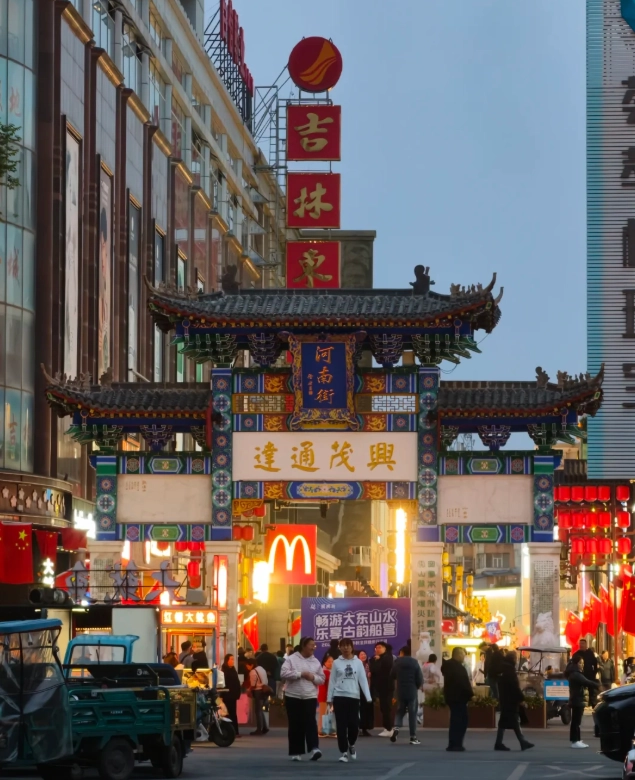
What to Eat in Jilin City
This city eats differently from the rest of the northeast, and the differences are the reason to plan meals rather than grab whatever is nearest.
- Jianfen — 煎粉. Pan-fried sweet potato starch cubes with garlic, sesame paste, and chili oil. ¥8–15. A breakfast food. Look around the Henan Street area.
- Manchu hotpot — 乌拉满族火锅. Copper pot, sauerkraut base, pork belly, blood sausage. ¥80–150 per person. Sour and savory, not spicy.
- Guo bao rou — 锅包肉. Sweet-and-sour fried pork slices. The northeast argues endlessly about who invented it. Order it once and form your own opinion.
- Frozen pear — 冻梨. Soak in cold water until an ice shell forms, then bite. Weird at first, addictive by the third one.
- Cold noodles — 冷面. Served ice-cold, often with a slice of pear. Counterintuitive in winter and strangely perfect after hotpot.
On payment: most local restaurants take Alipay or WeChat Pay, some take cash, and almost none take international credit cards. Set up Alipay with your home card before you fly, and carry a few hundred yuan in cash as backup. English menus are rare outside hotel restaurants — point at photos, or use a translation app on the menu and hope for the best. It works more often than you'd think.
Payment, Maps, and Bookings: The Boring Stuff That Saves You
Three practical realities will shape your trip more than any attraction: Google Maps doesn't work properly here, most tickets need advance registration with a passport, and your phone battery will die in the cold.
- Maps. Google Maps is unreliable inside China. Apple Maps is decent for Jilin City and shows English labels. AMap Global is the other workable option. Have your hotel's Chinese name saved as a screenshot so you can show drivers.
- Connectivity. Install a VPN before you arrive, not after — app stores and download links are harder to reach once you're inside. Apple Translate and Baidu Translate both handle offline Chinese reasonably well.
- Bookings. Attractions increasingly require real-name reservation with a passport number. Trip.com and Klook are the friendliest English-language channels. If a WeChat mini-program defeats you, ask the front desk. This is normal, and staff do it for foreigners constantly.
- Entry rules. Visa and entry policy details change; the National Immigration Administration publishes current requirements and is the source I point clients to rather than forum posts.
- Cold-weather gear. Hand warmers — 暖宝宝 — cost ¥2–5 at any convenience store. Keep your phone in an inside pocket; it will shut down at minus 25°C within minutes if exposed. Thick soles matter more than thick uppers, because cold travels up through the ground.
- Accessibility. The riverside promenade is flat, paved, and manageable with a wheelchair. Rime Island is not — expect a crossing, gravel, and uneven ice. Beishan Park has staircases at most entrances.
One more thing, and it's the kind of detail that separates a good trip from a frustrating one. The public restrooms near the main scenic entrances get genuinely unpleasant queues in peak season, and the cold makes standing outside worse. Use the facilities at your hotel or at the museum before you head to a riverbank or a ferry dock. Small decision, big difference.
Questions I Get Asked Every Single Winter
Is a Jilin 2-day itinerary worth it if I'm already visiting Harbin?
They're different products, so the answer isn't either-or. Harbin gives you the Ice and Snow World — a built attraction with lights and scale. Jilin City gives you rime ice, which is a weather phenomenon that forms on natural trees along a living river. If frost photography is what you're after, Jilin City outperforms Harbin for that specific thing, and it's about two to two and a half hours away by high-speed rail.
Can I pay for Rime Island tickets or the ferry with a foreign credit card?
Assume no. Cash and Alipay or WeChat Pay are the realistic options at small ticket windows. Carry a few hundred yuan in cash — ATMs at major bank branches generally accept foreign cards, but they're not on every corner. Set up Alipay with an international card before you leave home, because doing it after arrival while standing at a ticket gate is not fun.
What happens if the rime forecast says zero stars on my only morning?
Then don't go. This is the advice most guides won't give you, because it costs them a headline. A zero-star morning means no frost, no vapor, and a very cold ferry ride to look at bare trees. Sleep until eight, do the museum and the Confucian Temple properly, and eat a long hotpot lunch. You'll have a better day than the people who forced it.
Do I need a VPN in Jilin City, and will hotel Wi-Fi work?
Hotel Wi-Fi connects fine, but it won't reach Google, Instagram, WhatsApp, or most Western news sites. Install your VPN before departure. Also download offline maps and an offline translation pack — signal along the riverbank and on Rime Island can be patchy, and that's exactly when you'll want to look something up.
How cold does it actually get, and what should I pack?
January mornings along the river regularly sit between minus 20°C and minus 30°C with wind chill on top. Skip cotton as a base layer — it holds sweat and then chills you. Merino or synthetic base layers, a down mid-layer, and a windproof shell work far better. The overlooked item is footwear: thick insulated soles matter more than tall uppers, because the cold comes up through the ground while you stand still waiting for light.
Verified and fact-checked by the editorial team. Prices, opening hours, and transport schedules in China change frequently — confirm current details through official booking channels or your hotel front desk before you travel.
No comments yet.