 Chen Liu
In a Hurry? Jump to the Good Stuff
- Best Ban Gioc-Detian Waterfall Photography Spots
- How to Time Your Visit for Perfect Ban Gioc-Detian Waterfall Photos
- Essential Gear for Transnational Waterfall Photography at Ban Gioc-Detian
- How to Get to Ban Gioc-Detian Waterfall Photography Spots from Nanning
- Sample Itinerary for a Ban Gioc-Detian Waterfall Photography Day Trip
- Practical Tips for Ban Gioc-Detian Waterfall Photography Day Trips
- FAQ About Ban Gioc-Detian Waterfall Photography Spots
I still remember the first time I guided a group of photographers to this thundering border. The mist was so thick that my glasses fogged up before I could even unpack my tripod. That experience taught me a lesson: this isn't a place for lazy shooting. You need to know exactly where to stand and when to press the shutter. After dozens of visits, I've narrowed down the Ban Gioc-Detian waterfall photography spots that actually deliver.
Most tourists stick to the first viewing platform, snap a selfie, and leave. They never realize that a 10-minute walk to the left brings you face-to-face with the falls. And they never realize that the golden light only exists before 9 AM. So in this guide, I'll tell you not only the exact spots but also the timing that makes the difference between a decent photo and a wall-hanger.
Here's the blunt truth: if you're not standing on the lower boardwalk by 7:45 AM, you've already lost the best light of the day. Let's dive into the details.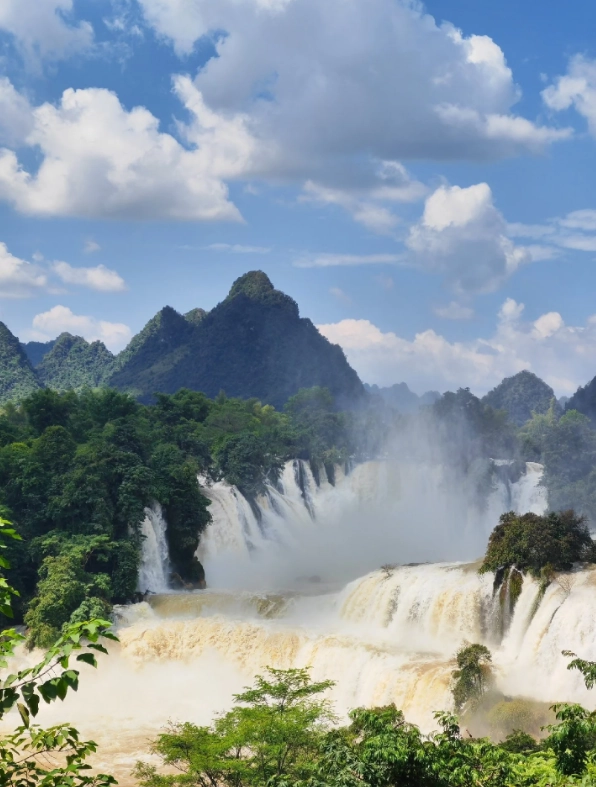
Best Ban Gioc-Detian Waterfall Photography Spots: Where to Stand
Ban Gioc-Detian is actually two falls joined at the border — the Chinese side is called Detian, the Vietnamese side is Ban Gioc. You can photograph both from either side, but the most popular access is from the Chinese scenic area. Here are the spots I keep going back to.
The Classic Chinese Side Viewing Platform
The official viewing platform sits right opposite the main cascade, and it's the first stop for every tour group. It works well for a wide shot, especially with a 16-35mm lens. But by 9 AM, you'll have a hundred shoulders in your frame. My advice: walk up to the third platform instead of settling at the first. It's only a few meters higher, but the angle gets cleaner and includes more river curve. I once watched a photographer nearly back off the edge trying to frame the whole thing with a 14mm lens — the platform has no railing on the far side, so be careful.
The Boardwalk Close-Up
This is my favorite spot on the Chinese side — a wooden boardwalk that leads within 30 meters of the falling water. You'll feel the spray instantly, so wrap your camera in a rain cover or a Ziploc bag. The reward is a dramatic, low-angle view that makes the falls look taller than they are. In the morning, you often get rainbows in the mist. I always tell my clients: skip the first platform entirely and head here first. The boardwalk starts near the small souvenir stall that sells "border honey" — look for the path with a rusted sign warning about slippery steps.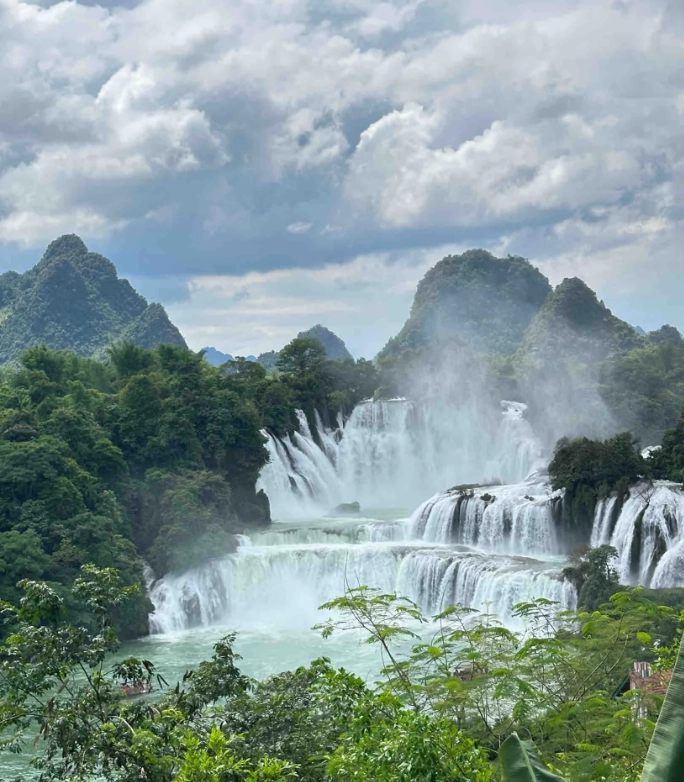
The Vietnamese Side (Ban Gioc) Angle
If you have a visa for Vietnam, the opposite bank offers a more remote and less crowded perspective. The falls appear broader, and you can fit both the cascade and the river bend. The border gate is at the nearby Quy Xuan village. I usually recommend the Chinese side for day-trippers, but if you have a few days, consider crossing over for sunrise. You'll need to hire a local boat on the Vietnamese side to reach the sweet spot — they cost around 200,000 VND. Just negotiate before boarding.
The Overlook Above the Falls
Not on any standard map, but you can ask a local motorbike taxi driver to take you to a dirt trail that climbs above the falls. This is where professional photographers set up for the classic "top-down with river bend" shot. It's about a 20-minute hike, and you'll need decent footwear. I only take adventurous clients here because the path can be slippery after rain. The view is reward enough: you'll see the entire river bend and the border pillars. But be aware that you'll be standing on uneven rocks above a 30-meter drop — keep your lens cap on when moving.
Pro Tip: If you only have 24 hours in the area, focus on the boardwalk and the third platform. Those two spots alone cover 80% of the compositions you'll see on Instagram. You can skip the overlook to save time for the light.
How to Time Your Visit for Perfect Ban Gioc-Detian Waterfall Photos
Light makes or breaks a waterfall photograph. Ban Gioc-Detian faces south, so the sun hits the falls frontally only during the early morning. After about 10 AM, the light becomes harsh and creates glare on the water. I've seen photographers wait until 3 PM and leave with flat, lifeless images — don't be that person.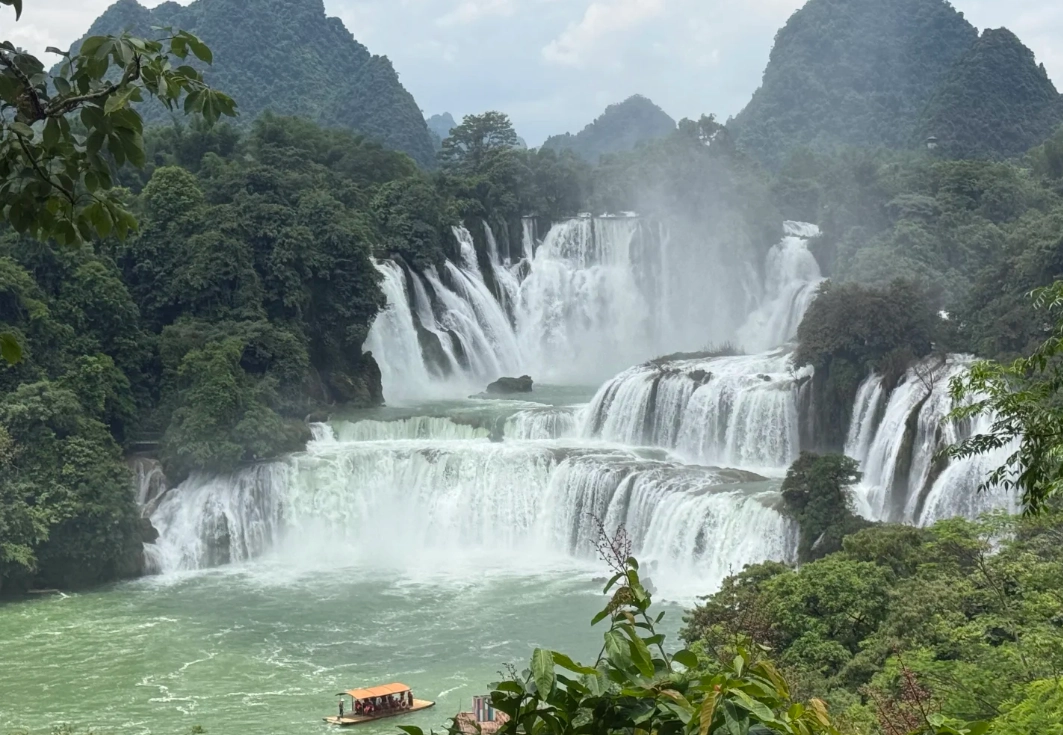
Morning vs Afternoon Light
Morning is undeniably better: from sunrise to around 9 AM, the falls are lit from the side, giving the water a silky texture and often a rainbow. The best time window is actually 8-9 AM, right after the gates open. The air is still, the mist is lower, and the sun is at a 45-degree angle. In the afternoon, the sun swings behind the falls, so the front gets dark and the sky overexposes. I've tried both, and the difference is night and day — literally.
Water Flow Season and Golden Hour
The water volume varies wildly by season. The biggest flow is from June to November, after the rainy season. During this period, the falls can be three times the width you'd see in March. For a photographic sweet spot, aim for an early morning after a day of heavy rain — the water is powerful and you often get low clouds hugging the karst peaks. My own favorite shot came in September after a typhoon had passed through the region, leaving a dramatic, churning cascade.
Avoiding the Crowds for Clean Shots
Tour groups start rolling in around 9 AM and reach a peak between 10 AM and 2 PM. If you arrive at the boardwalk by 7:45 AM, you'll have the place almost to yourself. The entrance gates usually open at 8:00 AM, so plan to be at the departure point for the shuttle bus by 7:45. Yes, it's an early start, but your photos will prove it was worth it. And here's a dirty secret: the shuttle bus line can be longer than the entrance line on weekends. Arrive before 7:30 to beat it.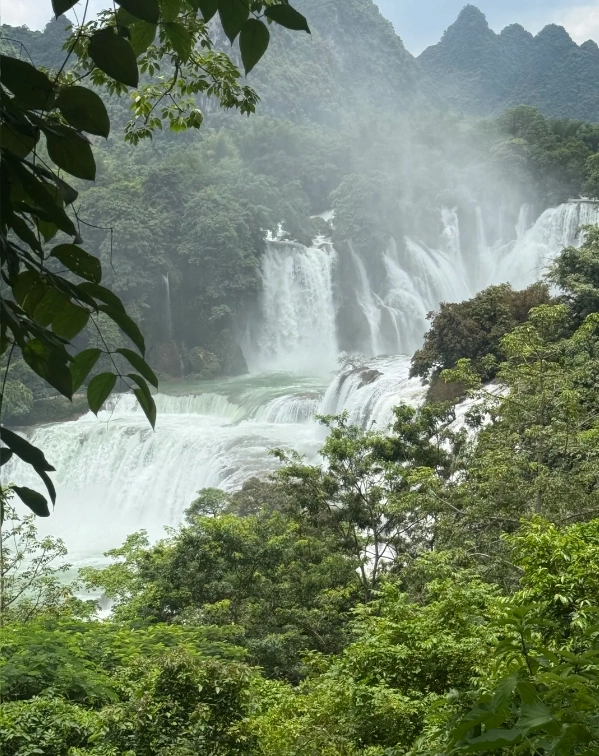
Essential Gear for Transnational Waterfall Photography at Ban Gioc-Detian
You don't need a backpack full of lenses, but a few specific items will help you nail the shot. I've forgotten some of these on early trips and paid the price.
Camera and Lens Recommendations
Bring a wide-angle zoom like 16-35mm for the grand vista and a 70-200mm for compressing the falls with the valley. If you have only one lens, a 24-70mm works fine for the boardwalk shots. For the classic long-exposure look, you'll need a neutral density filter (6-stop or 10-stop) and a sturdy tripod. There are places to set up a tripod at the platforms, but they get crowded, so go early. A polarizer also helps cut glare from the wet rocks — trust me, it saves a lot of editing.
Protecting Your Gear from Mist
The boardwalk is essentially zero-point rainfall from the waterfall spray. I've seen a guy lose his camera mirror to the moisture. Wrap your camera in a rain cover or even a plastic bag with a rubber band around the lens. Carry a microfiber cloth to wipe the front element. And if you're using a tripod, keep the legs wiped down too — the ground gets slick with algae. Another tip: store your backup lens in a Ziploc bag, because the humidity here can fog a lens in seconds.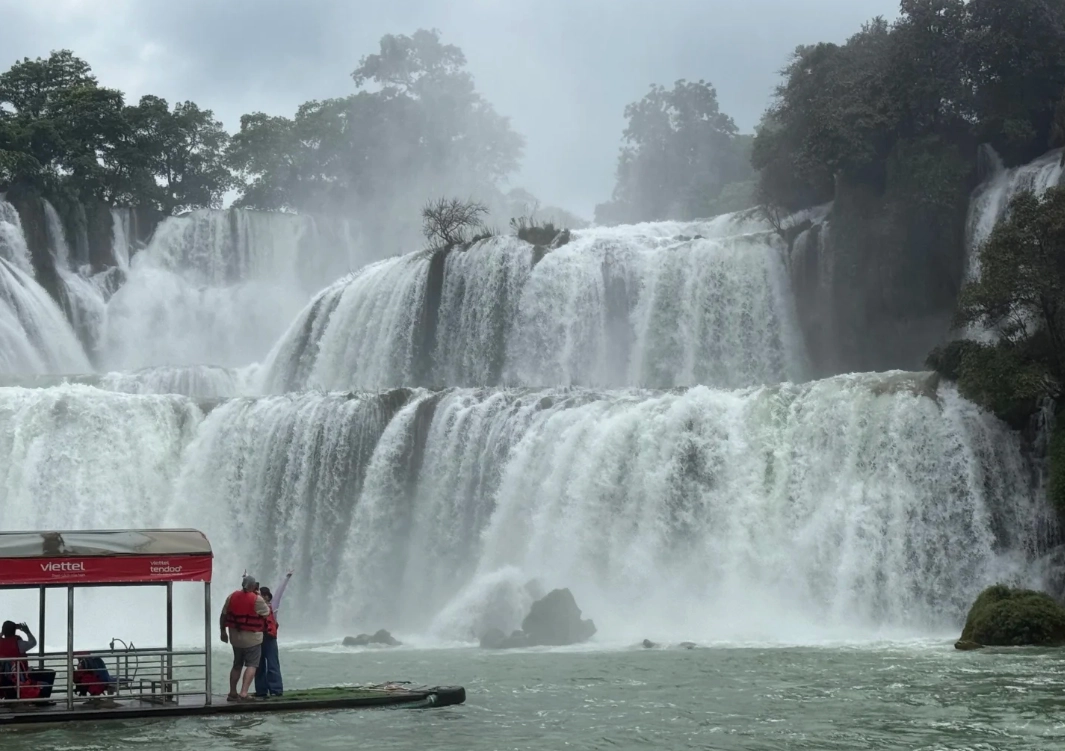
How to Get to Ban Gioc-Detian Waterfall Photography Spots from Nanning
Nanning is the nearest major city, about a 4-hour drive east. Here are your options, ranked by how I take my clients. I've done all three more times than I can count.
| Transport Mode | Travel Time | Cost (Approx.) | Best For |
|---|---|---|---|
| Public bus from Langdong Bus Station | 4-5 hours (with a change) | ¥80-¥100 | Budget travelers |
| Tour package (Trip.com/Klook) | Day tour (leave ~6:30 AM, return ~8 PM) | ¥300-¥500 per person | Hassle-free photographers |
| Private driver (self-drive or hired) | 3.5-4 hours each way | ¥600-¥900 total | Flexibility and sunset shoots |
For photographers, I strongly recommend a private driver or a small group tour. Public buses run only twice a day and require a transfer at Daxin County, which eats up time. A private driver lets you stay until the last light, which is worth every yuan. Just make sure you agree on the waiting time beforehand.
By Public Bus or Tour
From Langdong Bus Station, take the 8:00 AM bus to Daxin County, then transfer to a local minibus to Shuolong Town. It's doable but clunky. A better alternative is joining a day tour from Trip.com or Klook — they handle the border permits and usually include the entrance fee. Just check that they accommodate photographers who want to linger at the boardwalk. I've had tour companies try to rush my group away after 45 minutes — not enough time for a serious shoot.
By Self-Drive or Private Driver
If you have an International Driving Permit, renting a car is feasible. The route is National Highway G218 and then Provincial Road S311. If you hire a driver, expect to pay around ¥600 to ¥800 for the round trip, including the 1-hour wait at the parking area. Make sure your driver has the navigation set to 德天跨国瀑布 (Detian Transnational Waterfall) in Amap, because Google Maps doesn't have the exact entrance in its database. I once had a driver who trusted his friend's shortcut — we ended up at a rice field. Use Amap.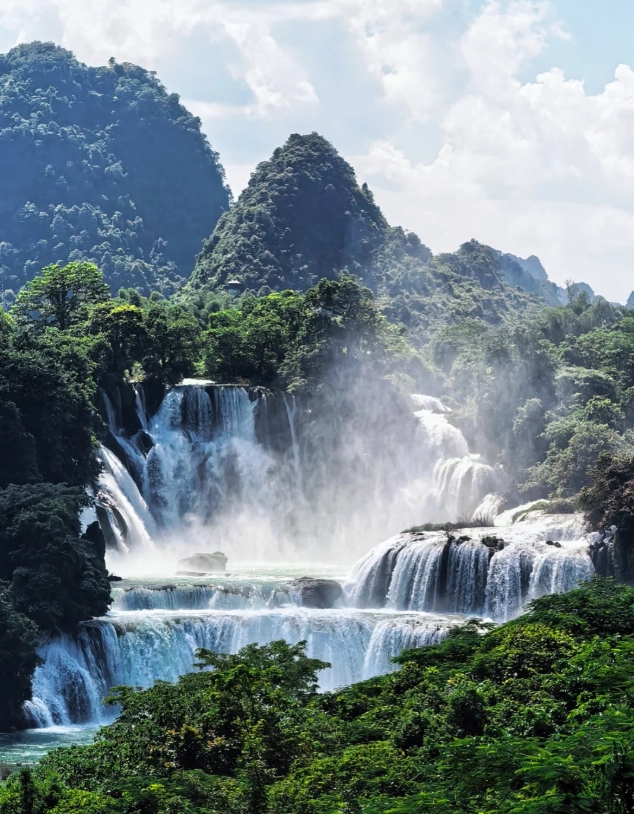
Border Logistics and Permits
No special permit is needed for the Chinese side, but you'll need your passport to buy the entrance ticket. The ticket counter is at the visitor center in Shuolong Town, where you also take the mandatory shuttle bus (about 15 minutes) to the falls. The shuttle drops you at a plaza with a food court and souvenir stalls — don't be distracted. The actual waterfall is another 5-minute walk. On rare national holidays, the area can shut down if visitor numbers are insane, so always check the WeChat official account before heading out.
Sample Itinerary for a Ban Gioc-Detian Waterfall Photography Day Trip
Here's how I plan my photography trips to avoid the chaos and make the most of the light. This timeline assumes you're staying in Nanning.
6:00 AM - Leave Nanning
Start early. Your driver should pick you up at your hotel. Have your gear packed the night before. I usually grab a quick breakfast on the way — there's a decent bakery at the Langdong bus station area.
8:00 AM - Arrive at Detian Scenic Area
If you left on time, you'll hit the entrance right as it opens. Buy tickets, hop on the shuttle, and head straight to the boardwalk. This is your golden window — you have about 90 minutes before the light gets harsh and the crowds arrive.
9:30 AM - Move to Higher Platforms
Once the sun starts to creep up, move to the third viewing platform for a different perspective. The side light still works, and you'll get fewer people because the shuttle buses are just arriving.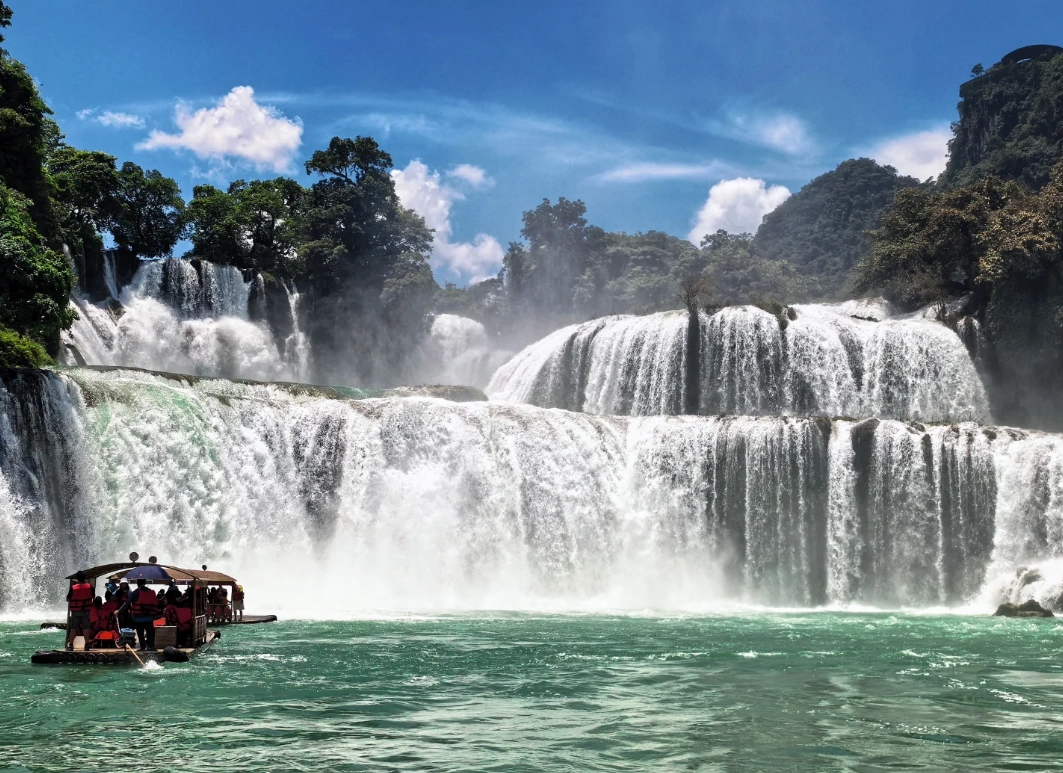
12:00 PM - Lunch and Review
Grab a bite at the food court and review your shots. The food is mediocre but cheap. If you missed something, you can do a quick reshoot before the afternoon tours flood in.
4:00 PM - The Late Afternoon Option
If you're staying until sunset, this is the time to find a spot for the last light. The falls will be backlit, so you'll need a good composition with the karst hills. I usually go back to the third platform for this. Then head back to Nanning, arriving around 8 PM.
Practical Tips for Ban Gioc-Detian Waterfall Photography Day Trips
Here's the stuff that makes a trip smooth or miserable, based on what I've seen go wrong over the years.
Payment and Booking
Most places, including the ticket office and shuttle bus, accept Alipay and WeChat Pay, not cash or international credit cards. Set up your Alipay with a foreign Visa/Mastercard before you arrive. For the entrance ticket, you can also book on Trip.com in advance — just present your passport PDF at the window. If you haven't set up digital payments yet, carry ¥200-¥300 in cash as a backup, but note many stalls will struggle to give change. I always tell my clients: download Alipay and link your card at least a week before your flight.
Navigation Apps and Language
Google Maps is unreliable in China — it won't show you the correct entrance and may route you into the rice paddies. Use Apple Maps or Amap (the English interface is limited but you can toggle it in settings). Download the offline Chinese maps in Amap before you leave Nanning. For language, keep a translation app like Apple Translate handy — you'll need it to communicate with the shuttle bus driver and locals. Also, a VPN is essential if you're not in China yet — you'll need it to access Google, Instagram, or even your email.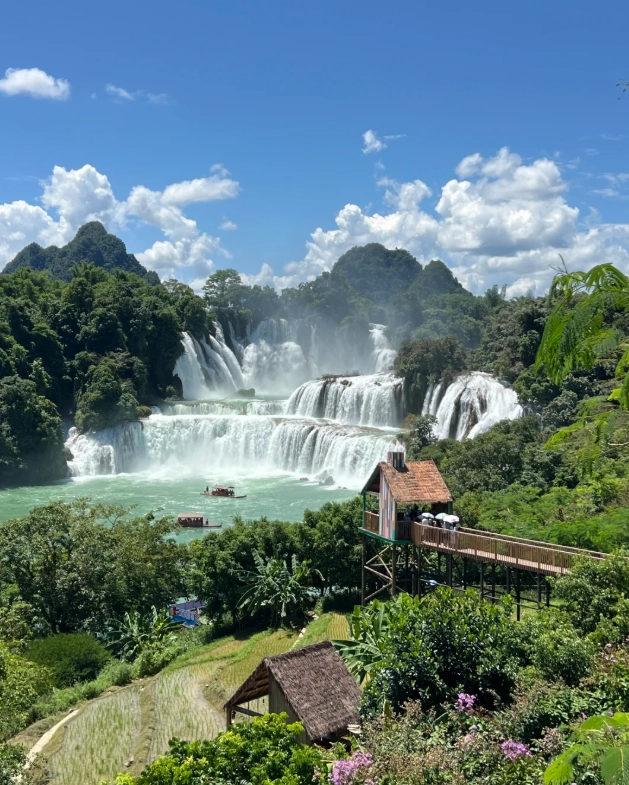
What to Pack for a Day Trip
- Passport (required for tickets)
- Rain cover for your camera
- A spare memory card — you'll shoot a lot
- Snacks and water (the food court is okay but expensive)
- Bug spray — the water area attracts mosquitos
- Light layers — mornings are cool, noon is scorching
FAQ About Ban Gioc-Detian Waterfall Photography Spots
Verified and fact-checked by the editorial team.





This was the highlight of our whole Vietnam trip. We stayed overnight in Cao Bang just to arrive early, and it paid off. Morning mist was lifting off the river, the falls were wide and powerful, and we had the place almost to ourselves for 20 minutes. Took a boat ride – the friendly local lady rowed us right under the cascade and we got soaked laughing. The water was a surreal turquoise in the shallows. It felt less like a tourist trap and more like nature showing off. If you're debating whether to make the long drive here – do it. 5 stars without hesitation.
As a photographer, this place gave me everything. Sunset light hitting the limestone cliffs was magical, and the falls had so much volume in October. My favorite angle was from the little path on the left side of the viewpoint – you can get the three tiers plus the reflection pool without any boats in the frame if you wait a few minutes. I also brought a telephoto and got gorgeous close-ups of the water crashing over the rocks. Only tip: the observation area gets windy, so use a lens hood. This is one of the most photogenic natural spots I’ve shot in Southeast Asia. Easily 5 stars.
Absolutely unreal! I’ve been to many waterfalls, and Ban Gioc is in its own league. The best spot for me was the wooden viewing deck near the car park – you get the whole falls and the karst mountains framed behind. The water was thundering in late September and the spray felt like light rain. We took a bamboo raft and the sound was almost deafening – in a good way. The green water near the shore is so clear you can see pebbles. Go early, bring a rain cover, and don’t forget to turn around: the rice fields and buffalo were just as stunning. 5/5, would absolutely come back.
Great morning visit. We got there around 8 and had the upper platform almost to ourselves. From the top, the waterfall looks like a giant white curtain dropping into the green pools – really impressive. The downside: by 10 the tour groups showed up and the bamboo boat area turned chaotic. Also, the weather was hazy so the colors weren't as vivid as in postcards. Still, the boat ride right up to the falls was worth it, just expect to get misty. I'd say 4 stars – amazing, but not flawless.
Honestly, I was a bit underwhelmed. We came in early October hoping for the full waterfall, but the water was pretty brown from all the rain and the main viewpoint was packed. The walk down is nice, but the railing blocks a lot of the lower falls, and you basically have to pay for a boat to get the iconic angle. We did it anyway, but the boat guy was pushy and we got soaked. If you've seen the photos online, manage expectations – it's beautiful, but not the magical place I expected.
Stunning! I was worried the 'best time and angles' advice would be overhyped, but it's true. We went in late October, and although it wasn't peak water volume, the colors were gorgeous — green rice fields, misty karsts, and the falls framed perfectly from the little pagoda viewpoint. The climb is totally worth it. Bonus: the fried fish from the stall near the ticket booth was tasty. Would recommend to any nature lover, not just photographers.
As a landscape photographer, this place is a goldmine. The famous China-side view is nice, but honestly, the Vietnam side at golden hour from the hill trail gave me frames I didn't even need to edit. The limestone karsts wrap perfectly around the waterfall. Go during the green season, bring a rain cover for your camera, and don't skip 5pm when the tour groups thin out. The mist, the light, the layered mountains — absolutely next level.
Absolutely unreal! We went in July when the water was maxed out. The sound hits you before you even see the falls. Walk down to the bamboo rafts and ask for a short ride — you get right into the spray and a rainbow appeared behind the boat without us even trying. The locals know exactly where to position you. We spent three happy hours just hopping between angles. Easily the best photo spot of our whole Vietnam trip.
Came in late September after a few good rainy days. The waterfall was thundering and created so much mist that the viewing platform felt like a light drizzle. I got some great shots from the higher marked spots around 8am, right before the tour buses arrived. The only thing stopping me from giving 5 stars: the border area means you see security fences everywhere, and one of the best low-angle spots was blocked off. Otherwise, a solid and dramatic photo stop.
Been wanting to visit this place for years. The falls are big, no doubt, but I guess I caught the tail end of the dry season? The water was more like three separate ribbons than the massive wall you see in online photos. The marked viewpoints on the Vietnamese side are lovely, but they're quite far — my phone zoom did a lot of work. The boat ride felt overpriced and they rushed us back after 10 minutes. Still a beautiful setting, but I expected more punch for the hype.