 Tao Xu
In This Guide
- Why Timing Matters More Than You Think
- The Best Months for Weather and Crowds
- What to Expect Each Season
- How to Reach Friendship Pass
- Tickets and Opening Hours
- Insider Tips: Avoiding Mistakes
- Where to Stay Near Friendship Pass
- What to Eat While There
- FAQ: Real Questions From Travelers
- Final Thoughts
You see the ticket gates, but the real queue is the sun. I've stood here in July with tourists melting—and again in November when the gate was almost empty. The difference isn't luck; it's timing.
So when you ask about the best time to visit Friendship Pass, you're really asking: when can I avoid the monsoon, the Golden Week crowd, and the border-hassle fatigue? Most blogs throw out generic seasons, but they miss the micro-climate of this valley.
Here's my short answer: come between October and November, or March to April. You'll get dry, 20–25°C days, empty walkways, and clear views of the hills. I'll explain why, plus how to skip the ticket line, what to pack, and the one mistake every first-timer makes.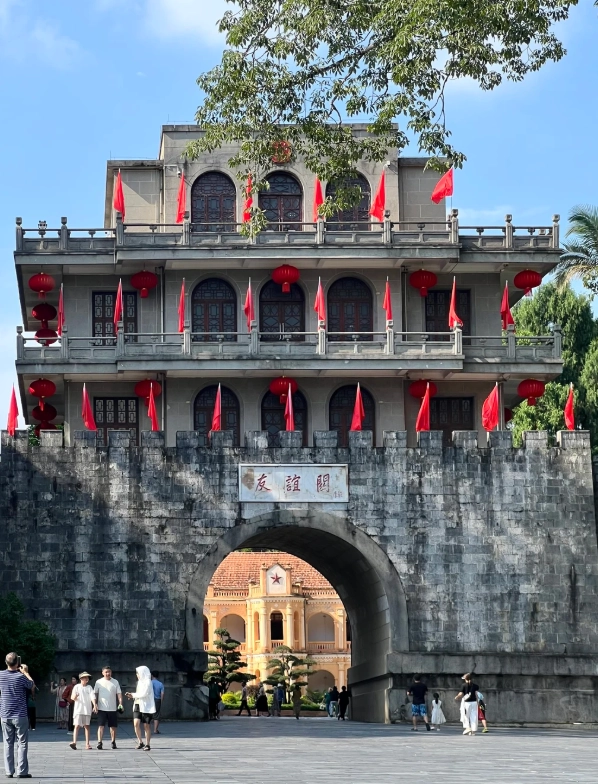
Why Timing Matters More Than You Think
Friendship Pass isn't just any ancient gate. It's a functioning border crossing with Vietnam, sitting on a narrow valley floor. The weather here isn't like the rest of Guangxi—it's got its own personality. The surrounding karst hills trap humidity, so a sunny morning can turn into an sticky afternoon. I've watched travelers show up in July without a hat. By noon they're hiding under the only tree near the flag tower, and they miss the old fortifications because they're too wiped out.
More importantly, the pass's historical value deserves your full attention. This is where the Great Wall of the Chinese frontier once stood, and the old gate walls tell stories of trade, war, and diplomacy. If you visit during a downpour, or when the mist is so thick you can't see ten metres ahead, you'll leave disappointed. That's why choosing the right window is everything.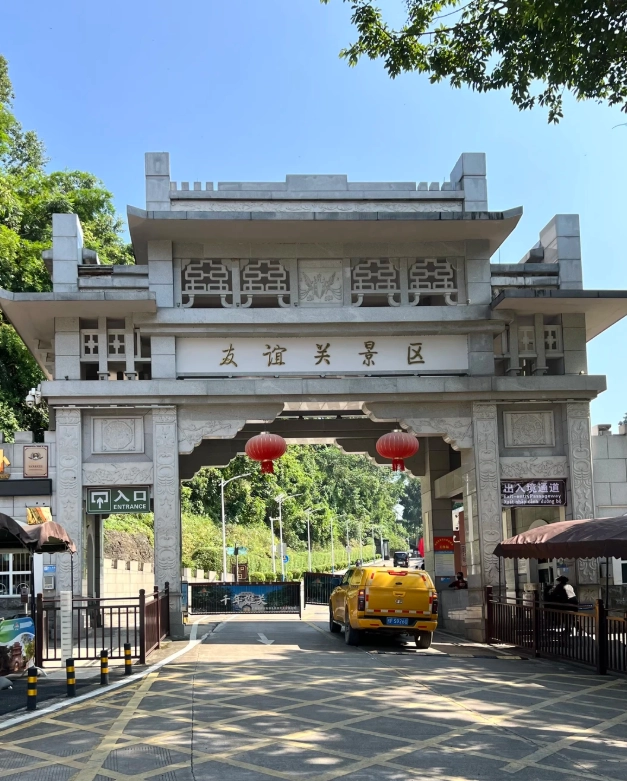
The Best Months for Weather and Crowds
Based on my years leading small groups here, the sweet spot is October to November and March to April. These months give you a rare combination: comfortable temperatures, low rainfall, and fewer tour groups. The table below breaks it down month by month. I've rated each factor from 1 (poor) to 5 (excellent) to give you a quick comparison.
| Month | Avg. High / Low (°C) | Rainfall | Crowd Level | Overall Rating |
|---|---|---|---|---|
| Jan | 18 / 10 | Moderate | Low | 3.5 |
| Feb | 20 / 12 | Moderate | Medium (CNY) | 3 |
| Mar | 23 / 15 | Moderate | Medium | 4 |
| Apr | 27 / 19 | High | Medium | 3.5 |
| May | 31 / 23 | High | Medium | 3 |
| Jun | 33 / 25 | Very High | Low | 2 |
| Jul | 34 / 26 | Extreme | Low | 1.5 |
| Aug | 33 / 25 | Very High | Low | 2 |
| Sep | 31 / 23 | High | Medium | 3 |
| Oct | 28 / 19 | Low | High (Golden Week) | 3.5 |
| Nov | 24 / 15 | Low | Low | 5 |
| Dec | 20 / 11 | Low | Low | 4 |
The numbers aren't guesswork—they reflect long-term averages from the local weather bureau. One clear exception: if you must travel during Chinese public holidays, especially National Day (Oct 1–7) or the Labour Day weekend, expect serious crowds no matter what the forecast says. That's why I often steer my clients to the second half of November, when the weather is still pleasant but the holiday rush is over.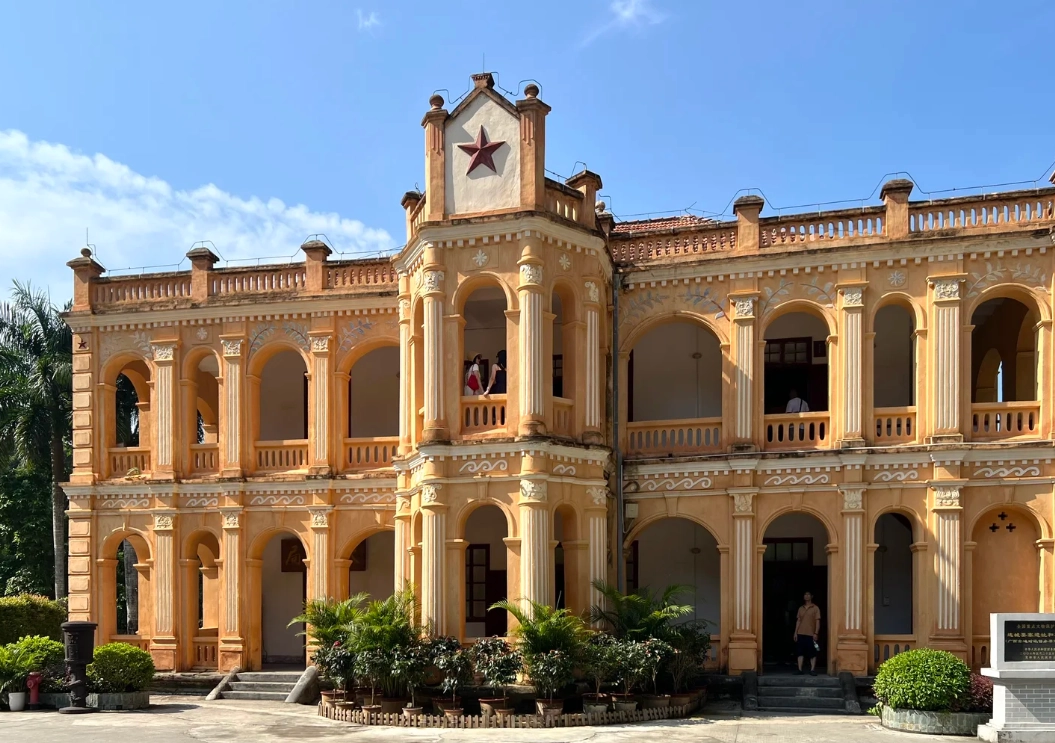
What to Expect Each Season
Spring (March–May): Fresh but Unpredictable
Spring is a backup choice, not a first pick. The valley turns lush and the air smells like rainy earth, but the rain can hit suddenly. I remember an early April visit where we got soaked between the ticket gate and the first fort – exactly the kind of surprise that ruins a relaxed exploration. If you come this time, pack a lightweight waterproof jacket and shoe covers. The temperature hovers around a comfortable 22–27°C, so you won't freeze. Just be flexible with your schedule; expect one or two rainy afternoons per week.
Summer (June–August): Hot, Humid, and Stormy
Honestly, I'd skip summer unless you have no other option. The heat index regularly tops 39°C, and the humidity makes every step feel like a cardio workout. Rain pours almost daily, often in short bursts that flood the lower paths. Mosquitoes come out in swarms after dusk, so you'll need strong repellent. The one saving grace: the hills look incredibly green and the pass is nearly empty. If you do come, arrive right at the 8 AM opening and finish by noon, before the worst heat and storms. Bring a spare shirt—you'll need it.
Autumn (September–November): The Golden Window
Autumn is my absolute favourite season for Friendship Pass. From late September onwards, the rain drops off sharply and the sky clears. November especially offers crisp mornings, warm afternoons, and long visibility—you can see all the way to the Vietnamese border hills. The temperature sits between 24°C and 15°C, so a light jacket is all you need. One catch: the first week of October is China's National Day holiday, and domestic tourism explodes. If your schedule is flexible, wait until the second week of October or simply aim for November. That's when I bring my own family.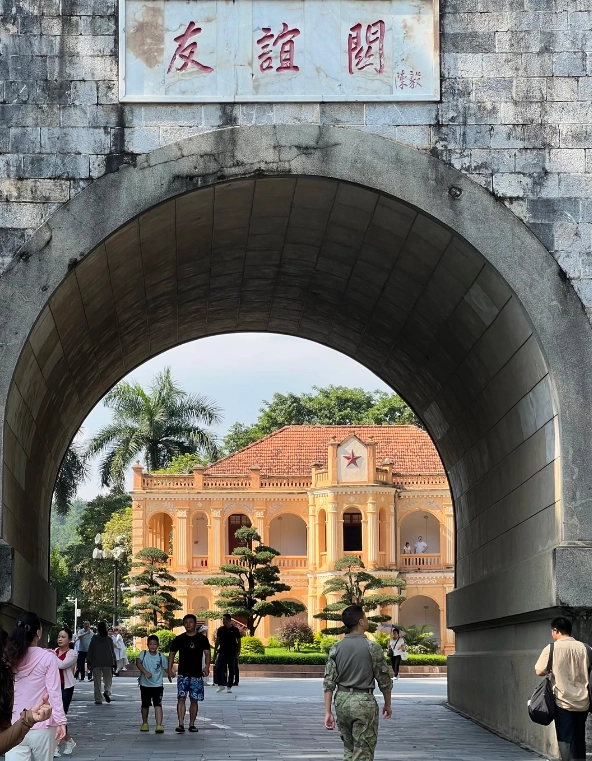
Winter (December–February): Cool and Quiet
Winter is for travelers who prize solitude over perfect weather. Daytime highs rarely exceed 20°C, and nights drop to 8°C. The pass is often wrapped in a thin morning fog, which can obscure the view until about 10 AM. But once it clears, the low-angle sunlight makes the old walls look dramatic. This is also the slowest season for tourism, so you'll practically have the place to yourself. Just remember to bring a warm coat and a scarf – the valley can be windy. Chinese New Year falls in late January or February; the pass stays open but nearby transport can be busy, so book well ahead.
How to Reach Friendship Pass
Friendship Pass is located in Pingxiang City, Chongzuo Prefecture, Guangxi Province. The full English address is Friendship Pass Scenic Area, Pingxiang, Chongzuo, Guangxi, China. In Chinese, it's 广西壮族自治区崇左市凭祥市友谊关景区. Show this to your driver if needed.
The most common route is to fly or take the high-speed train to Nanning, the capital of Guangxi. From Nanning East Railway Station, you can catch a high-speed train to Pingxiang Railway Station – the trip takes about 1 hour and 20 minutes. You can book your train ticket on Trip.com or via the official 12306 platform. Once you arrive, you have two options:
- Take a local bus (routes 2 or 3) from the station's bus bay directly to the scenic area. The ride is about 20 minutes and costs around 2 RMB.
- Or take a taxi or Didi (China's Uber) – the fare is roughly 15–20 RMB and saves time. The driver will drop you at the main entrance.
If you prefer a direct bus, there are departures from Nanning Langdong Bus Station to Pingxiang bus station, taking about 2.5 hours. From there, follow the same local connections. The entire journey from Nanning to the gate is about 3–4 hours door-to-door.
Important navigation note: Google Maps is unreliable in China, and Apple Maps may not show the exact address. I always download AMap (高德地图) and switch to its English interface. Alternatively, use the Chinese name above to show a taxi driver. Most drivers won't recognize the English name, so the Chinese characters are your best friend.
Before you go, I strongly advise downloading a translation app like Apple Translate or Baidu Translate, and installing a VPN on your phone – these are non-negotiable for navigating apps like Didi and translating signs.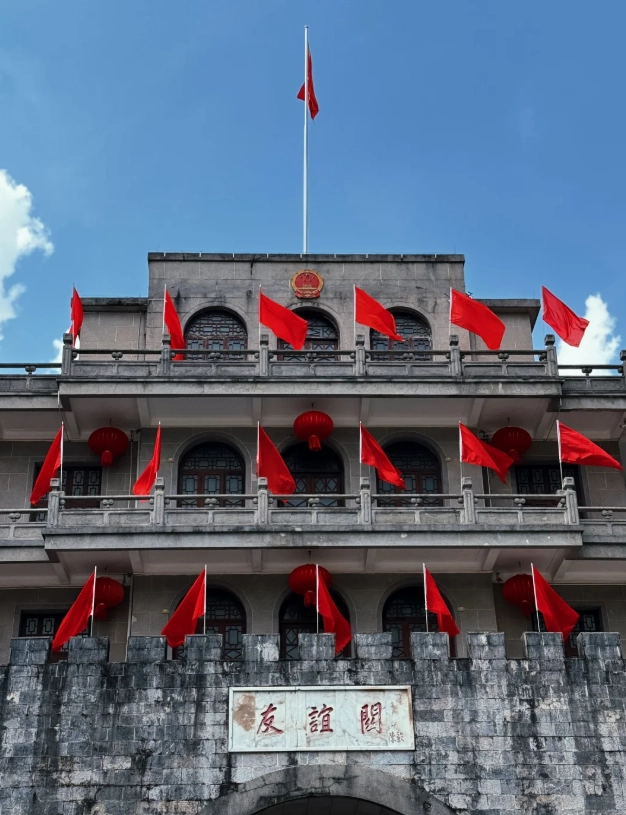
Tickets and Opening Hours
As of my last visit, the adult entrance fee was around 50 RMB, with discounts for children (height under 1.2 m free), seniors (age 60+ with valid ID), and students (from 30 RMB). However, fees do change, so always confirm on the official WeChat account or at the gate before you plan.
| Item | Details |
|---|---|
| Opening hours | 8:00 – 18:00 (last entry at 17:00) |
| Ticket price | Adult ~50 RMB; child/senior discounts available |
| Booking | Online via Trip.com or KLOOK; passport required |
| Payment | WeChat Pay/Alipay accepted; cash accepted; international cards rarely accepted |
| Address | Friendship Pass Scenic Area, Pingxiang, Chongzuo, Guangxi, China (广西壮族自治区崇左市凭祥市友谊关景区) |
You must bring your passport, not just a copy, for real-name registration. The pass is a border facility, so security is tighter than a regular scenic spot. Don't be surprised if you pass through an X-ray machine at the entrance.
Booking online is smart during peak season, but the official website can be hard to navigate in English. I usually book through KLOOK or Trip.com, which have English interfaces and handle the passport info conversion. If you're already in Pingxiang, the ticket office rarely queues outside of holidays.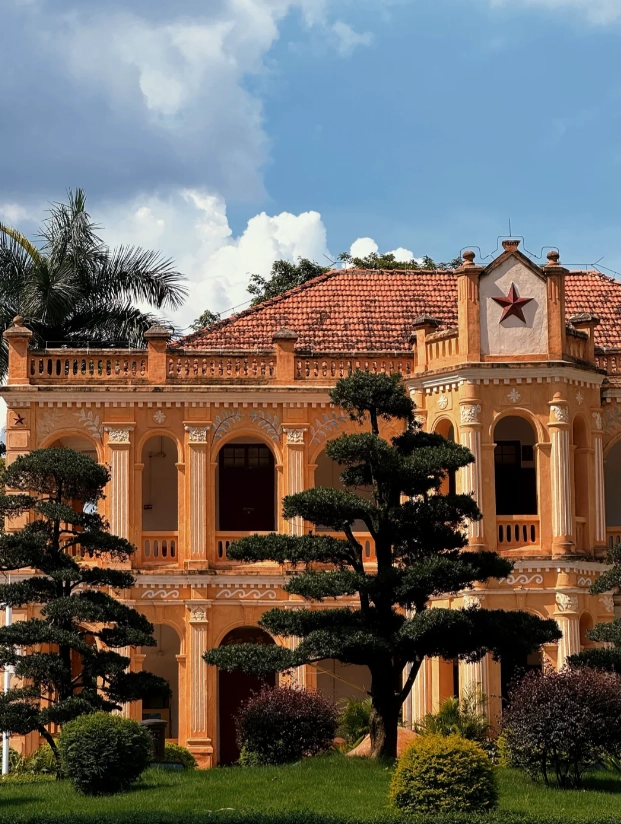
Insider Tips: Avoiding Common Mistakes
Here are the pitfalls I've seen travelers fall into again and again. Heed these, and your visit will be far smoother.
- Don't rely on your credit card. The ticket office and most nearby vendors accept cash and mobile payments, but international Visa/Mastercard won't work. Bring at least 200 RMB in small bills for tickets, snacks, and a backup ride.
- Skip the sun at midday. Even in November, the sun at 1 PM is strong enough to cause sunburn. The best photo light is in the morning around 9 AM, or after 3 PM when the hills cast long shadows. I always advise my clients to do the walking parts before noon.
- Leave your heavy luggage in Pingxiang. The scenic area has no storage lockers, and dragging a suitcase over the old stone stairs is a nightmare. Check into your hotel first and bring only a daypack.
- Watch out for unofficial "guides". Near the entrance, you'll see people offering so-called tours for a high fee. The site is easy to explore alone; you can rent an audio guide or simply use the free map at the ticket office.
- Don't cross the border line. Even though you're looking at Vietnam, stepping past the yellow line is strictly forbidden without a visa. It's tempting, but it can lead to fines or detention.
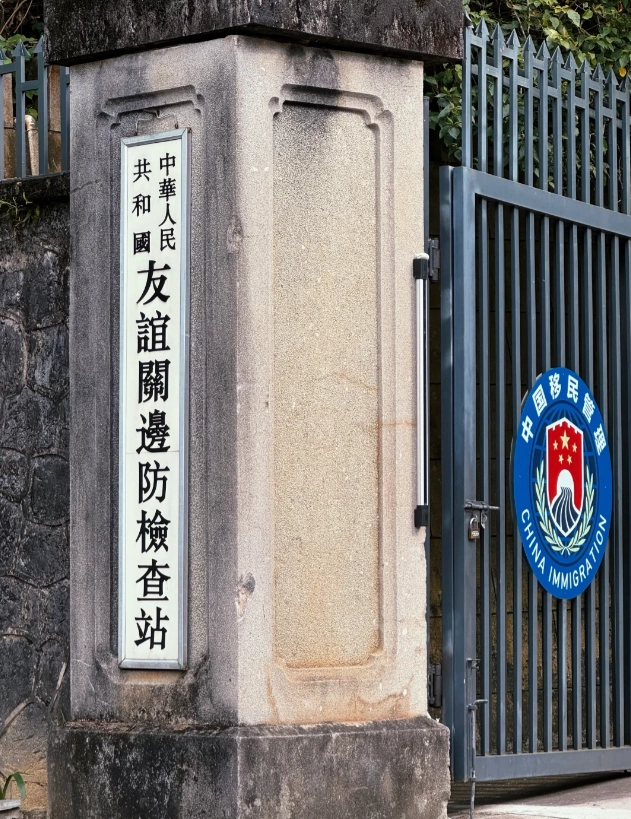
Insider Advice: The restroom at the ticket gate is often crowded with tour groups. Use the restrooms inside the fortress area, near the museum – they're cleaner and less busy. Trust me, this discovery saves you a 15-minute wait on busy days.
Where to Stay Near Friendship Pass
Staying right next to the pass isn't necessary – there are only a few basic guesthouses nearby, and they lack character. I recommend basing yourself in downtown Pingxiang, which is about 10 km away and has more dining and transport options. Here's a quick breakdown of what to expect:
| Type | Examples | Price Range | Distance to Pass | Best For |
|---|---|---|---|---|
| Mid-range hotel | Pingxiang International Hotel, Nanyang Hotel | 250–400 RMB/night | 20 min drive | Comfort and English-speaking staff |
| Budget guesthouse | Friendship Border Hostel, many local inns | 100–180 RMB/night | 25 min drive | Backpackers and solo travelers |
| Boutique option | Shanshui Boutique Hotel | 350–500 RMB/night | 15 min drive | Couples looking for design and quiet |
All of these are bookable on major platforms like Booking.com and Trip.com. For a genuinely local experience, I sometimes stay at Vietnam Border Homestay (a charming converted shophouse), but book early because it only has five rooms. Whatever you choose, make sure the hotel has a check-in desk that can call a taxi for you in the morning.
What to Eat While There
Pingxiang's food scene blends Chinese and Vietnamese influences, thanks to its location. Here are a few things I always order:
- Vietnamese pho – You'll find dozens of tiny restaurants serving a local version with beef, mint, and lime. My go-to is Vietnam Phố 68 on Donghui Road. It costs about 25 RMB per bowl, and the broth is deep and fragrant. Expect to queue for 10 minutes at lunch.
- Bánh cuốn (steamed rice rolls) – ask for Bánh cuốn at the morning market near the Friendship Bridge; these are delicate sheets wrapped with minced pork and mushrooms, served with dipping fish sauce. Only open until 10 AM.
- Grilled skewers – As night falls, the night market on Donghui Road transforms into a sizzling grill paradise. Look for the stall with the longest queue – I always get their beef skewers (15 RMB for three) and a bottle of local beer.
Almost all of these places accept WeChat Pay and Alipay, but some smaller cash-only stalls may not have a terminal. Carry some change. English menus are rare, so I rely on a photo of the dish or the translation app. If you have dietary restrictions, say it clearly in Chinese – or use the app to show "I don't eat pork" and so on.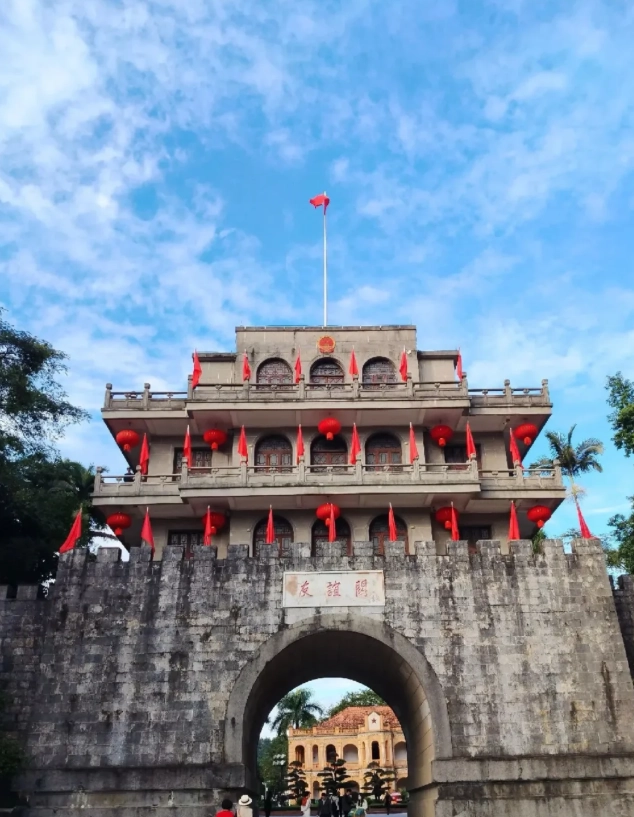
FAQ: Real Questions From Travelers
Final Thoughts
Friendship Pass is one of southern China's most underrated historical gems. The best time to visit is genuinely between late October and November, when the climate works in your favour and the crowds have gone home. Combine it with a stay in Pingxiang, bring your passport and an open mind, and you'll experience a border town that feels like a living museum.
I've brought dozens of travelers through that gate, and the ones who come in November always leave with the best stories – and the clearest photos. Plan smart, pack light, and let the old walls speak for themselves.
If you have more questions, drop them below – I read every comment and I'm happy to help you tweak your itinerary.
This content has been fact-checked to ensure informational precision.
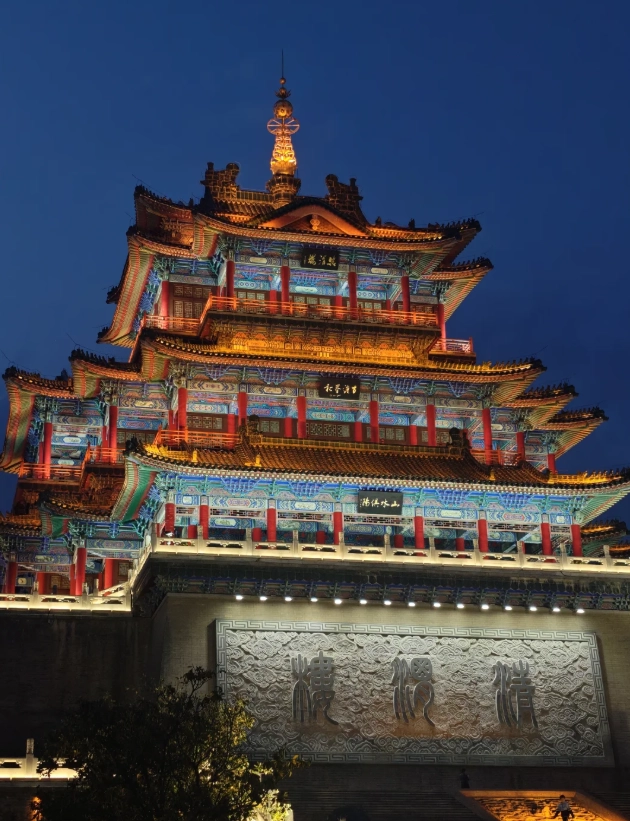
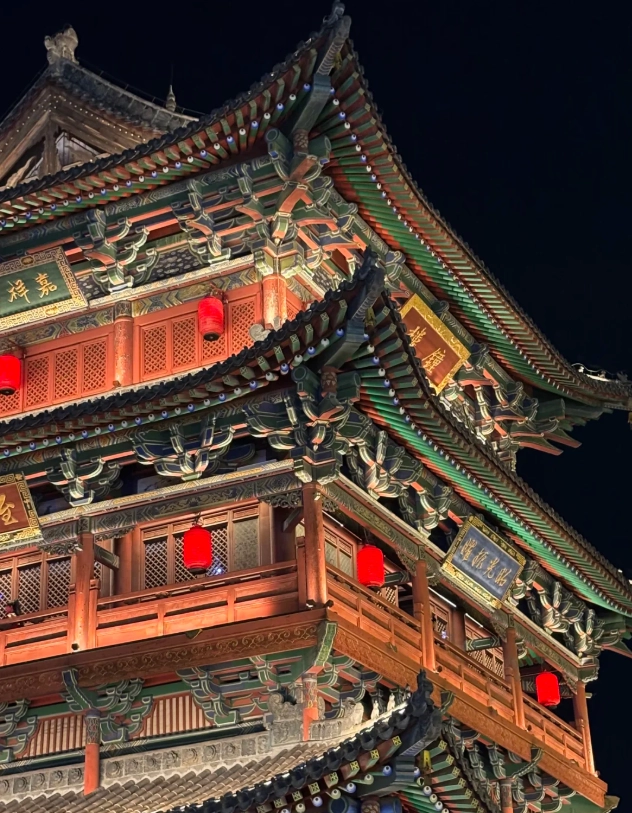
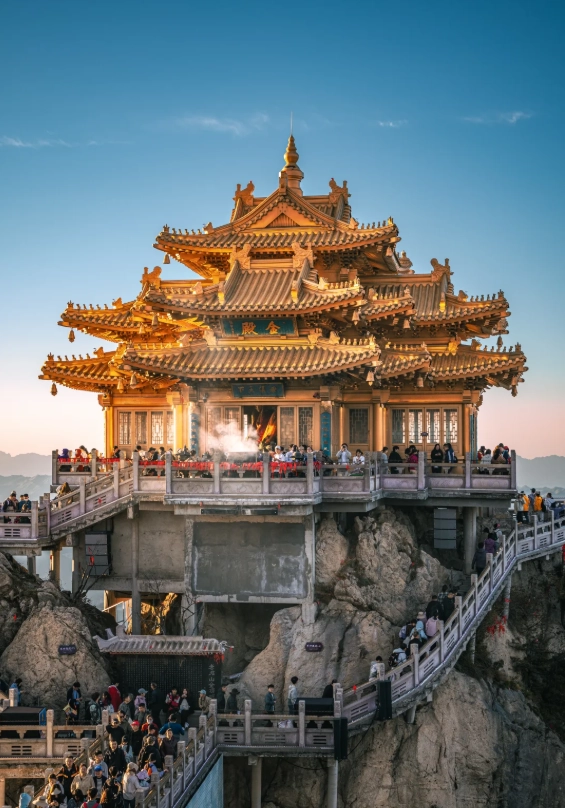





Honestly, coming here changed my perspective on border crossings. We picked a Sunday in late October—sunny but not hot—and it was spectacular. No heavy mist, no jostling tour buses, just a light breeze and the sound of the Vietnamese and Chinese languages mixing at the stalls. The stone path leading up to the pass was almost empty. I could just stand there and soak in the history without someone elbowing my camera. Perfect experience.
This is the kind of place that rewards you for choosing the right time. We visited on a sunny Thursday in December and had the deck almost empty. The air was fresh, the red star on the gate popped against the blue sky, and we could actually hear birds between the occasional truck crossing. It felt raw and real, not touristy at all. If you want to skip both rain and crowds, go on a weekday in winter. 10/10.
Absolutely brilliant! I came right after the weeklong National Day holiday in early October, and it felt like I had the whole place to myself. No rain, no crowds—just crisp air and clear views across the hills toward Vietnam. Watching the border guards do their thing and seeing the old stone gate in such quiet sunlight was surreal. If you time it right, this is a top stop. I cannot recommend it enough.
We went on a random Tuesday in November and it was a solid experience. The weather was dry and cool, which helped a lot. There were still a few tour groups around the border marker, but if you wait ten minutes you get your space. The new walkways are nice, though there's a bit of construction near the entrance. Glad we came during the dry season—definitely easier to enjoy than in summer rains.
I really wanted to love this place, but we visited in late February right after a holiday week and it was packed. The skies were gray and spitting rain the whole time, so the view from the pass was mostly fog. We waited ages just to get a photo at the Friendship Gate. I’m sure it’s beautiful on a clear day, but our timing was bad and it felt more like a theme park queue than a border landmark.
Honestly, this was one of my favorite unexpected stops in Guangxi. We went on a Thursday morning in October after worrying about rain, and the sky was completely clear. The climb to the fort is steep in places, but the view from the watchtower is unreal — you can see the road winding into Vietnam and the karst peaks all around. It felt like stepping back in time. There were maybe four other people there. Wear comfy shoes, bring water, and take your time. If you go early on a weekday, you’ll dodge both the rain and the crowds. Absolutely loved it.
I've crossed a few borders in Asia, but Friendship Pass is easily one of the most interesting. The layers of history here are wild — old French fortifications, weathered railway tracks, and viewpoints that look straight into Vietnam. I visited on a clear October weekday and had almost no crowds. A local guide named Mr. Huang shared stories about the old steam trains and the pass during wartime, which made it so much more meaningful. If you like history and hills, don’t skip this place. Bring sunscreen — there’s not much shade on the upper paths.
We followed the advice to arrive right when it opened on a Tuesday morning in March, and it was perfect. The mist was just lifting as we walked up, and by the time we reached the top, the sun was hitting the green mountains beautifully. We basically had the whole place to ourselves for the first hour. No tour groups, no rain, no noise — just the sound of wind and a few birds. My favorite part was standing at the border line and reading the old plaques. Highly recommend going early and skipping weekends!
Decent half-day visit if you're in the area. Came in early November, which was mostly dry and cool, and there were far fewer travelers than I expected. The climb up to the fort is a bit of a workout, and some of the souvenir vendors near the entrance are pretty pushy. But once you get to the main gate and look out over the hills toward Vietnam, it’s actually quite peaceful. I wouldn't go out of my way, but if you like border-history spots, it’s worth the stop. Just manage your expectations.
I really wanted to love this place, but I think I picked the wrong time. We came in late June and it was drizzly and foggy, so the famous views were completely hidden. There were also about three big tour groups all trying to squeeze through the same narrow checkpoints, which made it feel more like a terminal than a historical site. The area itself is neat, and I’m glad I saw it, but honestly it was a bit of a letdown. If you can, wait for a dry autumn morning — that’s probably the real magic.