 Tao Xu
I still remember the first time I pushed a bamboo raft off the muddy bank – the deck tilted, my boots slid, and then the roar of the waterfall drowned everything. That moment, I knew this wasn't just another scenic spot. The Ban Gioc-Detian Transnational Waterfall bamboo raft is the only way to stand in the middle of a river that belongs to two countries at once.
But let me be blunt: most foreign tourists mess this trip up. They show up without booking, get turned away at the gate, or pay triple for a ride on a rattling wooden boat. And the worst part? They follow Google Maps and end up lost in a sugarcane field.
Here's the deal: book your ticket online via Trip.com, arrive before 8:30 AM, and negotiate directly with the boat operators at the pier – not with the touts at the parking lot. That single piece of advice will save you two hours and 50 RMB.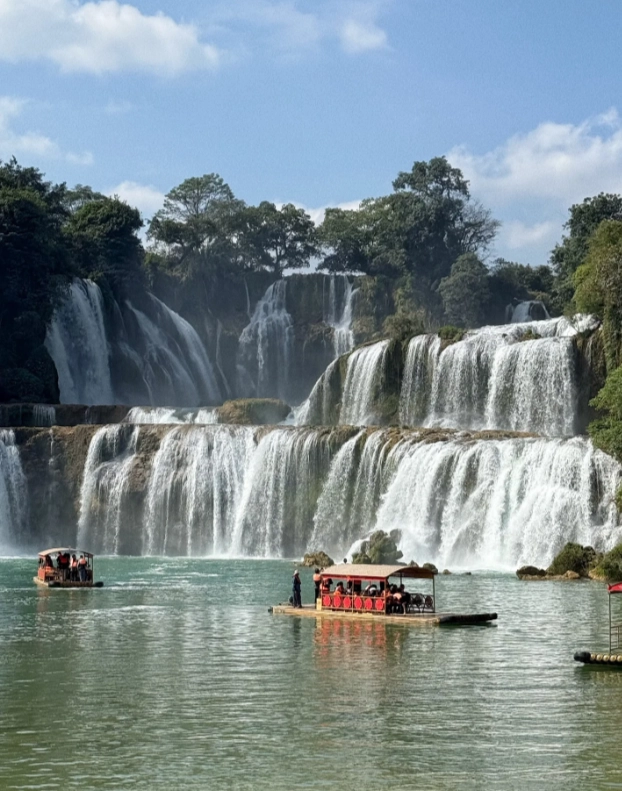
Why Take the Bamboo Raft at Ban Gioc-Detian Waterfall?
A Cross-Border Phenomenon
The bamboo raft ride is the only way to experience both the Chinese and Vietnamese sides of the waterfall from the water. The waterfall spans 200 meters across the border, and as your raft bobs near the thunderous curtain, you're literally floating between two nations. I've guided dozens of groups here, and every single person gasps when the raft turns the corner and the full force of the water hits them.
What Makes It Unique
Unlike other waterfalls in China, you cannot swim here—but the raft puts you right in the mist. On a sunny morning, you'll see rainbows arcing across the spray. The feeling of being so close to a UNESCO-listed natural wonder (the area is part of the Guangxi Nonggang Karst landscape proposal) is genuinely humbling.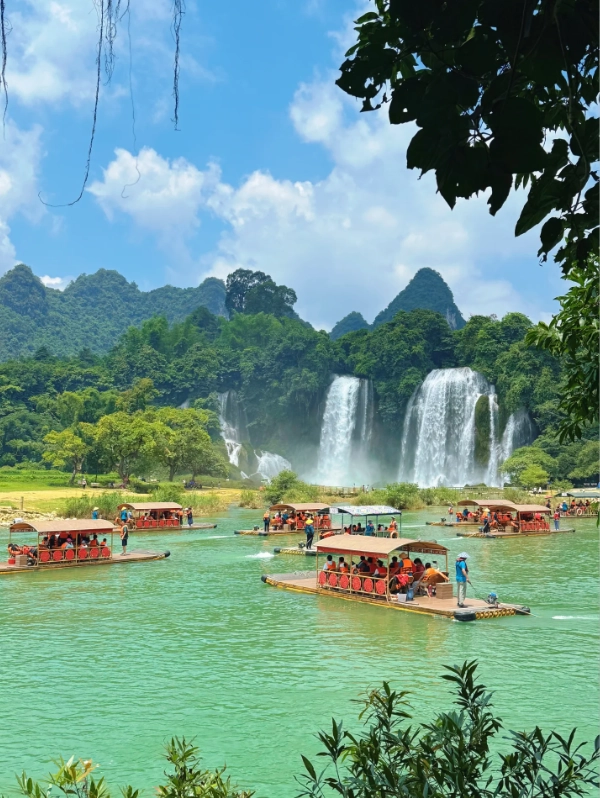
How to Get to the Ban Gioc-Detian Waterfall
From Nanning (Capital of Guangxi)
The drive from Nanning takes around 4 hours, covering about 230 kilometers. Your best bet is to join a private day tour or hire a car with a driver. Many travelers book a comfortable private tour on Trip.com or Klook—they handle everything, including hotel pickup. If you're on a budget, take a bus from Nanning to Chongzuo (about 2 hours), then transfer to a local bus to Shuolong Town. It's doable but time-consuming.
From Chongzuo City
Chongzuo is the nearest major city, just 80 kilometers from the waterfall. Driving takes about 1.5 hours. You can also catch a direct bus from Chongzuo Bus Station to the scenic area, but schedules are sparse—check with your hotel front desk for the latest times.
Navigation Tips for Foreigners
Throw Google Maps out the window—it simply doesn't work reliably in this remote corner of Guangxi. Use Apple Maps or the AMap app (download it before you arrive). For taxi drivers, show them the Chinese name: 德天跨国瀑布. I always screenshot the address and have my hotel write it down for me as backup.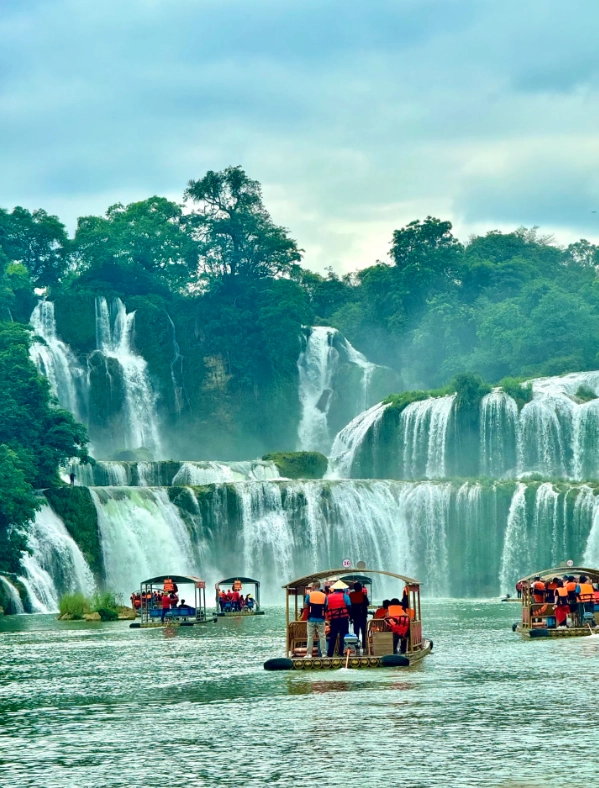
Tickets, Prices, and Booking for the Bamboo Raft
Current Ticket Prices (as of My Last Visit)
Entrance to the scenic area is 80 RMB, the mandatory shuttle bus is 45 RMB, and the bamboo raft ride is an extra 30 RMB. Yes, they charge separately, and it adds up to around 155 RMB per person. Children under 1.2 meters get entrance free, but still need to pay for the shuttle and raft. Here's a quick breakdown:
| Item | Price (RMB) | Notes |
|---|---|---|
| Entrance ticket | 80 | Includes basic walking paths |
| Shuttle bus | 45 | Mandatory – takes you from parking lot to the core area |
| Bamboo raft | 30 | Optional but highly recommended |
How to Book as a Foreigner
The easiest way to book is online through Trip.com or Klook using your passport number. These platforms are English-friendly and accept international credit cards. Walk-in tickets are available, but during Chinese holidays (Golden Week in October, for example) the quota fills fast. Show your passport at the ticket booth – it's required for real-name registration.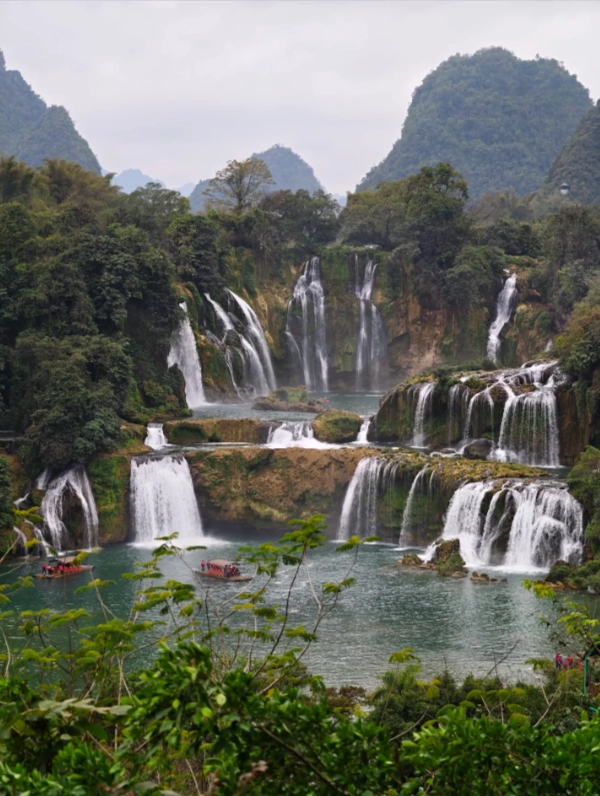
What to Expect on the Bamboo Raft
Boarding and Safety
You'll be given a life vest, and the boatman helps you step onto the bamboo raft. Don't expect luxury—it's a simple bamboo platform with low wooden benches. Keep your phone in a waterproof pouch; the spray is relentless near the falls. The boatman is experienced and will follow a set route, but hold on to your hat!
Best Time for Photos and Light
Morning is magical—get on the first raft around 8:30 AM to catch soft light and avoid social media tour groups. By 11 AM, the sun is harsh and the crowds peak. The afternoon? Forget it—you'll get backlit water and railings full of elbows. I always tell my clients: early morning is the golden hour for this exact spot.
Duration and Route
The raft ride lasts about 15 minutes, covering a short loop that brings you almost directly under the main cascade. The boatman will stop in the mist zone so you can take photos. You'll be soaked, but that's part of the fun. After the ride, walk up the wooden boardwalk to the higher viewpoints – they're included in the entrance ticket.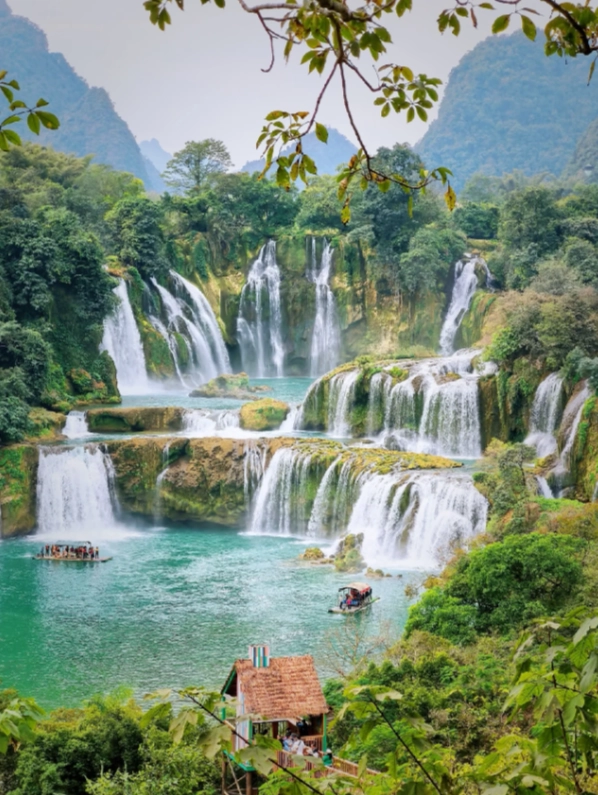
Insider Tips to Avoid Crowds and Tourist Traps
Arrive Early or Late – But Early Wins
The scenic area opens at 8 AM, and the first two hours are blissfully quiet. Tour buses start rolling in around 10 AM, so plan to leave the core area by noon. If you're a photographer, you'll also avoid the harsh midday sun.
Dodging Touts and Scams
Ignore anyone who approaches you in the parking lot offering "discounted" raft tickets. These operators take you to a unofficial pier outside the reserve—you'll miss the actual waterfall. Always buy tickets at the official counter or through the verified online channels. Also, steer clear of unlicensed taxi drivers who quote inflated rates; use Didi (Chinese Uber) or have your hotel book a driver.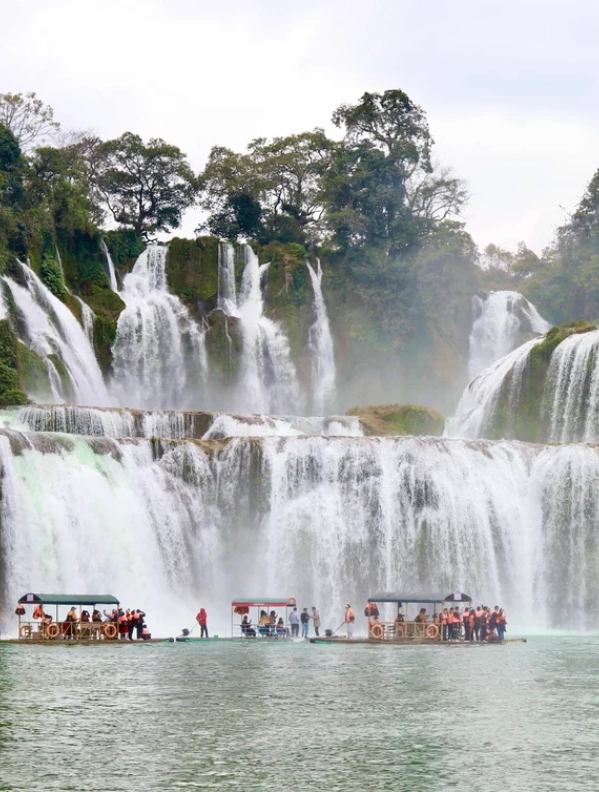
Beyond the Bamboo Raft: Other Must-Sees
Walking Trails and Viewing Platforms
After your ride, take the cliffside walking path to reach the top of the waterfall. You'll find two wooden pavilions that offer completely different perspectives—one looking straight down into the churning green pool, the other across to the Vietnamese side. The walk is moderately steep and takes about 30 minutes.
Nearby Attractions Worth Your Time
About 40 minutes west is Ming Shi Scenic Area (明仕田园), a postcard-perfect landscape of karst peaks, rice paddies, and river meanders. Many visitors combine it with the waterfall for a full-day tour. If you have extra days, explore Tongling Grand Canyon in Jingxi County—it's a hidden gem but requires a bumpy 2-hour drive.
Where to Stay Near the Waterfall
Hotel Options and What to Expect
Shuolong Town, the gateway village, has a range of accommodation from budget guesthouses to comfort hotels. I've stayed at the Detian Resort (德天瀑布度假酒店) and appreciated the proximity—just a 5-minute walk to the entrance. But don't expect Wi-Fi to be lightning-fast; the mountains block signals. For a more authentic experience, try a local farmstay where hosts often prepare dinner from their own vegetable patch.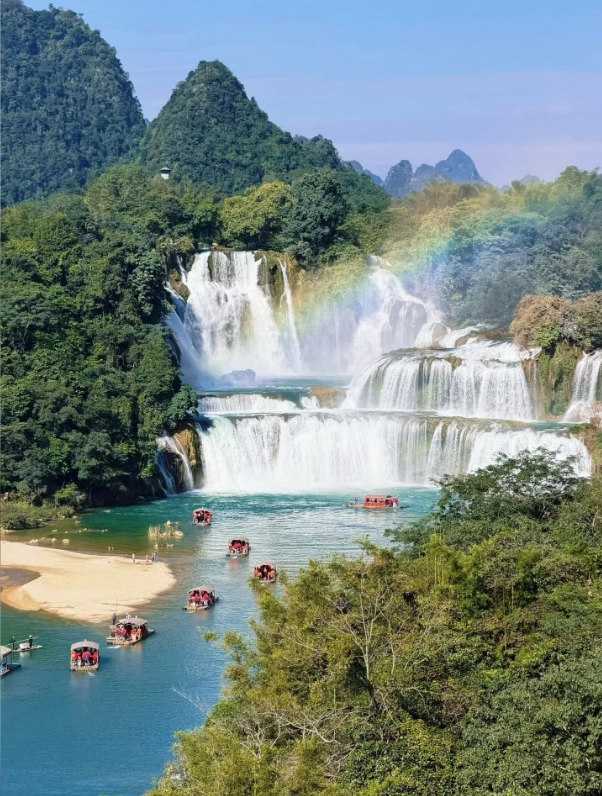
| Hotel Name | Distance to Entrance | Est. Price (RMB) | Best For |
|---|---|---|---|
| Detian Resort | 5-min walk | 300–500 | Convenience, standard comfort |
| Shuolong Guesthouse | 10-min walk | 100–200 | Budget travelers |
| Ming Shi Farmstay | 40-min drive | 200–350 | Scenic views, peace |
Quick FAQ About the Bamboo Raft Experience
Final Thoughts
Riding the bamboo raft at Ban Gioc-Detian Waterfall is one of those rare travel moments that stays with you long after you dry off. It's raw, majestic, and beautifully unspoiled—but it demands a little planning. Follow these tips, and you'll have the waterfall almost to yourself, and more importantly, you'll leave without falling for the scams that catch so many first-timers.
Pack your waterproof bag, bring your passport, and get ready for an unforgettable ride between two countries.
This content has been fact-checked to ensure informational precision.
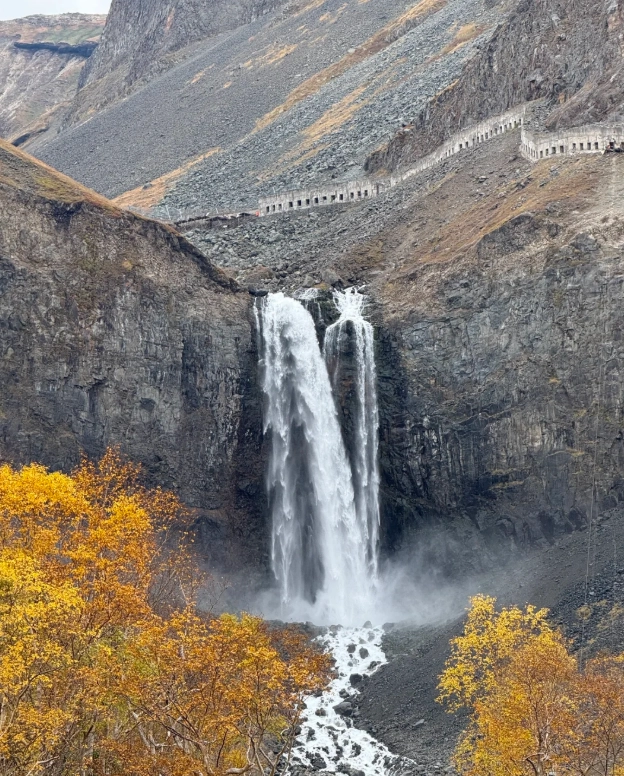





Original and memorable. We did the raft in the afternoon without any queues and paid a little extra for a private raft — definitely worth it. The boatman was an older local guy who silently rowed us through the emerald water, then slowed down right where the three tiers of the fall meet. For about 20 minutes we were just floating there, feeling the spray and taking in the impossible scenery. My tip: wear sandals that can get wet, secure your phone, and tip the rower a little — he knew every good angle.
This was an unexpected adventure! We literally got soaked on the bamboo raft and loved every minute. When the raft approached the waterfall, the wind and spray hit us like a shower — we were laughing like kids. We brought a dry bag which was smart. There are locals selling fresh coconut near the dock afterward, and the whole experience felt authentic. If you are visiting Ban Gioc, do not skip the raft. It is worth the wet clothes.
Hands down one of the best things we did in Vietnam. We followed the insider advice to go around 1pm when the sun hits the falls, sure enough there was a faint rainbow over the middle cascade. The bamboo raft glides so smoothly over the green water, and the boatman positioned us perfectly for photos. He even let us try the steering pole for a minute. The whole thing felt peaceful and uncommercialized. Highly recommend going all the way to the falls.
I booked the bamboo raft through our homestay and arrived at 8:30, just before the tour groups. The mist was still low over the water, and as we paddled closer the roar of the falls got seriously loud. It was magical to feel the spray on my face and see the ferns clinging to the cliff. The only reason I'm giving 4 stars is that the ride ended sooner than I expected — I barely had time to switch from video to still photos. Still, a lovely, calming experience.
We went for the bamboo raft after reading all the hype. The waterfall itself is stunning and the surrounding karst mountains are gorgeous, but the raft ride felt rushed — maybe 15 minutes at most. Our rower pulled the same spot for photos and didn't provide any commentary. Given the price and the wait to fill seats, I'd say the experience is only average. If you have extra time and money, sure; otherwise, the viewpoints are enough.
Insider tip nobody mentions: go in late August or early September after the rain but before the dry season. We did the bamboo raft ride just before sunset, and the guides were super friendly — they even let our kids sit at the front with life vests. My six-year-old screamed with joy in the spray. The vendor ladies near the dock sell excellent grilled corn and sugarcane juice too. This place deserves way more buzz online.
Even on a busy weekend, this place managed to blow me away. The bamboo raft is non-negotiable – do it first, before the boardwalk. The boatmen wait by the dock and are polite, no hard selling. You glide across green water with the roar of the falls getting louder. The contrast of emerald water, white water, and limestone cliffs is unreal. Bring cash for parking and a tip for the boatman; it's cheap compared to the experience.
Hands down one of the most beautiful places I've been! The bamboo raft ride takes you right into the spray of Ban Gioc–Detian. Our raftsman was cheerful and knew exactly where to pause for that 'wow' photo. We arrived at 8 AM before the tour buses showed up, and the mist was just lifting over the karst peaks. Wear sandals and quick-dry shorts – you will get soaked, but it's worth every drop. A magical 10 minutes on the water.
We visited from the Vietnam side in late September and the waterfall was impressive for sure. The bamboo raft ride was fun and gave you that front-row feeling, but it felt a little rushed because there were about 20 rafts all jockeying for photos at the same time. Still, the view from the water is way better than the shore. Insider tip: buy a phone lanyard and bring a small dry bag, otherwise you'll be holding your phone under your poncho like me. Solid 4 stars.
Beautiful place, but honestly I expected a bit more from the bamboo raft part. We only got about 15 minutes on the water, and the boatman zigzagged near the falls just long enough for a few photos. The life jackets smelled damp and it was hard to take a clear shot because of all the spray. You can actually see everything from the path too. If you're on a tight budget, I'd say save the raft fee and just do the boardwalk.