 Chen Liu
Inside This Guide
Borders make people nervous. I get it. But Friendship Pass? It's a walk in the park—if you know the right moves. Last week, I watched two backpackers nearly miss their ride because they trusted Google Maps. Don't be them. This guide breaks down how to get to Friendship Pass without the headache, whether you're flying into Nanning or already chilling in Pingxiang.
The bottom line? Take the train from Nanning to Pingxiang. It's about 4 hours, costs around 50–60 RMB, and drops you just 15 kilometers from the border crossing. From there, a shared van or taxi will get you to the entrance in 20 minutes. Done in under five hours from city center to one of China's most historic border gates. Now let me show you exactly how to make that happen.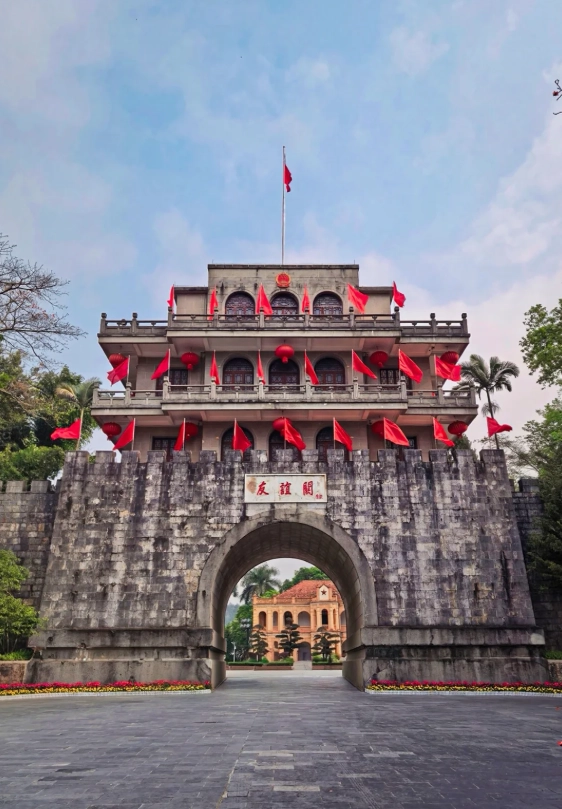
What Is Friendship Pass and Why Should You Go?
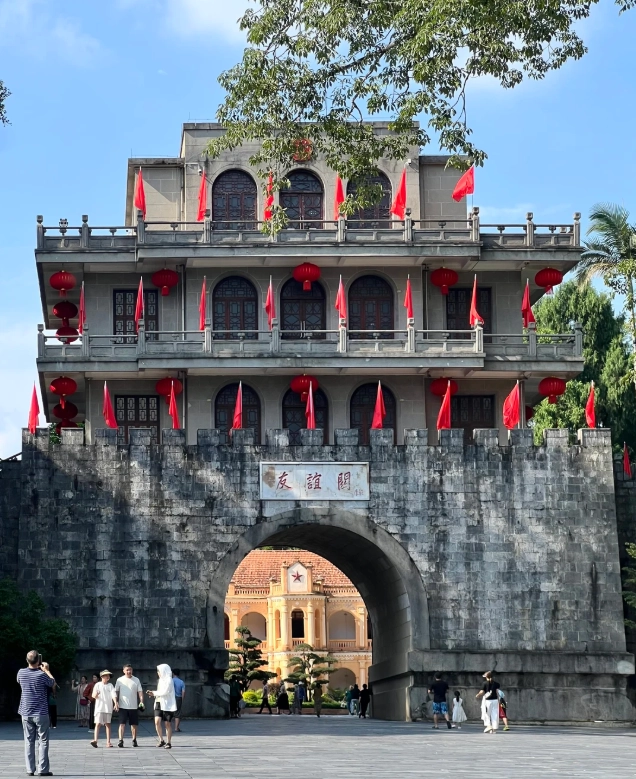
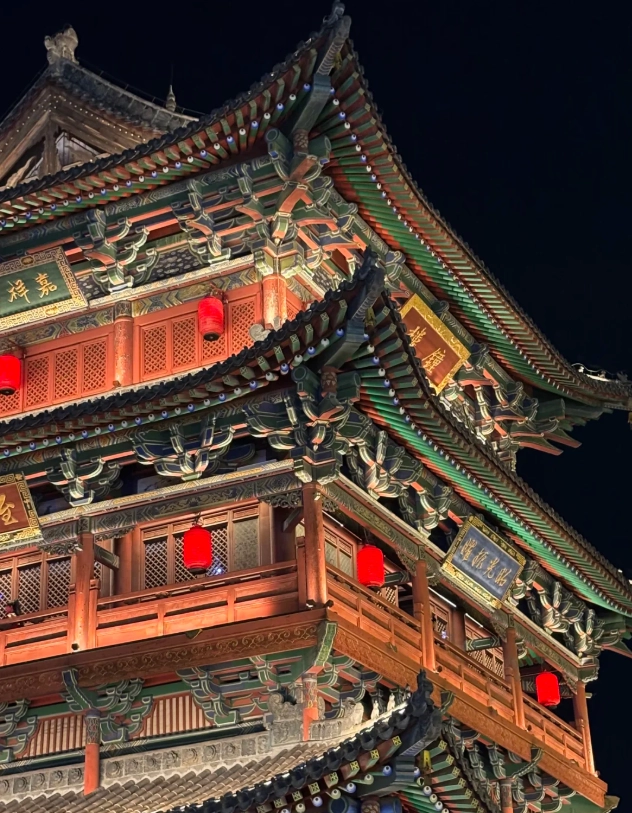
Friendship Pass (友谊关) is a historic gateway on the China-Vietnam border in Guangxi's Pingxiang city. It's not just any crossing—it's an ancient citadel that dates back to the Ming Dynasty and played a key role in the Sino-French War. Today, you can wander the old gate, snap photos with the massive stone arch, and peek across the border into Vietnam.
Most travelers combine a trip here with a short hop over the line to that little Vietnamese town called Lang Son. But even if you don't cross, the pass itself is worth the detour for the mountain scenery and the surreal feeling of standing where caravans have rolled for centuries.
How to Get to Friendship Pass from Nanning
Nanning is the most common starting point for foreigners—it's a big transport hub with an international airport and high-speed rail links to Guilin, Guangzhou, and even Vietnam. From Nanning, you have three solid options to reach Friendship Pass:
| Transport Mode | Duration | Approx. Cost | Pros | Cons |
|---|---|---|---|---|
| Train (Nanning → Pingxiang) | 4 hours | 50–60 RMB | Cheap, fairly frequent, ends near the border | Not high-speed; older carriages |
| Long-distance bus | 4.5 hours | 80–100 RMB | Direct to Pingxiang, departure from Langdong station | Bumps on mountain roads |
| Private car / hired driver | 3.5–4 hours | 400–600 RMB | Max flexibility, door-to-door | Pricey; need a driver who knows the route |
Taking the Train from Nanning
The train is my go-to recommendation because it's reliable and almost comically cheap. Trains leave from Nanning Railway Station (南宁站), not the East High-Speed Station. You're looking for the regular slow trains heading to Pingxiang. Check timetables on Trip.com or the official 12306 app—both have English versions.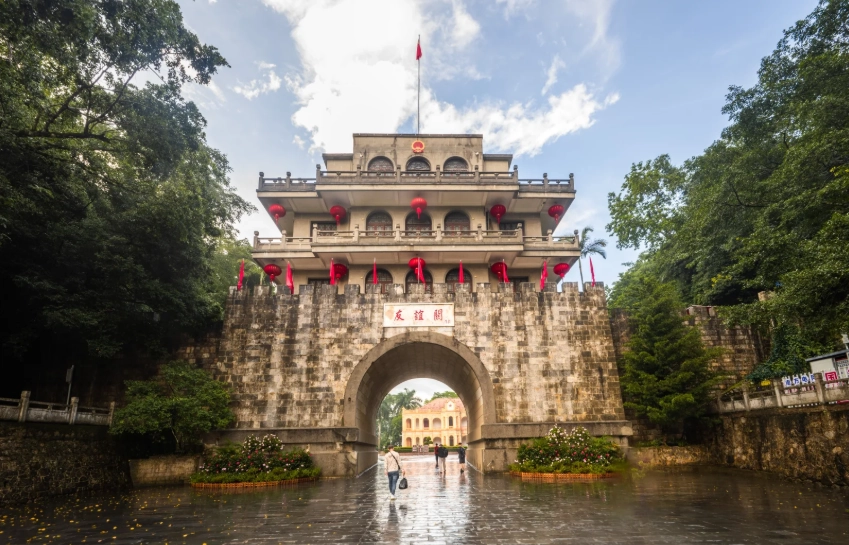
- Head to Nanning Railway Station, gate at least 30 minutes early. Bring your passport.
- Grab a seat in the hard-seat car—it's fine for 4 hours, and you'll meet friendly locals.
- Get off at Pingxiang Railway Station (凭祥站), the last stop.
- From the station, walk 200 meters to the bus stop or grab a shared van for 10 RMB to Friendship Pass gate.
The 4-hour ride is scenic—you'll wind through karst hills and small villages. Sit on the left side of the train for the best views.
Long-Distance Bus from Nanning
If the train times don't suit you, the bus is a decent backup. Head to Langdong Bus Station (琅东客运站) on the east side of the city. Buses to Pingxiang run every hour or so from 8:00 to 18:00. The direct bus drops you at Pingxiang bus station, which is closer to the border than the train station—about a 10-minute ride away.
- Buy tickets at the station or via Trip.com.
- The bus is comfortable, with A/C and reclining seats.
- Traffic on the expressway is usually smooth, but weekend holidays can add an hour.
Private Car or Hired Driver
For groups of 3 or more, a private car isn't much more expensive than multiple bus tickets. Your hotel in Nanning can arrange a driver, or you can pre-book through Trip.com. Expect to pay around 500 RMB for a one-way trip. The advantage? You can stop for photos, use the air conditioning, and avoid the awkward walk from Pingxiang's stations.
My honest advice: if you're traveling solo or with one friend, the train + shared van combo is the sweet spot. Save your cash for a nice bowl of Vietnamese pho on the other side.
How to Get to Friendship Pass from Pingxiang
If you've already made it to Pingxiang city, you're almost there. The border crossing is about 15 kilometers south. Here's how to close the gap.
Shared Van (Minibus) – Cheapest Option
The little white vans that wait near the Pingxiang bus station and train station will take you straight to Friendship Pass for 10–15 RMB per person. They leave when full, so expect to wait a few minutes. The ride takes around 20 minutes.
Taxi or DiDi (Ride-Hailing)
If you're in a hurry or have luggage, a taxi costs about 30–40 RMB. You can also open the DiDi app (the Chinese Uber) and input “友谊关” (Friendship Pass). Show the driver this: 友谊关出入境边防检查站. Most drivers know the area well.
Renting an Electric Scooter?
Yes, it's possible, but I don't recommend it. The road isn't bike-friendly, and the final stretch is uphill. Plus, you wouldn't want to deal with a scooter if you're crossing into Vietnam. Leave it.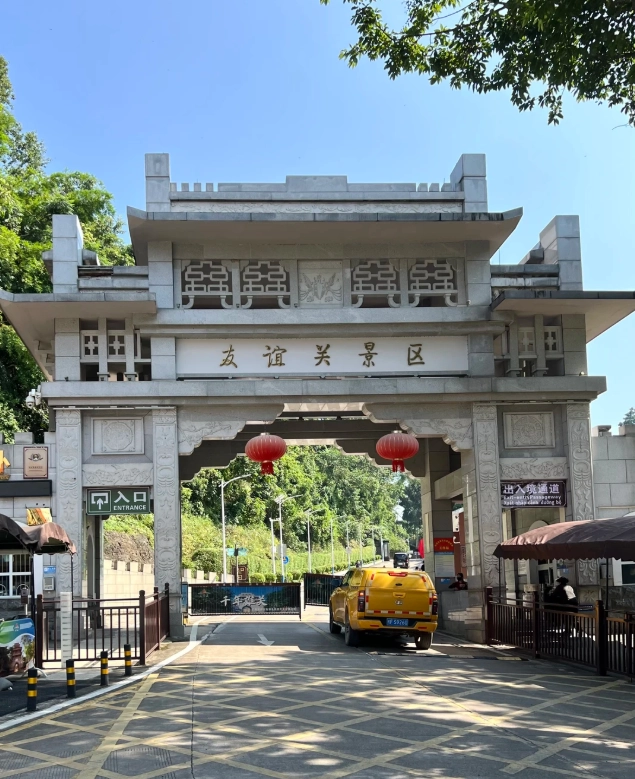
How to Get to Friendship Pass from Vietnam
Coming from Hanoi? You have two realistic ways to reach Friendship Pass—also known as Huu Nghi Quan in Vietnamese.
By Direct Bus (Hanoi → Lang Son → Friendship Pass)
The most straightforward option is a private mini-bus or sapa bus that runs from Hanoi to Lang Son city. From Lang Son, it's another 15 kilometers to the border. You can take a motorbike taxi (xe om) for 30,000–50,000 VND, or hop on a local bus.
By Train and Transfer
There's no direct train from Hanoi to Friendship Pass, but you can take a train to Dong Dang, which is just 2 kilometers from the border. Trains run from Hanoi's Gia Lam station to Dong Dang a few times a week. From Dong Dang, a quick taxi ride gets you to the Friendship Pass gate.
Note: you must have a valid Chinese visa or a border pass (if you're doing a day trip). More on that next.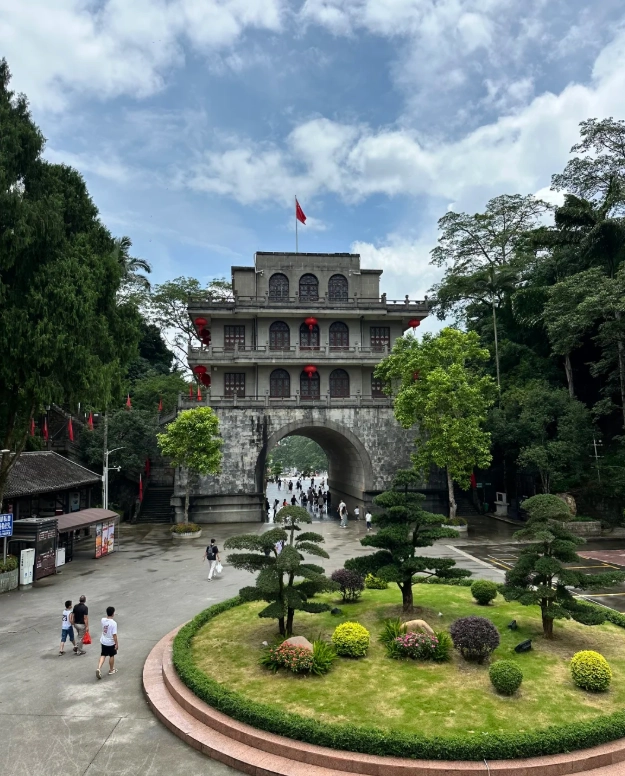
Border Crossing: What You Need to Know
Friendship Pass is a working border, not just a photo op. If you plan to cross into Vietnam, here's what's up.
Visa Requirements for China
Most nationalities need a Chinese visa to enter China from Vietnam. There's no visa-on-arrival at land crossings. Check visa requirements at your local Chinese embassy months ahead. For a day trip to the Vietnamese side without a visa? Some nationalities get visa-free entry to Vietnam for up to 15 or 30 days. Verify with the Vietnamese embassy.
What to Expect at Immigration
Expect two checkpoints: Chinese exit and Vietnamese entry. Bring your passport and China visa/entry permit. Fill out an arrival/departure card (also available in English). Fingerprints may be required for Chinese immigration after 5 pm. Lines can get long during Chinese holidays—avoid May 1 (Labor Day) and October 1 (National Day).
Money and Services at the Border
There are a few money changers near the gate, but don't expect card payments. Cash is king for the small shops and shuttle services. There's an ATM inside the border building, but it might only accept Chinese bank cards. Bring enough cash for both sides.
I always tell my clients: exchange some small USD or RMB before you cross. You'll get a better rate in town than at the border.
Friendship Pass Tickets, Opening Hours & Pro Tips
Admission to the Friendship Pass Sightseeing Area
To actually enter the historic fort and walled area, you'll need a ticket—roughly 50 RMB for adults. Children under 1.2 meters get in free, and students with a valid ID often get half price. Tickets are sold at the gate, but the real secret is that if you're just crossing the border without entering the sightseeing zone, you don't need any ticket at all. You can simply walk through the open corridor.
Opening Hours
The sightseeing area is usually open from 8:00 to 18:00, with last entry at 17:30. The border itself functions longer—typically 7:00 to 22:00 for clearance. But keep in mind that times change during holidays, so check with your hotel or the official 12345 hotline before heading there.
Best Time to Visit
Go in the morning right after opening, around 8:30 to 9:00. The tour buses arrive around 10 am, and the place gets packed. Plus, the morning light makes the yellow walls glow—perfect for photos. Avoid midday—there's no shade, and you'll be baking in the Guangxi heat.
What to Bring and Avoid
Pack light but smart—here's your checklist:
- Sun protection: hat, sunscreen, and sunglasses.
- Drinking water—snacks at the gate are overpriced.
- Your passport!
- Don't bring any forbidden items like drones—seriously, customs will take them.
I learned this the hard way on a summer trip with a couple who had to forfeit their selfie stick. Security is no joke.
Frequently Asked Questions: Getting to Friendship Pass
Verified and fact-checked by the editorial team to ensure informational precision.





As someone who hates border bureaucracy, this was a godsend. The step-by-step flow from the taxi drop-off to the final exit gate at Friendship Pass was crystal clear. I kept waiting for the guide to be wrong, but it never missed. My favourite tip was about carrying a USB stick with copies of documents—the official actually asked me for a paper one and I had it ready thanks to that line. This should be the official manual for Friendship Pass. Five stars without hesitation.
This is the 'get you there without a hitch' article, no question. What I loved most is that it tells you exactly when to stop for the last bathroom before the lines—because after that it’s just buildings and uncertainty. Crossed on a rainy Tuesday and the photos were still accurate. The author even included the little water station that nobody else mentions. It made me feel like the guide was walking beside me. Highly recommend.
Honestly, this article turned a stressful border day into a relaxing one. I printed the page and brought it with me—the map was enough even with zero phone signal. Everything matched: the white canopy, the window order, even the grumpy officer who needed a polite nod before stamping. Walked from the parking area to the other side in 27 minutes. Fantastic job. If you’re reading this before heading to Friendship Pass, just save this page.
This was a big help during my last crossing at Friendship Pass. I especially liked the suggested language to use at the window—sounds silly but it made the process less intimidating. The route description was accurate down to the cracked sidewalk by the taxi rank. I’m giving four stars instead of five because the section on opening hours was slightly off for Sunday arrivals. Otherwise, a solid guide that I’d recommend to friends.
The article is clearly written, and I appreciated the bit about avoiding the morning rush. That said, after the initial approach to Friendship Pass, the directions sort of fell apart for me. I ended up in a queue of trucks because I missed a sign that the article never mentioned. The screenshots helped, but there were only three of them. If you know the layout of the border area already, this is fine. For a first-timer, it’s only 'mostly without a hitch.'
I'm a slow traveler and I loved every minute at Friendship Pass. It's not a polished tourist spot, and that's exactly its charm. I went early on a weekday, so I had the old stone path almost to myself. The layered green mountains, the patched-up border road, the tiny souvenir hut with postcards and handmade bracelets – it all felt real. The woman at the ticket counter was patient and told me where to stand for the classic shot of the arch. I sat by the border fence for an hour and couldn't stop thinking about all the people and goods that have passed through. A perfect day with zero hassle.
I wanted to like this more than I did. The article made 'getting there' sound straightforward, but our shared van from Pingxiang waited 40 minutes until it was full, then charged us more than the posted rate because we were foreigners. The pass itself is worth a quick look, but unless you're crossing into Vietnam, there's not a lot to do. We walked around for 45 minutes and felt we'd seen everything. The strong heat and flies near the souvenir stalls made it uncomfortable. If you have limited time, I'd prioritise Detian Waterfall instead.
We drove from Chongzuo on our own and got to the entrance without a hitch. The carpark is huge and the ticket gate is modern. The view from the main archway toward Vietnam is impressive. I also liked the border guard tower and the little refreshment stall with sugarcane juice. Why not 5 stars? The road to the actual border monument involves a long paved slope with zero shade, and on a hot day it was exhausting. Also, information signs are only in Chinese, so I couldn't understand the historical context. Still a memorable stop if you're touring Guangxi.
Honestly, this was the smoothest border-adjacent visit I've ever done. The minibus from Pingxiang South station was easy to find, and the ride only took 20 minutes. Yes, there are a handful of touts asking if you want to cross into Vietnam, but a polite 'no thanks' gets them to back off. The pass itself is dramatic – steep karst cliffs, red flags, and the railway line curving across the frontier. I sat on a rock for 20 minutes just watching the freight train rumble through. Staff were calm and even helped us take a group photo. For that price and experience, it's an absolute steal.
Following the article's bus tips saved us so much confusion. We took the 11:10 bus from Nanning Langdong station to Youyi Guan, and the driver let us off right at the ticket office. The walk up the old stone staircase is beautifully shady, and there is a strong smell of eucalyptus in the morning air. Standing under the huge 'Friendship Pass' arch and seeing the Vietnam border crossing in the distance gave me chills. We spent almost two hours just reading the bilingual plaques and admiring the mountain ridges. Don't skip the small military museum on the left – it's small but has incredible photos from the 1970s. This place deserves more hype.