 Chen Liu
What You’ll Learn (Tap to Jump)
- Why the White-Headed Langur Reserve Deserves a Spot on Your China Itinerary
- How to Book a Guided Tour (Permits, Fees, and Foreigner-Friendly Channels)
- When to Visit: Peak Langur Activity and Seasonal Secrets
- What to Expect on the Tour: Trails, Viewpoints, and Hidden Angles
- Getting There from Chongzuo: Buses, Taxis, and a Handy Table
- Insider Tips for Payments, Navigation, and Avoiding Tourist Traps
- Where to Stay for a Smooth Early Morning Start
- FAQs: Your Burning Questions, Answered Fact-Check Disclaimer
Let me set the scene. You’re hiking up a misty karst hill in southern China. Your guide stops, points to a distant outcrop — and then you see it. A white-headed langur, with its gold-tipped fur and a crown that looks like a punk rocker, is staring right back at you.
But getting that moment is a battle. The White-Headed Langur National Nature Reserve doesn’t work like a simple ticketed park. International cards often fail. Navigation apps point you to the wrong gate. And without a licensed guide, you’re likely to leave without seeing a single monkey.
Here’s the non-negotiable: you must pre-arrange a guided tour through an official channel, and the best odds are at sunrise — I’ll walk you through every step.
Why the White-Headed Langur Reserve Deserves a Spot on Your China Itinerary
The reserve protects one of Earth’s most endangered primates — the white-headed langur (Trachypithecus poliocephalus). Fewer than 1,200 individuals remain, almost all of them in this tiny karst region along the Guangxi-Vietnam border. Unlike zoo visits, a guided tour here offers a rare chance to see a wild population in their natural limestone habitat, with a dedicated conservation team managing every viewing.
I’ve been guiding travelers to this site for over six years, and I still get goosebumps when a langur leaps across a cliff face. The sight of their white heads against the grey rock is something no screen can capture.
For nature lovers and photographers, the appeal is obvious — but even casual travelers find themselves transformed. The reserve is also a UNESCO Biosphere Reserve candidate, offering stunning karst landscapes, hidden caves, and endemic birdlife.
How to Book a Guided Tour (Permits, Fees, and Foreigner-Friendly Channels)
You cannot simply walk to the reserve entrance and buy a ticket. Every visitor must be part of an organized group or accompanied by a licensed local guide. The reserve’s visitor center in Chongzuo arranges tours, but communication is often in Chinese only. Here’s the situation for foreign travelers:
- Official Visitor Center (Chongzuo Chongqing Road, near the Langur Museum): You can call or visit to reserve a slot, but be prepared for language barriers. Bring your passport and cash (though card may work for larger agencies).
- Local Licensed Operators: Many are based in Chongzuo or Nanning and offer English-speaking guides. I recommend booking through Trip.com or Klook — both have English interfaces and accept international cards. Search for “Chongzuo white-headed langur tour” or “Guangxi langur reserve tour.”
- Your Hotel Concierge: A surprising number of Chongzuo hotels have contacts with local guides. They can arrange everything for you, but ask for a written confirmation with price and pickup time.
Permits are included in the tour price for most operators — you don’t need a separate permit, but your guide handles the paperwork. Expect to pay around 300–500 RMB per person for a half-day tour, depending on group size and whether transportation is included. Private tours with photography focus can go up to 1,000 RMB. Always confirm inclusive services before paying.
Important: Some guides may advertise tours on social media without proper licenses. Always ask for a copy of the operator’s business license and check reviews on independent platforms like TripAdvisor. The reserve’s official website (www.gxhzbh.com) offers contact information, though it’s mostly in Chinese.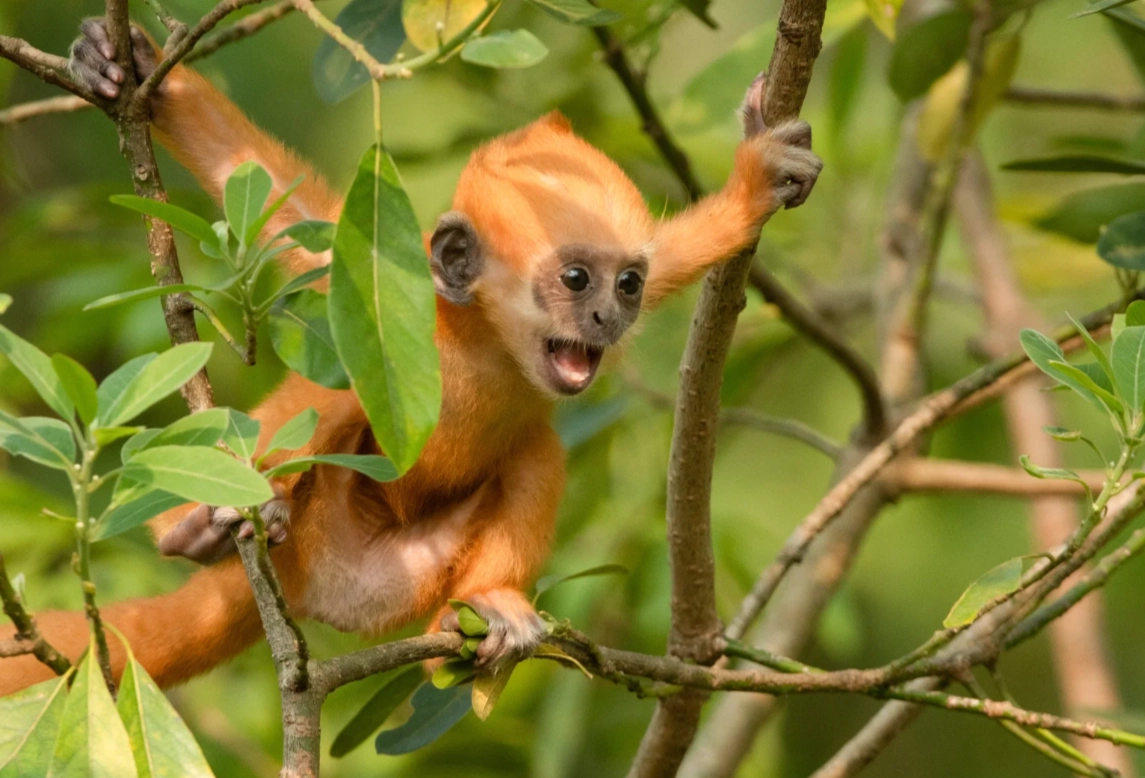
When to Visit: Peak Langur Activity and Seasonal Secrets
Langurs are most active at dawn and early morning — between 6:00 a.m. and 9:00 a.m. During these hours, they emerge from their sleeping cliffs to feed and socialize. By mid-morning, they retreat to shaded ledges or rest in the canopy, making sightings much harder.
Seasonally, the dry season (November to March) is ideal — crisp air and less vegetation give you better visibility. Spring (April-May) brings misty mornings that are beautiful but can obscure views. Summer (June-October) offers warm weather but the rain may limit trail access, and langurs often stay hidden during storms.
My most successful tours have always started at 5:30 a.m. Yes, it sounds punishing, but the reward is having the entire valley to yourself — and the soft morning light turns the white fur into something golden. You’ll be back at your hotel by noon, leaving the afternoon for exploring Chongzuo’s other gems.
If you’re not a morning person, the next best window is 4:00 p.m. to 6:00 p.m., when langurs sometimes return to visible ledges before settling for the night. However, this is less predictable, and the sunset light is less flattering.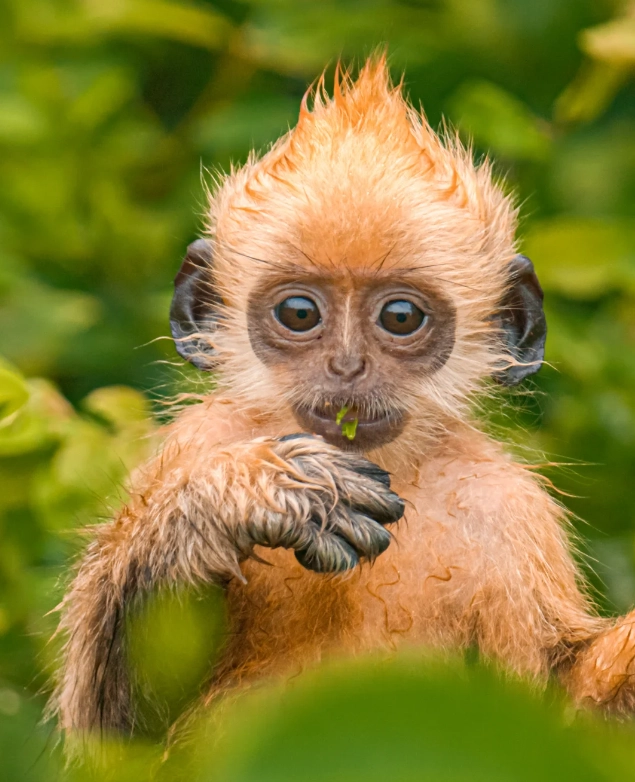
What to Expect on the Tour: Trails, Viewpoints, and Hidden Angles
A typical tour lasts 2–3 hours, covering 3–5 kilometers of walking with some steep sections. You’ll start at the reserve’s entrance where your guide registers the group and radios for the latest sightings from local rangers. Then you’ll follow a network of well-marked trails that wind through karst valleys and up to strategic observation points.
The most reliable viewing spot is the “Langur Lookout” — a rocky balcony that faces the Banliang Cliff, where a well-known troop of about 20 individuals lives. From here, you can watch them groom, wrestle, and jump between cliffs with a muscle control that seems impossible. Your guide will carry a spotting scope, but I always recommend bringing your own binoculars — even cheap ones beat a phone camera.
For photographers, a 200mm lens is the absolute minimum; a 400mm lens is ideal. The langurs are often 30–80 meters away, and you’ll want the compression to isolate them against the rock. Don’t expect to get close — this is a wild reserve, not a petting zoo. The reward is the authentic behavior you’ll witness.
Pro Tip: When a langur stares at you, freeze. They’re naturally curious but afraid of quick movements. If you slowly raise your camera and avoid direct eye contact, they often resume their business — a moment you’ll treasure forever.
Getting There from Chongzuo: Buses, Taxis, and a Handy Table
The reserve is about 25 km southwest of downtown Chongzuo. The drive takes roughly 40 minutes. There’s no public bus directly to the reserve entrance, so your options are taxi, ride-hailing, or included tour transport. Most guided tours already include round-trip pickup from your hotel — ask when you book.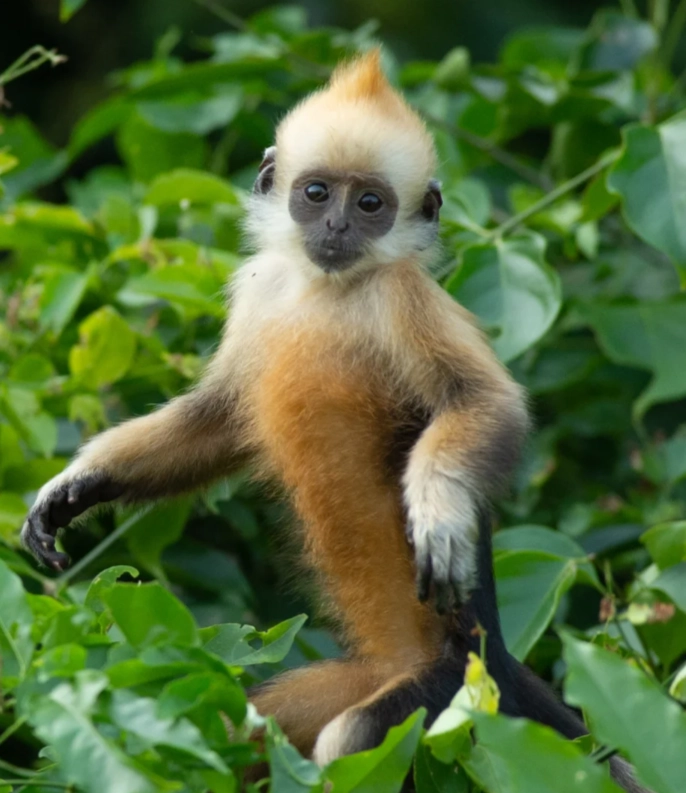
If you’re doing it independently, here’s the breakdown:
| Transport | Time | Cost Range | Notes |
|---|---|---|---|
| Taxi (from Chongzuo Railway Station) | 40–50 min | 80–120 RMB | Meter or agree on price beforehand; ask for driver’s phone number for return trip. |
| Ride-hailing (Didi) | 40 min | 60–100 RMB | Use Didi with international card; English interface available. Book return trip from reserve gate — signal can be weak. |
| Tour Operator Van | included | part of package | Most reliable and hassle-free; includes guide & permits. |
Give yourself an extra 15 minutes if you’re coming from the Chongzuo High-Speed Railway Station — the station is on the east side of town, while the reserve is west. If you’re using a taxi, show the driver this: “请带我去白头叶猴国家级自然保护区。”(Please take me to the White-Headed Langur National Nature Reserve.)。Also, save a screenshot of the reserve’s coordinates (22.3667° N, 106.9460° E) — some drivers may not know the exact name.
Insider Tips for Payments, Navigation, and Avoiding Tourist Traps
Assume the reserve and most nearby shops only accept mobile payments or cash. International credit cards are rarely accepted. Before your trip, set up Alipay and link your international card; WeChat Pay also works but carries a fee for international cards. Carry at least 200 RMB in cash for emergency drivers, mountain snacks, or community restrooms.
Google Maps is useless in this area. Use Apple Maps or Amap (高德地图) — Amap has an English mode called “AMap Global” and works offline with downloaded maps. Always have your hotel’s business card in Chinese to show the taxi driver on the way back.
Need a VPN? Absolutely — you’ll want to access Google, WhatsApp, and most Western sites. Download a reliable VPN before landing, as many Chinese networks block standard VPN protocols.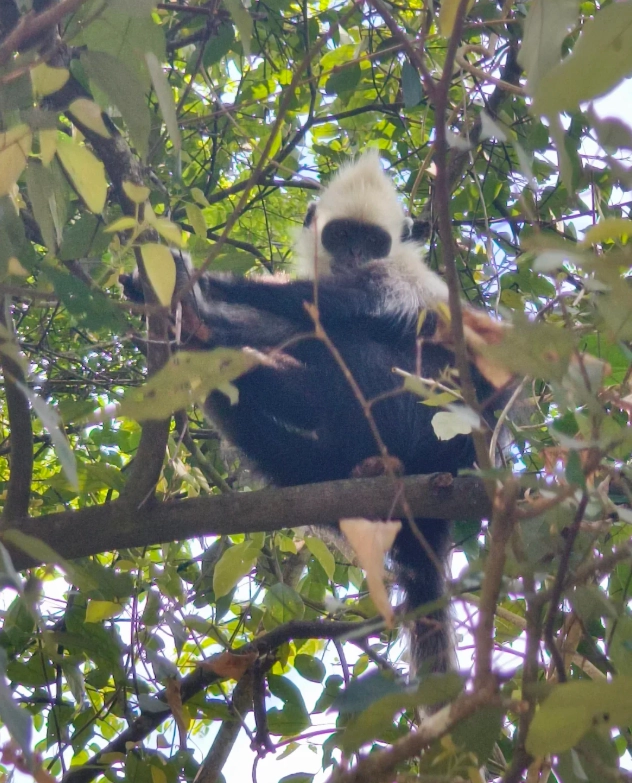
Insider Advice: Ignore the touts near the visitor center who offer “shortcut views” for 50 RMB. They often lead you to unprotected cliff edges with poor safety and no guarantee of langur sightings. Stick with your licensed guide.
Where to Stay for a Smooth Early Morning Start
Choosing the right accommodation can mean 40 extra minutes of sleep. The reserve is remote, so staying in Chongzuo city center is your best bet for comfort and easy pickups. Here are tested options
| Hotel | Distance to Reserve | Price Range (per night) | Best For |
|---|---|---|---|
| Push Hotel (朴墅酒店) | 30 min by car | 300–500 RMB | Modern comfort, rooftop bar, English-speaking staff |
| Chongzuo Zhiyou Inn (崇左之游客栈) | 35 min | 150–250 RMB | Budget travelers, hostel vibes, free luggage storage |
| Vina Residence (维纳度假酒店) | 45 min | 500–800 RMB | Families, swimming pool, restaurant, early tour desk |
Most hotels in Chongzuo have stable Wi-Fi, but ask if your room has a window facing away from the street — this ensures quiet for that 5 a.m. wake-up. Your hotel’s front desk is your best resource; they can confirm your tour pickup time and even order a taxi breakfast.
FAQs: Your Burning Questions, Answered
This content has been fact-checked to ensure informational precision. Details such as prices and timings may vary — always confirm directly with your tour operator or the reserve’s official contact before planning.





We went as a family with two kids (9 and 12) and everyone loved it. The guide's tips about which trails were easiest and where the best rest stops are saved us. Kids were thrilled to see the langurs jumping between karst cliffs, and the picnic spot with the river view was gorgeous. A perfect half-day excursion.
As a wildlife photographer, I've been on many reserve tours, and this one stands out. The small group allowed the guide to adjust the route based on animal movement. We got an hour of quiet observation time, not just the usual 10 minutes. The conservation story behind the white-headed langur made the experience even more meaningful. Bring your telephoto lens and patience.
Honestly, I left a little disappointed. We went on a rainy afternoon and only caught a glimpse of a langur high up in the trees. The guide did his best, but the tour felt rushed and we spent more time driving than walking. For the price, I expected a more immersive experience. Maybe morning is better, but I can only judge the tour I took.
Great tour overall. The reserve itself is beautiful and the langurs are incredible. I'd give it 5 stars but our group was a bit too large and the van was late picking us up. Still, the guide’s advice on where to stand for the best photos made a huge difference. Just wish they’d split into smaller groups.
Took the early morning tour and it was absolutely worth it. Our guide knew exactly which cliffs the white-headed langurs like to hang out on. We saw a whole family — including a tiny baby with bright golden fur. The insider tip about bringing a light rain jacket was spot on; the mist made the forest feel magical. This tour is a must for anyone visiting Chongzuo.
I really wanted to love this, but it ended up being just okay. The group was too big – 14 of us squeezing along a narrow trail made it impossible to get a steady look through the telescope. We did see one white-headed langur sitting in a tree, but it barely moved and then vanished into the bushes. No real insider tips, just the standard route. Maybe I got unlucky with the weather, but I expected better for the price.
A unique place to see an animal you won't find anywhere else. We arrived in late afternoon and just made the last tour. Our guide was a local ranger who talked about the captive-breeding program with so much passion. We saw langurs on a steep rocky hillside, but they were quite far away and we only had a pair of old binoculars. Still, the karst scenery alone is worth the drive, and I liked that the fee goes back into the reserve.
Honestly one of the best guided wildlife tours I've been on anywhere, not just in Guangxi. The 'Insider Tips' version lived up to its name: our guide knew a back route that got us away from the main crowd. We heard the langurs before we saw them, then watched a dominant male leap across a gap between two limestone towers. He had this amazing white crest that looked silver in the morning light. The conservation staff clearly love these animals, and it shows.
Four stars because the experience is great but the logistics aren't perfect. We did see a small group of white-headed langurs lounging on a cliff and our guide's explanation of their social structure was fascinating. The wait at the entrance was chaotic though, and the rental binoculars had sticky lenses. The reserve itself is stunning and the low-impact vibe is a huge plus. Would recommend going early on a weekday.
Absolutely incredible. We joined the 6 a.m. Insider Tips tour and ranger Qin knew exactly where to find the langurs. We watched a troop of about 15 on the karst cliffs for almost an hour, including a tiny golden baby. The telescope they set up was so clear I could see the orange tint on the baby's fur. Trail was a little muddy but manageable. This tour is a must for anyone visiting Chongzuo.