 Tao Xu
On This Page
- Why Zuojiang Huashan Rock Art Is a Dream (and a Nightmare) to Photograph
- The 5 Best Photography Spots for Zuojiang Huashan Rock Art
- How to Plan Your Photography Trip: Tickets, Transport, and Passports
- The Perfect Shooting Schedule: Light, Weather, and Crowds
- Camera Settings and Composition Tricks for Cliff Art
- FAQs: Smart Answers for Photographers Visiting Zuojiang Huashan
I have lost count of how many times I have led photographers to this UNESCO World Heritage Site. It is not easy to shoot. The cliff is massive, the boat rocks, and the light plays tricks on you. But the result? Absolutely unforgettable. If you are hunting for the best Zuojiang Huashan Rock Art photography spots, let us sort out the practical stuff first. Here is the truth: the single best shot is not from the boardwalk—it is from the river, during the last hour of sunlight. Stick with me, and I will show you exactly where to stand, when to push the shutter, and how to get there without losing your mind.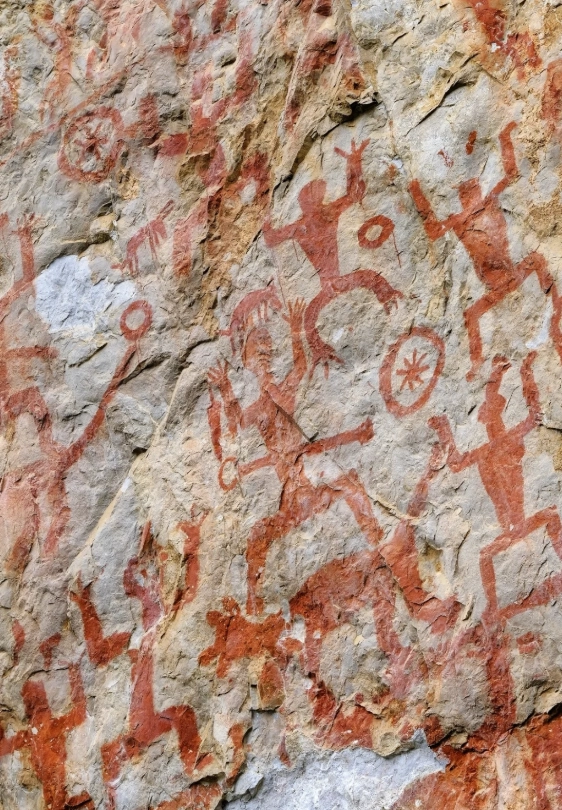
Why Zuojiang Huashan Rock Art Is a Dream (and a Nightmare) to Photograph
First, the good news: the Zuojiang Huashan rock art is one of the most photogenic ancient sites in China. Over 1,800 cliff paintings stretch along the limestone cliffs, depicting bronze drums, warriors, and mythical creatures. The scale is staggering—some figures are nearly three meters tall. The bad news? The site is remote, the lighting is harsh in the middle of the day, and the river creates constant reflections that mess with your metering.
Most guides will tell you to go at noon because that is when the tour boats run. That is a rookie mistake. The cliffs face west, so the best light is actually in the late afternoon. I always tell my clients to book the last boat of the day, even if it means fighting for a spot on the rail.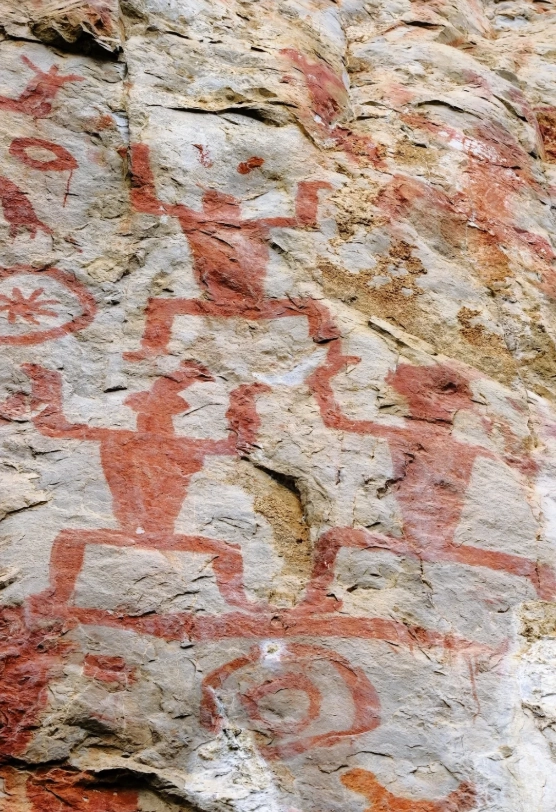
The 5 Best Photography Spots for Zuojiang Huashan Rock Art
After dozens of trips, I have narrowed down the must-visit locations for any photographer. Each spot gives you a completely different perspective on the same prehistoric masterpiece.
1. The Port Bow of the Tour Boat (Best for Close-Ups)
The boat deck is your first and most crucial vantage point. When the boat slows down right in front of the main cliff, the bow offers a clean, unobstructed view. I recommend sitting on the left side of the boat on the way out—the captain often gets closer to the rock on that side. Be quick with your wide-angle lens, because the boat drifts even when anchored.
2. The Boardwalk Below the Cliff (Best for Wide L-Shots)
After docking, you walk up a short path to a wooden walkway. From here the cliff towers overhead, and you can frame the paintings together with the lush green foliage at the base. Use a 16-35mm lens to capture the full height. This is the only spot where I have successfully used a tripod without the boat shaking it.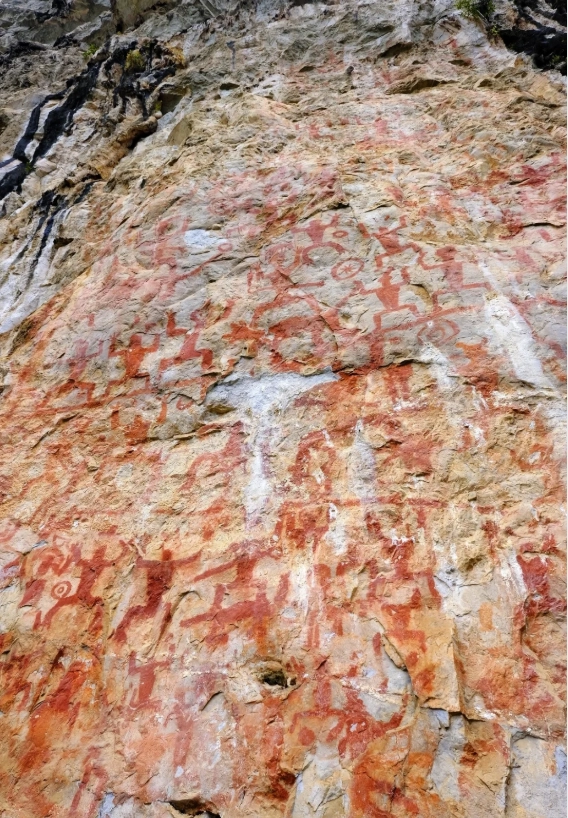
3. The Riverside Rocks (Best for Framing)
A lesser-known spot is a pile of rocks about 200 meters upstream. Tourists usually stop at the walkway and never walk this far. From here, the cliff appears at a slight angle, and you can include a foreground of river pebbles to add depth. You will need a medium telephoto like a 70-200mm to compress the scene.
4. The Observation Deck at the Entrance (Best for Overview)
Before you even board the boat, climb the 15-minute trail to the small pavilion. The view from here shows the whole river bend and the cliff face in one sweeping panorama. The catch? The paintings seem tiny at this distance. It is a perfect spot for a context shot, but not for details.
5. The Riverbank Opposite the Cliff (Best for Distorted Reflections)
On the opposite bank, there is a patch of farmland. Farmers do not mind if you step carefully along the edge. The water often mirrors the lower paintings, creating a dreamy symmetry. A polarizing filter helps cut the glare, but sometimes you want the glare for an abstract look. This is my guilty pleasure spot.
How to Plan Your Photography Trip: Tickets, Transport, and Passports
Getting There from Nanning
Fly or catch a high-speed train to Nanning, the capital of Guangxi. From Nanning East Station, take the bullet train to Chongzuo (about 40 minutes). Then transfer to a local bus or taxi to Ningming County. The scenic area is about 20 kilometers from Ningming town center. A taxi costs roughly 50 RMB and takes 30 minutes. Public buses run but are infrequent—I always book a ride via DiDi for reliability.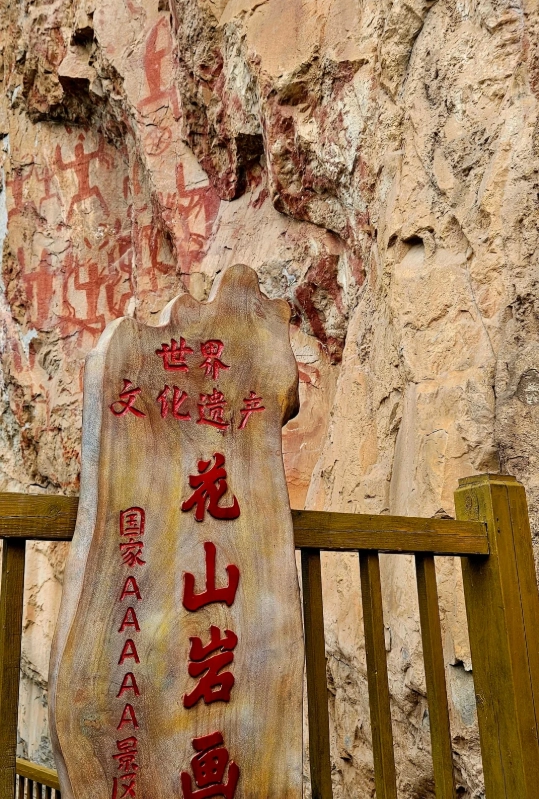
Tickets, Booking, and Passport Requirements
All visitors must present their passport to enter. You cannot book through the official Chinese mini-program if you do not have a Chinese bank card. I use Trip.com to book the combined ticket (entrance + boat) a day in advance. The current price is about 90 RMB for adults. The ticket office also has a manual function for foreigners, but they may expect you to fill out a paper form.
- Opening hours: 8:30 a.m. to 5:30 p.m., with the last boat departing around 3:30 p.m.
- Boat departures: Normally every hour, but if fewer than 10 people show up, the wait can stretch.
- Payment: Cash and mainstream credit cards are not accepted inside the scenic area for optional extras (like souvenirs). Bring Alipay or WeChat Pay, or carry a small amount of cash in case.
What to Pack in Your Camera Bag
Bring a waterproof backpack. River spray is a real hazard. A lightweight tripod is okay on the boardwalk but not on the boat. A lens cloth and a circular polarizer are non-negotiable—the water glare is brutal. Remember that drones are strictly prohibited in the national park. Leave it at home.
The Perfect Shooting Schedule: Light, Weather, and Crowds
I start the day with the entrance pavilion at 9 a.m. The light is soft, and the staff is still arranging the area. Then I take the 10 a.m. boat, which is the second departure. The mornings tend to be hazy, which diffuses the light nicely. By 11 a.m., the sun is over the cliff, and the colors wash out. This is a good time to shoot close-up details with a long lens, focusing on the painted figures themselves.
After a simple lunch at the small restaurant near the exit, I relax until 3 p.m. Then I walk back to the opposite-bank farmland spot. The best light hits the cliff from 4 p.m. to sunset. The golden hour adds warmth, and the shadows define the rock texture. I usually stay until the last ferry, which leaves about 30 minutes before closing.
If you have limited time, focus on the late-afternoon shooting. Skip the morning boat if you have to choose. The site faces west, so morning light is flat and direct. Every photo you have seen that looks dramatic—those warm, glowing tones—were taken between 4 and 6 p.m.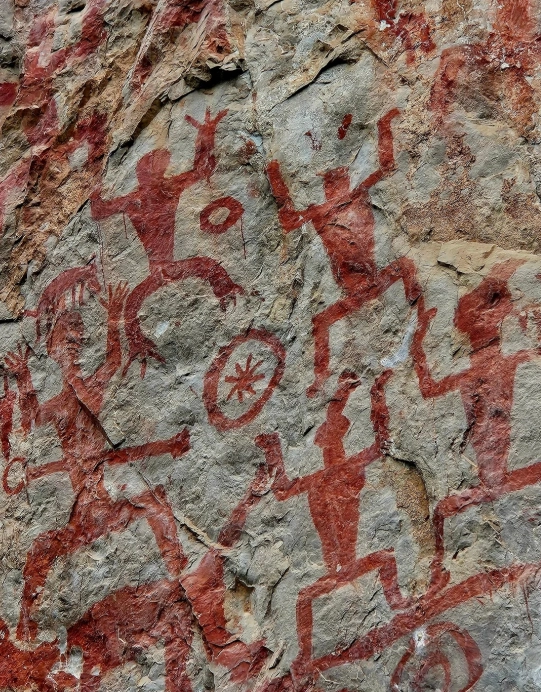
Camera Settings and Composition Tricks for Cliff Art
For wide-angle shots on the boat, set your aperture to f/8 and your shutter speed to at least 1/500s. The boat vibrates constantly, and a slow shutter will ruin your sharpness. Bump your ISO to 400 or 800 if necessary. Modern cameras handle high ISO well.
For close-ups of the individual figures, switch to a 70-200mm lens and open up to f/2.8. This isolates the painting from the rock surface and gives you a beautiful bokeh. The key is to focus on the white paint—it is slightly porous, so use spot metering to avoid blowing our the highlights.
For the reflection shots, use a neutral density filter if you want to smooth out the ripples. A fast shutter freezes them, but sometimes a little motion blur adds a painterly feel. I always shoot in RAW to have the flexibility to recover the shadows from the cliff.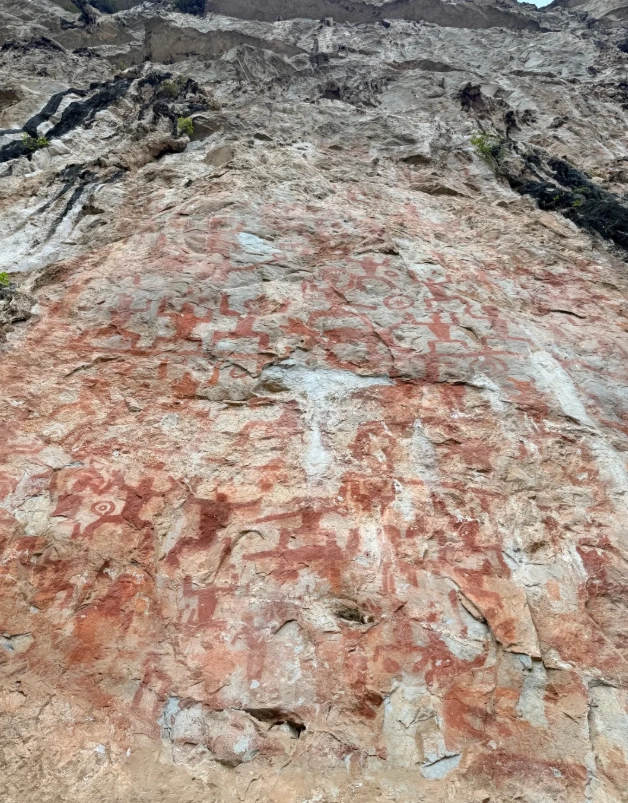
Pro Tip: Look for tiny engraved marks on the rock that are not from the ancient artists—these are from 19th-century explorers. They make fascinating abstract patterns for minimalist shots.
FAQs: Smart Answers for Photographers Visiting Zuojiang Huashan
This content has been fact-checked to ensure informational precision.





I've photographed dozens of heritage sites, but Huashan made me pause. The scale is hard to believe — some of the human figures are over two meters tall, and they hang high above the river. Viewpoint 1 was my favorite because it faces the largest cluster and catches the last good light before the hills block it. The stair system is well built, with shaded rest spots along the way. If you respect the place and take your time, it rewards you with something you won't forget.
As a solo traveler, I joined a small group from Chongzuo. The guide was excellent, explaining the meaning behind the crouching figures and the bronze drums. Viewpoint 3 has the best overview of the painted cliff face, in my opinion. It's a short climb, but the humidity really hits you. Once you're up there, the mix of river canyon and prehistoric art is absolutely worth it. I ended up staying much longer than planned and just staring. This place deserves more attention than it gets.
Started the day at 6am and hired a local boatman to drop us at Viewpoint 2. Mist was lifting off the water, and the ochre figures glowed in the low light. No one else was around. This is how you photograph the rock art — unhurried, quiet, and from the river. The boardwalk up to Viewpoint 4 is safe and offers a completely different perspective. Easily the most powerful cultural site I've seen in Guangxi.
The boat ride along the Zuojiang River is the best part. We stopped at the main Huashan cliff and then took the stairs up to Viewpoint 5. The art is faded up close, but you can make out the human figures if you listen carefully to the guide. Only issue: we had exactly 45 minutes between boats, which wasn't really enough to absorb the viewpoint. Bring water and insect repellent. I'd give it 4.5 if half points were allowed.
I really wanted to love this after seeing everyone's photos online. We went to Viewpoint 3 on a midday tour and the sun was harsh, plus the boat waited less than 30 minutes at the dock. The rock art itself is incredible, but the deck gets packed and you end up shooting through railings and tree branches. If you can come early or hire a private boat, you'll have a much better chance. Not terrible, but it didn't give me the 'wow' I expected.
I've been to many heritage sites in China, but this one genuinely moved me. The viewpoints are well-placed — especially the floating dock viewpoint, where you can sit and just listen to the water while looking at the 2,000-year-old drawings. I went at dusk and the silhouettes of the cliffs and the soft orange sky made the whole place feel spiritual. The local caretaker told me about the sacrificial scenes and even pointed out the hidden figure near the top. Maybe not for casual tourists, but for photographers and history lovers it's unforgettable. I can't stop thinking about it.
Did the full viewpoints loop with a local photographer I met at the ticket office. Viewpoint #5 is the winner — it gives you the full panorama of the painted cliff face and the river, and you can frame it with the banyan leaves in the foreground. We lucked out after a short rain; the rock surface was darker and the red pigment seemed to glow. Bring water and insect repellent. The stairs near #4 are steep but worth it. Felt like I stepped into a history documentary.
Absolutely killer spot for landscape and history lovers. I hiked up to viewpoint #2 at 6am and had the entire terrace to myself. The mist was hanging over the Zuojiang River, and when the sun rose, the red rock art just lit up against the limestone. My widest lens captured the cliff with the river bending around it — probably the best shot of my whole trip. There's a protective railing, but the angle is still dramatic. A must-do if you're in Ningming.
For a quick half-day trip, this is pretty solid. I visited the viewpoint near the river bend and caught the late afternoon light hitting the cliff face. The guide was knowledgeable and pointed out the bronze drum symbols that aren't obvious in photos. Why not 5 stars? The river cruise got a bit crowded and it's hard to avoid other tourists in your frame unless you wait patiently. Bring a polarizer; the glare on the water can wash out the darker pigment. Would still recommend.
Booked the 'top viewpoints' guide expecting something special. Views 3 and 4 are basically the same angle, and the photo shuttle dropped us right at the main platform where the tree branches kept sneaking into my frame. The so-called hidden viewpoint was behind a chain-link fence, and unless you have a telephoto lens, you'll struggle. Also, the group in front of us wouldn't move, so I never got a clean shot. The rock art itself is amazing, but the photography spots felt overrated.