 Ling Wu
Let me start with a confession. I've been leading trips to Guangxi for over a decade, and I still get lost trying to reach the White-headed Langur National Nature Reserve. Not because the roads are bad — but because no one tells you the final 10 kilometers are unpaved bumpy paths that your GPS will refuse to acknowledge.
I remember my first time: fresh off the highway, my driver kept pointing at the map, muttering in Chinese, "路呢?" The road simply vanished. That mistake cost us two hours.
Here's the punchline: the most reliable way is to hire a driver from Chongzuo who knows the reserve. It costs about 300–400 yuan for a round trip, and they'll wait for you while you watch the langurs.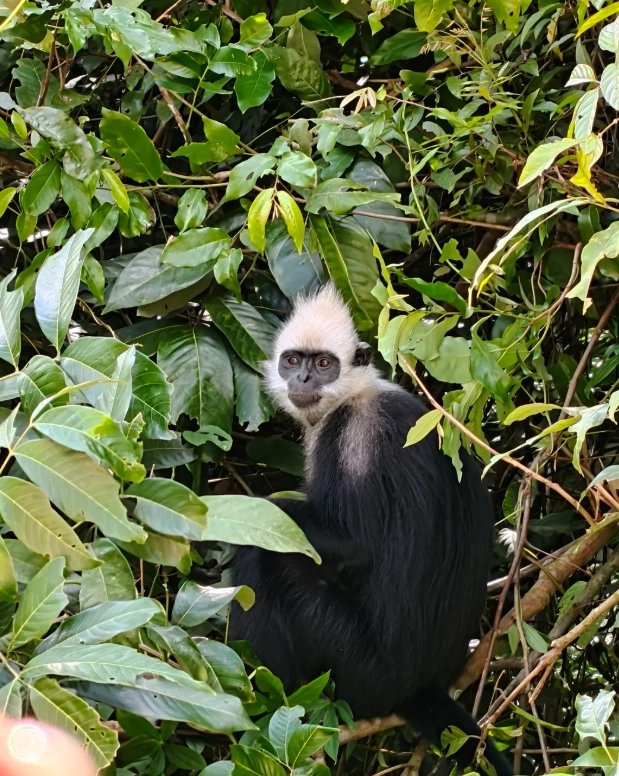
Why Visit White-headed Langur National Nature Reserve?
If you're into rare wildlife, this is as good as it gets in China. The reserve protects the last remaining wild population of white-headed langurs — a monkey with a distinctive white crown and a black body. Endemic to the karst forests of Chongzuo, these primates are classified as critically endangered, with fewer than 1,200 individuals surviving in the wild. Watching them leap across limestone cliffs in the misty morning light is an unforgettable sight.
Beyond the langurs, the karst landscape itself is stunning. The reserve is a photographer's dream — jagged peaks, deep gorges, and a network of caves. It's far less crowded than nearby tourism hotspots like Daxin's Detian Falls, so you're likely to have the viewing spots almost to yourself.
The walking trails inside the reserve are moderately challenging. You'll climb a few steep sections and navigate rocky ground. It's not a walk in the park—expect around 3 hours of easy hiking. But for every bit of effort, the views from the cliff edges are nothing short of cinematic.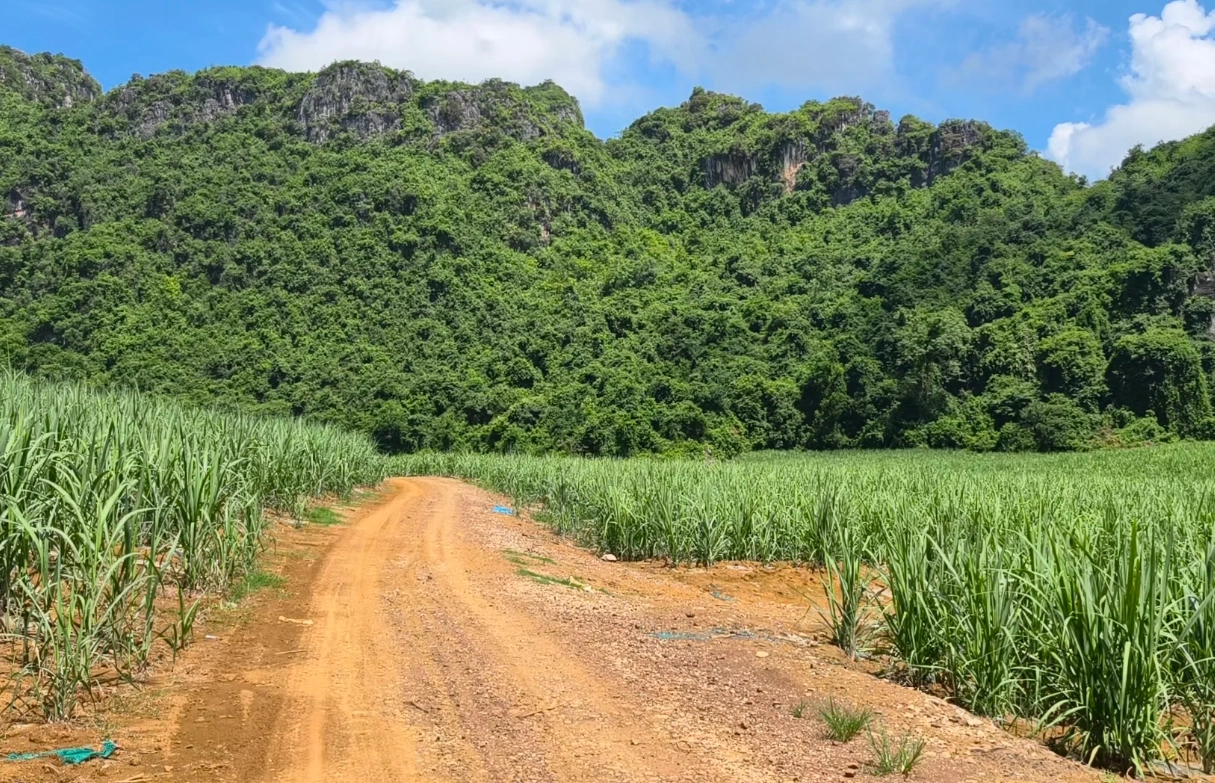
How to Get to White-headed Langur National Nature Reserve: The Three Best Routes
After more than a decade of taking clients there, I've narrowed it down to three practical ways: public transport, a private driver, or self-driving. Here's a quick comparison:
| Route | Time from Chongzuo | Cost (one-way) | Pros | Cons |
|---|---|---|---|---|
| Public bus + tuk-tuk | 1.5–2 hrs | ~30–50 yuan | Cheapest, local experience | Limited departures, need to transfer |
| Private driver | 45–60 min | 150–200 yuan | Door-to-door, easy, flexible | Must book ahead |
| Self-drive | 40–50 min | Fuel + car rental | Freedom for independent explorers | GPS glitches, rough final stretch |
I'll drill down into each below.
Taking Public Transport to the Reserve
Public transport is possible but not straightforward — and it's only for the truly patient traveler. Start from Chongzuo's main bus station (not the high-speed rail station). Ask for a ticket to Banli Township (板利乡). The ride takes about 40 minutes and costs around 10 yuan. From the Banli drop-off, you'll need to hire a local tuk-tuk or motorbike taxi for the remaining 10 kilometers to the reserve gate. Negotiate the price before hopping in — 20–30 yuan is fair. The catch? The bus leaves only twice in the morning, roughly around 7 and 9 — but confirm the exact time at the station, as it changes with the season. I recommend going to the station the day before to confirm the schedule, because missing it means a wasted morning.
Also, when you're ready to leave the reserve, there may be no tuk-tuk waiting. Arrange a pickup time with your driver before entering — a lesson I learned the hard way.
Hiring a Private Driver: The Stress-Free Option
If you want to enjoy the trip without the logistics headache, this is the option I always recommend for my own clients. Your hotel in Chongzuo can arrange a driver, or you can book through a local travel agency. Expect to pay 150–200 yuan per one-way trip, or 300–400 yuan if you hire them for a round trip with a 3-hour wait at the park. Most drivers know exactly where to go and will drop you at the correct entrance — the one locals call Baili Ecological Station (板利生态站).
Make sure your driver speaks enough Mandarin to understand the reserve's booking procedure — some drivers can help you check in at the gate. They'll also know the safest place to park while you're inside. This is the option I've used for every group of international visitors, and not one has missed a langur sighting because of navigation issues.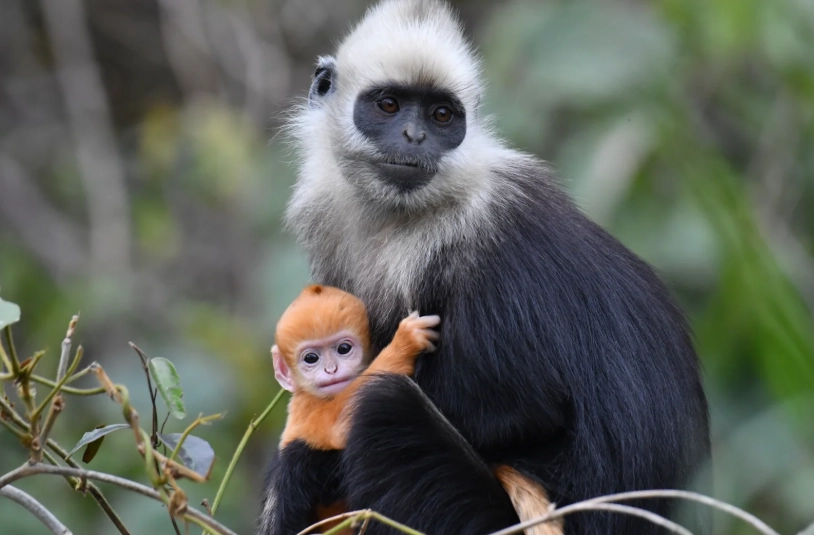
Driving to the Reserve: GPS and Road Conditions
Self-driving gives you maximum freedom, but only if you ignore Google Maps. In China, Google is rendered inaccurate for navigation. Instead, use Apple Maps (which works reasonably well) or a Chinese app like AMap Global (高德地图). I tell my friends: type in 白头叶猴生态公园 (White-headed Langur Eco Park) or simply 板利乡 (Banli Township). Don't trust the English name in navigation — it'll send you to a different administrative area.
The final approach is a narrow, unpaved road that twists through the karst hills. In dry weather it's dusty but passable for a regular sedan. After rain, it becomes slick and muddy — I'd strongly recommend a 4WD or at least a high-clearance vehicle. Allow extra time for the last stretch; 5 kilometers can take 20 minutes due to potholes.
One more crucial detail: there is absolutely no cell signal in the core viewing area. Download offline maps for the region, or have your driver's phone with a local carrier. Without it, you'll be navigating by the sun and prayer.
Entry Fees, Booking, and Park Rules Nobody Tells You
The reserve does NOT accept walk-in visitors — this is the biggest mistake I see travelers make. You must book at least one day in advance, and foreigners need to provide their passport number. The easiest booking method is a phone call or WeChat message to the reserve administrative office, but the interface is all in Chinese. Here's a pro tip: ask your hotel in Chongzuo to make the reservation for you. They're used to handling it for tourists.
As for tickets, you're looking at an entrance fee plus a shuttle bus fee. Combined, it's usually around 80–100 yuan per adult — though this can change. Check the latest fee from your hotel or the reserve office before you go. The shuttle is compulsory because the langur viewing areas are far from the gate. Children under 1.2 meters get in free; students and seniors get discounts with valid ID.
Payment is a real pain point. The ticket office accepts cash and mobile payments (WeChat/Alipay), but international credit cards are not accepted. So bring enough cash. There's also a small shop selling water at the entrance, but it might close early — pack your own.
Most visitors also underestimate the time it takes to get from the gate to the actual observation points. Even with the shuttle, you'll walk a total of 3–4 kilometers on uneven trails. Budget at least 4 hours for a complete visit, maybe 5 if you stop for photos.
Inside the reserve, the rules are strict: no loud noise, no drones, and absolutely no feeding the langurs. Stick to the designated paths. The rangers know every move — they've seen everything.
What Time Should You Arrive to Actually See the Langurs?
If you arrive at noon, you've wasted your journey. Langurs rest in the shade during the hottest hours. Your best windows are 6:30–8:30 in the morning and 16:00–18:30 in the late afternoon. I always schedule my groups for the afternoon slot — the light is warmer, the colors pop, and the monkeys come out to feed before bedtime.
Here's an insider detail: most visitors rush to the first viewing platform they see. Don't. Walk past the main platform for another 15 minutes on the eastern trail. It's slightly steeper, but you'll get a quieter, much closer view of the langurs on the cliff faces. I've spotted troops of 20+ individuals there.
Also, be aware that the white-headed langur is not the only creature in the reserve — you'll likely spot pheasants, the endangered white-cheeked gibbon, and if you're lucky, a civet. Keep your binoculars handy.
Packing Checklist and Safety Warnings
The reserve is wild, not a manicured park — prepare accordingly. Here's what I insist everyone carries:
- Water – You'll be walking for at least 3 hours. There are no vending machines beyond the entrance.
- Substantial footwear – No flip-flops. The trails are rocky and slippery.
- Sun protection – Hat, sunglasses, SPF 50. The karst terrain reflects sunlight like a mirror.
- Insect repellent – Mosquitoes can be relentless, especially after rain.
- A backpack – Keep both hands free for climbing and using your camera.
- A light rain jacket – Weather shifts quickly in the hills.
If rain is forecast, consider bringing a waterproof cover for your bag. A sudden downpour turns the trails into slick mud, and I've seen more than one tourist slide on their butt. Also, the langurs stay hidden during heavy rain, so plan your timing around the weather app.
A word on safety: the trails are not fenced. Keep a safe distance from cliff edges, and don't attempt any unauthorized paths — people have gotten lost here. As long as you stick to the main walking route, you're in safe hands. The rangers patrol frequently.
Also note that there's no WiFi anywhere and poor cellular reception. Inform someone before you go in. The reserve is not a place for a quick selfie stop; it demands time.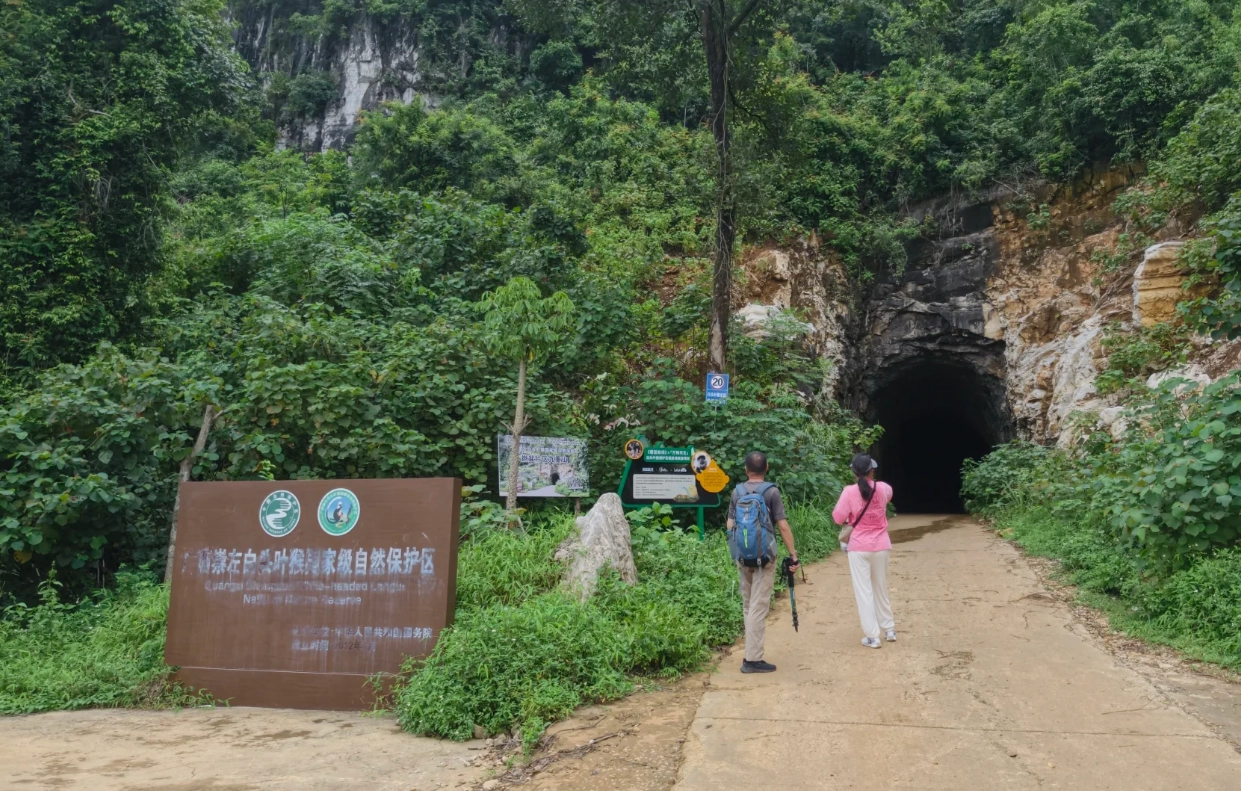
FAQ: Practical Answers for First-Time Visitors
Verified and fact-checked by the editorial team.





Got here with a private driver from Chongzuo East railway station—about an hour, well worth it. The reserve is peaceful, green, and not crowded at all. We sat near the observation point for an hour and eventually heard the langurs calling before we spotted two whole families. It felt wild and rewarding. Bring water and wear good shoes; the paths are stone steps but a bit steep.
I cycled here from the nearby village and it was the best decision. The road is quiet, with paddy fields on one side and dramatic karst on the other. The reserve staff were friendly and let me leave my bike at the gate. I hiked up to the viewing platform and saw a baby langur clinging to its mother. Honestly one of the most special wildlife experiences I’ve had in years.
Absolutely unforgettable! We arrived by minibus from Nanning and arranged a local guide at the ticket office. He knew exactly where the langurs would be feeding. Watching them leap across the limestone cliffs in the misty morning was magical. The karst landscape alone is worth the journey. This is a must-visit for nature lovers.
Lovely morning hike. We took a shared shuttle from the town and then walked the forest loop. Saw several white-headed langurs with a guide’s telescope, although they were very far and didn’t stay long. The viewpoints are good, but the facilities are basic—no café, just a tiny toilet. I’d give it a 4.5 because the effort is rewarded if you’re patient.
The reserve itself is beautiful, but getting here was way more complicated than expected. We hired a driver from Chongzuo and still missed the turnoff; there are no English signs, and the last stretch is a rough dirt road. Once inside, we only saw one troop of langurs from a distance, so I left a little disappointed. It’s worth visiting if you really love primates, but be prepared for a long, confusing trip.
I was nervous about doing this as a solo traveler without a car, but this guide made everything feel doable. The bus route explanation was perfect: from Chongzuo Long-distance Station, take the bus to Bapen, and there are usually local drivers waiting who know exactly where the reserve is. I shared a motorbike taxi with a couple from the bus and we split the fare. The staff at the reserve were friendly, and the view of the white-headed langurs grooming each other on the karst cliffs is something I'll never forget. This article is a gem — practical, accurate, and straight to the point. Five stars from me.
As a wildlife photographer, the timing advice in this guide was gold. It stressed arriving before 8am to catch the langurs as they leave their sleeping caves, and that made all the difference. The road directions from Chongzuo were accurate: we drove west for about 40km, saw the reserve sign, then took the gravel road to the visitor center. The viewpoint is a short walk from the parking lot. We spent a solid hour watching and photographing white-headed langurs moving across the limestone cliffs in the soft morning light. This article not only tells you how to get there, but also when and where to stand. Extremely practical and well researched.
This article absolutely saved our trip. We would have missed the turn-off at Bapen bridge without it. The writer explains the minibus connection from Chongzuo really clearly, and honestly it's a better option than driving unless you're totally comfortable on narrow mountain roads. We followed the steps exactly: bus to Taiping, shared minibus to Bapen, then a short motorbike-taxi ride. We reached the reserve gate by 9:30am. The karst landscape is breathtaking, and we ended up watching a whole troop of white-headed langurs climbing and resting on the cliff face. If you're thinking of going, read this guide first. It's spot on and the trip is unforgettable.
Really useful article for planning a visit. The instructions for driving from Nanning were mostly accurate, and we found the paved approach road just as described. Parking was exactly where the article said, right near the ticket booth. The reserve is quiet and pretty, though we didn't see any langurs from the main viewpoint at first. A local guide mentioned that the langurs often come out closer to late afternoon, so we waited near the gate and finally spotted a small group with pale golden-white heads moving along the limestone cliff. Wish the article had included that tip, but it definitely gave us enough to make the trip work.
This guide got us most of the way, but honestly not all of it. The directions as far as the ranger station were fine, but the line about taking the 'small road' to the parking area was way too vague. It's basically an overgrown dirt track with no signage. We ended up turning around and asking a local motorbike driver for help. The reserve itself was decent — the karst cliffs are dramatic — but I expected to see more langurs. We spotted a few white-headed langurs far away near the treetops, but needed binoculars. It's a nice trip if you're already in the area, but don't expect this article to make the last part easy.
Came here primarily for the white-headed langurs on a wildlife photography trip. The 'how to get there' info was accurate: take a public bus from Chongzuo, then hire a local driver for the final stretch. My driver was formerly a hunter (!) and now helps with monitoring. He got me to the best viewing spot before the tour groups arrived. I spent two hours watching a troop on the cliff, including a juvenile doing backflips. The reserve isn't touristy at all, and that's exactly why it's beautiful. Unforgettable experience.
I was nervous about the transport after reading some older posts, but this guide was spot on. We rented a car from Chongzuo and the navigation worked fine; the dirt road into the reserve is bumpy but passable. The moment we arrived we heard the langurs calling — such a strange, hoarse sound. A kind staff member pointed out a mother with a golden baby. The whole area feels untouched. I'm so glad we didn't skip this. Five stars from me!
Absolutely worth the effort! Getting to White-headed Langur Nature Reserve is half the adventure — we took a slow bus from Chongzuo to a small town, then a shared van, and finally walked the last kilometer through banana and sugarcane fields. The reserve rangers are incredibly passionate and explained the conservation work. We saw three langurs sunbathing on the cliffs through their telescope. The view over the river and limestone peaks at sunset was stunning. If you love wildlife and truly remote places, this is a must-do.
The drive here is long but manageable if you have your own wheels. We came from Nanning and it took about three hours with a stop in Chongzuo. The last stretch is winding and narrow, so drive carefully. Once at the reserve, we hired a local boat guide who knew exactly where to spot the langurs. We saw a group with two babies — incredible! The only reason I'm not giving five stars is the lack of clear signposts on the route; I almost missed the turn. But the viewpoint and the quiet karst landscape made it worth it.
Not exactly what I expected. I followed the directions on this page and took the bus from Chongzuo to the nearest stop, then ended up hiring a motorbike for the last stretch. The reserve itself is beautiful and wild, but I spent more time trying to find the trailhead than actually seeing langurs. I did spot a couple of white-headed langurs from a distance, but they were just tiny dots on the cliff. If you're not with a guided tour, I'm not sure it's worth the hassle. The local ticket lady was friendly, though.