 Tao Xu
- Why Friendship Pass Still Matters
- How to Get to Friendship Pass Without Losing Your Mind
- Friendship Pass Tickets: Price, Booking, and Fool-Proof Tips
- Inside Friendship Pass: What the Map Doesn't Tell You
- What's the Best Time to Visit Friendship Pass?
- Where to Eat After You Visit Friendship Pass?
- Frequently Asked Questions About Friendship Pass
- Final Verdict: Is Friendship Pass Worth Your Time?
Ever tried to visit a place and ended up at the wrong gate? That was me at Friendship Pass. I stood there with a bunch of confused tourists, staring at a map that seemed to be written in ancient GPS. But after a few trips, I've cracked it. Friendship Pass is a stunning piece of history – but it rewards the prepared.
Most online guides will tell you 'just go there.' They won't tell you that Google Maps leads you astray, that cash is not accepted at the ticket office, or that you need your passport even if you're not crossing the border. That's the gap I'm filling here.
Here's the bottom line: Go early – around 8:00 AM – or after 3:30 PM to avoid the crowds. Buy tickets online with Alipay or via Trip.com. And bring your passport. Simple? Now let me break it all down.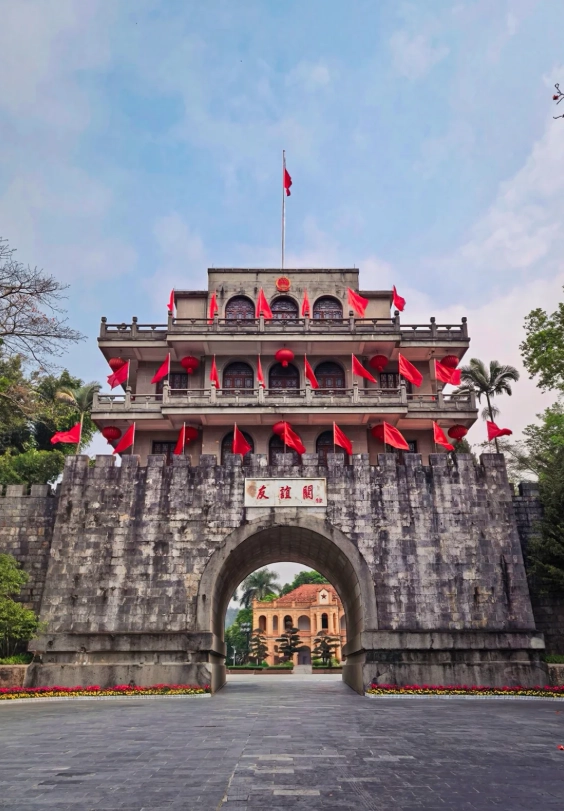
Why Friendship Pass Still Matters
Friendship Pass isn't just a border crossing – it's a living history book. You're standing on ground that saw the Battle of Zhennan Pass in 1885, when French troops were pushed back decisively. The current gate, built in the Qing Dynasty, still has bullet holes from wartime. I always spend a moment there imagining the soldiers who once guarded this strategic chokehold.
Today, it's a symbol of the relationship between China and Vietnam. The name "Friendship" speaks to that. As a visitor, you'll see the old stone walls, elegant French-style buildings from the colonial era, and a huge plaza where locals come to fly kites in the afternoons. It's a beautiful mix of war and peace.
How to Get to Friendship Pass Without Losing Your Mind
Your first decision is how to cover the 200+ kilometers from Nanning. Here's a quick comparison.
| Option | Time | Cost | Best for |
|---|---|---|---|
| High-speed rail to Chongzuo + taxi | 2h rail + 1h taxi | ¥100–150 total | Budget travelers who want direct control |
| Long-distance bus to Pingxiang | 3.5h | ¥80 | Backpackers on a tight budget |
| Private day trip from Nanning | 4–5h round-trip | ¥800+ | Groups or those short on time |
Insider advice: Skip the bus if you can. It drops you at Pingxiang's bus station, but the real nightmare starts when you try to find the right minibus to the gate. I've seen tourists wander around for 30 minutes. Instead, take the high-speed rail to Chongzuo South Station, then grab a Didi — the Chinese Uber — for the 40-km hop to Friendship Pass. The ride takes about 45 minutes and costs around ¥80. The driver will know exactly where to go – just show them the Chinese characters: 友谊关.
If you're not comfortable navigating on your own, book a one-day tour on Trip.com or Klook. They handle everything, including hotel pickup. I normally don't love tours, but for Friendship Pass, the convenience is worth it if you're on a tight schedule.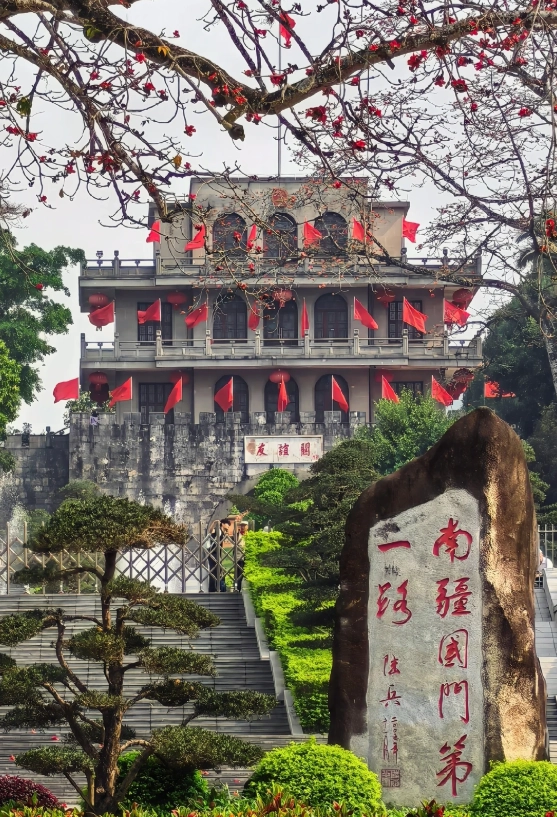
Friendship Pass Tickets: Price, Booking, and Fool-Proof Tips
As of my last check, adult admission is ¥50, with half-price for children and students. Seniors 60 and above get in free, but you'll need to show your passport, not just a Chinese ID. The ticket office opens at 8:00 AM and closes at 5:00 PM, with last entry at 5:30 PM. But these numbers can shift without notice – I've seen prices change between peak and off-peak seasons. Always check the latest on the official WeChat account or a reliable booking site before you go.
Here's the catch: the ticket office doesn't accept cash or foreign credit cards. You must pay with Alipay or WeChat Pay linked to an international card. If that fails, use Trip.com to book online – they accept foreign cards and give you a QR code to scan at the gate. Remember your passport; they genuinely check it at the entrance, even for domestic tourists. I forgot mine once and had to sweet-talk a guard into letting me through. Don't risk it.
- Adult ticket: ¥50 (reference)
- Child/student (with ID): ¥25
- Senior 60+: Free (with passport)
- Last entry: 5:30 PM (ticket office closes at 5:00 PM)
Want to beat the queue? WeChat bookings let you skip the line, but the mini-program is in Chinese only. If you don't read characters, give your hotel receptionist a cash tip and let them do the booking for you – it's a 5-minute job and saves you at least 30 minutes of waiting under the sun.
 Inside Friendship Pass: What the Map Doesn't Tell You
Grab a paper map at the entrance – it's actually accurate, but the English version feels like it was typed by a robot. The official Friendship Pass map may look small, but it hides two secrets: the wall climb and the museum. The site is compact, so you don't need a strategy, just a direction. Here's my favorite loop:
- Walk into the main plaza. Turn right and climb the old city wall for a top-down view of the gate – this is where all the best photos happen.
- Descend and pass through the massive gate itself. Don't rush – the shadow hits the stone in the afternoon, creating a beautiful contrast.
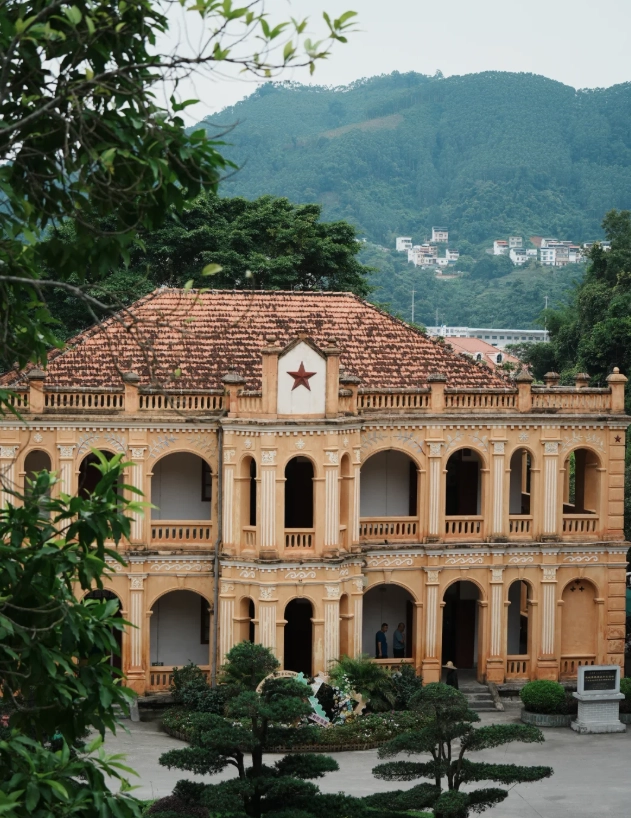
- Behind the gate, you'll see a French villa and a small museum with bilingual panels about the border's history. The museum is a hidden gem; most tour groups skip it.
- Finally, walk towards the white border marker between China and Vietnam. You can see Vietnamese guards across the fence. Do not cross the line – it's a serious offense.
The whole loop takes about 1.5 hours if you take your time. The path is flat in the plaza, but there are stairs at the wall and the gate. There's no wheelchair access to the wall or the upper sections, so plan accordingly.
Pro tip: The public toilet near the ticket office gets crowded. Use the one inside the museum – fewer people and actually clean.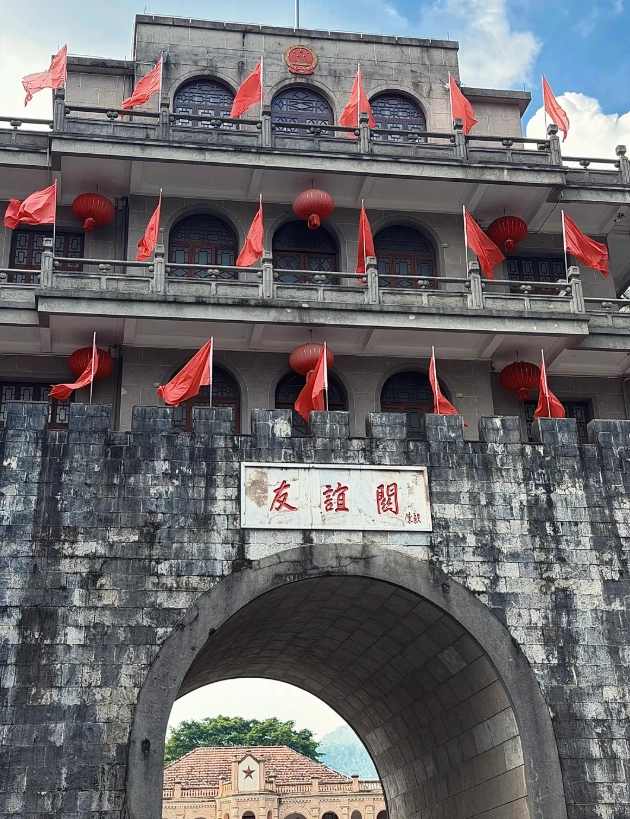
What's the Best Time to Visit Friendship Pass?
Stop listening to guides that say 'arrive right when it opens.' The morning light hits the gate straight on, washing out colors in photos and blasting your face with glare. Plus, that's when all the group tours arrive – you'll be fighting for floor space. Instead, aim for 3:30 PM. The tour groups have left, the light turns warm, and the crowds thin dramatically. You'll get the same postcard shots with half the effort.
But don't come after 5:00 PM – the museum closes and guards start sweeping people out. A good compromise: show up early, do the museum first, then take photos later. Either way, avoid weekends and Chinese national holidays unless you enjoy being a sardine.
Weather is another factor. Summer afternoons can be brutally hot, and the plaza has zero shade. Bring water and a hat. Winter is mild but can be windy. My absolute favorite time is mid-September to early November – temperatures are pleasant, and the skies are clear.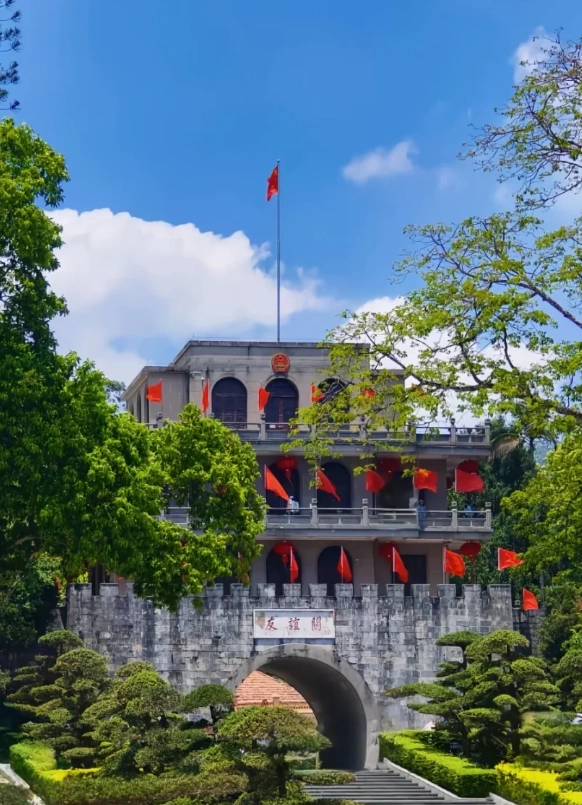
Where to Eat After You Visit Friendship Pass?
You won't find good food near the gate – just a few overpriced stalls selling instant noodles. After you're done, head back to Pingxiang city center, about a 20-minute drive. The local specialty is Vietnamese pho with chicken, which locals call 'ji rou fen'. You'll spot dozens of small shops along the main street, but the ones with old plastic stools in front are usually the best – that's where locals gather.
My personal favorite is a place hidden behind the Pingxiang bus station. It has no English sign, but you'll see a blue awning and a big pot of broth by the door. Order chicken pho – it's about ¥15 a bowl, and the soup is rich with lime, chili, and fresh herbs. If you're vegetarian, ask for no chicken – they'll add more rice noodles.
After lunch, walk around the nearby weekend market if you're there on a Saturday for unusual snacks like grilled banana leaf cakes. Just remember to bring cash – these street vendors don't accept mobile payments.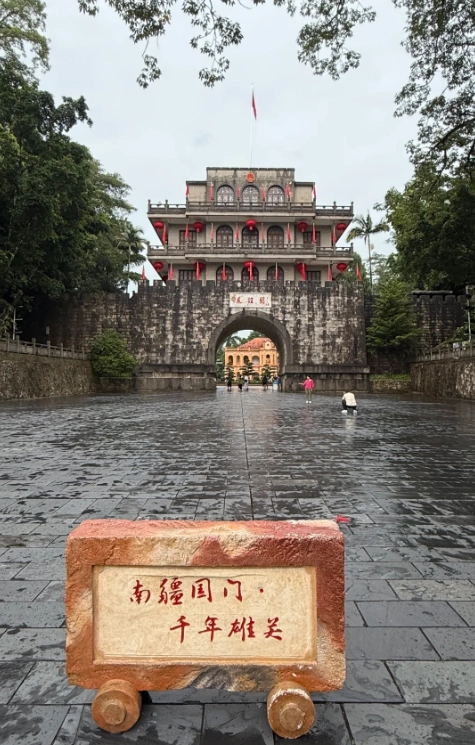
Frequently Asked Questions About Friendship Pass
Final Verdict: Is Friendship Pass Worth Your Time?
Honestly, it's a must-see if you're already in Guangxi. The setting is unique – where else can you stand at the border of two countries, surrounded by 200 years of history? It's not Angkor Wat, but it's a charming, underrated spot that won't eat a whole day. Combine it with a side trip to Pingxiang's local markets or the nearby Detian Waterfall.
If you're tight on time, spend 2 hours here and move on. If you're into history, give it 3 hours and chat with the museum's English-speaking guide, usually available from 9 AM to 4 PM. You'll leave with a deeper appreciation for this quiet corner of China.
I hope this guide keeps you from making the same mistakes I did. Now, go get those photos – and don't forget your passport.
Verified and fact-checked by the editorial team. This content has been fact-checked to ensure informational precision.





I've crossed a bunch of land borders, but Friendship Pass had me confused until I found this. The writer clearly knows what they're talking about. I made a point of following the '5 mistakes' checklist and it worked perfectly: kept my immigration slip, ignored the touts, walked straight to the waiting area instead of following the crowd. The screenshots with arrows are easy to read even in the early morning chaos. Genuinely one of the best border guides I've seen. Don't cross without it.
As a solo female traveler, I was dreading this border crossing. I read this article while drinking a coffee at my guesthouse and it completely calmed my nerves. Every detail about the lane changes, the separate passport windows, and the where-to-meet-your-driver spot was accurate. Even the little mention about the shop that sells cold drinks after customs helped—I was so dehydrated by then. Genuinely felt like a friend had walked me through it. Recommend it to anyone doing the route.
This guide was a lifesaver. I crossed from Vietnam into China with a huge backpack and zero clue where to go. The part about ignoring the unofficial 'fast lane' helpers literally stopped me from handing over 200 RMB in cash. The map marked the QR code spot, the counters, and even the bathroom situation—which is gross but good to know. I'm normally bad with navigation, but I didn't get lost once. Read this before you go.
Finally something that explains Friendship Pass without making it feel like a maze. The section on taxi overcharging was spot on—I used it twice and skipped the biggest scam. I still got briefly confused on the Chinese side because a couple of signs had changed, but the tip about buying the shuttle ticket before exiting saved me. Just double-check the latest status before you go; otherwise, solid read.
A few of the tips here are genuinely useful, but I had some issues. The map wouldn't load once I actually got to the border—it just froze and I couldn't zoom in on the key spots. The '5 mistakes' list also felt a bit too obvious, like don't trust the guys yelling 'visa visa.' I didn't hate it, but I wouldn't rely on this as your only guide.
I've crossed this border three or four times and still found this guide incredibly useful. The 5 Mistakes are spot on, especially the one about printed confirmation slips. The map made me realize I'd been taking a longer route through the cargo area for years. Everything is written in straightforward English and matched the actual scene perfectly. Already sent it to two expat friends. Highly recommend bookmarking this before you go.
Read this on the train from Nanning to Hanoi and it made the Friendship Pass crossing feel like a walk in the park. The tip about not buying a local SIM until after you’ve crossed is worth the entire download. I also loved that the map showed the little yellow building by the bridge — I would have walked right past my transfer point without it. Super clear, no fluff, and exactly what a nervous first-timer needs.
This is the first thing I’ll send to anyone doing this crossing. I've used Sapa buses and YouTrip cards and still made the exact mistake about the yellow paper slip — this article calls it out in big bold letters. The map is crisp, the directions match the real layout, and the common mistakes are actually common. My stress level dropped by half before I even got on the bus. Five stars, no question.
Solid guide overall. I appreciated the clear screenshot-style map and the advice about not following the taxi touts outside the gate. It made the walk from the Vietnamese side to the Chinese side feel much less chaotic. I only took off one star because the parking info seemed updated since the author's visit — the official lot has moved across the road, and nobody mentioned that. Still, I'd rather have this guide than not.
The map section is helpful, but I honestly felt the article needed one more proofread. It told me to watch out for the wrong lane before the bridge, and that part saved us. But the warning about changing money only appeared after the border crossing description, so we missed it until it was too late. The print file was also hard to read on my phone. Useful if you already know the basics, but don't rely on it alone.
I've crossed Friendship Pass four times and still learned something new from this map. The specific 'do not walk past the duty-free shop too quickly' reminded me of exactly the place where I almost missed the exit tunnel last time. The layout of the route is drawn in a way that Google Maps can't show. If you're going to Hanoi, read this first.
As someone who usually overstuffs her backpack with printouts, I almost missed this gem. The 'Avoid These 5 Common Mistakes' piece is pure gold. Mistake #3 about exchanging money at the first counter helped me get a much better rate by the Dong Dang side. The map markings were clear, even in the morning glare. 10/10 would read again.
This is the only map/article I recommend before Friendship Pass. I crossed with my elderly father, and because the article said to turn right after the yellow building instead of following the crowd, we skipped the entire group-tour bottleneck. The printed map plus the warning about the unofficial luggage check saved us so much hassle. Genuinely grateful.
Solid guide. The tip in #2 about saying no to the people shoving 'customs forms' at you was exactly right — they were charging 20 yuan for a free form. I only wish the writer had included a walking-time estimate for the whole crossing. We finished in 40 minutes, but I would've relaxed a bit more if I'd known. Still a four-star read.
I used the Friendship Pass article for my crossing last Tuesday. The advice about the visa paperwork lines was accurate, so it wasn't a waste. But the downloadable map didn't zoom well on my phone, and one of the 'mistakes' described a bribe situation that felt outdated — the police checkpoint near the rail crossing was gone. It's fine if you read it once, but don't rely on it alone.