 Ting Chen
Quick Navigation
I’ve been guiding photographers in Dukezong for over six years. And honestly? Most visitors leave with the same three shots—the prayer wheel, the moon square, and a random alley. That’s a shame, because this ancient Tibetan town has dozens of hidden corners that scream for a frame. In this guide, I’ll walk you through the exact spots, the best light, and the little logistical nightmares you need to dodge. No fluff—just what works.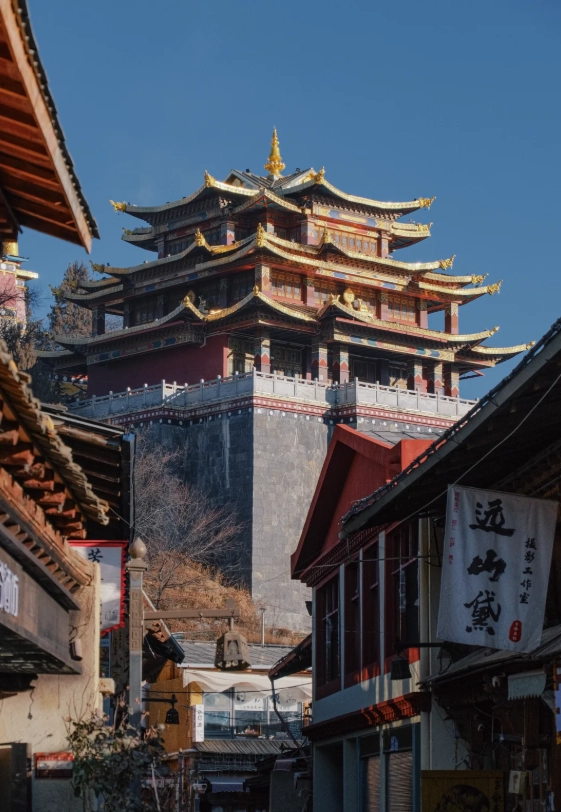
Why Most Tourists Miss the Best Photography Angles (and How You Won’t)
The Golden Hour Trap – Why 8 AM Beats Sunset
Sunset here is beautiful but crowded. Every tour group flocks to the main square. Instead, aim for 7:30–9:00 AM. The light hits the whitewashed walls at a low angle, creating warm contrast against the deep blue sky. Plus, the alleys are empty—you’ll have the whole town to yourself. I once counted only seven people in the main alley at 8:15 AM. Try that at 5 PM.
The South Gate Shortcut (Avoid the Tour Bus Chaos)
Most visitors enter through the East Gate. Big mistake. That’s where the buses drop everyone. Instead, tell your DiDi driver to drop you at the South Gate (南门). It’s a small archway, easy to miss, but it leads directly into the quietest residential lanes. You’ll see locals hanging laundry and old men playing cards—real life, not a staged backdrop.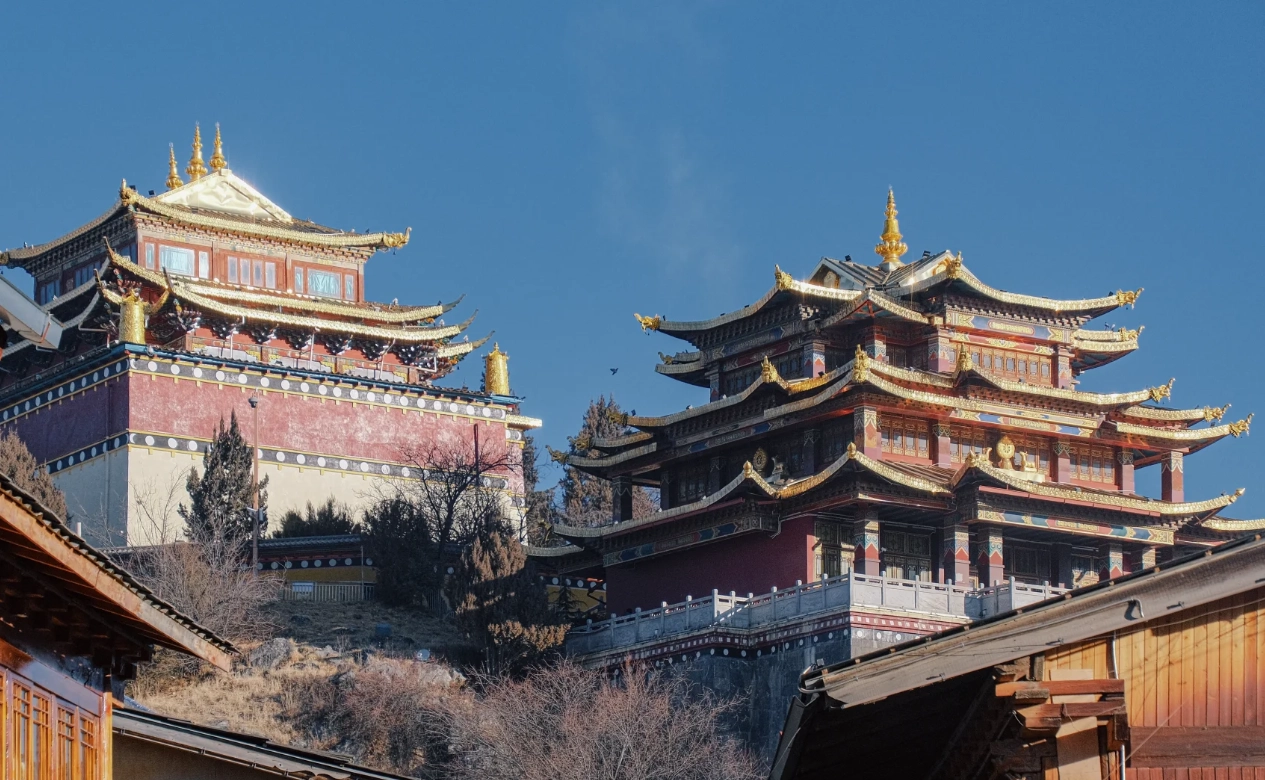
Top 7 Photography Spots in Dukezong Ancient Town
| Spot | Best Time | Crowd Level | Difficulty to Find |
|---|---|---|---|
| 1. Grand Prayer Wheel Hill | Sunrise (7:30-8:30) | Moderate | Easy |
| 2. Moonlight Square Reflections | Late afternoon (16:00-17:30) | High | Easy |
| 3. Zigzag Alleys | Early morning (8:00-10:00) | Low | Medium |
| 4. White Pagoda & Architecture | Anytime (avoid noon) | Low | Easy |
| 5. Ancient City Wall (East Section) | Golden hour (17:00-18:30) | Low | Hard |
| 6. Hidden Courtyard with Mani Stones | Morning (9:00-11:00) | Very Low | Hard |
| 7. The Sky Mirror (little-known) | Clear days, 14:00-16:00 | Very Low | Hard |
1. The Grand Prayer Wheel Hill
This is the iconic overhead shot. Climb the stairs to the giant prayer wheel (it’s about 200 steps). Position yourself to the left of the wheel, facing south. You’ll catch the entire town’s rooftops with the surrounding mountains. The best light is right after sunrise—the golden glow on the white stupas is unreal. Pro tip: Bring a wide-angle lens (16-24mm) to compress the depth. Avoid midday when shadows are harsh.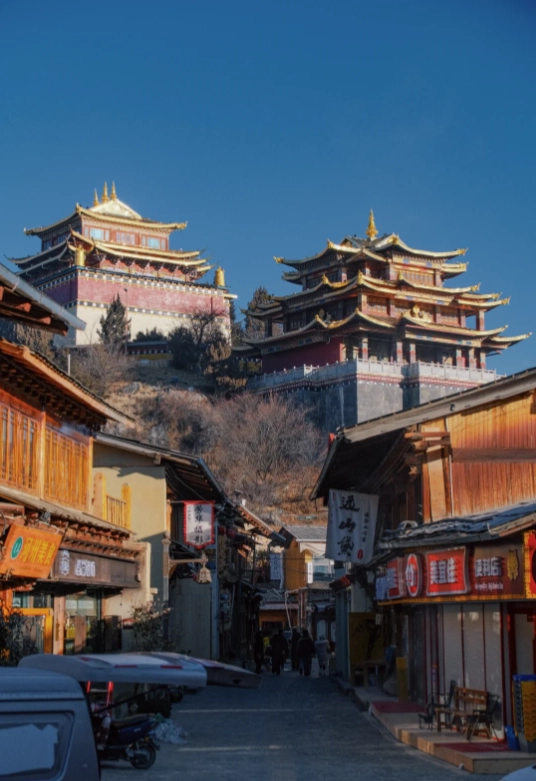
2. Moonlight Square Reflections
Moonlight Square has a large stone floor that turns into a mirror after rain. But don’t wait for rain—early morning cleaning crews leave puddles. Crouch low to get the reflection of the surrounding Tibetan buildings. The square fills up fast after 10 AM, so go at 8:30 AM. I got my best shot kneeling near the southwest corner, where the reflection is longest.
3. The Zigzag Alleys Before 10 AM
There’s a maze of narrow alleys between the main street and the north wall. The most photogenic one is about 100 meters from the East Gate (exit the square, turn right, then first left). Look for the alley with the rusty lantern and the blue gate. It’s only 1.5 meters wide, and the morning sun slices through creating dramatic shadows. Insider advice: Stand at the entrance and use a 50mm for a compressed perspective. Shoot in aperture priority (f/2.8) to blur the distant clutter.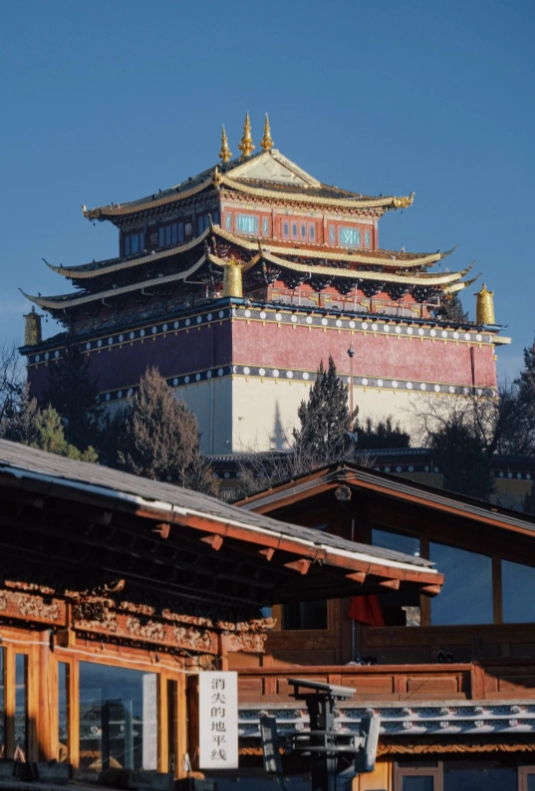
4. White Pagoda and Yunnan-Tibetan Architecture
Just west of the main square, you’ll find a small white pagoda surrounded by traditional houses. The pagoda is framed by carved wooden windows and prayer flags. I recommend shooting from the stairs of the building opposite—about 10 steps up gives you the perfect angle. The pagoda faces east, so morning light makes it glow. Warning: Don’t step on the mani stones around it. They’re sacred.
5. The Ancient City Wall from the East
Most people don’t even know Dukezong has a remnant city wall. It’s on the eastern perimeter, near the small parking lot behind the post office. Walk along the wall until you find a broken section—there’s a gap where you can position the wall and the town beyond. The wall itself is made of dark rammed earth, which contrasts beautifully with the white buildings. Late afternoon light casts long shadows that emphasize the texture.
6. Hidden Courtyard with Mani Stones
This is my secret spot. Go to the north end of the town, past the food street, and look for a small blue door with a brass knocker. It’s usually ajar. Push it open—inside is a courtyard filled with carved mani stones stacked against the wall. The resident (an old grandma) doesn’t mind photographers if you smile and say “hello.” The stones have intricate Tibetan scripts, and the light filters through a tree canopy. I shot there for 45 minutes without a single person interrupting.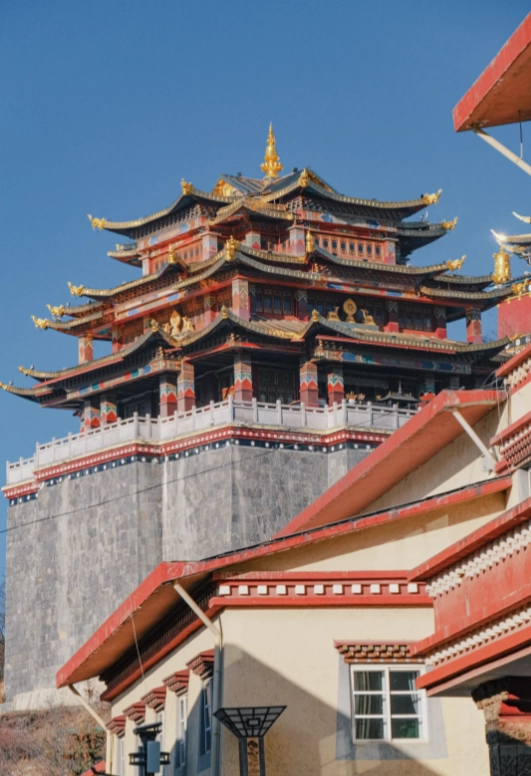
7. The Sky Mirror (a Little-Known Spot)
This is a recent installation—a raised circular platform with a reflective surface. It’s near the southeastern corner of the town, behind a small teahouse. The platform is about 15 meters in diameter, and when the sky is clear, it creates a perfect mirror of the clouds and surrounding mountains. Best time: 2-4 PM when the sun is high. Use a polarizing filter to reduce glare and saturate the sky. Cons: Sometimes locals use it as a drying rack for blankets. Just politely ask them to move—they’re usually happy to help.
Camera Settings & Gear Recommendations for Dukezong
What Lens Should You Bring?
If you can only bring one, make it a 24-70mm f/2.8. That covers both wide landscapes and tighter portraits of details. For the alleys, a 35mm or 50mm prime gives that cinematic look. Don’t forget a circular polarizer—it kills the glare from the whitewashed walls and makes the sky pop. And a lightweight tripod is worth its weight for the prayer wheel hill long exposures.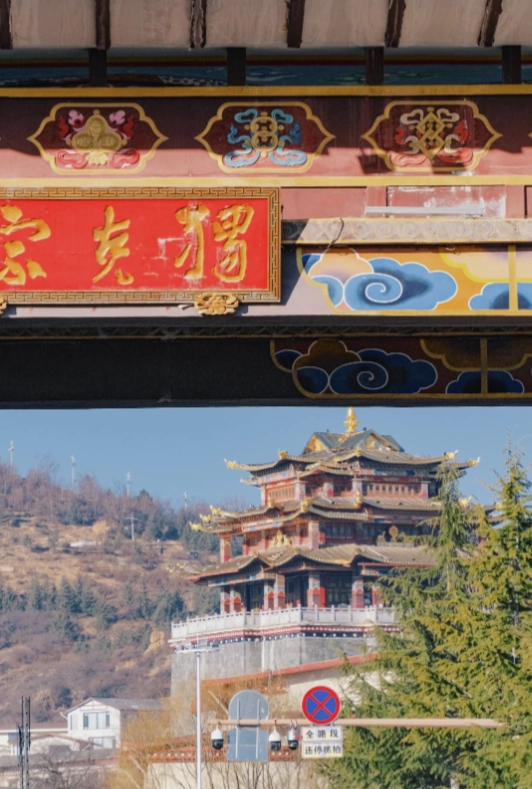
Exposure Tips for Bright Sun and Deep Shadows
The contrast is brutal here. In direct sun, the white walls blow out easily. Use exposure compensation at -0.7 to retain highlights, then lift shadows in post. I shoot in RAW specifically for this reason. If you’re using a phone, tap on the brightest area and slide down exposure manually. Pro tip: For HDR-style shots, bracket three exposures (±1 stop) and merge later.
Practical Tips for Foreign Photographers
Payment & Connectivity – What Really Works
Cash is king here. Many small shops and tea houses don’t accept cards. But the bigger ticket counters (like the prayer wheel entrance) take Alipay and WeChat Pay. If you have a foreign card, link it to Alipay before you come. Do not rely on Google Pay or Apple Pay—they rarely work. Also, buy a local SIM card at the airport for data (China Unicom or China Mobile). VPN is mandatory for accessing Google or Instagram; install it before you leave.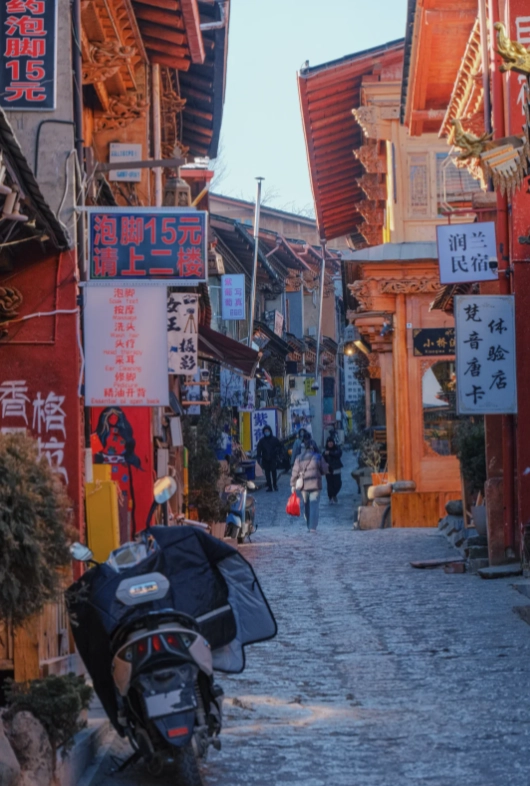
How to Navigate Without Google Maps
Google Maps is useless here. Use Apple Maps (it’s surprisingly accurate for Dukezong) or download Amap (高德地图) and set it to English. For spots, show the Chinese name to your DiDi driver: for example, “独克宗古城” for the town itself. For the hidden courtyard, show them “北门附近的小蓝门” (small blue door near north gate). I always screenshot the coordinates beforehand.
Booking Tickets & Avoiding Scams
Dukezong Ancient Town itself is free to enter. But some inner attractions like the Guishan Temple (where the prayer wheel is) require a passport scan and a free ticket printed at the gate. No need to book online. However, if you want to join a photography tour, book through Trip.com or Klook to avoid overpriced local touts. Watch out for fake guides at the South Gate who offer “private photo locations” for 200 yuan—they just take you to the same alleys everyone sees.
FAQ – Your Burning Questions Answered
Verified and fact-checked by the editorial team.





I almost skipped this because I thought I could just explore by myself, but I'm so glad I didn't. The secret rooftop near the teahouse is exactly the kind of hidden corner I'd never have found alone – I got a stunning wide shot of the whole town with fog rolling through the mountains behind it. They even explain how to frame the white pagoda with the old rooftops, and it worked beautifully. The writing is clear and fun too. Absolutely worth using before you wander around.
This guide was spot on! I used the best-times section to catch golden hour at the grand prayer wheel and got the exact shot without a single crowd in the foreground. The hidden corner behind the old bakery is pure magic – soft light on the whitewashed walls, a few parked bicycles, and a curious Tibetan mastiff wandering past. My best photos from Yunnan came directly from these tips. A must-read for anyone doing street photography in Dukezong.
As a solo traveler who isn't a professional photographer, I loved how simple the directions were. The little tip about standing on the wooden bridge and waiting for the wind to lift the prayer flags turned into my favorite photo from the whole trip. I also appreciated the warning about midday sun – everything looked washed out until I followed their timing. Highly recommend saving this guide before you arrive because cell service gets spotty inside the old town.
Solid guide overall. The map notes for the hidden corners were accurate, and the tip about reaching the south gate around 7am worked perfectly – I had the whole alley to myself. I just wish there was more on night photography because the lanterns look incredible after dark. The sunset terrace suggestion alone was worth the download though. Four stars because a couple of the locations are easy to miss unless you walk the entire loop twice.
Decent guide, but I expected more actual hidden corners. A couple of the spots they listed are pretty well-known already, and one even had souvenir stalls right next to it. That said, the best-times advice was solid – the morning light at the old city gate really was beautiful and I got a few clean shots of the prayer flags before the tour groups arrived. If you're a casual visitor with a phone camera, this is fine. If you're a serious photographer, you'll probably end up wandering on your own anyway.