 Ming Yang
Quick Guide: What You'll Find Here
Your credit card won't work at most shops. Google Maps is useless. And the altitude will hit you harder than you think. But that's exactly why you need this itinerary.
I've been guiding trips to Shangri-La for over a decade, and I've watched too many travelers waste time on overrated spots or get stuck without cash. This 3-day plan strips away the fluff—you'll hit the real gems, eat where locals eat, and avoid the tourist mobs.
Here's the bottom line: follow this route, and you'll spend less time stressing and more time soaking in the Tibetan plateau magic. Now let's dive in.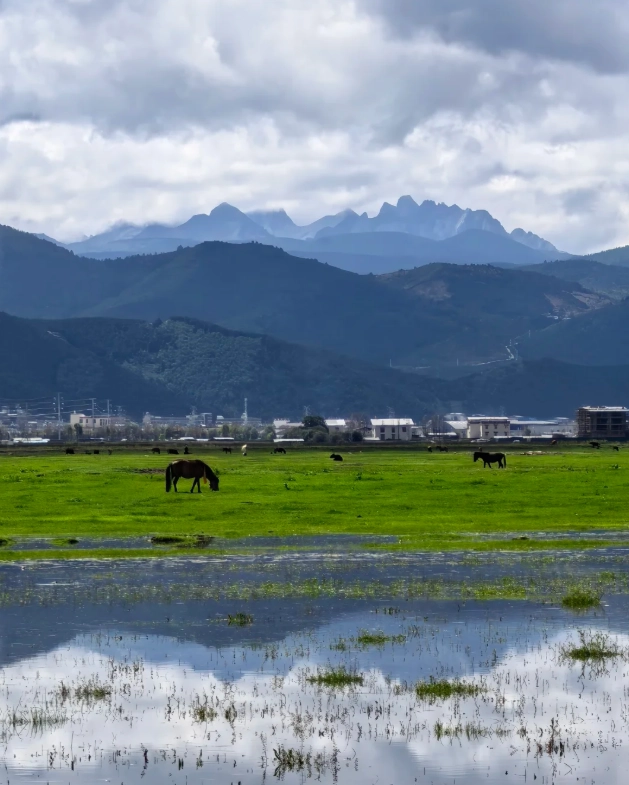
Why Most Shangri-La Itineraries Fail (And How to Fix It)
Open any generic guide, and you'll see the same mistake: they pack Songzanlin Monastery, Pudacuo National Park, and Dukezong Ancient Town into one day. That's insane—not just because of distance, but because your body won't cooperate at 3,300 meters altitude.
Altitude sickness is the #1 itinerary killer. I've seen travelers collapse by noon because they tried to do too much. Solution: day 1 is strictly for acclimatization—no major exertion.
Another fail: assuming you can pay with credit cards or easily withdraw cash. Most ATMs in Shangri-La don't accept international cards. You'll rely on Alipay or WeChat Pay, so set those up before you arrive. I always tell my clients: bring 500-1000 RMB in cash as backup, but use your phone for everything else.
And navigation? Apple Maps works better than Google, but I recommend downloading offline maps on Alipay's AMap app (search 'AMap' and use the 'Global' mode). Write down key addresses in Chinese to show taxi drivers.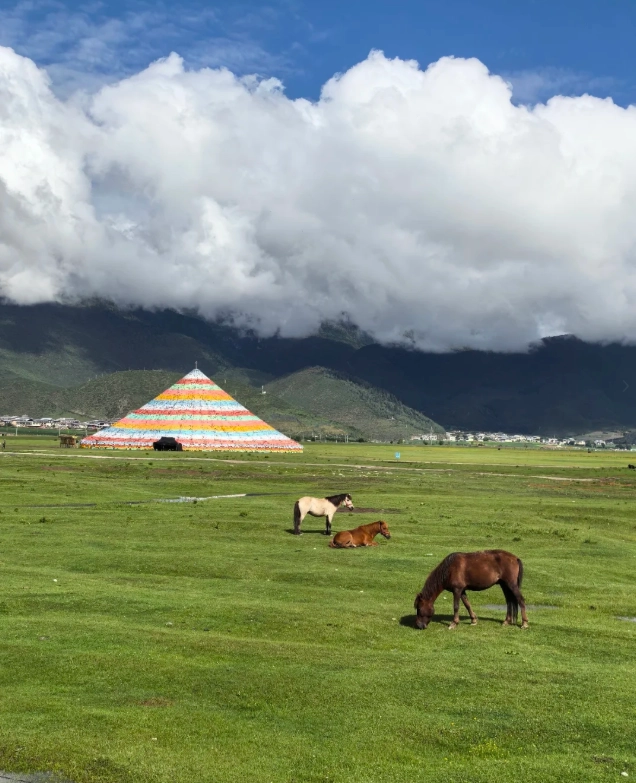
3-Day Best Shangri-La Travel Itinerary (Day-by-Day)
Day 1: Arrival & Acclimatization in Dukezong Old Town
Morning: Fly into Diqing Shangri-La Airport (DIG). From there, take a taxi to Dukezong Ancient Town—about 20 minutes, cost around 40 RMB. Don't fall for the airport taxi touts offering tours; just use the official taxi stand.
Check into your guesthouse in the old town. I always stay at Shangri-La Cangjue Hostel (address: No. 35 Jinshan Road, Dukezong; 独克宗古城金山路35号). It's family-run, has reliable WiFi, and the owner speaks basic English. Price: 150-300 RMB/night.
Afternoon: Walk slowly around Dukezong. Climb to the Giant Prayer Wheel (龟山公园)—it's free, but take breaks on the stairs. The view of the old town rooftops is stunning. Skip the main shopping street; instead, wander into Xiaojie Alley (小街巷), where local Tibetans sell handmade tsampa and butter tea.
Evening: Dinner at Mao Niu Huo Guo (牦牛火锅, Yak Hotpot), address: Beimen Street, Dukezong. A pot costs 120 RMB for two, and the broth is rich with yak bones and local herbs. Pro tip: order the 'qingke' (highland barley) pancake on the side—perfect for soaking up the soup. They accept Alipay but not cards. Go before 6:30 PM to avoid the hour-long wait.
Don't drink alcohol on your first night—it aggravates altitude symptoms. Stick to warm water or ginger tea.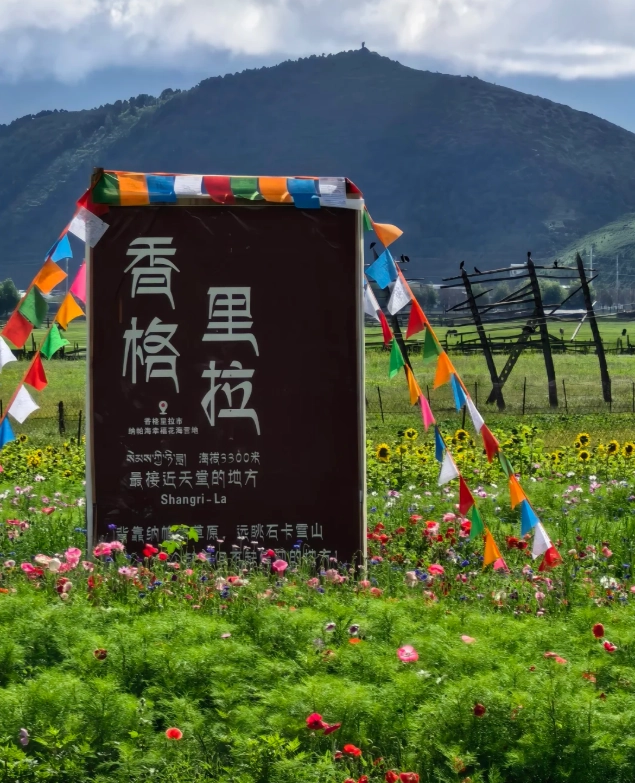
Day 2: Songzanlin Monastery & Napa Lake
Morning: Take a taxi (15 minutes, 30 RMB) to Songzanlin Monastery (松赞林寺, Ganden Sumtseling Monastery). Entry is 90 RMB (must show passport). Arrive by 8 AM to catch the morning prayers. Inside, no photos in the prayer halls. The site is vast—allow 2-3 hours.
Midday: A short taxi (10 minutes) brings you to Napa Lake (纳帕海). Skip the touristy horse rides near the entrance. Instead, walk the wooden boardwalk on the eastern side of the lake—it's free and the bird-watching is incredible. In autumn, the lake dries into a golden grassland; you can hike to a small hill for panoramic shots.
Lunch: Grab a bite at Zhaxi's Kitchen (扎西厨房) right off the Napa Lake parking lot. Try the yak meat momos (10 RMB for 6) and the sweet butter tea. No English menu, but pointing works. Cash only.
Afternoon: Return to Dukezong for a rest. If you have energy, visit the Shangri-La Museum of Tibetan Culture (free, closed Mondays) inside the old town. It's small but has excellent exhibits on thangka painting.
Evening: Dinner at Echoes of Shangri-La (香格里拉的回音), a cozy vegetarian restaurant on Guishan Road. Their 'Buddha's Delight' hotpot (88 RMB) uses local mushrooms. Book ahead via WeChat or ask your hostel to call them.
Day 3: Pudacuo National Park & Departure
Morning: Start early—6:30 AM. Pudacuo National Park (普达措国家公园) opens at 7:30. From Dukezong, it's a 30-minute taxi (80 RMB). Entry fee is 138 RMB plus a mandatory shuttle bus (50 RMB). Buy tickets on Trip.com with passport to skip the line.
The park has two main sections: Shudu Lake and Bita Lake. Shudu Lake is the easier hike (3.5 km plank trail, mostly flat). Bita Lake is more rugged but less crowded. If you only have time for one, choose Shudu Lake—the views of mirror-like water and old growth forest are unforgettable.
Pro tip: Bring a packed lunch; the park's restaurant is overpriced and slow. Also, use the toilet at the visitor center before hitting the trails—the ones along the path are basic.
Afternoon: Return to Dukezong by 1 PM. Collect your luggage and head to the airport. Give yourself at least 2 hours before your flight—security can be slow.
If you have extra time, quickly buy souvenirs at Yueying Market (月光市场) near the old town gate. Tibetan incense and handwoven bracelets make great gifts (prices negotiable).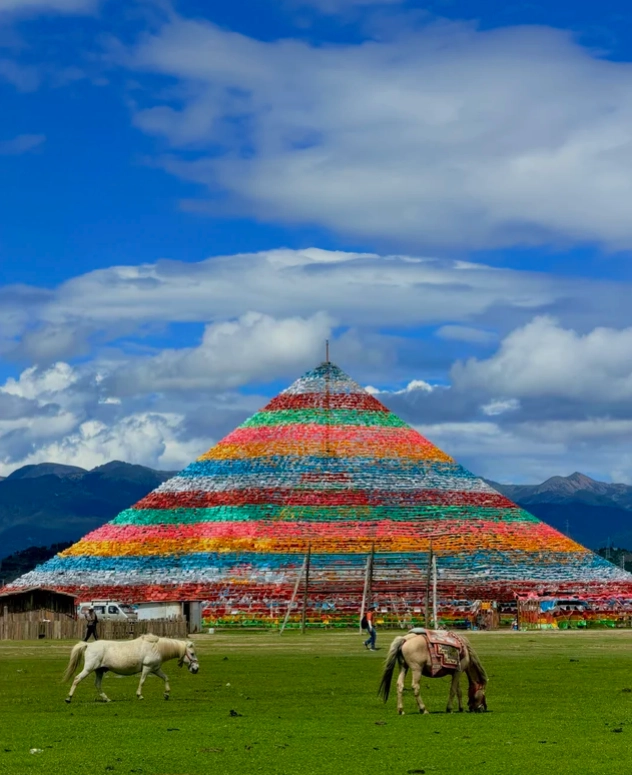
Essential Tips for Your Shangri-La Trip
Payments: Virtually no shop accepts international credit cards. Set up Alipay or WeChat Pay with your foreign card before arriving. Add your passport info to WeChat Pay now—it takes 24 hours to verify.
Altitude Sickness: Start taking acetazolamide (Diamox) two days before arrival—consult your doctor. Also, buy bottled oxygen cans (15 RMB) at any pharmacy in Dukezong. I always tell my clients: take it easy, sleep with the window slightly open, and avoid hot showers (they dilate blood vessels and worsen symptoms).
Internet: China blocks many sites. Install a reliable VPN before you leave home. For maps, Apple Maps works okay but AMap (高德地图) is more accurate. You can download English voice navigation in the app settings.
Language: Download Baidu Translate for offline Chinese-English translation. Most signage in tourist areas has English, but menus often don't. The app's photo translation feature works great for menus.
Weather: Even in summer, afternoons can drop to 10°C. Pack layers: a fleece and a windproof jacket. Sunscreen is crucial—the UV index is fierce at this altitude.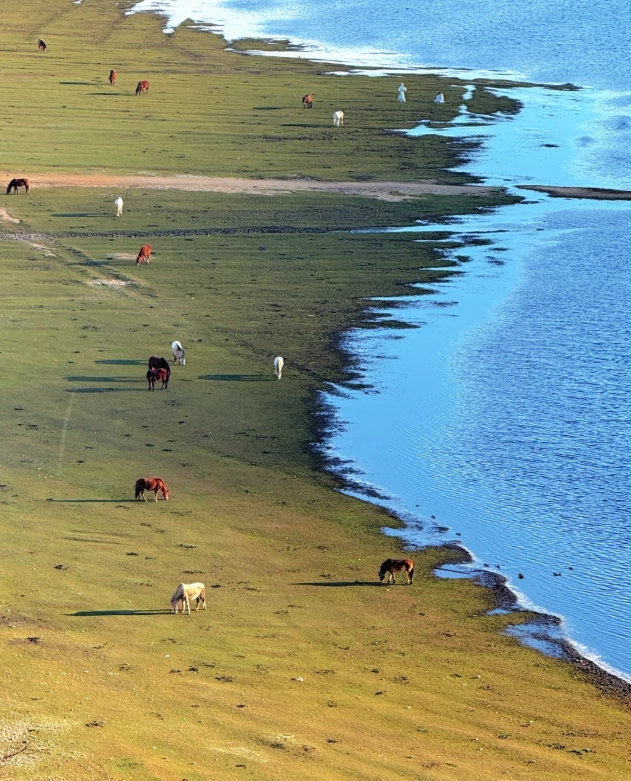
Where to Stay in Shangri-La: Recommendations
| Hotel Name | Price Range (CNY) | Best For | WiFi & English | Note |
|---|---|---|---|---|
| Songtsam Retreat (松赞香格里拉) | 800-1500 | Luxury seekers | Good WiFi, English-speaking staff | Beautiful Tibetan architecture; includes free airport transfer |
| Shangri-La Cangjue Hostel | 150-300 | Budget solo travelers | Decent WiFi, basic English | Cozy common room; luggage storage available |
| JY Inn (吉涯客栈) | 250-400 | Couples | Good WiFi, limited English | Rooftop terrace with mountain views; close to prayer wheel |
My pick for most travelers: JY Inn—it's quiet, the owner helps with booking trains, and the hot water is stable (a rare find in Shangri-La).






Used this for a solo trip and it was brilliant. All the small details made the difference: which side of the main road to walk on to avoid tour groups, where the old ladies sell warm boiled potatoes, and which taxi numbers actually know the back route to Pudacuo. By Day 3 I felt like I was living in a town instead of seeing sights. If you want a peaceful Shangri-La itinerary, this is the one.
I'm not the type to follow a day-by-day plan, but this one won me over. The 'not-a-tourist' route through upper Dukezong was amazing—smells of pine and yak butter tea from the family-run guesthouse. The guide also told us exactly when to arrive at the prayer wheel to have it all to ourselves. Took the sunset paddle at Napa Lake and we were the only boat out there. Worth every penny and then some.
This itinerary was exactly what I needed. I've been to Shangri-La before with a tour group and never felt the calm vibe they talked about. Following this guide, I watched sunrise over Dukezong while monks were chanting from the temple down the hill. The quiet at the old town was unreal. Songzanlin in the afternoon was still peaceful because we came late. Everything ran smoothly. Best 3 days I've had in China.
Solid itinerary! I used this in April and it was mostly spot on. Loved the morning at Pudacuo and the easy pace. Only reason not 5 stars is that the tea house they recommended was closed for renovations when I got there, and the GPS coords for the viewpoint led to a dirt road. But with the backup list in the guide I found my way. Would still recommend to anyone with 3 days.
Honestly, the first two days were lovely, but I expected 'without crowds' the whole time. Songzanlin Monastery was packed by 10am, and the itinerary's 'secret viewpoint' wasn't secret at all. The day three loop felt rushed, especially between Napa Lake and the old town. Still, the breakfast spot in Dukezong was spot-on and saved us. Overall decent, but adjust your expectations in high season.