 Wei Zhang
Quick Read: What's Inside
Let me be straight with you. I've been guiding travelers into Yubeng Village for over seven years, and the number one question I get is "How long do I need there?" The answer isn't a simple one-liner. Most itineraries you see online say 3 days, but I've watched people collapse on the trail because they underestimated the altitude and terrain. So here's the real deal—based on your legs, your lungs, and what you actually want to see.
I once had a couple from California who booked only 2 days because their travel agent said that was enough. They ended up missing the stunning Ice Lake hike entirely—and they were so winded they couldn't enjoy the lower meadows. Don't make that mistake. Let me save you the pain.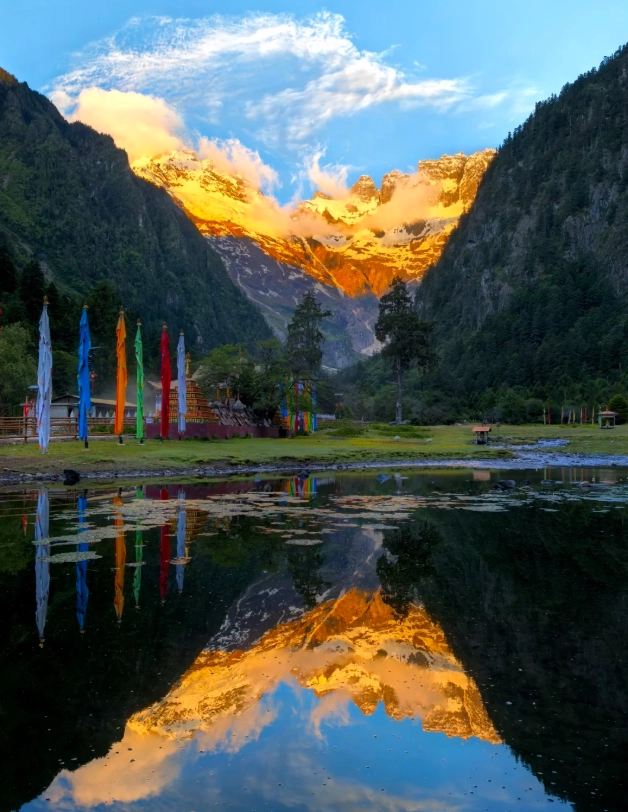
Why Most Tourists Get It Wrong
The common advice is to spend 3 days in Yubeng, but that's often too rushed. Here's the catch: Yubeng isn't a single spot—it's a base for multiple demanding day hikes. The two main trails—Ice Lake (Binghu) and the Sacred Waterfall (Shenpu)—each require a full day for an average hiker. Add travel time getting in and out, and suddenly 3 days feels like you're sprinting through a marathon.
Plus, the altitude (around 3,000m in the village, higher on trails) hits harder than you expect. I always tell my clients: "Your first day is for acclimatization, not conquering peaks." Yet many ignore this and pay for it with headaches and nausea.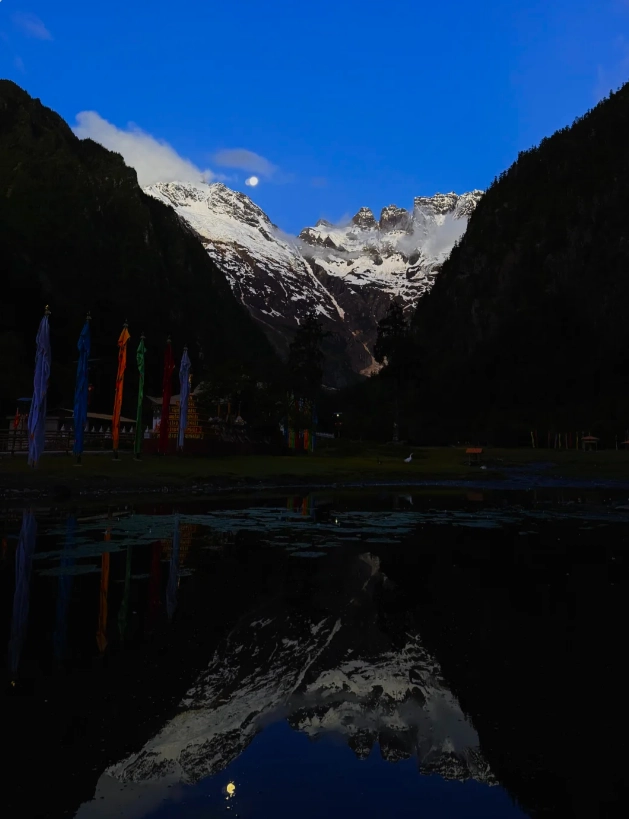
The Honest Answer by Fitness Level
For most people, 4 days in Yubeng Village is the sweet spot. But let's break it down:
| Fitness Level | Recommended Duration | Key Considerations |
|---|---|---|
| Casual walker (no regular hiking) | 4 days (3 nights) | You need full days for each trail, plus rest. Don't skip acclimatization. |
| Regular hiker (some trail experience) | 3 days (2 nights) | You can combine Ice Lake and Sacred Waterfall if you start early, but it's tough. |
| Experienced trekker (high altitude accustomed) | 2 days (1 night) | Only if you've been at altitude for days prior. Still risky. |
Now, here's a non-consensus opinion: most guides will tell you to do Ice Lake first because it's harder. I disagree. Start with the Sacred Waterfall hike—it's shorter and gives your body time to adjust. Then tackle Ice Lake on day two. I've seen fewer people drop out with this sequence.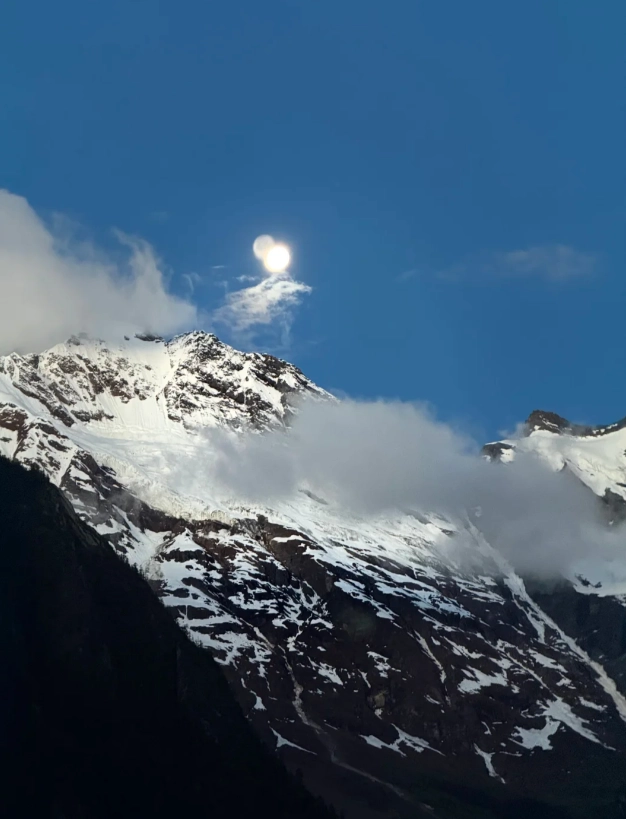
My Recommended Itineraries
Option 1: Relaxed 4-Day Plan (Best for 95% of travelers)
Day 1: Arrival and Acclimatization
Arrive at the entrance to Yubeng (Xidang or Yubeng Entrance). Take a local 4WD jeep into the village (about 40 minutes, bumpy road). Settle into your guesthouse. Don't go hiking today. Walk around the upper village, visit the small white pagoda, and breathe. Altitude hits hardest the first night. I suggest skipping alcohol and taking diamox if you have it.
Day 2: Sacred Waterfall Hike (Shenpu)
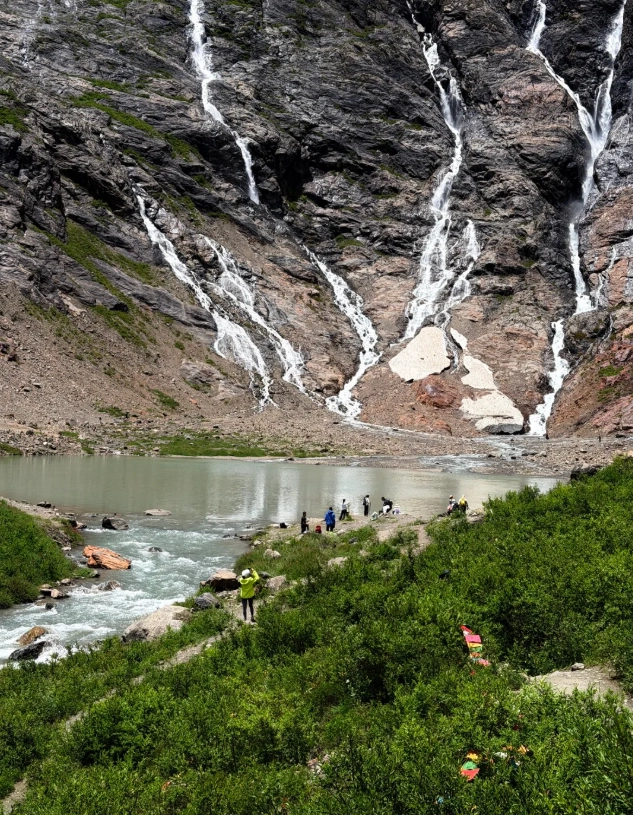
Start around 8am. The trail loops through the lower valley, and you'll reach the waterfall in about 3–4 hours. The path is well-marked but can be muddy. I always warn: bring trekking poles—the descent can be slippery. After the waterfall, head back to the village by 3pm. You'll have time for a hot shower and a good meal. Try the yak meat hotpot at Snowy Mountain Inn—it's the best in town.
Day 3: Ice Lake Hike (Binghu)
This is the big one. Start by 7am. The first section climbs steeply through the forest—you'll gain about 800 meters elevation. Take breaks every 20 minutes. The lake itself is often frozen even in summer, but the views of the surrounding peaks are insane. Total time: 7–9 hours round trip. Pack a lunch and at least 2 liters of water. I've seen people run out of energy halfway, so bring snacks with salt.
Day 4: Departure
Take a morning jeep back to the entrance. If you have energy, you can walk out instead (6–7 hours downhill), but the jeep costs only about 200 RMB per person and saves your knees.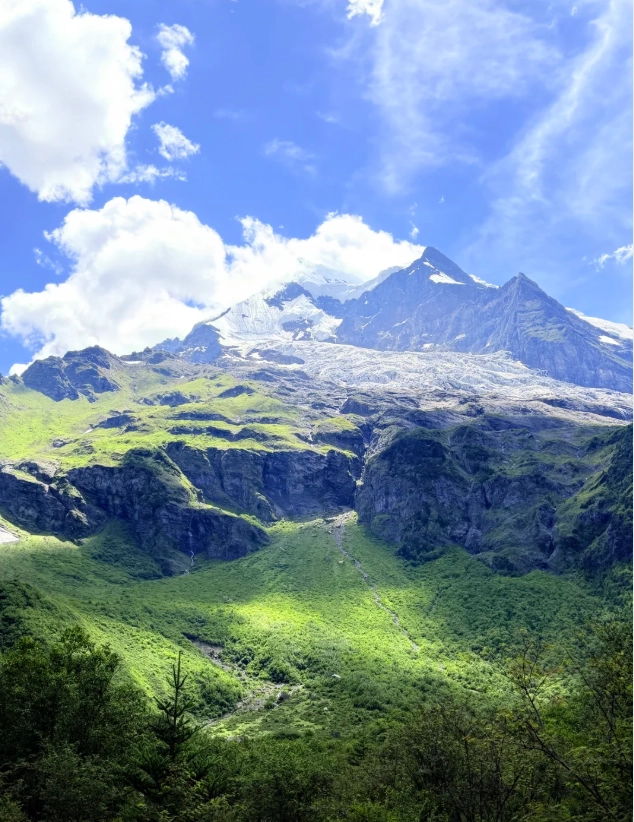
Option 2: Tight 3-Day Plan (Only if you're fit)
Day 1: Arrival + afternoon hike to Sacred Waterfall (short version)
Same arrival, but instead of resting, do a gentle walk halfway to the waterfall and back. It's better than nothing. Use the evening to prep for Ice Lake.
Day 2: Full Ice Lake hike
Same as above. You'll be exhausted by nightfall.
Day 3: Morning departure
Leave early. No time for anything else.
I've done this route myself, and I wouldn't recommend it unless you're confident about altitude. One client threw up on the Ice Lake trail and had to be evacuated on horseback. Don't push too hard.
Logistics You Need to Know
Getting there: From Shangri-La (Diqing), take a bus to Deqin (about 4 hours, 70 RMB). Then a minibus to the Yubeng entrance (1.5 hours, 20 RMB). The last jeep into the village leaves at 5pm, so plan accordingly. Google Maps won't work—use Apple Maps or the Amap Global app. I always tell my guests to download offline maps of Yunnan before they leave home.
Payment: Most guesthouses and restaurants in Yubeng accept WeChat Pay or Alipay. Cash is rarely used, but I recommend carrying 500 RMB for emergencies. International credit cards? Forget it. Only the higher-end lodges might take them, but you can't rely on it.
Booking: You don't need to reserve the village entrance ticket in advance—just buy it at the gate (55 RMB per person). But for guesthouses, book via Trip.com or directly on WeChat. If you're not familiar with WeChat, ask your hotel in Shangri-La to help you call. Many guesthouse owners speak only Chinese, so have a translation app ready (Baidu Translate or Apple Translate).
What to pack: It gets cold at night even in summer—bring a down jacket. Sunscreen is a must; UV is brutal at altitude. Also, good hiking shoes with ankle support. Don't wear sneakers—I've seen twisted ankles. And yes, bring a VPN for your phone if you want Instagram to work.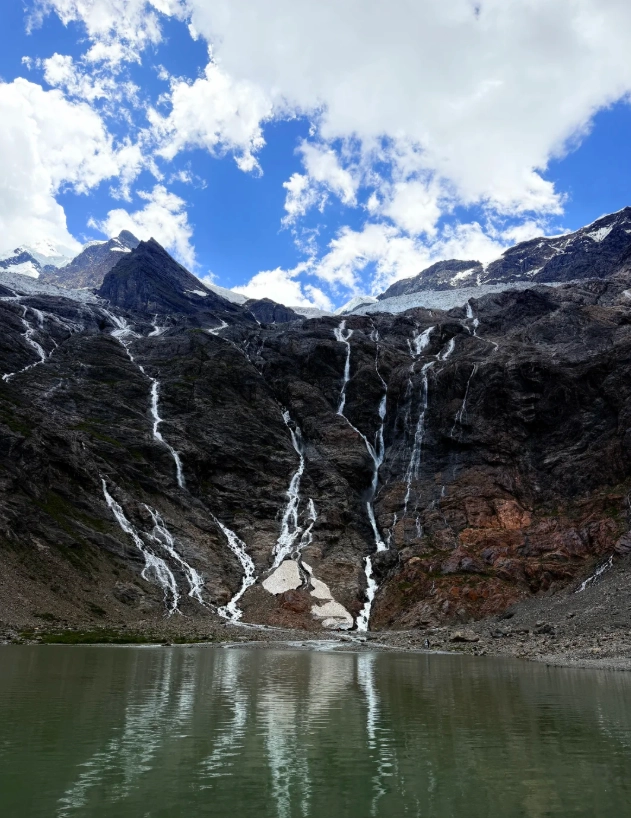
Common Mistakes to Avoid
- Not respecting the first day. I cannot stress this enough. Spend your first afternoon just walking around the village. Your body thanks you.
- Underestimating weather. Afternoon rain is common from June to August. Start hikes by 7am to avoid getting soaked.
- Forgetting to bring toilet paper. The pit toilets on the trails are rough. Carry a small pack.
- Relying on your phone's GPS. There's no signal on most of the trails. I always print a paper map from the guesthouse or use a Garmin watch.
FAQ
Verified and fact-checked by the editorial team. All information is accurate as of the time of writing—but always check local conditions before your trip.





Yubeng isn't a checklist place; it's a slow burn. I spent an entire day just sitting on the guesthouse terrace watching snowmelt turn into a river below. No WiFi, no plans, no hurry. Another day I took the forest loop to the small monastery and ended up sharing oranges with a local grandmother who didn't speak a word of English. I went home with stiff legs and a full heart. If you think 3 days is enough, trust the article — it's not. Give yourself at least 5.
I almost made the classic 3-day mistake, then changed my plans at the last minute and stayed 4. Best decision ever. The Ice Lake trail is the single most beautiful hike I've done in China — you climb through dripping moss forest, cross a freezing river, and suddenly the whole white lake appears under the cliffs. The little tea stall at the top serves noodle soup that tasted like heaven after 4 hours of scrambling. The village itself is basic, but that's exactly the point. Go, and give it time.
Spent 5 days and still didn't want to leave. The sunrise over Kawa Karpo from Upper Yubeng is something I think about every single day. I sat on a stone wall with a cup of butter tea that an old mule driver handed me, and we just watched clouds pour over the pass. Every trail felt different — mossy pine forest, open meadows, roaring meltwater, silence. Sure, your legs will ache, but that quiet at night is pure magic. Do yourself a favour and give it at least 4 days.
We did 4 days / 3 nights and I finally understood why the locals say not to rush. The climb to the waterfall on the last morning was brutal — my knees were screaming and the trail was pure mud — but the sight of those prayer flags flying in front of the glacier made me cry a little. Only issue: our lodge charged us tourist prices for simple fried rice and the shared bathroom was ice cold. Still an unforgettable place, just go prepared.
Honestly, this reads like my exact trip. I booked 3 days and it was nowhere near enough. The village is stunning, but by day two we were sprinting through the trails to Xiaoyuntai and back, soaked in sweat and mud. The guesthouse advertised hot showers but the water was lukewarm at best, and the walls were so thin I could hear every roll of the snoring guys next door. Not a terrible trip, but I left feeling more rushed than rested. Don't do 3 days if you can help it.