 Ting Chen
What You'll Discover in This Guide
I've been guiding country walks in China for over eight years. The first time I took a group to a remote village, they were shocked—not by the beauty, but by how unprepared they were. WeChat Pay didn't work on their international cards, Google Maps led us to a cornfield, and the ticket booth only took cash (which nobody had). That day taught me everything about what foreign travelers actually need to know.
Here is the truth: most online guides list pretty villages but skip the hard parts—how to pay, how to navigate, and how to avoid the tourist traps. I'm writing this to fill that gap. These five villages are my personal favorites for a genuine country walk, and I'll tell you exactly how to visit them without the headaches.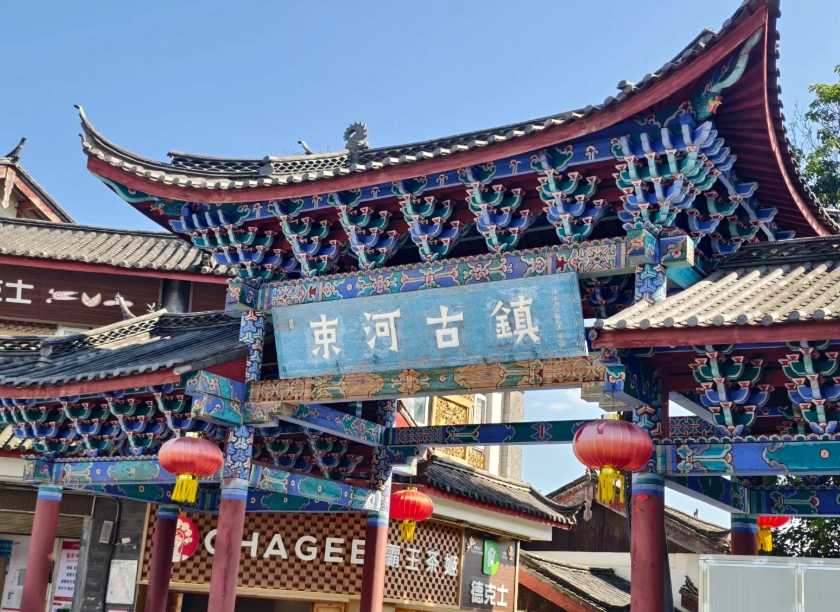
Why Country Walk in China?
China's countryside is a living museum. Terraced rice fields carved by hand over centuries, cobblestone paths that saw Ming dynasty merchants, and villages where the only sound at dawn is a rooster crowing. But the real magic is the walk itself—connecting with landscapes that feel untouched by time.
1. Xijiang Qianhu Miao Village — Guizhou
Xijiang is the largest Miao village in China, with over 1,000 households stacked up a hillside. The view from the observation deck at sunset is jaw-dropping—thousands of wooden stilt houses lit up like fireflies. But don't just stay on the main tourist street. I always take my groups up the back trail that locals use to fetch water. It's steep, but you get to see women washing vegetables in stone basins and kids chasing chickens.
| Detail | Info |
|---|---|
| Ticket Price | 100 RMB (adult), free for kids under 1.2m. Must book via Trip.com or WeChat mini-program. Passport required for entry. |
| Open Hours | 8:00 AM – 11:00 PM (last entry 10:00 PM). Peak season (May–Oct) can be crowded till 9 PM. |
| Getting There | Take a bus from Kaili South Station (1 hour, 30 RMB). Taxi from Kaili city center costs ~120 RMB. Show driver: 西江千户苗寨. |
| Best Time for Walk | Early morning (6:30–8:00 AM) to avoid crowds. The light on the rice terraces is magical. |
2. Shuhe Ancient Town — Yunnan
Shuhe is the quieter, less polished cousin of Lijiang Ancient Town—and that's exactly why I love it. The cobbled streets run alongside a crystal-clear canal, and you can walk from one end to the other in about 40 minutes. But the real country walk starts when you exit the north gate. Follow the dirt path through cornfields and you'll reach the Jade Dragon Snow Mountain viewpoint in about 1.5 hours. No entrance fee, no crowds—just farmers and donkeys.
I always tell my clients: skip Lijiang Old Town, stay in Shuhe instead. Accommodation is cheaper, and you get a real village vibe. For payment, Apple Pay works at most shops, but keep some cash for the fruit vendors at the morning market (6–8 AM).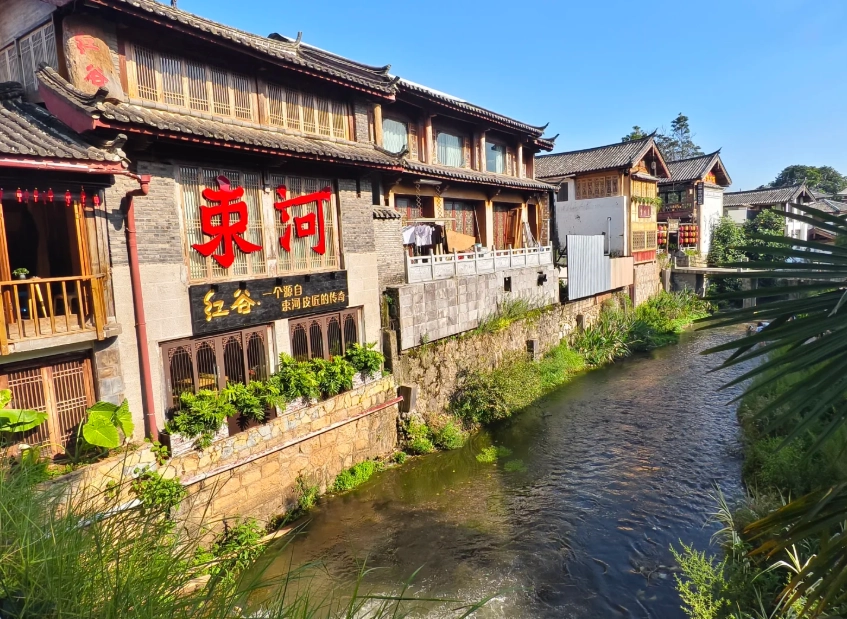
| Detail | Info |
|---|---|
| Ticket | Free entry. But the “Shuhe Ancient Town” conservation fee of 50 RMB is sometimes charged at the north gate – ask your guesthouse to confirm. |
| Navigation | Use Apple Maps (Google Maps is unreliable). Search: 束河古镇. The dirt trail north is not on maps; ask locals for “Longtan Road north exit.” |
| Stay | I recommend “Shuhe Bliss Inn” (around 200–350 RMB/night). They speak basic English and have a rooftop with mountain views. Wi-Fi is stable. |
3. Wuyuan Villages — Jiangxi
Wuyuan is a county of dozens of ancient Huizhou-style villages, but the best for a country walk are Likeng and Wangkou. Picture white-walled houses with black-tiled roofs reflected in carp-filled ponds. The classic walk is along the Qing dynasty footpath that connects Likeng to Sixi village—about 4 km through rapeseed fields (blooming in March–April). I've done this walk at least 20 times, and every season feels different: spring yellow, summer green, autumn gold.
Most visitors only go to Likeng and leave. My advice: combine Likeng in the morning with Wangkou in the afternoon. Wangkou is less crowded and has a gorgeous wooden bridge from the Ming dynasty. Bring a packed lunch—restaurants near Wangkou are overpriced and mediocre.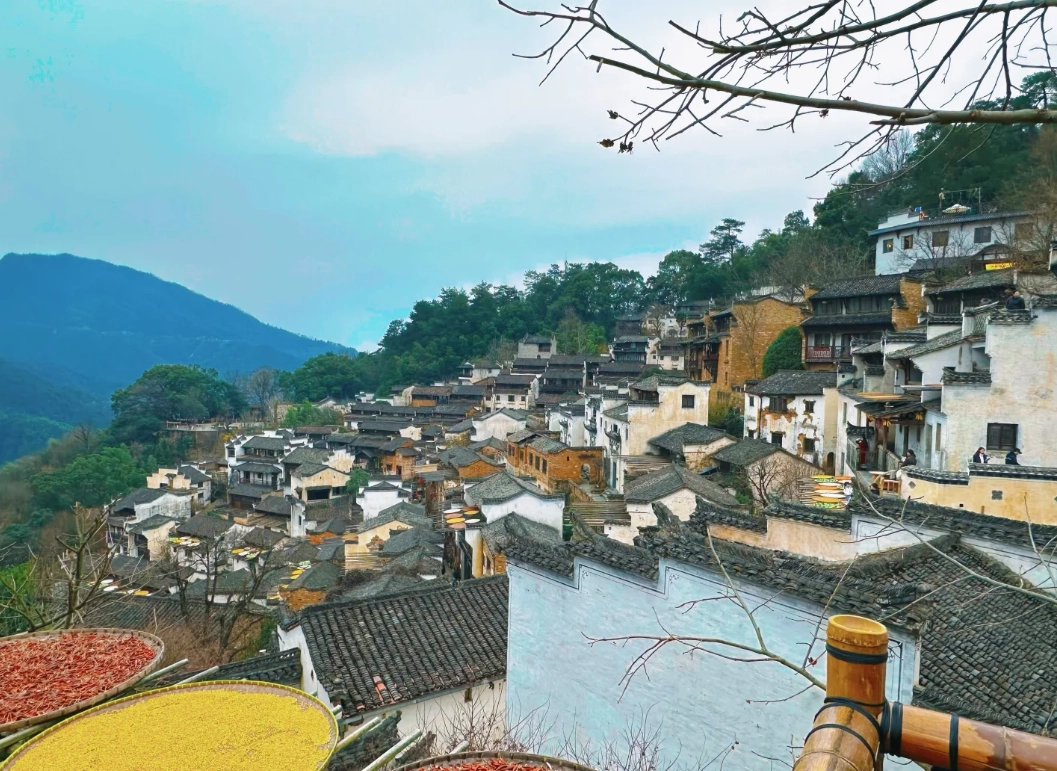
| Detail | Info |
|---|---|
| Tickets | Likeng: 60 RMB; Wangkou: 60 RMB. Combo ticket for 5 villages: 210 RMB (valid 3 days). Book on Trip.com – show QR code at entrance. |
| Getting There | Bus from Wuyuan bus station (20 min to Likeng, 30 min to Wangkou). Taxi from Wuyuan city ~50 RMB. Show: 李坑 or 汪口. |
| Walk Time | Likeng to Sixi: 1.5 hours of easy walking. Plan 3 hours for Likeng village including stops. |
4. Jiaju Tibetan Village — Sichuan
Jiaju is a Tibetan village in Danba County, known as the “most beautiful village in China” by Chinese National Geography. The white-walled, red-roofed houses cling to a valley slope, surrounded by blooming peach trees in spring. The best walk is the loop that starts at the village entrance and goes up to the first observation deck (20 minutes), then continues to the terraced fields behind the village (another 30 minutes). The view of the entire valley is worth every drop of sweat.
A word of caution: the altitude here is around 2,500 meters. If you're not used to it, walk slowly and bring water. I once had a guest who tried to jog up the hill and ended up dizzy for an hour. Also, the road to Jiaju is winding – car sickness is common, so carry Dramamine.
| Detail | Info |
|---|---|
| Ticket | 50 RMB (includes entrance to the village). No advanced booking needed, but you must show passport. |
| Getting There | Danba county is 6 hours by bus from Chengdu (Chengdu Chadianzi Station). From Danba, local minibus to Jiaju (30 min, 20 RMB). Show: 甲居藏寨. |
| Best Time | March–April for peach blossoms; October for autumn colors. Avoid July–August (rainy season, slippery trails). |
5. Hongcun Ancient Village — Anhui
Hongcun is a UNESCO World Heritage site, famous for its moon-shaped pond and the backdrop of Huangshan (Yellow Mountain). The village layout is like an ox: the pond is the stomach, and the canals are the intestines. Walking along those canals is a photographer's dream. But here's the catch: Hongcun gets ridiculously crowded by 10 AM. I always take my groups in at 6:30 AM (gates open at 7, but security sometimes lets you in early). For the first hour, you'll have the entire village to yourself.
The highlight is the walk from Hongcun to the nearby bamboo forest (about 1 km east). The trail starts behind the Jixian Hall—most guides don't mention it. It's a gentle uphill through bamboo groves, and at the top you get a panoramic view of Hongcun's rooftops. Perfect for a quiet picnic.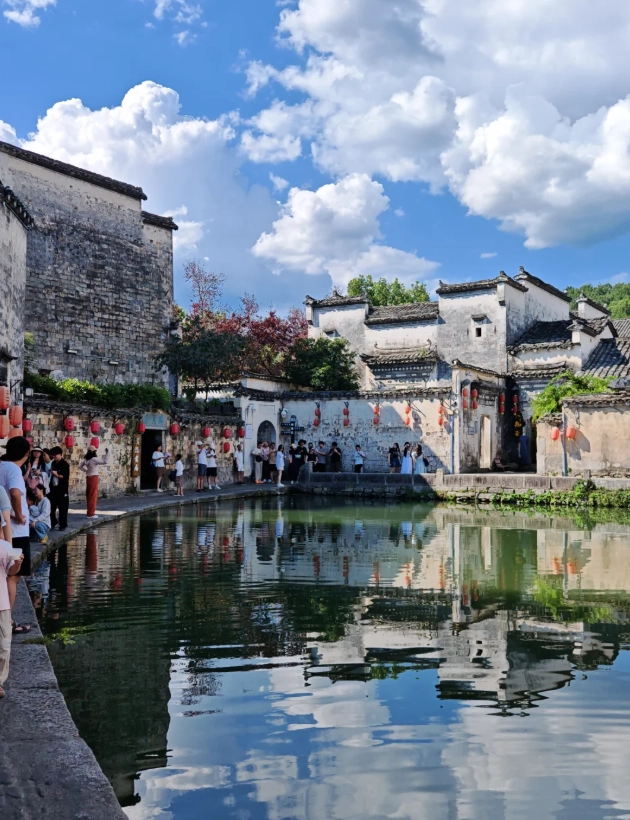
| Detail | Info |
|---|---|
| Ticket | 104 RMB (adult). Must book in advance on Trip.com or the official “Hongcun” WeChat mini-program. Passport required. |
| Open Hours | 7:30 AM – 5:30 PM (winter); 7:00 AM – 6:00 PM (summer). Last entry 30 min before closing. |
| Getting There | From Huangshan North Station, take bus to Hongcun (1 hour, 30 RMB). Taxi costs ~150 RMB. Show: 宏村. |
| Accessibility | Most paths are cobblestone, not wheelchair-friendly. Strollers struggle on the canal bridges. |
Practical Tips for Your Country Walk China
You've got the villages, now here's how to actually pull it off without stress.
Payments: Cash Is Still King in the Countryside
Even in 2025, many village stalls, family-run guesthouses, and small noodle shops do NOT accept international credit cards. Alipay and WeChat Pay are common, but they require a Chinese bank account or a linked international card (which works most of the time, but can fail unexpectedly). My rule: carry 300–500 RMB in cash for emergencies. You can withdraw from ATMs in county towns (look for Bank of China, ICBC).
Navigation: Forget Google Maps
Google Maps is blocked in China and often wrong even with a VPN. Use Apple Maps (surprisingly accurate for village names) or download AMap Global (Gaode Ditu) in English. For rural trails, I recommend Maps.me with offline China map pre-downloaded – it works without internet.
Language Barrier: Prep Your Phone
English is rarely spoken in remote villages. Download Google Translate (works offline if you download Chinese language pack) or use Apple Translate. For asking directions, have the Chinese name of your destination written on a piece of paper or on your phone screen. I always keep a screenshot of the village name and “please take me here” in Chinese.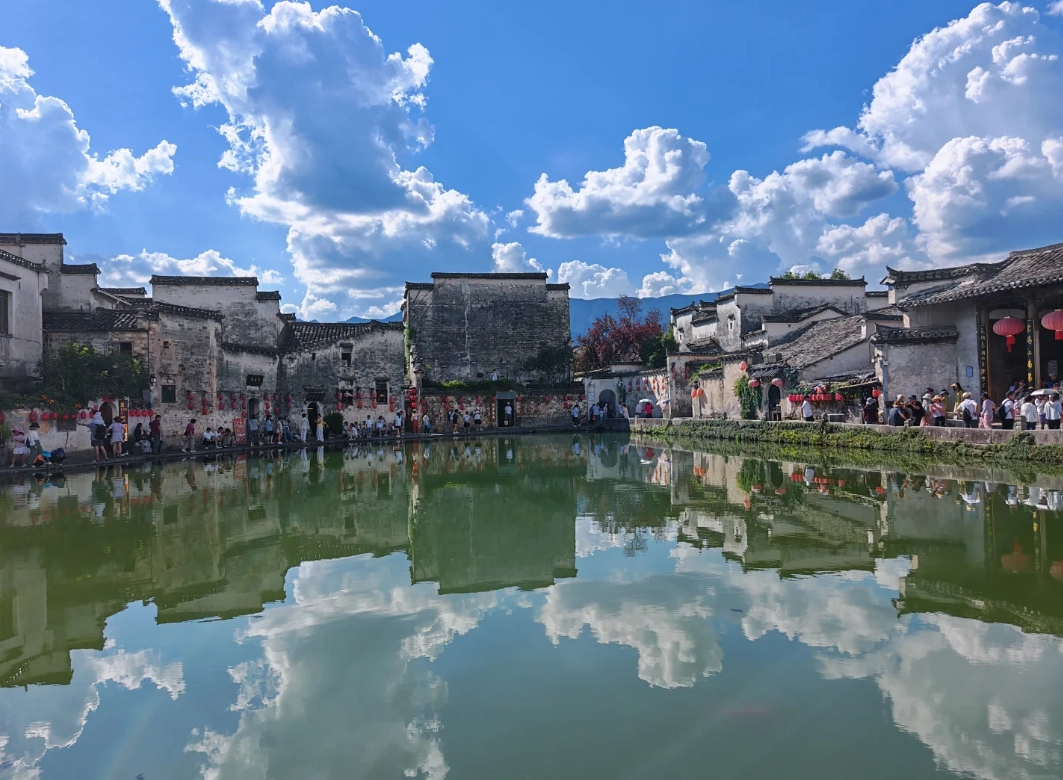
Internet: VPN Is a Must
China blocks Google, Facebook, Instagram, WhatsApp, and many other sites. If you need social media or Google services, install a reliable VPN before you arrive. Astrill, ExpressVPN, or NordVPN work for most travelers. Without VPN, you can still use Chinese apps like WeChat and Baidu.
Book Ahead: Don't Assume Walk-ins
Most scenic villages (especially UNESCO sites like Hongcun) require advance booking with your passport number. Use Trip.com (the English version) or Klook to book tickets. Avoid third-party WeChat mini-programs if you don't read Chinese – they're a nightmare to navigate.
Frequently Asked Questions
Verified and fact-checked by the editorial team.







I dragged my wife along on a weekend trip based on this article, and it was honestly the best 'country walk' we've done in China. The village with the old canal and millhouse was peaceful even on a Saturday—we saw maybe four other travelers, all with the same article open on their phones (haha). The practical tips on public buses and which village gate to enter were worth it alone. It's not a luxury guide, it's a 'put on hiking shoes and go' guide. Highly recommend.
As someone who usually hates travel listicles, this one got me. The author clearly actually walked these routes—you can tell from the small details: where the path narrows, which teahouse has the best mountain view, the old man who sells persimmons by the stone gate. I followed the article for a day trip to one of the villages and ended up staying three nights. The walking directions were straightforward and the local guesthouses were exactly where promised. Already planning to do the remaining four next spring.
This article completely changed the way I planned my two weeks in rural China. The village with the arched bridge and hillside tea terraces was the highlight of my entire trip — I went at sunrise, and it was exactly like the description: mist, roosters, old women washing vegetables in the stream. I can't believe these places aren't in every guidebook. Everything in the article was accurate, including the walk times. If you love quiet paths and real village life, read this before you go.
Solid roundup if you're planning a slow trip through rural China. I appreciated that the article focuses on countryside walks rather than just ticking off sights. The suggestion to stay overnight in a village family guesthouse was spot on—that's where I had the best bowl of noodles and a courtyard to myself. Only reason it's not a 5? A few of the 'secret' spots were already in every hostel brochure, and the maps could be more detailed. Still, I'd recommend it as a starting point.
I wanted to love this list, but I came away a little meh. The photos are stunning, no question, but two of the five villages felt like they're already on the usual tourist circuit—hardly 'hidden'. Also, the directions in the article are pretty thin; we ended up relying on a local guide to find the right trailhead. That said, the one village with the stone paths and morning fog lived up to the hype. Good starting point, but manage your expectations.