 Tao Xu
Quick Guide to Your Summer Forest Adventure
Summer in China can be brutal — heatwaves, humidity, and crowded city streets. But I've got a secret: escape into a forest park. Over my years guiding travelers, I've seen their faces light up the moment they step into the cool, green shade. This isn't some generic list; I'm sharing the exact parks where you can breathe deeply, hike comfortably, and actually enjoy summer in China. These are the spots I personally take my clients when they need a break from the urban furnace. And yes, I'll tell you exactly how to avoid the rookie mistakes — like showing up without a reservation or trusting Google Maps.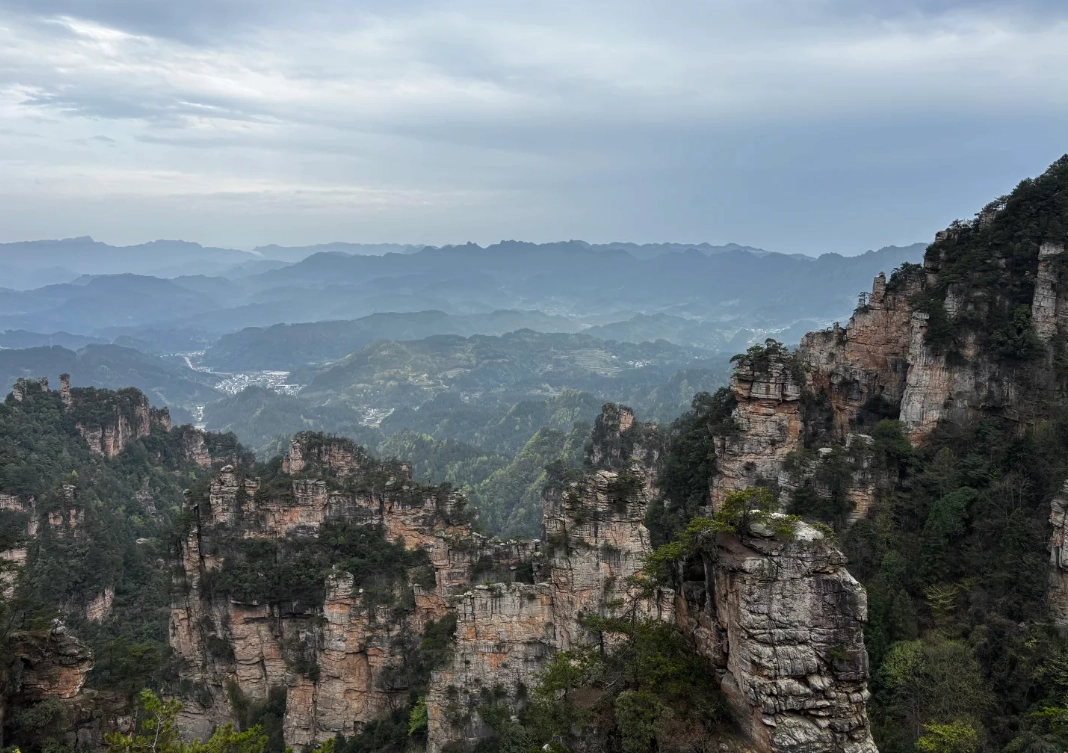
Why Visit China's Forest Parks in Summer?
First, the temperature. Many forest parks sit at higher altitudes or in northern regions, offering temperatures 10–15°C cooler than nearby cities. For example, Shennongjia and Changbaishan rarely exceed 25°C even in July. Second, the air quality — significantly better than in Beijing or Shanghai. Third, the scenery: summer brings lush greenery, waterfalls at full flow, and wildflowers. Most importantly, these parks are less crowded than coastal resorts or famous cultural sites. My clients often tell me they felt like they had the forest to themselves.
Top 5 China Forest Parks for a Summer Adventure
1. Zhangjiajie National Forest Park (Hunan)
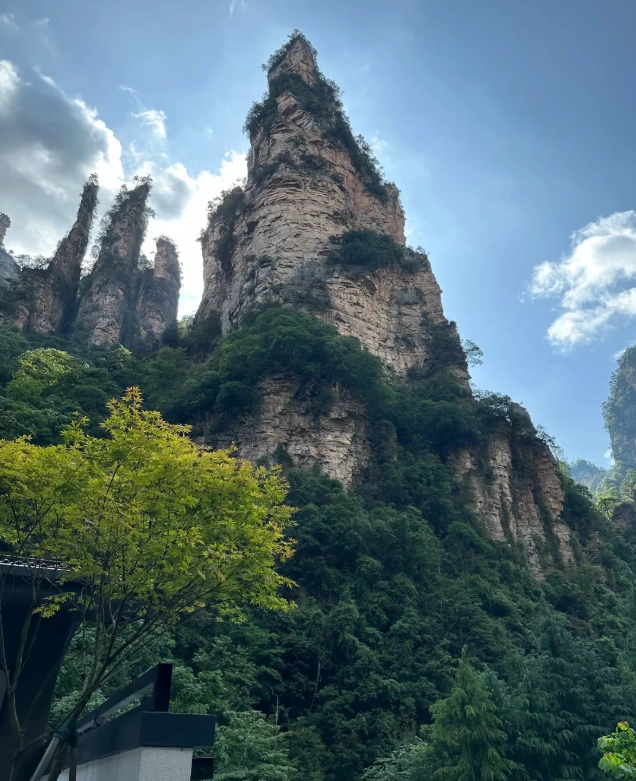
This is the park that inspired the floating mountains in Avatar, and summer is prime time for dense mist that makes the quartzite pillars look even more surreal. Located in northwestern Hunan, Zhangjiajie is a UNESCO Global Geopark. The park has several entrances; I recommend the Forest Park Entrance (south gate) — avoid the East Gate (Wulingyuan) if you want to skip the worst crowds.
- Tickets: 228 RMB (includes a 4-day pass for the entire Wulingyuan area). You must show your passport when buying. Book online via Trip.com or the official WeChat mini-program. Pro tip: the mini-program is in Chinese only, so ask your hotel receptionist to help you book.
- Opening hours: 7:00 AM – 6:00 PM (summer); last entry at 4:00 PM. Try to arrive by 7:30 AM — the mist is thickest then, and queues are minimal.
- Getting there: From Zhangjiajie city, take bus line 1 to the Forest Park Entrance (30 mins). Or Didi (Uber-like) for about 40 RMB. Show the driver this address: 张家界国家森林公园南门 (Zhangjiajie National Forest Park South Gate).
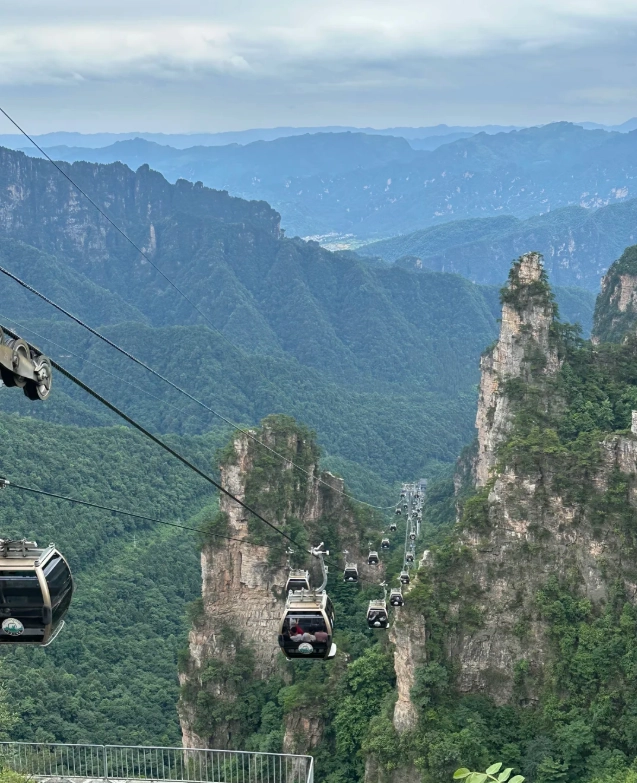
- Insider route: Take the Bailong Elevator up (72 RMB), then walk to the Tianzi Mountain area, then take the cable car down (76 RMB). This saves hours of walking. But avoid the elevator between 10 AM – 2 PM — queues can exceed 90 minutes.
- What to pack: Rain jacket (sudden showers), comfortable hiking shoes, and cash for small vendors. Most food stalls accept Alipay/WeChat, but not credit cards.
2. Jiuzhaigou Valley (Sichuan)
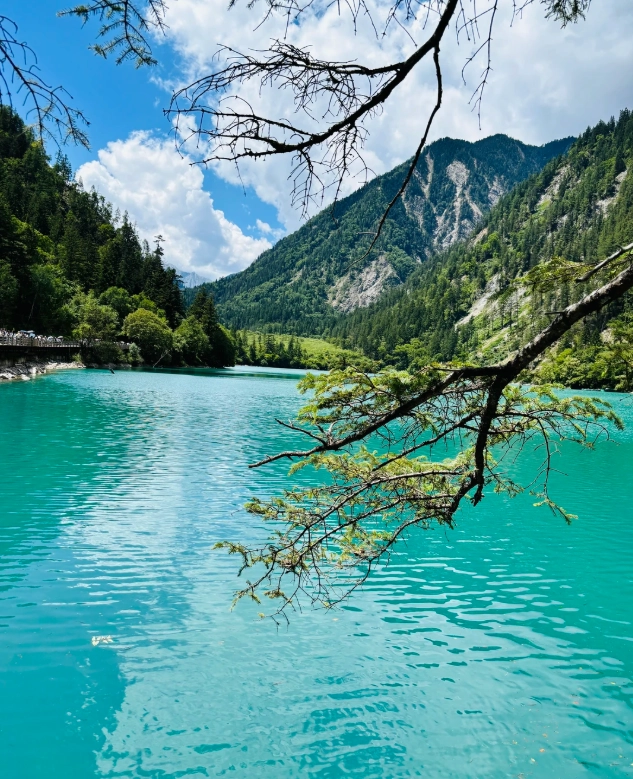
Jiuzhaigou is a fairyland of turquoise lakes, multi-tiered waterfalls, and snow-capped peaks reflected in crystal-clear water. It's located in Aba Tibetan and Qiang Autonomous Prefecture. Summer is rainy but the waterfalls are at their most powerful.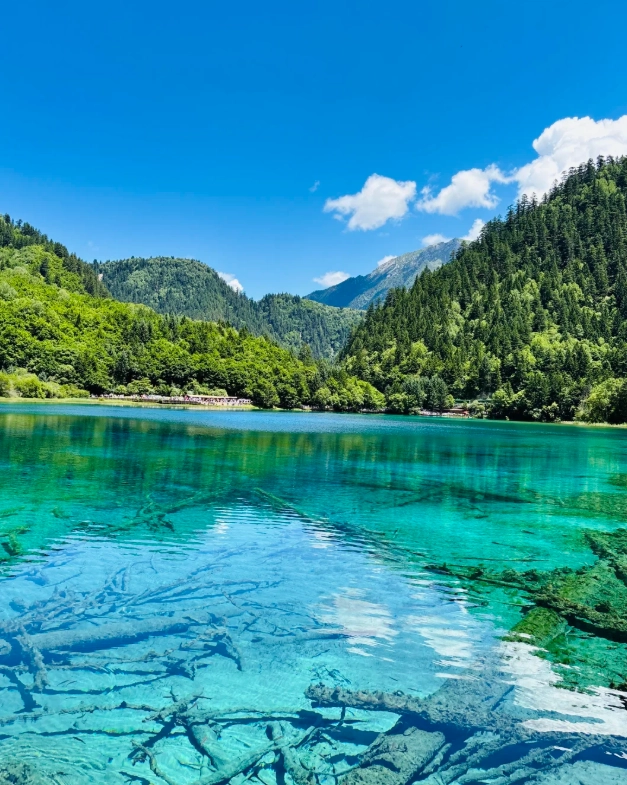
- Tickets: 169 RMB (high season May–Nov) plus 90 RMB for the mandatory shuttle bus. Book via Trip.com or the official site. Passport required.
- Opening hours: 8:30 AM – 5:00 PM (summer). Arrive before 8 AM to beat the bus lines.
- Getting there: Fly into Jiuzhai Huanglong Airport (JZH) from Chengdu (1 hour). Then take a shuttle bus to the park entrance (1.5 hours, 45 RMB). Or take a long bus from Chengdu (8–10 hours) — I only recommend this if you're on a tight budget.
- Route strategy: Take the shuttle directly to the highest point, Original Forest (原始森林), then work your way down. The Five Flower Lake and Pearl Shoal Waterfall are must-sees. Skip the Panda Lake — it's often crowded and similar to others.
- Accommodation: Stay in Zhangzha Town (漳扎镇) near the entrance. My favorite is the InterContinental Jiuzhai Paradise (around 800 RMB/night in summer) for its Tibetan architecture and reliable Wi-Fi.
3. Huangshan (Yellow Mountain, Anhui)
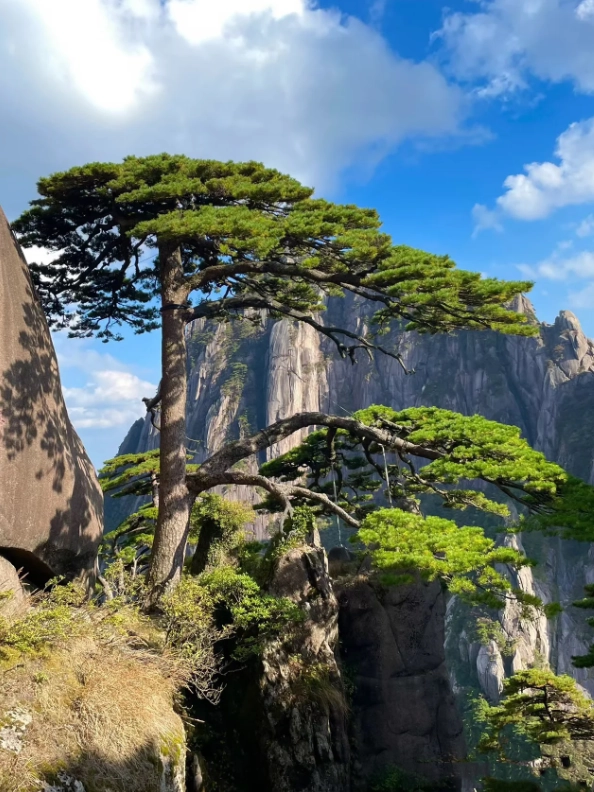
Famous for its granite peaks, ancient pines, and sea of clouds, Huangshan is a summer hiking paradise. The altitude keeps temperatures around 20°C even in August. But the summer monsoon brings frequent showers — the clouds are actually a bonus!
- Tickets: 190 RMB (peak season). Cable cars: 80–100 RMB per ride. Book via Trip.com. You can also buy at the gate but expect long waits.
- Getting there: Take a high-speed train to Huangshan North Station (黄山北站) from Shanghai (2.5 hrs) or Hangzhou (1.5 hrs). Then a shuttle bus to the east entrance (50 mins, 30 RMB).
- Where to stay: Spend a night on the mountain to catch sunset and sunrise. I recommend the Xihai Hotel (西海饭店) — book at least a month in advance. Dorms start at 200 RMB, private rooms at 800 RMB.
- My favorite route: Take the Yungu cable car up, walk to the North Sea area, then the West Sea Grand Canyon (closed for hiking in some sections — check at the visitor center). Stay overnight, then descend via the Bright Summit Peak and the East Sea cable car.
- Warning: The steps can be very slippery when wet. Wear anti-slip shoes and bring a walking stick. I've seen too many twisted ankles.
4. Shennongjia Forest Area (Hubei)
If you want true wilderness and the chance to spot a wild golden monkey, Shennongjia is your spot. This UNESCO World Heritage site is one of China's best-preserved forest ecosystems. Summer temperatures hover around 22°C.
- Tickets: 269 RMB for the combined ticket (valid for 3 days). You can also buy single-park tickets. Book via WeChat mini-program or Trip.com.
- Getting there: Fly to Yichang (YIH) or take a train to Yichang East Station, then a bus to Muyu Town (木鱼镇) — the gateway to Shennongjia (3 hours, 60 RMB). Alternatively, take a direct bus from Wuhan (6 hours).
- Key spots: Shennong Peak (highest point), the Golden Monkey Observation Area, and the mysterious Wild Man Museum. The hike to the Shennong Peak takes about 2 hours — very rewarding.
- Accommodation: Stay in Muyu Town. I like the Shennongjia Grand Hotel for its English-speaking staff and hot water. Rooms from 300 RMB in summer.
- Note: Mobile signal is weak in many areas. Download offline maps on Apple Maps before you go. Also, there are no ATMs in the park, so bring enough cash.
5. Changbaishan (Jilin)
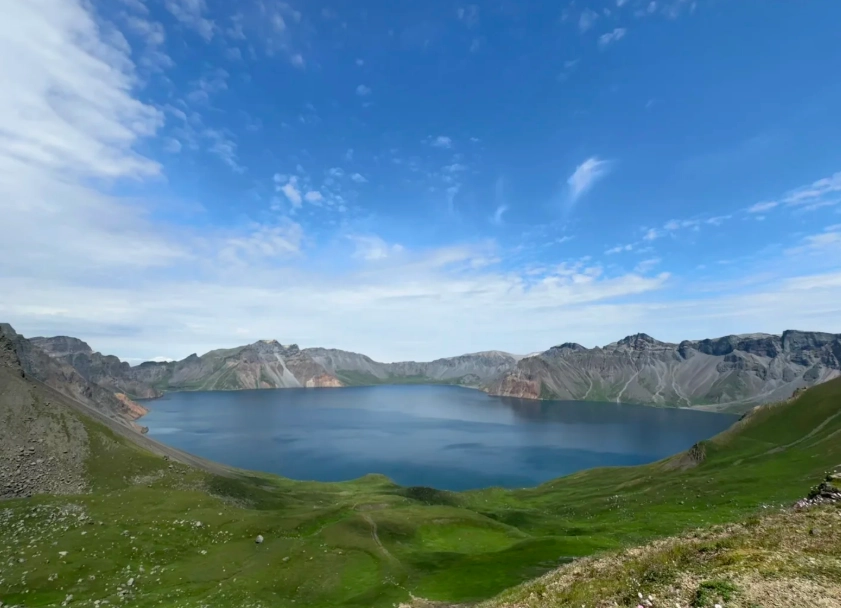
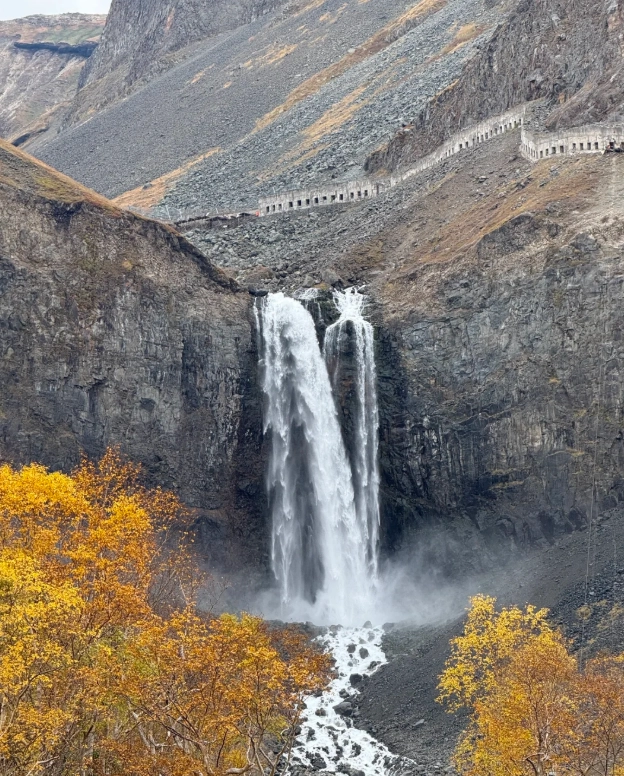
This active volcano offers a crater lake (Tianchi) that is stunningly blue in summer. The park is on the border with North Korea, at elevations over 2000 meters. Summer is the only time to reliably see the lake without ice.
- Tickets: 305 RMB (includes entrance and shuttle bus). Cable car to the crater rim is extra (80 RMB). Book via Trip.com.
- Getting there: Fly to Changbaishan Airport (NBS) from Beijing or Shanghai (2 hours). Then shuttle to the West Gate (1 hour). Or take a train to Baishan then bus.
- Best time: Early July to mid-August. The lake is often covered by clouds; check the webcam on the official site before going. I usually tell my clients to plan two days to increase chances.
- Packing: Even in summer, temperatures can drop to 5°C at the summit. Bring a warm jacket and windbreaker. Sunscreen is essential due to high UV.
Practical Tips for Visiting China's Forest Parks in Summer
Quick Comparison Table of 5 Forest Parks
| Park | Location (Province) | Summer Temp (°C) | Entrance Fee (RMB) | Best Month | Key Attraction |
|---|---|---|---|---|---|
| Zhangjiajie | Hunan | 20–28 | 228 | June, July | Avatar Pillars, Bailong Elevator |
| Jiuzhaigou | Sichuan | 15–25 | 259 | July, August | Five Flower Lake, Nuorilang Waterfall |
| Huangshan | Anhui | 15–22 | 190 | June, August | Cloud Sea, Welcoming Pine |
| Shennongjia | Hubei | 17–23 | 269 | July, August | Golden Monkey, Shennong Peak |
| Changbaishan | Jilin | 10–20 | 305 | July, early Aug | Tianchi (Crater Lake) |





Decent list, but I found it a bit overhyped. The prose is lovely, but 'hidden gems' didn’t really match reality for the first park — it was packed even on a Tuesday. Also, the article didn’t mention that the trail near the cable car was closed for maintenance, which would have saved us a lot of backtracking. Some good ideas here, but it needs more practical details to be truly honest.
Really helpful roundup! I loved the descriptions of the waterfalls and the mist — it made me stop scrolling and actually add two of these parks to my itinerary. The only reason I’m not giving 5 stars is that the logistics info for the second park was a little thin. We ended up spending an hour figuring out the shuttle after the parking lot. Still a great read and definitely a solid starting point for planning a summer escape.
I’m a mom of two teenagers who complain about every hike, and this article made me look like a genius. We chose the Qingcheng Mountain option and the shade was so dense we barely broke a sweat. The teahouse near the top was exactly where the article said it would be — perfect mango smoothies and a beautiful view of the valley. Even the kids asked to stay longer. Five out of five for sure.
As someone who usually avoids clicky travel listicles, this one genuinely surprised me. It included actual trail names, estimated times, and even which gate to use to dodge the tour buses. I did the west entrance section at Zhangjiajie and had the ridge almost to myself at 7 a.m. The temperature drop is no joke — I needed a light jacket in July. Honestly, the best recommendation I've gotten from an article in years.
Read this before my last-minute summer escape and it completely changed my plans. We ended up doing the Moganshan route from Shanghai, and the bamboo trails were just as quiet and cool as the article promised. The forest felt about eight degrees cooler than the city, and the zipline over the canopy was wild but absolutely worth it. Already shared this with three friends — best travel article I've read in ages.