 Fang Wang
What's in This Guide (Quick Jumps)
I've lost count of how many times I've guided groups through Wuzhen. And every single time, someone gets stuck — because their international credit card fails at the ticket booth, or Google Maps leads them to a dead-end canal. Let me save you that headache.
Wuzhen isn't just another water town. It's a meticulously preserved Ming and Qing dynasty canal settlement, split into four distinct zones — but only two are worth your time if you're short on it. Here's the blunt truth before you book anything.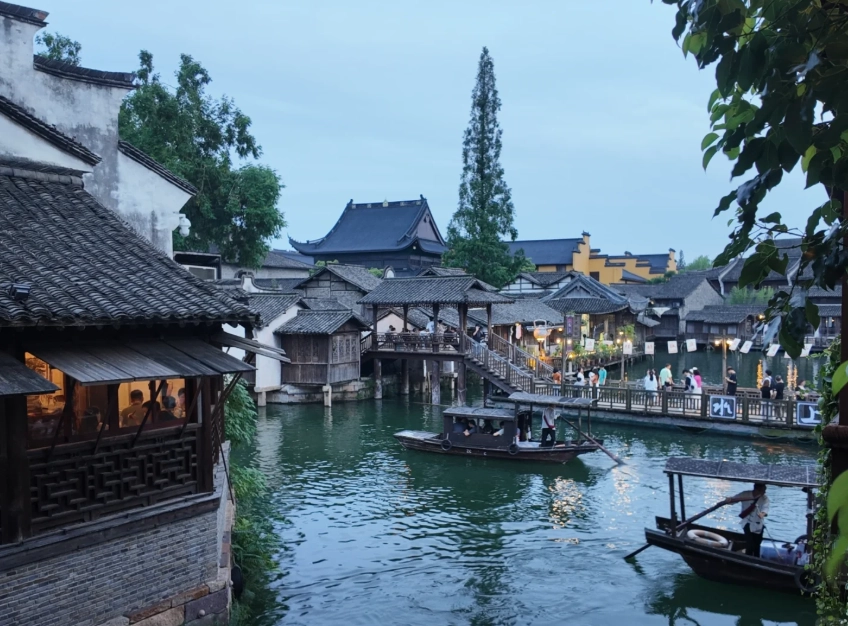
Why Wuzhen Is Different From Other Water Towns
Wuzhen is one of the six ancient water towns south of the Yangtze, but it's the only one with a fully refurbished canal network that's still lived in. Most tourists flock to the eastern section (Dongzha) for its daytime charm, while the western section (Xizha) comes alive at night with sleek bars and boutique hotels. What many guides don't tell you: each section requires a separate ticket, and you can't just walk from one to the other without leaving the property. I always tell my clients: pick based on your vibe — Dongzha for photography and traditional feels, Xizha if you want to stay overnight and enjoy the lights.
How to Get to Wuzhen (And Avoid Getting Lost)
Ignore Google Maps — it's horribly outdated for China. Use Apple Maps or the Chinese app Amap (I'll explain). The easiest route is from Shanghai or Hangzhou. From Shanghai Hongqiao railway station, take a high-speed train to Tongxiang (about 40 minutes, ~60 RMB). Then take a taxi or bus to Wuzhen scenic area (taxi ~80 RMB, 30 minutes; bus K282 from Tongxiang station, 50 minutes). If you're in Hangzhou, direct buses run from Hangzhou East station to Wuzhen (1.5 hours, ~35 RMB).
For navigation on the ground: download Amap (高德地图) before you come. Its global version (Amap Global) supports English partially, but you can search in pinyin. Apple Maps works surprisingly well for major attractions. Save the Chinese address of your hotel to show taxi drivers.
Ticket Booking — The Headache You Must Prepare For
You can't just show up and buy a ticket at the gate during peak hours — you'll wait forever. Most foreign tourists struggle because they don't have WeChat Pay or a Chinese phone number to use the official mini-program. Here's my go-to:
- Official website: The Wuzhen scenic website (wuzhen.com.cn) has an English version, but the booking link often defaults to Chinese. Use Trip.com (english) or Klook — both accept international cards and give instant QR codes.
- Passport required: On arrival, you'll need to show your passport to verify the name on the ticket. Don't forget it in the hotel safe!
- Ticket prices (as of my last visit): Dongzha 110 RMB, Xizha 150 RMB, combined 190 RMB. Children under 1.2m free, seniors over 70 with passport get half off. (Prices may change, always verify online a day before.)
- Opening hours: Dongzha 7:00-17:30; Xizha 9:00-22:00 (but entry to the scenic area stops at 21:00). Last entry 30 minutes before close.
Payments: Cash, Cards, and What Actually Works
Almost nobody in Wuzhen accepts international credit cards directly. Even the official ticket counter prefers Alipay or WeChat Pay. Your options:
- Alipay (绑国际信用卡): Before your trip, link your Visa/Mastercard to Alipay's Tour Pass (it's a digital wallet for foreign users). Works at most shops and restaurants inside the scenic area.
- Cash: A few cashiers will accept RMB, but don't expect change easily. I always carry 200-300 RMB in small bills for backup.
- VPN: Full disclosure — you'll need a VPN to access Google, Facebook, and Instagram inside China. I recommend installing one before you arrive (e.g., ExpressVPN, NordVPN). Without it, your maps and translation apps may not work properly.
Best Time to Visit: When the Magic Happens (and When to Run Away)
The golden window is October to November and March to May. Summer (June-August) is scorching hot and packed with domestic tourists — I once counted 15 people per square meter on a bridge in July. Winter is chilly but empty, with occasional fog that makes the canals look ethereal. Avoid Chinese public holidays like National Day (Oct 1-7) and Labor Day (May 1-5) — it's a nightmare of queues and selfie sticks.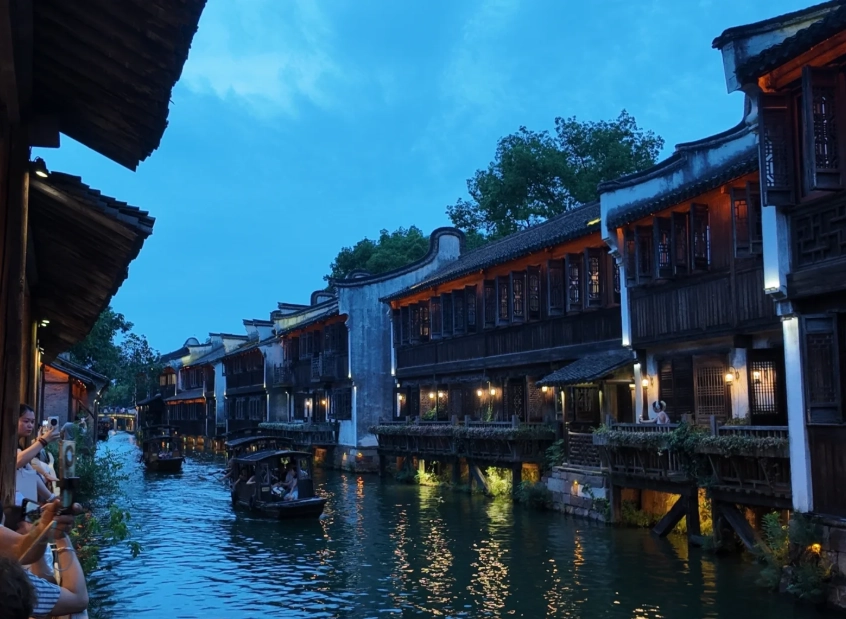
My Guided 2-Day Itinerary (With Time-Saving Hacks)
Day 1: Dongzha & Old Town Immersion
- 7:00 – 9:00 AM: Enter Dongzha at opening. Walk along the main canal toward the Wood Carving Museum (free with ticket). Few people here this early.
- 9:00 – 11:00 AM: Visit Blue Calico Workshop and watch the dyeing process. Avoid the small shops right at the entrance — prices are 30% higher than those 100 meters in.
- 11:00 – 12:30 PM: Lunch at Gu Yue Restaurant (address: within Dongzha, near the old theater). Try the Steamed White Water Fish (fresh, light, not spicy) and Wuzhen Potted Vegetable. Average 80 RMB per person. Cash only accepted here — no card.
- 12:30 – 2:00 PM: Rest at your hotel or find a tea house. My favorite: He Cha Ting on the east bank — they have English menu pictures.
- 2:00 – 5:00 PM: Explore the less visited back alleys of Dongzha. Go south past the photo studio — there's a small bridge that leads to a residential area with real locals washing clothes. Perfect for candid shots.
- 5:30 PM: Exit Dongzha (it closes at 5:30). Take a free shuttle to Xizha (every 20 minutes) or walk 15 minutes along the riverside path.
- 6:00 – 8:30 PM: Dinner at Feng Yuan Restaurant (Xizha, inside the scenic area). Their Braised Pork Belly is legendary — sweet and tender, but not for vegetarians. ~90 RMB per person.
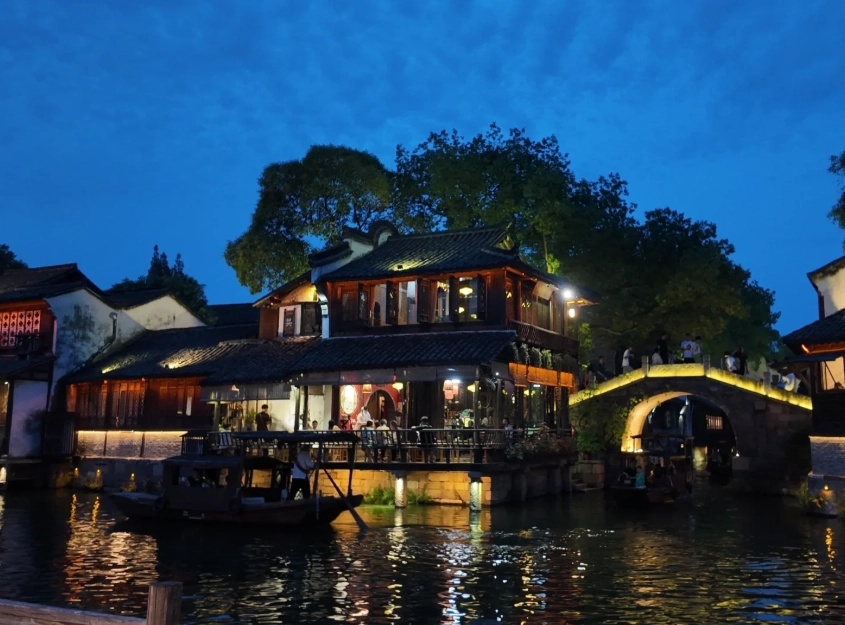
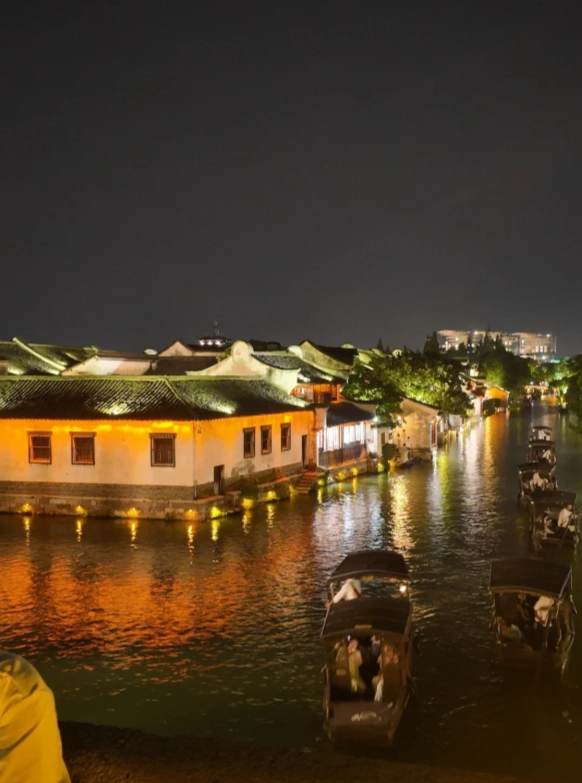
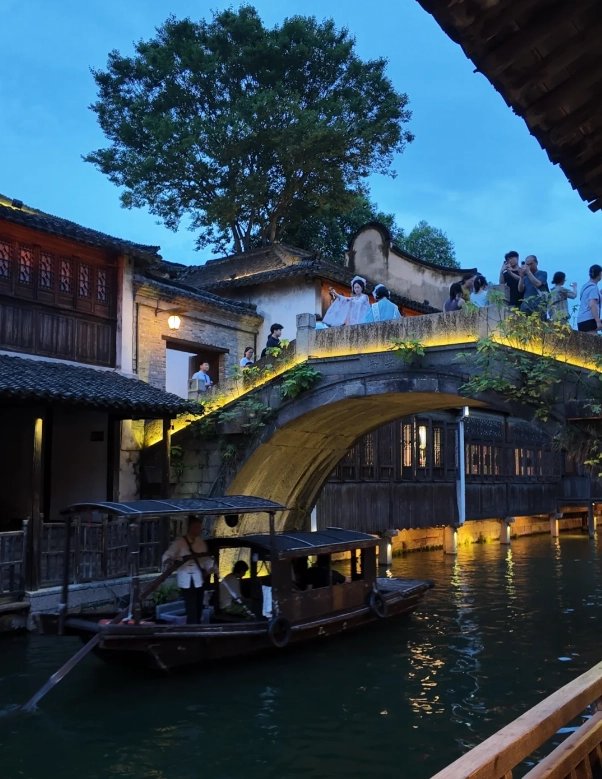
- 8:30 – 10:00 PM: Stroll the Xizha canal at night. The lights reflect on the water — magical. Best photo spot: the bridge near the post office.
Day 2: Xizha Cultural Deep-Dive + Departure
- 7:00 – 9:00 AM: Morning walk along Xizha while it's quiet. Visit the Sifang Wine Workshop (taste their rice wine, 10 RMB small cup).
- 9:00 – 11:00 AM: Tour the Mao Dun Memorial Hall (the famous Chinese writer). Spacious with English plaques.
- 11:00 AM – 12:30 PM: Take a boat ride — the official gondola is 60 RMB per person (less than 10-minute wait if you go before noon). Sit on the left side for better views.
- 12:30 – 2:00 PM: Lunch at Shu Xiang Ge (Xizha, near the entrance). Their Stuffed Tofu Soup is a local favorite. ~60 RMB.
- 2:00 – 3:30 PM: Last souvenir shopping at the craft market near the Xizha exit. Bargain hard — start at 50% of asking price. I got a silk scarf for 30 RMB after the seller asked 80.
- 4:00 PM: Head back to Tongxiang or directly to Shanghai/Hangzhou. The bus from Wuzhen to Tongxiang runs until 5 PM. Grab one early; the last direct bus to Shanghai leaves at 4:30 PM from the scenic area bus stop.
Where to Stay: Inside vs Outside (With Pros and Cons)
| Hotel / Area | Distance to Scenic Area | Price Range (per night) | Best For |
|---|---|---|---|
| Inside Xizha (e.g., Wuzhen Resort Boutique) | Within Xizha | 300-800 RMB | Staying overnight, late-night walkers |
| Inside Dongzha (e.g., Dongzha Inn) | Within Dongzha | 200-500 RMB | Budget travelers, early birds |
| Outside (near South Gate) | 5 min walk to Dongzha entrance | 150-350 RMB | Value seekers, families |
| Outside (North Gate area) | 10 min taxi to any zone | 100-200 RMB | Backpackers, train travelers |
My recommendation: Stay inside Xizha at least one night. The experience of having the canals to yourself after 10 PM is worth the premium. Book on Trip.com — they have an English interface and free cancellation 24h before. Check if the property has an elevator (many traditional buildings don't). For female travelers, I've found the staff at Wuzhen Resort Boutique to be exceptionally helpful with English.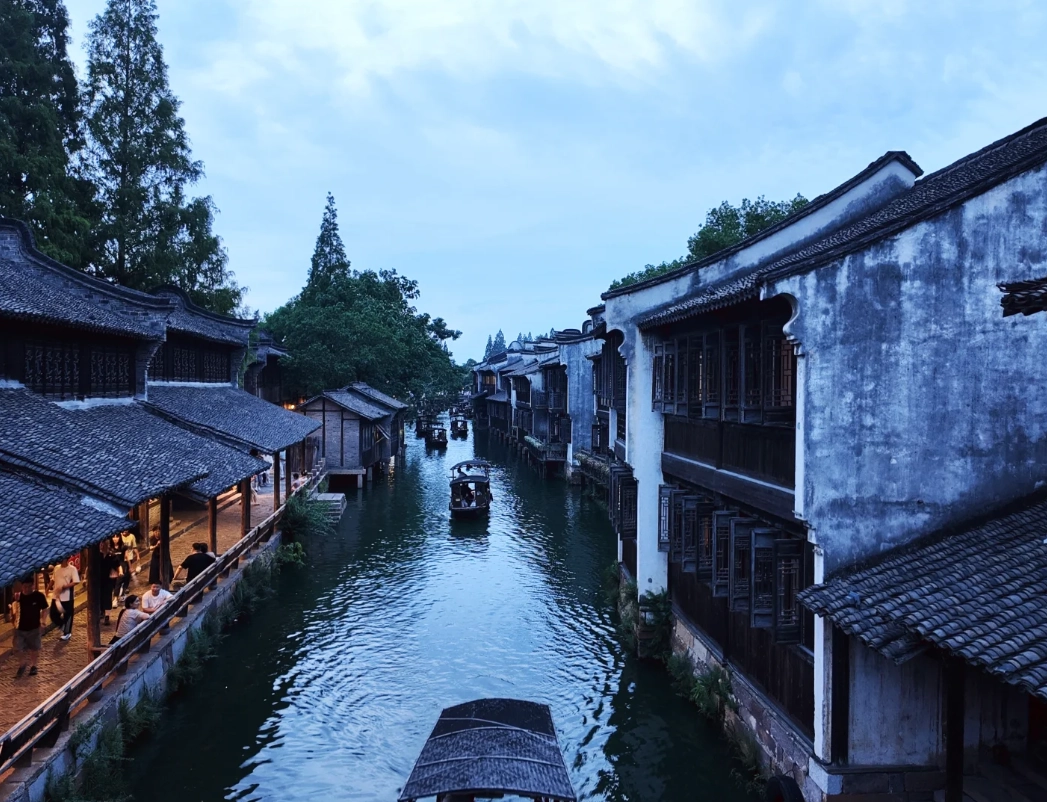
What to Eat: Local Dishes You Must Try (and One to Skip)
Wuzhen's cuisine is part of the Jiangnan tradition — delicate, lightly sweet, and heavy on freshwater fish.
- Steamed White Water Fish (清蒸白水鱼): The signature dish. Mild flavor, flaky texture, lightly seasoned with ginger and scallions. Available everywhere. Don't miss it.
- Wuzhen Potted Vegetable (乌镇酱菜): Pickled vegetables served as a side. Tangy and crunchy — great palate cleanser.
- Zongzi (粽子): Sticky rice dumplings wrapped in bamboo leaves. Filled with pork or red bean. Grab one from a street vendor for 5-8 RMB.
- What to skip: Fried stinky tofu. It's sold everywhere, but it's not a Wuzhen specialty — it's generic Chinese street food. Unless you love the smell of old socks, give it a pass.






No comments yet.