 Chen Liu
What You'll Learn (Quick Jump)
I still remember the first group I led through the Macau to Zhuhai border crossing — a family of four from Germany, exhausted after a long flight. We lined up at Gongbei, the most popular checkpoint, and… stood still for 45 minutes. The kids were melting, the parents were stressed. That day I learned: the right crossing makes or breaks your trip.
Over the years, I’ve tested all routes dozens of times. Now I’ll share exactly what works — and what doesn’t — so you don’t waste time in queues.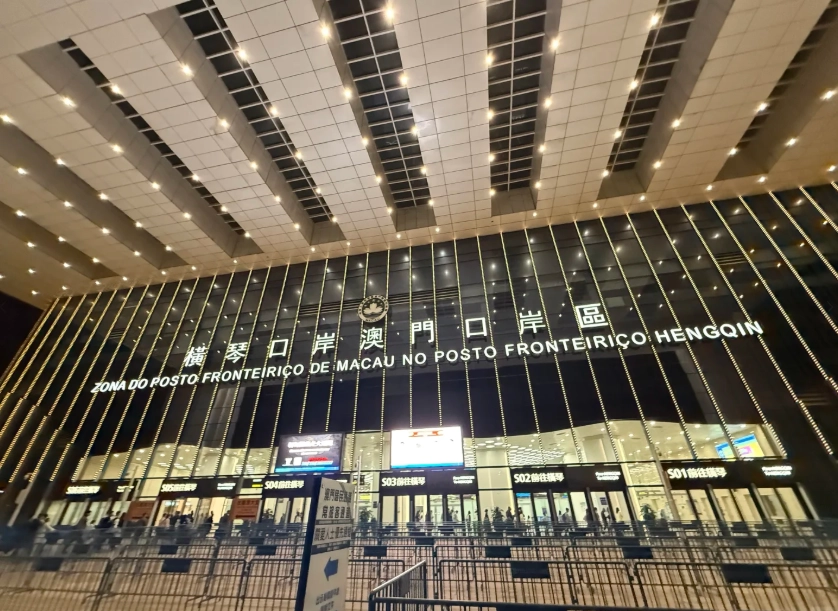
The Three Checkpoints: Which One Should You Pick?
There are three land crossings from Macau to Zhuhai. Each has a different personality. Here’s the honest breakdown.
1. Gongbei Port (拱北口岸) — The Classic but Crowded
Location: Right in the heart of Macau, a 5-minute walk from the Ruins of St. Paul’s. On the Zhuhai side, you exit into the bustling Gongbei commercial area.
- Hours: 07:00 – 01:00 (closed for 6 hours at night)
- Walking time: About 10 minutes from Macau barrier to Zhuhai exit, plus queue time (often 30-60 minutes during peak)
- Best for: Travelers staying in Macau Peninsula or who want to be in central Zhuhai immediately
Pro tip: Avoid Gongbei on weekends and Chinese holidays unless you enjoy sardine-like crowds. I once counted over 200 people in front of me at 10 AM on a Saturday — brutal.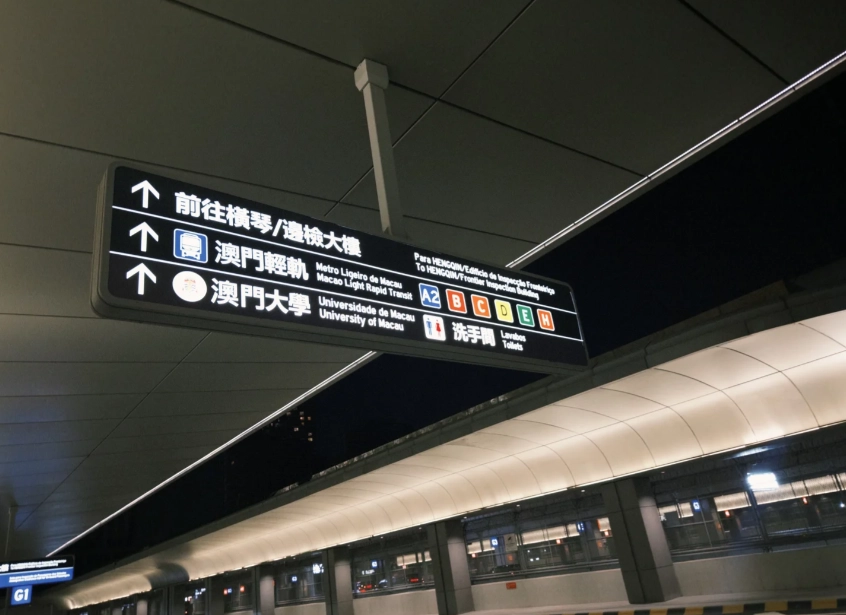
2. Hengqin Port (横琴口岸) — The Modern & Fast
Location: Near Cotai (the casino strip) and the University of Macau. On the Zhuhai side, you’re in the new Hengqin area, about 20 minutes by taxi to downtown Zhuhai.
- Hours: 24 hours
- Walking time: 5-8 minutes, and queues are almost always short (I’ve zipped through in under 15 minutes total)
- Best for: Travelers staying in Cotai/Taipa, or those crossing late at night or early morning
This is my personal go-to. The facilities are new, there are fewer people, and it’s open all night. One catch: the Zhuhai side is less developed, so you’ll need a taxi or ride-hail to get to major attractions.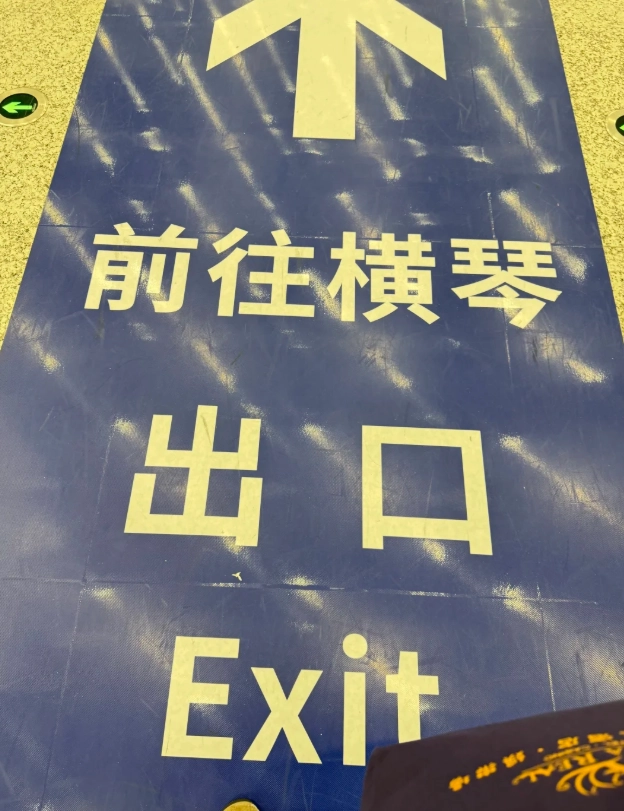
3. Qingmao Port (青茂口岸) — The Newest Pedestrian-Only Option
Location: Very close to Gongbei — actually just a 10-minute walk north. It was built to relieve pressure from Gongbei.
- Hours: 24 hours
- Walking time: Super short (less than 5 minutes), and it’s designed for smooth flow
- Best for: Travelers with minimal luggage (no checked suitcases allowed!), those wanting a quick, modern experience
⚠️ Important: Qingmao does not have baggage X-ray or customs inspection for large luggage. As a result, only pedestrians with small backpacks or handbags can pass. If you have a big suitcase, you’ll be turned away. I’ve seen it happen — the security guards are firm.
Step-by-Step Border Crossing (with Pain Points)
Let me walk you through a typical crossing. I’ll use Gongbei as an example since it’s the trickiest.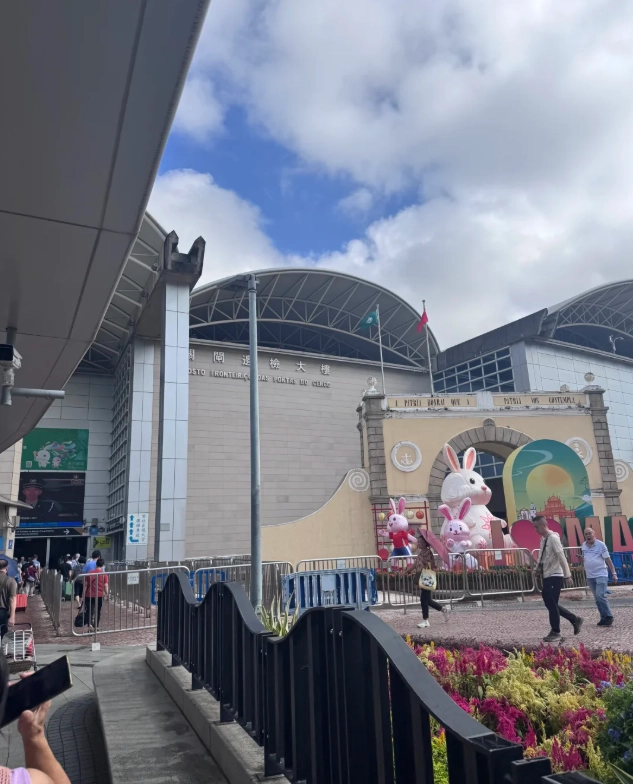
Step 1: Macau Exit
Follow signs for “Border Gate” or “出入境” — it’s a massive building. You’ll scan your passport at e-gates if eligible (many nationalities can use the automated gates). Otherwise, join the manual counter line.
Pain point: Your Macau visa must be valid. If you overstayed or had issues? You’ll be delayed. Double-check your entry stamp before heading to the border.
Step 2: The Walkway (No Man’s Land)
After Macau exit, you walk about 400 meters (for Gongbei) through a covered corridor. There are shops selling snacks and phone cards, but prices are inflated. Keep walking.
Step 3: China Mainland Entry (Zhuhai side)
Here’s where it gets real. You need to scan a health declaration QR code — even in 2025, the Chinese government requires a customs health form (can be filled online 24h before). The form is in Chinese and English. Do this in advance to save 10 minutes.
Then queue for passport control. Foreign passports go to manual counters. Have your visa (if required) and a printed hotel booking ready — they sometimes ask.
Pain point: The fingerprint scanners are finicky. I’ve watched people struggle for minutes. Wet or dry fingers cause errors. A quick touch of lotion helps, but you can’t carry liquids… ask the officer for a wipe.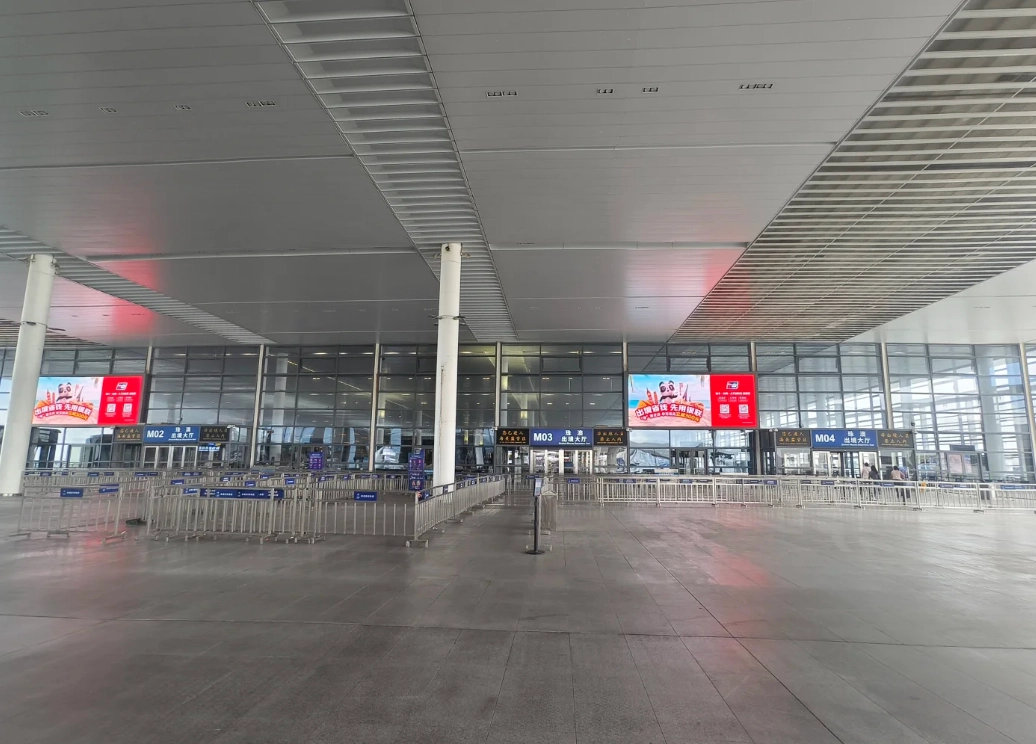
Step 4: Luggage Inspection
After clearing immigration, you enter customs. They’ll X-ray your bags if you go through the scanner. Random checks happen. Just be honest — no one wants trouble over a few snacks.
Pro tip: At Qingmao, there’s no X-ray because the small size. But if you have a backpack, they may still hand-check it.
After You Cross: Getting Around Zhuhai
Once you’re in Zhuhai, you need transport. Here’s what works.
Taxi & Ride-Hailing
Metered taxis are available at all crossings — just follow the signs. To major spots like the city center (Jida) or Zhuhai Railway Station: 15-30 RMB. Pay with cash (RMB) or WeChat Pay — not international credit cards.
Didi (Chinese Uber) is cheaper and easier for foreigners if you have Alipay or WeChat Pay. But don’t use Google Maps to navigate: download Apple Maps or Amap Global (works in English) for accurate directions.
Bus & Light Rail
Gongbei has a bus terminal right outside. You can take bus routes to various parts of the city. Payment is via Alipay (transport card) or cash (coins, no change given). The light rail (Line 1) is under construction but some sections operate near Hengqin.
English assistance? Signs at major stops have pinyin, but station staff rarely speak English. Have your destination written in Chinese on your phone — show it to the driver or a local.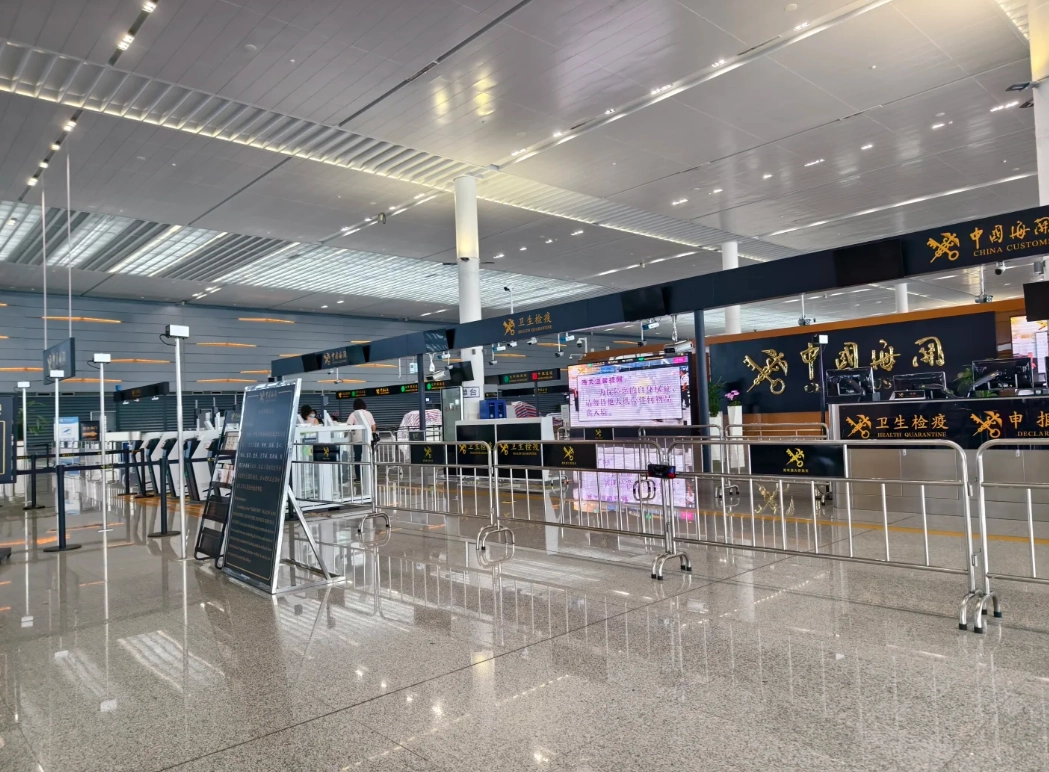







Honestly, I was pretty disappointed. I went through the Gongbei crossing on a Saturday afternoon – big mistake. The queue snaked outside with no shade, and it took nearly 45 minutes under the blazing sun. The staff seemed grumpy and rushed, and the whole area felt overcrowded. I know it's the most popular route, but for tourists wanting comfort, I'd say look elsewhere. Not worth the hype.
Overall a solid 4 stars. The border crossing itself was impressively fast – about 12 minutes from Macau side to Zhuhai side using the Gongbei walkway. However, once I got out, the signs for the bus stops were confusing. I ended up walking an extra 10 minutes in the heat to find the right platform. If the signage was clearer, it'd be perfect. Still, a reliable route for day-trippers.
We chose Qingmao Border Gate because we were traveling with a toddler and two big suitcases. What a lifesaver! The new terminal has a dedicated family lane, the floors are clean, and the air conditioning was a blessing in the humid weather. My son didn't even fuss. The only tiny hiccup was finding the elevator for the bridge, but a guard pointed us right away. Perfect experience for families.
For a cheap and fast option, just walk across at Gongbei. Yeah, it looks chaotic with all the crowds, but the lines move quickly – I timed it and it was only 20 minutes even during late morning. The real trick is to skip the taxi and take the free shuttle to the Zhuhai bus station. Saved me 50 RMB and got me to the city center in no time. Five stars for convenience and price!
Absolutely the best route if you go through Hengqin! I followed a tip from a local friend and took the bus from Lotus Bridge – the terminal was spotless, air-conditioned, and there were almost no queues on a Tuesday morning. The border officers were super efficient and even smiled. I was through in under 15 minutes. Highly recommend this over the packed Gongbei crossing!