 Chen Liu
What You'll Learn Here
I’ve guided dozens of groups across the Hong Kong-Zhuhai-Macao Bridge (HZMB). And the single biggest mistake? Showing up at noon in July. You get drenched in sweat, stuck in a queue of tour buses, and your photos are nothing but hazy silhouettes.
So let’s cut through the noise. The best time to visit the Hong Kong-Zhuhai-Macao Bridge is during spring (March to early May) and autumn (October to early December), between 3:30 PM and 5:30 PM. Why? You dodge the peak crowds, catch golden-hour light, and the sea breeze keeps you comfortable.
Now, let me walk you through the full breakdown—season by season, hour by hour—so you can plan like a local.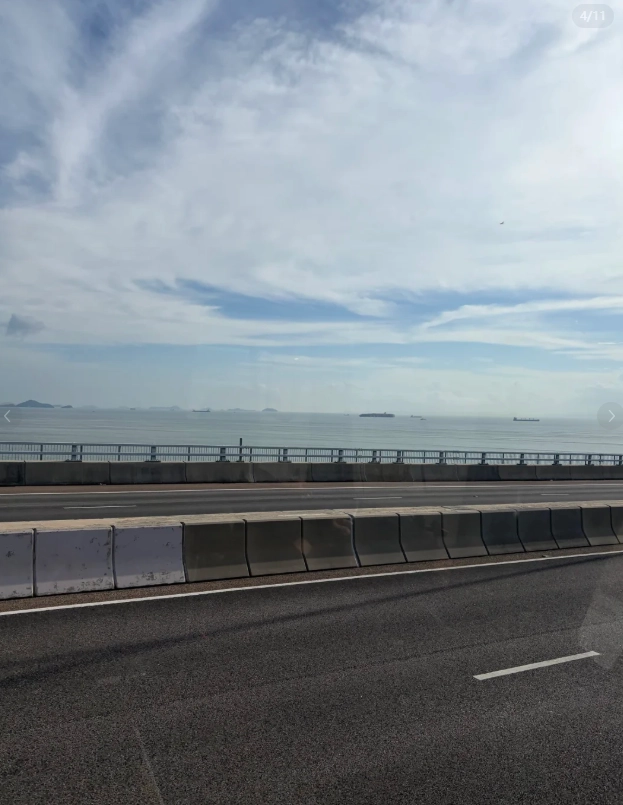
Why Timing Matters for Your HZMB Trip
The HZMB is more than just a bridge; it's a 55-kilometer engineering marvel that connects Hong Kong, Macau, and Zhuhai. But the experience varies wildly depending on when you go.
Weather & Visibility
Summer (June to September) brings humidity, sudden typhoons, and thick haze. Visibility can drop to 100 meters—you'll barely see the bridge pillars. Winter (December to February) can be chilly and windy, especially on the viewing platforms. Spring and autumn offer mild temperatures, low humidity, and crystal-clear skies—perfect for that iconic shot.
Crowd Levels
Chinese national holidays (Golden Week in early October, Labour Day in early May, and Chinese New Year) turn the bridge into a sea of people. Wait times for shuttle buses can exceed 90 minutes. Even weekends are busier than weekdays.
Ticket Prices
Ticket prices are fixed year-round (about HKD 65 for a one-way shuttle). But during peak seasons, you might need to book days in advance on Trip.com or Klook. Off-peak, you can often buy tickets on the spot—but I still recommend pre-booking.
Best Season to Visit the HZMB
Spring (March to early May) and autumn (October to early December) are the undisputed champions.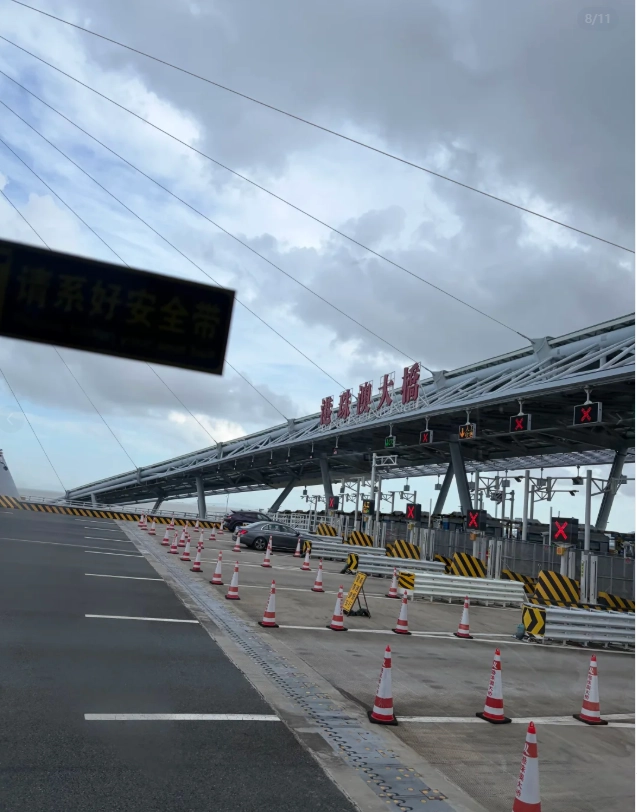 Here's a comparison table so you can decide at a glance.
| Season | Temperature | Humidity | Crowd Level | Visibility | Recommendation |
|---|---|---|---|---|---|
| Spring (Mar–May) | 18–25°C | Moderate | Low–Moderate | Excellent | Best overall |
| Summer (Jun–Sep) | 28–35°C | High | Moderate–High | Poor (haze) | Avoid if possible |
| Autumn (Oct–Dec) | 15–26°C | Low | Moderate (holidays excluded) | Excellent | Best overall |
| Winter (Jan–Feb) | 10–18°C | Low | Low | Good (but windy) | Good for budget travelers |
Spring Details
March to May is glorious. The famous Hong Kong spring haze is minimal, and temperatures are perfect for walking on the bridge's observation deck. I always tell my groups to bring a light jacket—the sea wind can pick up. Chinese Qingming Festival (early April) sees a short spike in domestic tourists, so avoid that exact week.
Autumn Details
October to early December offers the clearest skies of the year. Mid-autumn is excellent, but beware of National Day Golden Week (Oct 1–7). After that, it's smooth sailing. The sunset tour (around 5 PM) from the Hong Kong boundary crossing facilities is spectacular. Pro Tip: November afternoons are often calm and crisp—my personal favourite.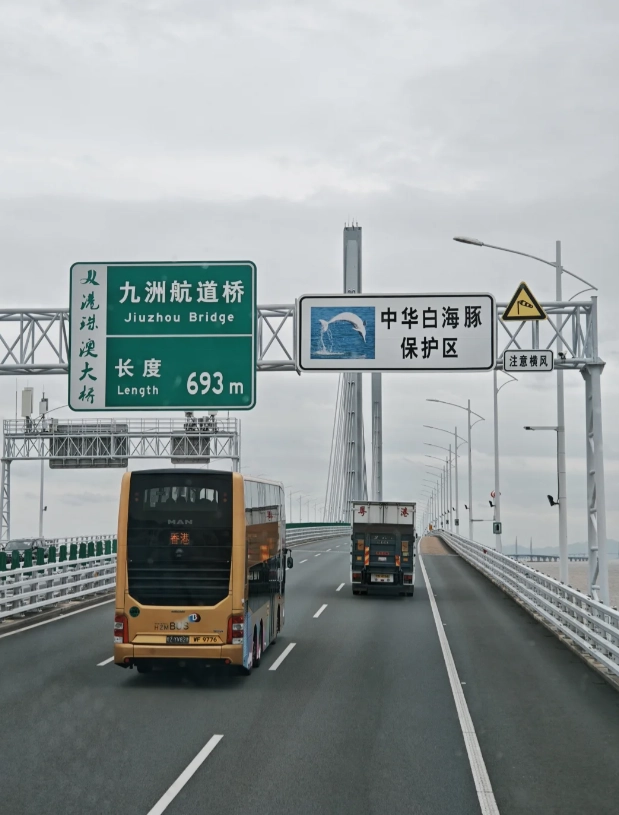
Summer—What to Expect
I won't sugarcoat it: summer is tough. Typhoon season means the bridge may close on short notice. Check the Hong Kong Observatory website before heading out. If you must go in summer, go early—7 AM arrivals are best to avoid the heat and the tour group rush.
Winter Considerations
Winter is dry and cool. The bridge is open, and crowds are thin. But the wind chill on the upper deck can bite. Bring a windproof jacket and a hat. January is the coldest; December and February are milder. If you want solitude, winter weekdays are hard to beat.
Best Time of Day to Cross
For a memorable and comfortable experience, aim for late afternoon—between 3:30 PM and 5:30 PM.
Here’s why:
- Light: The sun is behind you (if heading toward Zhuhai/Macau from Hong Kong), illuminating the bridge and sea with a warm golden glow. Morning light works too, but you'll face the sun.
- Temperature: Summer afternoons are hot, but by 4 PM the sea breeze picks up. In winter, the afternoon is the warmest part of the day.
- Crowds: Most tour buses arrive between 9 AM and 12 PM, and again between 1 PM and 3 PM. By 4 PM, the main rush is gone.
- Sunset bonus: If you're on the bridge around 5:30 PM (depending on the season), you'll catch a stunning sunset over the Pearl River Delta.
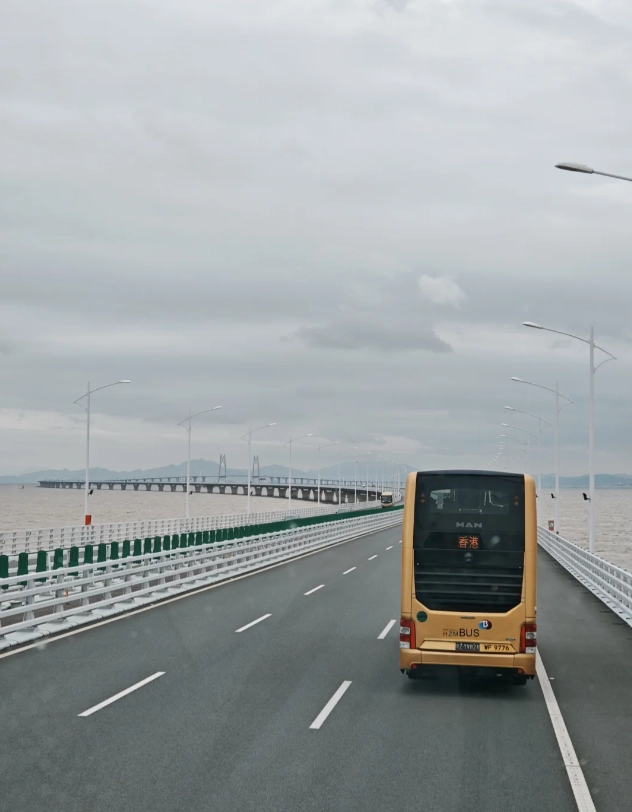
Morning vs. Afternoon
If you're a morning person, go early—around 8 AM. You'll beat the tour buses and have the observation deck almost to yourself. But the light won't be as dramatic. For photographers, late afternoon wins hands down.
The Worst Times
- Noon to 2 PM: Harsh overhead sun, long queues at the boarding gates, and maximum heat in summer.
- Weekend afternoons (especially Sunday): Day-trippers from Zhuhai and Macau swell the crowds. Tuesday through Thursday are the quietest weekdays.
- Public holidays: Avoid Golden Week (Oct 1-7), Labour Day (May 1-3), and Chinese New Year (late Jan/Feb).
How to Avoid Crowds on the HZMB
Smart timing is your best weapon. But beyond the clock, here are concrete strategies.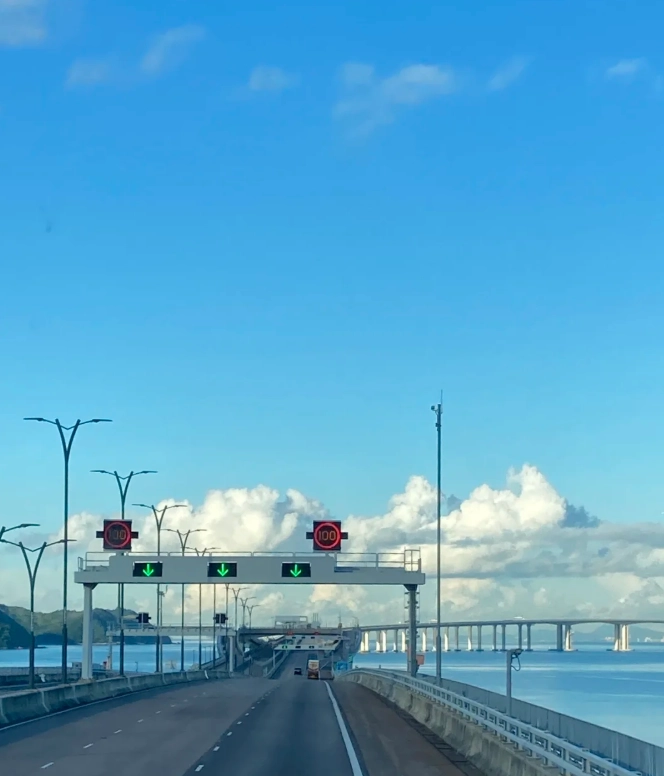
Book Your Shuttle Ticket in Advance
Use Trip.com or Klook to buy your shuttle ticket online. These platforms accept international credit cards and let you choose a time slot. You'll skip the ticket counter queue. On the day, just show the QR code on your phone.
Enter at a Less Busy Port
The Hong Kong Port (near the airport) is the most popular. But you can also board at the Macau Port or Zhuhai Port. If you're already in Macau, crossing from there is often faster because fewer tourists start from Macau.
Use the Observation Deck Early
The HZMB has an observation deck on the artificial island near the Hong Kong boundary. It opens at 8 AM. Arrive just after opening and you'll have the place nearly to yourself. By 10 AM, tour groups swarm in.
Consider a Private Van
If you're in a group of 3–4, a cross-border van (booked via Ctrip or directly through your hotel) can be faster. You'll have a dedicated immigration lane and skip the shuttle lines. It's more expensive (around HKD 800–1,200 per vehicle), but worth it for the time saved.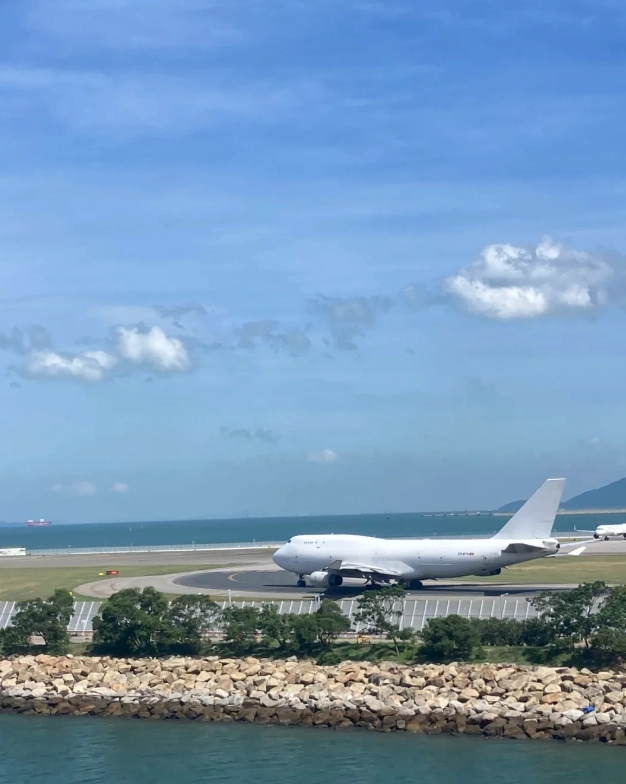
Practical Tips for a Smooth Visit
Payment: No Cash? No Problem (Mostly)
Shuttle bus tickets can be bought with Alipay, WeChat Pay, or international credit cards (Visa/Mastercard) at the counter. Observation deck entrance (free, but you need a shuttle ticket) doesn't involve extra payment. Snacks and drinks in the vending machines accept Alipay/WeChat, but sometimes reject international cards. I always carry HKD 100 in cash for emergencies.
Navigation: Forget Google Maps
Google Maps is unreliable in China. Use Apple Maps (works fairly well for directions) or download AMap Global (English interface). For the bridge itself, there's only one route—you won't get lost. But to find the Hong Kong Port bus terminal (T2), Apple Maps is your friend. Address: 1 Hong Kong Boundary Crossing Facilities, Lantau Island.
Booking & Immigration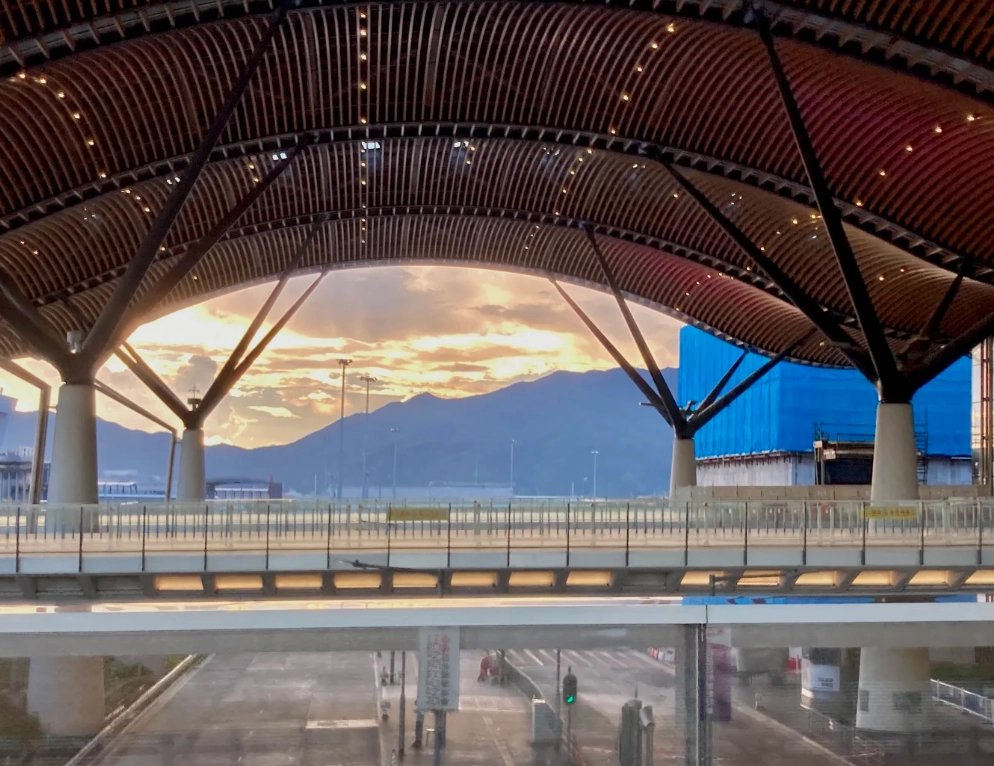
Everyone, regardless of nationality, must carry a passport (or valid travel document). Chinese citizens use their ID card. You'll go through immigration both at the port and after the bridge. It's generally fast—10–15 minutes per side in off-peak hours. No visa is required to transit between Hong Kong, Macau, and Zhuhai for most nationalities if you meet the entry requirements of each region.
Language & VPN
Inside the Hong Kong Port, signs are in English and Chinese. But on the shuttle bus and at the Zhuhai/Macau side, Chinese dominates. Download Baidu Translate or use Apple's built-in Translate. Also, install a VPN before you arrive—Google, Facebook, and WhatsApp are blocked in mainland China (including the bridge itself, which is in mainland waters). The port in Hong Kong is fine, but once you cross the boundary, your internet will be restricted.
Facilities & Accessibility
The shuttle buses are wheelchair accessible. The Hong Kong Port has ramps and elevators. Toilets are available at both ports and on the artificial island. But on the bridge itself, there are no restrooms—so use the facilities before boarding. Pro Tip: The toilets at the Hong Kong Port bus terminal can get crowded; use the ones near the departure hall entrance instead.
What to Bring
- Sun protection: hat, sunglasses, sunscreen (even in winter).
- Light layers: the bridge is often windier and a few degrees cooler than the city.
- Water: bring your own bottle; there are water dispensers at the port but not on the bus.
- Phone charger: the ports have USB outlets, but you'll be taking lots of photos.
Frequently Asked Questions
Verified and fact-checked by the editorial team. This content has been fact-checked to ensure informational precision.





If you want to save money AND enjoy quiet views, this is the way. I went on a Friday at 8:30am and the bridge was almost deserted. The best part? I snagged a discounted combo ticket online that included the bridge bus plus entry to the Macau tower for just HK$199. Unbeatable value. The sea looked incredibly blue that morning—definitely a memory I’ll cherish. Five stars all the way!
Solid experience overall, but not without trade-offs. I went on a Thursday morning and saved about 30% compared to weekend fares. The bridge is stunning and the crowds were manageable. However, the bus had a weird smell (maybe from cleaning products), and the audio guide on the shuttle wasn’t working. For the price it’s a good deal, but don’t expect a perfect trip.
Followed the ‘off-peak’ strategy and went on a Wednesday in late autumn. The weather was perfect—clear skies, cool breeze. Hardly any tourists, and I even got a seat on the bus with a window view the whole way. The cost was surprisingly low: just HK$130 round trip for two. Only downside was that some food stalls at the Hong Kong port were closed, but that’s minor. Would totally do it again.
Visited on a Saturday afternoon because that was the only time we could make it. Huge mistake. The shuttle bus queue took 45 minutes, and the viewing platform was packed shoulder-to-shoulder. The bridge itself is impressive, but the crowd really killed the vibe. Next time I’ll follow the advice and go on a weekday morning. Not worth the hype if you go at peak times.
Went on a Tuesday morning at 7am based on the tips in this article. Absolutely worth it! The bridge was nearly empty, and we got some amazing photos without any photobombers. The return bus ticket was only HK$65—way cheaper than a private car. Felt like we had the whole scenic route to ourselves. Highly recommend going before 9am!