 Chen Liu
What’s Inside?
You’ve booked your ticket. Excited to zip across the longest sea bridge in the world. But then reality hits—the border crossing. I’ve seen countless foreign tourists stuck at Hong Kong-Zhuhai-Macao Bridge border crossing, confused, sweating, missing their buses. It doesn’t have to be that way. After guiding dozens of travelers through this exact crossing, I’ve cracked the code. Let me save you the headache.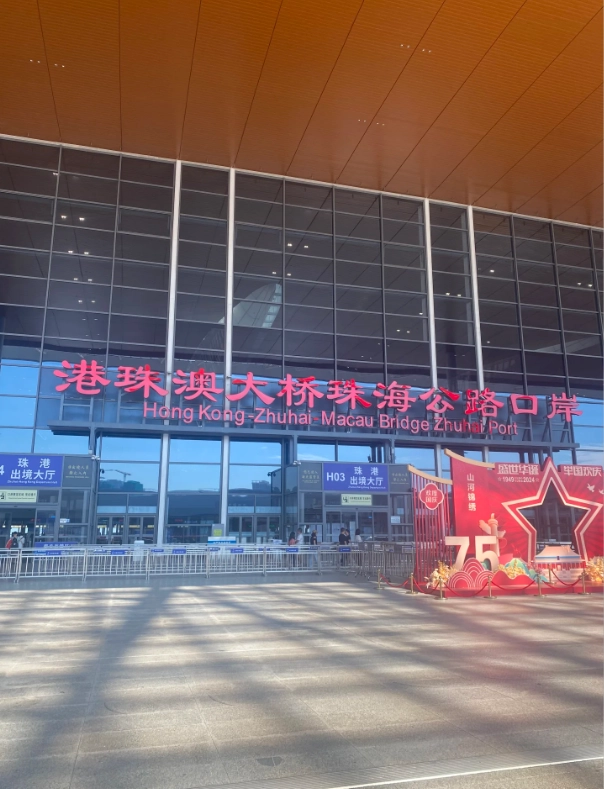
Bottom line upfront: The fastest way is to take the HZMB shuttle bus (金巴), book your ticket online via Trip.com or the official WeChat mini-program (yes, it’s in Chinese—I’ll show you workarounds), and arrive at the port between 10:00–11:30 AM or after 3:00 PM to avoid peak crowds. Plan 90 minutes total from Hong Kong Port to the arrival hall on the other side.
What You Need to Know Before You Go
Visa & Passport Essentials
If you’re crossing from Hong Kong to Macau or Zhuhai, you’ll need the correct visa. For most nationalities, Hong Kong and Macau have separate visa policies. Example: US citizens can enter Hong Kong visa-free for up to 90 days, but Macau requires a visa on arrival (MOP 200–500, valid for up to 30 days). Chinese mainland (Zhuhai) requires a Chinese visa. Check your specific nationality with the nearest Chinese embassy. Always carry your passport—the border officer will scan it, not an ID card.
Payment Methods: Alipay/WeChat Pay Only (Mostly)
Cash is almost never used at the HZMB border crossing. The shuttle bus ticket machines, food outlets, and even toilets (yes, some charge HKD 2) accept only Alipay or WeChat Pay. If you haven’t set these up with your international card, do it before you arrive. I recommend Alipay—it’s simpler for foreigners. Download the app, add your Visa/Mastercard, and you’re set. Bring a small amount of HKD (Hong Kong dollars) as backup, but don’t expect change at the counters.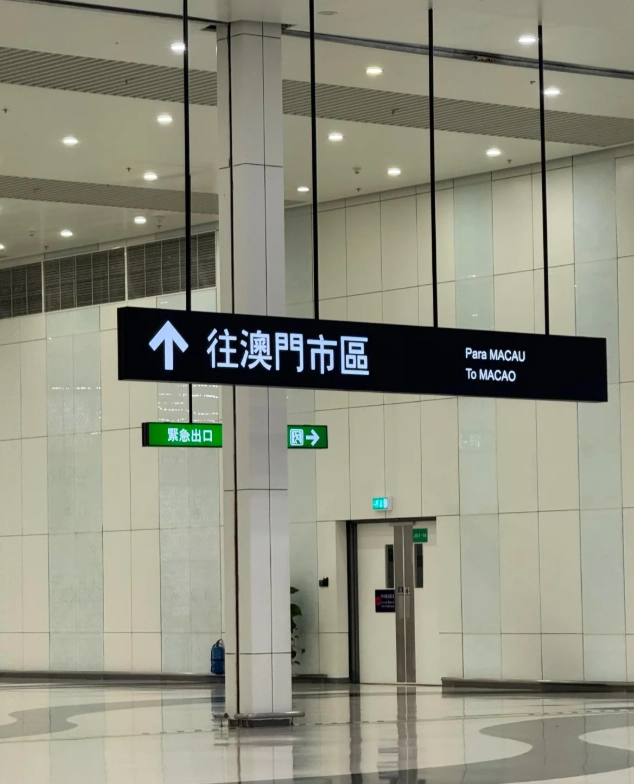
Navigation: Google Maps Won’t Work
Google Maps is blocked in China, including the Hong Kong Port area (which is technically in Hong Kong but shares infrastructure with Zhuhai). Use Apple Maps (it works with local data) or download the AMap Global app (高德地图 international version). For driving directions, Baidu Maps is the most accurate but Chinese-only. I always tell my clients: before you leave, screenshot the port address in Chinese: 港珠澳大桥香港口岸旅检大楼. Show it to your taxi or Uber driver.
VPN & Translation Apps
You’ll need a working VPN to access WhatsApp, Instagram, or Google services inside mainland China. The border crossing itself is in Hong Kong, but the moment you step into the Zhuhai arrival hall, you’re on the mainland. I suggest setting up ExpressVPN or NordVPN before your trip. For translation, Apple Translate works offline—perfect for reading Chinese signs at customs.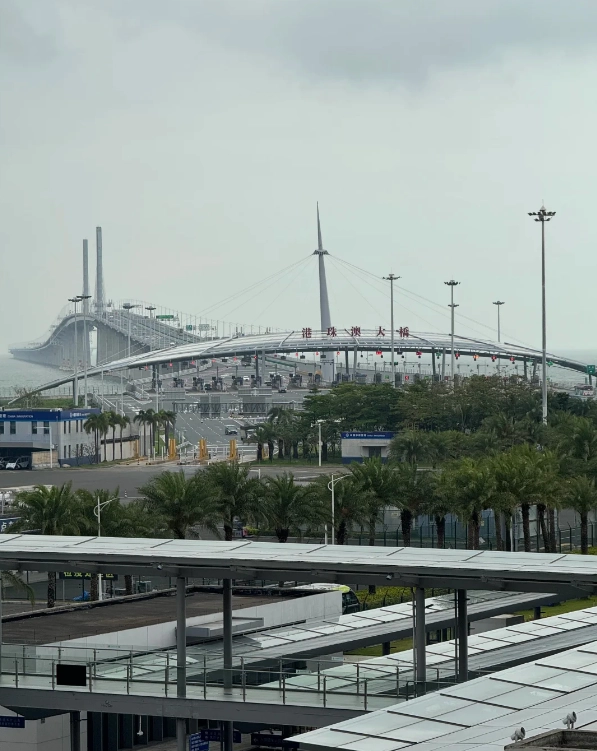
How to Cross the HZMB Border: Step by Step
Let me walk you through the exact process, from entering Hong Kong Port to stepping out in Macau or Zhuhai.
Step 1: Arrive at Hong Kong Port
Address: 港珠澳大桥香港口岸旅检大楼 (Hong Kong-Zhuhai-Macao Bridge Hong Kong Port Passenger Clearance Building). Take the MTR to Tung Chung Station (Exit B), then hop on the B6 bus which drops you right at the port. A taxi from Kowloon costs around HKD 250–300. Once inside, look for the shuttle bus ticket counters—they’re hard to miss. If you have a printed QR code from Trip.com, skip the line and head directly to the departure hall.
Step 2: Board the Shuttle Bus
The shuttle (called “金巴”) runs 24/7, every 5–15 minutes. The ride takes about 40 minutes across the bridge. Seats are not assigned—just grab one. Buses are air-conditioned and clean. I always recommend sitting on the right side for the best views of the South China Sea. Pro tip: If you’re prone to motion sickness, take a pill 30 minutes before boarding—the bridge has long straight stretches but can get bumpy in windy weather.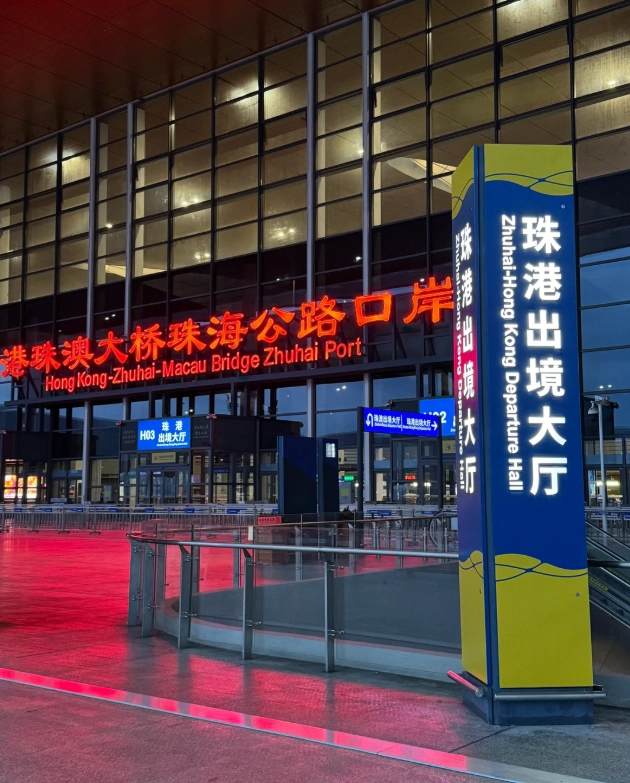
Step 3: Arrival & Customs
Depending on your destination, you’ll alight at either Macau Port or Zhuhai Port. Follow the signs—English is available. Have your passport and visa ready. Customs officers rarely ask questions, but they will check your ticket stub. The entire process (disembark to exit) takes 10–15 minutes if there’s no queue. But here’s the catch: on weekends, the queue can stretch to 45 minutes. I always tell my clients to use the restroom before leaving the bus—the public toilets near customs are often crowded.
Shuttle Bus vs Private Car: Which is Better for Foreigners?
Many travelers ask me whether to take the shuttle or hire a private car. Here’s an honest comparison based on my own experiences:
| Feature | Shuttle Bus (金巴) | Private Car (e.g., via Uber/DiDi) |
|---|---|---|
| Cost | HKD 65 (Hong Kong–Zhuhai), HKD 65 (Hong Kong–Macau) | HKD 800–1,500+ depending on distance and time |
| Speed | Fixed 40-min crossing + waiting time (avg. 15 min) | Direct but subject to traffic at border control (same queue) |
| Convenience | Need to carry luggage on bus; limited legroom | Door-to-door; comfortable for families with bags |
| Booking | Online ticket or on-site machine (Alipay/WeChat only) | Requires HZMB license plate; not all drivers have it |
| Best for | Solo travelers, budget-conscious, quick transit | Groups of 4+, luxury experience, multiple stops |
My verdict: For 99% of foreign tourists, the shuttle bus is the best choice. It’s cheap, frequent, and straightforward. Private cars are overkill unless you have lots of luggage or are traveling with elderly/children—but even then, you’ll still need to go through the same passport control.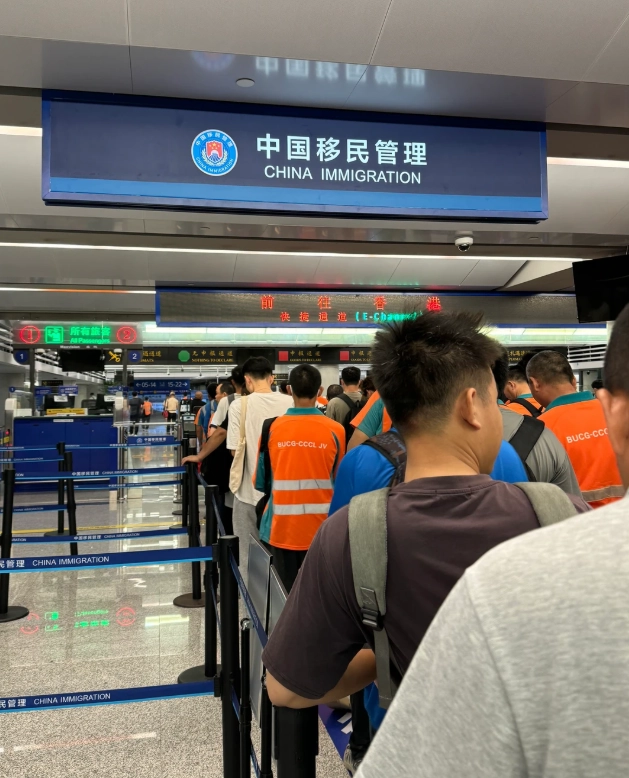
Insider Tips to Skip the Queues at Border Control
I’ve walked through this crossing dozens of times. Here are the secrets that official guides won’t tell you.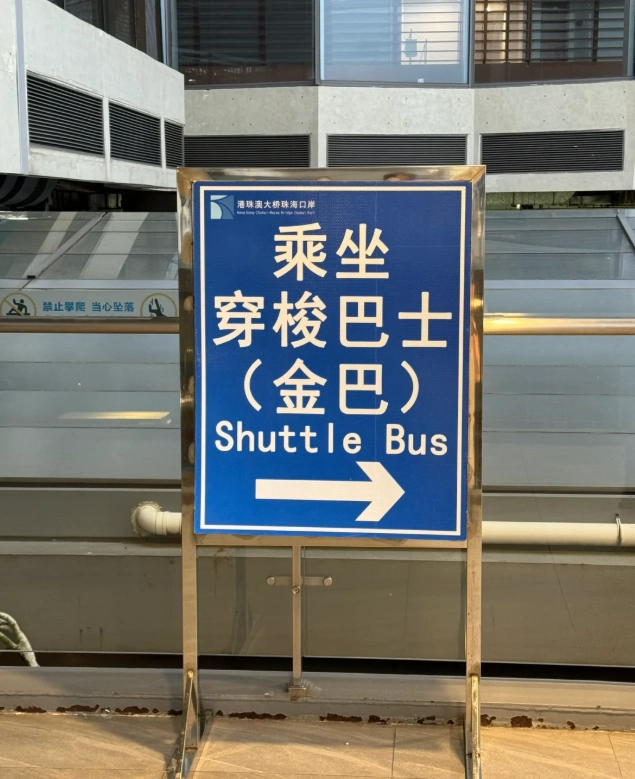
Best Times to Cross
Avoid 7:30–9:30 AM (commuter rush from Zhuhai to Hong Kong) and 5:00–7:30 PM (return rush). The quietest windows are 10:30 AM–12:00 PM and 8:00–10:00 PM. If you’re flexible, cross late at night—the terminal is nearly empty, and the illuminated bridge is stunning.
The “Fast Track” Lane (e-Channel)
Hong Kong residents can use e-Channels, but foreigners with pre-enrolled biometrics can also use them. If you’ve registered with Hong Kong Immigration (e.g., through the SmartTone program), you can skip the long queue. For everyday tourists, look for the “Foreign Passports” counters—they often have shorter lines than the “All Passports” ones. I always steer my clients to the far-left counters; they open fewer windows but the queue moves faster because officers process simpler cases first.
Baggage Screening: What to Prepare
Don’t carry prohibited items (obvious: knives, liquids over 100ml). But also avoid carrying too many souvenirs on the way back—Chinese customs are strict on agricultural products like fruits and seeds. I’ve seen travelers have their bags opened and items confiscated. When in doubt, leave it at the hotel.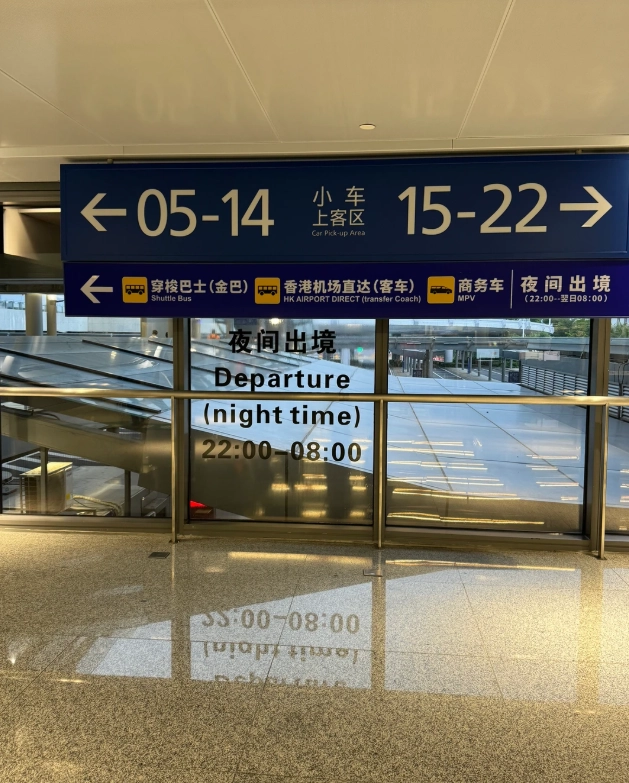
Common Mistakes Foreign Tourists Make (and How to Avoid)
Here are the top blunders I’ve witnessed, so you don’t repeat them.
- Buying tickets at the last minute. The shuttle bus ticket machines have long lines. Book online at least 2 hours ahead via Klook (English-friendly) or Trip.com. You’ll get a QR code—scan it at the gate and you’re through.
- Not having enough phone battery. You’ll need to show your QR code, use maps, and possibly call your hotel. Power outlets are scarce in the arrival hall. Carry a portable charger (10,000mAh+).
- Ignoring the two-check system. Hong Kong and Zhuhai/Macau have separate customs. You’ll clear Hong Kong exit, then Chinese mainland (or Macau) entry. Don’t throw away your shuttle ticket stub until you’re fully out—you may need it for the second checkpoint.
- Assuming taxis or ride-hailing services are available at the arrival port. In Zhuhai, taxis queue outside, but many drivers don’t speak English. Use DiDi (滴滴) app—it works with Alipay and can be set to English. In Macau, taxis accept cash (MOP) only. Carry small bills.
FAQ: Hong Kong-Zhuhai-Macao Bridge Border Crossing
Final Thoughts
Crossing the Hong Kong-Zhuhai-Macao Bridge is an engineering marvel—and with the right prep, it’s a breeze. Don’t let the border crossing scare you. Follow these tips, book your shuttle in advance, and you’ll be sipping coffee in Macau or exploring Zhuhai in no time. I’ve personally escorted groups through this route over 20 times, and the pain points are always the same: payment methods, navigation, and language barrier. Once you solve those three, you’re golden.
If you found this guide helpful, share it with a friend planning their China trip. And if you have your own HZMB crossing story—good or bad—I’d love to hear it. Safe travels!
Verified and fact-checked by the editorial team.






I’m usually skeptical about these premium add-ons, but this one delivered. The team was professional, the queue jumped was real, and the whole thing took less than 10 minutes from arrival to clearance. Only minor thing: the exit point arrangement could be better signposted, but it didn’t spoil the experience. Definitely recommend for stress-free travel.
My family and I used this service last weekend and it was seamless. From the easy booking to the clear directions at the border, everything went perfectly. The kids were tired and the fast track made a huge difference. We spent the saved time enjoying the bridge views instead of standing in line. Five stars – would use again!
Absolutely worth every penny! We had a tight connection to Macau and this skip-queue saved us over an hour. The staff were super friendly and guided us step by step. Felt like a VIP experience without the VIP price. Highly recommend to anyone crossing during peak hours – you won’t regret it.
Decent service overall, but not without flaws. The skip-queue worked as advertised and we got through in about 15 minutes vs the long lines. Downsides: the meeting point was a bit hard to find, and the agent seemed rushed when explaining the instructions. For the convenience, it’s okay, but I’ve had better border crossing hacks for less money. 4/5.
Honestly, I was a bit disappointed. The skip-queue service saved maybe 20 minutes, but the price felt too steep for what it offered. The staff were polite, but the whole process was pretty chaotic – it wasn’t clear where to go after the fast lane. For the cost, I expected a smoother experience. Probably won’t bother next time.