 Chen Liu
Quick Look — What You'll Find Inside
- 1. Whale Shark Aquarium – The Iconic Shot
- 2. Penguin Gallery – Candid Polar Moments
- 3. The Roller Coasters – Action and Speed
- 4. Nighttime Fireworks and Light Show
- 5. Best Time to Shoot: Golden Hour & Blue Hour
- 6. Camera Gear and Settings Tips
- 7. Insider Tips on Navigation, Payment, and Crowd Avoidance
- 8. Frequently Asked Questions
I’ve led dozens of groups through Chimelong Ocean Kingdom, and every time someone asks: “Where should I stand to get that killer photo?” The park is huge, the crowds can be brutal, and lighting changes fast. Most online guides just list names — but I’ll tell you exactly where to position yourself, what time to be there, and how to dodge the inevitable crowds. No fluff, just hard-won experience.
Let me save you from the rookie mistakes I’ve seen a hundred times. Here are the top 10 photography spots — plus the insider tricks that make all the difference.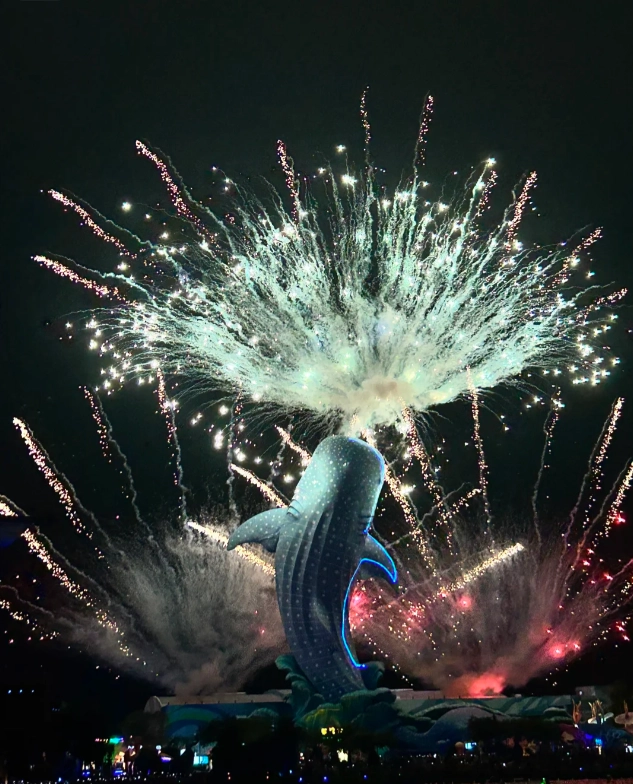
1. Whale Shark Aquarium – The Iconic Shot
This is the poster child of Chimelong. The massive viewing window — 8.3 meters tall, 39.6 meters wide — gives you a front-row seat to whale sharks, manta rays, and schools of shimmering fish. Everyone wants this shot, but most end up with crowds in the background or harsh overhead light.
The Sweet Spot
Position yourself about 10 meters back from the glass, slightly to the left side. That angle captures the full curve of the window and minimizes reflections. Aim for a focal length of 24-35mm on a full-frame camera, or 16-24mm on APS-C. Use a polarizing filter if you have one — it cuts glass glare dramatically.
Timing Is Everything
Get there 15 minutes before the park opens (usually 10:00 AM) and head straight to the aquarium. The first 30 minutes are relatively quiet. After 11:00 AM, it’s a zoo. Avoid flash — it annoys the animals and creates nasty reflections. I always tell my clients to set ISO to 800-1600 (the tank is dimly lit) and shoot at f/2.8 or f/4 to blur out the people behind them.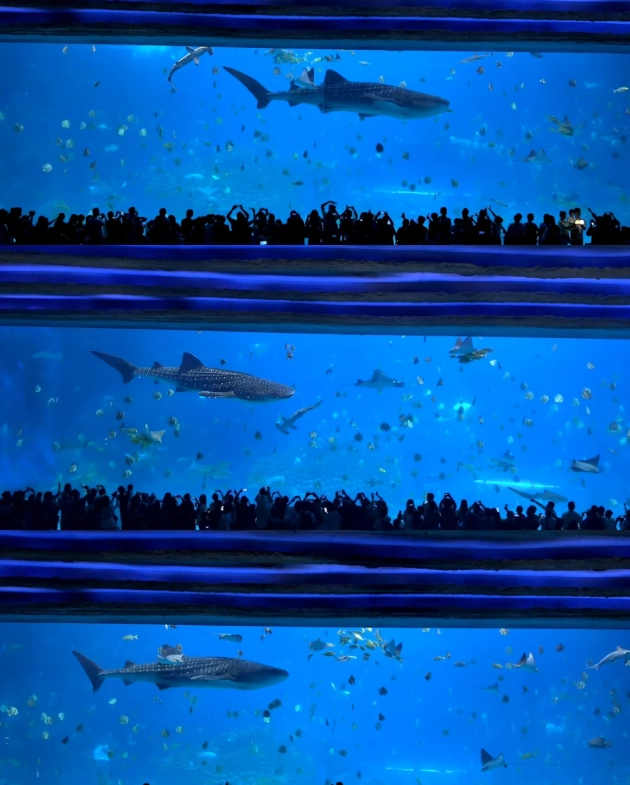
Pro Tip: The best shot is actually from the underwater tunnel at the exit of the aquarium. You get whale sharks swimming overhead — kneel down to keep the tunnel frame out of view and use a 14mm lens for a dramatic upward angle.
2. Penguin Gallery – Candid Polar Moments
The Penguin Gallery is a cold paradise — literally. The temperature is kept around 5–10°C, so bring a light jacket. The exhibit has both emperor and Adelie penguins. The lighting is low, and the glass is thick, which can frustrate photographers.
Where to Stand
Go to the small dome-shaped window in the middle of the walkway. Most tourists crowd the big rectangular panels, but that dome gives a nearly reflection-free view. Crouch down and shoot at eye level with the penguins. A fast prime lens (50mm f/1.8 or 85mm f/1.4) works wonders here — let the penguins fill the frame.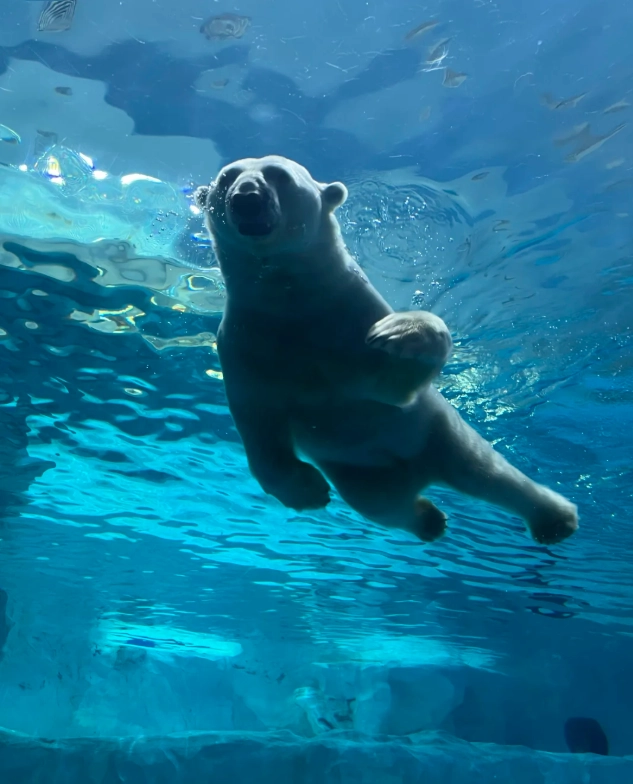
Settings That Save the Day
- ISO 1600–3200 (noise is better than blur)
- Aperture f/2.8 or wider
- Shutter speed at least 1/125 to freeze their jerky movements
- Set white balance to “fluorescent” to remove the blue-ish tint from the exhibit lighting
And please, no flash. The penguins hate it, and the keepers will politely ask you to stop.
3. The Roller Coasters – Action and Speed
Chimelong has two world-class coasters: Parrot Coaster (smooth, upside-down loops) and Jiaolong Coaster (a launched coaster that hits 100 km/h in seconds). Capturing the motion is tricky — most people just get a blurry mess or a train that’s already gone.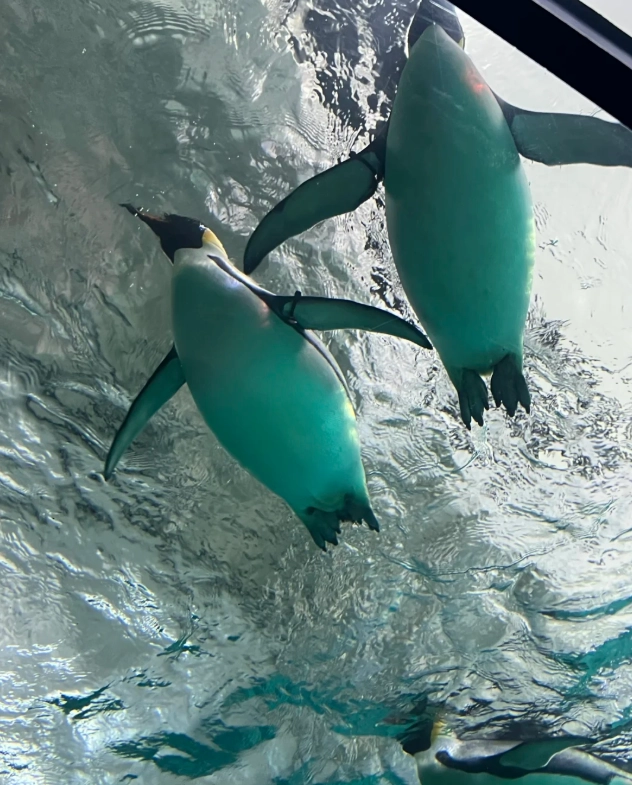
The Panning Technique
Stand at the bottom of the first drop on Parrot Coaster, behind the fence near the exit of the ride. Use a shutter priority mode at 1/30–1/60 second, and pan your camera to follow the train. This keeps the coaster sharp and blurs the background, giving a sense of speed. For Jiaolong, shoot from the bridge right after the launch — you’ll get riders’ expressions as they hit max velocity. Use burst mode and a fast shutter 1/1000 if you want to freeze them instead.
| Coaster | Best spot | Preferred lens | Shutter speed |
|---|---|---|---|
| Parrot Coaster | Base of first drop, behind fence | 70-200mm | 1/30 (panning) or 1/1000 (freeze) |
| Jiaolong Coaster | Bridge after launch | 24-70mm | 1/1000+ |
4. Nighttime Fireworks and Light Show
The nightly show “Ocean Night” features drones, fireworks, fountains, and projections on the whale shark statue. It starts around 19:00 in summer, 18:30 in winter (confirm with the park). The challenge: finding a spot without a pole or a kid on shoulders blocking your view.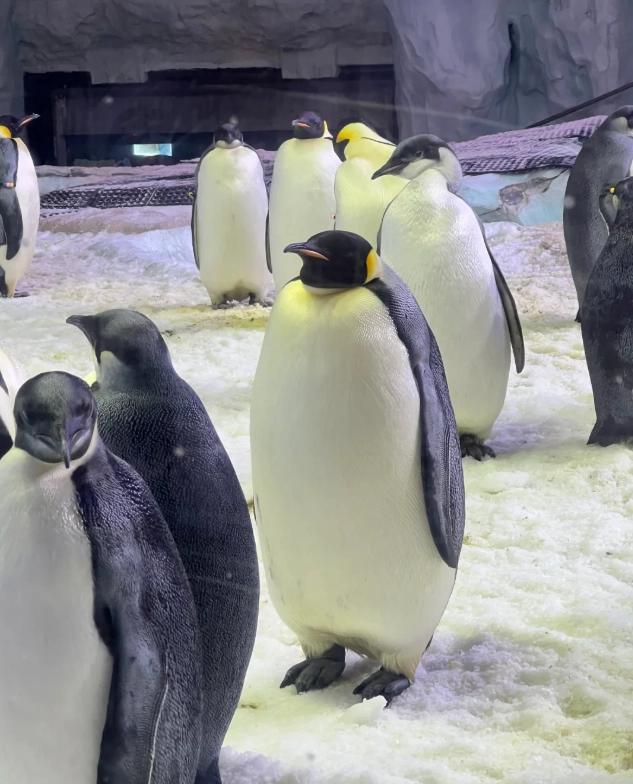
Best Unobstructed View
Stand on the elevated platform near the “Hero Square” food court, about 100 meters from the central lake. Most people crowd the lake edge; this platform is slightly higher and less packed. Arrive 45 minutes early to claim a spot. Use a tripod (it’s allowed at night if you’re not blocking walkways) — set your camera to manual, ISO 100, aperture f/8–f/11, and expose for 2–6 seconds depending on the fireworks burst. For drone formations, use a remote trigger to avoid camera shake.
5. Best Time to Shoot: Golden Hour & Blue Hour
The park opens at 10:00 AM and closes at 8:30 PM (winter) or 9:00 PM (summer). The magic light happens twice: golden hour (around 4:00–5:30 PM in summer, 3:00–4:30 PM in winter) and blue hour (just after sunset, about 6:30–7:00 PM in summer, 5:30–6:00 PM in winter).
Golden hour is ideal for the outdoor areas: the lake, the castle, and the marine animal statues. The warm light makes everything pop. Head to the “Ocean Square” near the entrance around 4:30 PM — the light hits the whale shark statue perfectly. For blue hour, the buildings light up, and the sky turns deep blue. That’s when you want to shoot the nighttime show and the illuminated attractions.
Here’s a catch: midday (11 AM–2 PM) is harsh, with strong shadows and washed-out colors. I always tell my groups to use that time for indoor exhibits like the aquarium or the polar bear house, where light is controlled anyway.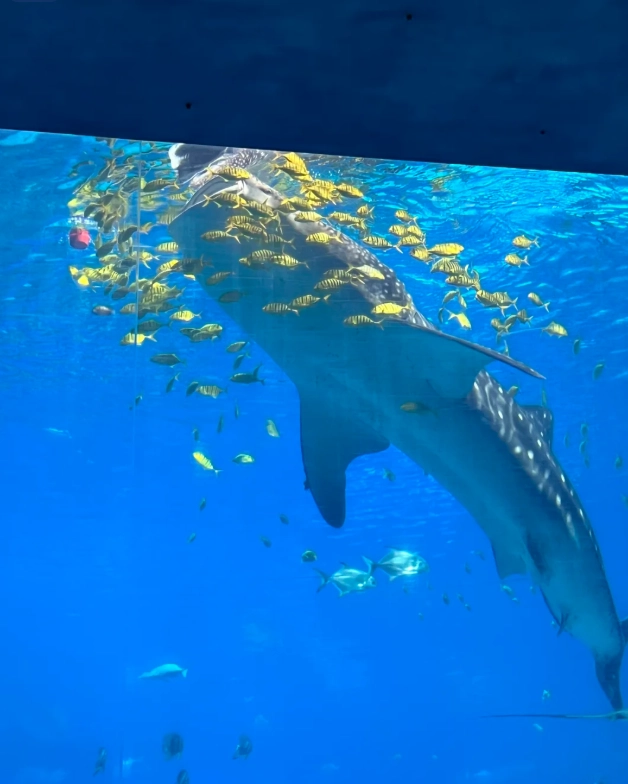
6. Camera Gear and Settings Tips
You don’t need a pro rig to get great photos, but a few pieces of gear will save your day. Here’s what I recommend packing:
- Lens: A fast zoom like 24-70mm f/2.8 covers most situations. Bring a wide-angle (16-35mm) for the aquarium and landscapes, and a telephoto (70-200mm) for coasters and animal details.
- Polarizing filter: Essential for cutting glass reflections and boosting sky contrast.
- Lightweight tripod: Only for the fireworks show; it’s cumbersome during the day. A gorillapod can work on railings.
- Rain cover: Zhuhai is humid and sudden showers happen. A cheap shower cap works in a pinch.
As for settings, I use Aperture Priority for most shots (f/5.6 for landscapes, f/2.8 for portraits) and Manual for fireworks. Keep ISO auto-capped at 3200. Shoot in Raw if you can — the dynamic range helps recover shadows in the aquarium.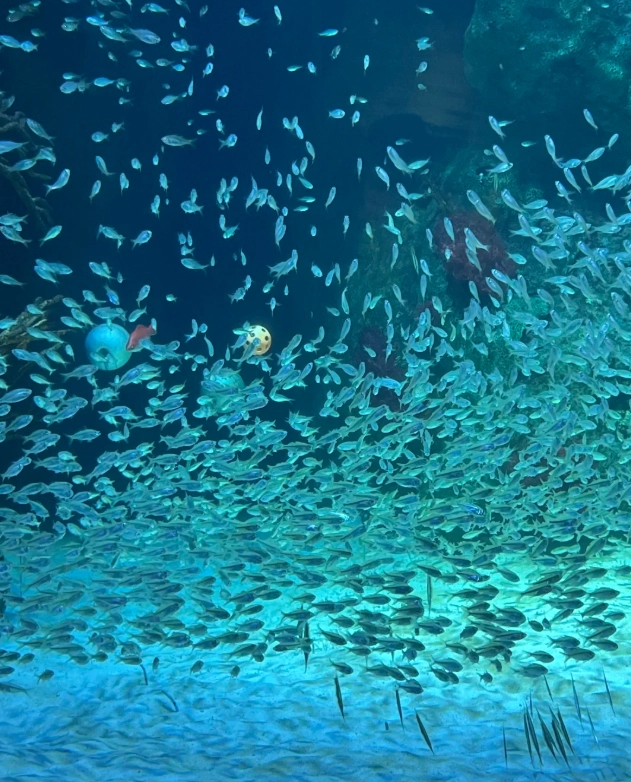
7. Insider Tips on Navigation, Payment, and Crowd Avoidance
Let’s be real: navigating Chinese attractions as a foreigner comes with wrinkles. Here’s how I handle them with my groups.
Getting In: Tickets and ID
Book your ticket on Trip.com or Klook at least a day in advance. The official WeChat mini-program is a nightmare for non-Chinese speakers. You’ll need your passport number — they’ll scan your passport at the gate. Don’t even think about buying at the box office; the line can stretch 30 minutes.
Price: around 350 RMB per adult (check current rates on Trip.com). Children under 1 meter enter free, and seniors over 65 get a discount.
Payment Inside the Park
Most food stalls and shops accept Alipay and WeChat Pay only. Carry some cash (200–300 RMB) for small vendors, but expect change in coins. International credit cards? Forget it. I always top up my Alipay before entering.
Navigation
Google Maps is useless — it’s blocked and outdated. Use Apple Maps (it works reasonably well in Zhuhai) or download AMap Global (the English version of Gaode). For drivers, have the park’s address in Chinese: 珠海长隆海洋王国, 珠海市横琴新区富祥湾. Show it to your Didi driver.
Insider Advice: The south gate (南门) is less crowded than the main entrance. Ask your driver to drop you at the south gate — you’ll save 15 minutes of security queue.
Crowd Avoidance
Weekdays are best; weekends are a wall of people. If you must go on a Saturday, arrive at 9:30 AM, and start with the whale shark aquarium (see spot #1). During lunch (12:00–13:00), most people eat — use that time to shoot the roller coasters or the polar bear exhibit.
8. Frequently Asked Questions
Verified and fact-checked by the editorial team. This content has been fact-checked to ensure informational precision.





As a hobbyist photographer, this list is gold. I spent a full day hitting all 10 spots and each one delivered. The aquarium tunnel is a no-brainer, but the hidden gem for me was the outdoor waterfall grotto – perfect framing with the park's skyline. Only wish the article had included exact optimal times for each spot; I guessed some and got lens flares. Still, easily 5/5 for inspiration and results.
Absolutely loved this guide! We used it with our kids and managed to get stunning family photos without the usual tourist chaos. The top pick – the castle reflection pool – was a dream at sunset. My 7-year-old even got a shot of the dolphins jumping in perfect sync. Five stars for making photography fun and easy for everyone, not just pros!
Honestly, I felt the '10 best locations' list was overhyped. The fountain area near the entrance was nothing special, and the lighting tips in the article didn't help much – maybe I went on an overcast day. The jellyfish exhibit was cool, but half the spots were basically just the same viewpoint from different angles. Wouldn't recommend going out of your way for this. It's okay if you're already there, but not worth planning a trip around.
The photography spots article got me excited, but the actual experience was a bit mixed. Some locations like the polar bear exhibit were way too crowded even midweek, and I couldn't get a clean shot without people photobombing. The dolphin pool view was nice, though. I'd say follow the guide but go on a weekday right at opening – still worth 4 stars for the unique angles they highlight.
I went specifically for the photography guide and was not disappointed! The list of 10 spots is spot-on, especially the underwater tunnel near the whale shark tank – the light was magical at 10am. Got some incredible shots with zero crowds that early. Definitely a must for any photographer visiting the park.