 Ting Chen
Quick Navigation
You know that sinking feeling when your WeChat Pay fails mid-transaction? I've seen it dozens of times with travelers at the village entrance. I've been guiding groups to Yubeng for over a decade, and trust me—this place rewards those who come prepared. Let me save you the headache.
Yubeng Village is a hidden gem tucked under the sacred Meili Snow Mountain in northwest Yunnan. The trek here isn't just a hike; it's a journey into Tibetan culture, alpine forests, and some of the most pristine glacial scenery you'll ever see. But getting there and navigating the trails requires inside knowledge that most online guides skip.
Here's the bottom line: The best month to go is October or November—clear skies, fewer crowds, and the golden poplars are stunning. But if you only have time for one day hike inside the village, make it the Ice Lake (Binghu) trail. More on that below.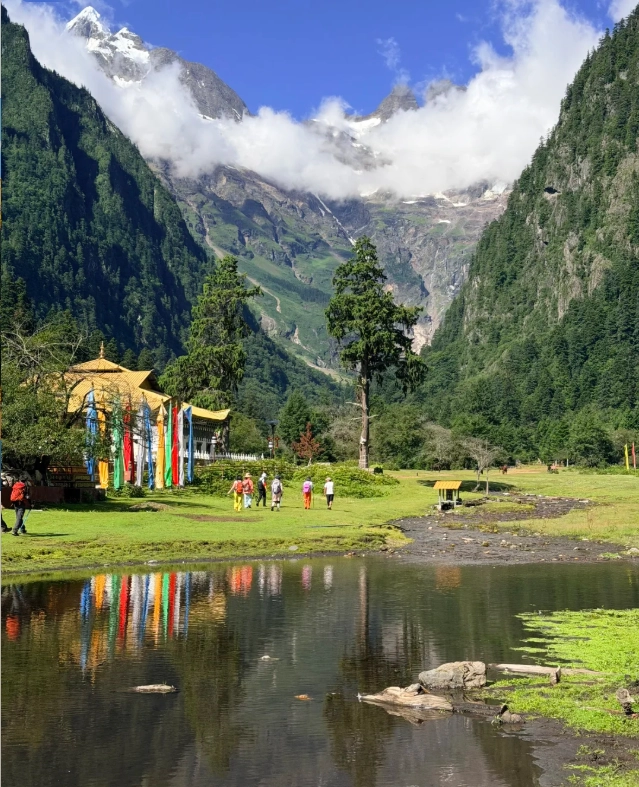
Why Yubeng Village Should Be on Your List
Yubeng is split into two hamlets: Upper Yubeng (海拔3200m) and Lower Yubeng (海拔3050m). The entire area is a hiker's playground. Unlike commercialized scenic spots, Yubeng still feels raw. You'll cross wooden bridges, dodge yak dung, and sip butter tea in family-run guesthouses. The views of Meili's main peak, Kawagebo (6740m), are jaw-dropping at sunrise.
But it's not just about the views. The isolation means you'll need to plan ahead—there are no ATMs in the village, and Wi-Fi is spotty. Pro Tip: Bring enough cash (around 500-1000 RMB) for tips, snacks, and emergencies, because card machines might be 'broken' when you need them most.
How to Get to Yubeng Village from Shangri-La / Deqin
Most travelers start from Shangri-La (also called Zhongdian). From there, it's a 4-hour drive to Deqin County, then another 1.5 hours to the West Entrance (Xidang Hot Spring). If you're not on a tour, you can catch a local bus from Shangri-La to Deqin (approx. 80 RMB), then share a minivan to Xidang (about 50 RMB per person). Alternatively, pre-book a private transfer through Trip.com or your hostel—expect around 800-1000 RMB for the whole car.
Warning: Google Maps is useless here. Download Amap Global (高德地图) or Baidu Maps before you leave. Input the Chinese name: 雨崩村 (Yǔbēng Cūn). For the entrance, search: 西当温泉 (Xīdāng Wēnquán).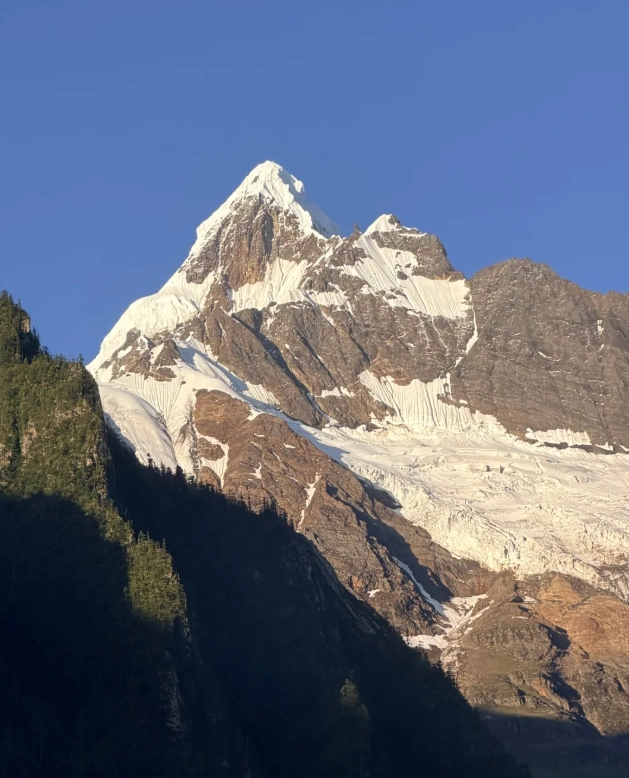
The Two Main Trails to Enter and Exit
Yubeng Village Hiking Route: West Entrance via Xidang Hot Spring
This is the classic entry. You can either hike 6-8 hours uphill to Upper Yubeng, or take a local jeep (200 RMB per person, luggage included). The jeep ride is a bone-rattling 40 minutes but saves your energy for the real hikes inside. Buy your ticket at the ticket booth—cash, WeChat Pay, or Alipay accepted. The ticket is 55 RMB for adults (no student discount for foreigners, unfortunately).
Insider Advice: If you hike, start before 9 AM to avoid the midday sun. The trail is a steady climb through pine forests, with two rest shacks selling noodles and water (20 RMB a bottle). Don't buy bottled water from the first shack—it's cheaper at the second one.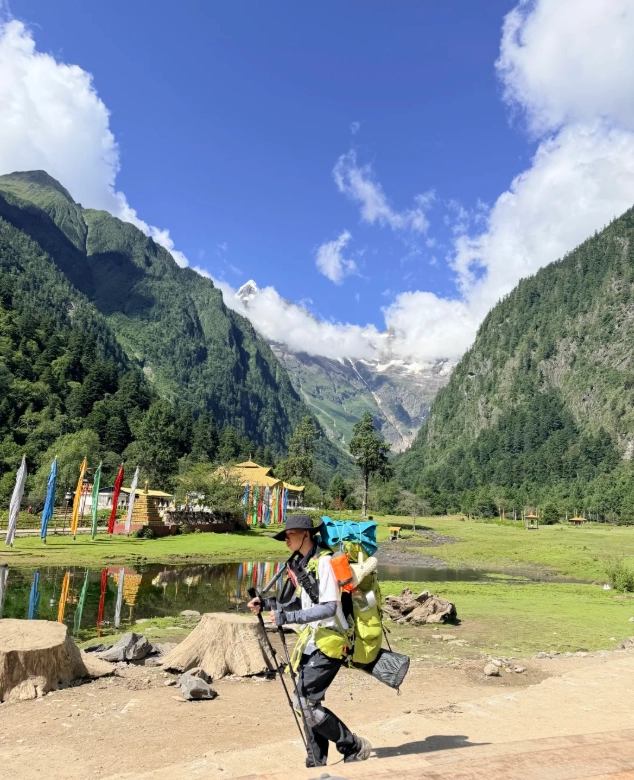
Yubeng Village Hiking Route: Southern Exit via Nilong Gorge
Most travelers exit through Nilong Gorge (尼农峡谷). It's a 4-5 hour downhill walk from Lower Yubeng to the road, where a local minivan can take you to Deqin. The trail hugs a dramatic cliff face—not for those with vertigo! But the views of the deep gorge and Mekong River are worth it. Make sure you start before 2 PM; the trail closes at 6 PM for safety, and you'll need daylight.
Pro Tip: If it's rained recently, the trail can be slippery. Wear boots with good grip and consider using a trekking pole (you can rent one at your guesthouse for 10 RMB). I always tell my clients to pack light for the exit day—you can send heavy luggage out by jeep for 100 RMB per bag.
Inside the Village: Best Day Hikes
| Trail | Duration | Difficulty | Highlights |
|---|---|---|---|
| Ice Lake (冰湖) | 6-8 hours round trip | Moderate to Hard | Glacial lake, snow-capped peaks, pine forest |
| Sacred Waterfall (神瀑) | 4-5 hours round trip | Easy to Moderate | Waterfall, prayer flags, sacred cave |
| Sacred Lake (神湖) | 8-10 hours round trip | Very Hard | High-altitude lake (4500m), panoramic views |
Ice Lake (Binghu) Trail
This is my personal favorite. Start from Lower Yubeng, cross a bridge, and follow the stream upward. The first half is a gentle incline through a birch forest; the second half gets steep after the rest hut. The final push is a 45-minute scramble over rocks. Arrive before 11 AM to see the lake in calm, mirror-like conditions—afternoon winds create ripples that ruin the reflection. Bring lunch (the rest hut sells noodles but they run out by 2 PM).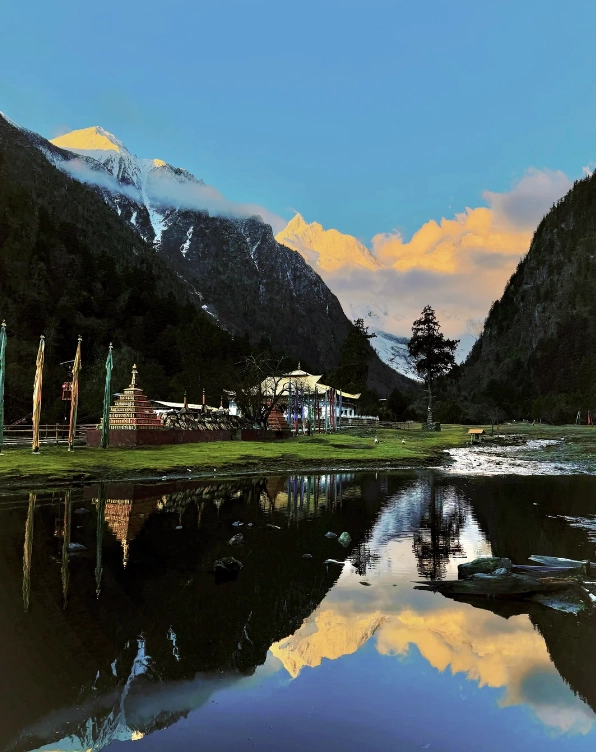
Sacred Waterfall (Shenpu) Trail
A much easier hike from Upper Yubeng. The trail is mostly flat through a valley, then a short climb to the waterfall. Locals believe walking three times around the falling water washes away sin. You'll see pilgrims praying. Go early to avoid crowds—by 10 AM it's packed. The mist can chill you quickly; bring a light waterproof jacket.
Sacred Lake (Shenhu) Trail
Only attempt this if you're acclimatized to 4500m and have a whole day. The trail is unmarked in parts—hire a local guide (200-300 RMB) or follow the horse hooves. Fewer tourists, so if solitude is your thing, this is it. Start before 6 AM to be back by sunset. No facilities at the top; carry 2 liters of water and high-energy snacks.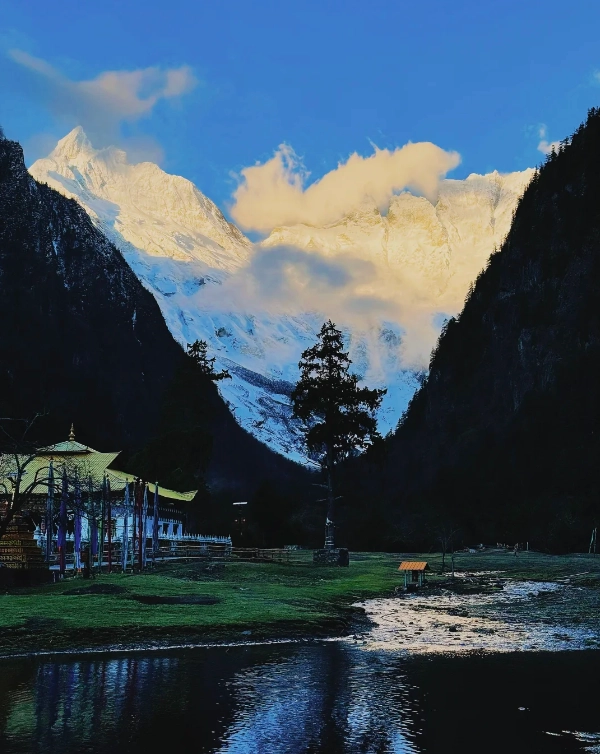
Where to Stay in Yubeng Village
Accommodation ranges from basic dorm beds (50-80 RMB) to comfortable guesthouse rooms (200-400 RMB) with private bathrooms. Most guesthouses are family-run and serve simple meals. Recommended: Stay at least two nights—one in Upper Yubeng (for Sacred Waterfall and sunrise views of the mountain) and one in Lower Yubeng (closer to Ice Lake).
Book ahead! Especially in October, rooms fill up. Use Trip.com or have your hotel in Shangri-La call ahead. Many guesthouses do not accept international credit cards; you'll need to pay in cash or via WeChat/Alipay. Insider Advice: Ask your guesthouse to prepare a packed lunch for your hike—they usually charge 15-25 RMB for a sandwich and fruit.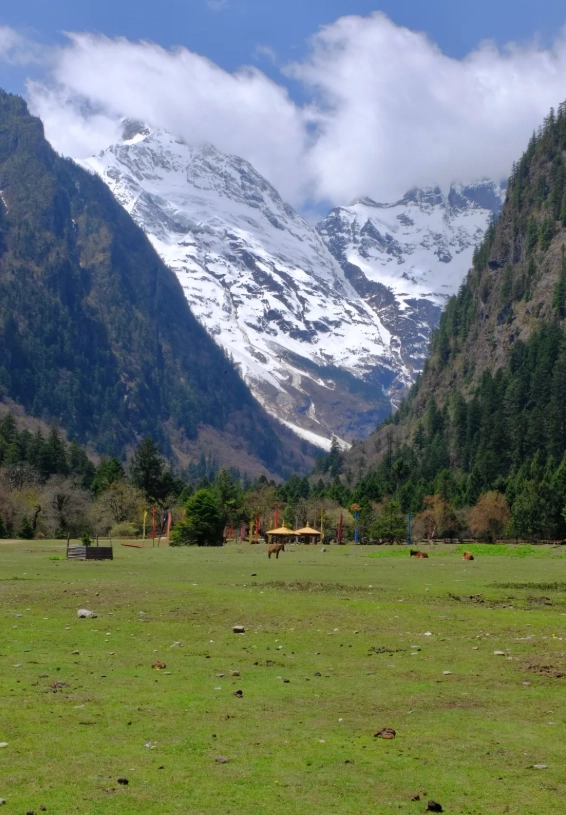
Practical Tips for Foreigners
Payment: Cash is king in Yubeng. While WeChat Pay and Alipay work at larger guesthouses, many small tea stalls and noodle houses only accept cash. Bring enough RMB. Cards are not accepted anywhere—leave your Visa at home.
Navigation: As I mentioned, Google Maps is blocked and inaccurate. Install Amap or Baidu Maps on your phone while still in a city with good internet. Download offline maps of Yunnan—they work even without signal.
Language: English is not widely spoken. Learn a few key phrases: “多少钱?” (how much?), “谢谢” (thank you), and “卫生间在哪里?” (where is the toilet?). Carry a translation app like Apple Translate or Baidu Translate—they work offline.
VPN & Connectivity: Most guesthouses have free Wi-Fi, but speed is low. For social media and messaging, ensure your VPN is installed before reaching Deqin—you may not get a stable connection to download one later. Mobile data (4G) works in the village with Chinese SIM cards; consider getting a travel SIM at the airport.
When to Go and What to Pack
Best months: Late April to June (spring flowers, less rain) and September to November (clear skies, golden foliage). Avoid July-August—it's monsoon season; trails get muddy and the lake isn't as blue. December to March is beautiful but very cold (-10°C at night) and some trails may be closed due to snow.
Packing list: Layered clothing (base layer, fleece, windproof jacket), sturdy waterproof hiking boots, sun hat, sunscreen SPF50, lip balm (the sun here is brutal), reusable water bottle (there are boiling water stations in guesthouses), headlamp (power cuts happen), and basic first aid (altitude sickness medicine like acetazolamide is helpful).
Insider Advice: Don't forget toilet paper—most outdoor toilets in Yubeng don't provide any. Also, hand sanitizer. The village has eco-friendly toilets but they can be... rough.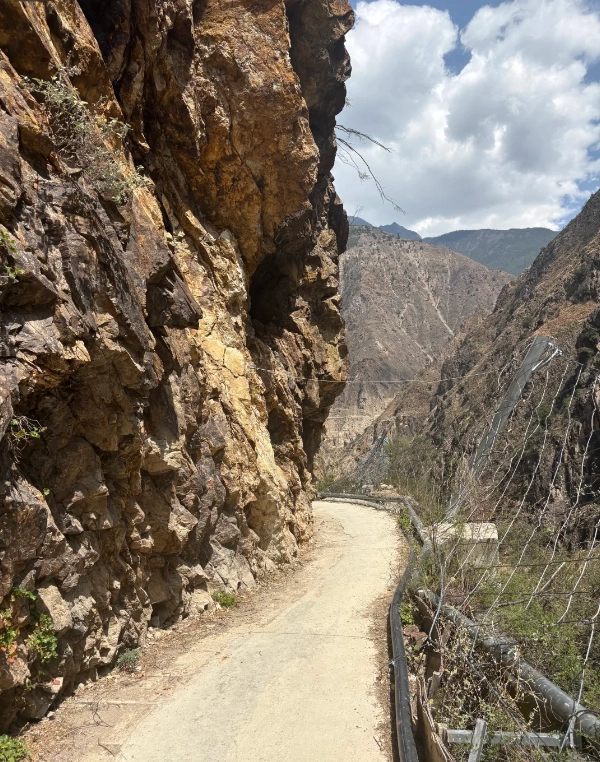






Honestly, I was a bit let down. Maybe my expectations were too high from all the glowing reviews. The weather was overcast, so the mountain peaks were hidden the whole time. The trail itself is just a dirt path through the woods—nothing special—and it was quite crowded even on a weekday. The 'insider tips' article mentioned avoiding the rush, but there was no way around the groups. The village is pretty but felt a bit touristy with all the souvenir stalls. If you've done other Himalayan treks, this one might feel underwhelming. Not terrible, but I wouldn't go out of my way for it.
Overall a solid hike with great scenery, but a few things kept it from being perfect. The trail was pretty muddy after a light rain—bring proper boots. Also, some of the signposts are faded or missing; I took a wrong turn near the forest and ended up adding an extra hour. The views of the glacier and the village rooftops are lovely, but I expected more dramatic views given the hype. The local noodle shop at the halfway point was a welcome break. Good for a day trip, but not mind-blowing. Solid 4/5.
Did this hike solo and felt completely safe the whole way. The path is pretty straightforward once you read the insider tips, especially the part about where to turn for the shorter loop. The silence in the valley was magical—just the sound of wind and distant cowbells. I sat by the sacred waterfall for an hour, no one else around. It was a deeply personal, almost spiritual day. For anyone hesitant about hiking alone: just go. This route is well-trodden and the locals are incredibly friendly. 5 stars doesn't do it justice.
I followed the advice from this article and it saved me so much hassle! The tip about renting a horse for the uphill section if you're not super fit was a lifesaver—my legs thanked me. The route itself is breathtaking: waterfalls, pine forests, and prayer flags everywhere. Even the rainy drizzle added a mystical vibe. Only reason I'm giving 5 stars instead of 100 is because I wish the article had mentioned more details about the local tea houses (they only serve instant noodles, so bring snacks). Still, an epic experience from start to finish.
Absolutely stunning! The views of the snow-capped peaks and the turquoise river are unlike anything I've ever seen. The trail is tough but well-marked, and the insider tips about starting early to avoid the afternoon clouds were spot-on. We made it to the base of the glacier before the crowds hit—totally worth the 5 a.m. alarm. The little guesthouse in Yubeng village felt like a cozy reward after a long day. Couldn't recommend this route more for first-timers who want a real taste of Tibetan mountain life.